Inspiration - RKT Newsletter
Oct 2026
E-Newsletter
October 2026



Quote
सम: शत्रौ च मित्रे च तथा मानापमानयो: । शीतोष्णसुखदु:खेषु सम: सङ्गविवर्जित: ॥ 18॥ तुल्यनिन्दास्तुतिर्मौनी सन्तुष्टो येन केनचित् । अनिकेत: स्थिरमतिर्भक्तिमान्मे प्रियो नर: ॥ 19॥ samaḥ śhatrau cha mitre cha tathā mānāpamānayoḥ śhītoṣhṇa-sukha-duḥkheṣhu samaḥ saṅga-vivarjitaḥ tulya-nindā-stutir maunī santuṣhṭo yena kenachit aniketaḥ sthira-matir bhaktimān me priyo naraḥ
Those, who are alike to friend and foe, equipoised in honor and dishonor, cold and heat, joy and sorrow, and are free from all unfavorable association; those who take praise and reproach alike, who are given to silent contemplation, content with what comes their way, without attachment to the place of residence, whose intellect is firmly fixed in Me, and who are full of devotion to Me, such persons are very dear to Me (Bhagavad Gita 12.18-19).
From the Editor’s Desk
Relationships play an important role in our spiritual journey, but their highest purpose is to draw us closer to God. When our interactions are rooted in service, humility, and a shared spiritual goal, they uplift and inspire us. Yet when expectations and attachments take center stage, they can distract us from our true purpose.
This month, we explore how sacred association differs from ordinary friendship and how keeping God at the center of our relationships can transform them into opportunities for growth, seva, and deeper devotion.
Bhakti Ras
The Purpose of Sacred Association
Human beings naturally seek relationships. We are drawn to people who share our interests, values, and aspirations. In spiritual life, however, association serves a deeper purpose than companionship alone. Devotees come together not merely to form friendships, but to help one another progress toward God.
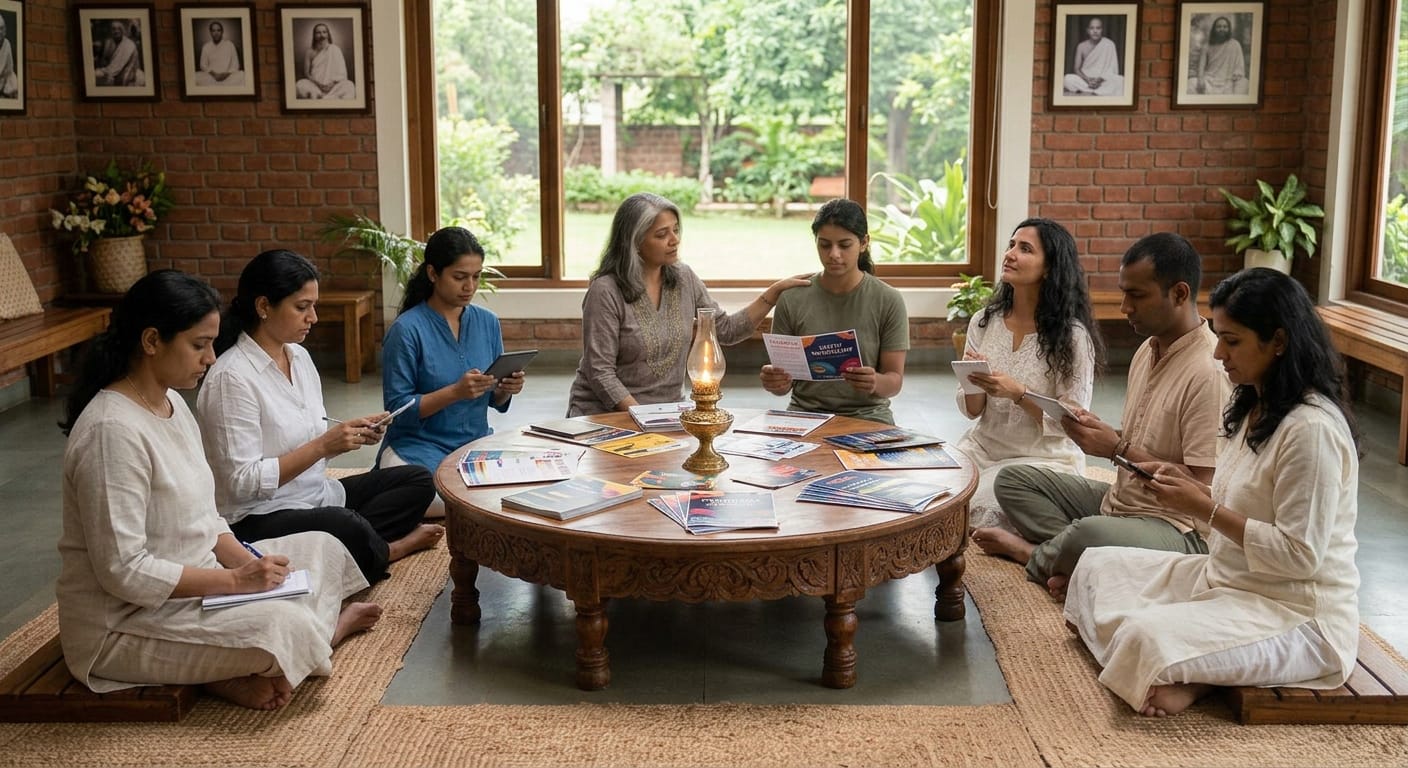
The scriptures repeatedly emphasize the importance of Satsang, the company of spiritually minded souls. Through Satsang, we gain inspiration, encouragement, and guidance. We learn from one another's experiences, strengthen our faith, and deepen our understanding of divine truths. Just as a single coal quickly cools when separated from the fire, an individual practitioner may find it difficult to sustain spiritual enthusiasm if distanced from Satsang. A sacred association with the Guru, fellow devotees, and divine knowledge of the Scriptures keeps the flame of devotion burning bright.
At the same time, saints caution us about the subtle pitfalls that can arise within spiritual communities. When relationships become centered on personal likes and dislikes, expectations begin to develop. We may unconsciously seek recognition, attention, loyalty, or emotional support from others. When these expectations are not fulfilled, it may lead to disappointment, resentment, and feelings of entitlement. What began as a means of spiritual growth can then become a source of distraction from the true goal. The goal of Satsang is not merely to enjoy one another's company, but to help one another to serve God/Guru through a collaborative spirit.
For this reason, many spiritual masters encourage disciples to view their relationships through the lens of seva. Rather than asking, "How can I deepen my relationship with this person so s/he helps me in my seva and makes me look good?" we can ask, "How can I serve God through this interaction?" Such a shift transforms our associations. We learn to appreciate others without becoming dependent on them. We serve with affection, humility, cooperation, and remain focused on the higher purpose that brought us together.
Sacred association is not about avoiding people; it is about keeping God at the center of our interactions. When devotees gather for seva, worship, learning, and spiritual growth, relationships naturally become purer and more uplifting. The goal is not friendship for its own sake, but companionship on the journey toward God. When the shared destination remains clear, our associations elevate rather than entangle, inspire rather than distract, and help each soul move closer to the Divine. When God and Guru are removed from the center of a relationship, material attachments begin. When God remains at the center, the relationship becomes seva.
Bal-Mukund: Playground for Vedic Wisdom
What We Get Used To
One stormy night, Swami Vivekananda was returning from Dakshineshwar after visiting his spiritual teacher when heavy rain forced him to seek shelter. Nearby, a group of fisherwomen was caught in the same storm. The only shelter available was a florist’s shop.

The kind florist welcomed everyone inside. He invited the fisherwomen to sleep among the flowers and asked Swami Vivekananda to rest on the veranda, where the women had left their baskets of fish. As the night passed, Swami Vivekananda found the smell of fish unbearable. Meanwhile, the fisherwomen could not sleep because they were unaccustomed to the strong fragrance of the flowers.
Around two in the morning, the fisherwomen came outside and invited Swami Vivekananda to sleep inside. He gladly entered the flower-filled room, relieved by its fragrance. The experience illustrated how deeply our surroundings shape what feels familiar and comfortable.
Practical Wisdom:
- Just as the smell of fish comforted the fisherwomen but disturbed Swami Vivekananda, we become accustomed to the influences around us. The books we read, the entertainment we choose, and the people we spend time with gradually shape our habits and preferences. Choosing uplifting company helps positive qualities become more natural..
- Sacred association, especially the guidance of a Guru and the company of sincere devotees, can strengthen our spiritual aspirations. Through satsang, we learn to direct our thoughts and actions toward God and support one another in devotion and seva.
Youth Insights
The People Who Bring Out Our Best
Have you ever walked away from a conversation feeling more confident, encouraged, or motivated? Maybe a friend reminded you of something you were good at, or a teacher helped you see a setback differently. The people we interact with can have a lasting impact on us, sometimes without us realizing it.
As teenagers, we're surrounded by constant comparison. Whether it's grades, achievements, appearances, or social media, it's easy to measure ourselves against others. Even when we're doing well, someone else's success can make us question whether we're doing enough. This is where sacred association becomes especially meaningful.
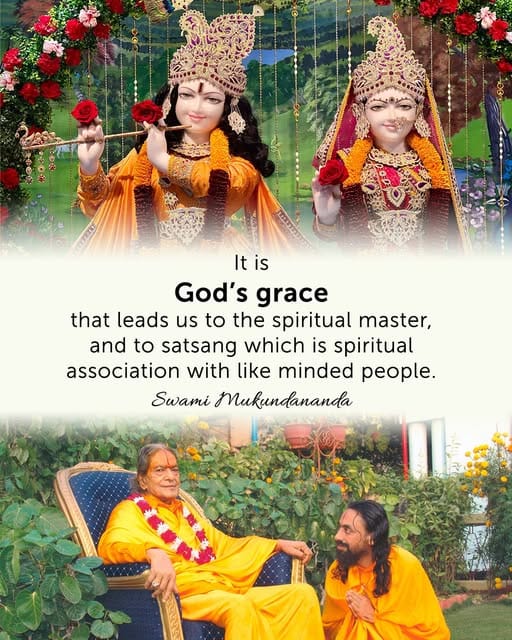
In spirituality, satsang means associating with truth through the company of saints, devotees, and spiritual teachings. Swami Mukundananda Ji emphasizes the importance of uplifting our minds through such association. While the world often encourages us to focus on what we have accomplished, satsang inspires us to consider who we are becoming and how we can grow closer to God.
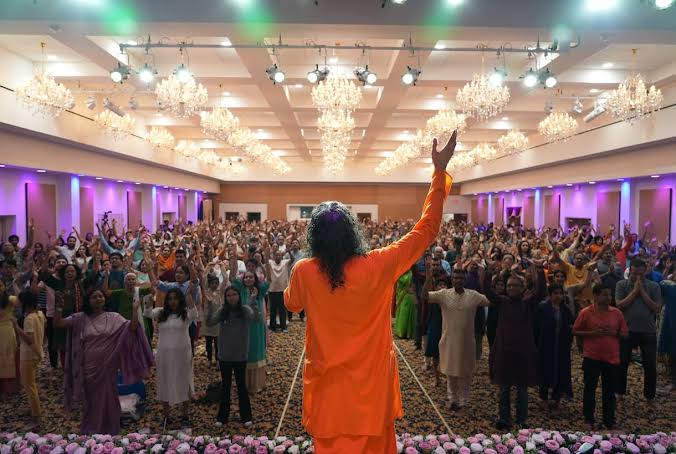
One of the most valuable things about satsang is that it can change our perspective. A disappointing grade might feel like a failure, but spiritual wisdom reminds us that our worth isn't defined by one result. Someone else's success doesn't have to diminish our own. Instead, we can celebrate others while continuing to improve ourselves.
Practice Opportunity
This week, have one meaningful conversation with someone who inspires you spiritually. Ask about a lesson that changed their perspective on life, and try applying it when you face a challenge of your own. Sometimes, the right conversation can change more than your mood. It can change how you see the world and your place in it.
Holistic Health Tidbits
Sacred Association for Health and Well-Being
Sacred association means intentionally surrounding ourselves with people, teachings, and practices that uplift the mind and nourish the spirit. The company we keep can influence our emotions, daily habits, and overall well-being.
When we spend time with people who encourage gratitude, compassion, discipline, and inner growth, we create opportunities to cultivate these qualities ourselves. Supportive relationships and shared spiritual practices can also strengthen our sense of belonging and emotional resilience.
Here are four ways to nurture well-being through sacred association:
- Participate in Satsang: Attend Sunday Satsang or Bhakti Retreats to connect with fellow devotees and deepen spiritual understanding.
- Cultivate Healthy Habits: Join classes at the Prem Wellness Center, where wellness practices can become part of a supportive community.
- Share Nourishing Meals: Enjoy Temple Mahaprasad and meaningful fellowship, recognizing that sharing food can nourish both body and spirit.
- Serve Together: Participate in seva at the Radha Krishna Temple, building connections through compassionate action and shared purpose.
Sacred association can also begin at home through prayer, spiritual reading, gratitude-filled conversations, or technology-free family time. Small, intentional moments of connection can support healthier habits while keeping us spiritually grounded.
Reflection Questions
Bhakti Ras / Inspiration
- When I interact with fellow devotees, am I primarily seeking appreciation, support, and friendship, or am I looking for opportunities to serve and grow closer to God?
- Have expectations in my spiritual relationships led to disappointment or inner disturbance? How can I shift my focus from receiving to serving?
Bal-Mukund: Playground for Vedic Wisdom
- How does the company I keep influence my thoughts and habits, and how can I seek associations that help me grow closer to God?
Youth Insights
- Who is someone whose presence encourages me to become a better person, and what have I learned from them?
Holistic Health Tidbits
- Which relationships or spiritual practices most support my well-being, and what is one way I can strengthen those sacred associations this week?
Upcoming Events
We are excited to share the details of an upcoming event at the Radha Krishna Temple of Dallas, the official Headquarters of JKYog.
Diwali Mahotsav: November 5 to 10, 2026
Diwali, the festival of lights, celebrates Lord Ram's return to Ayodhya after defeating Ravan. Symbolically, it is a time to awaken the inner light, overcome ignorance, and detach the mind from material allurements by seeking divine illumination. As Swami Mukundananda notes, just as we clean our homes for Diwali, we must also cleanse our hearts to welcome the Lord.
Join us to experience devotional and vibrant festivities.

Tulsi Vivah – November 21, 2026
In Golok, the eternal realm where Shree Krishna and Radha Rani perform their divine pastimes, resides the exalted Vrinda Devi. As an eternal associate of Radha Rani, she meticulously orchestrates these divine leelas for the ultimate spiritual welfare of all souls. Tulsi Devi is a direct expansion of this divine personality.
Join us as we explore the sacred history of how Vrinda Devi came to marry Lord Shaligram, an eternal form of Shree Krishna.

Participate in the Tulsi Vivah celebration to experience the joy of a divine wedding with a baarat and the pheras.
Stay tuned for details!