
Inspiration - RKT Newsletter
April 2026

E-Newsletter
April 2026



Quote
विद्याविनयसम्पन्ने ब्राह्मणे गवि हस्तिनि | शुनि चैव श्वपाके च पण्डिता: समदर्शिन: || 18||
vidya-vinaya-sampanne brahmane gavi hastini shuni chaiva shva-pake cha panditah sama-darshinah
The truly learned, with the eyes of divine knowledge, see with equal vision a Brahmin, a cow, an elephant, a dog, and a dog-eater ( Bhagavad Gita 5.18 )
From the Editor’s Desk
Relationships are at the heart of our daily lives. They bring joy, challenges, and countless opportunities to grow. In this month’s issue, Sacred Relationships: Learning to See God in Others, we explore how every interaction can become a step forward on our spiritual journey, and how we can respond with greater patience and understanding.
As you read through this issue, we invite you to reflect on your own interactions and consider how they can become a means of inner growth. With sincere effort and grace, our relationships can evolve from everyday exchanges into meaningful expressions of devotion.
Bhakti Ras
Sacred Relationships: Learning to See God in Others
In our daily lives, relationships often appear as sources of joy, support, and sometimes difficulty. From a spiritual perspective, they serve a much deeper purpose. The Vedic scriptures explain that every interaction we experience is part of a larger divine arrangement meant for our inner evolution. What we encounter in others is not random or coincidence, but an opportunity to refine our thoughts, emotions, and responses.
Relationships as a Means for Inner Growth
The world functions as a training ground for the soul. In this training ground, relationships become one of the most powerful tools for growth. It is easy to feel peaceful in isolation, but our true spiritual progress is revealed in how we behave with others. When our expectations are not met or when situations do not unfold as we desire, the mind reacts. These reactions are not caused by others but arise from within us.
The Bhagavad Gita offers a profound insight into this understanding. Shree Krishna explains the essence of this gem of wisdom to Arjun:
ईश्वर: सर्वभूतानां हृद्देशेऽर्जुन तिष्ठति | भ्रामयन्सर्वभूतानि यन्त्रारूढानि मायया || 61||
ishvarah sarva-bhutanam hrid-deshe ‘rjuna tishthati bhramayan sarva-bhutani yantrarudhani mayaya
The Supreme Lord dwells in the hearts of all living beings, O Arjun. According to their karmas, He directs the wanderings of the souls, who are seated on a machine made of material energy ( Bhagavad Gita 18.61 )
The implication is that every person we interact with is not merely an individual personality, but a soul in whom God is present. When we begin with this awareness, our approach to relationships shifts. Instead of asking, “Why is this person behaving this way?” we begin to ask, “What is the lesson for me in this situation?”
This shift marks the beginning of spiritual maturity. Relationships are no longer seen as obstacles to our peace, but as instruments of divine grace guiding us toward it.
Cultivating the Vision to See God in Others
While the idea that God resides in all beings is inspiring, living with this awareness is not easy. Our perception is often influenced by external behavior, personal preferences, and past experiences. We tend to relate to people based on how they make us feel, rather than who they truly are at the level of the soul. However, a true yogi sees God in all beings and all beings in God. This is not merely poetic language. It is a practical spiritual goal that can be cultivated through consistent effort (Bhagavad Gita, 6.29).
Swami Mukundananda teaches that when we internalize this concept, only then can we effectively apply this knowledge. Even if we do not feel it naturally, we can remind ourselves that each person is a part of God. This simple mental shift helps reduce judgment and increase respect for others. Over time, repeated remembrance begins to shape our perception.
However, this vision is tested most during challenging interactions. When someone speaks harshly or behaves unfairly, our natural response is to react. At such moments, spiritual practice calls for introspection. Instead of focusing outwardly, we must turn inward and observe our own mind. What expectation was hurt? What attachment was disturbed? What aspect of the ego is reacting?
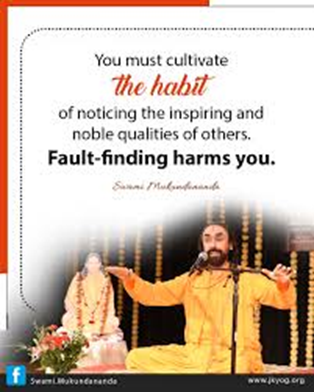
In this way, difficult relationships become mirrors. They reveal the impurities within us that need attention. Swamiji explains in His talks and books that the faults we see in others can serve as reminders of what we must work on within ourselves. When we adopt this perspective, even discomfort becomes meaningful.

Gradually, we begin to understand that seeing God in others does not mean ignoring their flaws. It means choosing to relate at the level of the soul, while working on purifying our own minds. This understanding brings both humility and strength into our relationships.
Transforming Interactions Through Thoughtful Speech and Selfless Love
As our perception begins to change, it naturally reflects in our actions, especially in the way we communicate. Words carry immense power. They can either uplift a relationship or create distance. In spiritual life, speech is not casual. It becomes a conscious expression of our inner state. Swamiji explains this as the austerity of speech:
अनुद्वेगकरं वाक्यं सत्यं प्रियहितं च यत् | स्वाध्यायाभ्यसनं चैव वाङ्मयं तप उच्यते || 15||
anudvega-karam vakyam satyam priya-hitam cha yat svadhyayabhyasanam chaiva van-mayam tapa uchyate
Words that do not cause distress, are truthful, inoffensive, and beneficial, as well as regular recitation of the Vedic scriptures—these are declared as austerity of speech ( Bhagavad Gita 17.15 )
The discipline of speech is about speaking words that are truthful, pleasant, and beneficial. This teaching is highly relevant in relationships. Before speaking, we can pause and reflect. Are these words necessary? Are they kind? Will they help the situation?
Controlling our speech is an important aspect of self-mastery. When emotions are strong, silence or gentle expression can prevent regret and preserve harmony. Over time, mindful communication becomes a form of seva, an offering made with care and respect.
Along with speech, the nature of our love also requires refinement. Often, what we call love is mixed with expectation and attachment. We seek appreciation, agreement, and emotional security from others. When these expectations are not fulfilled, disappointment arises. Spiritual wisdom invites us to transform this attachment into selfless love. The Bhagavad Gita (12.13 and 12.14) explains that a true devotee is free from possessiveness and remains balanced in all situations. This does not mean becoming indifferent. It means caring deeply while remaining inwardly steady.
This is because attachment, either in love or in hate, binds the mind, while selfless love frees it. When we serve others without expecting anything in return, relationships become lighter and more harmonious. We continue to fulfill our roles with sincerity, but we surrender the outcomes to God. This balance between love and detachment allows us to remain peaceful even when situations are not ideal. It strengthens relationships because it removes pressure and fosters genuine connection.
Applying Divine Vision in Daily Life
The journey of seeing God in others is not completed in a single moment of understanding. It unfolds through consistent daily practice. Small, sincere efforts gradually transform our inner world, and this transformation will reflect in our relationships. This can begin with simple practices that can be implemented daily for a greater impact.
At the start of the day, we can offer a prayer asking for the right vision. Before important interactions, we can pause for a moment and remember God. At the end of the day, we can reflect on our responses and identify areas for improvement. A helpful inner prayer could be: “O Lord, help me see You in everyone I meet. Please guide my thoughts, words, and actions.” Such prayers align our efforts with divine grace.

It is also important to be patient with ourselves. There will be moments when we forget, react, or fall back into old patterns. These moments are not failures, but part of the learning process. What matters is the willingness to return to the practice again and again.
Over time, a subtle shift will take place. Reactions will reduce, understanding will increase, and the need to control others will diminish. We will begin to accept people more easily and respond with greater compassion. Relationships that once felt difficult will start to feel purposeful and uplifting.
Sacred relationships are not defined by perfection in others, but by transformation within ourselves. When we learn to see God in others, every interaction becomes meaningful. Every relationship becomes a step forward on the path of devotion.
Bal-Mukund: Playground for Vedic Wisdom
The Sweetness of Divine Grace
Sant Tukaram was a revered saint from Maharashtra. His wife had a difficult temperament and often argued with him, making their household a constant battleground. One day, there was no food in the house. Sant Tukaram was sitting and singing devotional songs when his wife scolded him for doing nothing while there was no food. She insisted that he go to the shop and earn something so they could eat.

Sant Tukaram quietly listened and went to the shop. He earned his daily wage and used it to purchase some groceries. On his way back, he came across a group of beggars. Moved by compassion, he gave them what little he had, leaving himself with only one sugarcane.
When he returned home, he offered the sugarcane to his wife and explained that it was all he had brought. In a fit of anger, she snatched it and struck him on the head, breaking it into two pieces. Sant Tukaram remained calm, smiled, and said there was no issue. He gently suggested that she take one half, and he would take the other.
He then went to his room and offered gratitude to God. He reflected that his wife was helping him remain detached from worldly attachments.

Practical Wisdom:
- Sant Tukaram remained calm both when he was asked to go to the shop and when he was struck with the sugarcane. Instead of reacting with anger or trying to escape the situation, he chose patience and acceptance, trusting that everything was unfolding for his spiritual growth.
- Sant Tukaram saw his wife as a divine instrument—an expression of God’s grace in his life. He understood that God is present everywhere, even in challenging situations. Just as an intoxicated person may stand before their own home yet fail to recognize it, we often fail to perceive God due to pride, greed, selfishness, and anxiety. The first step in recognizing Him is learning to see the grace already present in our lives, even through others.
Youth Insights
Seeing the Good in Others
In our daily lives, we interact with so many people, including friends, family, teachers, and classmates. Some relationships feel easy and joyful, while others can be challenging or even frustrating. It’s natural to respond based on how others treat us. Through murti pooja and devotion, we practice seeing God in a physical form. We offer respect, attention, and care to the murti with mindfulness and sincerity. But the goal doesn’t end there. That same awareness can extend beyond the temple into how we see and treat others.
For students, this can be difficult. It’s not easy to stay calm when someone is rude, unfair, or dismissive. But sacred relationships are not about pretending everything is perfect; they're about choosing a higher perspective even when it’s hard.

Here are a few ways we can practice seeing God in others:
- Pause before reacting: When emotions rise, take a moment. Mindfulness helps you respond with awareness instead of impulse.
- Practice respect consistently: Treat everyone with basic dignity, not just those you like or agree with.
- Look beyond behavior: People act based on their own struggles and experiences. Try to see the deeper person, not just the surface actions.
- Balance boundaries with compassion: Seeing God in others doesn’t mean accepting harmful behavior. You can maintain self-respect while still holding compassion.
- Carry devotion into daily life: The focus and reverence you bring during prayer can guide how you speak, listen, and act throughout the day.
Sacred relationships remind us that spirituality is not limited to rituals; it lives in our everyday interactions. When we approach others with even a small sense of devotion and mindfulness, relationships become less about ego and more about connection. Over time, this builds inner peace, stronger bonds, and a deeper understanding of what it means to live with grace.
Holistic Health Tidbits
Sacred Relationships as a Path to Holistic Well-Being
In our modern pursuit of health, we often treat well-being as a personal project—focusing on nutrition, sleep, and physical activity. While these are indeed very important, a deeper and often overlooked dimension of health lies in the quality of our relationships and our connection with others.
A holistic approach to well-being invites us to view relationships not merely as social interactions, but as meaningful opportunities for inner balance and growth. When we begin to see others with respect and awareness, our interactions become more intentional, supportive, and nourishing to both mind and body.
The Health Benefits of Connection
Our relationships have a direct impact on our physical and emotional well-being. When we approach others with understanding rather than judgment, the body naturally shifts into a more relaxed and balanced state. This helps reduce stress and supports overall health.
Acts of kindness and respect can be deeply restorative. Even small moments of genuine connection can create a sense of calm and stability, supporting emotional resilience and mental clarity.
Swami Mukundananda emphasizes the importance of both physical and spiritual practices for overall well-being. While yoga, meditation, and pranayama support the body and mind, Satsang, sadhana, and seva nurture inner growth. When these practices are integrated, they create a more balanced and holistic approach to health.
Relationships as a Practice for Well-Being
Developing healthier relationships can become an important part of our wellness routine.
This can begin with simple, mindful habits:
- Mindful Presence: Being fully attentive in conversations helps build stronger and more meaningful connections.
- Empathy: Recognizing that others may be facing unseen challenges allows us to respond with greater patience and understanding.
- Healthy Boundaries: Setting respectful boundaries supports emotional balance and helps maintain positive relationships.
A Holistic Perspective on Health
True well-being goes beyond physical fitness. It includes emotional balance, mental clarity, and the ability to relate to others with patience and compassion. When we approach relationships with greater awareness, we naturally cultivate a more peaceful and balanced inner state.
Our interactions can become a powerful space for growth. By responding thoughtfully rather than reacting impulsively, we strengthen both our relationships and our overall well-being.
This week, take a moment to reflect on your interactions. Small shifts in how we listen, speak, and respond can create a meaningful impact—not only in our relationships, but also in our health and inner harmony.
Reflection Questions
Bhakti Ras / Inspiration
- How can you begin to see God in others, especially in challenging situations? What small steps can help you practice this awareness more consistently?
Bal-Mukund: Playground for Vedic Wisdom
- How did Sant Tukaram recognize God’s presence in his life, even during a difficult moment with his wife?
Youth Insights
- What is one relationship in your life where you can start seeing the divine more clearly, even if it feels challenging?
Holistic Health Tidbits
- How do your interactions with others influence your inner peace, and how often do you view them as part of your well-being rather than a disruption to it?
Upcoming Events
We are very excited to share details regarding three upcoming events at the Radha Krishna Temple of Dallas, the official Headquarters of JKYog.
Sri Srinivasa Kalyanotsavam: May 9, 2026, from 7:30 AM – 12:30 PM
Experience the divine joy of the celestial wedding ceremony of Lord Venkateswara and Goddess Padmavati. This sacred ritual, performed with traditional Vedic chants and elaborate offerings, invokes blessings for prosperity, harmony, and spiritual well-being. Join the community in witnessing this magnificent Kalyanotsavam to savor the bliss of the Lord’s grace. Specific poojas and events include:
- Suprabhata Seva
- Tomala Seva
- Sri Venkateswara Archana
- Srinivasa Kalyanam
- Veda Vinnapam
- Pallaki Seva (Palanquin Procession)
- Mangala Aarti (Light Offering) and Sarva Darshanam (General Viewing)
- Cultural Program featuring Kolatam and Annamacharya Keertanalu
Details: https://www.radhakrishnatemple.net/sri-srinivasa-kalyanotsavam

Senior Citizens’ Meet: May 16, 2026, from 4:00 PM – 7:00 PM
Join us for a delightful afternoon dedicated to our seniors, filled with conversation, games, and camaraderie. This gathering is a wonderful opportunity to connect with fellow community members, share stories, and relax in a supportive environment. It is a time to celebrate wisdom and friendship in the peaceful atmosphere of the temple.
Details: https://www.radhakrishnatemple.net/seniors-meet

Youth Leadership Workshop 2026 – Discover the Leader Within You: May 28 – 29, 2026, from 8:30 AM – 5:30 PM
Empower the next generation at this dynamic two-day workshop designed for high school and college students to unlock their potential. Through interactive sessions, personality development activities, and a focus on application of principles, participants will learn to lead from real leaders in the field with integrity and confidence. This is an incredible opportunity for students to build essential life skills and find their inner strength to grow as leaders.
Do not miss the registration deadline for a discounted rate ($99.00). The regular fee ($160.00) will apply starting May 16, 2026.
Details: https://www.radhakrishnatemple.net/leadership-workshop-youth