Introduction: Five Divine Pastimes That Still Change Lives
Every Janmashtami, millions of devotees across the world celebrate the divine appearance of Shree Krishna with fasting, devotional singing, temple festivities, and midnight worship. Homes are beautifully decorated, temples echo with the chanting of the holy names, and the enchanting stories of Shree Krishna's childhood fill every heart with joy. Yet, Janmashtami is much more than the commemoration of a sacred birth. It is an opportunity to reconnect with the timeless wisdom, boundless compassion, and divine love that Shree Krishna revealed through His extraordinary pastimes.
Unlike ordinary historical events, Shree Krishna's leelas are eternal. Every pastime carries profound spiritual meaning, revealing a different aspect of the Supreme Divine Personality's relationship with His devotees. Sometimes He appears as the mischievous child stealing butter from the homes of the gopis. At other times, He stands fearlessly before mighty kings, protects His devotees from impossible dangers, or delivers the immortal wisdom of the Bhagavad Gita on the battlefield of Kurukshetra. Each leela is an invitation to look beyond the miracle itself and discover the spiritual truth hidden within it.
Swami Mukundananda beautifully explains that Shree Krishna's pastimes are not merely stories to entertain us. They are divine lessons meant to awaken devotion, strengthen our faith, and transform our hearts. When we contemplate these sacred events with sincerity, we begin to understand that the same Lord who protected the residents of Vrindavan, embraced His dear friend Sudama, and guided Arjuna through his darkest moment continues to guide every sincere soul today.
As we celebrate Janmashtami 2026, let us journey through five unforgettable Shree Krishna leelas. Each one reveals a timeless lesson in faith, humility, surrender, friendship, and divine protection; qualities that can illuminate our own spiritual path and deepen our relationship with the Lord.
1. Govardhan Leela: When Faith Became Stronger Than Fear
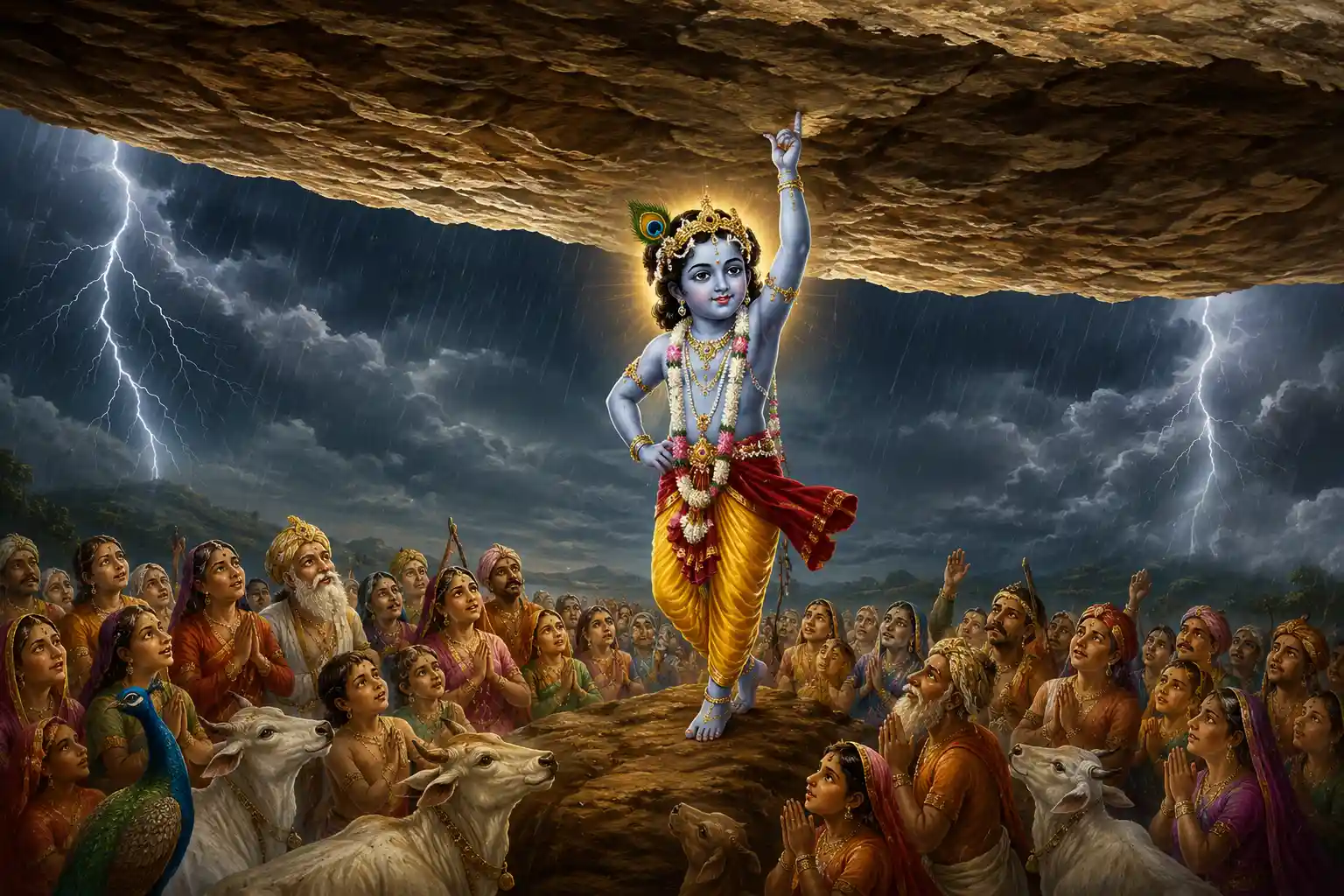
Among Shree Krishna's many childhood pastimes, few are as awe-inspiring as the lifting of Govardhan Hill. It is a leela that demonstrates not only His immeasurable divine power but also His tender love for those who place their complete faith in Him.
The residents of Vrindavan had long observed an elaborate sacrifice to please Indra, the king of the celestial gods. Like generations before them, they believed that these offerings ensured timely rainfall and abundant harvests. Seeing this, the young Shree Krishna gently questioned His father, Nanda Baba, about the purpose of the ritual. He explained that the prosperity of Vrindavan depended not on fear of Indra but on the cows, the fertile land, and Govardhan Hill, which lovingly sustained their lives.
Following Shree Krishna's advice, the Vrajwasis joyfully redirected their worship towards Govardhan Hill. Their celebration was filled with devotion, gratitude, and simple love. However, Indra interpreted their decision as an insult. Consumed by pride, he unleashed devastating storms upon Vrindavan. Torrential rains flooded the land, violent winds uprooted trees, and terrifying thunder echoed across the skies. The frightened residents ran to Shree Krishna, seeking refuge from the catastrophe.
Without the slightest trace of anxiety, Shree Krishna smiled and effortlessly lifted Govardhan Hill with the little finger of His left hand, holding it aloft like a giant umbrella. For seven days and seven nights, the people of Vrindavan, along with their cows and belongings, remained safely sheltered beneath the hill while the storm raged outside. Witnessing Shree Krishna's extraordinary power and unwavering compassion, Indra's arrogance dissolved. He descended from the heavens, offered heartfelt prayers, and recognised Shree Krishna as the Supreme Divine Personality.
This beautiful pastime carries a lesson that remains deeply relevant today. Like the residents of Vrindavan, we often place our faith in temporary securities such as wealth, status, relationships, or material achievements. While these have their place, they cannot provide lasting protection or peace.
Life's inevitable storms remind us that everything in this world is uncertain except the shelter of God.
Swami Mukundananda explains that Govardhan Leela teaches complete dependence upon the Lord. Shree Krishna does not promise that difficulties will never arise, but He assures His devotees that they will never face them alone. The greatest miracle was not simply that Shree Krishna lifted a mountain; it was that He transformed fear into faith and anxiety into complete surrender.
This lesson beautifully echoes Shree Krishna's promise in the Bhagavad Gita:
अनन्याश्चिन्तयन्तो मां ये जना: पर्युपासते ।
तेषां नित्याभियुक्तानां योगक्षेमं वहाम्यहम् ॥ 22॥
ananyāśh chintayanto māṁ ye janāḥ paryupāsate
teṣhāṁ nityābhiyuktānāṁ yoga-kṣhemaṁ vahāmyaham
BG 9.22: There are those who always think of Me and engage in exclusive devotion to Me. To them, whose minds are always absorbed in Me, I provide what they lack and preserve what they already possess.
True devotion begins when we stop relying solely on our own limited strength and learn to place our trust in the infinite compassion of the Lord. Just as Govardhan Hill became a shelter for the people of Vrindavan, Shree Krishna's grace becomes the shelter of every devotee who turns to Him with faith.
2. Damodara Leela: The Love That Bound the Supreme Divine Personality
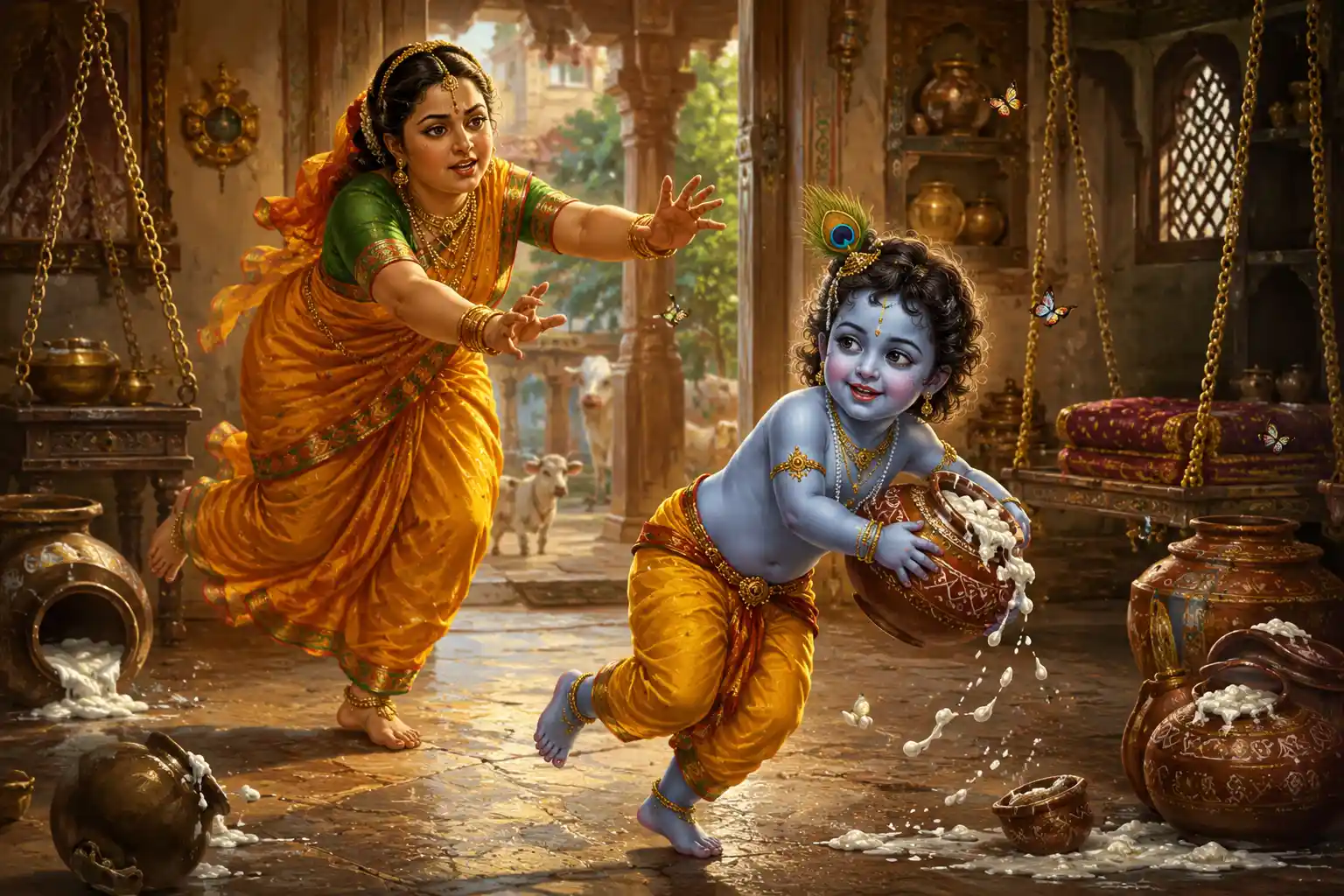
If Govardhan Leela reveals Shree Krishna's supreme power, Damodara Leela reveals something even more astonishing: that the all-powerful Lord willingly allows Himself to be conquered by the love of His devotee.
One morning in Gokul, Mother Yashoda was busily churning fresh butter while lovingly singing about her beloved son. Drawn by the aroma and eager for her affection, little Shree Krishna approached and asked to be fed. As Yashoda lovingly nursed Him, she suddenly noticed milk boiling over on the stove. Fearing it would spill, she gently placed Shree Krishna down to attend to it.
The young Lord was not pleased.
Feeling that His mother's attention had shifted elsewhere, Shree Krishna mischievously broke the butter pot and distributed its contents among the monkeys before wandering away with a playful smile. Returning to find the broken pot, Mother Yashoda immediately realised who was responsible. Taking up a small stick, not out of anger but to teach Him a lesson, she began chasing her naughty child through the courtyards of Gokul.
The sight is one of the most endearing in all of Shree Krishna's pastimes. The Supreme Divine Personality, feared by mighty demons and worshipped by celestial beings, was running in fear of His loving mother. Finally, Yashoda caught Him and decided to tie Him to a wooden mortar so He would not continue His playful mischief.
Yet something extraordinary happened.
Every rope she used fell exactly two fingers short. She tied one rope to another, then another, and yet another. The women of Vrindavan gathered around in amazement as every attempt failed by the same tiny distance. Although Shree Krishna is the source of countless universes, Mother Yashoda continued trying with unwavering determination, perspiring from her efforts but refusing to give up.
Seeing His mother's exhaustion and boundless love, Shree Krishna finally allowed Himself to be tied.
Swami Mukundananda explains that these mysterious two fingers symbolise two essential elements of spiritual life. One finger represents the sincere effort of the devotee, while the other represents the grace of God. Neither alone is sufficient.
We must strive with love, sincerity, and perseverance, but ultimate success comes only when the Lord bestows His mercy.
Damodara Leela beautifully overturns our ordinary understanding of power. No weapon could bind Shree Krishna. No king could imprison Him. No force in creation could limit Him. Yet the pure, selfless love of Mother Yashoda bound the Infinite Lord with a simple rope.
The Narad Bhakti Sutras declare that divine love is the highest goal of spiritual life. Shree Krishna is not won through scholarship, wealth, or worldly influence. He is won through sincere devotion. This is why the saints repeatedly emphasise that bhakti is the easiest and most joyful path to God.
As we celebrate Janmashtami 2026, Damodara Leela invites us to ask a simple yet profound question: Are we trying to know Shree Krishna merely through the intellect, or are we striving to love Him with the simplicity and sincerity of Mother Yashoda?
For when love becomes pure, even the Supreme Divine Personality joyfully allows Himself to be conquered by the heart of His devotee.
3. Sudama Leela: A Handful of Flattened Rice and the Wealth of Divine Love
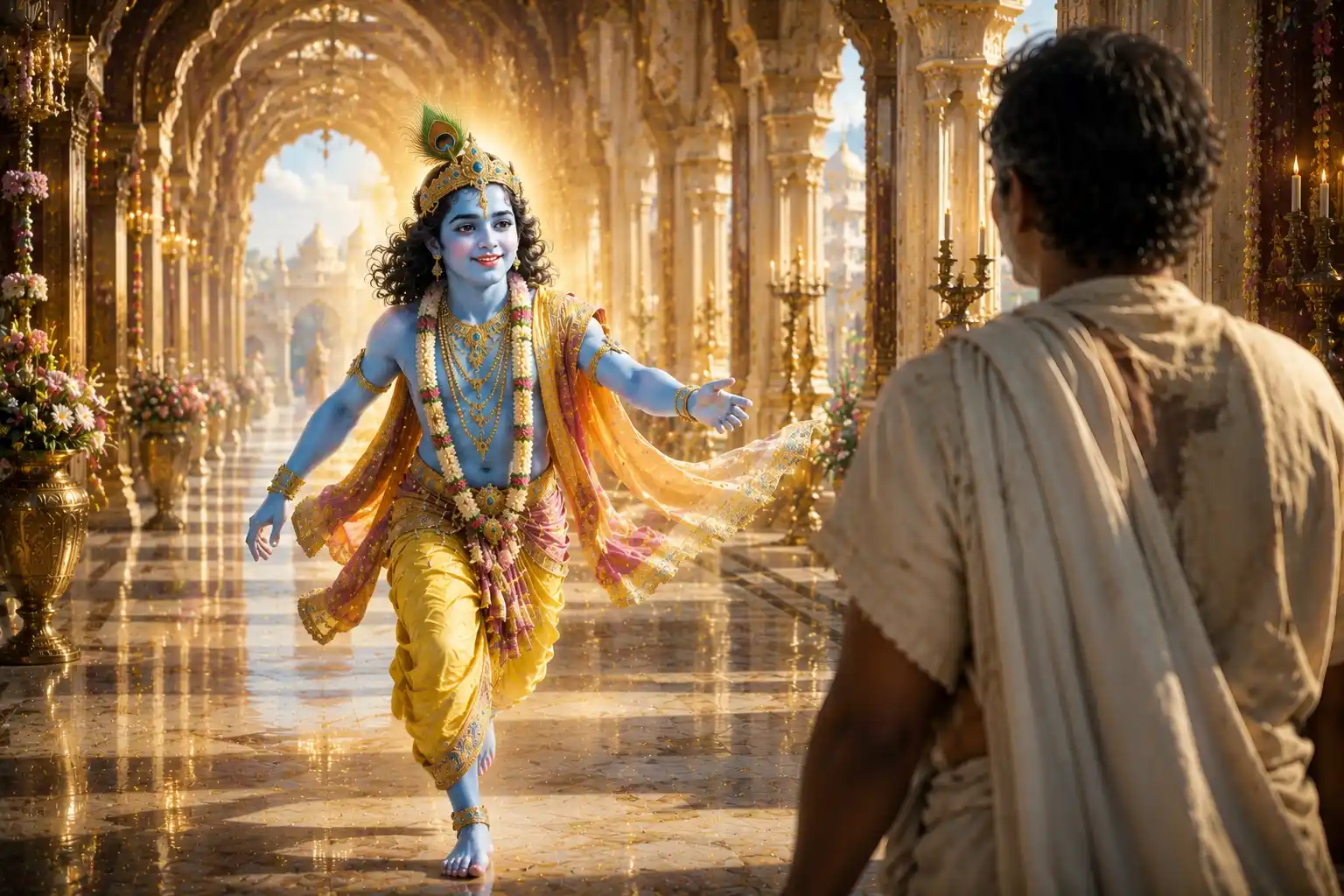
Among the countless relationships that Shree Krishna shared with His devotees, His friendship with Sudama stands as one of the most touching. It is a reminder that the Supreme Divine Personality never measures a devotee by wealth, influence, or social standing. He looks only at the love with which an offering is made.
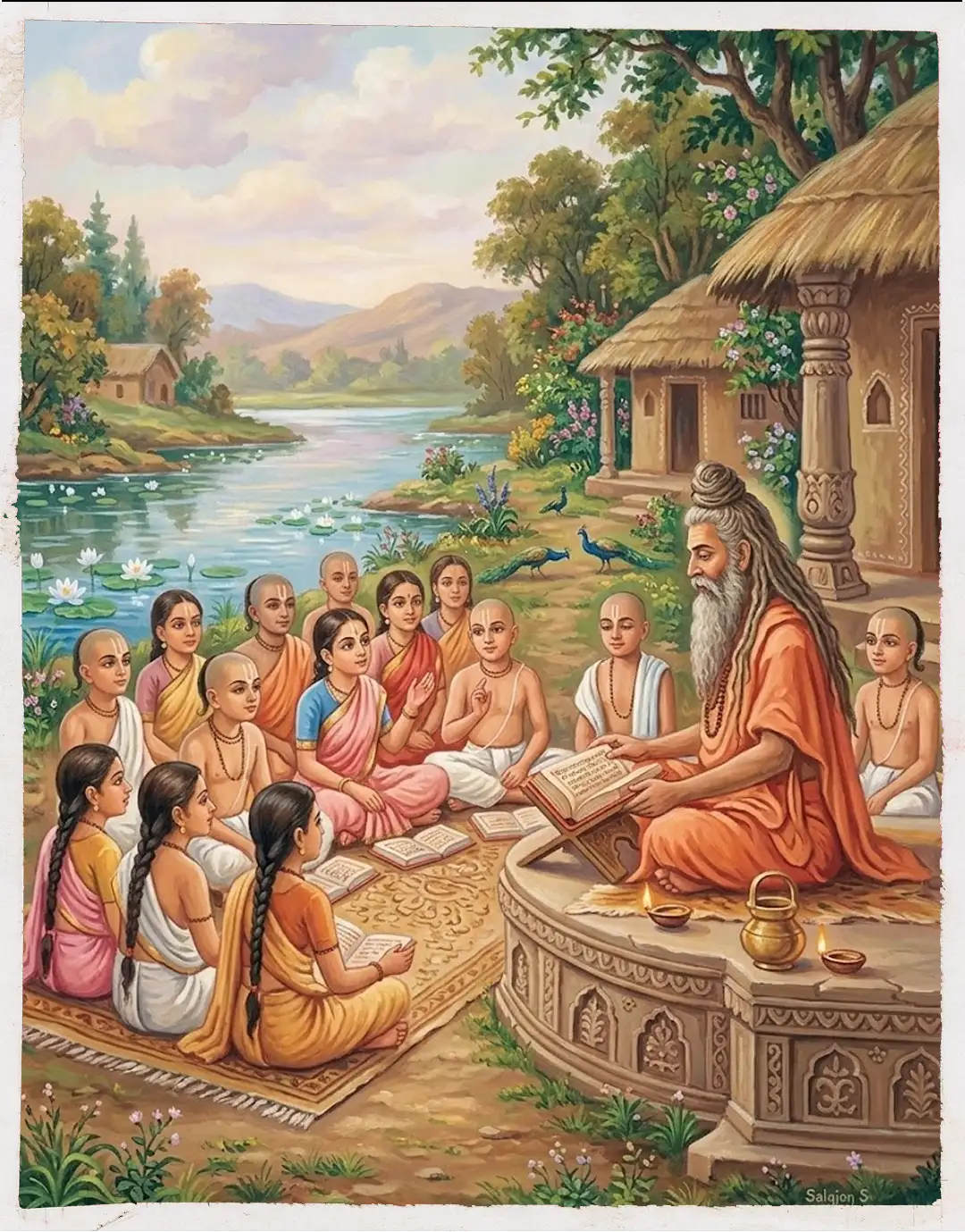
As young boys, Shree Krishna and Sudama studied together at the gurukul of Sage Sandipani. Although one was destined to rule the magnificent city of Dwarka while the other would live a life of poverty, their friendship remained untouched by the passing of time. Years later, Sudama had become a humble Brahmin, devoted to God but struggling to provide even the basic necessities for his family. Seeing the hardships they endured, Sudama's wife gently urged him to visit his childhood friend. She knew that if anyone could help them, it was Shree Krishna.
Sudama hesitated. He had no desire to ask for material wealth, nor did he feel comfortable arriving before the Lord empty-handed. After searching their home, his wife managed to gather a small handful of flattened rice, tying it carefully in a worn cloth. It was all they possessed, yet it was offered with sincerity and love.
When Sudama reached Dwarka, the scene that followed astonished everyone in the royal palace. The moment Shree Krishna saw His dear friend approaching, He rose from His throne and hurried to embrace him. The King of Dwarka, worshipped by sages and kings alike, welcomed the poor Brahmin with tears of affection. He seated Sudama upon His own throne, lovingly washed his feet, and honoured him as an esteemed guest while Queen Rukmini herself served with humility.
Sudama was overwhelmed by such affection that he almost forgot the little bundle he had brought with him. Smiling mischievously, Shree Krishna reached for it Himself. Delighted by the simple offering, He placed a handful of flattened rice into His mouth as though it were the finest delicacy in creation. Tradition tells us that as He prepared to take a second handful, Shree Rukmini gently stopped Him, knowing that even one mouthful offered with pure devotion had already secured limitless blessings for Sudama.
What makes this pastime so extraordinary is what did not happen. Sudama never asked Shree Krishna for wealth. He spoke neither of his poverty nor of his family's suffering. Simply being reunited with his beloved friend filled his heart completely. As he made the journey home, he remained immersed in thoughts of Shree Krishna's boundless love, scarcely noticing that he had received nothing material.
Only when he arrived did he realise that everything had changed. His humble hut had been transformed into a magnificent palace, and his family was clothed in splendour. Yet the greatest gift Shree Krishna had bestowed was not prosperity, it was the assurance that a devotee who seeks only God's love never goes unnoticed.
Swami Mukundananda often reminds seekers that God does not evaluate the size of our offering but the love with which it is given.
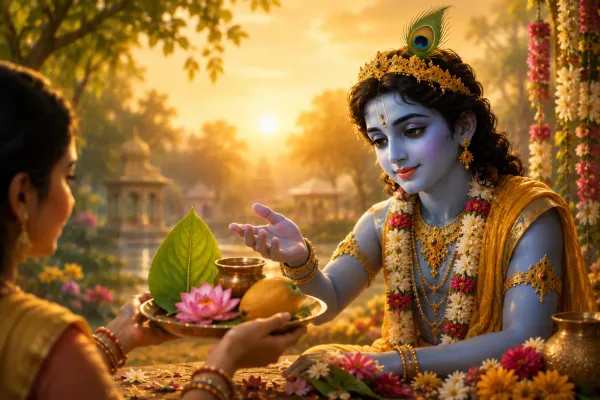
A flower, a leaf, a drop of water, or a handful of flattened rice offered with devotion becomes infinitely precious because love is the true gift. Material possessions may impress the world, but they never impress God. The Lord, who is complete in every respect, cannot be enriched by what we possess; He is moved only by the devotion with which we offer it.
This truth shines beautifully through Shree Krishna's own words in the Bhagavad Gita:
पत्रं पुष्पं फलं तोयं यो मे भक्त्या प्रयच्छति ।
तदहं भक्त्युपहृतमश्नामि प्रयतात्मन: ॥ 26॥
patraṁ puṣhpaṁ phalaṁ toyaṁ yo me bhaktyā prayachchhati
tadahaṁ bhaktyupahṛitam aśhnāmi prayatātmanaḥ
BG 9.26: If one offers to Me with devotion a leaf, a flower, a fruit, or even water, I delightfully partake of that item offered with love by My devotee in pure consciousness.
Sudama Leela gently asks each of us a profound question. When we approach God, are we seeking His gifts, or are we seeking Him? The devotee who longs only for the Lord discovers that everything else arrives naturally according to His divine will. True wealth is not measured by what fills our hands but by what fills our hearts, and no treasure compares to the joy of Shree Krishna's loving embrace.
4. The Chariot That Exploded: The Grace We Never See
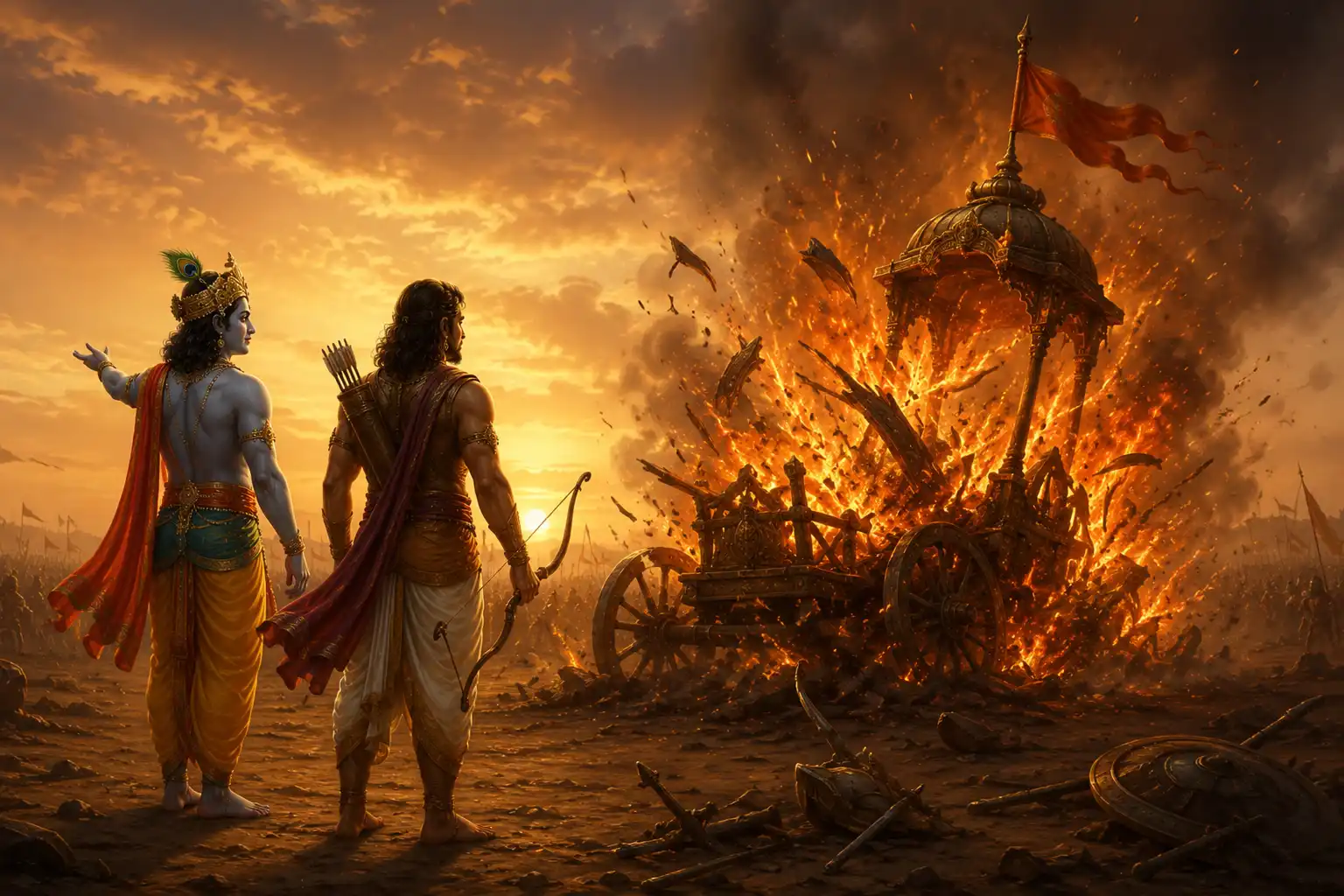
The Mahabharata had finally come to an end. Eighteen days of fierce battle had transformed the sacred land of Kurukshetra into a silent battlefield where the echoes of conch shells had given way to profound stillness. The Pandavas had emerged victorious, but victory had come at an unimaginable cost. Great warriors had fallen, kingdoms lay shattered, and the world itself seemed forever changed.
As Arjuna prepared to leave the battlefield, Shree Krishna gave him an unexpected instruction.
"First, place your bow aside and step down from the chariot."
Arjuna did not question the command. Throughout the war, he had learned that every instruction from his divine charioteer carried a purpose beyond ordinary understanding. He quietly descended from the chariot and stood nearby. Only after Arjuna had moved away did Shree Krishna Himself step onto the ground.
The very moment He did so, a deafening explosion shook the battlefield. Flames erupted from the chariot, reducing it to ashes within moments. The magnificent vehicle that had carried Arjuna through the greatest war in history was completely destroyed.
Startled, Arjuna looked towards Shree Krishna in bewilderment.
With His characteristic serenity, the Lord explained that throughout the eighteen-day war, celestial weapons of unimaginable power had struck the chariot. Under ordinary circumstances, it should have been destroyed many times over. Yet because Shree Krishna Himself remained seated upon it, His divine presence neutralised their devastating force. Only after His purpose had been fulfilled and He stepped away did those accumulated energies finally consume the chariot.
It was a lesson Arjuna would never forget.
How often do we recognise the dangers from which God has already protected us? We remember the difficulties we experienced, but we rarely see the countless hardships that never reached us because His unseen grace quietly intervened. The opportunities that appeared unexpectedly, the accidents narrowly avoided, the strength to endure a painful season, the comforting presence that arrived just when hope seemed lost- these too, may be expressions of divine protection.
Swami Mukundananda beautifully explains that one of the greatest obstacles to devotion is our tendency to notice only visible blessings. We thank God when prayers are answered exactly as we hoped, but we overlook the silent ways in which He continually guides, protects, and shapes our lives according to His infinite wisdom. The devotee gradually learns that even unanswered prayers may conceal a deeper blessing not yet visible to the human eye.
The exploding chariot reminds us that God's protection is often invisible until we look back upon our lives with gratitude.
Faith grows when we begin to recognise that the Supreme Divine Personality has been walking beside us long before we became aware of His presence.
Just as Arjuna eventually understood that every arrow had been held at bay through Shree Krishna's grace, we too may one day realise that countless unseen mercies have carried us safely through the battles of our own lives.
5. Kurukshetra: The Leela That Changed the World
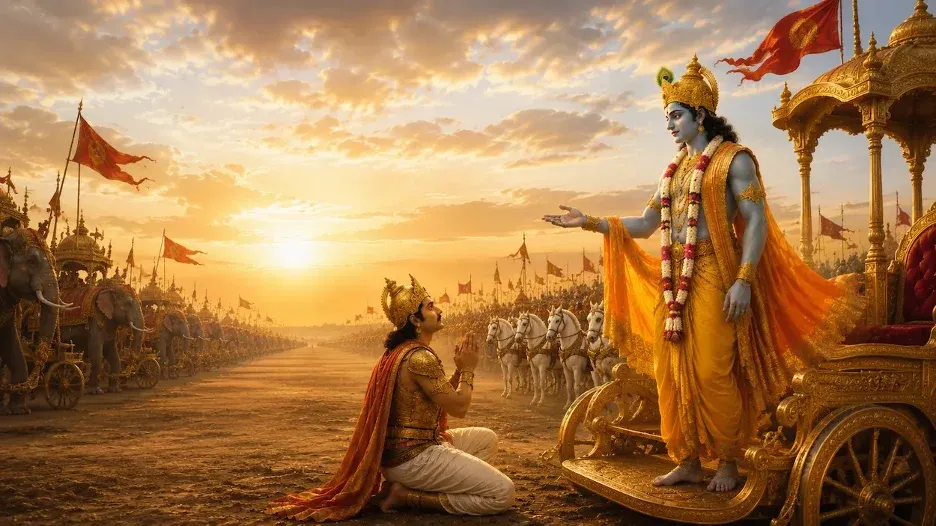
As the armies of the Pandavas and Kauravas assembled on the sacred plains of Kurukshetra, history stood at a decisive turning point. Conch shells sounded across the battlefield, mighty warriors prepared their weapons, and the fate of an entire civilization hung in the balance. Yet before a single arrow was released, an extraordinary event unfolded that would become one of humanity's greatest spiritual treasures.
Standing between the two armies, Arjuna looked upon the faces before him and saw not enemies but beloved teachers, respected elders, cousins, and lifelong friends. His courage dissolved into grief. Overwhelmed by compassion and confusion, his body trembled, his famed Gandiva bow slipped from his hand, and he declared that no kingdom was worth the suffering such a war would bring.
At that pivotal moment, Shree Krishna did not command Arjuna to fight. Nor did He condemn his sorrow or dismiss his doubts. Instead, the Supreme Divine Personality compassionately guided His beloved devotee from despair to wisdom. The battlefield became a classroom, the chariot became a place of divine revelation, and the conversation between the Lord and His devotee became the immortal Bhagavad Gita, a scripture that has illuminated countless lives for more than five thousand years.
Swami Mukundananda explains that every seeker experiences a personal Kurukshetra. The battlefield is not merely an ancient place in India; it is the battlefield within our own hearts. Every day we struggle between courage and fear, wisdom and ignorance, selflessness and selfish desire, faith and doubt. Like Arjuna, we often know what is right but find ourselves paralysed by attachment, anxiety, or uncertainty. The Bhagavad Gita is Shree Krishna's compassionate response to every sincere soul who longs for clarity amidst life's conflicts.
One of the first truths that Shree Krishna revealed was that our real identity extends far beyond the temporary body.
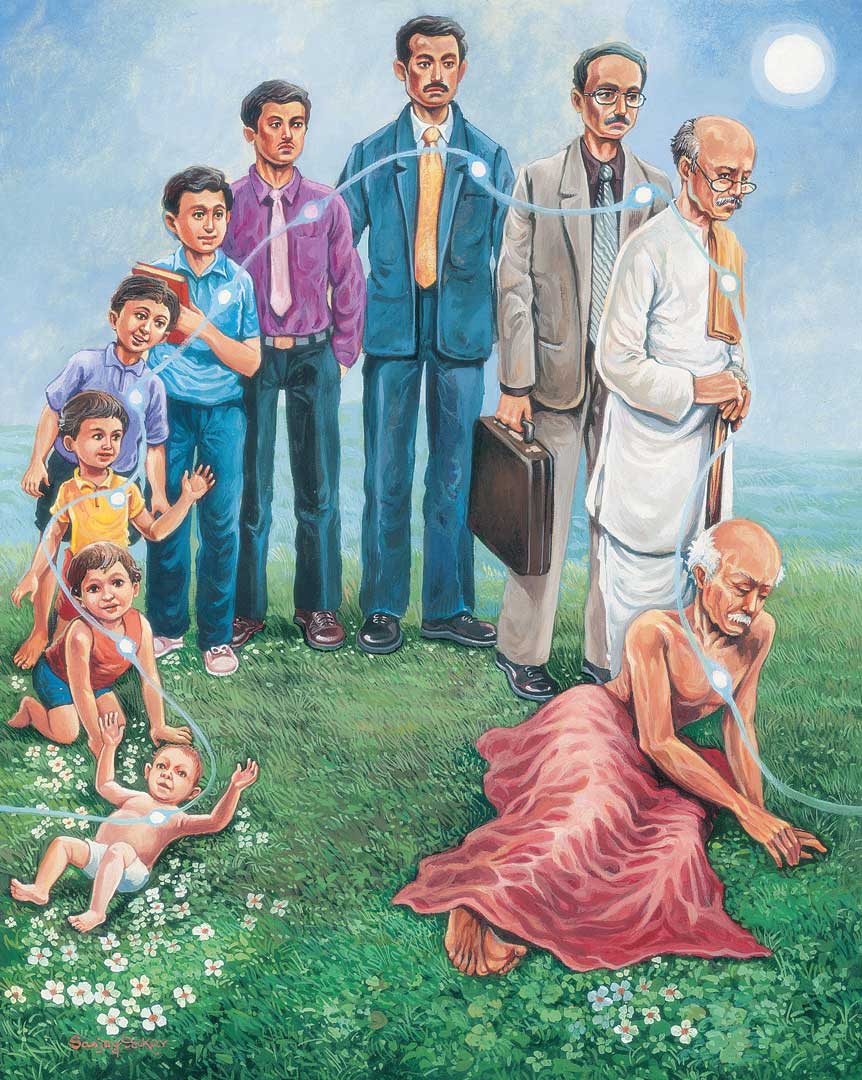
देहिनोऽस्मिन्यथा देहे कौमारं यौवनं जरा ।
तथा देहान्तरप्राप्तिर्धीरस्तत्र न मुह्यति ॥ 13॥
dehino ’smin yathā dehe kaumāraṁ yauvanaṁ jarā
tathā dehāntara-prāptir dhīras tatra na muhyati
BG 2.13: Just as the embodied soul continuously passes from childhood to youth to old age, similarly, at the time of death, the soul passes into another body. The wise are not deluded by this.
With this profound teaching, Shree Krishna lifted Arjuna's vision beyond immediate circumstances. When we identify only with the body, every loss appears permanent and every challenge overwhelming. When we recognise ourselves as eternal souls, we begin to see life from the perspective of the Divine, where every experience becomes an opportunity for spiritual growth.
The Lord then taught another principle that has inspired generations across the world: perform your duties sincerely, but surrender attachment to the results.
कर्मण्येवाधिकारस्ते मा फलेषु कदाचन ।
मा कर्मफलहेतुर्भूर्मा ते सङ्गोऽस्त्वकर्मणि ॥ 47 ॥
karmaṇy-evādhikāras te mā phaleṣhu kadāchana
mā karma-phala-hetur bhūr mā te saṅgo ’stvakarmaṇi
BG 2.47: You have a right to perform your prescribed duties, but you are not entitled to the fruits of your actions. Never consider yourself to be the cause of the results of your activities, nor be attached to inaction.
This teaching does not encourage indifference or passivity. Rather, it frees us from the anxiety that arises when we try to control outcomes that ultimately rest in God's hands. Swami Mukundananda often reminds us that peace is not found by avoiding action but by offering every action lovingly to God. When work becomes worship, success no longer inflates the ego and failure no longer breaks the spirit.
Finally, as His discourse drew to a close, Shree Krishna revealed the essence of all spiritual practice. Beyond rituals, philosophies, and external achievements lies the simple invitation to surrender completely to the Lord with love and trust.
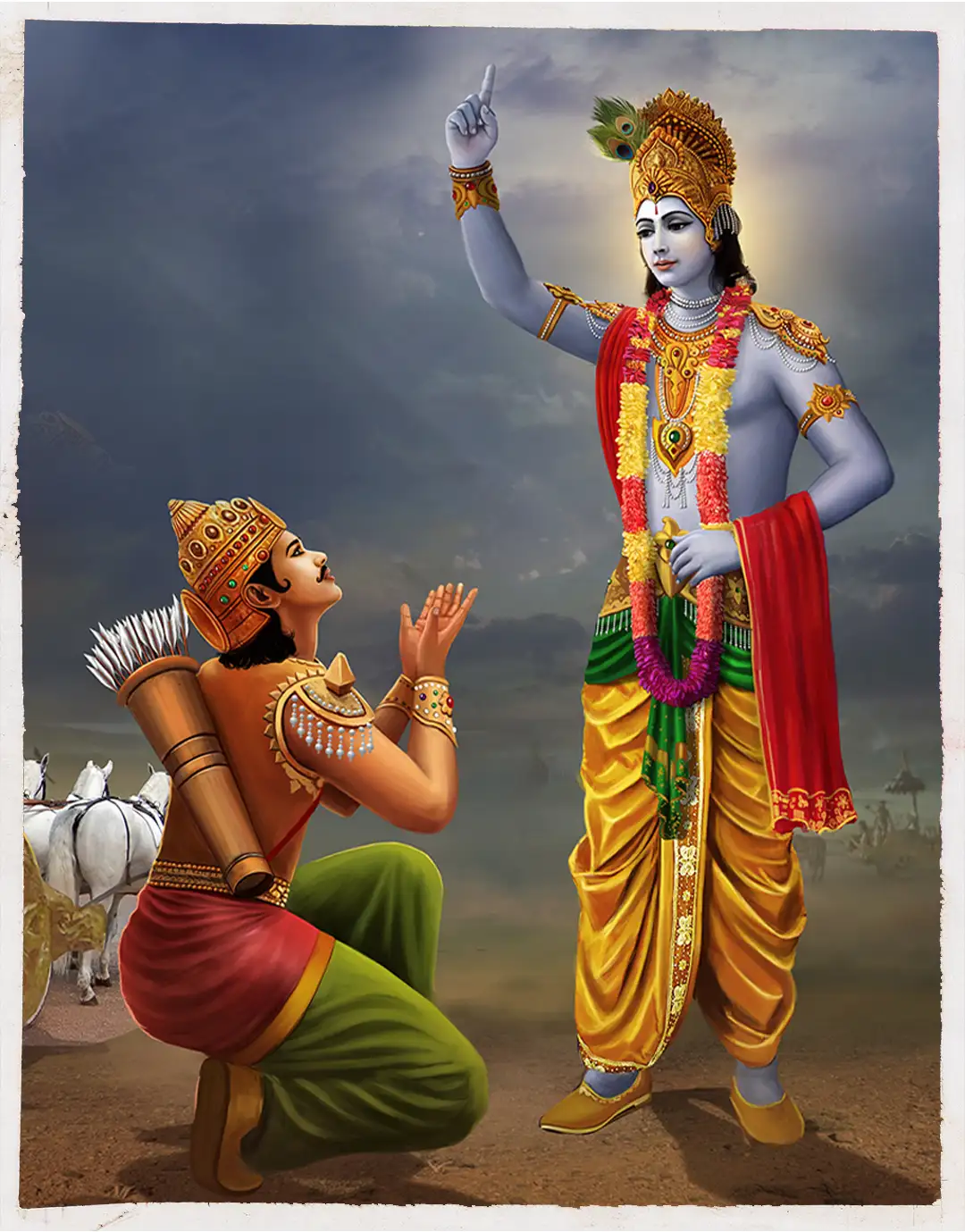
सर्वधर्मान्परित्यज्य मामेकं शरणं व्रज ।
अहं त्वां सर्वपापेभ्यो मोक्षयिष्यामि मा शुच: ॥ 66॥
sarva-dharmān parityajya mām ekaṁ śharaṇaṁ vraja
ahaṁ tvāṁ sarva-pāpebhyo mokṣhayiṣhyāmi mā śhuchaḥ
BG 18.66: Abandon all varieties of dharmas and simply surrender unto Me alone. I shall liberate you from all sinful reactions; do not fear.
These words are not merely the conclusion of the Bhagavad Gita; they are the culmination of Shree Krishna's earthly mission. From the playful child of Gokul to the protector of Govardhan, from the loving friend of Sudama to the divine charioteer of Arjuna, every leela points towards this single truth: God longs for a loving relationship with every soul.
Every Leela Is an Invitation
As we celebrate Janmashtami 2026, it is worth reflecting that these divine pastimes are far more than beautiful episodes from a distant age. They continue to speak to every heart that seeks peace, purpose, and divine love.
Govardhan Leela teaches us to seek shelter in God when life's storms gather around us. Damodara Leela reveals that sincere love can bind even the Infinite Lord. Sudama's visit to Dwarka reminds us that devotion is the greatest wealth we can ever possess. The exploding chariot assures us that Shree Krishna protects His devotees in countless unseen ways. Finally, the Bhagavad Gita shows us how to live with courage, wisdom, and unwavering faith amidst the challenges of everyday life.
Swami Mukundananda lovingly reminds us that Shree Krishna did not descend merely to perform miracles. He descended to awaken divine love within our hearts.
Every pastime, every smile, every word of guidance, and every act of compassion was an expression of His boundless desire to bring each soul back into a loving relationship with Him.
Perhaps that is the greatest lesson of Janmashtami. We celebrate not simply because Shree Krishna appeared more than five thousand years ago, but because His presence continues to illuminate the lives of those who remember Him with devotion. The Lord who protected the residents of Vrindavan, welcomed Sudama with tears of affection, and transformed Arjuna's despair into enlightenment remains as compassionate today as He was then. His leelas are eternal because His love is eternal.
This Janmashtami, as you offer flowers before the Lord, sing His holy names, or reflect upon His divine pastimes, pause for a moment and ask yourself a simple question: Which of these leelas is Shree Krishna inviting me to live today? Perhaps He is calling you to trust Him more deeply, to let go of pride, to offer your heart with greater sincerity, or to surrender the worries that have weighed upon you for so long.
Whatever your answer may be, know that every sincere step taken towards Shree Krishna is met by His infinite grace. That is the enduring promise of Janmashtami, and it is the timeless message woven through every one of His divine leelas.
Call To Action: Continue Your Spiritual Journey
The divine pastimes of Shree Krishna become even more meaningful when studied through the wisdom of the scriptures and the guidance of an enlightened teacher.
Join the Janmashtami Celebrations at Radha Krishna Temple of Dallas:

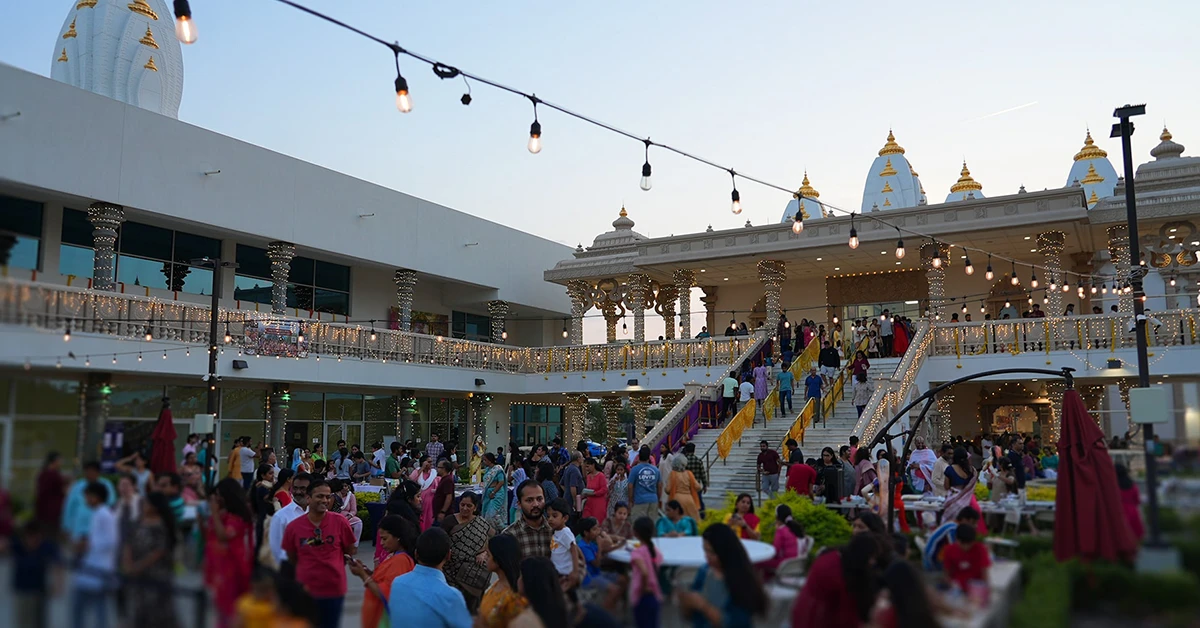
To deepen your understanding this Janmashtami, explore Swami Mukundananda's teachings on the Bhagavad Gita, where his practical explanations reveal how Shree Krishna's timeless wisdom can transform modern life, helping us cultivate inner peace, selfless love, and unwavering faith:

Frequently Asked Questions
Why is Janmashtami celebrated?
Janmashtami celebrates the divine appearance of Shree Krishna, the Supreme Divine Personality, who descended to re-establish dharma, protect His devotees, and guide humanity towards God-realisation through His teachings and divine pastimes.
What is the spiritual significance of Shree Krishna's leelas?
Each leela reveals a unique spiritual lesson. Together, they teach faith, surrender, humility, selfless love, divine protection, and the importance of developing a personal relationship with God.
Which scripture describes these divine pastimes?
Many of Shree Krishna's childhood pastimes are narrated in the Srimad Bhagavatam, while His guidance to Arjuna is preserved in the Bhagavad Gita, which forms part of the Mahabharata.
What is the central message of the Bhagavad Gita?
The Bhagavad Gita teaches us to perform our duties with sincerity, remain detached from the results, cultivate devotion to God, and ultimately surrender to Shree Krishna with complete faith and love.
How can I celebrate Janmashtami meaningfully?
Along with fasting, devotional singing, temple worship, and midnight celebrations, spend time reading the Bhagavad Gita or the Srimad Bhagavatam, meditate on Shree Krishna's divine pastimes, chant His holy names, perform selfless service, and reflect on how His teachings can be applied in your own life. In doing so, Janmashtami becomes not only a celebration of His birth but also the beginning of a deeper spiritual transformation.