There are certain moments in the spiritual calendar that arrive with a quiet majesty. They do not announce themselves through noise or spectacle, yet those who understand their significance welcome them with reverence and joy. Adhik Maas, also lovingly known as Purushottam Maas, is one such sacred period. To many, it may appear simply as an additional month in the Hindu calendar. To devotees, however, it is far more than a calendrical adjustment. It is a divine invitation to slow down, purify the heart, deepen devotion, and reorient life toward its eternal purpose.
In the rush of modern living, many people feel there is never enough time for prayer, scripture, introspection, chanting, or meaningful spiritual discipline. Days disappear into responsibilities, distractions, ambitions, and endless mental noise. Then sacred tradition offers a beautiful reminder through Adhik Maas. Time itself can become holy when offered to God. What appears to be an “extra month” becomes an extra opportunity for grace.
If you have wondered what Adhik Maas means, why it occurs, how devotees observe it, and why saints praise it so highly, this complete guide will help illuminate its beauty and practical relevance for the sincere seeker in 2026.
What Is Adhik Maas?

The word Adhik means additional, extra, or added. Maas means month. Adhik Maas is therefore an extra lunar month inserted periodically into the traditional Hindu calendar. Because the lunar year is shorter than the solar year by several days, the difference gradually accumulates. To restore alignment between lunar months and the solar cycle, an additional month is added after a certain interval.
Yet what is remarkable in Sanatan Dharma is that this astronomical necessity is transformed into spiritual opportunity. Rather than treating the extra month as a technical correction, the tradition sanctifies it as a deeply auspicious time for prayer, self-discipline, charity, scripture, and devotion.
This reveals something profound about the Vedic worldview. Even mathematics can become meditation. Even timekeeping can become worship. Even what seems practical can become sacred.
Why Is It Also Called Purushottam Maas?

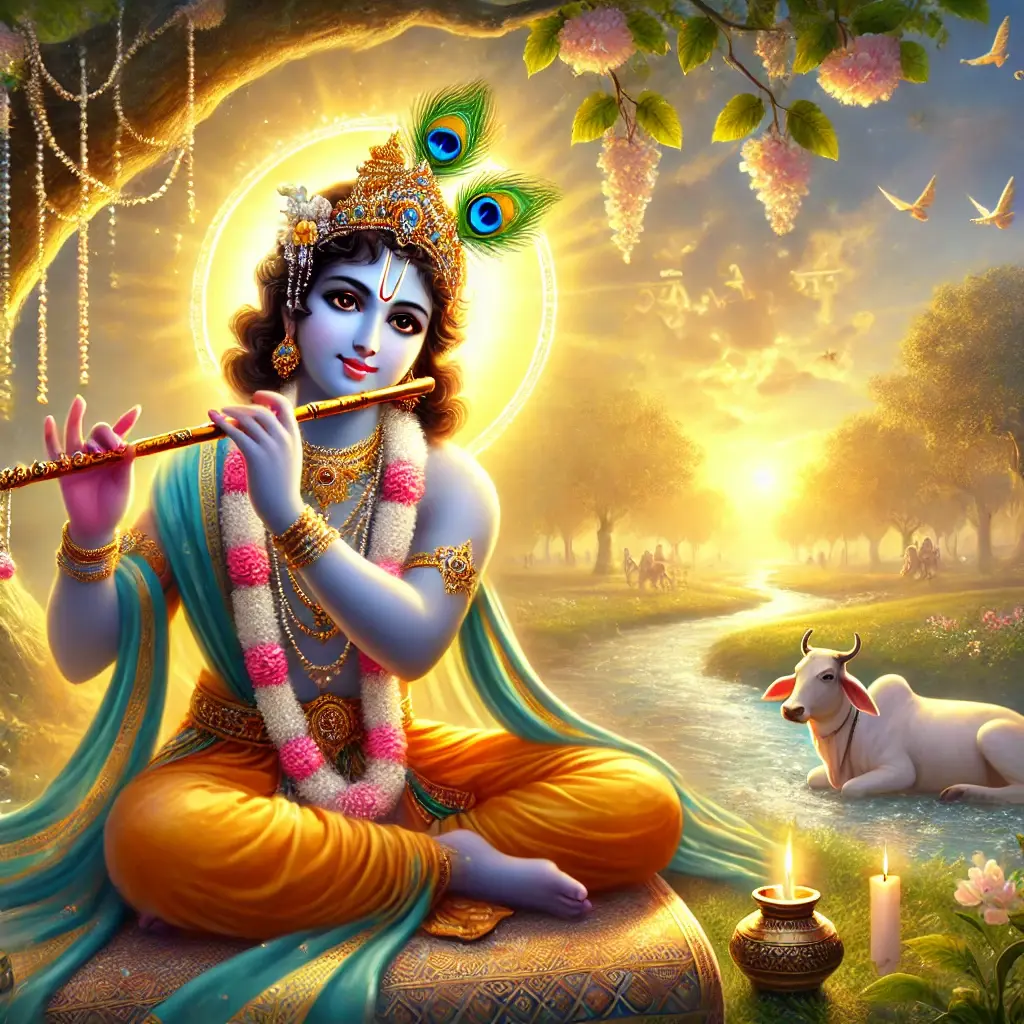
Adhik Maas is also revered as Purushottam Maas, named after Lord Krishna or Lord Vishnu as Purushottam, the Supreme Divine Personality who transcends all limitations and imperfections.
Traditional narrations lovingly explain that this added month was once disregarded because it did not hold the prestige of other named months. Feeling neglected, it sought refuge in the Lord. Out of boundless compassion, the Supreme Lord accepted the month as His own and blessed it with extraordinary sanctity. From that time, it came to be known as Purushottam Maas, the month especially dear to God.
The spiritual symbolism is deeply moving. What the world rejects can become most precious when surrendered to the Divine. What is overlooked can become exalted through grace. Even a heart that feels forgotten can become radiant when offered sincerely at the lotus feet of the Lord.
When Is Adhik Maas or Purushottam Maas in 2026?
The exact observance dates of Adhik Maas in 2026 depend on authentic Panchang calculations, regional calendar traditions, and the lunisolar alignment used in different communities. Because dates may vary slightly according to location and tradition, devotees should consult a trusted Panchang or official temple announcements closer to the year.
Once dates are confirmed, many temples and spiritual organizations announce special programs including kirtans, yajnas, scriptural readings, satsangs, fasting observances, and seva opportunities.
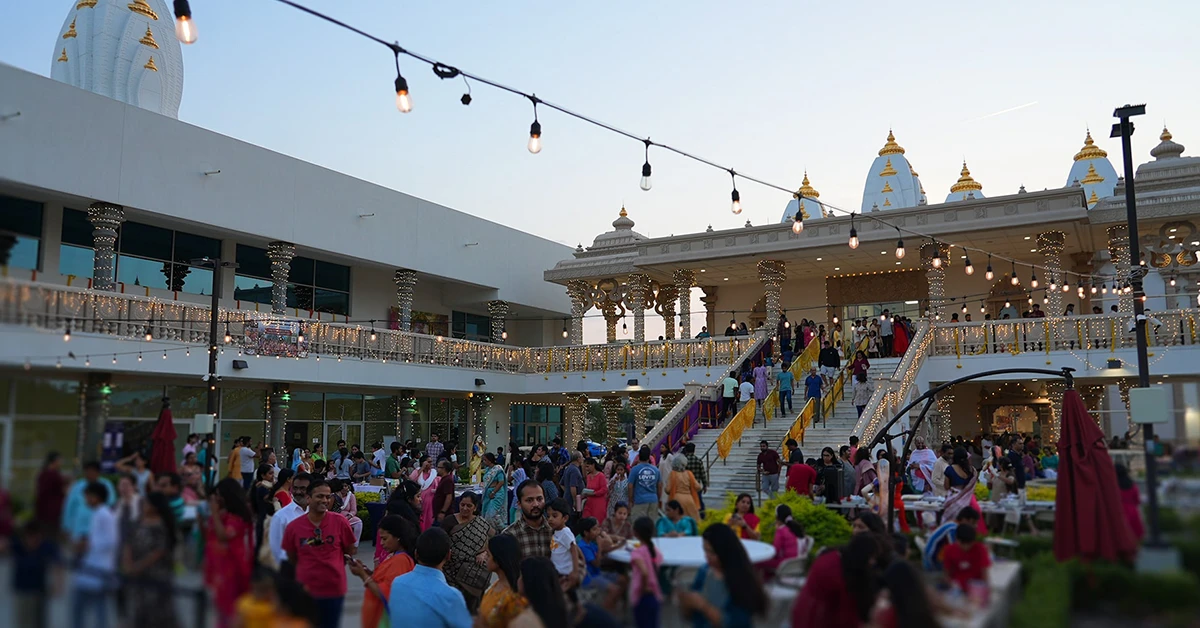
This can be a meaningful time to remain connected with trusted centers of devotion such as the Radha Krishna Temple of Dallas, where sacred observances throughout the year help seekers engage deeply with timeless Vedic traditions.

Why This Sacred Month Is So Highly Revered
Many months in the calendar are known for festivals or seasonal importance. Purushottam Maas is treasured because it emphasizes inner transformation. It is not centered merely on external celebration, but on the quiet and powerful work of purifying consciousness.
During this month, devotees often intensify prayer, increase remembrance, simplify lifestyle habits, engage in scriptural study, practice charity, and seek to reduce egoistic tendencies. The month becomes a spiritual retreat woven into ordinary life.
Swami Mukundananda often teaches that the mind does not become peaceful by accident. It becomes peaceful through repeated God remembrance, noble thinking, and disciplined practice. Adhik Maas beautifully supports this principle by inviting sustained spiritual focus over an extended sacred period.
The Deeper Meaning of an Extra Month
Adhik Maas carries a message especially relevant for modern humanity. People often say they have no time for meditation, no time for prayer, no time for family reflection, no time for spiritual growth, and no time to understand themselves.
Then tradition presents an extra month.
Of course, it does not literally increase one’s lifespan, but symbolically it asks a powerful question. If more time were given to you, how would you use it? Would it dissolve into more distraction, or would it become an offering?
This month reminds us that life does not feel short only because years pass quickly. It often feels short because awareness is scattered and attention is consumed by what does not nourish the soul.
Purushottam Maas invites us to gather our attention and place it lovingly before God.
How Devotees Traditionally Observe This Month
Observances vary across families, regions, and lineages, yet the heart of practice remains similar. Many devotees rise earlier than usual and begin the day with prayer. The hours before sunrise often carry a serenity that supports inwardness. After bathing, one may light a lamp before the Lord, chant divine names, and sit quietly in remembrance.
Some choose to increase meditation on the Divine forms of God or repeating sacred mantras such as the Hare Ram maha mantra or names of Radha Krishna. Others undertake a vow to read from the Bhagavad Gita, Srimad Bhagavatam, Vishnu Sahasranama, or lives of saints each day. Many reduce unnecessary entertainment, idle speech, or overindulgence, replacing them with bhajans, satsang, and mindful living.
Some observe dietary simplicity, taking sattvic food, fasting on Ekadashi, or eating with greater moderation and gratitude. The purpose is not harshness. It is purification. When outer excess is reduced, inner clarity often increases.
Why Radha Krishna Devotion Is Especially Beautiful in This Month
Although the month is associated with Purushottam, the Supreme Lord, many devotees lovingly deepen their worship of Radha Krishna during this sacred time. Krishna is the source of divine wisdom, protection, joy, and sweetness. Radha is the embodiment of supreme devotion, compassion, and divine love. Together, They reveal that God is not merely powerful, but infinitely lovable.
When prayer is offered to Radha Krishna, discipline becomes sweetened by love. Chanting becomes more intimate. Seva becomes joyful. Scripture becomes living truth rather than dry philosophy.
The Radha Krishna Temple of Dallas offers an especially uplifting atmosphere for such devotion through darshan, kirtan, satsang, festivals, and sacred association. Visiting a temple during Purushottam Maas can leave lasting impressions upon the heart and strengthen one’s spiritual resolve.
Swami Mukundananda’s Teachings and Purushottam Maas
Swami Mukundananda frequently teaches that the mind gradually becomes like that upon which it repeatedly dwells. If it dwells on fear, it becomes fearful. If it dwells on comparison, it becomes restless. If it dwells on worldly agitation, it becomes disturbed. But if it dwells on God, sacred wisdom, gratitude, and devotion, it becomes purified and peaceful.
This teaching aligns beautifully with Adhik Maas. The month invites repeated contemplation of the Divine through daily prayer, mantra repetition, self-reflection, service, humility, and scriptural wisdom.
Swamiji also emphasizes that spirituality must become practical. It should refine speech, relationships, priorities, emotional resilience, and daily conduct. Therefore, Purushottam Maas is not merely about observing rituals. It is about becoming kinder, calmer, more disciplined, more loving, and more surrendered.
Can Busy People Observe This Sacred Month?
Absolutely. Spiritual life is not reserved only for those who live free from responsibilities, schedules, deadlines, or worldly obligations. In truth, devotion practiced amidst the movement of ordinary life often becomes especially beautiful and meaningful, because it is offered through sincerity rather than convenience. God does not ask that every person withdraw from family duties, careers, studies, or commitments in order to remember Him. Rather, He invites the soul to bring remembrance into the very midst of daily life.
A working professional may rise twenty minutes earlier than usual and begin the day with prayer before the demands of the world begin calling. During a commute, one may listen to satsang, mantra chanting, or the uplifting teachings of saints instead of feeding the mind with noise. Throughout the day, a person may consciously choose calmer speech, greater patience, and kinder reactions. Even reducing needless distractions becomes a sacred offering when done with awareness.
A parent may involve children in evening aarti, simple chanting, or gratitude before meals, thereby transforming the home into a place of spiritual nourishment. A student may read one verse of the Bhagavad Gita daily, pray before study, and seek clarity rather than comparison. A retiree may dedicate extra time to seva, scripture reading, temple visits, and uplifting others through wisdom and compassion.
The Lord does not measure only how long we practice. He measures how lovingly we practice. Even small offerings made consistently and sincerely carry immense spiritual power.
Suggested Daily Rhythm for the Month

This sacred month can become deeply transformative when approached with a gentle but intentional rhythm. Begin each morning with remembrance before entering the activity of the day. Upon waking, offer gratitude for life, breath, and another opportunity to grow spiritually. If possible, bathe and light a lamp before the Lord, allowing the outer flame to remind you of the inner light of consciousness.
Chant sincerely, even if only for a few minutes. Read or hear one portion of sacred wisdom, whether from the Bhagavad Gita, Srimad Bhagavatam, Ramayana, or the teachings of realized saints. Even a brief reading done with reflection can nourish the heart more than long study done mechanically.
During the day, try to maintain subtle awareness of God amidst work and responsibilities. Offer meals mentally before eating. Practice truthfulness in speech, patience in difficulty, and kindness in interactions. Turn routine actions into devotion by performing them with humility and integrity.
In the evening, gather the family if possible for a short prayer, kirtan, or reading. Let the day end with something sacred rather than only fatigue or distraction. Before sleep, reflect honestly on your actions, seek forgiveness for mistakes, and pray for guidance, strength, and devotion for the next day.
Even modest consistency maintained through one sacred month can begin reshaping habits that may have existed for years.
Charity and Seva During Adhik Maas
Tradition greatly praises generosity during Adhik Maas because giving weakens selfishness and expands the heart. Human beings often become burdened not only by what they lack, but also by what they cling to. Charity loosens this inner contraction and reminds us that blessings are meant to flow, not stagnate.
Supporting temples, feeding the hungry, helping struggling families, donating respectfully, offering volunteer service, or contributing to missions that uplift society all become meaningful acts of worship during this month. When service is performed without ego and without expectation, it purifies the heart and draws divine grace.
The Radha Krishna Temple of Dallas, along with missions inspired by the teachings of Swami Mukundananda, often provides beautiful opportunities for seva, education, wellness outreach, devotional gatherings, and community upliftment. Participating in such service can transform one’s own life while helping countless others.
When wealth, time, skill, or energy are used for dharma, they become sanctified. What is given with devotion returns as inner richness.
Fasting and Simplicity
Many devotees adopt some form of fasting or dietary simplicity during Purushottam Maas as a means of inner purification and self-discipline. This may include observing Ekadashi fasts, taking one simple meal on chosen days, avoiding rich or indulgent foods, or practicing moderation in eating habits.
The real purpose of fasting is not display, self-punishment, or harsh austerity. Its deeper purpose is mastery over impulse. When desires are gently restrained, awareness increases. The mind becomes easier to observe. One begins to notice habits, cravings, emotional dependencies, and unconscious patterns that usually remain hidden beneath constant consumption.
Simplicity in food often creates lightness in thought. Moderation in the senses can create steadiness in prayer. What is reduced outwardly may create space inwardly.
Those with health needs, age-related concerns, pregnancy, or medical conditions should adapt wisely and responsibly. Devotion remains the essence. God values sincerity far more than severity.
What to Read During This Month
Sacred reading during Adhik Maas is highly praised because the mind gradually absorbs what it repeatedly hears, reflects upon, and contemplates. Just as worldly content shapes worldly thinking, divine wisdom shapes divine consciousness.
Many devotees choose to read the Bhagavad Gita, Srimad Bhagavatam, Ramayana, Vishnu Sahasranama, or the lives and teachings of saints. These scriptures do more than inform the intellect. They refine perception, uplift emotion, and awaken remembrance of eternal truths.
Listening to the discourses of Swami Mukundananda can also be a beautiful contemporary way to deepen understanding while applying timeless wisdom practically to modern life. His teachings help seekers bridge scripture and daily living, devotion and responsibility, philosophy and transformation.
Even one verse sincerely contemplated can transform consciousness more deeply than many chapters read mechanically. The power lies not merely in quantity, but in receptivity.
What to Reduce During Purushottam Maas
This sacred month is not only about adding noble practices. It is also about gently reducing what darkens the heart and disturbs the mind. Many devotees consciously try to lessen anger, gossip, harsh speech, laziness, dishonesty, wasteful indulgence, unnecessary media consumption, and ego-driven behavior.
When these tendencies are reduced, the inner atmosphere becomes clearer. Peace becomes easier to feel. Prayer becomes more natural. Relationships become softer. Self-awareness increases.
The goal is not perfection in thirty days. Spiritual life rarely unfolds through sudden dramatic leaps. The goal is progress through awareness, sincerity, and steady effort. Every moment of restraint becomes strength. Every conscious correction becomes grace in motion.
For Families and Children
Families can make this month joyful, warm, and spiritually nourishing rather than severe or burdensome. Evening bhajans, Krishna stories, gratitude circles, temple visits, simple flower offerings, shared acts of kindness, and peaceful family prayer all create beautiful impressions in young hearts.
When spirituality is associated with love, beauty, music, kindness, and belonging, children naturally receive it. They do not need complexity first. They need warmth first. Through gentle exposure, devotion becomes natural rather than forced.
Temple festivals and sacred observances often become cherished memories that remain in the heart for years. A child who grows up seeing reverence, joy, and devotion may one day return to those impressions in adulthood when guidance is most needed.
Inner Transformation Through Repetition
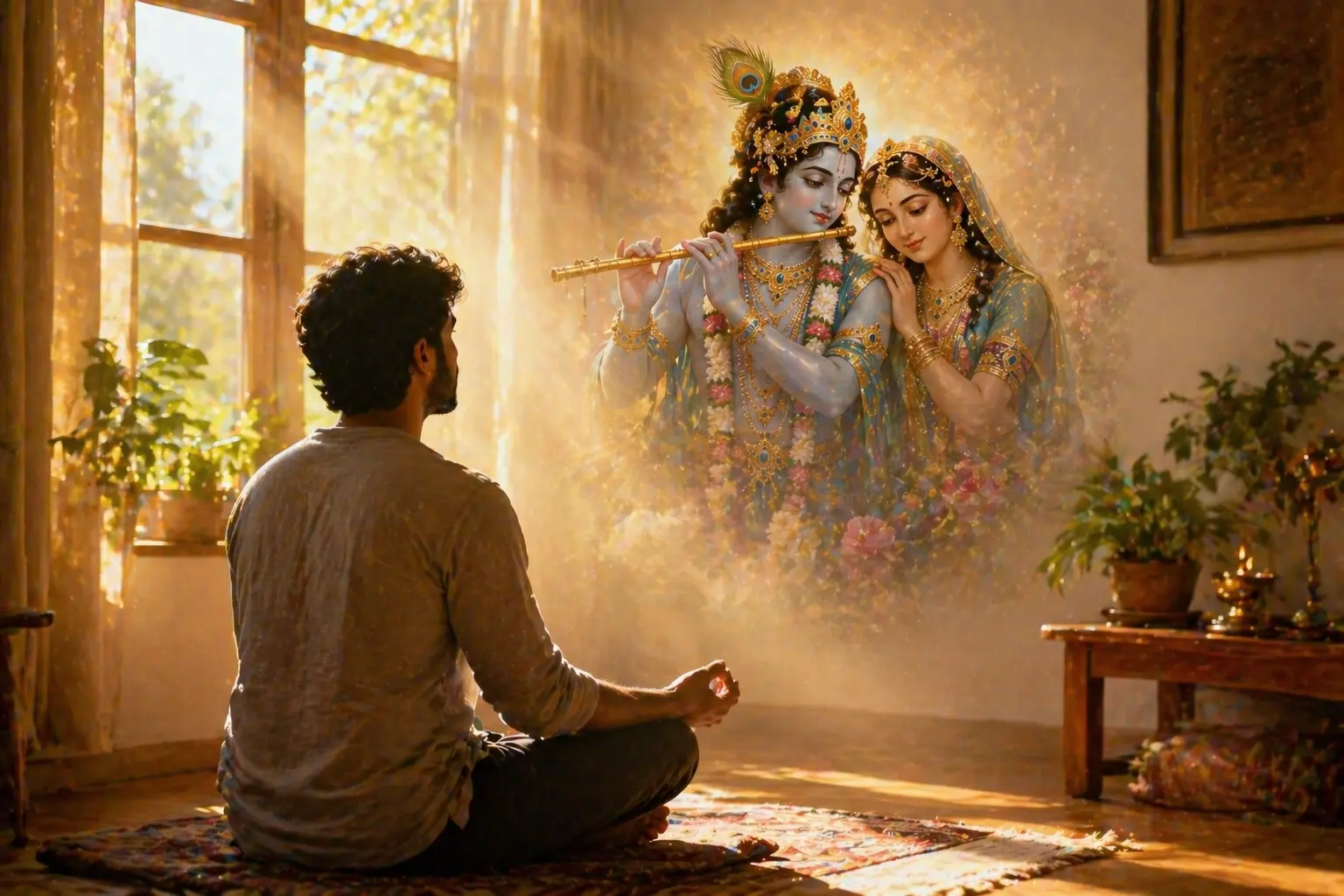
Many people underestimate what one sacred month can do. Yet the mind is shaped not only by dramatic moments, but by repetition. What we practice repeatedly becomes part of our nature.
Thirty days of gentler speech can soften strained relationships. Thirty days of chanting can deepen inner peace. Thirty days of gratitude can reduce habitual complaint. Thirty days of sacred reading can widen perspective. Thirty days of seva can weaken selfishness and awaken compassion.
Purushottam Maas is not powerful because of dates alone. It is powerful because it invites sustained transformation. It creates a holy structure within which repeated noble actions gradually become character.
Often the greatest miracles are quiet ones. A calmer mind. A softer heart. A clearer conscience. A stronger connection with God.
A Prayer for Purushottam Maas
“O Lord Purushottam, this sacred month belongs to You. Please accept my small efforts. Purify my mind, soften my heart, remove my ego, awaken devotion within me, and guide me to live in loving remembrance of You. Let my thoughts become nobler, my words kinder, my actions purer, and my life more pleasing to You.”
Simple prayers offered sincerely often become turning points in life. A humble prayer may begin changes that effort alone could not accomplish. When the heart speaks honestly to God, grace quietly begins its work.
Expanded FAQs
What is Adhik Maas?
Adhik Maas is an extra lunar month periodically added to align the Hindu lunar calendar with the solar year. Spiritually, it is considered highly auspicious.
Why is it called Purushottam Maas?
It is named after Lord Purushottam, another name for Lord Vishnu or Krishna, who is believed to have especially blessed this month.
When is Adhik Maas in 2026?
Exact dates depend on Panchang calculations and regional traditions. Devotees should confirm through trusted calendars closer to 2026.
Is fasting compulsory?
No. Fasting is optional and should be observed according to health and capacity.
Can beginners observe this month?
Absolutely. Even simple daily prayer, chanting, and one sincere spiritual resolution are meaningful.
Is temple attendance necessary?
Not necessary, but highly beneficial. Holy association strengthens devotion and discipline.
What spiritual practices should I focus on?
- At the foundation is remembrance of God throughout the day. Spirituality is not meant to be confined to a short morning ritual; it is meant to become a way of living.
- Alongside this, it is important to include daily meditation, especially forms like Roopdhyan (meditating on the divine form). Another essential practice is kirtan. Even if the mind is restless, kirtan engages both emotion and attention, making it one of the most accessible and powerful practices for modern life.
- Equally important is study of authentic spiritual knowledge, especially texts like the Bhagavad Gita. Without right understanding, effort can become misdirected. Swami Mukundananda also places strong emphasis on gratitude and humility. Gratitude uplifts the mind by focusing it on grace rather than lack, while humility protects spiritual progress from being overshadowed by ego.
- In addition, seva (selfless service) and satsang (association with like-minded seekers) are vital.
- Finally, Swamiji teaches that your lifestyle should support your practice. This includes gentle discipline in daily habits, caring for the body, and maintaining balance. When your body is steady and your mind is nourished properly, your spiritual practices naturally become deeper.
Call to Action
Let Adhik Maas or Purushottam Maas in 2026 become more than a date in the calendar. Let it become a sacred turning point in your life.
Choose one practice to sustain. One weakness to surrender. One scripture to study. One relationship to heal. One step closer to God.
Visit the Radha Krishna Temple of Dallas for darshan, kirtan, satsang, and uplifting festivals during this sacred season. Continue your journey by subscribing to the Swami Mukundananda YouTube channel, where timeless wisdom meets modern life through devotion, meditation, and practical guidance.
Share this guide with family and friends so more hearts may use sacred time not merely to pass, but to awaken.
Final Reflection
An extra month appears in the calendar, yet perhaps its true purpose is to appear in the heart.
It invites us to slow down, remember, purify, love, and return.
May Purushottam Maas 2026 bring peace to your mind, devotion to your heart, clarity to your path, and divine grace to every step of your life.
Radhe Radhe.
Further Resources:
 JKYog Team