
Introduction: Seva as a Spiritual Path
In today’s fast-moving world, many people long for something deeper than routine, achievement, and constant digital distraction. Beneath professional goals and daily responsibilities, the human heart seeks meaning, connection, contribution, and inner fulfillment. Within Sanatan Dharma, one of the most powerful ways to experience this deeper fulfillment is through seva: selfless service offered with devotion and humility.
In the teachings of Swami Mukundananda and the philosophy of JKYog, seva is not viewed merely as volunteering or helping an organization operate smoothly. Seva is a sacred spiritual practice that purifies the mind, softens the ego, deepens devotion, and transforms ordinary actions into offerings to God.
Swamiji often explains that spiritual growth does not happen only through meditation or scriptural study. It also happens through sincere service. When devotees offer their time, energy, talents, and resources with the intention of serving God and uplifting others, the heart gradually changes. Self-centered thinking weakens. Gratitude increases. Love for God deepens.
At Radha Krishna Temple of Dallas, seva forms the living foundation of temple life. Every satsang, pooja, festival, youth program, cultural celebration, educational initiative, landscaping project, prasadam offering, and devotional gathering is sustained through the dedication of volunteers.

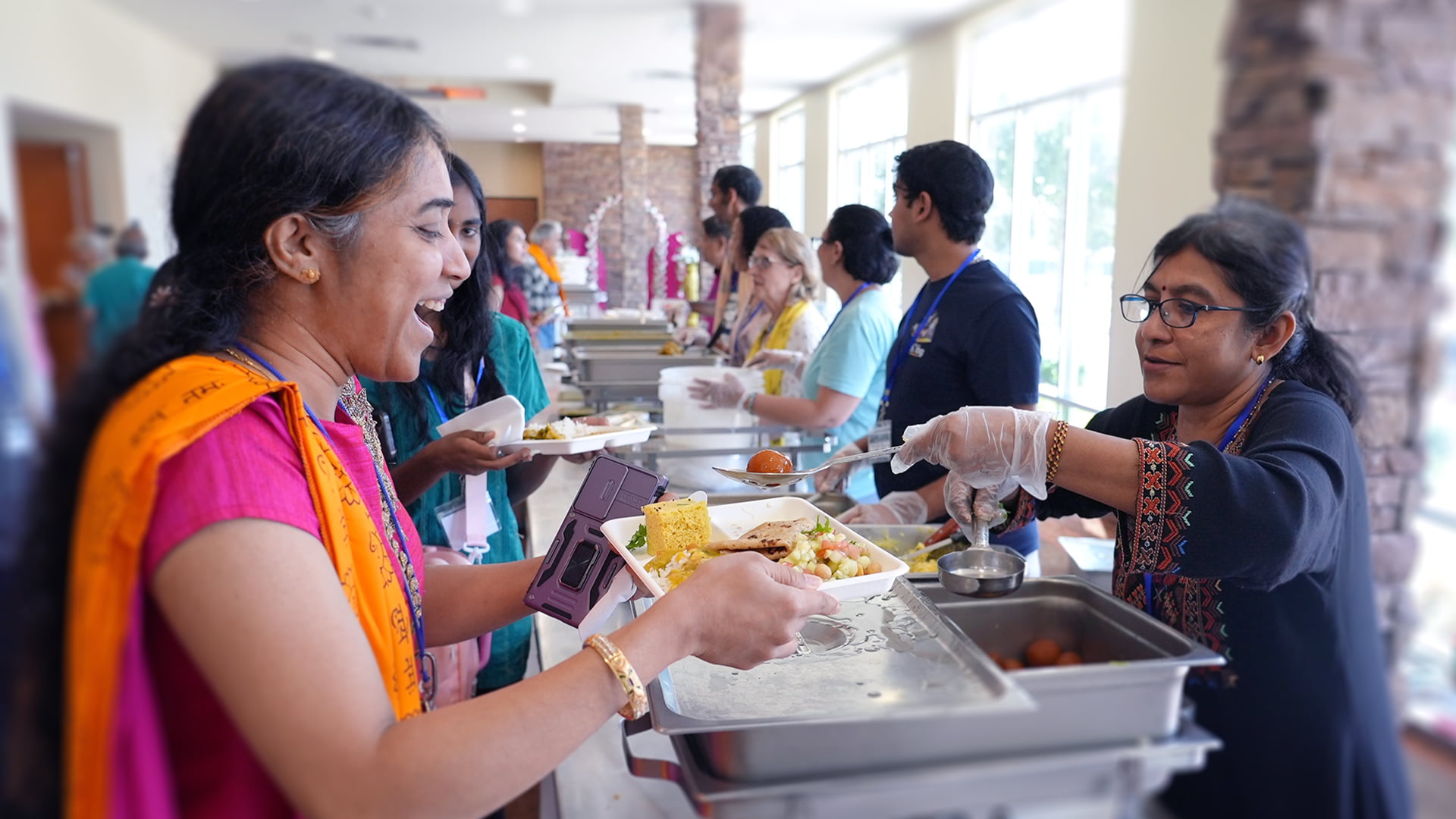
The beautiful truth about seva is that every individual can contribute meaningfully. Some serve publicly. Others serve quietly behind the scenes. Some contribute physical effort. Others offer technical skills, creativity, organization, or financial support. No seva is too small when offered with devotion.
The question is therefore not, “Do I have something valuable to offer?” but rather, “How can I offer myself in service to God?”
Why Volunteering Matters Spiritually
Modern society often measures value through recognition, productivity, income, or status. Seva teaches an entirely different way of living.
In seva, the focus shifts away from “What do I gain?” toward “How can I serve?”
This shift is spiritually transformative.
Human beings naturally become absorbed in personal desires, anxieties, comparisons, frustrations, and ambitions. Service interrupts this constant self-focus. Through sincere seva, the mind becomes lighter because attention moves outward toward helping others and supporting sacred work.
Swami Mukundananda teaches that the ego is one of the greatest obstacles on the spiritual path. Seva gradually weakens ego because it teaches humility, cooperation, patience, and surrender. It reminds devotees that every ability, opportunity, and talent is itself a gift from God.
Temple volunteering also creates spiritual community. In a world increasingly shaped by isolation and digital interaction, seva brings people together physically and emotionally through shared devotion and purpose.
- Children learn values by observing parents serve.
- Families bond through collective participation.
- Friendships form through devotional collaboration.
- Communities grow stronger through selfless contribution.
Most importantly, the temple continues flourishing as a sacred space where thousands can experience peace, prayer, wisdom, and divine connection.
25 Volunteer Roles and Why Each Matters
1. Garland-Making Seva
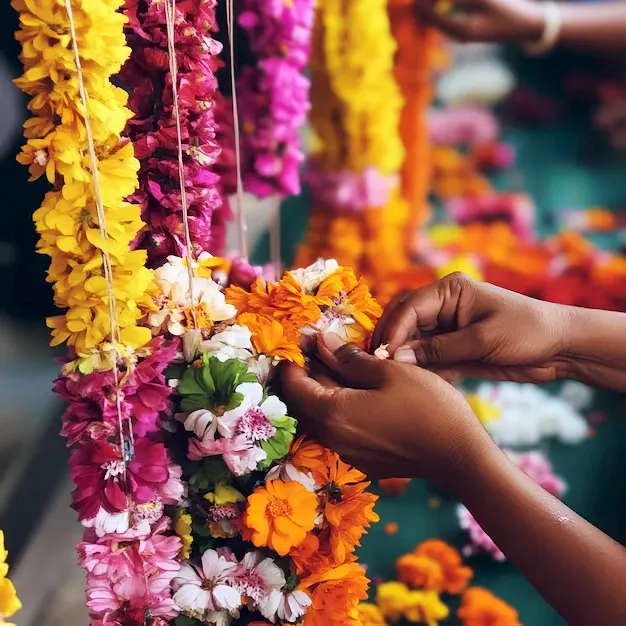
Flower garlands offered to the deities are expressions of love and devotion. Volunteers preparing garlands participate directly in beautifying the Lord’s worship while cultivating concentration, patience, and devotional remembrance.
2. Poori-Making Seva
Preparing prasadam with sincerity transforms cooking into spiritual practice. Volunteers helping prepare pooris for festivals and Sunday gatherings nourish the devotional community through sacred food offerings.
3. Mahaprasad Distribution
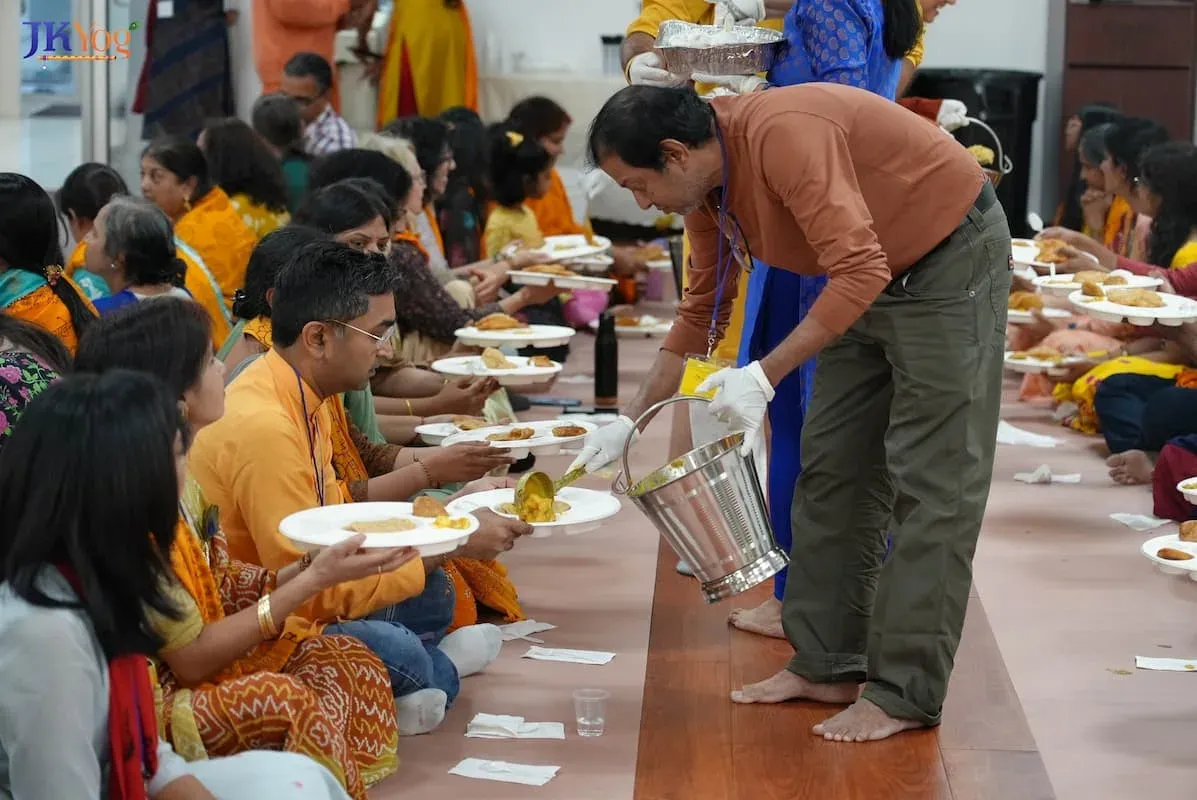
Serving prasadam teaches humility and compassion while ensuring devotees experience hospitality, care, and spiritual nourishment during temple gatherings.
4. Temple Tidiness Seva
Maintaining cleanliness within sacred spaces reflects respect for the Divine. Volunteers who help clean the temple create peaceful environments where devotees can worship comfortably and prayerfully.
5. Community Clean-Up Seva
Keeping surrounding community spaces clean reflects the spiritual principle that devotion extends beyond temple walls. This seva teaches responsibility, environmental care, and service to society.
6. Photography Seva

Photographers preserve sacred memories and devotional moments that inspire countless devotees. Images captured during festivals, kirtans, and poojas help spread spiritual inspiration.
7. Videography Seva
Video volunteers document spiritual programs, teachings, and celebrations so devotional experiences can reach audiences far beyond the temple itself.
8. Audio and Sound Support
Temple events depend upon clear sound systems for kirtans, discourses, and programs. Volunteers managing audio help ensure devotees can fully engage with spiritual gatherings.
9. Blog Writing Seva

Online articles and blogs help spread spiritual wisdom globally. Writers supporting JKYog’s mission contribute toward devotional education and outreach.
10. Video Editing Seva
Editing spiritual videos allows devotional teachings, kirtans, and temple programs to be shared beautifully and professionally with larger audiences.
11. Administrative Support Seva
Behind every successful spiritual organization lies careful organization and administration. Volunteers assisting operational tasks help the temple function efficiently and smoothly.
12. Festival Decoration Seva
Decorating the temple during festivals transforms sacred celebrations into visually uplifting devotional experiences that inspire joy and reverence.
13. Event Coordination Seva
Large spiritual events require careful planning and teamwork. Volunteers coordinating logistics help festivals and programs operate harmoniously.
14. Youth Program Support
Supporting youth activities helps preserve spiritual culture for future generations while nurturing children’s connection with devotion, values, and community.
15. Classroom Setup Seva
Preparing educational spaces for classes and workshops helps create welcoming learning environments for spiritual and cultural education.
16. Landscaping Seva
Temple landscaping transforms the grounds into peaceful spiritual sanctuaries filled with flowers, shrubs, beauty, and tranquility that elevate the mind toward God.
17. Gardening Seva
Planting and maintaining flowers and shrubs allows devotees to participate directly in beautifying the Lord’s abode while connecting spiritually with nature.
18. Hospitality Seva
Welcoming visitors warmly creates an atmosphere of kindness and belonging for first-time guests and devotees alike.
19. Parking and Crowd Assistance
Volunteers helping guide crowds and parking during large festivals ensure devotees experience smooth, organized, and peaceful participation.
20. Seva Sundays Participation
Seva Sundays allow devotees to serve collectively through garland-making, prasadam preparation, tidiness, and devotional teamwork while building spiritual community.
21. Social Media Support
Managing devotional social media content helps spread spiritual inspiration and temple awareness to broader audiences online.
22. Fundraising and Outreach Seva
Temple growth and educational initiatives depend upon collective support. Volunteers helping outreach and fundraising contribute toward preserving and expanding dharma.
23. Sponsorship Coordination
Helping coordinate sponsorships for flowers, mahaprasad, festivals, and temple initiatives supports devotional participation within the wider community.
24. Online Technical Seva
Remote volunteers offering digital, technical, and creative skills allow JKYog’s mission to continue expanding globally.
25. Simply Showing Up Consistently
One of the most important forms of seva is reliability. Volunteers who consistently show up with sincerity and devotion become the quiet strength supporting temple life.
Seva as Family Spiritual Practice
One of the most beautiful aspects of volunteering at the temple is that seva naturally becomes a shared spiritual practice for families.
Children learn humility not through lectures alone, but through observing parents serve joyfully.
Families who volunteer together often discover that seva strengthens relationships while deepening spiritual values. Instead of spirituality remaining abstract or occasional, it becomes integrated into daily life through action.
In a culture increasingly dominated by individualism and busyness, family seva creates sacred time together centered around devotion, cooperation, gratitude, and community.
The Deeper Transformation Created by Seva
Although seva benefits the temple externally, its deepest impact happens internally within the devotee.
Through service, the mind gradually becomes less restless and self-absorbed. The heart becomes softer, gratitude deepens and devotion becomes more natural.
Swami Mukundananda teaches that true spiritual growth occurs when actions become offerings to God. Seva therefore transforms ordinary effort into sacred practice.
The volunteer may begin by helping the temple.
But eventually, the temple begins transforming the volunteer.
Call to Action
Every talent, every skill, every hour, and every sincere effort can become an offering to God through seva. Whether you feel inspired to help through photography, blogging, cooking, gardening, event support, online seva, temple cleanliness, or community outreach, your contribution matters deeply.
Join the volunteer community at the Radha Krishna Temple of Dallas and experience the joy of serving with devotion, purpose, and spiritual connection.
FAQs
What is seva in Hinduism?
Seva refers to selfless service performed with devotion, humility, and the intention of serving God and helping others.
Why is volunteering spiritually important?
Volunteering purifies the mind, reduces ego, deepens gratitude, strengthens devotion, and helps create sacred spaces for spiritual growth and community connection.
Can families volunteer together?
Yes. Many temple seva opportunities encourage family participation and help children develop values such as humility, discipline, compassion, and devotion.
What are Seva Sundays?
Seva Sundays are regular volunteer gatherings where devotees participate in activities such as garland-making, poori preparation, temple tidiness, and mahaprasad seva.
Are online volunteer opportunities available?
Yes. Online sevas include blog writing, video editing, administration, digital outreach, and technical support for JKYog initiatives.
Do I need special skills to volunteer?
No. Many seva opportunities require only sincerity, humility, willingness to help, and a devotional attitude.
Why is temple landscaping considered seva?
Beautiful temple grounds create peaceful spiritual environments that inspire contemplation, relaxation, and deeper connection with God.
What does Swami Mukundananda teach about seva?
Swami Mukundananda teaches that seva is a powerful path for purifying consciousness, weakening ego, and expressing devotion through action.