
Introduction: Building More Than a Temple
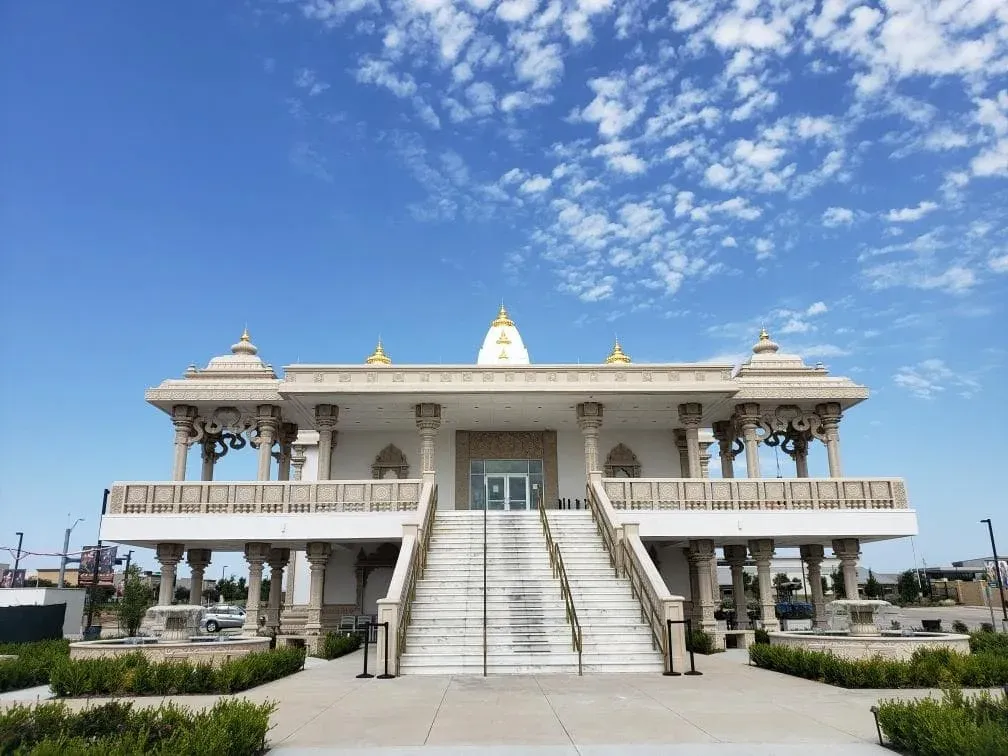
Throughout Sanatan Dharma, temples have never been viewed as ordinary structures made merely of stone, marble, or wood. A Hindu temple is understood as a sacred spiritual organism, a living center where divine consciousness is invoked, preserved, and experienced through devotion, prayer, mantra, seva, and collective faith. Every carved pillar, every temple bell, every lamp lit before the deity, and every sacred ritual performed within the sanctum carries the devotion of countless souls who contributed toward creating a place where humanity can reconnect with the Divine. Temples are therefore not built only through architecture; they are built through bhakti.
This is why major offerings such as Vigraha Daanam, Gopuram Seva, and Mandapam sponsorship hold such extraordinary significance in Hindu tradition. These are not viewed simply as financial donations or construction contributions. They are considered sacred acts of participation in divine service, opportunities to help establish spaces where spiritual wisdom, culture, devotion, and grace continue flowing across generations. Long after individual lifetimes pass, the temple remains alive with aartis, kirtans, festivals, prayers, and darshan. Children learn their first mantras there, families celebrate sacred samskaras there, weary hearts find peace there, and countless devotees experience moments of spiritual awakening there.
When seen through this deeper spiritual lens, major gifts become far more than acts of generosity. They become offerings to eternity. A Hindu temple is considered a sacred spiritual body: a living center of divine consciousness where devotion, prayer, culture, wisdom, and grace flow continuously across generations.
Every temple carries within it the devotion of countless devotees. Behind every sanctum, every bell, every lamp, every carved pillar, and every sacred ritual lies the love and seva of individuals who contributed toward creating a space where humanity can reconnect with the Divine.
This is why major temple offerings such as Vigraha Daanam, Gopuram Seva, and Mandapam sponsorship hold extraordinary significance in Hindu tradition. These are not simply financial contributions or architectural donations. They are acts of sacred participation in divine service.
In Hindu scriptures, supporting the construction of a temple is considered one of the highest forms of punya because the impact extends far beyond one lifetime. A temple becomes a spiritual refuge for thousands of people seeking peace, prayer, healing, wisdom, and devotion.
Generations yet unborn may walk into a temple built through the devotion of today’s donors. Children may learn dharma there. Families may celebrate sacred samskaras there. Souls in distress may find hope there. Devotees may experience life-changing darshan there.
When seen through this spiritual lens, major gifts become far more than donations.
They become offerings to eternity.

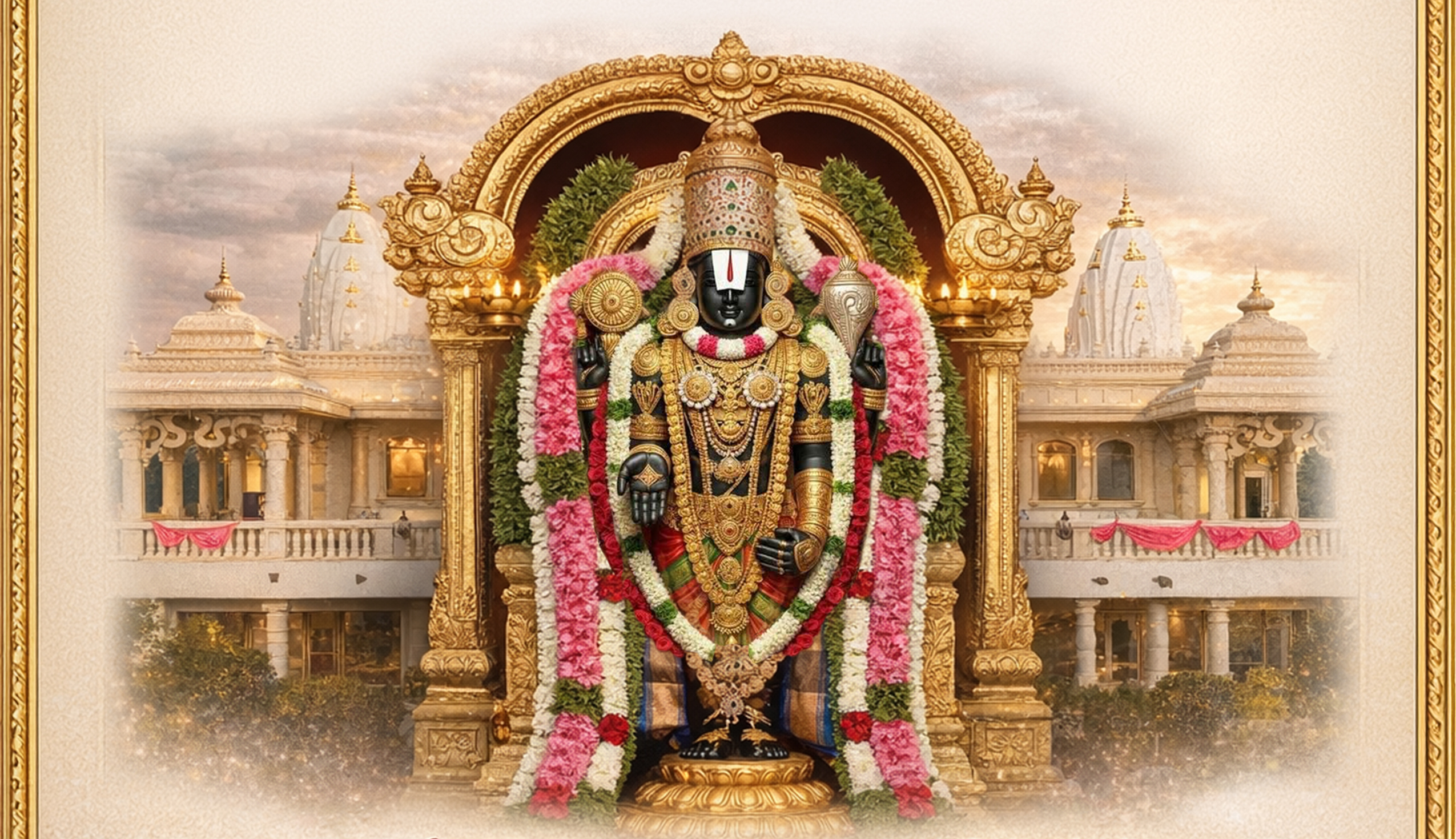
The Spiritual Meaning of Daanam in Sanatan Dharma
The concept of daanam occupies a deeply sacred place in Hindu philosophy.
Daanam is not merely charity in the ordinary sense. True daanam is an offering made with humility, devotion, and detachment.
The Bhagavad Gita explains that sattvic charity is given:
- at the proper place,
- at the proper time,
- to a worthy cause,
- without expectation of reward.
BG 17.20: Charity given to a worthy person simply because it is right to give, without consideration of anything in return, at the proper time and in the proper place, is stated to be in the mode of goodness.
BG 18.5: Actions based upon sacrifice, charity, and penance should never be abandoned; they must certainly be performed. Indeed, acts of sacrifice, charity, and penance are purifying even for those who are wise.
Temple seva embodies this ideal beautifully, because when devotees contribute toward building or sustaining a temple, they participate in preserving dharma itself. Unlike temporary material expenditures, spiritual contributions continue creating blessings for countless people over generations.
This is why temple-related seva has always been honored across Indian spiritual history.
Kings, saints, householders, merchants, and ordinary devotees alike contributed toward:
- temples
- gopurams
- dharmashalas
- anna daanam
- vigrahas
- sacred ponds
- mandapams
These acts were seen as sacred investments in the spiritual well-being of society.
Vigraha Daanam: Offering a Sacred Divine Presence
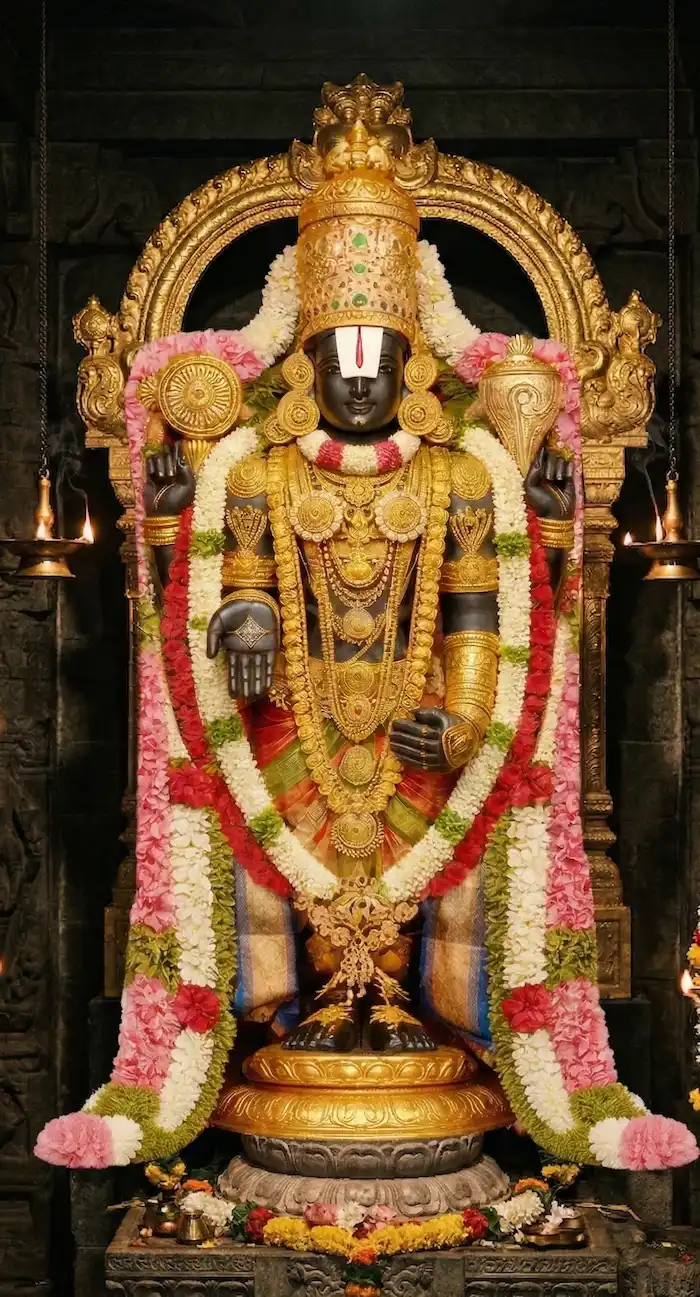
Among the most spiritually significant forms of temple seva is Vigraha Daanam, which is the sponsoring or donating a sacred deity form for worship.
In Hindu tradition, a vigraha is not viewed as a mere statue. After Prana Pratistha, the deity is worshipped as a living divine presence.
The Sanskrit word “vigraha” itself carries spiritual meaning. It refers to the manifested form through which devotees can establish loving connection with the Divine.
Human beings naturally seek relationship.
The vigraha allows devotees to:
- offer prayers
- perform seva
- meditate
- receive darshan
- cultivate devotion through form
For countless devotees, one moment of heartfelt darshan before a deity can transform the heart completely.
Why Vigraha Daanam Is Considered Sacred
When a devotee sponsors a sacred deity form for a temple, they are helping establish a permanent center of worship and divine connection. In Hindu tradition, the vigraha is never viewed merely as a symbolic object. After Prana Pratistha, the deity is worshipped as a living manifestation of divine presence through which devotees offer prayers, perform seva, meditate, and receive darshan. The deity becomes the spiritual heart of the temple.
Every aarti performed before the deity, every flower offered with love, every mantra chanted in devotion, every child folded in prayer before the sanctum, and every pilgrim who experiences inner peace through darshan becomes spiritually connected to that sacred space. In this way, the offering of a vigraha continues blessing devotees for generations.
Many families choose Vigraha Daanam to honor parents, gurus, anniversaries, or sacred milestones because the offering creates both a deeply personal and eternal spiritual legacy. Worldly achievements eventually fade with time, but the divine presence established through sacred seva continues radiating grace endlessly. This is why scriptures glorify deity seva so highly: because it allows devotees to participate directly in sustaining living centers of devotion for humanity.
At its deepest level, Vigraha Daanam is not simply the offering of a deity form. It is the offering of devotion itself.
Gopuram Seva: The Sacred Gateway to the Divine
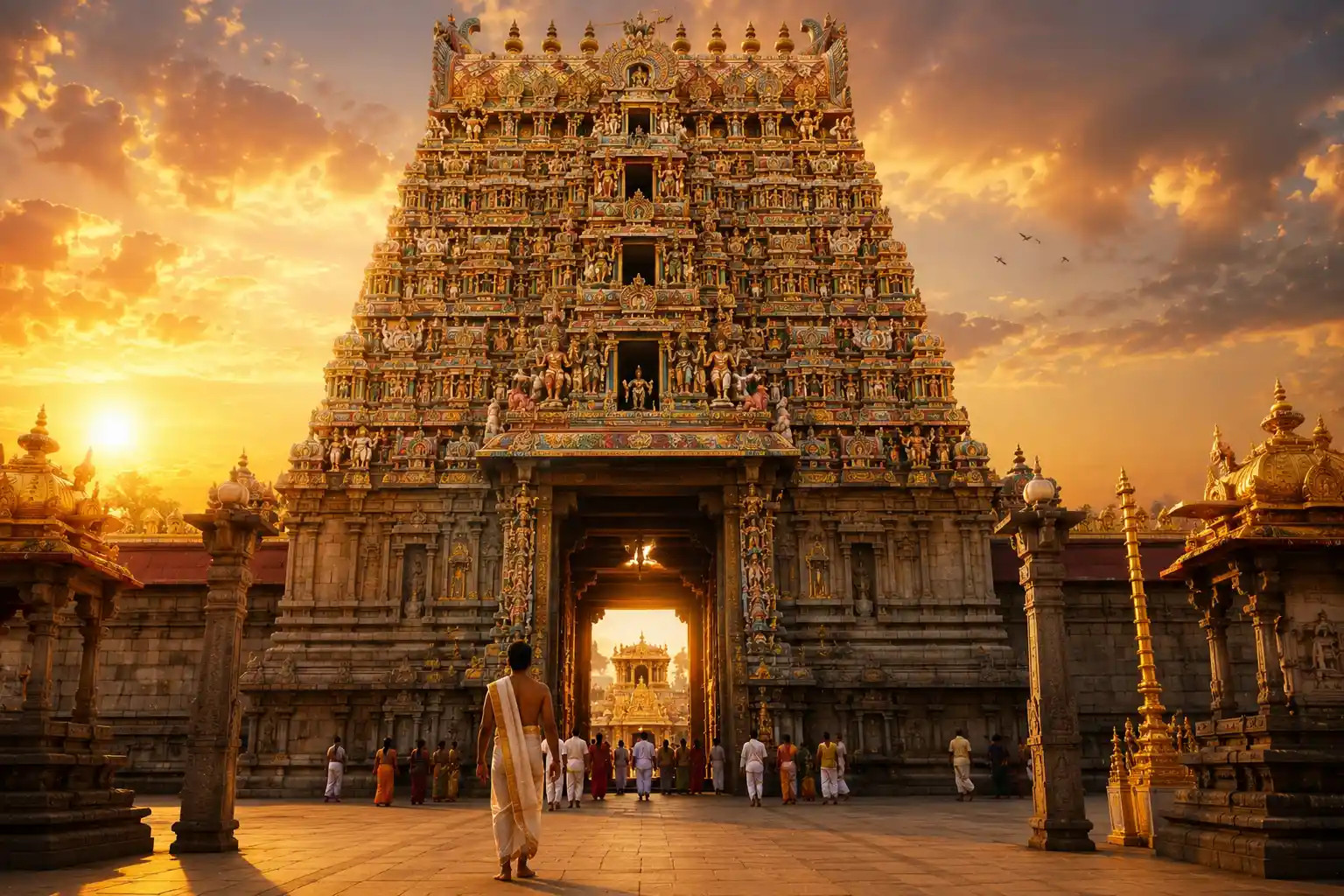
The gopuram is among the most iconic architectural elements of Hindu temples.
Towering above temple entrances, richly adorned with sacred carvings and divine imagery, the gopuram serves not only as an architectural masterpiece but also as a profound spiritual symbol.
In traditional temple philosophy, the gopuram represents the transition from worldly consciousness into sacred awareness.
As devotees pass beneath the gopuram, they symbolically leave behind:
- ego,
- stress,
- distraction,
- worldly anxiety,
- and material identification.
The temple entrance becomes a threshold between the outer world and the inner spiritual journey.
The Spiritual Symbolism of the Gopuram
The gopuram is among the most recognizable and spiritually symbolic features of a Hindu temple. Towering high above the temple entrance and richly adorned with sacred carvings, divine forms, and scriptural imagery, the gopuram represents far more than architectural beauty. In traditional temple philosophy, it symbolizes the soul’s transition from worldly consciousness into sacred awareness.
As devotees pass beneath the gopuram, they symbolically leave behind the noise of worldly life, including stress, ego, distraction, ambition, anxiety, and attachment, and step into a space centered around devotion and divine remembrance. Ancient temple architects intentionally designed gopurams to elevate consciousness. Their upward movement directs the eyes and mind toward transcendence, while the sacred imagery carved upon them silently teaches stories from the scriptures, divine leelas, and spiritual truths.
For many devotees, even the distant sight of a temple gopuram awakens devotion instantly. It serves as a reminder that amidst the chaos of life, there still exists a sacred refuge where the soul can reconnect with God.
Supporting the construction of a temple gopuram therefore carries immense spiritual significance. The gopuram becomes the visible identity of the temple itself, a beacon of dharma that stands for generations as a symbol of faith, culture, and spiritual continuity. Especially for Hindu communities outside India, temple architecture plays an important role in preserving identity and transmitting devotion to future generations. A beautifully constructed gopuram inspires reverence, belonging, and spiritual connection not only for today’s devotees, but also for countless souls who will visit the temple in years to come.
Mandapam Seva: Creating Sacred Spaces for Community and Worship
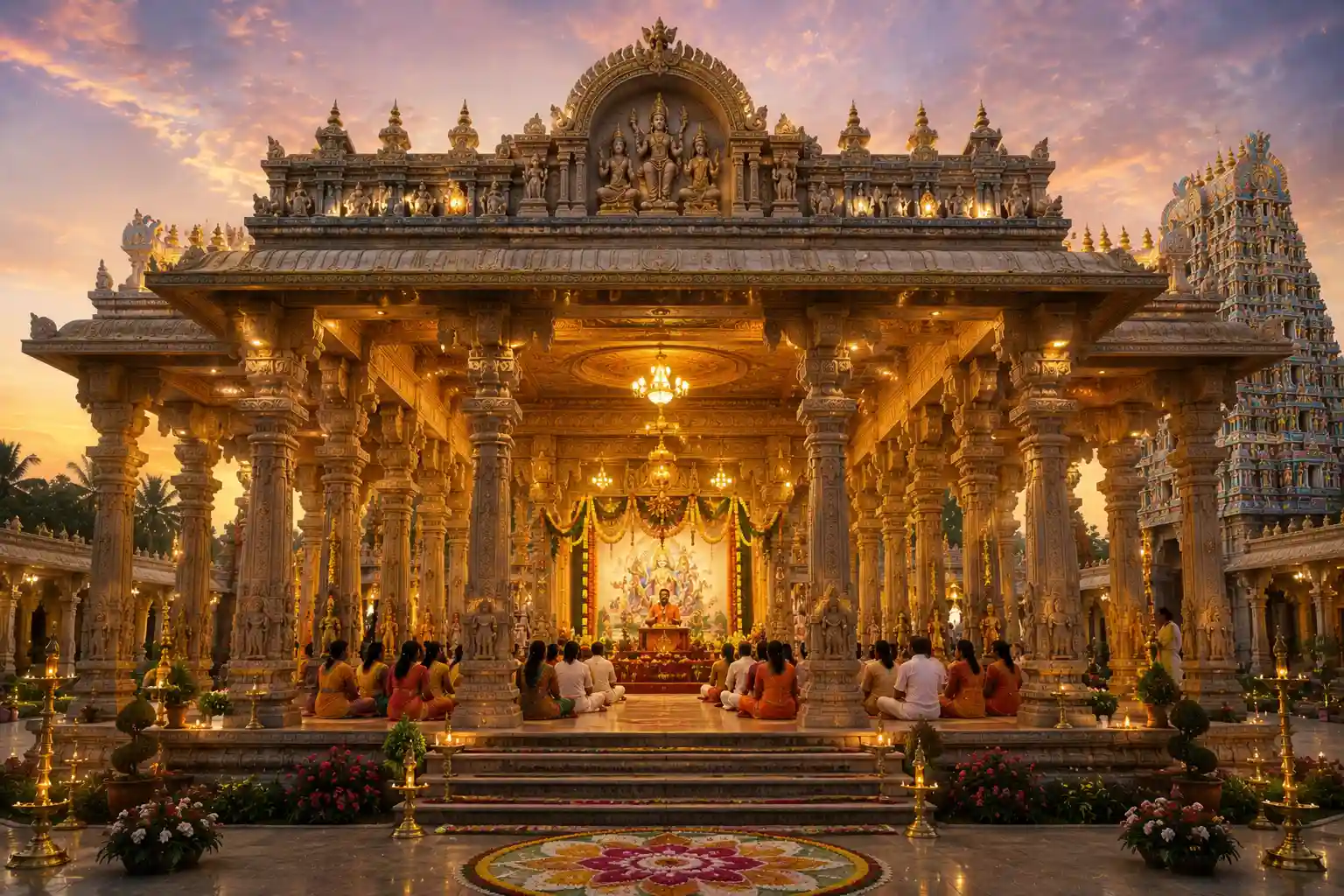
Another highly meaningful form of temple contribution is Mandapam Seva.
A mandapam is far more than a hall or gathering space. Traditionally, mandapams serve as sacred centers where devotees gather for:
- satsang,
- kirtan,
- weddings,
- yajnas,
- discourses,
- festivals,
- spiritual education,
- and community celebrations.
In many ways, the mandapam becomes the living heart of temple life.
The Spiritual Importance of the Mandapam
A mandapam is far more than a gathering hall within a temple complex. Traditionally, it serves as one of the living hearts of temple life: a sacred space where spiritual culture is experienced collectively through devotion, learning, celebration, and community connection. Throughout Indian spiritual history, temples were never designed only for individual worship. They functioned as spiritual ecosystems that nourished society through satsang, kirtan, scripture classes, festivals, yajnas, weddings, youth programs, and sacred samskaras.
Within the mandapam, countless moments of spiritual significance unfold across generations. Children may hear their first bhajans there. Families may celebrate weddings and naming ceremonies there. Devotees may gather for Janmashtami, Ram Navami, Navaratri, or Gita discourses there. Spiritual seekers may sit in satsang and experience inner transformation there.
When devotees contribute toward a mandapam, they help create an environment where sacred memories and spiritual impressions continue forming for generations. The contribution extends far beyond physical infrastructure. It supports the devotional life of an entire community and creates a space where people can come together in remembrance of the Divine.
In today’s fast-moving world, where many people experience emotional isolation and spiritual disconnection, the mandapam becomes even more meaningful. It offers a sacred environment where community, devotion, culture, and inner peace can flourish together.
Why Major Gifts Matter Spiritually
In modern society, giving is often viewed primarily through a financial lens. But in Sanatan Dharma, sacred giving transforms both the receiver and the giver. Major gifts connected to temple construction create a lasting spiritual legacy because they contribute toward preserving dharma itself.
A temple is not simply a building. It becomes:
- a sanctuary for prayer,
- a home for devotion,
- a center for wisdom,
- a refuge during suffering,
- and a source of cultural continuity.
When devotees support temple projects through Vigraha Daanam, Gopuram Seva, or Mandapam sponsorship, they participate directly in sustaining spiritual life within society.
A Legacy Beyond One Lifetime
Most worldly achievements eventually fade with time. Buildings deteriorate, possessions change hands, titles lose importance, and recognition slowly disappears from memory. Human life moves quickly, and much of what society spends years chasing often proves temporary in the end. Yet spiritual contributions are different. Acts of sacred giving continue generating blessings long after one lifetime has passed.
This is why temple seva has always been regarded as timeless within Sanatan Dharma. A temple does not merely serve the present moment; it continues touching lives across generations in ways that can never fully be measured. A child may learn their very first prayer inside a mandapam that your seva helped build. A devotee may stand before a sacred vigraha you sponsored and experience a moment of life-changing darshan that transforms their heart forever. A weary soul burdened by grief, anxiety, or uncertainty may find unexpected peace simply by walking beneath a gopuram that your offering helped create.
The effects of sacred giving ripple outward continuously. Long after the donor is gone, the prayers continue. The lamps continue glowing before the deity. The bells continue ringing during aarti. Kirtans continue filling the temple halls with devotion. Festivals continue bringing communities together in remembrance of God. In this way, temple seva becomes far more than an act of generosity, it becomes participation in something eternal.
In today’s world, the importance of temple construction and preservation has become even deeper. Modern life often creates emotional isolation, spiritual disconnection, cultural fragmentation, and constant mental distraction. People may feel surrounded by activity and technology, yet inwardly experience loneliness, anxiety, and a loss of spiritual grounding. Temples provide sacred spaces where individuals and families can reconnect with devotion, community, inner peace, and spiritual identity.
At the same time, those blessed with greater resources are given a sacred opportunity to create large-scale spiritual impact through major seva. Supporting vigrahas, gopurams, mandapams, yajnas, temple expansions, and devotional initiatives becomes a form of active participation in divine work. Through such offerings, devotees help create living centers of devotion where countless people can experience prayer, peace, wisdom, and divine grace.
This fulfillment transcends ordinary material satisfaction because it touches the soul itself. Ultimately, Vigraha Daanam, Gopuram Seva, and Mandapam sponsorship are far more than acts of charity. They are sacred opportunities to participate in preserving and expanding dharma for future generations. A temple outlives individual lifetimes. Long after one generation passes, the deity continues blessing devotees, the aartis continue illuminating the sanctum, and the sound of prayer continues echoing through the temple halls.
And somewhere in the future, perhaps years from now, a devotee walking into that temple for the very first time may experience hope, healing, peace, or spiritual awakening because someone once chose to give selflessly.
That is the true significance of sacred giving: Not simply building structures, but helping create living centers of divine grace for humanity.
Call to Action
Supporting sacred temple projects is an opportunity to become part of something timeless.
Whether through Vigraha Daanam, Gopuram Seva, Mandapam sponsorship, or other forms of temple contribution, every offering helps create spaces where devotion, culture, and spirituality can flourish for generations.
FAQs
What is Vigraha Daanam?
Vigraha Daanam refers to sponsoring or donating a sacred deity form for temple worship.
Why is a vigraha important in Hindu worship?
After Prana Pratistha, the vigraha is worshipped as a living manifestation of divine presence through which devotees offer prayers and receive darshan.
What is a gopuram?
A gopuram is the grand entrance tower of a Hindu temple, symbolizing spiritual ascent and transition into sacred space.
What is the purpose of a mandapam?
A mandapam serves as a sacred gathering space for satsangs, kirtans, weddings, festivals, spiritual classes, and community worship.
Why are major temple gifts considered spiritually significant?
Major gifts help preserve dharma, sustain temples, support worship, and create spiritual spaces that benefit future generations.
Can families sponsor temple structures in honor of loved ones?
Yes. Many devotees dedicate seva in memory of parents, gurus, family members, anniversaries, or important milestones.
What spiritual benefits are associated with temple seva?
Temple seva is believed to bring spiritual merit, inner purification, divine grace, and blessings for future generations.