Introduction: Why Agamas Matter in Hindu Temple Worship
For many devotees, entering a Hindu temple is an experience filled with devotion, peace, beauty, and divine presence. The fragrance of incense, the sound of bells, the rhythm of Vedic chanting, the glow of lights, and the sacred darshan of the deity together create an atmosphere unlike any other. Yet behind every ritual, every aarti, every form of worship, and every temple tradition lies a vast and ancient spiritual system carefully preserved across generations.
These sacred systems are known as the Agamas.
The Agamas are traditional scriptures that guide Hindu temple worship, deity installation, rituals, temple architecture, festivals, priestly conduct, and devotional practices. They form the living foundation of temple culture within Sanatan Dharma. While the Vedas provide the eternal spiritual truths of Hindu philosophy, the Agamas explain how divine worship is to be practiced and experienced within temple life.
Among Vaishnava temples especially, two major Agamic traditions hold great importance: the Pancharatra Agama and the Vaikhanasa Agama.
Many devotees hear these terms during temple discussions, deity installations, kumbhabhishekams, or Prana Pratistha ceremonies, yet may not fully understand their meaning. Some wonder why certain temples follow one tradition while others follow another. Others ask whether one is superior to the other.
The truth is beautifully simple: Both traditions are deeply sacred and both are rooted in devotion to Lord Vishnu. Both aim to preserve authentic worship and facilitate divine connection between devotees and God.
Understanding these traditions helps devotees appreciate the depth, discipline, beauty, and continuity of Hindu temple worship.
What Are Agamas?
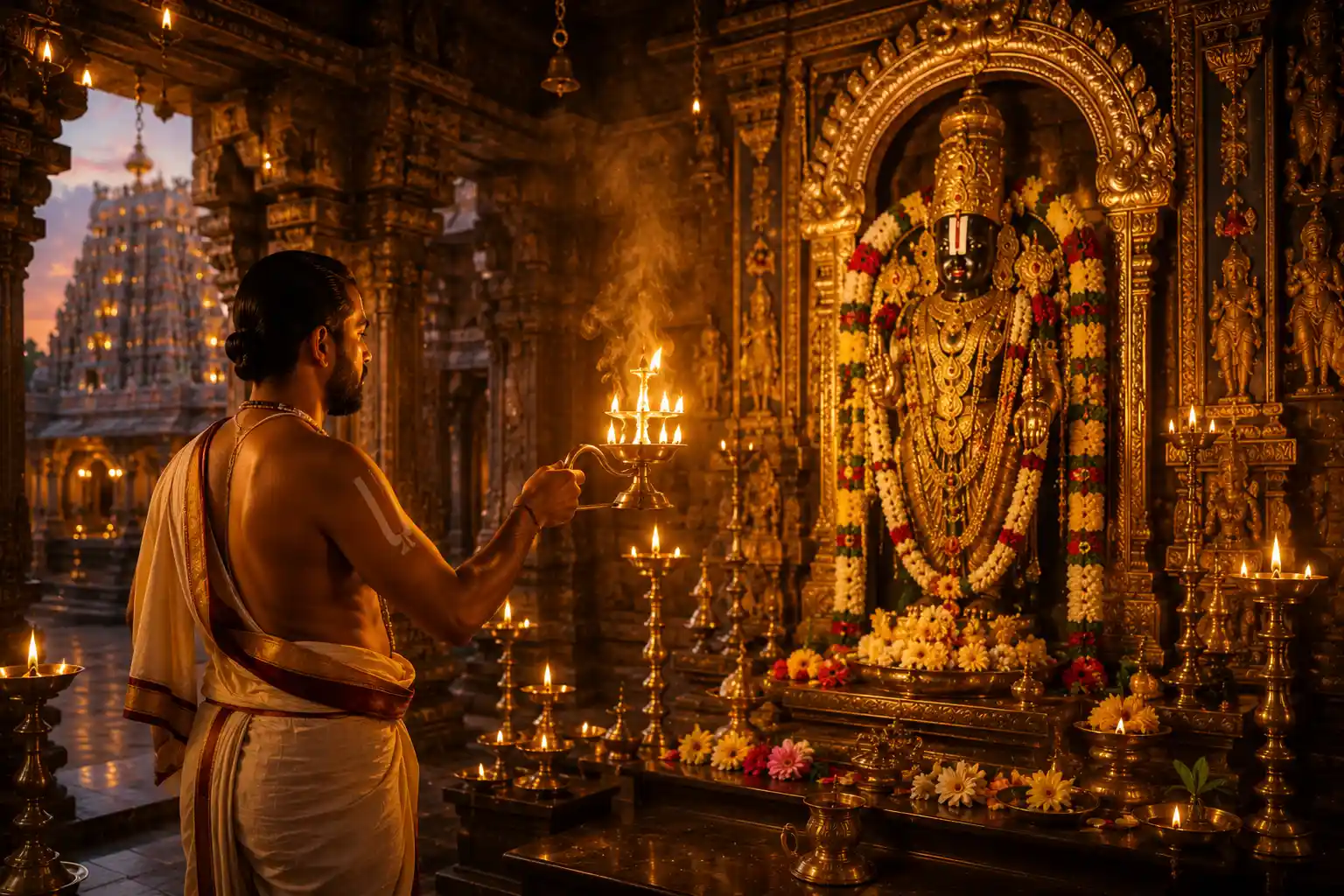
The word “Agama” refers to sacred scriptures that guide nearly every aspect of temple worship within Sanatan Dharma. While the Vedas reveal eternal spiritual truths and philosophical wisdom, the Agamas explain how divine worship is to be practiced, preserved, and experienced within temple life. They provide detailed guidance on temple architecture, deity installation, daily rituals, festivals, sacred ceremonies, priestly conduct, mantra recitation, spiritual disciplines, and the maintenance of divine energy within the temple environment.
For thousands of years, Hindu temples have functioned according to these carefully preserved systems, allowing worship to continue with remarkable continuity and spiritual precision across generations. This continuity is one of the reasons temples continue radiating such profound sacred presence even today. The Agamas ensure that worship is not casual or improvised, but deeply disciplined, spiritually aligned, and rooted in scriptural tradition.
To many devotees, temple rituals may appear simple on the surface; the offering of flowers, the waving of lamps, the chanting of mantras, or the ringing of bells. Yet behind every one of these sacred actions lies an intricate spiritual science refined and preserved through the Agamas. These traditions were never meant merely to maintain ritual order. Their deeper purpose is to help devotees move from ordinary awareness into divine consciousness.
The Agamas therefore are not simply ritual manuals. They are living spiritual systems designed to preserve devotion itself.
The Vaikhanasa Agama: The Ancient Path of Temple Worship
The Vaikhanasa tradition is regarded as one of the oldest and most revered Vaishnava Agamic systems within Hindu temple worship. According to sacred tradition, the teachings originated from Sage Vikhanasa, who received divine knowledge directly from Lord Vishnu and transmitted this wisdom to his disciples. Over centuries, the Vaikhanasa system became deeply associated with ancient Vishnu temples, especially throughout South India, where many temples continue preserving these traditions with extraordinary discipline and continuity.
Perhaps the most well-known example of Vaikhanasa worship today is the sacred Tirumala Tirupati temple of Lord Venkateswara, where rituals continue according to ancient Agamic traditions preserved over generations.
The Vaikhanasa approach places immense emphasis on purity, discipline, sacred continuity, and highly structured daily worship. Within this tradition, the central focus remains upon the main deity residing within the sanctum sanctorum. The deity is worshipped not symbolically, but as the living divine presence continuously dwelling within the temple.
Every aspect of worship carries spiritual significance. The sequence of rituals, the recitation of mantras, the offerings made before the deity, the sacred gestures, the timing of worship, and even the preparation of the temple environment are all carefully regulated according to Agamic principles. The continuity of worship itself becomes an offering of devotion.
One of the defining characteristics of the Vaikhanasa tradition is its deeply inward and meditative devotional mood. The emphasis is less on expansive public celebration and more on maintaining uninterrupted sacred service to the deity through disciplined daily worship. Devotees entering Vaikhanasa temples often experience a profound sense of antiquity and stillness, as though the rhythms of worship have remained untouched for centuries.
This continuity creates spiritual power. In a constantly changing world, the Vaikhanasa system preserves an atmosphere where devotees can feel connected to an ancient, unbroken lineage of Vishnu worship stretching across generations.
The Pancharatra Agama: The Path of Expansive Devotional Worship
The Pancharatra Agama is another deeply sacred and influential Vaishnava tradition that has shaped temple worship, devotional practice, and theological understanding for centuries. According to traditional belief, the teachings of Pancharatra were revealed directly by Lord Narayana over five sacred nights, which is why the tradition came to be known as “Pancharatra,” meaning “five nights.”
Over time, the Pancharatra system became especially influential through the teachings of Sri Vaishnava acharyas and played a major role in shaping many forms of devotional temple worship throughout India. Numerous Vishnu temples today continue following Pancharatra traditions with great reverence.
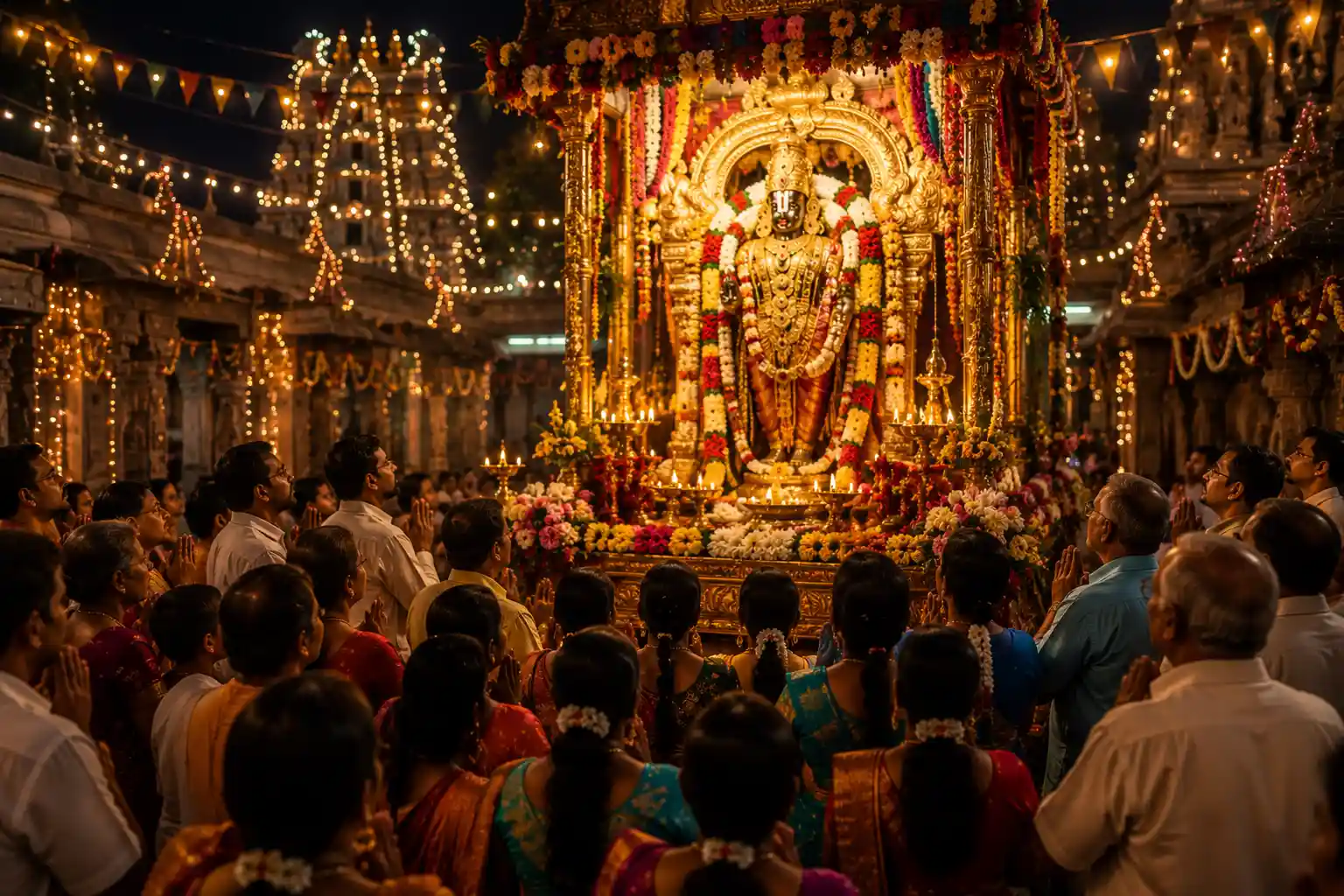
While deeply rooted in Agamic discipline and scriptural authority, the Pancharatra tradition places greater emphasis on expansive devotional participation and the collective experience of bhakti. Temple worship within this system often includes elaborate festivals, public processions, utsavams, community-centered rituals, and broader liturgical practices that invite devotees into active participation in divine celebration.
The theological richness of the Pancharatra system also contributed significantly to Vaishnava philosophy. It developed profound teachings concerning the forms and manifestations of Lord Vishnu, mantra worship, devotional surrender, sacred symbolism, and the relationship between the soul and the Divine.
Spiritually, the devotional mood of Pancharatra worship often feels vibrant, expressive, and celebratory. Temples following this tradition frequently emphasize the joy of collective devotion through kirtans, festivals, processions, and communal worship. Devotees are encouraged not only to observe worship but to participate deeply in it through song, seva, celebration, and remembrance.
Yet despite its expansive devotional expression, the Pancharatra tradition remains deeply disciplined and spiritually profound. Its rituals, ceremonies, and festivals are all rooted in sacred Agamic guidance carefully preserved over centuries.
In this way, the Pancharatra system beautifully combines theological depth with devotional accessibility, creating a temple atmosphere where philosophy and bhakti flow together harmoniously.
Key Differences Between Vaikhanasa and Pancharatra Traditions
| Characteristic | Vaikhanasa Tradition | Pancharatra Tradition |
|---|---|---|
| Primary Focus | Disciplined daily worship of the main deity | Expansive devotional participation and festivals |
| Devotional Mood | Serene, inward, contemplative | Vibrant, celebratory, community-centered |
| Temple Worship Style | Structured and continuity-based rituals | Public worship, processions, utsavams |
| Community Participation | More sanctum-centered and priest-led | Broader collective devotional involvement |
| Ritual Expression | Highly regulated and traditional | Expanded liturgical and festival traditions |
| Atmosphere | Meditative and disciplined | Expressive and devotional |
| Historical Association | Tirumala and ancient Vishnu temples | Sri Vaishnava temple traditions |
Although both Vaikhanasa and Pancharatra traditions are rooted entirely in devotion to Lord Vishnu, they differ in emphasis, devotional mood, ritual structure, and liturgical expression.
The Vaikhanasa tradition is deeply centered around maintaining continuous and disciplined daily worship for the primary deity residing within the sanctum. Its devotional atmosphere often feels inwardly contemplative, serene, and highly structured. The emphasis remains on preserving sacred continuity through carefully regulated temple routines that are passed down through hereditary priestly lineages.
The Pancharatra tradition, while equally sacred and scripturally grounded, places greater emphasis on expansive devotional expression through festivals, public worship, processions, utsavams, and broader community participation. Its atmosphere often feels vibrant, celebratory, and devotional in a more outwardly expressive way.
Yet these differences should never be misunderstood as conflict or opposition. Both systems exist for the same divine purpose: to preserve authentic worship, maintain spiritual sanctity within temples, and deepen the devotee’s connection with Lord Vishnu.
The external styles may differ, but the spiritual essence remains beautifully united in devotion.
Why Different Temples Follow Different Agamas
Many devotees wonder why one temple follows Vaikhanasa traditions while another follows Pancharatra traditions.
The answer often lies in:
- historical lineage,
- temple origin,
- regional tradition,
- acharya sampradaya,
- and deity installation practices.
Once a temple is consecrated according to a particular Agamic system, that tradition is generally maintained continuously. This continuity preserves spiritual alignment and ritual integrity within temple worship.
For example, Tirumala follows the Vaikhanasa tradition because of its ancient lineage and uninterrupted ritual continuity. Other temples, especially within Sri Vaishnava traditions, may follow Pancharatra systems because of their theological and liturgical heritage.
Both systems remain authentic and deeply respected within Vaishnavism.
The Role of Agamas in Prana Pratistha
Agamic traditions become especially important during deity installation ceremonies such as Prana Pratistha and Kumbhabhishekam.
These sacred rituals are not performed casually. Every step follows detailed scriptural guidance preserved within Agamic systems.
The Agamas explain:
- how the deity is prepared,
- how sacred energies are invoked,
- how mantras are recited,
- how rituals are sequenced,
- and how divine presence is ceremonially established.
Without Agamic guidance, temple worship would lose spiritual consistency and scriptural grounding.
The Agamas therefore preserve the sanctity and authenticity of temple tradition itself.
Why Understanding Agamas Matters Today
Modern life often encourages speed, convenience, and simplification. Yet Hindu temple traditions remind humanity that sacredness requires intentionality, discipline, continuity, and reverence.
Understanding Agamas helps devotees appreciate that temple worship is not random ritualism. It is a deeply refined spiritual science developed and preserved over thousands of years.
When devotees understand the meaning behind temple traditions, their connection with worship deepens significantly. Instead of seeing rituals merely as external actions, they begin understanding the spiritual philosophy and sacred continuity underlying every aspect of temple life.
This awareness transforms the temple experience from passive observation into conscious participation.
Agamas and the Preservation of Dharma
Across generations, Agamic traditions have helped preserve Hindu spiritual culture through:
- temple worship,
- festivals,
- deity traditions,
- sacred arts,
- music,
- dance,
- ritual sciences,
- and devotional community life.
Without these systems, much of Hindu temple culture could gradually disappear or become disconnected from scriptural authenticity. This is especially important today for Hindu communities living outside India.
Temples serve not only as places of worship but also as centers of:
- spiritual education,
- cultural continuity,
- youth engagement,
- satsang,
- and devotional identity.
Agamic traditions help preserve these sacred foundations for future generations.
Are Pancharatra and Vaikhanasa Opposed?
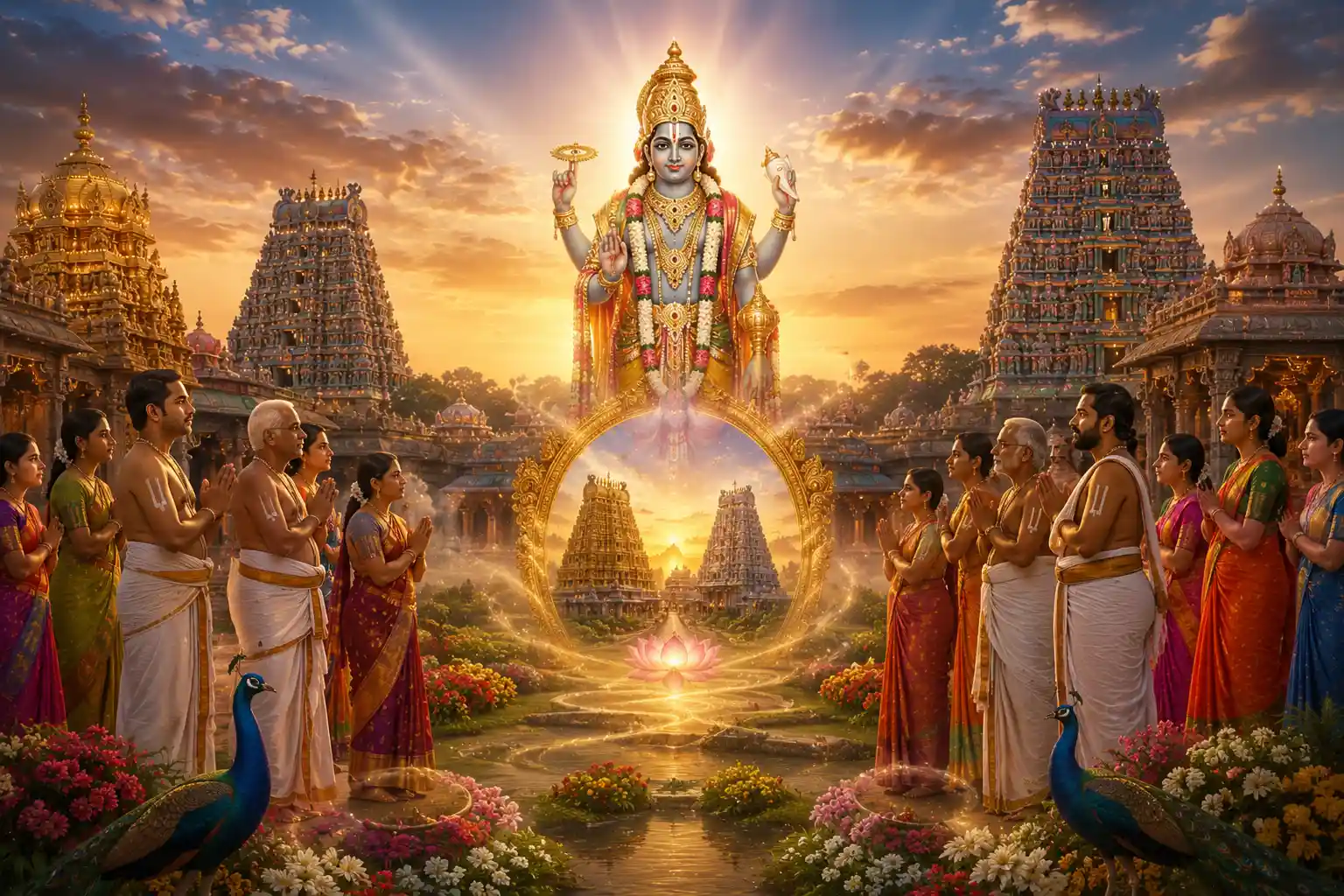
One of the most important things devotees should understand is that Pancharatra and Vaikhanasa traditions are not rivals.
Historically, both traditions have coexisted respectfully within Vaishnavism. Different acharyas, temples, and communities may emphasize one system more strongly based on lineage and tradition, but both are deeply sacred pathways of Vishnu worship.
The external styles may differ, but the inner purpose remains the same.
Both traditions seek:
- preservation of dharma,
- proper worship of the deity,
- purification of consciousness,
- and deepening of devotion.
At their core, both traditions guide devotees toward surrender to the Divine.
Conclusion: Different Paths, One Divine Purpose
Pancharatra and Vaikhanasa Agamas represent two beautiful streams within the vast river of Vaishnava tradition. Each carries its own history, devotional mood, ritual structure, and theological emphasis.
The Vaikhanasa tradition preserves deeply ancient, disciplined temple continuity centered around daily worship of the primary deity.
The Pancharatra tradition expands devotional participation through festivals, liturgical richness, and community-centered worship.
Yet both ultimately exist for the same sacred purpose: To help devotees experience divine connection with Lord Vishnu. Understanding these traditions allows devotees to appreciate the extraordinary depth and sophistication of Hindu temple worship.
It reminds us that every temple ritual, every mantra, every procession, every aarti, and every sacred ceremony carries centuries of preserved spiritual wisdom. In a rapidly changing world, these traditions continue serving as living bridges between humanity and the Divine.
And perhaps that is their greatest beauty, for they do not merely preserve rituals, they preserve devotion itself.
Call to Action
Consider sponsoring and supporting the upcoming Pran Pratistha:

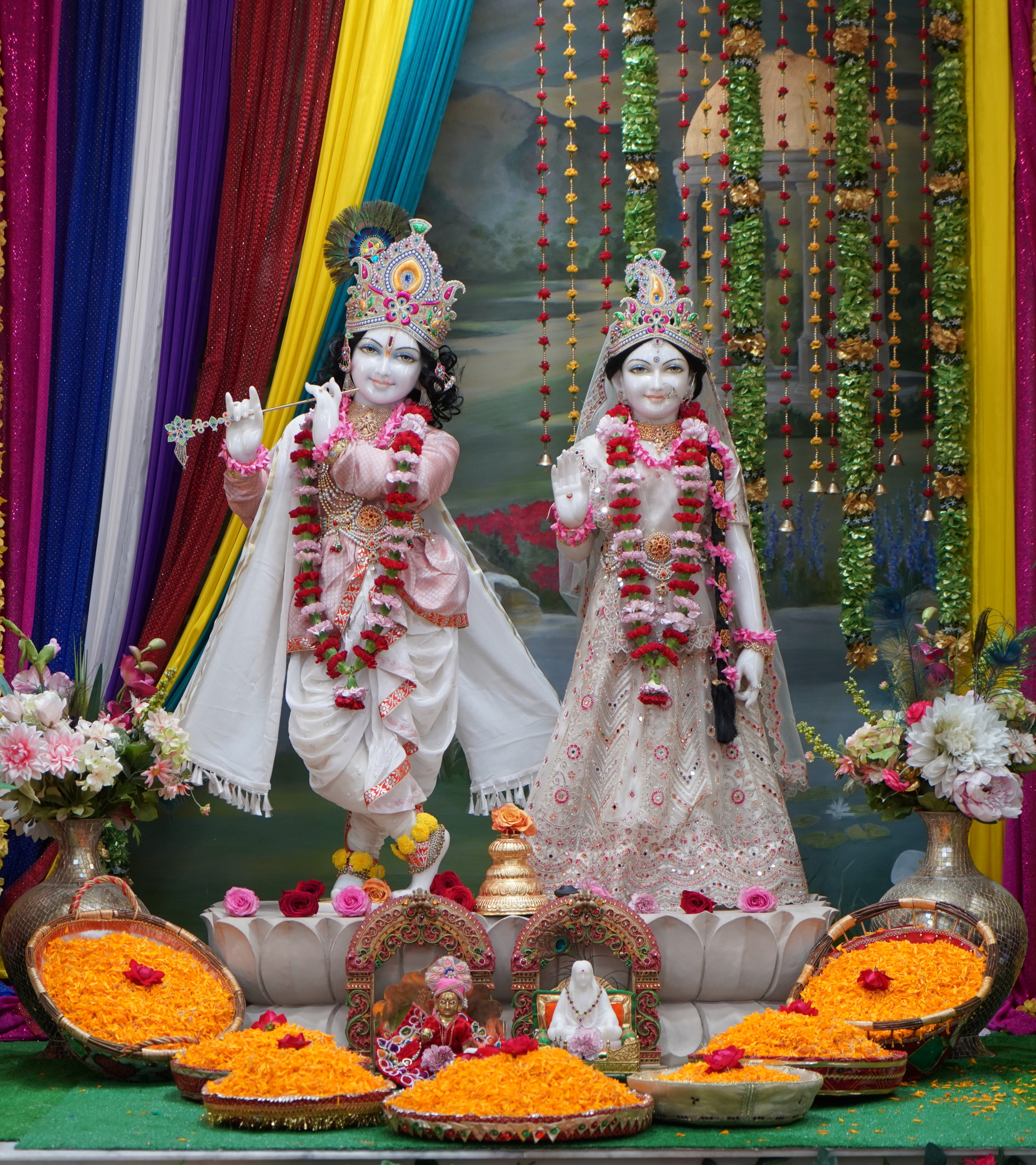
The next time you enter a temple, pause for a moment and observe the sacred rhythms unfolding around you.
Every mantra, every lamp, every ritual, every procession, and every act of worship carries centuries of preserved spiritual wisdom rooted in the Agamas.
By understanding traditions such as Pancharatra and Vaikhanasa, devotees deepen not only their knowledge but also their reverence for the living heritage of Sanatan Dharma.
May these sacred traditions continue guiding generations toward devotion, discipline, surrender, and divine connection.
FAQs
What are Agamas in Hinduism?
Agamas are sacred scriptures that guide temple worship, rituals, deity installation, temple architecture, festivals, and spiritual practices.
What is the Vaikhanasa Agama?
The Vaikhanasa Agama is an ancient Vaishnava temple tradition associated with Sage Vikhanasa and focused on disciplined daily worship of Lord Vishnu.
What is the Pancharatra Agama?
The Pancharatra Agama is a major Vaishnava tradition emphasizing devotional worship, festivals, theology, and broader community participation.
Which temples follow Vaikhanasa traditions?
The Tirumala Tirupati temple of Lord Venkateswara is among the most famous temples following the Vaikhanasa Agama.
Are Pancharatra and Vaikhanasa opposed to each other?
No. Both are sacred Vaishnava traditions that coexist respectfully and aim to deepen devotion to Lord Vishnu.
Why do different temples follow different Agamas?
Temple traditions are usually determined by historical lineage, acharya sampradaya, regional practices, and original deity consecration methods.
Why are Agamas important during Prana Pratistha?
Agamas provide detailed scriptural guidance for deity installation, ritual sequencing, mantra recitation, and sacred temple consecration.
Why should devotees understand Agamic traditions?
Understanding Agamas helps devotees appreciate the spiritual depth, continuity, and sacred science behind temple worship.
Further Resources:
 Swami Mukundananda