Navratri fasting means more than just restricting food—it's a deep spiritual practice that people have followed for centuries. "Upvaas" in Sanskrit means "staying close to God," not just avoiding food. These nine days give people a chance to practice self-discipline and look within, which creates perfect conditions to grow spiritually.
Navratri is incomplete without Garba and Dandiya, where the joyous dance celebrates Maa Durga’s victory and fills the nights with divine energy. Clad in colorful attire, devotees gather to dance, rejoice, and honor the Divine Mother in an atmosphere of joy and reverence.
At Radha Krishna Temple of Dallas, the Navratri Mahotsav 2025 offers unforgettable evenings filled with Garba, Dandiya, Durga Pooja, children’s activities, delicious food, and vibrant cultural programs. As lamps glow and music fills the air, the community comes together in a beautiful celebration of tradition, devotion, and festivity—an experience of Navratri magic like never before.
Join us at the celebration; get your tickets today!

Spiritual and seasonal significance
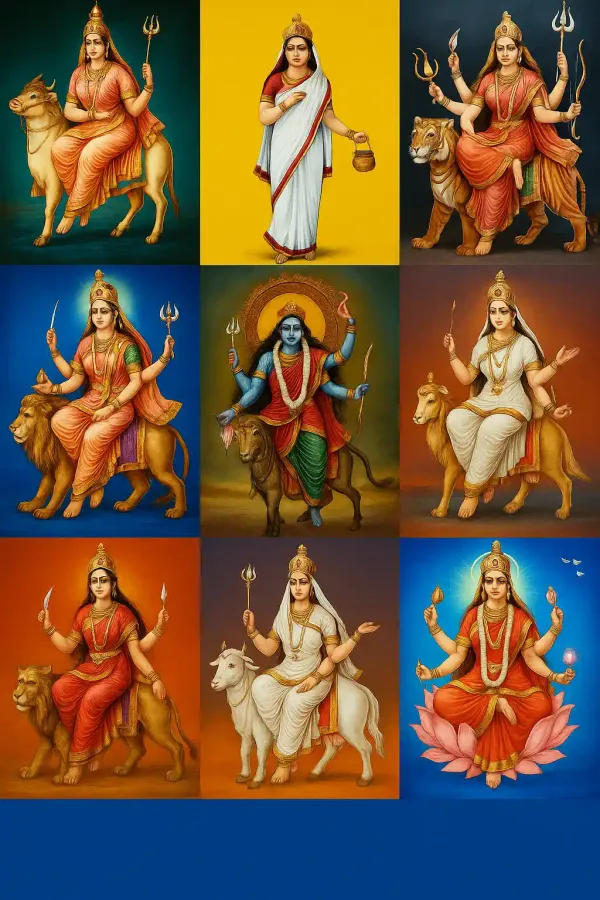
The spiritual core of Navratri fasting honors Shakti, the universal divine feminine energy that represents strength, power, wisdom, and compassion. Devotees worship nine different forms of Goddess Durga during these sacred days to celebrate good's victory over evil.
People celebrate Navratri four times a year, with Sharad Navratri (autumn) being the most popular. The timing matches seasonal changes when our bodies become more likely to get sick.
The nine-day celebration follows a clear spiritual path. The first three days focus on Goddess Durga's aspects, the next three on Goddess Lakshmi, and the last three on Goddess Saraswati. This path shows the natural flow from strength to prosperity to wisdom.
How fasting helps detox the body
Ayurvedic wisdom tells us that Navratri fasting brings many health benefits. The practice awakens our digestive fire (agni), which burns stored toxins called "ama". This cleansing works great during seasonal changes when our immunity drops.
Our digestive system gets time to rest and heal. The gut can focus on fixing its lining, which leads to better digestive health. Many people who fast notice:
- Better digestion and more energy
- Sharper mental focus
- Less inflammation in their body
- Better metabolism and reduced body fat
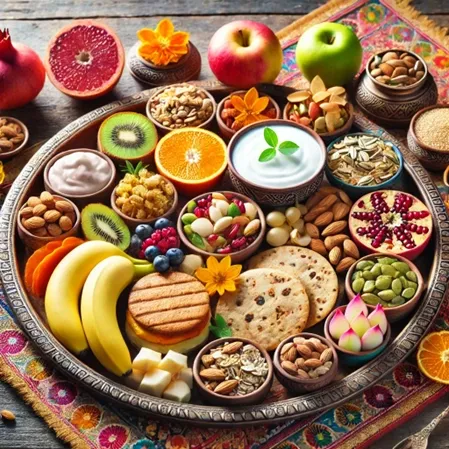
During the fast, people usually eat "sattvic" foods—pure, natural, and energetic options. Fresh fruits, dairy products, nuts, and mild spices like cardamom and black pepper make the list. Avoiding heavy or stimulating foods creates the right conditions for meditation and spiritual practices.
Cultural practices across regions
India's Navratri fasting customs create a mixture of traditions that share devotion but show different local flavors.
Northern states like Punjab, Haryana, Delhi, and Uttar Pradesh stick to strict vegetarian diets for nine days. Some people choose "Nirjala Upwaas" (no water fasting), while others eat one sattvic meal daily. Working women often fast strictly on just the first and last days—Ekam and Navami.
Gujarat's and Maharashtra's families follow practices like North India but with their own food choices. Southern states like Karnataka, Tamil Nadu, and Kerala focus more on vegetarian feasts than fasting, with special homemade sweets and snacks.
Eastern states including West Bengal, Assam, and Odisha celebrate Durga Puja for five days from Sashthi to Vijaya Dashami. These states limit fasting to morning hours before pushpanjali (flower offerings).
Whatever the regional differences, the core purpose stays the same—making room for spiritual connection, self-discipline, and honoring divine feminine energy through mindful eating. Vrat food serves as a path to both physical and spiritual cleansing, whether through strict fasting or careful food choices.
What foods are allowed and avoided during Navratri?
These dietary rules for Navratri fasting follow specific principles of purity and spiritual cleansing. The foundations of proper vrat food preparation depend on knowing which foods you can eat and which ones you should avoid. This knowledge helps create meals that nourish your body and support your spiritual practice.
Allowed ingredients: Sabudana, Kuttu, Rajgira, and Sama rice
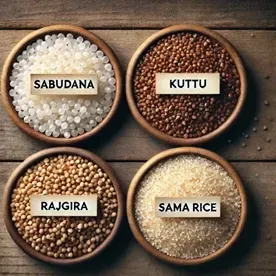
The Navratri fasting menu revolves around specific satvik ingredients that are pure and digest easily. Sabudana (tapioca pearls) shines as a versatile staple that people love for its light and digestible nature. These pearl-like balls give you carbohydrates, proteins, vitamin K, calcium, and potassium—perfect for keeping your energy up during fasting. People commonly make Sabudana Khichdi, Vada, Thalipeeth, and Kheer.
Kuttu (buckwheat flour) gives you a gluten-free option full of essential nutrients like magnesium, manganese, and antioxidants. You can turn this nutritious flour into tasty Puris, Rotis, and Pancakes that keep you energized all day.
Rajgira (amaranth) flour and seeds are the lifeblood of fasting foods, packed with protein, fiber, and micronutrients. Devotees use this versatile ingredient to make everything from Pooris and Paratha to Halwa and Thalipeeth. You can even mix roasted rajgira with fruits or cook it as porridge.
Sama rice (barnyard millet) rounds out the main vrat grains. This gluten-free, fiber-rich seed works great as a rice substitute that nourishes and digests easily. You can prepare it as Pulao, Khichdi, Kheer, or maybe even turn it into Idlis and dosas.
Avoided items: Grains, Onion, Garlic, Meat, Regular Salt
Navratri observers stay away from certain foods to keep their body and mind pure. Regular grains and cereals are off limits—wheat, rice, maida (all-purpose flour), sooji (semolina), and besan (chickpea flour). The falahari alternatives mentioned above take their place.
Onions and garlic have no place in the Navratri diet because they're tamasic—foods that lower energy and cloud the mind. Many people skip these aromatics during the festival, even if they're not fasting.
All non-vegetarian foods like meat, poultry, fish, and eggs are off the menu during this sacred time. These tamasic foods can disrupt the spiritual atmosphere needed for devotion.
Rock salt replaces regular table salt with iodine and additives. People also avoid spices like turmeric (haldi), asafoetida (hing), mustard seeds (rai), fenugreek seeds (methi dana), and coriander powder.
Why is rock salt (sendha namak) used
Sendha namak (rock salt) plays a special role in Navratri fasting. The Himalayan mountains provide this pure form of salt that contains no chemicals or additives, unlike refined table salt.
Ayurveda sees sendha namak as a sattvic food that brings purity to mind and body—matching Navratri's spiritual goals perfectly. It creates harmony by balancing the three doshas (Vata, Pitta, and Kapha) with its cooling effect.
Rock salt gives you essential minerals like potassium, magnesium, calcium, and zinc that keep your electrolytes balanced—vital during fasting to prevent dehydration and maintain energy. People with hypertension benefit from its lower sodium content compared to table salt since it doesn't spike blood pressure.
Sendha namak helps your body's natural detoxification process by improving metabolism, strengthening immunity, and aiding digestion—key aspects of the Navratri fasting experience.
Healthy vrat food ideas for breakfast, lunch, and snacks
Navratri 2025 brings countless delicious meal options throughout the day that go beyond traditional Sabudana Khichdi. You don't need to compromise on variety or taste during your fast!
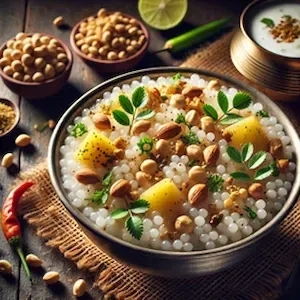
Quick breakfast options: Idli, Appe, Cheela
Your day can start with fluffy sama rice idlis. These steamed cakes need no fermentation - just soak the barnyard millet with yogurt for 3 hours. The perfect fluffiness comes from mixing sendha namak before steaming. A protein-rich breakfast emerges when served with coconut chutney. Vrat-friendly Appe creates bite-sized satisfaction from sabudana, rajgira flour, and mashed potatoes cooked in an appe pan. Kuttu Cheelas provide a quicker option as simple pancakes that cook in minutes using buckwheat flour, curd, and spices.
Lunch ideas: Kadhi, Puri, Sabzi combos
The midday meal needs substance. Vrat ki Kadhi brings satisfying comfort through amaranth flour instead of besan. This yogurt-based curry captures traditional kadhi's essence using rajgira flour, rock salt, and a cumin-ginger tempering. A complete meal comes together with Kuttu ki Puri or Rajgira Paratha. Sama chawal khichdi or Bhagar (spicy barnyard millet pulao) serves as a lighter one-pot solution to keep energy levels high.
Snack options: Cutlets, Tikkis, Pakoras
Those evening hunger pangs need Sabudana tikki with paneer - protein-rich patties that maintain energy levels while satisfying cravings. Kuttu ki tikki delivers delicious cutlets by combining buckwheat flour with potatoes and peanuts. Khere ke pakode (cucumber fritters) made with water chestnut flour give you a crispy alternative to regular pakoras. These snacks taste great with vrat-friendly green chutney or plain yogurt.
Tips to make your Navratri food more nutritious
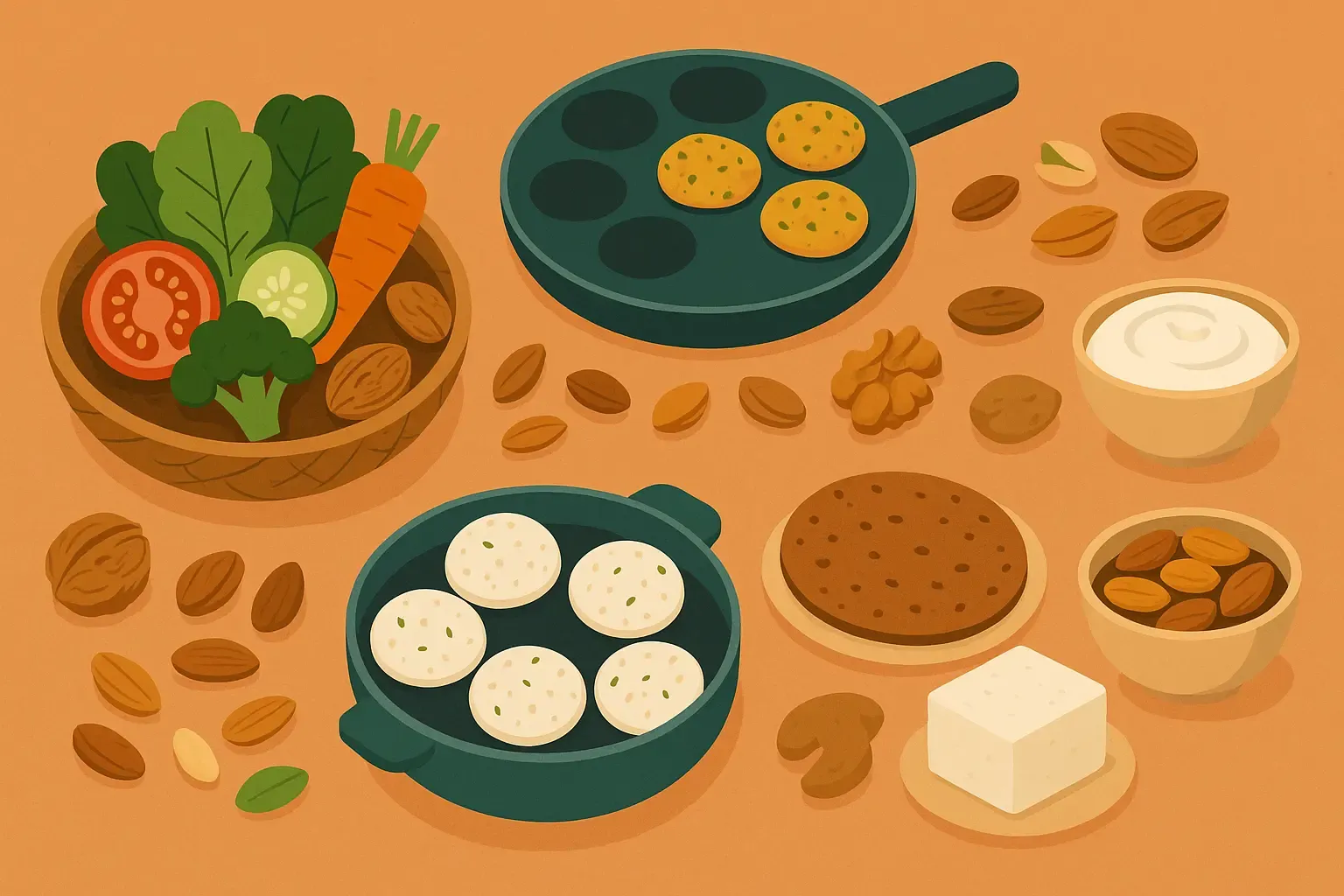
Making Navratri vrat food that works beyond the basic fasting rules. Smart ingredient choices help maintain your energy levels during fasts.
Use fresh vegetables and nuts
Your Navratri fast needs unprocessed foods. Fresh fruits, vegetables, nuts, and seeds give you nutrient-dense options that keep you full longer. Fresh produce cleanses your body's toxins and boosts metabolism and immunity. Your fasting becomes more than a spiritual practice - it's a physical detox too.
Dry fruits make excellent hunger-busters on fasting days. A handful of unsalted almonds, walnuts, or pistachios gives quick, digestible energy. These nutritional powerhouses also deliver essential fatty acids that keep your brain working even with diet restrictions.
Avoid deep frying where possible
Traditional deep-fried vrat recipes can become healthier alternatives. To cite an instance, Sabudana Vada cooked in an appam pan needs just a fraction of oil compared to deep frying. You can dry-roast makhana with minimal ghee and rock salt instead of deep-frying them.
Steaming or boiling works better than frying. Steamed sabudana Tikkis or kuttu dhokla can replace deep-fried Pakoras. Baking gives you another great option - try baked kuttu rotis instead of fried puris.
Balance carbs with protein-rich ingredients
Navratri foods pack lots of carbs, so adding protein needs careful planning. You want a balance of about 40% carbs, 30% protein, and 30% healthy fats to avoid energy crashes. Amaranth (rajgira) stands out because it's a complete protein with all essential amino acids. Homemade paneer also packs substantial protein.
Yogurt gives you excellent protein and supports gut health during fasts. Soaked peanuts (30g) pack 7g of protein with fiber and antioxidants. Soaked almonds (30g) add another 7g of protein with essential nutrients.
Key Takeaways
Master the art of Navratri fasting with these essential insights that transform spiritual discipline into nourishing culinary experiences:
- Focus on permitted superfoods: Sabudana, Kuttu, Rajgira, and Sama rice provide complete nutrition while maintaining spiritual purity during your nine-day fast.
- Balance macronutrients strategically: Aim for 40% carbs, 30% protein, and 30% healthy fats using paneer, yogurt, and nuts to prevent energy crashes.
- Choose healthier cooking methods: Replace deep-frying with steaming, baking, or pan-cooking to support your body's natural detoxification process.
- Plan diverse meals throughout the day: From Sama rice Idlis for breakfast to Makhana Kheer for dessert, variety keeps fasting enjoyable and sustainable.
- Use rock salt (sendha namak) exclusively: This pure Himalayan salt maintains electrolyte balance and supports the spiritual significance of sattvic eating.
Remember, Navratri fasting isn't about deprivation—it's about mindful eating that nourishes both body and soul. These vrat-friendly recipes prove that spiritual discipline can be deliciously satisfying while honoring ancient traditions.
🙏 Spiritual Reminder During Fasting
Another gem from the Bhagavad Gita inspires mindful eating:
📖 “Yuktāhāra-vihārasya yukta-ceṣṭasya karmasu,
Yukta-svapnāvabodhasya yogo bhavati duḥkha-hā.”
"Those who are temperate in eating and recreation, balanced in work and relaxation, and who regulate their sleeping and waking, will find that yoga destroys all suffering."
This verse beautifully resonates with the principle of fasting—balance, discipline, and devotion. While it's good to keep fast to detoxify our body, we should also listen to our body and take care of it.
🙌 Call to Action
For deeper insights into spiritual living, a healthy diet, and devotion, I highly recommend following Swami Mukundananda.
👉 Subscribe to Swami Mukundananda YouTube Channel for more divine wisdom, lifestyle tips, and festival content.
🥗 Continue Exploring Navratri Fasting
📚 Learn about all 9 forms of Goddess Durga and explore Navratri rituals in our Complete Navratri 2025 Guide »
FAQs
Q1. What are the main ingredients allowed during Navratri fasting?
The main ingredients allowed during Navratri fasting include Sabudana (tapioca pearls), Kuttu (buckwheat flour), Rajgira (amaranth), and Sama Rice (barnyard millet). These ingredients are considered pure and easy to digest, making them ideal for maintaining energy during the fasting period.
Q2. How can I make my Navratri meals more nutritious?
To make your Navratri meals more nutritious, use fresh vegetables and nuts, avoid deep frying where possible, and balance carbohydrates with protein-rich ingredients. Opt for steaming or baking instead of frying, and include protein sources like paneer, yogurt, and soaked nuts to maintain energy levels.
Q3. Why is rock salt (sendha namak) used during Navratri fasting?
Rock salt (sendha namak) is used during Navratri fasting because it's considered the purest form of salt, free from chemicals and additives. It helps maintain electrolyte balance, supports the body's natural detoxification process, and aligns with the spiritual objectives of the fast.
Q4. What are some quick and easy breakfast options for Navratri?
Some quick and easy breakfast options for Navratri include Sama Rice Idlis, Vrat-Friendly Appe made from Sabudana and Rajgira Flour, and Kuttu Cheelas (buckwheat pancakes). These dishes are easy to prepare and provide sustained energy throughout the morning.
Q5. Can you suggest some healthy snack ideas for Navratri fasting?
Healthy snack ideas for Navratri fasting include Sabudana Tikki with paneer, Kuttu Ki Tikki (buckwheat patties), and Khere Ke Pakode (cucumber fritters made with water chestnut flour). These snacks are satisfying and can be paired with vrat-friendly green chutney or plain yogurt for added flavor.