

In our fast-paced, hyper-stimulated world, the human mind is constantly bombarded by distractions, desires, and demands. Social media scrolls, advertising, instant gratification, and the race for success have made self-control seem like a rare virtue. Yet thousands of years ago, the Bhagavad Gita — a timeless spiritual guide — addressed the root of this very struggle.
The Bhagavad Gita does not merely preach restraint; it offers a science of inner mastery, explaining how the mind works, why desires arise, and how the intellect — when awakened — can lead us to lasting freedom. Drawing from the powerful insights of Swami Mukundananda and ancient wisdom, this blog explores how to master the mind and develop self-control through Buddhi Yog, the Yoga of the Intellect.
The Mind Is a Servant, Not a Master

We often believe that we are helpless victims of our thoughts and impulses. However, Shree Krishna challenges this notion in the Bhagavad Gita, reminding us that the mind is not who we are — it is an instrument. We are the soul, and the soul is meant to govern the mind.
In Chapter 2, Verse 39, Shree Krishna introduces Buddhi Yog:
“esha te ’bhihita saṅkhye buddhir yoge tvimām śṛiṇu
buddhyā yukto yayā pārtha karma-bandhaṁ prahāsyasi”
(Bhagavad Gita 2.39)
"Hitherto, I have explained to you Sānkhya Yog, or analytic knowledge regarding the nature of the soul. Now listen, O Parth, as I reveal Buddhi Yog, or the Yog of Intellect. When you work with such understanding, you will be freed from the bondage of karm."
Buddhi Yog means aligning the intellect with higher wisdom — understanding the truth of who we are and what truly brings happiness. Once the intellect is purified and empowered, it becomes strong enough to discipline the mind, rather than be ruled by it.
Why Desires Grow When We Fulfill Them
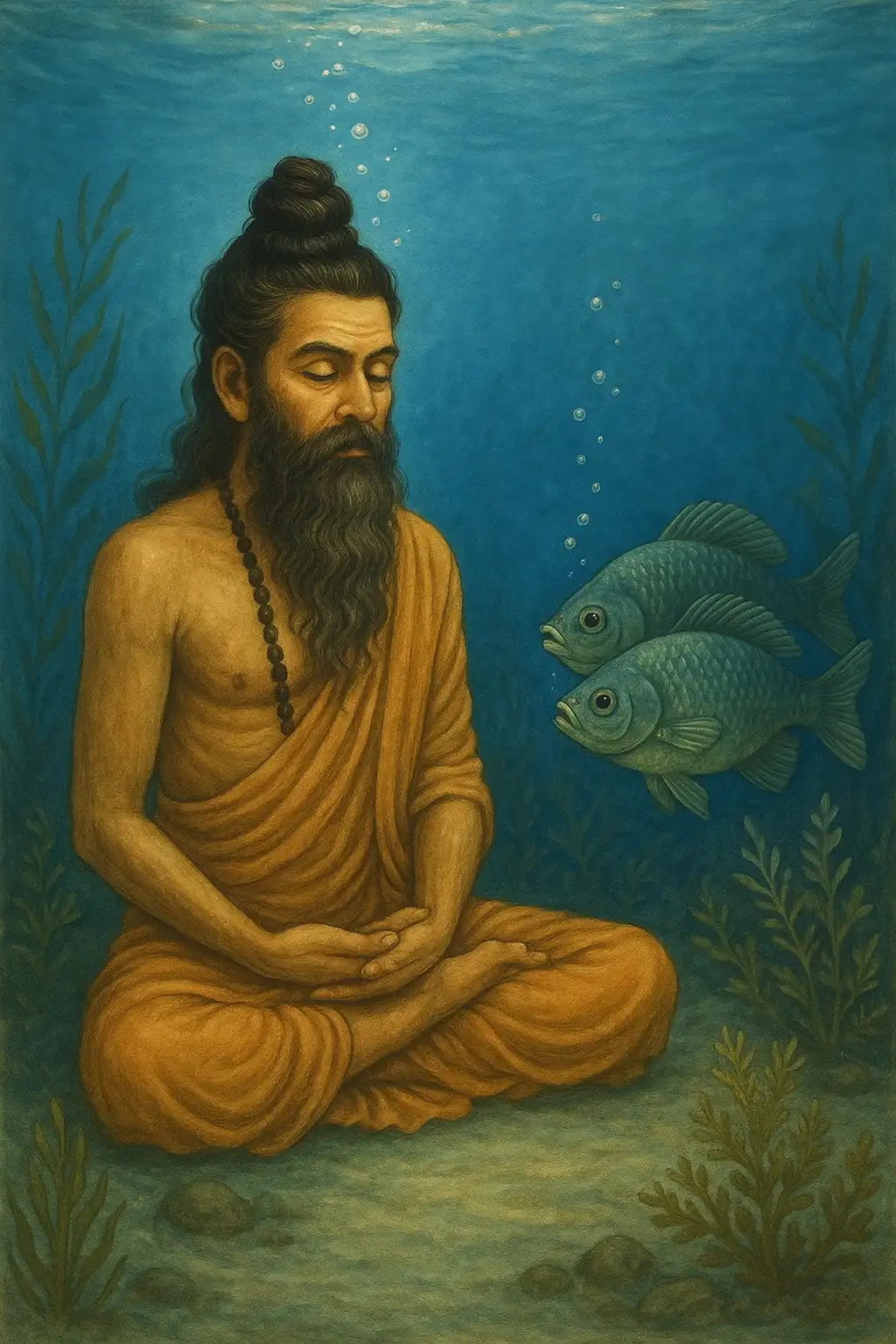
Swamiji explains a common yet dangerous illusion: the belief that fulfilling desires brings peace. In truth, as the Bhagavad Gita and the Srimad Bhagavatam both point out, desires only grow stronger when indulged — just like adding ghee to a fire.
The story of Soubhari Rishi is a powerful cautionary tale. Despite having attained great yogic powers and deep renunciation, his mind was disturbed by a single sensual sight. That desire dragged him down from a life of asceticism into a life of indulgence, family attachments, and eventually, disillusionment.
After decades of sensory pleasure, Soubhari finally exclaimed:
“aho imam pashyata me vinaashaṁ”
“O people, witness my downfall!”
The lesson? Even the strongest can fall if the mind is not mastered early.
The Bhagavad Gita echoes this process of downfall clearly:
“dhyāyato viṣhayān puṁsaḥ saṅgas teṣhūpajāyate
saṅgāt sañjāyate kāmaḥ kāmāt krodho ’bhijāyate”
(Bhagavad Gita 2.62)
"When one dwells on the sense objects, attachment to them arises. From attachment, desire develops, and from desire, anger arises."
Each indulgence leaves a deeper impression on the mind, making the craving more automatic and harder to resist the next time.
The Power of Intellect: Shaping Desire Before It Shapes Us

Swamiji beautifully puts it: “The intellect fashions our desires.” In other words, the intellect decides what is important — and the mind desires accordingly.
If someone spends their time obsessing over basketball teams or stock markets, it's not because the mind naturally wants that — it’s because their intellect has decided it’s important. Another person, realizing that spiritual growth is the source of true happiness, runs towards God because the intellect has aligned with that truth.
As Shree Krishna explains:
“indriyāṇi parāṇy āhur indriyebhyaḥ paraṁ manaḥ
manasas tu parā buddhir yo buddheḥ paratas tu saḥ”
(Bhagavad Gita 3.42)
"The senses are higher than the body, the mind is higher than the senses, the intellect is higher than the mind, and above all is the soul."
Thus, the ladder of self-control begins with empowering the intellect. And this doesn’t happen passively. It requires intentional exposure to spiritual knowledge — scriptures, teachers, and environments that uplift us.
Swami Mukundananda compares the intellect to a vessel. What we read, hear, and watch fills this vessel. When we actively fill it with divine knowledge, we begin to think, act, and desire differently. As he puts it:
“You activate the knowledge you’ve heard from the Gita — and your intellect gets empowered.”
Tiny Temptations Become Titanic Traps
Desires are subtle. They don’t always arrive like roaring lions — they sneak in like beetles. Swamiji tells the story of a Sequoia tree destroyed by a single beetle that multiplied into thousands.
Similarly, a person’s first drink, first gambling bet, or first act of lust may seem harmless. But if left unchecked, these desires gain power until they control the mind entirely. This is how people find themselves trapped in addictions, toxic relationships, or reckless lives.
Thus Shree Krishna warns:
“kāma eṣha krodha eṣha rajoguṇa-samudbhavaḥ
mahāśhano mahā-pāpmā viddhyenam iha vairiṇam”
(Bhagavad Gita 3.37)
"It is lust only... the all-devouring sinful enemy of the world. Recognize it as your real enemy."
The remedy? Cut the desire at its root — at the very moment it arises.
Practical Tools for Building Self-Control
Here are a few steps, inspired by Krishna’s words and Swami Mukundananda’s teachings, to actively build self-mastery:
1. Daily Spiritual Nourishment
Read a few verses of the Bhagavad Gita every day. Reflect on them. Let divine thoughts replace worldly ones in your intellect.
2. Attend Satsangs or Listen to Discourses
Regular listening to spiritual lectures reinforces higher ideals. It empowers your discrimination and helps your intellect stay aligned with dharma.
3. Avoid Triggers
Stay away from people, places, or content that provoke your lower desires. The Gita doesn’t say “fight desires in their full force”; it teaches wisdom — avoid them before they take root.
4. Live with Awareness
Constantly ask: “Is this thought or action in line with my higher goal?” The more conscious you become, the more power you have to redirect your energy.
5. Pray for Intellect Illumination
As stated in the Shvetashvatara Upanishad:
“yo brahmāṇaṁ vidadhāti pūrvaṁ
yo vai vedāṁś ca prahiṇoti tasmai
tam ha devam ātma-buddhi-prakāśaṁ
mumukṣur vai śharaṇam ahaṁ prapadye”
"I surrender to that Supreme Lord who illuminated the intellect of Brahma. May He illuminate mine too."
We don’t just need IQ. We need purity and clarity of intellect, to distinguish real from illusory, permanent from fleeting.
Conclusion: From Control to Freedom
Self-control, according to the Bhagavad Gita, is not repression. It is liberation — freedom from compulsive reactions, from slavery to desire, from the illusion that external pleasures define inner joy.
When the intellect is enlightened and governed by divine wisdom, the mind naturally becomes calm, focused, and obedient. This is the essence of Buddhi Yog — using the power of intellect to guide the soul back to its divine origin.
As Krishna tells Arjuna:
“tasmād ajñāna-sambhūtaṁ hṛit-sthaṁ jñānāsinātmanaḥ
chhittvainaṁ saṁśayaṁ yogam ātiṣhṭhotiṣhṭha bhārata”
(Bhagavad Gita 4.42)
"Therefore, with the sword of knowledge, destroy the doubts born of ignorance in your heart. Take shelter in Yog and stand up, O Bharata."
May we all learn to wield the sword of knowledge, master our minds, and walk the path of real and lasting self-control — not by force, but through awakened wisdom.
Call to Action
For more such devotional and spiritual content, subscribe to Swami Mukundananda’s official YouTube channel where timeless wisdom from the Bhagavad Gita and enlightening discourses on Krishna bhakti await you.
Dive deeper into the teachings of the Bhagavad Gita and explore many other spiritual tools through the Bhagavad Gita Krishna Bhakti App. Access it here: Click to Explore
Let divine knowledge guide your path—start your spiritual journey today!