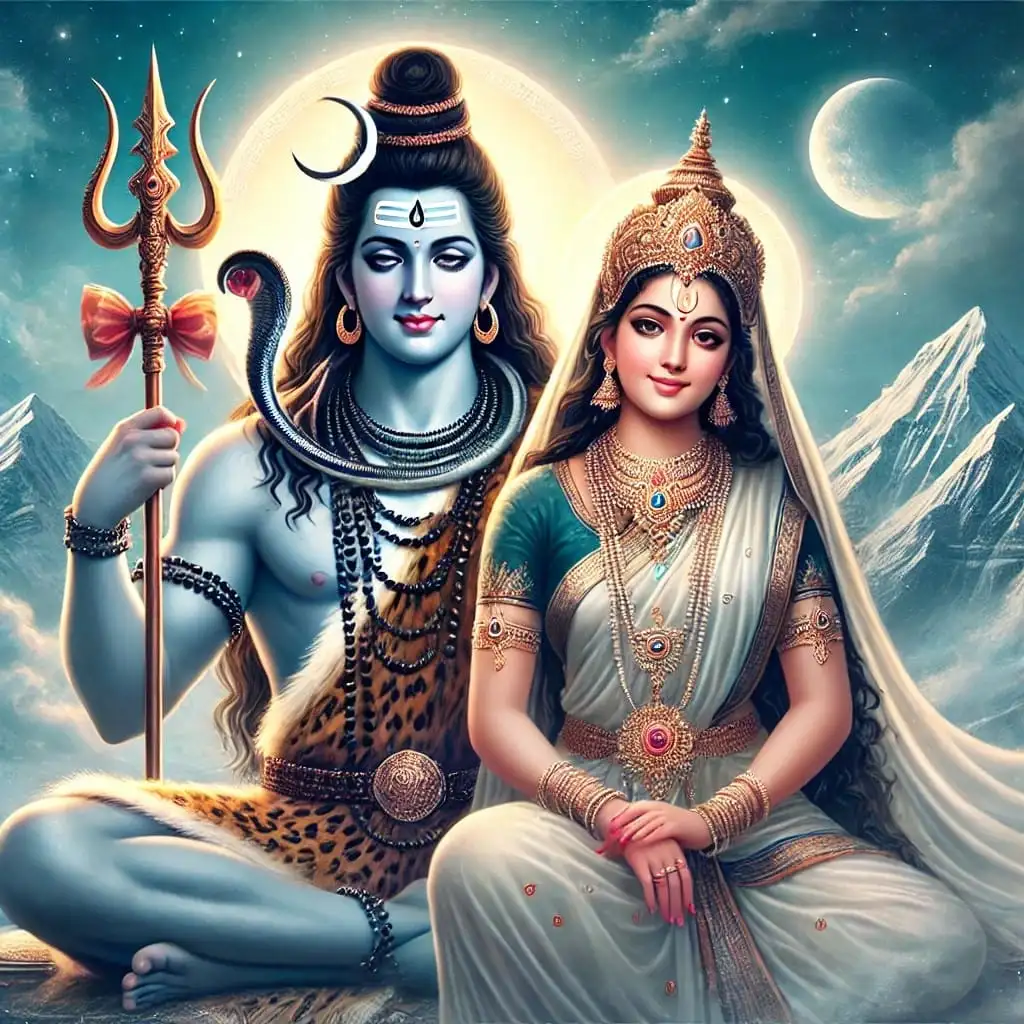
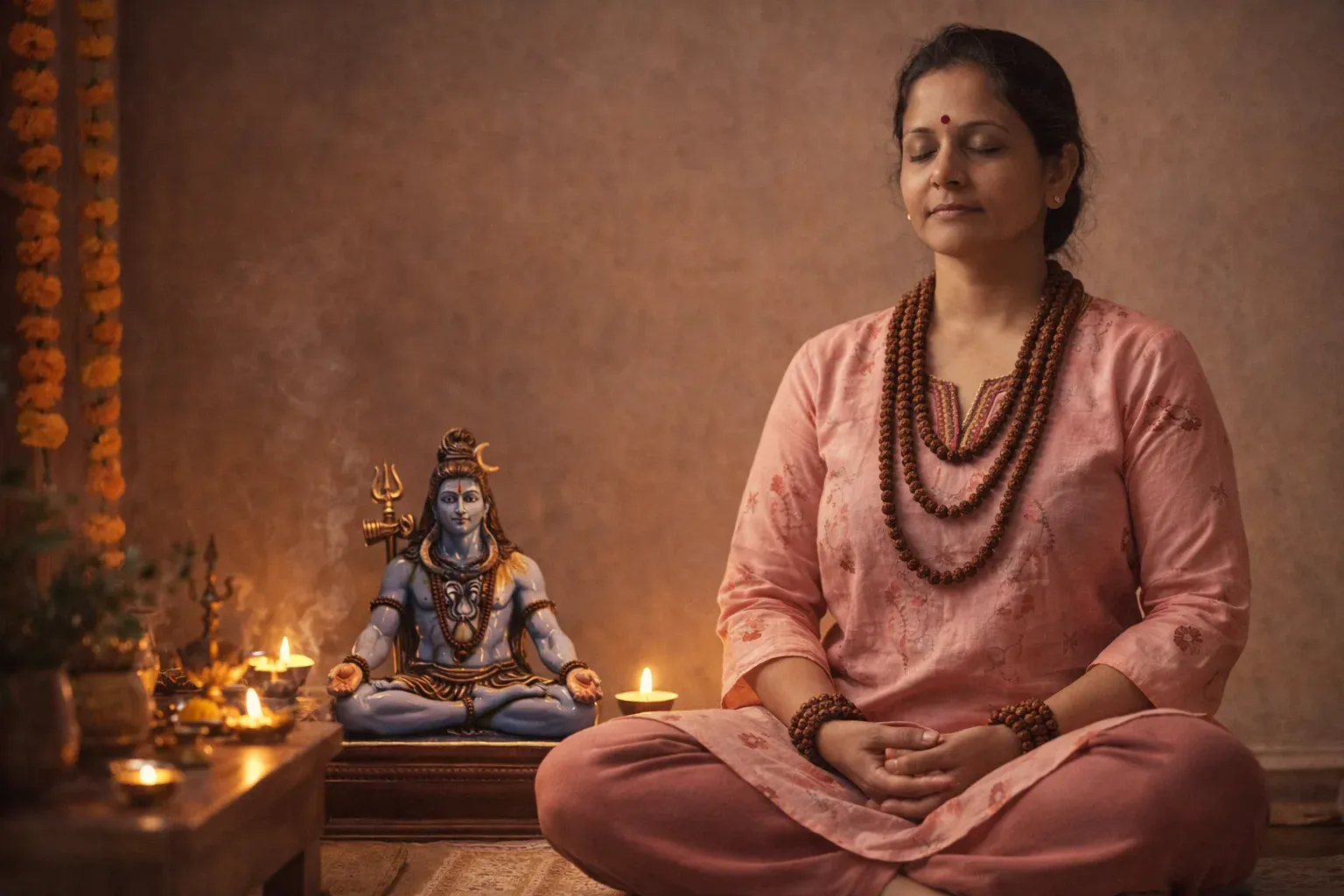
In the vast tapestry of Vedic tradition, specific times are designated as portals for accelerated spiritual progress. Among these, the monthly occurrence of Masik Shivaratri stands out as a unique opportunity to connect deeply with the energy of Lord Shiva, the epitome of meditation, renunciation, and divine grace. While Maha Shivaratri, celebrated once a year, is well-known, the monthly Masik Shivaratri provides a consistent cadence for devotees to rejuvenate their spiritual vows and refine their consciousness.
This April 2026, as the lunar cycle wanes, we are gifted another opportunity to immerse ourselves in the potent atmosphere of Masik Shivaratri. This blog post, inspired by the teachings of Swami Mukundananda and JKYog resources, aims to explore the deep spiritual science, significance, and immense benefits of observing this sacred monthly fast (Vrat) and night-long vigil (Jaagran).
Understanding the Cosmic Timing: The Date for April 2026
To understand the power of Masik Shivaratri, we must first look at its cosmic clock: the Hindu lunar calendar.
Masik Shivaratri falls on the Chaturdashi Tithi (14th day) of the Krishna Paksha (waning phase of the moon) every month, this month it will be April 15th, 2026. This specific timing is not arbitrary; it is rooted in Vedic astronomical and spiritual understanding. Swami Mukundananda often emphasizes that our physiological and psychological states are intimately tied to cosmic rhythms, particularly the lunar cycles.
Masik Shivaratri in April 2026
For the month of April 2026, Masik Shivaratri will be observed on Wednesday, April 15, 2026.
This alignment, specifically on a Tuesday (Mangalvar), which is also a day associated with auspiciousness and sometimes tied to specific forms of divine energy, adds a unique flavor to the observance. For precise timings in your specific location, JKYog resources recommend consulting a local Panchang or reputable online resources like drikpanchang.com.
The night associated with this day, April 15, is when the main rituals, Jaagran, and specific Priyams are observed. It is a powerful time to align our internal environment with the external spiritual charge.
The Profound Significance of Masik Shivaratri: A Night of Purification and Union
What makes this particular night, the 14th day of the dark fortnight, so spiritually charged? The significance is multi-layered, blending mythology, psychology, and advanced yogic science.
1. The Night of Cosmic Union
Mythologically, Masik Shivaratri is celebrated as the night when Lord Shiva and Goddess Parvati united in holy matrimony. In this context, it symbolizes the sacred union of Purusha (pure consciousness, represented by Shiva) and Prakriti (energy or nature, represented by Parvati). On this night, the energy for achieving balance and unity between these two essential aspects of existence is naturally elevated. For spiritual seekers, it is an auspicious time to harmonize their inner energies and pray for the ultimate union of the soul (Atma) with the Supreme Soul (Paramatma).
2. Slaying the Ego on the Night of Shadows
The dark fortnight (Krishna Paksha) represents the fading of the ego. The Chaturdashi Tithi is the night just before the complete darkness of the new moon (Amavasya). Swami Mukundananda teaches that the human ego is the single biggest barrier between the soul and God. It is elusive, persistent, and manifests in complex ways: from pride and anger to subtle self-pity.
Masik Shivaratri is significant because it provides a supportive cosmic environment to confront and subdue these internal enemies. It is believed that Lord Shiva, the "Destroyer" within the Trinity, helps the sincere devotee to dismantle their False Ego, clearing the path for true knowledge and humility. As the moon (often a symbol of the mind in Vedic astrology) wanes toward total darkness, the grip of worldly attachments can be loosened more easily with dedicated spiritual effort.
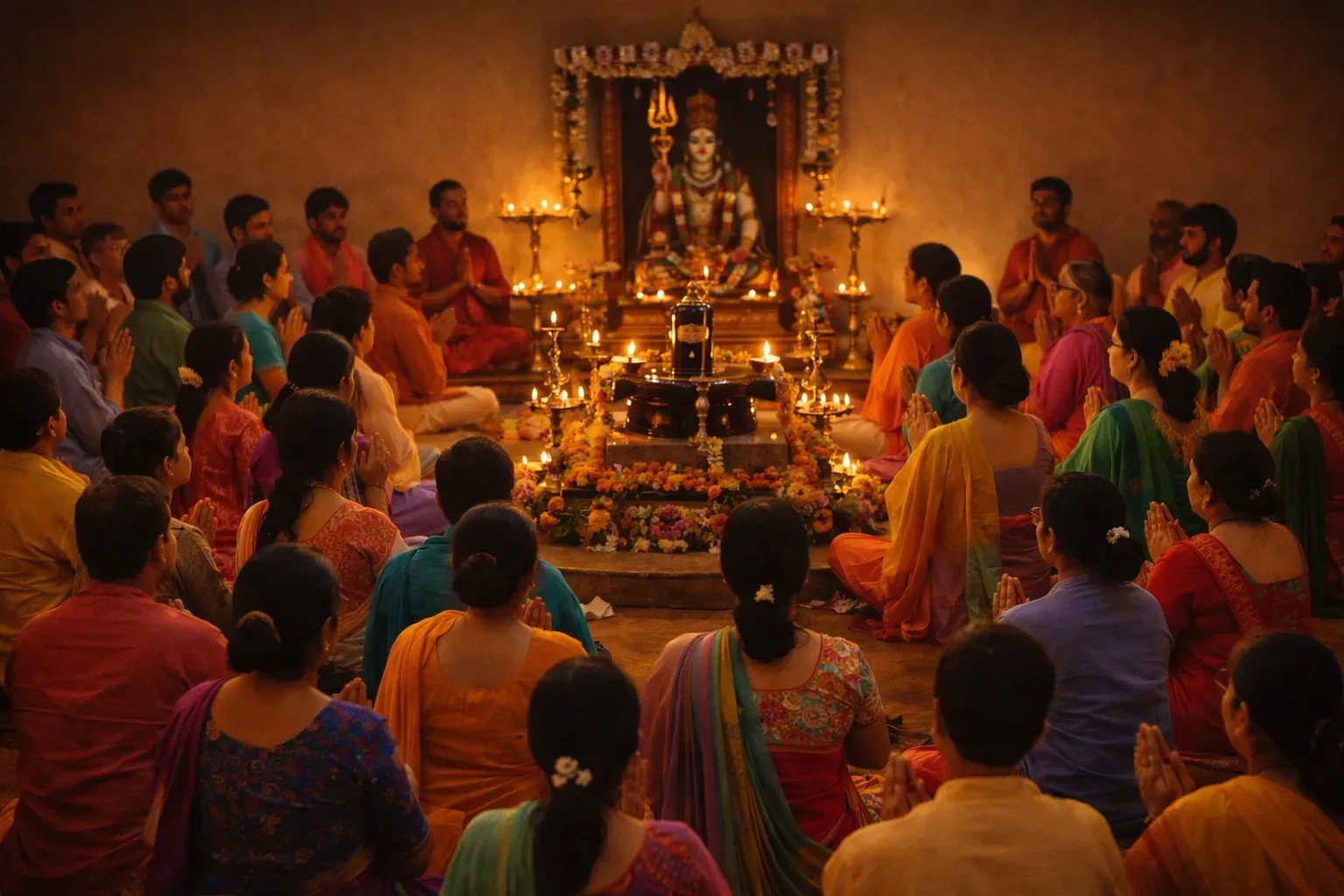
The Spiritual Benefits of Celebrating Masik Shivaratri: A Path to Consciousness
The benefits of observing Masik Shivaratri, when done with correct understanding and deep devotion (Bhakti), go far beyond simple religious ritual. It is a powerful practice that touches every level of our being.
1. Physiological RESET: The Science of Fasting
Swami Mukundananda frequently discusses the vital connection between food and the mind; he elaborates on how the quality and quantity of our food impacts our subtle body and mental clarity.
The central observance of Masik Shivaratri is the Vrat (fast), which often lasts for 24 hours. From a biological perspective, periodic fasting is a potent mechanism for physiological renewal. This Vedic practice aligns with the modern scientific concept of autophagy, a cellular "cleaning" process where the body identifies and recycles damaged cells. While modern science (2) supports the immune-boosting and detoxifying effects of controlled fasting, the spiritual perspective adds a layer of subtler benefits: it enhances Sattva Guna (purity), making the body a fitter instrument for high-frequency divine vibrations.
2. Mastering the Mind: The Benefit of Night Vigil
The other core practice is the Jaagran, the all-night vigil. Seers explain that during the night of Shivaratri, the vertical alignment of the spine naturally facilitates the rising of Prana (life force). This upward movement of energy naturally aids in concentration and deepens meditation.
Swami Mukundananda teaches that controlling the mind is the foundation of all spiritual achievement. The Jaagran is not merely about staying awake; it is about spiritual awakeness. By dedicating the quiet hours of the night to chanting, reading scriptures, and meditating on Lord Shiva, the devotee creates a potent focus that helps displace worldly thought patterns. This sustained mental effort on one divine subject significantly strengthens mental discipline and willpower.
3. Spiritual Upliftment and Divine Grace
The ultimate and most sought-after benefit of Masik Shivaratri is the descent of divine grace. In JKYog philosophy, while effort is essential, grace is the critical factor that removes the final layers of Maya (illusion).
Lord Shiva is Ashutosh: one who is "easily pleased." Observing Masik Shivaratri with sincerity is considered a highly effective way to win His compassion. Swami Mukundananda notes that "The Grace of God is like a refreshing shower that cleanses the soul." This grace is believed to grant the following:
- Removal of Obstacles: Shiva helps clear external and internal hindrances that block our spiritual path.
- Aura of Protection: Invoking Shiva’s energy creates a subtle shield that protects the devotee from negative influences.
- Granting of True Knowledge (Jnana): As the patron of all knowledge, Shiva bestows the wisdom needed to distinguish the temporary from the eternal.
Inner Transformation Through Devotion: A Story of Sincerity
While the rituals of Masik Shivaratri are potent, Swami Mukundananda emphasizes that the feeling behind the offering is what matters most. Sincerity of heart outweighs any complex ritualistic formula.
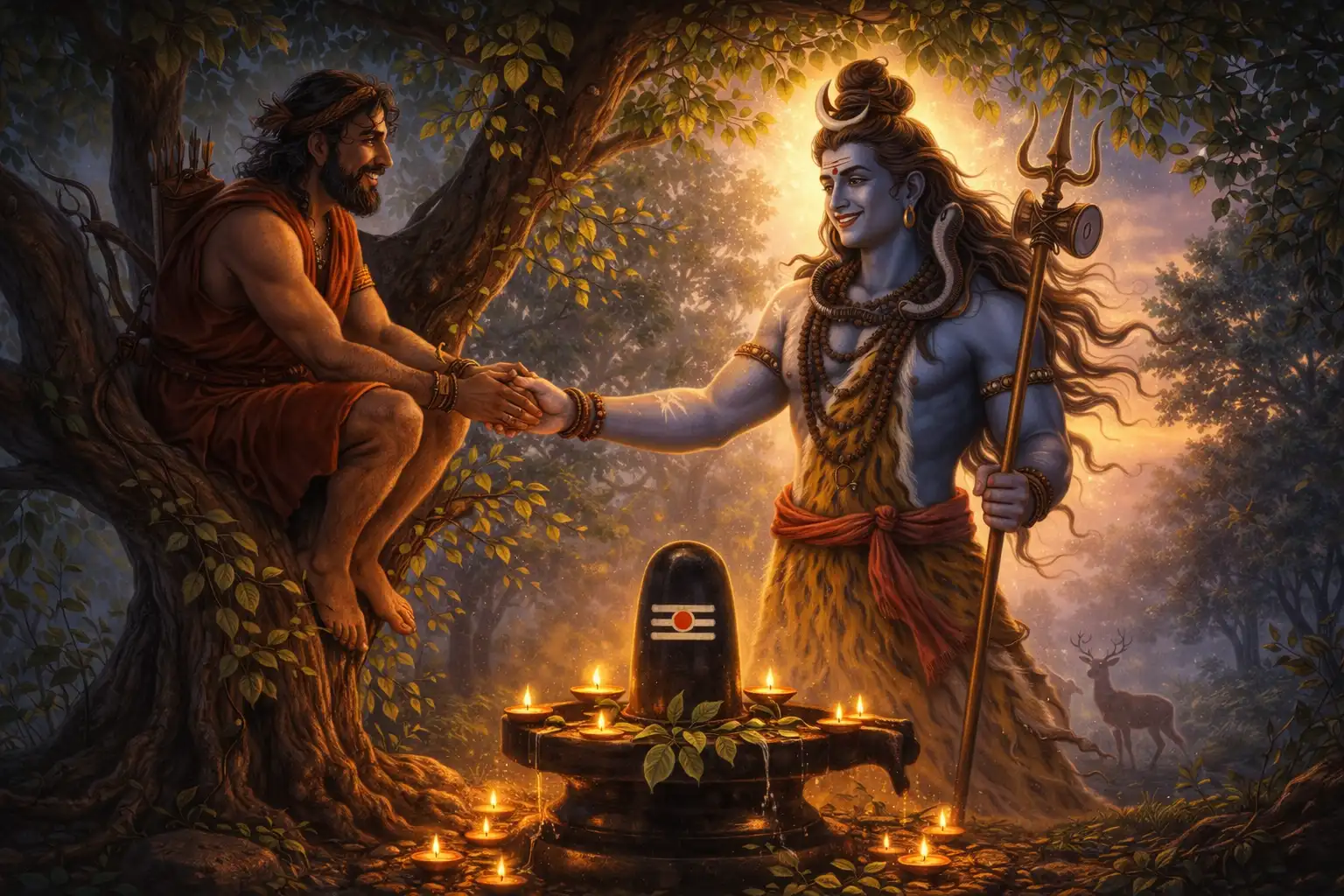
The significance of sincere devotion is beautifully illustrated in many Puranic stories associated with Lord Shiva. One such famous narrative is the tale of the unwitting hunter. Trapped in a forest on a Shivaratri night, a tired and hungry hunter climbed a Bael tree for protection from wild animals. Unknown to him, at the base of the tree was a Shiva Lingam.
While waiting through the long, frightening night, the hunter inadvertently dropped Bael leaves, which Shiva holds dear, onto the Lingam. To pass the hours, he unintentionally observed a vigil and kept a fast (as he had nothing to eat). The stories recount how Lord Shiva, pleased by the unwitting, yet sincere, actions of the hunter during the potent night, blessed him and liberated his soul, demonstrating that even a faint connection made with sincerity during Shivaratri can produce profound results. The story serves to inspire us that a little Bhakti goes a long way.
How to Observe Masik Shivaratri for Inner Transformation
To maximize the immense benefits of Masik Shivaratri on April 15th, 2026, one can incorporate several traditional practices, focusing on the quality of devotion rather than mere physical endurance.
1. Preparation and Vrat (Fasting)
Begin the day with a focused intention (Sankalpa). The Vrat can be observed at different levels:
- Nirjala Fast: Complete abstinence from food and water (the most intense level).
- Fruit Fast: Consuming only fruits, milk, and water.
- Once-a-Day Meal: Eating one simple, non-cereal (Farali) meal in the day. Choose the level that is sustainable for you while maintaining your health and responsibilities, keeping the spirit of sacrifice and focus alive.
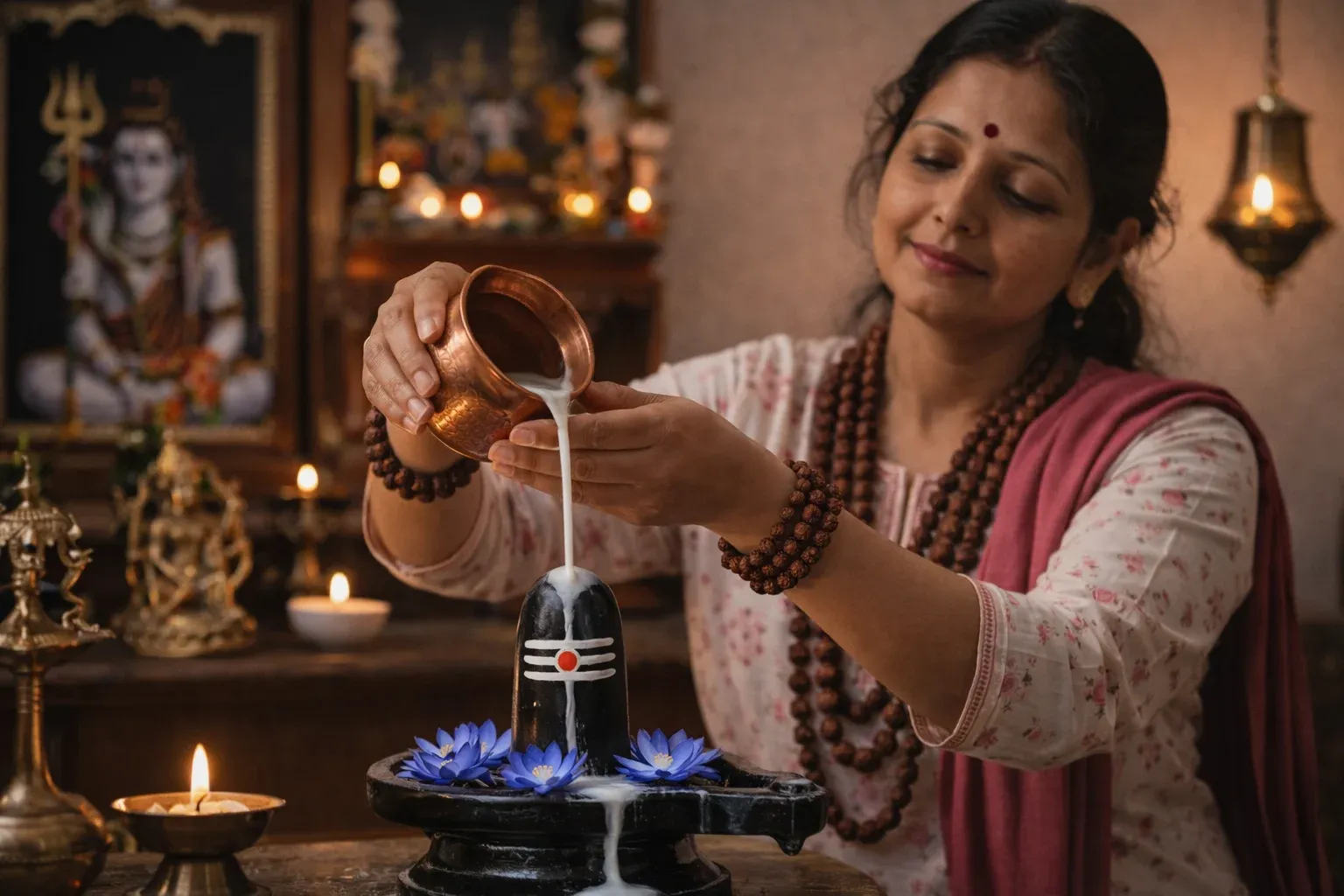
2. Performing Abhishek (Ritual Bath)
The Shiva Lingam is a powerful symbol. The ritual bath (Abhishek) is not a superstitious act but a gesture of cooling the mind and inviting purification. Different liquids are used, each with symbolic meaning. A common sequence might include:
- Water (Gangajal): To wash away sins and clear mental chatter.
- Milk: For purity and cooling of passion.
- Yogurt (Curd): For wisdom.
- Ghee: For longevity and removal of arrogance. As you pour each substance, visualize the corresponding quality taking root in your own consciousness.
3. Jaagran and Chanting
The night is the core of the observance. Try to devote as much of the night as possible to spiritual activities.
- Chanting the Mahamantra: The chanting of Om Namah Shivaya is considered highly potent on this night. You can use a Rudraksha mala for Japa (repetition).
- Reading Shiva Scriptures: Engage with texts like the Shiva Purana or devotional poems like the Shiva Tandava Stotram.
- Meditation: Use the naturally vertical alignment of your spine to enter deeper meditative states. Visualize Lord Shiva in His benevolent form, pouring out His grace upon you.
Wisdom from the Bhagavad Gita
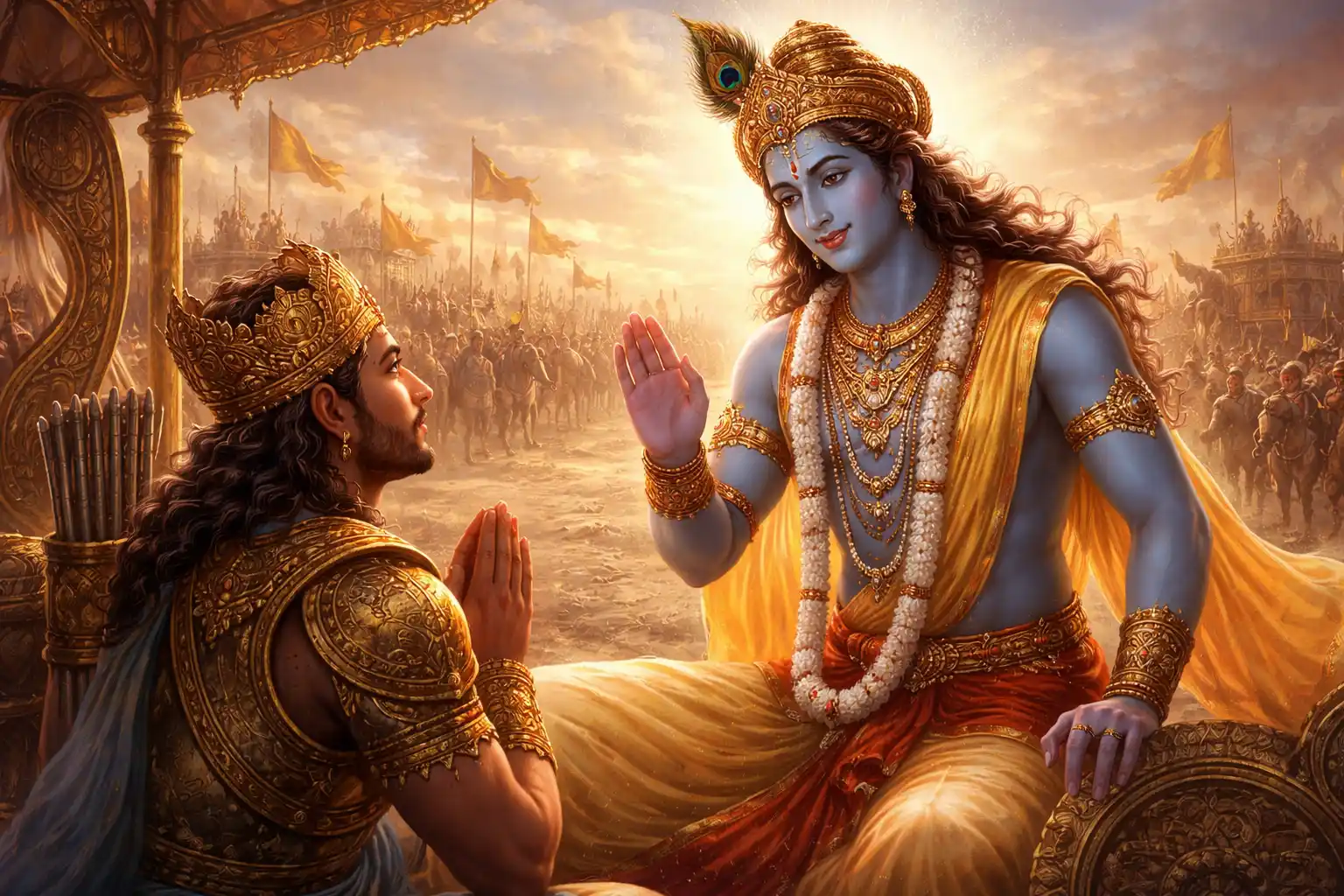
While Masik Shivaratri specifically focuses on Shiva, the underlying principles are universal and find resonance throughout Vedic texts. Swami Mukundananda often references the Bhagavad Gita, particularly verses highlighting the nature of devotion and the qualities of a true seeker. In his book, Golden Rules for Living Your Best Life (2023), he uses Gitic principles to explain how to anchor the mind in the Divine.
Consider the instruction from Shree Krishna regarding the standard of unwavering devotion:
सततं कीर्तयन्तो मां यतन्तश्च दृढव्रता: |
नमस्यन्तश्च मां भक्त्या नित्ययुक्ता उपासते || 14||
satataṁ kīrtayanto māṁ yatantaśh cha dṛiḍha-vratāḥ
namasyantaśh cha māṁ bhaktyā nitya-yuktā upāsate
Bhagavad Gita 9.14: Always singing My divine glories, striving with great determination, and humbly bowing down before Me, they constantly worship Me in loving devotion.
While this verse applies broadly to the personality of Lord Krishna, the spirit is perfectly embodied on Masik Shivaratri. The devotee "strives with steadfast resolve" (drira-vratah), observed through the strict fast and vigil. They "perpetually worship" Him through sincere chanting and meditation. Masik Shivaratri is a structured environment designed to facilitate this exact state of "loving devotion," helping us develop the intense focus required to transcend the self and connect with the Supreme.
Conclusion: A Monthly Catalyst for Enduring Growth
Masik Shivaratri is not just a monthly ritual; it is a spiritual lifeline, a consistent catalyst designed to keep our spiritual fires burning bright. The monthly rhythm helps us address our internal demons on a regular basis, preventing complacency from setting in.
Observing Masik Shivaratri in April 2026 provides a powerful opportunity to reset our priorities, cleanse our mental environment, and invite the profound, hallowed grace of Lord Shiva into our lives. By combining correct philosophical understanding with deep, sincere devotion, this powerful night can be a springboard to a new level of spiritual realization and enduring inner peace. Let us approach this sacred time with humility and dedication, ready to dismantle the ego and welcome the light.
FAQs about Masik Shivaratri
1. Is Masik Shivaratri different from Maha Shivaratri? Yes. Maha
Shivaratri is the once-yearly festival observed on the Chaturdashi of Phalguna month. Masik Shivaratri occurs on the same tithi, every single month. Maha Shivaratri has a much higher cosmic charge, while Masik Shivaratri provides a valuable monthly cadence to reinforce one's spiritual practices.
2. Is it mandatory to fast for the full 24 hours on Masik Shivaratri?
Fasting (Vrat) is highly recommended to enhance Sattva Guna, but it is not "mandatory" in a dogmatic sense. The focus should be on sincere devotion. Swami Mukundananda suggests choosing a level of fasting (fruit fast, one-meal-a-day, simple food) that supports your spiritual focus without causing significant physical distress.
3. What can I do if I am unable to stay awake for the full Jaagran (night vigil)?
While the all-night vigil is beneficial for utilizing the natural upward flow of energy (Prana), do not be discouraged if you cannot manage the whole night. The key is the quality of effort. If you cannot stay awake, dedicate some part of the night (especially early morning or late night) to silent meditation or chanting.
4. Can I observe Masik Shivaratri even if I do not have a Shiva Lingam at home?
Absolutely. While physical rituals like Abhishek are beneficial, true worship happens within. Visualize Lord Shiva in your heart. You can also visit a local temple if possible, but the primary altar is your own heart. Mental worship (Manasa Puja) is often considered superior to physical worship.
5. What is the most effective mantra to chant on this night?
The chanting of the six-syllable Om Namah Shivayamantra is widely considered the most powerful and effective on the night of Masik Shivaratri.
Call to Action
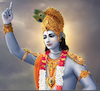
- Deepen Your Knowledge: To explore the profound commentaries of Swami Mukundananda on the nature of devotion and mental management, visit the Holy Bhagavad Gita website.
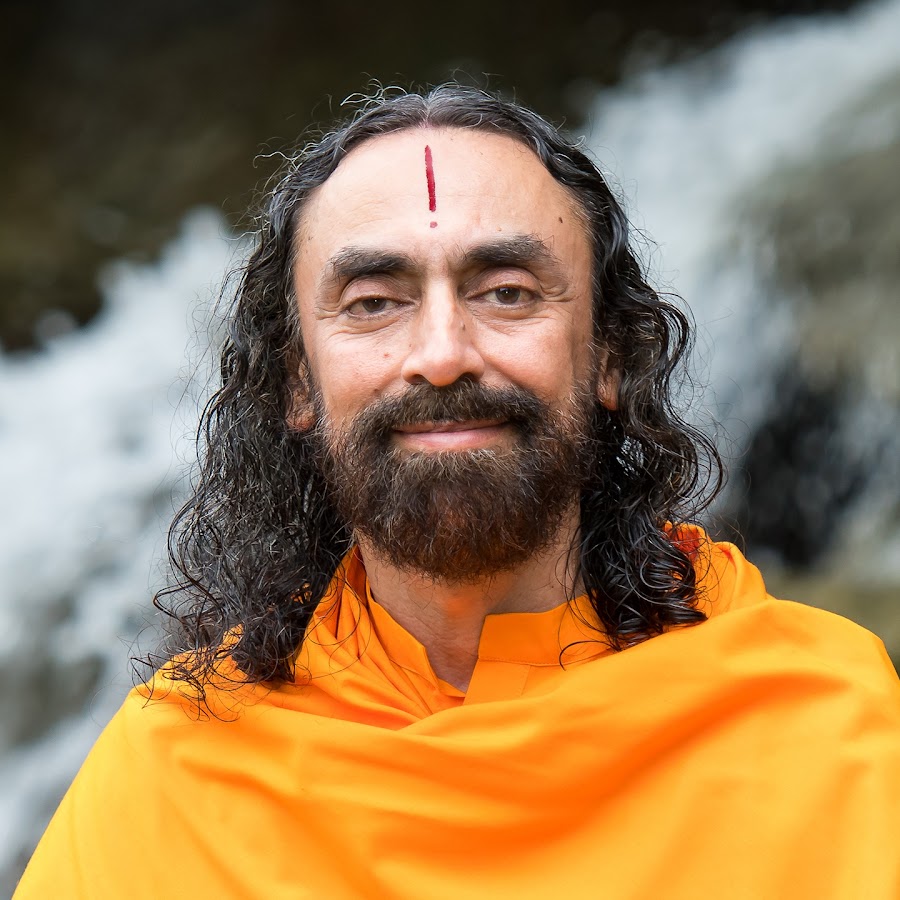
- Stay Inspired Daily: Subscribe to Swami Mukundananda's YouTube Channel to receive regular spiritual guidance, potent kirtans, and foundational knowledge directly from the Master.

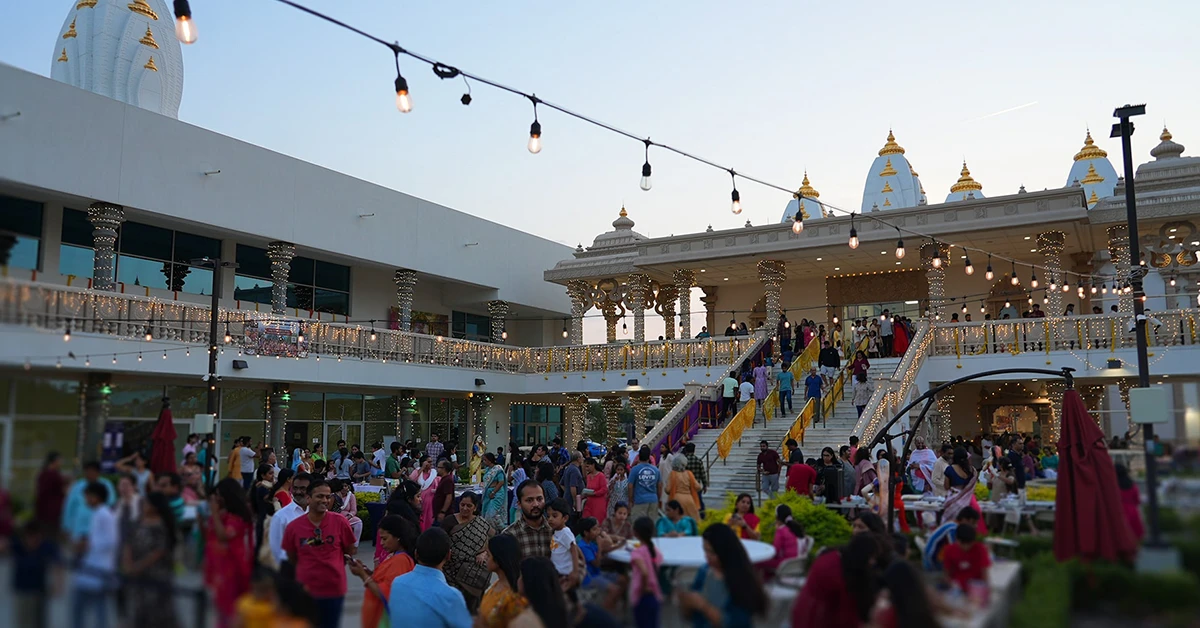
- Visit the Temple: If you are in the Dallas area, experience the vibrant spiritual atmosphere firsthand at the Radha Krishna Temple in Dallas. Check their calendar for information on local Masik Shivaratri observances.

- Read Swamiji's Latest Books: You may purchase Nourish Your Soul Inspirations from and Lives of Great Saints from Amazon below.

U.S. Amazon Store

India Amazon Store
Further Reading
 JKYog Team
 RKT Blog Team
 JKYog Team