There are sacred nights that return quietly, without noise or spectacle, yet carry within them the power to transform the heart. Human life often moves through repeating cycles of effort, distraction, desire, fatigue, achievement, disappointment, and forgetfulness. Days become weeks, weeks become months, and before long the soul begins to feel thirsty for something deeper than routine. In divine compassion, the spiritual calendar offers recurring moments of renewal, opportunities to pause and remember what truly matters. Masik Shivaratri is one such blessing.
Observed each lunar month on the fourteenth night of the waning moon, Masik Shivaratri is dedicated to the worship of Lord Shiva, the all-compassionate Lord who dissolves ignorance, purifies the heart, and grants refuge to sincere seekers. Many devotees know the grandeur of Maha Shivaratri, the great annual celebration of Shiva observed with widespread reverence. Yet fewer understand the gentle and recurring grace of Masik Shivaratri, the monthly sacred night that allows devotees to return again and again to the feet of Mahadev.
For the sincere aspirant, Masik Shivaratri is not merely another date on the calendar. It is a monthly doorway through which the soul may re-enter peace, humility, remembrance, and devotion.
What Is Masik Shivaratri?
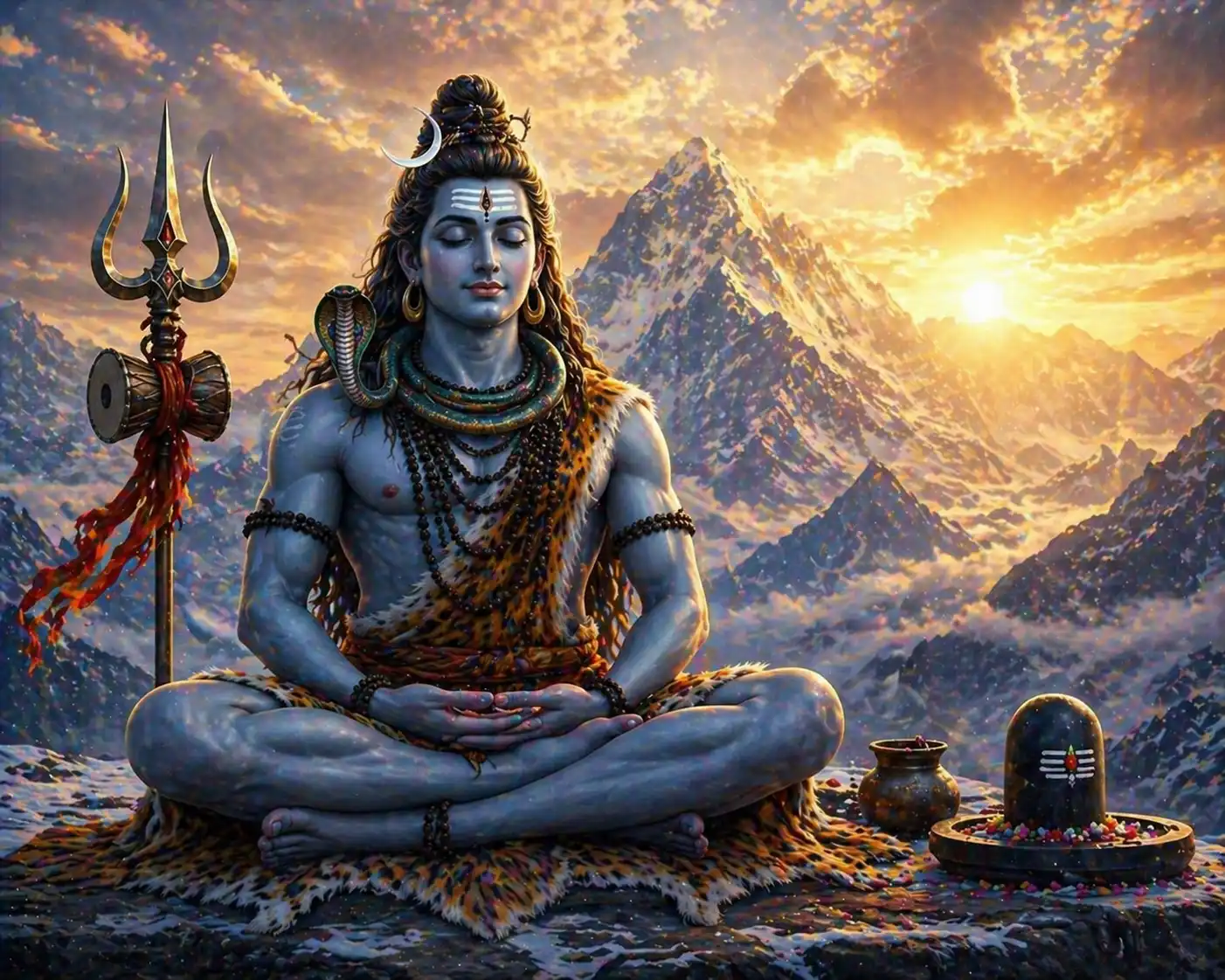
The word Masik means monthly, while Shivaratri means the night of Shiva. Thus, Masik Shivaratri refers to the monthly observance of the sacred night dedicated to Lord Shiva, falling on Krishna Paksha Chaturdashi, the fourteenth lunar day of the waning moon.
This timing is deeply symbolic. In Vedic understanding, the moon is often linked with the mind and emotional nature. As the moon gradually diminishes in brightness, devotees are reminded to let agitation, pride, attachment, and restlessness also diminish within themselves. The outward sky becomes a mirror for the inward journey.
When the outer moon grows smaller, the inner light may shine more clearly.
The sacred night of Shiva therefore becomes an ideal time for introspection, mantra chanting, fasting, prayer, silence, and meditation.
Masik Shivaratri in May 2026
Among the twelve monthly observances of Masik Shivaratri, the sacred occurrence in May 2026 will hold special beauty for devotees seeking to pause amidst the movement of the year and return once again to the feet of Lord Shiva. According to widely followed lunar calendar calculations, Masik Shivaratri in May 2026 is expected to fall on Friday, May 15, 2026, though final observance may vary slightly according to local Panchang traditions, sunrise calculations, and regional time zones. Devotees are always encouraged to confirm the exact tithi in their city through an authentic calendar closer to the date.
The month of May often carries its own atmosphere of intensity. In many places, the days are warmer, schedules become fuller, travel increases, and minds can grow restless through the speed of life. It is precisely in such times that Masik Shivaratri becomes especially meaningful. The sacred night arrives like a cooling stream for the heart, inviting seekers to step away from outer pressure and enter inner stillness. While the world continues rushing forward, the devotee pauses before Lord Shiva and remembers what is eternal.
Those wishing to observe Masik Shivaratri in May 2026 may begin the day with simplicity and sacred intention. Rise early if possible, bathe with the thought of inner purification, and offer a quiet prayer asking Lord Shiva to remove ignorance, fear, and restlessness. Many devotees keep some form of fast according to health and capacity, choosing fruits, milk, light sattvic food, or a stricter vrat according to family tradition. Throughout the day, repeating Om Namah Shivaya inwardly can keep the mind connected to the Divine even amidst responsibilities.
As evening approaches, create a peaceful space at home or visit a temple if possible. Light a lamp before an image of Lord Shiva or a Shiva Lingam. Offer water, flowers, fruits, incense, and heartfelt devotion. Chant the Shiva mantra slowly and lovingly. Read sacred verses or sit in silence for some time. Even a short period of sincere worship on this night can bring a deep sense of calm and grace.
Masik Shivaratri in May 2026 may also be observed as a personal spiritual reset. Ask yourself gently: What fear must I surrender? What habit must I outgrow? What resentment must I release? What noble quality must I cultivate? Lord Shiva is not worshipped merely to receive favors, but to dissolve what obstructs the soul’s light.
For families, this can become a beautiful shared observance. Children may help light the lamp, offer flowers, or listen to stories of Mahadev. Couples may pray for harmony. Elders may bless younger generations. A home that remembers Shiva even once each month becomes inwardly sanctified.
Those on the path of bhakti may also see this night through the lens of Swami Mukundananda’s teachings on mind mastery and regular spiritual practice. Every month offers many opportunities for distraction, but Masik Shivaratri offers one sacred opportunity for purification. Consistent remembrance, even if simple, gradually transforms consciousness.
Why Monthly Shiva Worship Matters
Many people turn toward spirituality only when life becomes painful or uncertain. Others remember God during major festivals but lose connection amidst ordinary responsibilities. Yet just as the body requires regular nourishment and cleansing, the mind and heart also require regular purification.
Masik Shivaratri offers a monthly return to spiritual alignment.
Each month, the devotee is invited to pause and ask gentle but honest questions. What burdens have I been carrying unnecessarily? What anger has lingered in my heart? Which habits are weakening my peace? Where has ego become stronger than humility? In what ways have I forgotten the presence of God?
These monthly reflections prevent the soul from drifting too far into forgetfulness.
Swami Mukundananda often teaches that growth in any field comes through steady consistency. Spiritual progress is no different. One sacred night observed sincerely every month can, over time, reshape the inner landscape of life.
The Glory of Lord Shiva
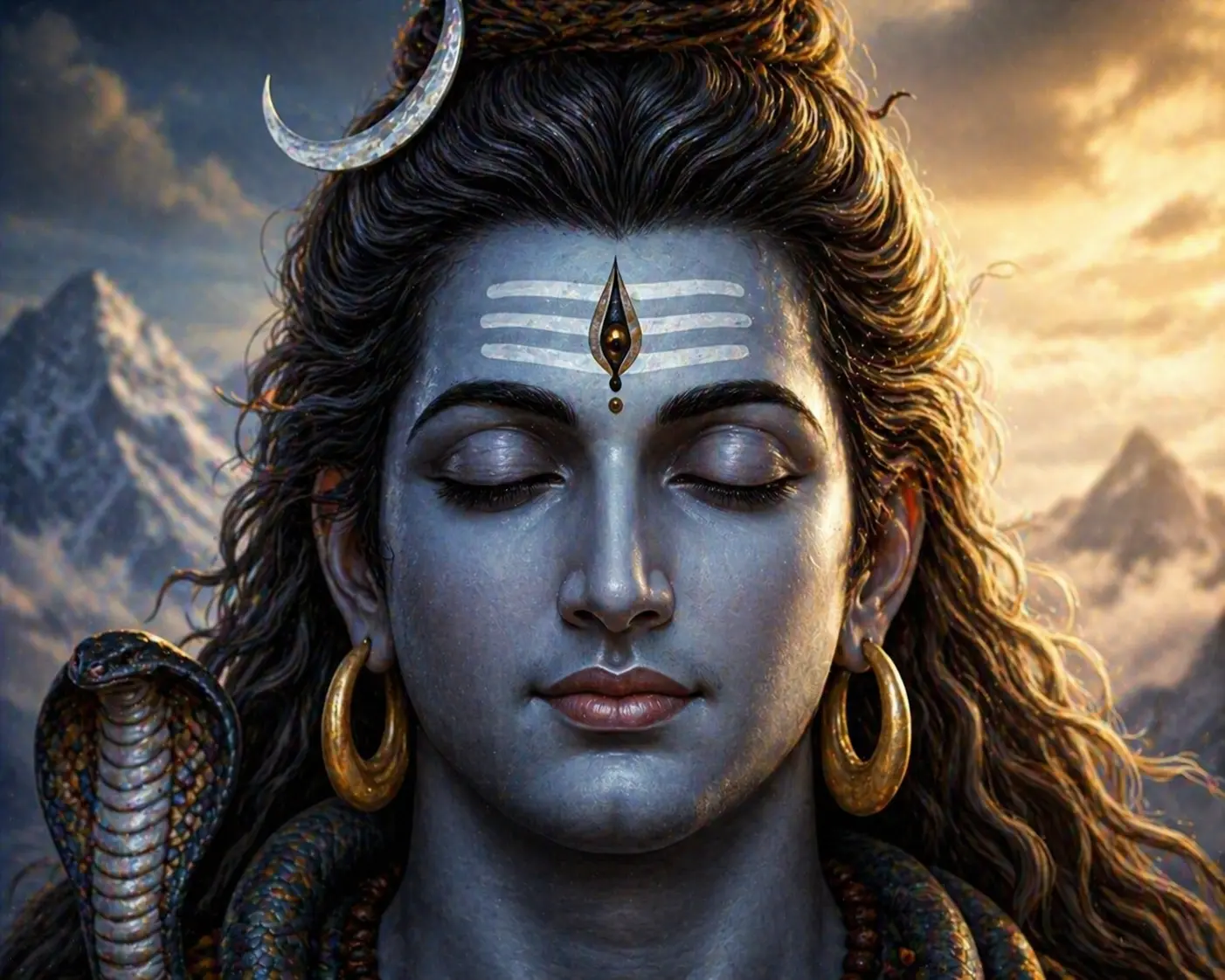
Lord Shiva is among the most beloved forms of the Divine because He unites majesty with tenderness, transcendence with intimacy, and immense power with boundless compassion. He sits beyond worldly illusion, clothed in simplicity, absorbed in supreme awareness, yet He is also the Lord who rushes toward any devotee who calls upon Him with sincerity.
He is worshipped as the destroyer of ignorance, the Lord of meditation, the master of time, the ocean of mercy, the protector of seekers, and the source of profound inner stillness. He is feared by negativity and loved by devotees. He wears ashes to remind humanity of impermanence, yet grants immortality of spiritual wisdom. He lives in detachment, yet overflows with compassion.
Perhaps this is why so many hearts feel drawn to Shiva. He does not demand perfection before granting grace. He responds to sincerity before sophistication.
Spiritual Symbolism of the Night
Why is the worship of Lord Shiva so often associated with the stillness and depth of the night? The answer lies in the profound spiritual symbolism that darkness carries. Night is not merely the absence of sunlight. It represents the hidden spaces within human consciousness, the places where unresolved fears, confusion, attachments, and inner burdens often remain unseen. Much of human suffering does not appear outwardly. Fear may hide beneath a surface of confidence. Confusion may hide beneath constant activity and busyness. Loneliness may hide behind social success and outward accomplishments. Pride may conceal itself beneath achievement. Pain may disguise itself through distraction, entertainment, or endless motion.
The night therefore becomes a sacred mirror. When the world grows quieter and outer noise begins to settle, the seeker is given an opportunity to look within. What is usually avoided in daylight busyness becomes more visible in silence. This is why the night of Masik Shivaratri is so meaningful. It invites introspection, honesty, surrender, and awakening.
To light a lamp before Lord Shiva on this sacred night is far more than a ritual gesture or cultural custom. It becomes a living prayer, a declaration from the soul that it no longer wishes to remain in inner darkness. The devotee silently offers heartfelt intentions before Mahadev. Where there is confusion within me, bring wisdom. Where there is fear within me, bring courage. Where there is agitation within me, bring peace. Where there is ego within me, bring surrender. Where there is heaviness within me, bring grace.
That small flame placed before the Lord becomes symbolic of divine consciousness entering the hidden corners of the heart. The outer light reminds us that even one spark of spiritual awareness can dispel years of inner darkness. In this way, the lamp offered to Shiva becomes a prayer for illumination, healing, and transformation.
The Symbolism of the Waning Moon
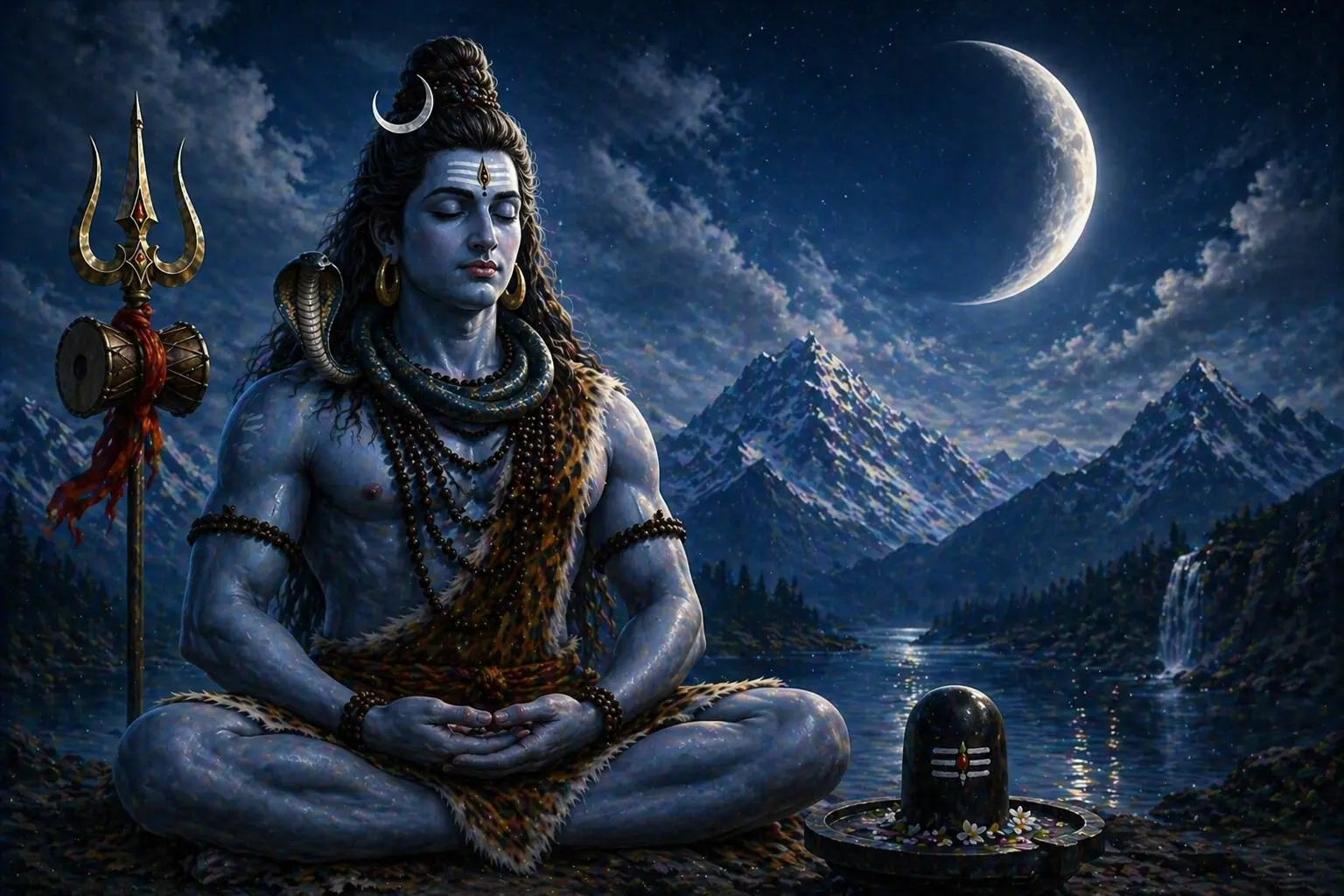
Masik Shivaratri occurs during the waning phase of the moon, and this sacred timing carries extraordinary depth and beauty for the contemplative heart. In Vedic thought, the moon is often linked with the mind, emotions, memory, and subtle psychological states. As the moon gradually decreases night after night, devotees are reminded that inner impurities too can diminish through steady practice, grace, and sincere effort.
The waning moon teaches that spiritual growth is often a process of reduction rather than accumulation. One does not always advance by gaining more, but by releasing what obscures the truth already within. Let resentment grow smaller. Let anxiety lose its strength. Let selfishness diminish. Let overthinking become quieter. Let harmful habits weaken. Let false identity slowly fade. Let unnecessary desires loosen their grip. Let the noise of the restless mind become still.
There is great compassion in this symbolism, because the moon does not vanish in one instant. It changes gently, gradually, steadily. In the same way, transformation need not happen dramatically overnight. Many seekers become discouraged when old habits persist or emotions take time to heal. Yet the sky itself teaches patience. Purification often unfolds through small repeated steps, sincere prayers, monthly observances, and humble perseverance.
Each night the moon grows thinner, and each sincere effort can make the ego lighter. Each act of restraint can weaken attachment. Each mantra can calm the mind. Each prayer can soften the heart.
As these inner shadows slowly recede, the deeper radiance of the soul becomes easier to recognize. Peace begins to feel natural. Devotion begins to feel sweeter. Awareness becomes clearer. Thus the waning moon of Masik Shivaratri is not a sign of loss, but a symbol of liberation.
Benefits of Observing Masik Shivaratri
Devotees traditionally believe that observing Masik Shivaratri with faith and sincerity brings many blessings. Some blessings are subtle, others tangible, yet all arise through the purification of consciousness.
One of the first benefits is mental peace. In an age of overstimulation and constant distraction, one sacred evening of prayer, silence, mantra, and restraint can calm the nervous system and restore emotional balance.
Another benefit is discipline. Fasting, regulated worship, or staying spiritually focused for a period strengthens willpower and reduces unconscious living.
A further blessing is purification. Honest reflection, mantra repetition, and remembrance of Shiva gradually cleanse heaviness accumulated in the mind.
Many devotees also experience growing fearlessness. Lord Shiva stands beyond death and beyond time. To remember Him is to remember that the soul too is deeper than temporary circumstances.
Above all, Masik Shivaratri nourishes devotion. What is repeated monthly enters the heart deeply.
Whether one interprets these benefits spiritually, psychologically, or traditionally, sacred practice undeniably changes the quality of life.
Can Busy People Observe Masik Shivaratri?
Absolutely. Spiritual life is not reserved only for those who are free from schedules, careers, studies, or family responsibilities. In fact, devotion practiced amidst ordinary duties often becomes especially beautiful because it is sustained through sincerity rather than convenience.
A working professional may wake a little earlier and begin the day with prayer before the world’s demands begin. One may listen to Shiva mantras while commuting, choose calmer speech in stressful situations, reduce needless distractions, and dedicate the evening to simple worship.
A parent may involve children in lighting a lamp, chanting together, or hearing stories of Lord Shiva. A student may pray before study, read one sacred verse, and practice mental discipline. An elder may spend more time in japa, meditation, or scriptural reflection.
The Lord does not measure only duration. He measures devotion.
Even a brief observance performed with love can carry profound power.
How to Observe Masik Shivaratri at Home
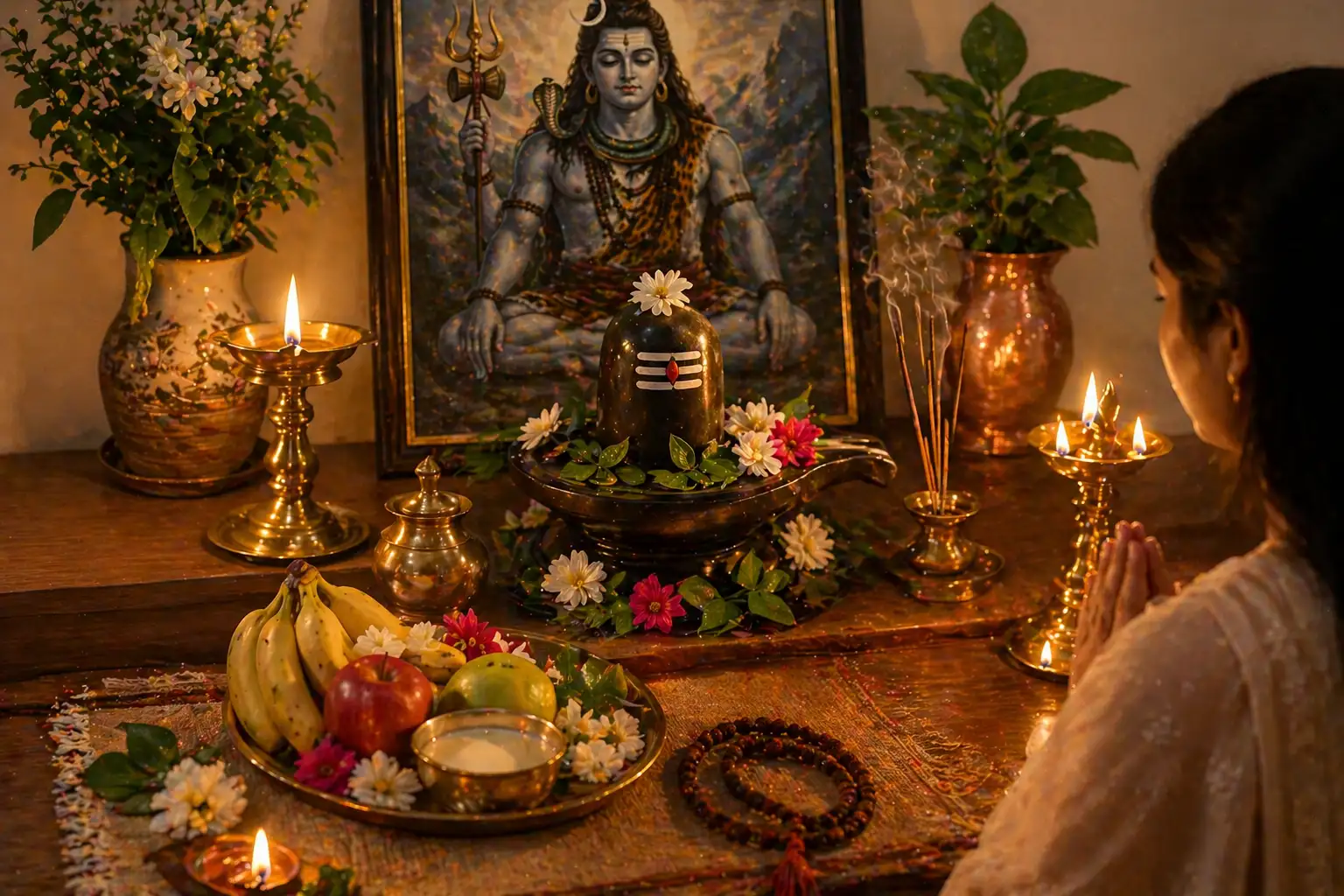
One need not wait for a grand temple setting in order to worship sincerely. Home itself can become sacred space when the heart is reverent.
Begin the day with bathing and inward resolve. Clean a small altar or prayer area. Place an image of Lord Shiva or a Shiva Lingam if available. Light a lamp and incense. Offer water, flowers, fruits, milk if appropriate in your tradition, and bilva leaves if available.
Then sit quietly and chant Om Namah Shivaya with attention and love. This five-syllable mantra has guided seekers for centuries and carries immense spiritual potency when repeated with sincerity.
You may also read from the Shiva Purana, Bhagavad Gita, or teachings of saints. Spend time in silence. In the evening, perform aarti and offer your worries, desires, and gratitude at the Lord’s feet.
No elaborate arrangement is required. A sincere heart is the highest offering.
Fasting and Simplicity
Many devotees observe some form of fasting on Masik Shivaratri. Some take fruits, milk, nuts, or one simple sattvic meal. Others maintain a stricter fast according to family lineage or personal discipline.
The true purpose of fasting is not punishment, display, or harshness. It is purification and mastery over impulse.
When indulgence is reduced, awareness increases. When the senses are gently restrained, the mind becomes easier to observe. One notices cravings, emotional habits, and unconscious patterns that normally remain hidden beneath constant stimulation.
Those with medical conditions, pregnancy, age-related needs, or physical limitations should adapt wisely and responsibly. Devotion remains the essence. Shiva values sincerity more than severity.
Masik Shivaratri and Family Life
Some imagine spiritual observances belong only to ascetics, temples, or those living apart from society. Yet Lord Shiva blesses householders as well. Families can observe Masik Shivaratri through simple and beautiful practices such as evening lamp offering, shared chanting, sattvic meals, storytelling for children, and collective prayer.
Children who witness sacred traditions receive impressions that may guide them for years to come. A peaceful home where God is remembered regularly becomes a place of subtle blessing.
Homes are transformed not by luxury alone, but by devotion.
Masik Shivaratri and the Teachings of Swami Mukundananda
Swami Mukundananda often teaches that the greatest battles of life are rarely fought in the outer world alone, but within the landscape of the mind. A person may conquer professional challenges, achieve recognition, accumulate wealth, or attain worldly success, yet still remain troubled by anxiety, anger, insecurity, restlessness, attachment, or dissatisfaction. For this reason, he emphasizes that outer accomplishment without inner mastery cannot produce lasting peace. Real victory is not merely over circumstances. It is victory over lower tendencies, destructive habits, emotional turbulence, and the ignorance that keeps the soul bound to suffering.
This insight aligns beautifully and deeply with the observance of Masik Shivaratri. The monthly sacred night of Lord Shiva is not only a religious ritual. It is a recurring opportunity for inner conquest. It invites the seeker to turn attention away from the constant noise of the external world and look honestly within. Every month, the devotee is reminded that the true obstacles are often not outside us, but within us. Pride creates distance. Anger burns peace. Desire disturbs contentment. Fear weakens courage. Restlessness clouds wisdom.
The disciplines associated with Masik Shivaratri become powerful tools for self-transformation. The fast teaches self-control by helping the seeker recognize that one need not obey every impulse or craving that arises. Through even temporary restraint, the will becomes stronger and the senses become more disciplined. The mantra teaches concentration, because sacred repetition gathers the scattered mind and gently redirects it toward divine remembrance. What is ordinarily fragmented begins to unify in focus and peace.
The sacred night itself teaches vigilance. While much of the world remains absorbed in sleep or distraction, the devotee chooses wakefulness, awareness, and spiritual attention. This carries deep symbolism. Many people move through life spiritually asleep, unaware of their deeper nature and unconscious of the habits shaping their destiny. To remain prayerful and conscious on Shivaratri is to affirm the desire to awaken.
The worship of Lord Shiva teaches surrender. Before the Divine, ego softens. The illusion of total control begins to dissolve. One learns to place burdens, fears, regrets, and ambitions at the feet of the Lord. In that surrender there is relief, humility, and grace.
The remembrance of Shiva teaches transcendence. Lord Shiva stands beyond time, beyond fear, beyond death, beyond worldly agitation. To meditate upon Him is to remember that the soul too is higher than temporary emotions and changing circumstances. The devotee gradually begins to identify less with passing mental states and more with the eternal self.
When the mind is redirected regularly toward the Divine through monthly observances such as Masik Shivaratri, gradual transformation becomes natural and inevitable. The process may be subtle at first, but it is profound. The mind becomes calmer. Reactions become gentler. Desires lose some of their force. Patience grows. Devotion deepens. Over time, the seeker realizes that what once felt impossible has quietly begun to happen. Inner victory has begun.
This is the hidden blessing of Masik Shivaratri. It returns month after month not only to be celebrated, but to help the soul rise.
Connection with the Radha Krishna Temple of Dallas
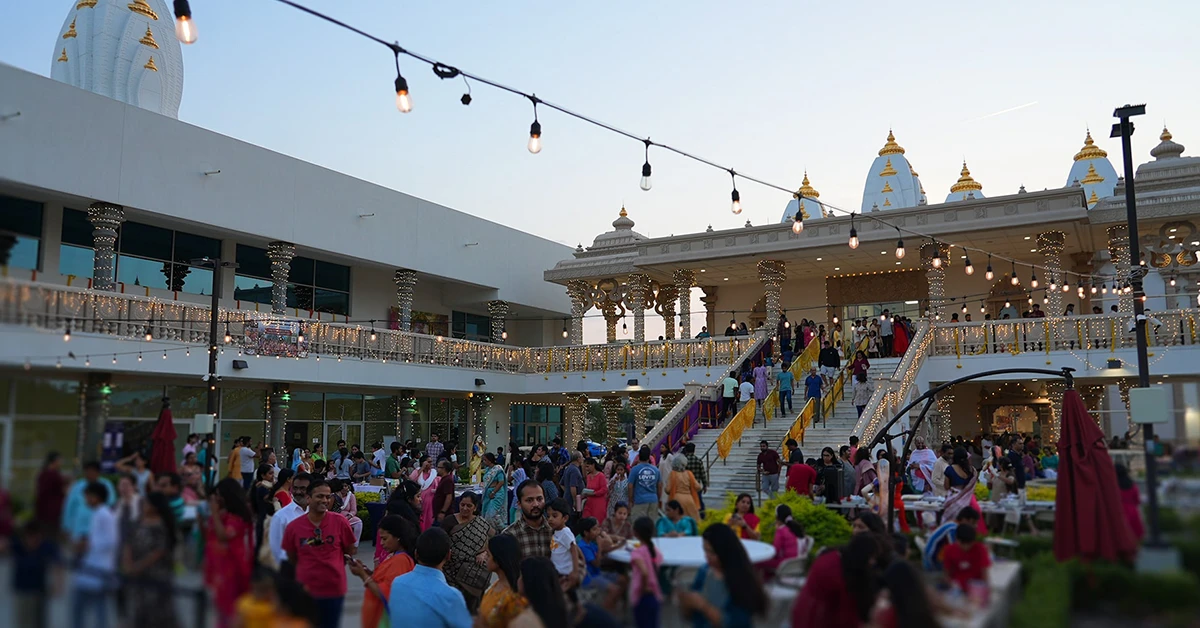
Though many devotees approach the Divine through different beloved forms, authentic spirituality ultimately purifies the same heart. Sacred centers such as the Radha Krishna Temple of Dallas offer uplifting spaces for satsang, devotion, festivals, meditation, scriptural learning, and spiritual community.
Whether one worships through Krishna bhakti, Shiva remembrance, or another authentic path of devotion, sincere practice leads toward inner purity and divine love.
Sundays and Mondays at the temple are dedicated to the worship of Lord Shiva, through the sacred ritual of Shiv Abhishek. This ancient practice involves ceremonially bathing the Shiva Lingam with offerings such as water, milk, and other sanctified substances, accompanied by Vedic chants and prayers.
Spiritually, Shiv Abhishek symbolizes inner purification. Lord Shiva represents the aspect of divinity that dissolves negativity and transforms consciousness. Participating in or even witnessing this ritual creates a powerful reminder of the need to cleanse not just the body, but also the mind and heart.
Swami Mukundananda often explains that spiritual progress requires the removal of impurities such as anger, ego, and attachment. The ritual of abhishek becomes a symbolic act of surrendering these tendencies at the feet of the Divine.
For devotees, Monday becomes an opportunity to begin the week with clarity and intention. As the water flows over the Shiva Lingam, it evokes the aspiration that one’s own life be purified and aligned with higher truth.
Suggested Monthly Practice
Choose each Masik Shivaratri as your monthly spiritual reset. Reduce one negative habit. Increase one noble quality. Offer one extra prayer. Read one sacred chapter. Perform one charitable act. Seek forgiveness where needed. Spend one hour in deeper silence or remembrance.
Monthly repetition can create yearly transformation.
Small sacred steps, taken steadily, reshape destiny.
FAQs
What is Masik Shivaratri?
Masik Shivaratri is the monthly observance dedicated to Lord Shiva on the fourteenth day of the waning moon each lunar month.
Is it different from Maha Shivaratri?
Yes. Maha Shivaratri is the major annual celebration, while Masik Shivaratri occurs every month in a quieter but highly meaningful form.
Must I fast?
No. Fasting is traditional but may be adapted according to health, age, and capacity.
Can I observe it at home?
Absolutely. A lamp, mantra, prayerful attitude, and sincere remembrance are enough.
Which mantra is best?
Om Namah Shivaya is universally revered and deeply powerful.
Can women observe Masik Shivaratri?
Yes. Men and women alike may observe the vrat and worship with devotion.
What is the highest offering?
A sincere heart willing to surrender ego and remember God.
Call to Action
Let Masik Shivaratri 2026 become more than a recurring lunar date. Let it become your monthly return to peace, strength, and divine remembrance.
Mark each Masik Shivaratri in your calendar. Dedicate one evening each month to Lord Shiva. Light a lamp. Chant the holy names. Release burdens at His feet. Invite your family into the blessing.
To deepen your wider spiritual journey, visit the Radha Krishna Temple of Dallas for uplifting satsang, darshan, festivals, and devotional community.

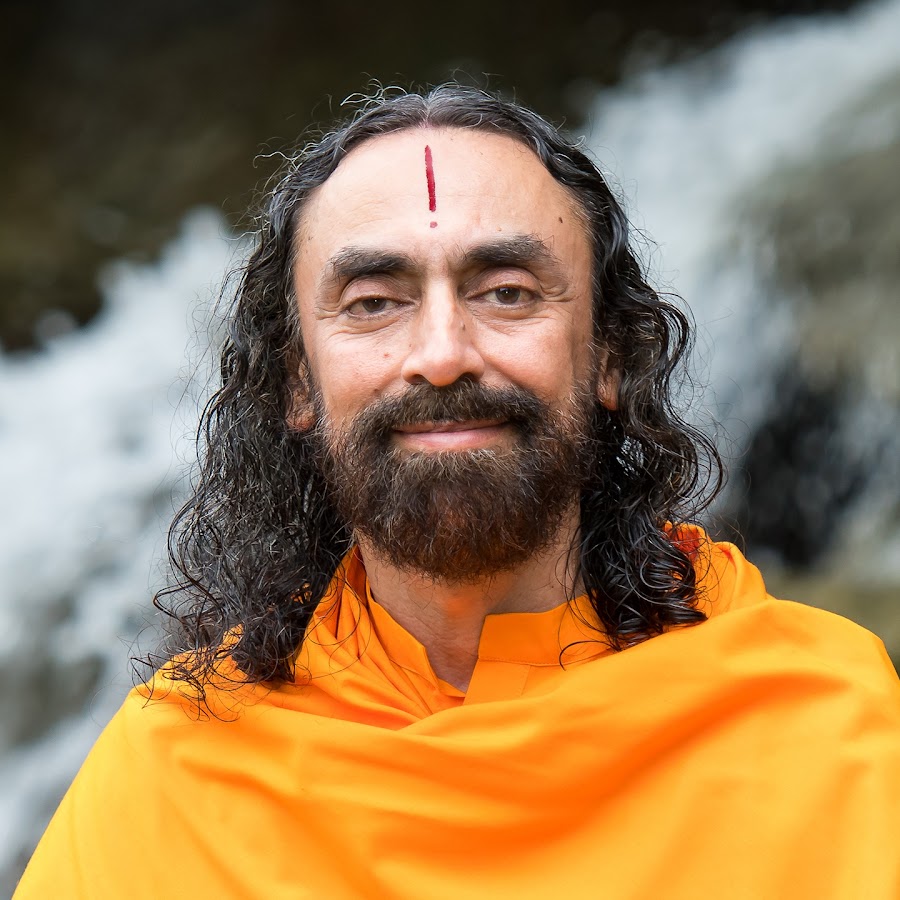
Continue learning through the Swami Mukundananda YouTube channel, where timeless wisdom is shared for modern lives.

Final Reflection
Every month, life offers many nights of distraction.
Masik Shivaratri offers one night of awakening.
One night to simplify.
One night to remember.
One night to surrender.
One night to return to Shiva.
May Lord Shiva bless your life in 2026 with peace in the mind, courage in difficulty, clarity in purpose, purity in heart, and devotion that grows with every passing month.
Further Resources:

