Inspiration - RKT Newsletter
November 2025

E-Newsletter
November 2025


Quote
नात्यश्नतस्तु योगोऽस्ति न चैकान्तमनश्नत: | न चाति स्वप्नशीलस्य जाग्रतो नैव चार्जुन || युक्ताहारविहारस्य युक्तचेष्टस्य कर्मसु | युक्तस्वप्नावबोधस्य योगो भवति दु:खहा || 16-17||
anatyashnatastu yogo ’sti na chaikantam anashnatah na chati-svapna-shilasya jagrato naiva charjuna yuktahara-viharasya yukta-cheshtasya karmasu yukta-svapnavabodhasya yogo bhavati duhkha-ha
O Arjun, those who eat too much or too little, sleep too much or too little, cannot attain success in Yog. But those who are temperate in eating and recreation, balanced in work, and regulated in sleep, can mitigate all sorrows by practicing Yog ( Bhagavad Gita 6.16 )
From the Editor’s Desk
Every living being seeks healing—not only from physical pain but also from the subtler wounds of the heart and mind. Yet, healing in its truest sense is not the mending of a part; it is the rediscovery of the whole.
In our spiritual journey, we often notice that distress arises when we identify too closely with a fragment of ourselves—our body, our emotions, or our limited roles—forgetting the divine spark within that remains forever pure and untouched. Wholeness begins when this remembrance returns.
As Swami Mukundananda reminds us, “The secret of well-being lies in harmony—with our body, our mind, and the divine consciousness that sustains both.” Healing, then, is not just about recovery; it is about reconnection.
This month’s theme, Healing Through Wholeness, invites each of us to look inward—to see how yoga, meditation, and devotion harmonize the different layers of our being, and how divine grace can bring equilibrium to every aspect of life.
When we cultivate this inner alignment, peace naturally flows outward into our families, communities, and the world. May this issue inspire you to nurture that harmony within, until every breath becomes an offering of gratitude and every moment an expression of divine wholeness.
Bhakti Ras
Embracing the True Meaning of Healing
We often equate healing with the mere recovery of physical health. Yet, our spiritual traditions suggest that true healing begins not with the body, but with the soul. When our inner being is aligned with divine principles, the body, mind, and intellect naturally move toward balance.
This perspective reveals that healing is not just the absence of illness but the presence of wholeness. To heal is to reconnect with our divine essence, to restore harmony between the different dimensions of our existence, i.e., the body, mind, heart, and soul.
But how do these dimensions relate to one another, and what truly causes us to feel complete or fragmented? For this, we can turn to the timeless wisdom of the Vedas.
The Layers of the Self
As per the Taittiriya Upanishad, human beings as composed of five sheaths (i.e., panch koshas), from the gross physical layer to the most subtle layer of bliss. Each inner layer is more subtle than the one before it:
- Annamaya Kosha (physical sheath nourished by food): This is the outermost, densest layer, made of and sustained by the food we eat (anna means food). It includes our physical body, bones, muscles, and organs, and represents the gross physical existence subject to birth and death.
- Pranamaya Kosha (vital energy sheath sustained by the breath): Located inside the physical body, this layer is composed of prana or life force energy. It governs all physiological functions like breathing, circulation, and digestion, and acts as a bridge between the physical and mental layers. Imbalances in prana can lead to physical ailments.
- Manomaya Kosha (mental-emotional sheath): This layer encompasses the mind, thoughts, feelings, and emotions. It is through this sheath that we perceive the world using our sensory organs. It is responsible for our mental activities, emotional responses, and the constant stream of thoughts (i.e., the mind’s chatter).
- Vijnanamaya Kosha (intellectual sheath associated with wisdom): Deeper and more subtle than the mind, this layer represents the intellect, intuition, and power of discernment (i.e., buddhi). It allows us to differentiate between right and wrong and guides us toward higher knowledge and inner clarity, helping to detach from the ego and superficial thoughts.
- Anandamaya Kosha (the innermost layer of bliss where the soul resides): This is the innermost and most subtle layer – the true self or the soul. It is the realm of pure, non-fluctuating bliss, peace, and contentment that transcends the temporary happiness or unhappiness of the mind and intellect.
Each layer influences and interacts with the others. When one sheath is imbalanced, the rest are affected. For instance, prolonged stress in the mind can weaken the body, while impure thoughts can disturb emotional equilibrium. Conversely, when we meditate and connect with divine love, peace from the innermost sheath radiates outward, restoring wellness to every layer.
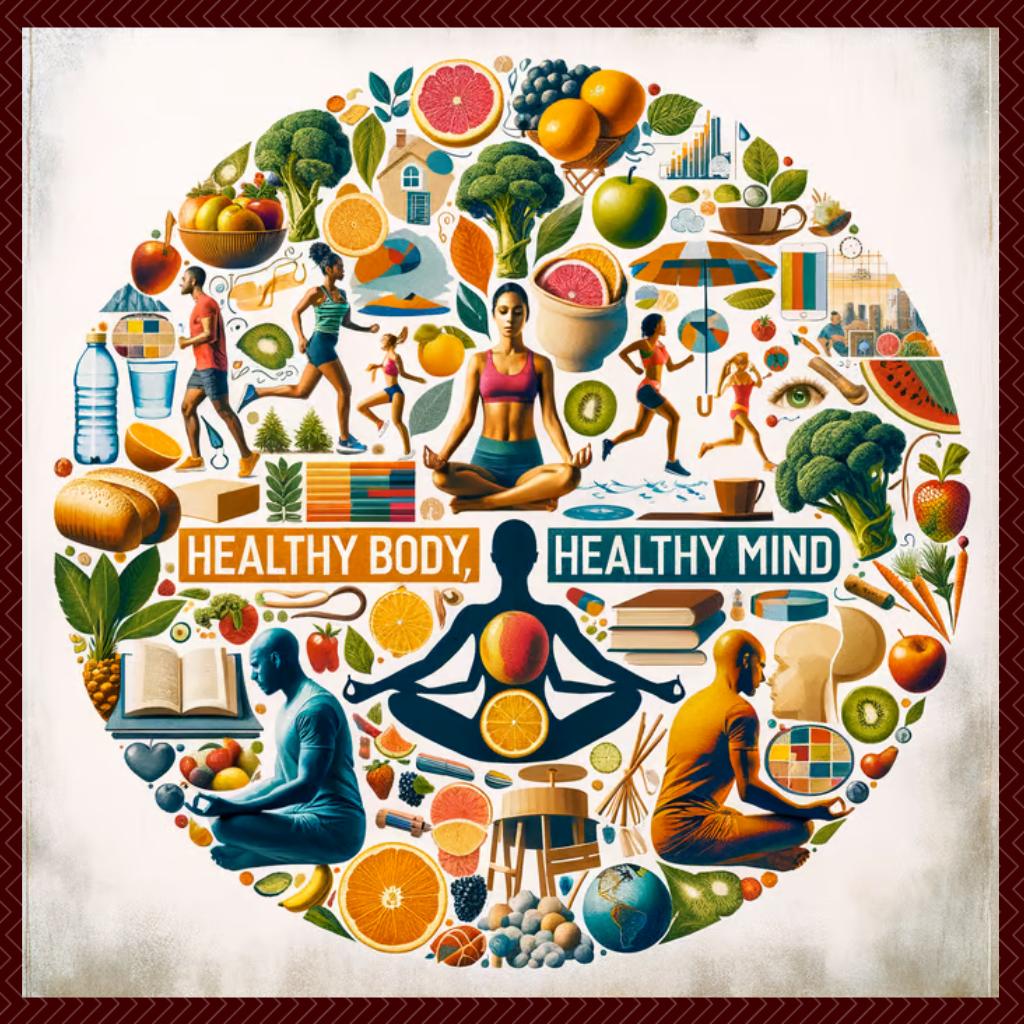
Swami Mukundananda ji’s book, Yoga for the Body, Mind and Soul, beautifully integrates this concept. Physical postures strengthen the body, breathing techniques balance life-force, meditation refines the mind, and devotional practices awaken the heart. True healing, therefore, is not isolated treatment; it is the art of aligning all these koshas in harmony with divine consciousness.
Having understood the layered nature of our being, we can now explore one of its most influential dimensions – the mind.
The Power of the Mind in Healing
If the body is the instrument of action, the mind is the conductor that determines the destiny of our lives. Modern science increasingly validates what yogic wisdom declared a long time ago, that the mind profoundly shapes our physical and emotional health.
In The Power of Thoughts, Swamiji noted that our thoughts define our personality. Negative thinking creates inner toxins of fear, resentment, and self-doubt, whereas divine and uplifting thoughts nurture courage, peace, and love. When our thoughts are filled with faith in God’s plan, the body receives a message of safety and balance. This explains why saints and devotees often radiate serenity even in times of illness. They recognize that the real “I” is the soul, untouched by bodily suffering.
Yet, to channel the mind toward such peace, we must connect it with the source of all healing – the ever-compassionate Lord whose infinite love and grace budge us toward divine love.
Wholeness Through Devotion
Bhakti or devotion is the most potent medicine for the restless heart. It purifies the mind and dissolves the ego, which is the root of inner conflict. When love for God fills the heart, resentment gives way to forgiveness, complaint to gratitude, and pride to humility.
In the 17th century, in the state of Maharashtra (India), there lived Sant Bahinabai, a devoted lady saint and poet whose life revealed the power of inner healing through surrender. Married at a young age into a household that opposed her devotion, she faced constant ridicule and hardship. Yet, her heart remained steadfastly absorbed in her Guru, Saint Tukaram, and in the loving remembrance of Lord Vitthal.
One day, overwhelmed by humiliation and despair, Bahinabai contemplated ending her life in the river. But as she stood at the water’s edge, she heard an inner voice that was gentle, compassionate, and luminous. It said, “Child, do not seek release from life; seek release from ignorance. Your suffering is not a punishment but a purification.”
Those divine words awakened her understanding. Bahinabai realized that the turmoil outside could not touch the peace within if her heart remained anchored in devotion. From that moment, she began composing spontaneous verses expressing surrender, gratitude, and joy in every situation.
Her writings overflowed with humility, an example of which is noted below:
“If my Lord wills joy, I accept it.
If He wills pain, I accept that too.
The same hand that strikes also caresses;
In both, I see only His love.”
In time, her serenity transformed her family’s hearts. The same relatives who once mocked her later regarded her with reverence. Bahinabai’s life exemplifies that when we heal our inner perception – seeing God’s grace even in suffering, the world around us also begins to heal. Through her devotion, she discovered that the deepest cure does not come from changing circumstances but from awakening divine love within.
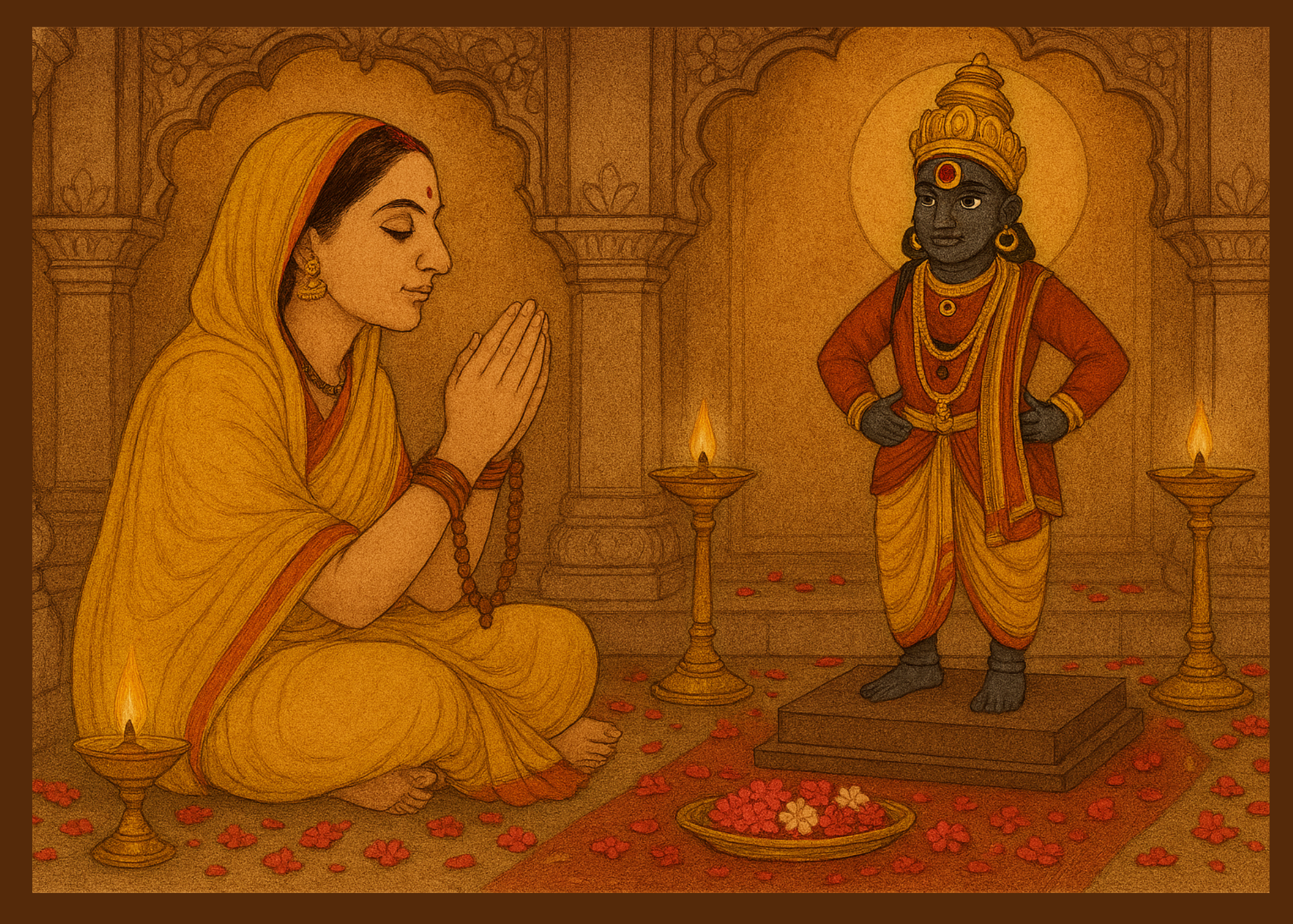
Devotion thus transforms pain into purification and adversity into awakening. Having seen how faith can restore emotional harmony, let us now turn to some practical steps that can help us cultivate this inner healing in daily life.
Practical Steps to Inner Healing
Swamiji reminds us that spirituality is not an escape from life, but the art of living it fully, joyfully, and wisely. True healing must therefore touch every part of our existence – physical, mental, intellectual, and spiritual.
- Care for the Body: Eat pure or sattvic food, exercise, and rest adequately. As explained by Shree Krishna to Arjun Bhagavad Gita (6.16–17), balance in daily habits supports clarity in higher pursuits.
- Calm the Mind: Practice Roop Dhyan daily. This form of a guided meditation of loving remembrance of God’s form or pastimes melts anxiety and strengthens one’s emotional resilience.
- Uplift the Intellect: Nourish your intellect through daily study of scriptures. Even a few minutes with the Bhagavad Gita or Swamiji’s writings (e.g., The Power of Thoughts) can reorient the mind from worry to wisdom.
- Purify the Heart: Participate in seva, kirtans, and satsangs. These elevate our consciousness through collective positivity and reinforcement of divine knowledge.
- Anchor the Soul in Faith: When difficulties arise, remember that every challenge is God’s instrument for our inner growth. Acceptance brings peace, and peace is the foundation of good health and well-being.
As these practices integrate into our lives, we begin to experience a sense of unity within – a feeling of being whole rather than scattered. This inward harmony naturally expresses itself in our actions and relationships.
From Fragmentation to Fulfillment
Many of us move through life feeling divided – our thoughts in one direction, our emotions in another, and our actions elsewhere. Healing through wholeness means bringing all these into alignment with divine purpose. The greatest disease is disconnection from God. The greatest healing is reunion with Him. When our thoughts, words, and deeds flow from devotion, fragmentation dissolves into fulfillment.
This realization also deepens when we share the spiritual journey with others, for collective upliftment amplifies individual transformation.
The Community Aspect of Healing
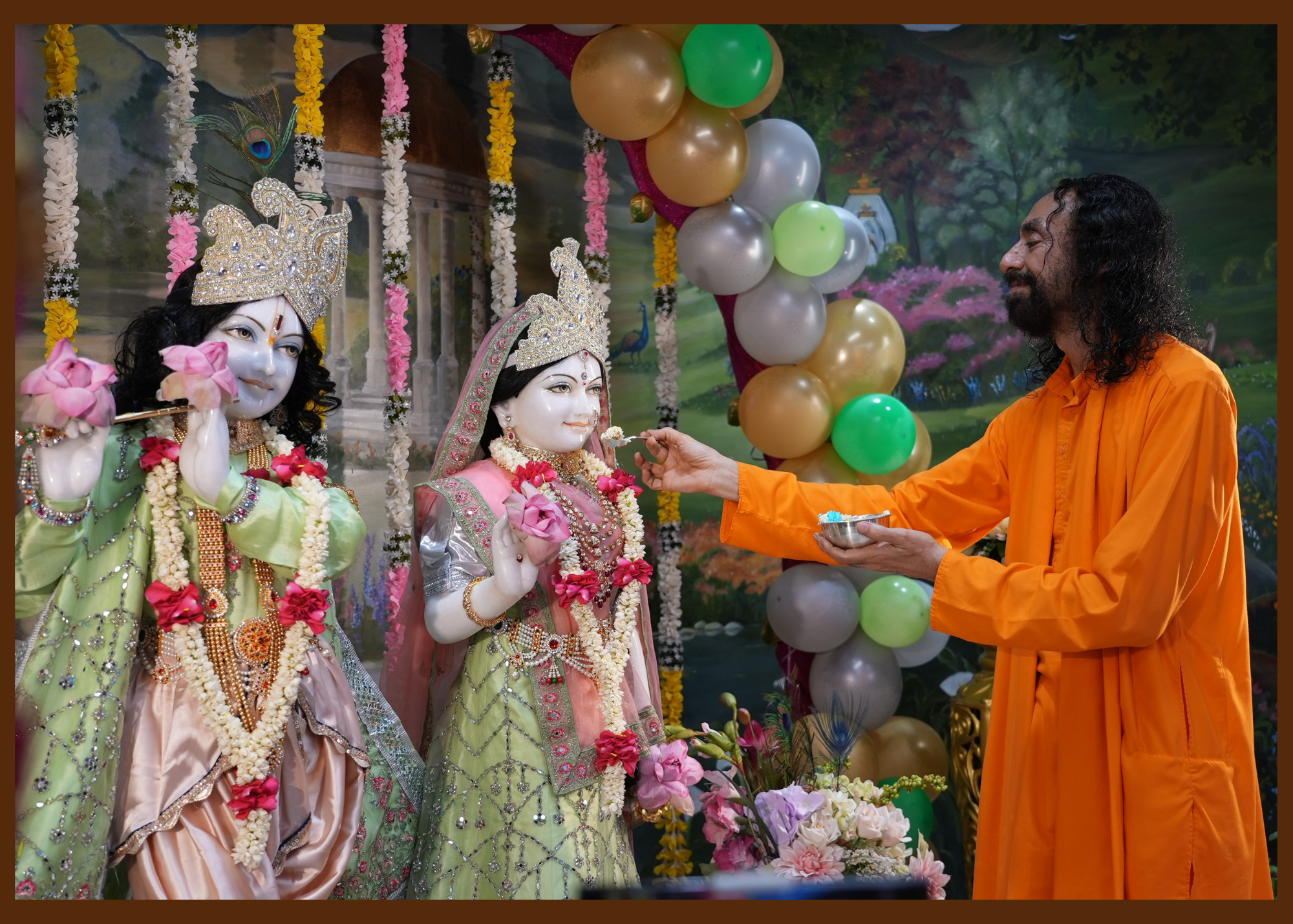
Healing thrives in divine association. Within the nurturing environment of the Radha Krishna Temple of Dallas, countless souls have rediscovered strength and serenity through the divine satsangs, devotional events, yoga and meditation, online classes, and above all, seva for the pleasure of God and Guru.
In satsangs, the vibration of faith becomes tangible as hearts sing together, minds quiet together, and souls heal together. This sense of community reminds us that we are not solitary travelers but members of a divine family walking toward the same Divine Light.
Indeed, when we heal together, we rise together, and the joy of one heart becomes the strength of many.
The Divine Doctor Within
All said and done, true healing flows from within – from the divinity seated in every heart. That inner physician, guided by God’s wisdom, knows how to restore balance if we allow it.
As the Kathopanishad declares, “The Self is subtler than the subtlest and greater than the greatest; residing in the heart, it reveals itself to the one who stills the mind.” When we live in harmony with divine principles, the inner healer awakens naturally. Prayer, gratitude, and surrender become its medicine; seva, humility, and devotion become its lifestyle.
From this recognition blossoms a quiet faith – an understanding that wholeness was never lost; it merely awaited our remembrance.
A Prayer for Wholeness
O infinitely compassionate Lord,
Heal not just my body, but my heart and soul.
Restore in me the remembrance of who I truly am,
Your eternal child, a fragment of Your love.
May my thoughts be pure, my actions selfless,
My life an instrument of Your divine will.
In Your presence, may I find peace that no pain can shake,
And in Your love, the wholeness that never fades.
Conclusion
Healing through wholeness is not a destination but a journey of alignment, of returning repeatedly to balance, faith, and love. Every time we choose forgiveness over resentment, gratitude over complaint, or faith over fear, we take a step closer to divine harmony.
Swami Mukundananda teaches us that the journey of healing begins when we stop identifying with our wounds and start identifying with our divinity. When this realization dawns, every breath becomes a prayer, every moment a gift, and every experience a step toward the infinite completeness that has always been within us.
Bal-Mukund: Playground for Vedic Wisdom
Healing By Belief
Modern science continues to uncover what the yogic scriptures have taught for millennia: the mind holds extraordinary influence over the body. Several remarkable studies reveal just how profoundly our beliefs shape our experience of healing.
A fascinating study took place with knee surgery patients at Baylor Medical Center in Dallas. The doctors divided the patients into two groups. The first group received the full surgical procedure, while the second group underwent no treatment at all. However, the second group was told that their knees had been subjected to treatment and healed. Over the next two years, both groups reported similar recovery rates. The patients in the second group, who had not actually received any surgery, still felt their knees were improving.

A similar insight emerged from a study with thoracic-surgery patients. Morphine is typically administered to ease the intense pain that follows the procedure. Some patients were told they were receiving morphine through their IV, while others received the same dose without being informed. Strikingly, the patients who knew what they were receiving experienced greater relief. The knowledge—the belief—that help was on the way eased their suffering.
This mind-body connection was evident even outside hospital walls. In another study, blindfolded students were told that poison ivy would be applied to their skin, though in reality, only a harmless paste was used. Nevertheless, six out of ten students developed irritation simply because they expected to. Their bodies responded to belief alone.

Practical Wisdom:
- These studies demonstrate a profound truth: our expectations influence our reality. Whether it was a mock surgery leading to real improvement, a harmless paste causing irritation, or unannounced medication offering less relief, the mind actively shaped the physical experience. Belief became biology.
- The findings echo a central principle emphasized in Swami Mukundananda’s teachings: the mind is the master of the body. Many people assume that once they achieve good health, happiness will naturally follow. In truth, the opposite is more powerful. When we nurture joy, positivity, and inner harmony, the body responds with vitality. A happy mind becomes the foundation of a healthy body.
- By cultivating uplifting thoughts and consciously choosing belief over doubt, we align ourselves with the body’s natural capacity for healing. True wellness begins not in the body, but in the quiet power of the mind.
Youth Insights
Youth Focus: Healing Through Wholeness
Have you ever noticed how much lighter life feels when your mind, body, and spirit move in harmony? True healing is not just the absence of stress or illness—it is the presence of balance. Wholeness means recognizing that every part of our being is connected, and when we nurture one aspect, the others naturally begin to flourish.
In Hindu philosophy, this truth is captured in the concept of purnatva, the state of completeness. Spiritual healing encourages us to cultivate compassion, forgive our imperfections, and live with mindful awareness. Just as Lord Shiv symbolizes both destruction and renewal, we, too, grow by releasing what no longer serves us and making room for clarity, strength, and inner peace.
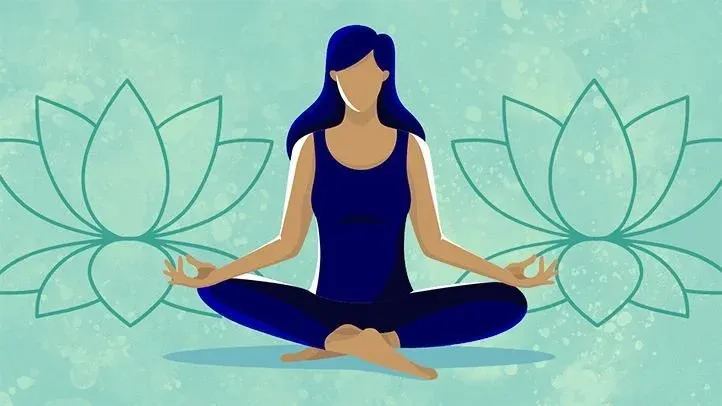
In moments of prayer, meditation, or quiet reflection, the Divine gently reminds us that healing becomes possible when we slow down, breathe deeply, and return to the stillness within.
Ways to Practice Healing the Whole Self
Nurture the body: Honor your physical form through rest, gentle movement, and foods that bring energy, comfort, and vitality.
Calm the mind: Use meditation, journaling, or mindful breathing to clear mental clutter and invite peace.
Recenter the spirit: Spend time in prayer, chanting, or satsang to deepen your connection with the Divine.
Practice compassion: Treat yourself with the same kindness and understanding you readily offer to others.
Seek balance daily: Create simple routines that bring steadiness and harmony into each day.
Healing is not a final destination but a lifelong journey. When we embrace wholeness—mind, body, and spirit—we open the door to peace, resilience, and spiritual renewal.
Holistic Health Tidbits
Healing Through Wholeness: A Journey Toward True Health and Wellness
Health is often viewed through a fragmented lens—separating the body from the mind, the emotions from the spirit, and the individual from the whole. Yet true healing unfolds when we recognize these elements as deeply interconnected. Healing through wholeness means embracing every part of ourselves—physical, emotional, mental, and spiritual—as woven threads of one vibrant and unified being.
Wholeness is the art of integration. Our thoughts influence our energy, our emotions affect our physical health, and our spiritual practices shape our sense of meaning. When any area is neglected, imbalance can arise as stress, fatigue, or illness. Healing begins when we consciously bring awareness, compassion, and care to every layer of our existence.
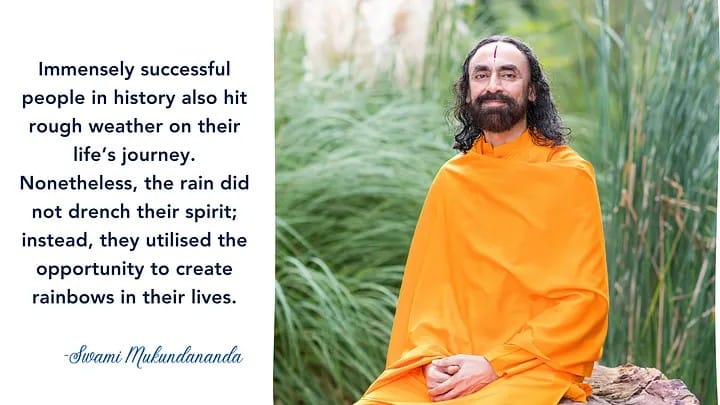
Physically, healing through wholeness involves nurturing the body with mindful movement, nourishing food, proper rest, and conscious breathing. When we eat, move, and rest with presence, the body responds with vitality and natural balance.
Emotionally, healing comes from allowing feelings to be acknowledged rather than suppressed. A simple practice is to “sit with your feelings”: find a safe space, name what you feel (“I feel angry,” “I feel anxious”), breathe gently, observe without judgment, and offer yourself compassion. Journaling, meditation, or speaking with a trusted guide can help release stored emotions and create space for deeper peace.
Mentally, the narratives we repeat can either confine or uplift us. Replacing self-criticism with understanding and forgiveness helps the mind align with the body’s innate wisdom, fostering harmony and clarity.
Spiritually, wholeness reminds us that we are more than our current challenges. Through sadhana, seva, and satsang, we reconnect with the Divine and with a purpose greater than ourselves. This connection restores inner strength and replenishes the heart.
Healing is ultimately the sacred return to our true nature. It is the realization that we are not broken—only disconnected. By embracing every part of ourselves with love, awareness, and sincerity, we awaken the body’s natural ability to heal and allow the light of the soul to shine through
Swami Mukundananda shares the key to mind-body connection in this powerful video from 7 Mindsets for Success and Happiness:
Reflection Questions
Bhakti Ras / Inspiration
In which areas of your life do you feel fragmented? And: how can you bring them into harmony?
Bal-Mukund: Playground for Vedic Wisdom
How do beliefs and expectations shape your experiences?
Youth Insights
Where in your life do you feel called to restore balance? What is one small step you can take today toward this?
Holistic Health Tidbits
How can you practice deeper listening today—to your body, to others, and to the quiet voice within?
Upcoming Events
The Radha Krishna Temple of Dallas (Allen) will host a very special event this December.
Bhagavad Gita Jayanti

We extend a warm invitation to the entire community to join the auspicious Bhagavad Gita Jayanti celebrations. This sacred event marks the day Lord Krishna imparted the eternal wisdom of the Bhagavad Gita to Arjun.
उद्धरेदात्मनात्मानं नात्मानमवसादयेत् | आत्मैव ह्यात्मनो बन्धुरात्मैव रिपुरात्मन: ||5||
uddhared atmanatmanam natmanam avasadayet atmaiva hyatmano bandhur atmaiva ripur atmanah
Elevate yourself through the power of your mind, and not degrade yourself, for the mind can be the friend and also the enemy of the self. ( Bhagavad Gita 6.5 )
The program will feature a week-long series of events from November 30 to December 7, 2025. The celebrations will include various devotional activities:
- Bhagavad Gita Kids Workshop
- Bhagavad Gita Recitation and Kirtan
- Satyanarayan Katha (BG Jayanti Special)
- Bhagavad Gita Kids Chanting
- Online Interactive Session
- Bhagavad Gita Kids Show
- Pothi Yatra and Pothi Pooja
- Bhagavad Gita Parayan & Poornahuti
Please join us for this wonderful occasion in person. Seva opportunities are available and encouraged for all community members.
Registration and Details: https://www.radhakrishnatemple.net/gita-jayanti