
Hartalika Teej 2025: Date, Time, and Muhurat
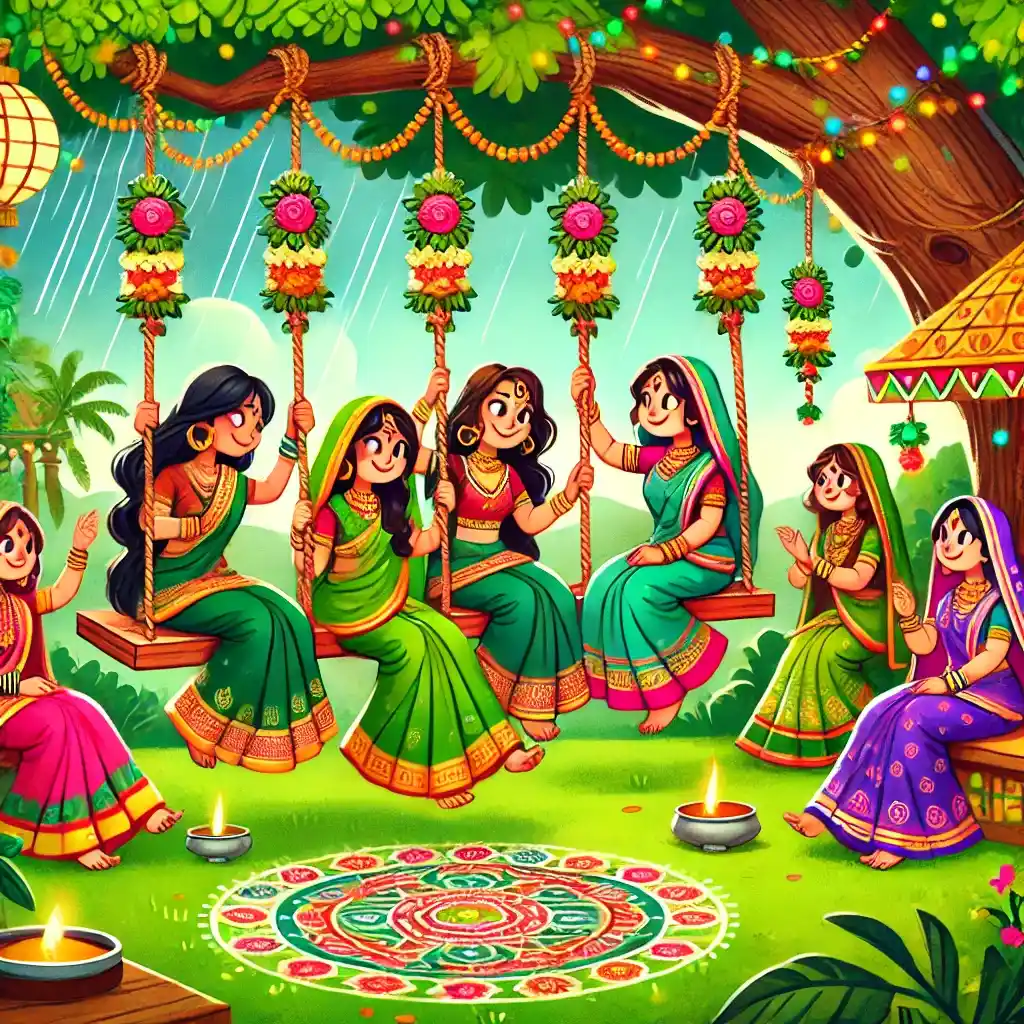
Hartalika Teej 2025 shines as one of the most important celebrations in the mixture of Hindu festivals. This sacred occasion celebrates the divine union of. Devotees throughout India embrace this beautiful blend of spirituality, tradition, and devotion. Lord Shiva and Goddess Parvati
When is Hartalika Teej 2025?
Devotees are set to celebrate Hartalika Teej in 2025 on Monday, August 25, 2025. The Hindu calendar marks this festival on Shukla Paksha Tritiya (third day of the bright lunar fortnight) in the month of Bhadrapada. Married women observe strict fasts and perform detailed rituals to seek marital bliss and their spouse's well-being. Unmarried women also join the festivities and pray to find an ideal life partner.
"Devotion is the path to divine blessings" - Ancient Hindu wisdom
Tithi timings and puja muhurat
Devotees need accurate timings to maximize the spiritual benefits of Hartalika Teej 2025 rituals:
· Tritiya Tithi begins at 03:04 AM on August 25, 2025
· Tritiya Tithi ends at 04:24 AM on August 26, 2025
The most sacred times to conduct Hartalika puja are:
· Pratahkala (Morning) Hartalika Puja Muhurat: 06:17 AM to 08:57 AM (Duration: 2 hours 40 minutes)
· Pradoshkala (Evening) Hartalika Puja Muhurat: 07:39 PM to 09:47 PM (Duration: 2 hours 08 minutes)
Traditional beliefs consider the morning as the most favorable time for performing Hartalika Puja. If morning worship is not possible, the evening Pradosh period is equally beneficial for honoring Shiva and Parvati.
Difference between Hartalika and Hariyali Teej
People often mistake Hartalika Teej for Hariyali Teej due to their similar names and comparable customs. Despite this, the two are celebrated nearly a month apart.
Hariyali Teej is observed on the Shukla Paksha Tritiya of the Sawan month, while Hartalika Teej is celebrated on the same lunar phase in the Bhadrapada month. Each occasion honors its own set of spiritual tales. Hariyali Teej celebrates the moment when Lord Shiva reunited with Goddess Parvati after her long penance through 107 lifetimes.
Hartalika Teej narrates the episode where Goddess Parvati’s companions took her into a thick forest to stop her father from forcibly marrying her to Lord Vishnu. The term “Hartalika” is a blend of “Harat,” meaning abduction, and “Aalika,” meaning a female friend.
Learn more about Hindu festivals and their significance by subscribing to Swami Mukundananda's YouTube channel
The Story Behind Hartalika Teej
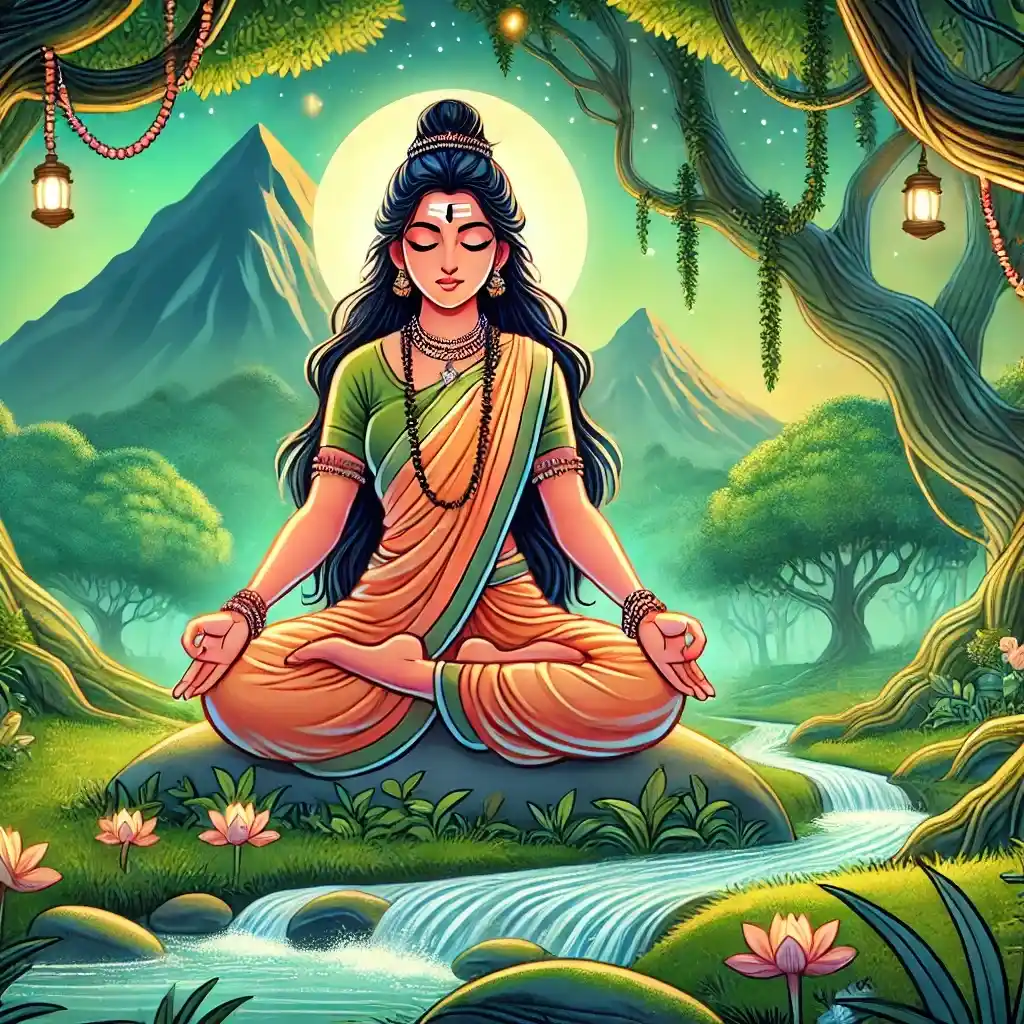
The rich mythology of Hartalika Teej 2025 tells a beautiful story of steadfast dedication and sacred love. This festival celebrates one of Hinduism's most treasured love stories that shows the eternal bond between Lord Shiva and Goddess Parvati through legends passed down through generations.
Origin of the name 'Hartalika'
The term "Hartalika" is formed from two Sanskrit roots: "Harat," signifying abduction, and "Aalika," meaning a female companion. The origin of this name lies in the tale where Goddess Parvati's devoted friend led her into a deep forest to prevent her from being married off against her will.
Ancient texts describe this beautifully:
"यथा देवी पार्वती मित्रेण हरिता वने,
तथा त्वं हरितालिका भवसि प्रिये।"
(Just as Goddess Parvati was taken away to the forest by her friend, so are you celebrated as Haritalika, dear one.)
This act of friendship became the lifeblood of one of Hinduism's most important festivals for women.
Goddess Parvati's penance and devotion
Goddess Parvati is believed to have first incarnated on Earth as Shailputri, the daughter of King Himalaya. From a young age, she undertook intense spiritual practices to win Lord Shiva's love. Her unwavering devotion spanned over seventy-six years, including twelve years followed by sixty-four years of severe austerity.
Concerned about her future, King Himalaya was influenced by Sage Narada’s advice to arrange her marriage with Lord Vishnu, even though it was against her will. Parvati fled into a dense forest with the help of a close friend upon learning about this decision.
She crafted a Shiva lingam using the sand and silt from the Ganga river and continued her dedicated worship in the forest. Her determination reflects the Sanskrit verse from the Bhagavad Gita:
अनन्यचेता: सततं यो मां स्मरति नित्यश: |
तस्याहं सुलभ: पार्थ नित्ययुक्तस्य योगिन: || 14||
"For one who always remembers Me without deviation, I am easy to obtain, O Partha, because of his constant engagement in devotional service."
Lord Shiva's acceptance and divine union
Lord Shiva was moved by Parvati’s unwavering devotion and appeared before her, assuring her that she would become his wife. Parvati and her companion then observed a special fast in honor of Lord Shiva on the Shukla Paksha Tritiya of the Bhadrapada month.
Eventually, King Himalaya located his daughter in the forest. Although he was initially distressed by her sudden disappearance, he ultimately respected her desire to marry only Lord Shiva. Hartalika Teej celebrates this divine union, honoring feminine devotion, friendship, and the power of determination.
This festival teaches three timeless values:
· The strength of steadfast devotion
· The importance of true friendship
· The triumph of determination over obstacles
To learn about Hindu festivals and their deeper meanings, subscribe to Swami Mukundananda's YouTube channel
Rituals and Observances of Hartalika Teej
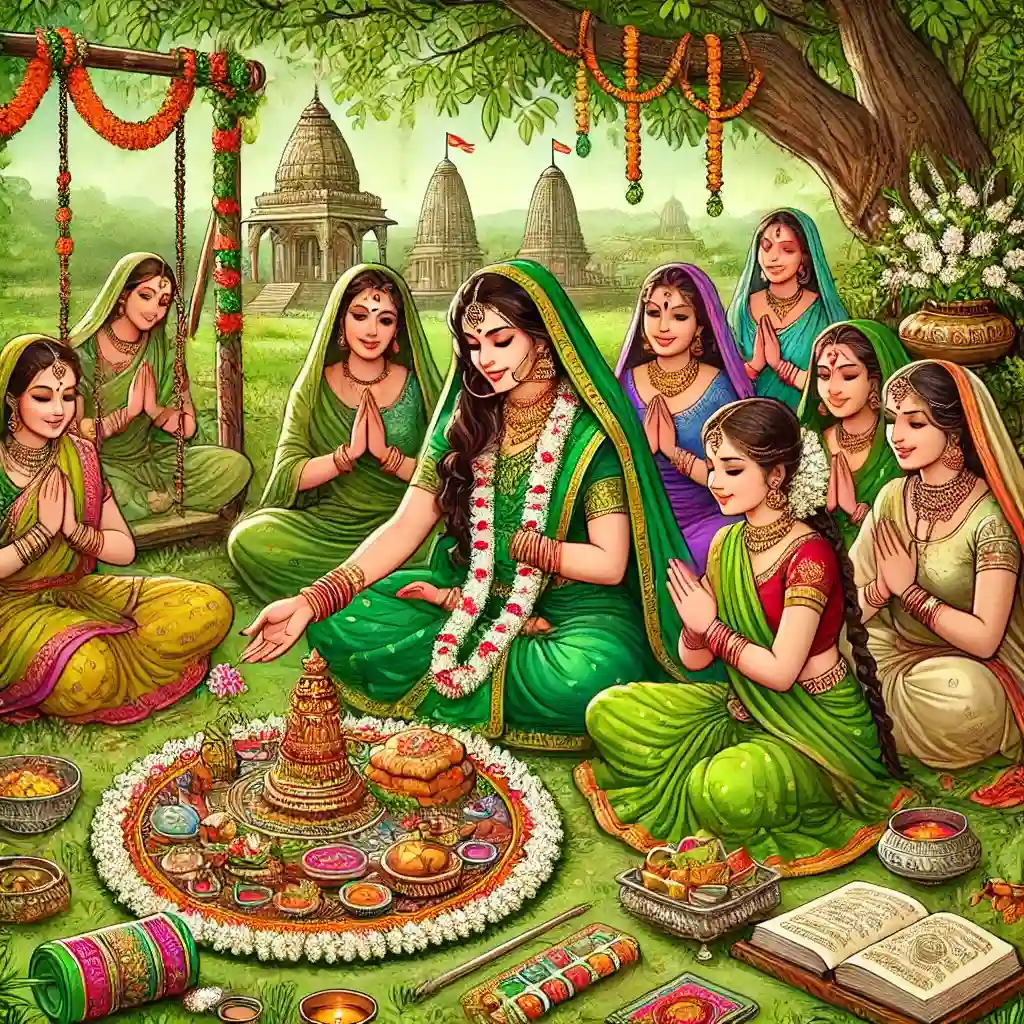
Hartalika Teej 2025 carries forward centuries-old devotional traditions that help women connect with divine feminine energy. These sacred rituals embody the unwavering devotion Goddess Parvati showed as she sought to win Lord Shiva's heart.
Nirjala Vrat: The waterless fast
Nirjala Vrat (waterless fast) is at the heart of Hartalika Teej traditions. Married women abstain from both food and water for an entire day. This challenging practice symbolizes Parvati's intense penance for Lord Shiva. The fast starts at sunrise and continues until the next morning, showing extraordinary devotion and willpower.
As the Bhagavad Gita states:
"युक्ताहारविहारस्य युक्तचेष्टस्य कर्मसु। युक्तस्वप्नावबोधस्य योगो भवति दुःखहा॥"
"For one who is moderate in eating and recreation, balanced in work, and regulated in sleep, yoga becomes the destroyer of suffering."
Solah Shringar and traditional attire
On this sacred occasion, women beautify themselves with Solah Shringar (sixteen traditional ornaments), which represent the joy and completeness of married life. These include:
· Bindi, sindoor (vermilion), and mehendi (henna)
· Bangles, anklets, and various jewelry pieces
· Fragrant flowers and special hairstyles
Devotees often choose to wear bright hues like red, green, or yellow, as these colors are associated with abundance and fertility. North Indian states come alive with these colorful ensembles as women gather to celebrate.
Hartalika Teej Vrat Katha and aarti
The Hartalika Teej Vrat Katha holds significant importance during the festivities. This sacred story tells of Parvati's determination and Shiva's eventual acceptance of her devotion. Women perform aarti with oil lamps and sing devotional hymns to honor the divine couple after the katha.
Many devotees stay up all night to participate in bhajans and kirtans, since the sacred observance traditionally prohibits sleep.
Clay idols and puja setup
In the early morning, devotees craft idols of Lord Shiva and Goddess Parvati using clay or sand. They place these carefully on a clean area decorated with flowers and akshat (unbroken rice). A sacred water pot (kalash) adorned with mango leaves and coconut completes the setup.
The puja includes offerings of:
· Fresh fruits and flowers
· Bilva (bael) leaves are sacred to Lord Shiva
· Incense and sandalwood paste
· Betel leaves and traditional sweets
Breaking the fast and festive meals
Women conclude their Nirjala Vrat the following morning. In several regions, the fast is traditionally broken by first consuming bilva leaves, followed by offerings of coconut prasad and fruits. Families in Bhojpuri-speaking areas prepare festive meals that include regional favorites such as thekua, pidukia, and laddoos.
Hartalika Teej 2025 celebrates more than religious observance. It honors feminine strength and sisterhood as women support each other through this challenging fast.
You can learn more about Hindu festivals and their significance by subscribing to Swami Mukundananda's YouTube channel
Regional and Cultural Celebrations
Hartalika Teej 2025 celebrations highlight India's rich cultural tapestry with its unique regional traditions. People across the subcontinent pay homage to Goddess Parvati through customs that showcase their local heritage while preserving the festival's spiritual core.
North India: Swings, songs, and processions
The Teej Festival energizes public spaces across states like Rajasthan, Uttar Pradesh, and Haryana. In Jaipur, vibrant processions showcasing an ornately decorated Teej idol take over the streets for two consecutive days, attracting large gatherings. Women dressed in green gather around swings adorned with flowers and sing age-old folk songs to celebrate the arrival of the monsoon season.
The ancient text beautifully captures this tradition:
"प्रकृतेः सौंदर्यं प्रेम च दर्शयति झूला"
(The swing demonstrates nature's beauty and love)
The custom of swinging holds symbolic ties to the joyful nature of Lord Krishna, and is also honored during Jhulan Utsav in Vrindavan around the same time.
Maharashtra and Nepal: Group prayers and rituals
In Nepal, women express their heartfelt devotion during Hartalika Teej 2025 at the Pashupatinath Temple, dressed in vibrant red sarees. They perform circumambulation of the Shiva Lingam while singing devotional hymns and presenting flowers, fruits, and prayers.
In Maharashtra, women gather in groups to worship sand-made idols of Lord Shiva and Goddess Parvati. They strictly follow the "Nirjala Vrat" fast, apply mehndi designs, and read the Hartalika Vrat Katha as a community.
South India: Gowri Habba and its similarities
In Karnataka and several southern states, the festival is observed as Gowri Habba, which takes place a day prior to Ganesh Chaturthi. Women prepare a "mantapa" decorated with banana stems and mango leaves to enshrine the Gauri idol.
A unique aspect of the ritual is the offering of "baagina"—packets containing turmeric, kumkum, bangles, coconut, and assorted grains—which are given to married women as blessings. This tradition is similar to the "Sindhara" gifts exchanged during Teej in northern India.
You can learn about these sacred traditions and their spiritual meaning on Swami Mukundananda's YouTube channel
Spiritual and Emotional Significance for Women
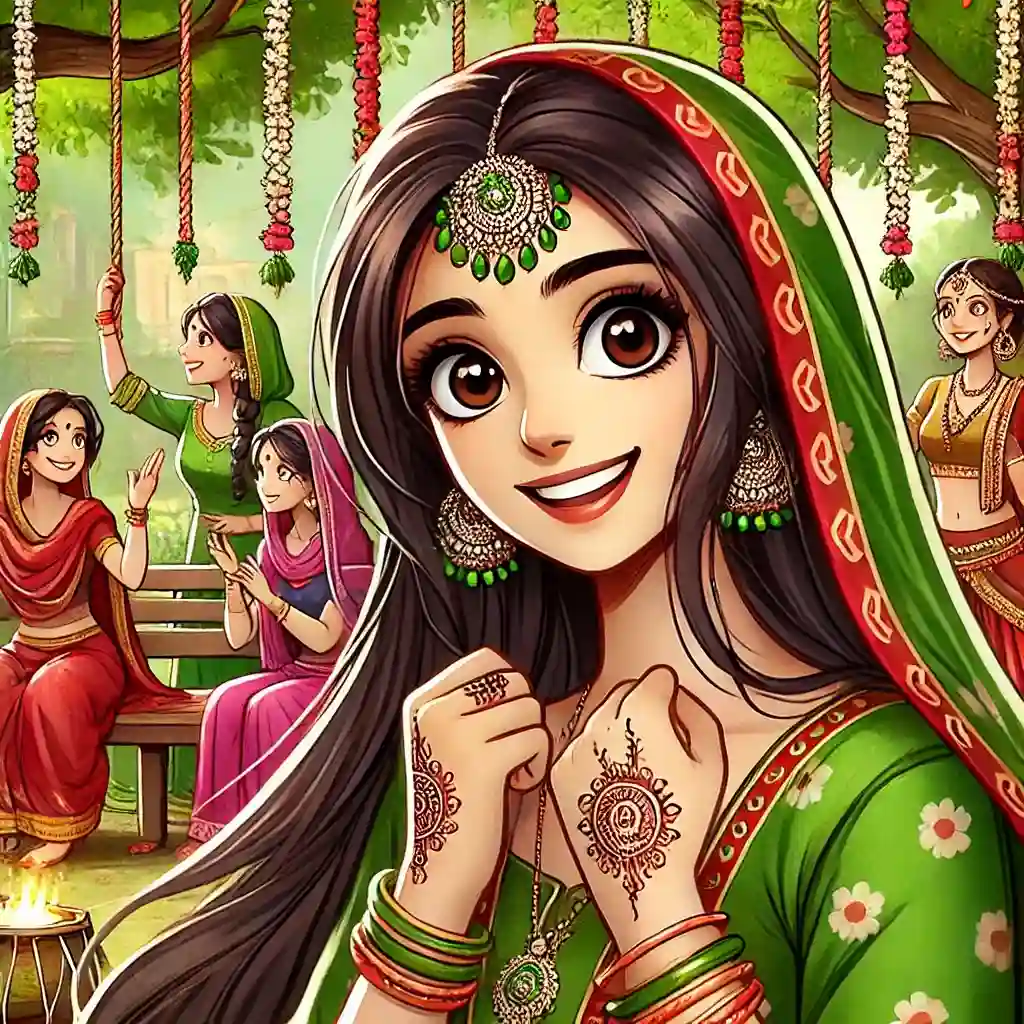
Hartalika Teej 2025 means more than just rituals and mythology to millions of women in the Indian subcontinent. The festival goes beyond religious observance and stands as a powerful expression of feminine strength and devotion.
Symbol of love and devotion
Teej Festival represents the purest expression of love and commitment. Women follow Parvati's steadfast dedication and draw inspiration from her extraordinary determination to win Shiva's heart. The Sanskrit wisdom captures this sentiment perfectly:
"यत्र नार्यस्तु पूज्यन्ते रमन्ते तत्र देवताः" (Where women are honored, there the gods are pleased)
This devotional aspect connects mortal relationships with divine love.
Strength and discipline through fasting
The Nirjala Vrat shows remarkable self-discipline and demands immense physical and mental strength.
This intense form of fasting reflects a woman’s inner strength and deep spiritual commitment beyond just following a tradition. The practice builds character and teaches patience and perseverance.
Sisterhood and community bonding
Hartalika Teej fosters strong connections among women as they come together to sing, dance, and encourage one another during the demanding fast. This sense of sisterhood forms nurturing spaces where women share stories and celebrate their shared experiences. These gatherings become emotional outlets where women express their accumulated joys and sorrows.
Spiritual growth and inner peace
The festival helps create profound spiritual transformation. Women experience inner clarity and divine connection through. Many devotees feel spiritually renewed after completing their vows & devotional practices.
Subscribe to learn more about spiritual guidance Swami Mukundananda's YouTube channel
Conclusion
The spiritual essence of Hartalika Teej 2025 lights up the path for countless devotees through generations. This sacred festival surpasses simple rituals and teaches profound lessons we can apply to modern life.
The Bhagavad Gita shares this wisdom:
"योगस्थ: कुरु कर्माणि सङ्गं त्यक्त्वा धनञ्जय |
सिद्ध्यसिद्ध्यो: समो भूत्वा समत्वं योग उच्यते" || 48||
The celebration brings this teaching to life through:
· Patience and perseverance through difficult fasts
· Steadfast devotion despite challenges
· Community support and collective spiritual growth
Hartalika Teej 2025 shows us how sincere devotion bears fruit, just as Parvati's steadfast dedication won Lord Shiva's heart. The festival teaches that spiritual discipline strengthens both divine connections and earthly relationships.
Women across India's cities and villages cherish this tradition and find new meaning in these age-old customs. The younger generation now values the festival's deeper meaning along with its vibrant celebrations.
Teej Festival creates a sacred space for spiritual renewal through both strict fasting and joyful community gatherings. The festival celebrates feminine strength, family bonds, and our rich cultural heritage.
You can learn more about Teej celebrations and other Hindu traditions on Swami Mukundananda's YouTube channel
FAQs About Hartalika Teej 2025
Devotees often ask practical questions about Hartalika Teej 2025 observances. Let's address the most common questions about this sacred celebration.
When is Hartalika Teej 2025?
Hartalika Teej in 2025 will be observed on Monday, August 25. The starts at 12:34 PM on August 25 and continues until 1:54 PM on August 26, Tritiya Tithi. Devotees should start their preparations early to receive optimal spiritual benefits from this auspicious occasion.
Is Hartalika Teej the same as Hariyali Teej?
These celebrations are different from each other. The ancient verse beautifully states:
"ऋतुनां कुसुमाकरः" (Among seasons, spring is supreme)
Hariyali Teej is celebrated earlier in the Shravan month and is associated with welcoming the monsoon. Hartalika Teej is observed in the Bhadrapada month and is dedicated to Goddess Parvati’s unwavering devotion to Lord Shiva. Both are counted among the three major Teej festivals observed annually.
Can unmarried girls observe the fast?
Absolutely! Unmarried women also participate in the fast, hoping to be blessed with a life partner who embodies the virtues of Lord Shiva. They may opt for a Nirjala (waterless) fast or a milder version that allows fruits. Their prayers focus on finding an ideal husband instead of marital longevity.
What are the main rituals of the day?
The observance starts with an early morning bath followed by the worship of clay idols representing Shiva and Parvati. Devotees recite the Hartalika Teej Vrat Katha and break their fast the next morning. Women usually wear green or red attire and decorate their hands with traditional mehndi designs.
Is there a live broadcast of the event?
Hartalika Teej celebrations are rarely streamed live from temples. The complete spiritual experience comes from participating in person at local temples and community gatherings.
What to bring for the puja?
The puja involves essential offerings such as flowers, fruits or sweets, and items used for Shringaar (adornment). Here's a list of essential offerings:
· Bilwa leaves and Dhatura flowers
· Red cloth, vermilion, and turmeric
· Clay to make Shiva-Parvati idols
· Incense sticks and ghee for the lamp
Subscribe to learn more about Hindu festivals and traditions on Swami Mukundananda's YouTube channel
Conclusion
Hartalika Teej 2025 is proof of devotion, feminine strength, and spiritual discipline in Hindu tradition. This sacred observance has connected women to divine energies and promoted community bonds for centuries. The festival combines mythology with practical devotion, letting devotees follow Goddess Parvati's path of steadfast dedication.
The rigorous Nirjala Vrat shows remarkable willpower and teaches valuable lessons about patience and perseverance. Women in vibrant attire from different regions of India create a mixture of cultural expressions while keeping the core spiritual essence alive. Their collective prayers and rituals build a powerful spiritual atmosphere that surpasses ordinary existence.
Hartalika Teej 2025 reminds us of the eternal truth from the Bhagavad Gita:
"अनन्यचेता: सततं यो मां स्मरति नित्यश: |
तस्याहं सुलभ: पार्थ नित्ययुक्तस्य योगिन: || 14||"
"O Parth, for those yogis who always think of Me with exclusive devotion, I am easily attainable because of their constant absorption in Me."
Modern families definitely benefit from this tradition's values - devotion, determination, and divine connection stay relevant across generations. Married women seek blessings for marital harmony while unmarried girls pray for ideal life partners, and both find spiritual sustenance through these time-honored practices.
The festival is more than just a religious observance - it celebrates feminine strength, cultural heritage, and spiritual awakening. Whether through strict fasting or joyful community gatherings, Hartalika Teej creates sacred space for contemplation and renewal. Subscribe to to learn more about Hindu festivals and spiritual practices.
While traditions may evolve, Hartalika Teej 2025's essence remains unchanged - sincere devotion, like Parvati's dedication to Lord Shiva, bears divine fruit. This ancient wisdom guides millions of devotees toward spiritual fulfillment and shows how sacred traditions continue to transform our contemporary world.
Key Takeaways
Hartalika Teej 2025 offers profound spiritual lessons through ancient traditions that celebrate devotion, feminine strength, and divine love between Lord Shiva and Goddess Parvati.
• Hartalika Teej 2025 falls on Monday, August 25th - observe the rigorous Nirjala fast and perform puja during morning (6:17-8:57 AM) or evening (7:39-9:47 PM) muhurat times.
• The festival celebrates unwavering devotion - Goddess Parvati's determination to marry Lord Shiva teaches that sincere spiritual dedication ultimately bears divine fruit.
• Nirjala Vrat demonstrates remarkable spiritual discipline - the waterless fast builds inner strength, patience, and creates deeper connection with divine energies.
• Regional celebrations unite diverse cultures - from Rajasthan's colorful processions to Nepal's temple gatherings, the festival showcases India's rich cultural tapestry while maintaining core spiritual essence.
• Women find empowerment through sisterhood - the festival creates sacred spaces for feminine bonding, emotional support, and collective spiritual growth across generations.
Whether you're seeking marital blessings or spiritual growth, Hartalika Teej provides a powerful pathway to divine connection through time-tested practices of devotion, fasting, and community celebration.
.jpg)
Hartalika Teej 2025
Radha Krishna Temple of Dallas
Celebrate the sacred festival of Hartalika Teej at the Radha Krishna Temple of Dallas!
This auspicious festival honors the devotion of Mata Parvati, who performed penance to marry Lord Shiva. Women observe fasts, perform vrat katha, and pray for marital bliss and spiritual growth.
🌸 Please bring flowers, sweets, and shringaar items for the pooja.
🌸 Event Highlights

Abhishek & Pooja
Sacred rituals dedicated to Mata Parvati and Lord Shiva.
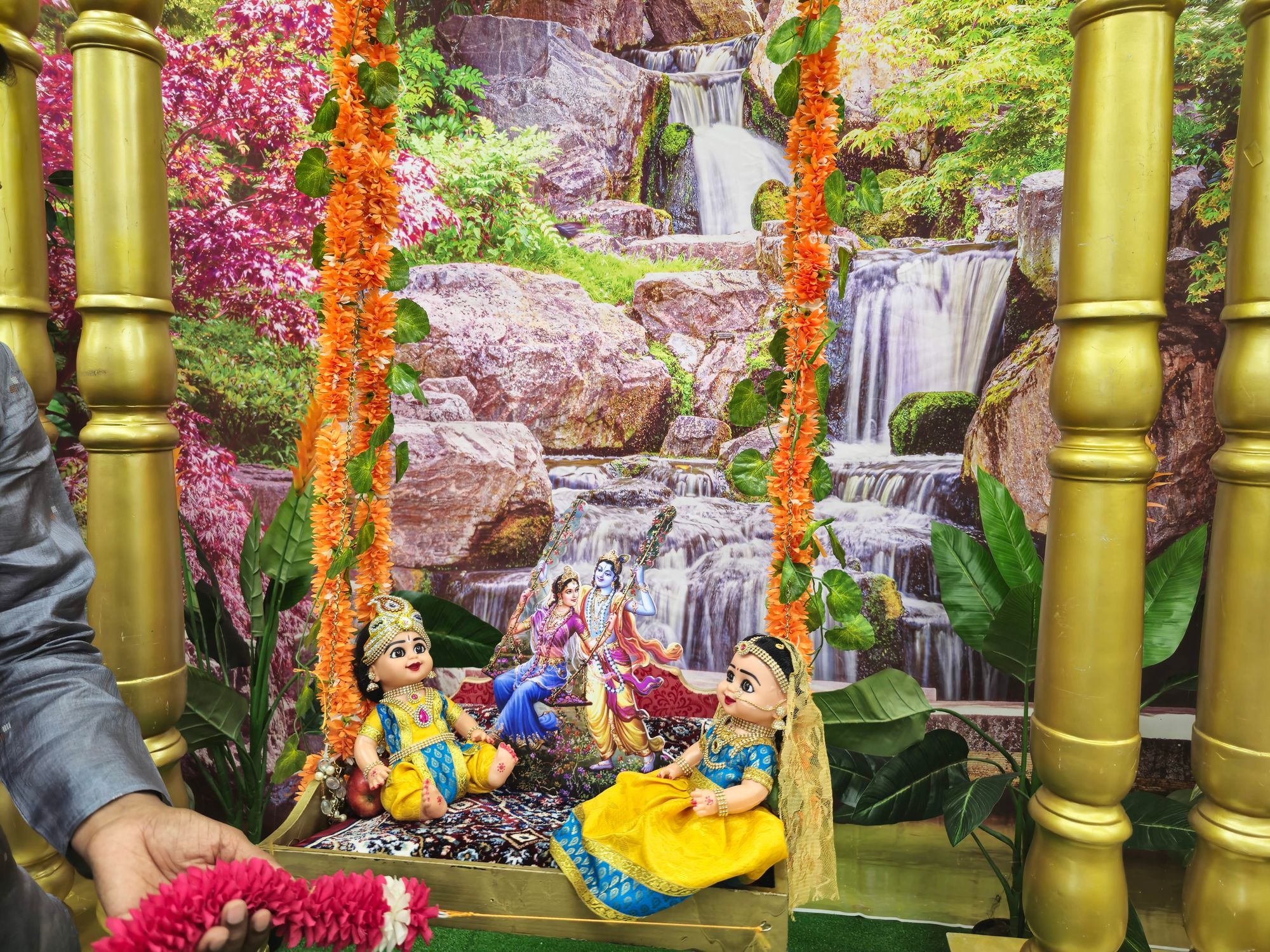
Bhajans & Vrat Katha
Soulful bhajans and stories of divine love & devotion.
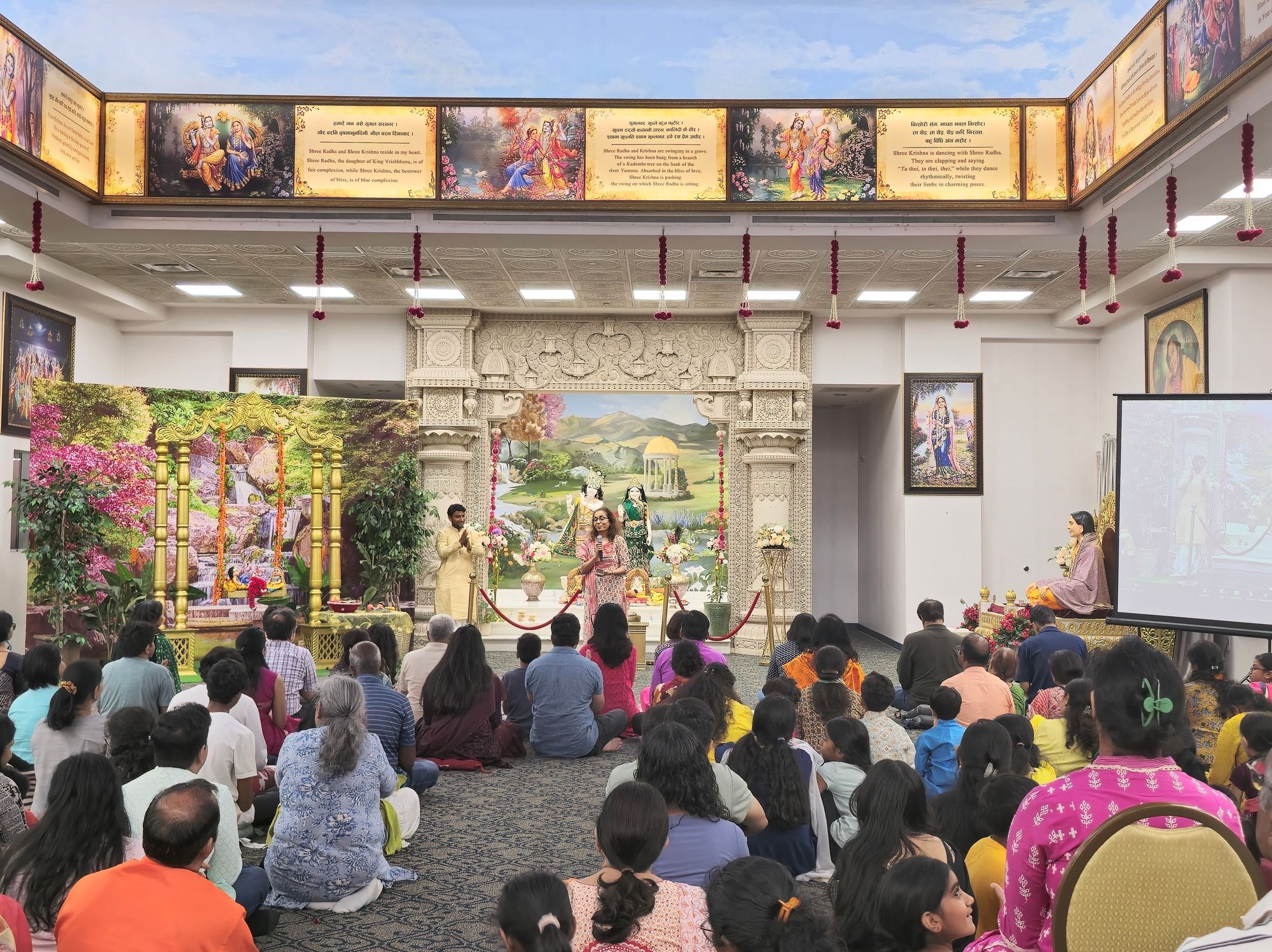
Cultural Festivities
Traditional dress, mehndi, and joyful celebration with the community.
🎁 Sponsorship Opportunities
Support the event by sponsoring puja, offerings, or rituals.
- 🧘♀️ Yajman – $501
- 🍉 Fruits & Flowers – $101
- 🙏 Samuhik Pooja – $21
FAQs
Q1. What is the spiritual significance of Hartalika Teej?
Hartalika Teej commemorates Goddess Parvati's unwavering devotion to Lord Shiva. It celebrates the power of dedication and love in spiritual relationships. Women observe fasts and perform rituals seeking blessings for marital harmony and the well-being of their spouses, while unmarried women pray for an ideal life partner.
Q2. When is Hartalika Teej in 2025, and what are the key timings?
Hartalika Teej 2025 falls on Monday, August 25. The Tritiya Tithi begins at 03:04 AM on August 25 and ends at 04:24 AM on August 26. The most auspicious times for puja are 06:17 AM to 08:57 AM in the morning and 07:39 PM to 09:47 PM in the evening.
Q3. What are the main rituals observed during Hartalika Teej?
The primary rituals include taking an early morning bath, worshiping clay idols of Shiva and Parvati, reciting the Hartalika Teej Vrat Katha, and observing a rigorous Nirjala (waterless) fast. Women typically dress in green or red attire, apply mehndi, and break their fast the following morning.
Q4. How does Hartalika Teej differ from Hariyali Teej?
While both are Teej festivals, they occur in different months and have distinct focuses. Hariyali Teej is celebrated in Shravan month and emphasizes monsoon celebrations. Hartalika Teej happens in Bhadrapada month and specifically honors Goddess Parvati's dedication to Lord Shiva.
Q5. What items are needed for the Hartalika Teej puja?
Essential items for the puja include flowers, fruits or sweets, and Shringar items. Other offerings comprise Bilwa leaves, Dhatura flowers, red cloth, vermilion, turmeric, clay for making Shiva-Parvati idols, incense sticks, and ghee for the lamp. These items are used to create a sacred atmosphere and make offerings to the deities.