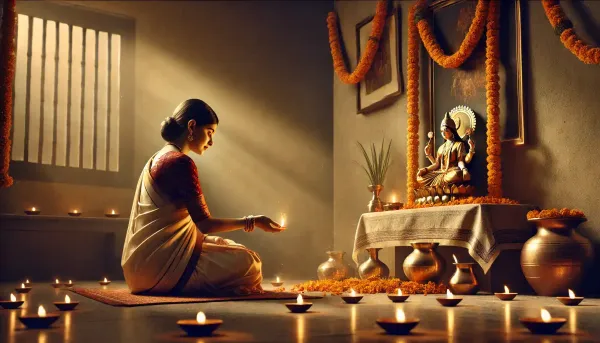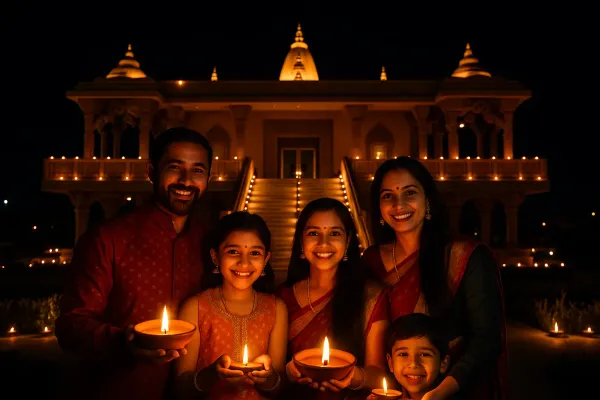
Imagine your home at dusk: the sky deepening, the soft glow of earthen lamps (diyas) beginning to line your doorstep and windowsills, the scent of fresh rangoli and marigolds in the air, children laughing, sweets being passed around, and the gentle hush of anticipation before the special puja begins. That’s the magic of Diwali — the “festival of lights” — and in 2025, it invites us into something deeper than just sparkle and fireworks.
Diwali is about light conquering darkness, knowledge revealing truth, renewal of home and heart, and community coming together. Whether you’re lighting one diya or a thousand, whether you’re in New Delhi or Dallas, taking a few thoughtful steps makes all the difference.
Here’s everything you need to know for Diwali 2025: when, why, how, and most importantly, what time you schedule your main puja if you’re in New Delhi or Dallas.
If you’ve heard two different answers for the Diwali date—October 20 and October 21—you’re not alone. Every year, the festival’s exact day depends on the Hindu lunar calendar, and in 2025 the new-moon (Amāvasyā) period spans across both October 20 and 21 in India time. That overlap is what causes the confusion

So… is it October 20 or October 21?
Here’s where things get slightly technical—but I’ll break it down simply:
- Because Diwali is tied to the lunar calendar (specifically the new-moon day or Amavasya) and local sundown times, the exact Gregorian date can vary or overlap between days.
- For 2025: Many authoritative sources list Monday, October 20 as the main day for the height of Diwali (the Lakshmi Puja night) in India.
- Some places list Tuesday, October 21 because the Amavasya tithi (lunar day) technically runs across the evening of Oct 20 into Oct 21.
- Bottom line: For practical purposes, plan your major celebration and puja on the evening of October 20 if you’re in India or Indian-time zones; the overlap into Oct 21 is a calendrical nuance.
The short answer
- Main Diwali / Lakshmi Puja is on Monday, October 20, 2025. Most calendars and almanacs note Diwali 2025 as October 20, with Lakshmi Puja performed during Pradosh Kaal (evening twilight) when Sthir Lagna (a “fixed” ascendant—traditionally Vrishabha/Taurus) is in effect.
- The Amāvasyā tithi begins on the afternoon/evening of October 20 and ends the next day, October 21 (exact clock times differ by location). That’s why you may see both dates referenced online.
City-Specific Muhurat: When to Conduct the Lakshmi Puja
Here are the precise windows for the main puja dedicated to Lakshmi in 2025, for New Delhi and Dallas. These windows aim to align with Pradosh Kaal (the evening twilight), a “fixed” ascendant (often Taurus/Vrishabha), and the tithi..
2025 Lakshmi Puja Muhurat (City-Specific)
New Delhi (IST)
- Lakshmi Puja Muhurat: 7:08 PM – 8:18 PM (Monday, Oct 20, 2025)
- Pradosh Kaal: 5:46 PM – 8:18 PM
- Amāvasyā tithi: Starts 3:44 PM on Oct 20; ends 5:54 PM on Oct 21
These are the commonly referenced Delhi timings for Diwali 2025.
Dallas, Texas (local time)
- Lakshmi Puja Muhurat: 8:06 PM – 9:22 PM (Monday, Oct 20, 2025)
- Pradosh Kaal: 6:48 PM – 9:22 PM
- Vrishabha (Taurus) Lagna: 8:06 PM – 9:59 PM
- Amāvasyā tithi: Starts 5:14 AM on Oct 20; ends 7:24 AM on Oct 21
These timings are calculated specifically for Dallas and already adjust for DST.
Tip: If you live in a suburb of either city, you can safely use these windows as-is. Within a metro area, the differences are negligible.
Why Diwali “moves” each year (and why two dates appear)
Diwali isn’t linked to a fixed solar date; it’s observed on the Amāvasyā (new-moon) night of the month of Kartika (per many regional traditions). Because lunar months don’t line up perfectly with the Gregorian calendar, Diwali shifts between roughly mid-October and mid-November. In 2025, calendars across India and the U.S. agree on Monday, October 20 as the main day for Lakshmi Puja.
The two-date confusion happens because:
- The tithi (lunar day) starts and ends at specific clock times, not at midnight.
- In 2025, Amāvasyā begins on Oct 20 and runs into Oct 21 (India time), so some listings mention both days. The Puja, however, is anchored to Pradosh Kaal with Sthir (fixed) Lagna on Oct 20, which is why that date is used for Lakshmi Puja.
What exactly is the muhurat, and why it matters
- Pradosh Kaal is the period just after sunset, considered ideal for Diwali worship.
- Sthir Lagna—especially Vrishabha (Taurus)—is preferred because “sthir” means fixed: the belief is that worship done in this ascendant helps invite and retain Shri Lakshmi’s blessings at home. On the Dallas chart, you’ll notice Vrishabha Lagna overlaps neatly with Pradosh Kaal; in Delhi, the recommended puja window sits inside Pradosh Kaal as well.
What to Do: A Friendly Step-by-Step Puja Plan
Here’s a user-friendly plan you can follow—whether you’re hosting in a family home in New Delhi or a living room in Dallas.
1. Start Early (Before the Window)
- Clean and declutter the puja area and your entrance. Sweep the doorstep.
- Arrange rangoli or a simple decorative mat at the entrance. Hang torans (mango-leaf/marigold) if possible.
- Set up your altar: a raised platform, a clean cloth (preferably red for Lakshmi), your deity images or murtis of Lakshmi & Ganesha.
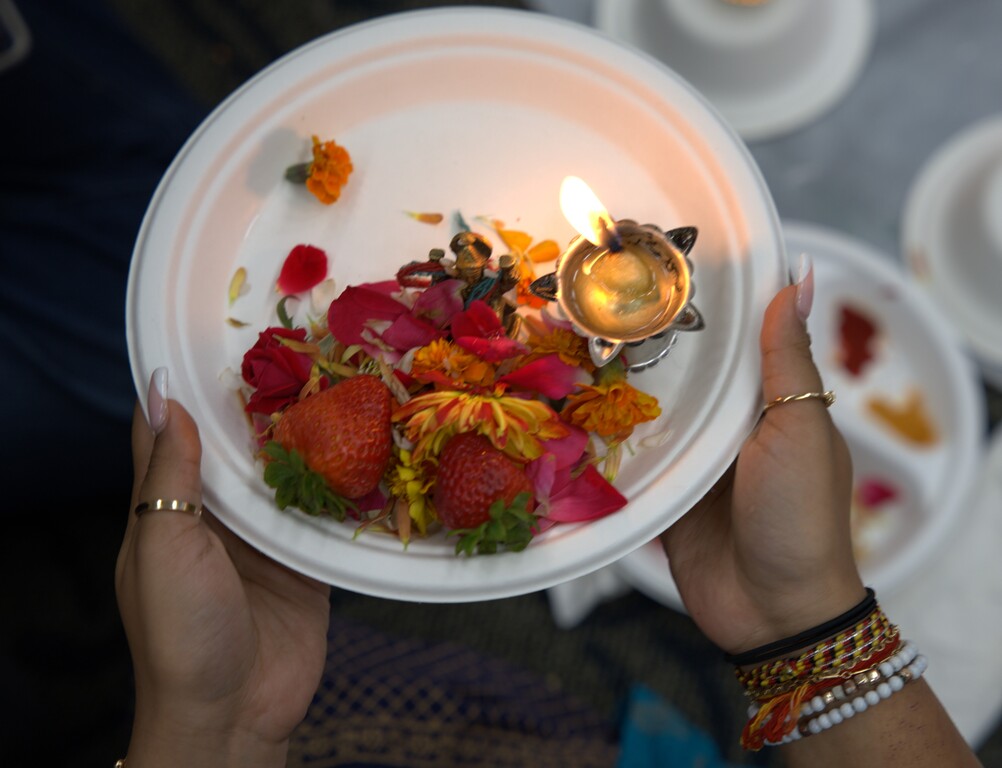
- Keep your puja plate (thali) ready: incense, lamp (deepa), ghee or oil, cotton wicks, flowers, akshata (rice with turmeric), fruits/sweets, water, kumkum/haldi.
- Light a few simple lamps early around the house for ambiance and to ‘invite’ light.
- Let children help with decorating—it adds joy and connection.
2. At the Muhurat (Main Time Window)
- Sit facing East or North (if possible). Take a moment of silence—reflect on light, knowledge and renewal.
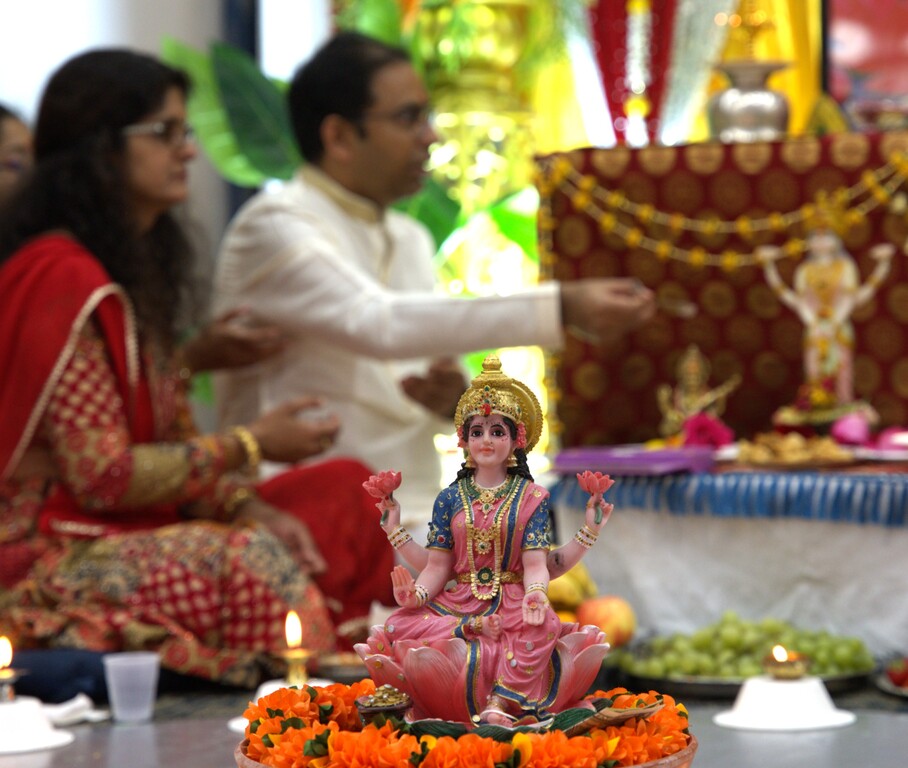
- Start the puja: invoke Lord Ganesha (the remover of obstacles) followed by Goddess Lakshmi (wealth, wisdom, well-being).
- Offer your items in order: water, akshata, flowers, incense, lamp, sweets/fruit. Focus on sincerity.
- Bring in family—have someone ring a small bell gently each time you make an offering.
- Recite a short aarti, or play a recorded one if you’re not familiar. The essence is devotion, not perfection.
- If your family tradition includes ledger/“chopda” puja (for business/new year accounts), do that right after the main bits.
3. After the Window
- Distribute prasād (sweets/fruits) among family, friends, community.
- Light a circle of diyas outside your home or on a balcony—symbolic expansion of light.
- Take a relaxed moment: share a story of Diwali with children, exchange greetings/calls with relatives, watch the diyas flicker.
- If you have fireworks or sparklers, wait until after the puja and aim to keep usage modest and save
Final Thoughts — Make It Your Own
With all the timings, muhurats and rituals laid out, here’s the heart of it: make this Diwali meaningful for your home.
- Light one extra diya for someone who needs light in their life.
- Have a conversation at the lamps: what darkness you want to move beyond this year?
- Share sweets with someone you haven’t spoken to in a while.
- Turn off screens for 15 minutes and just watch the flickering light together as a family.
The outer sparkle is fun—fireworks, lamps, dresses—but the inner sparkle is far richer: joy, connection, clarity, renewal.
So gather your lamps, your materials, your family or friends, and step into the diya-lit warmth of Diwali 2025
New Delhi vs. Dallas: how to think about time zones
- The muhurat is local. The auspicious window is calculated for your city’s sunset, local sidereal ascendant, and the tithi in your time zone.
- That’s why Dallas has a later-clock muhurat (after 8 PM local) versus Delhi (after 7 PM IST), even though the festival is the same.
A practical checklist
Before sunset
- Clean the puja area and entrance.
- Draw rangoli/kolam; hang torans; place diyas ready to light.
- Arrange murtis, kalash, puja thālī, flowers, incense, lamp, cotton wicks, ghee/oil, rice (akshata), kumkum/haldi, sweets/fruit, water, and a new coin or note.
During the muhurat
- Light the main lamp, invoke Ganesh and Lakshmi.
- Offer flowers, akshata, incense, lamp, and food.
- Recite a short stotra or aarti with family participation.
- (Optional) Ledger/Chopda Puja for new beginnings.
After
- Distribute prasād.
- Share diyas on the doorstep or balcony.
- Call family and friends in other time zones (remember: their muhurat differs!).
Closing thought
Diwali is a festival of light, clarity, and values—it’s as much about renewing our inner compass as it is about diyas and sweets. If you keep the spirit of gratitude and generosity at the heart of your celebration, you’re doing it right—whether you’re in the hustle of New Delhi or the spacious suburbs of Dallas.
📣 Final Call to Action
🕯️ This Diwali, don’t just scroll through content — transform through it.
✨ 👉 Subscribe to Swami Mukundananda’s YouTube Channel
Join thousands in accessing the Gita wisdom, mind management, bhakti yoga, and transformational guidance that can light your entire year.
🎉 Join a Larger Celebration — Community Diwali 2025
✨ "Spirituality blossoms in community." — Swamiji
After your home celebrations, consider joining a temple or satsang-based Diwali to experience the true essence
🛕 We Recommend: The Grand Diwali 2025 Festival at the Radha Krishna Temple of Dallas
📍 Allen, Texas
📅 October 18–23, 2025
🎉 Event Website →
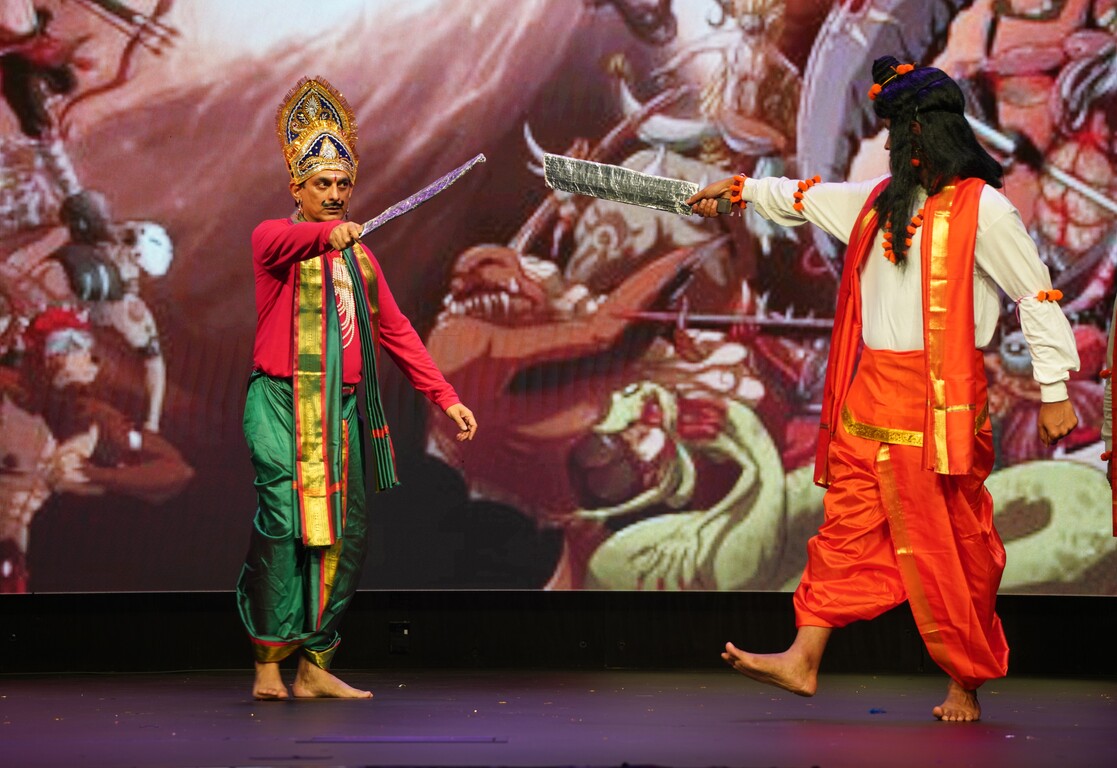
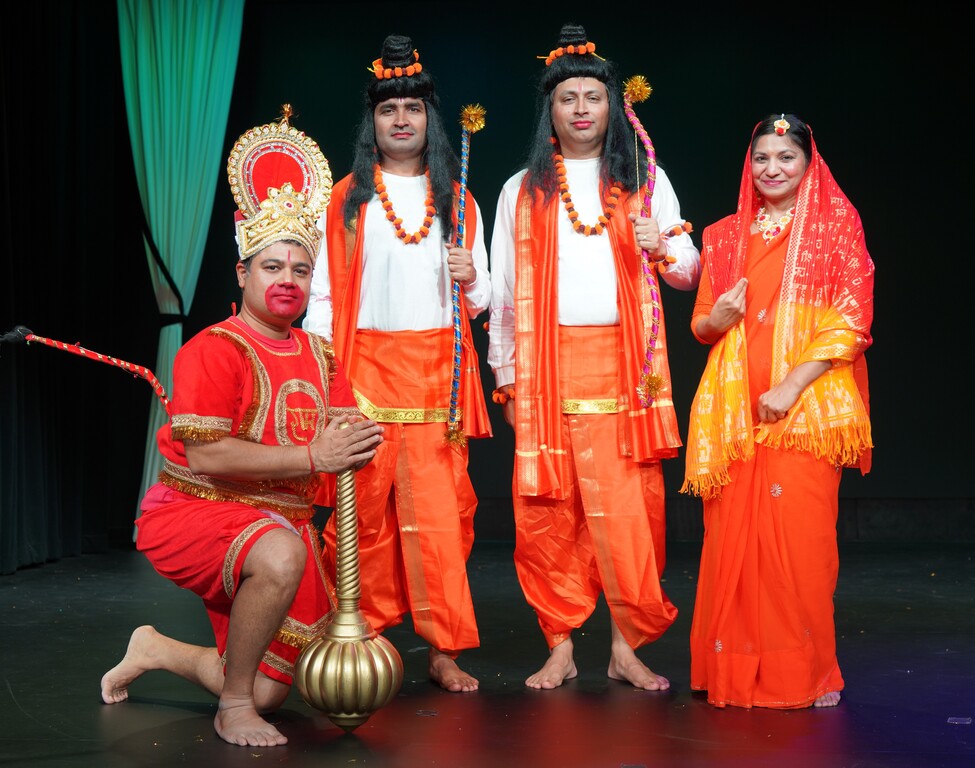
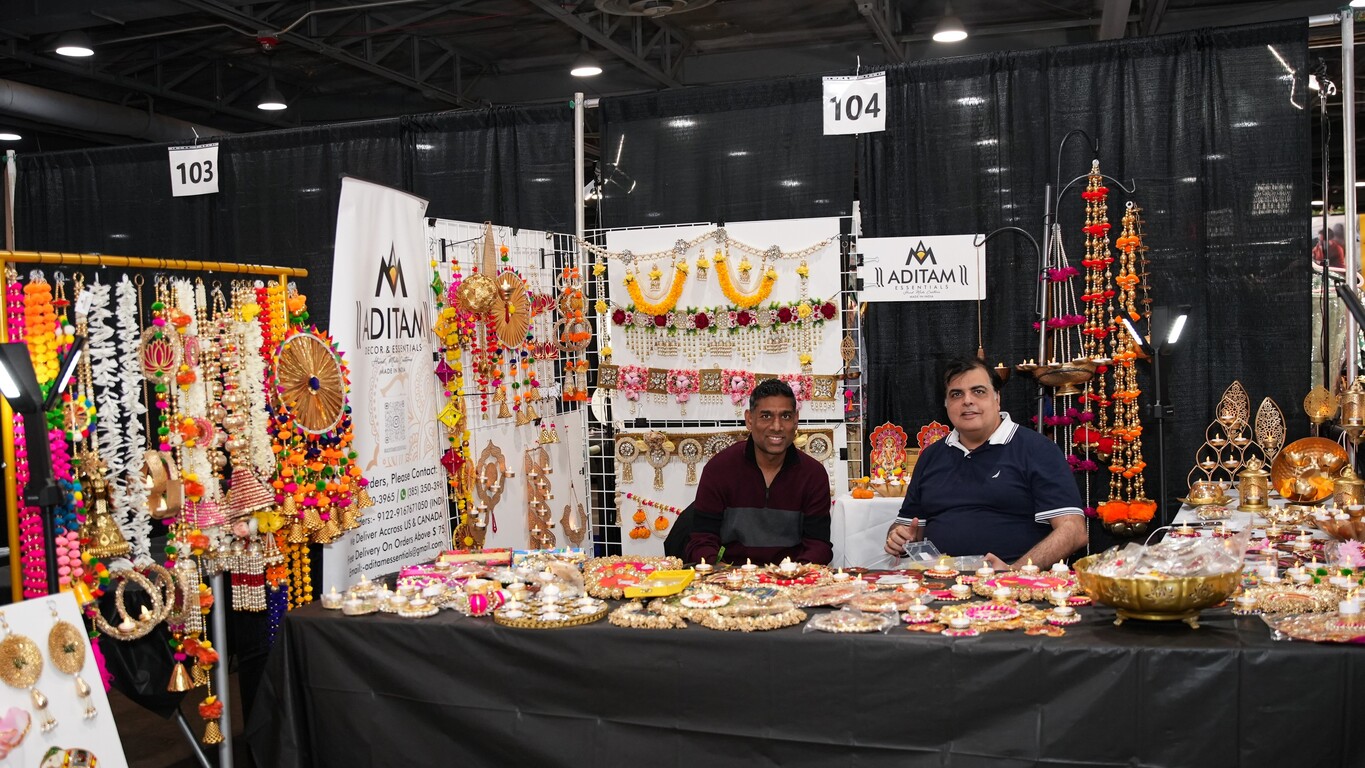
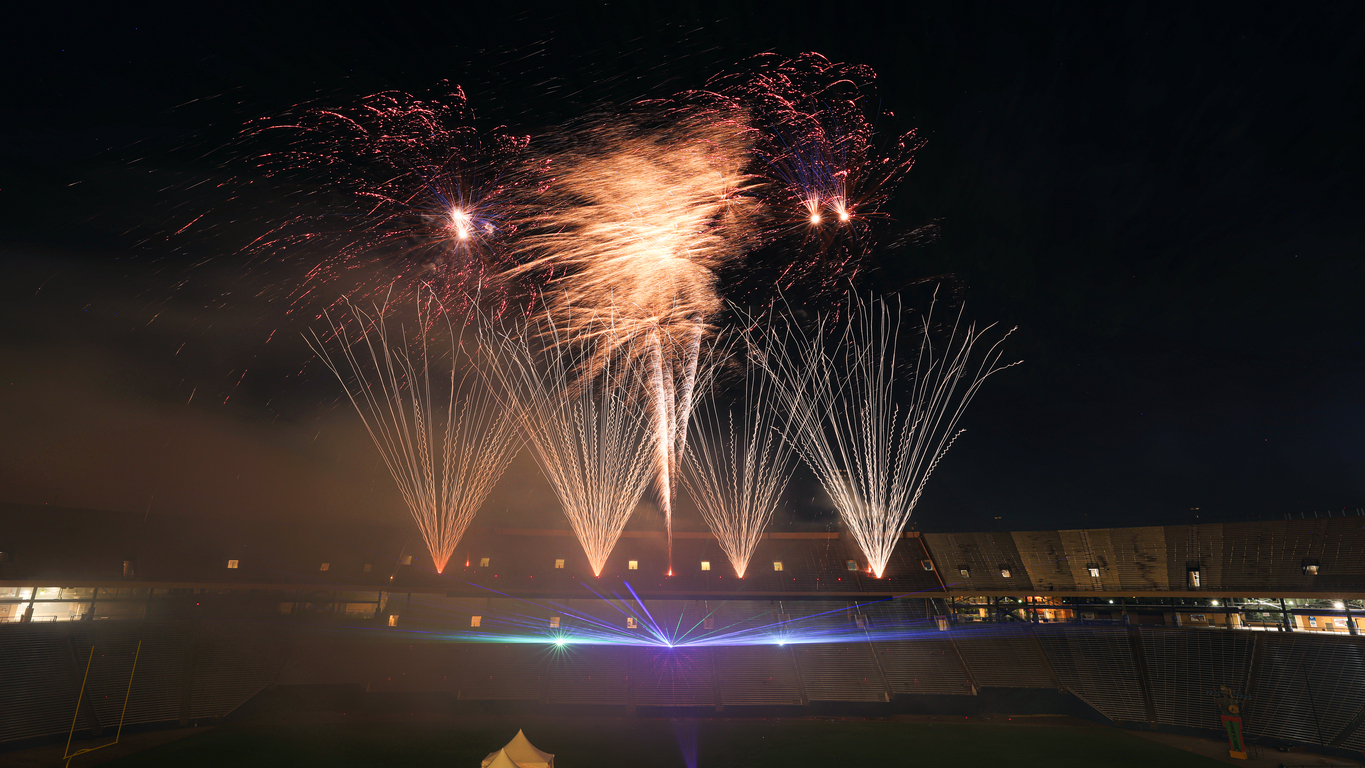
This year’s events include:
- Lakshmi Puja & Annakut
- Cultural performances
- Youth activities
- Govardhan Leela
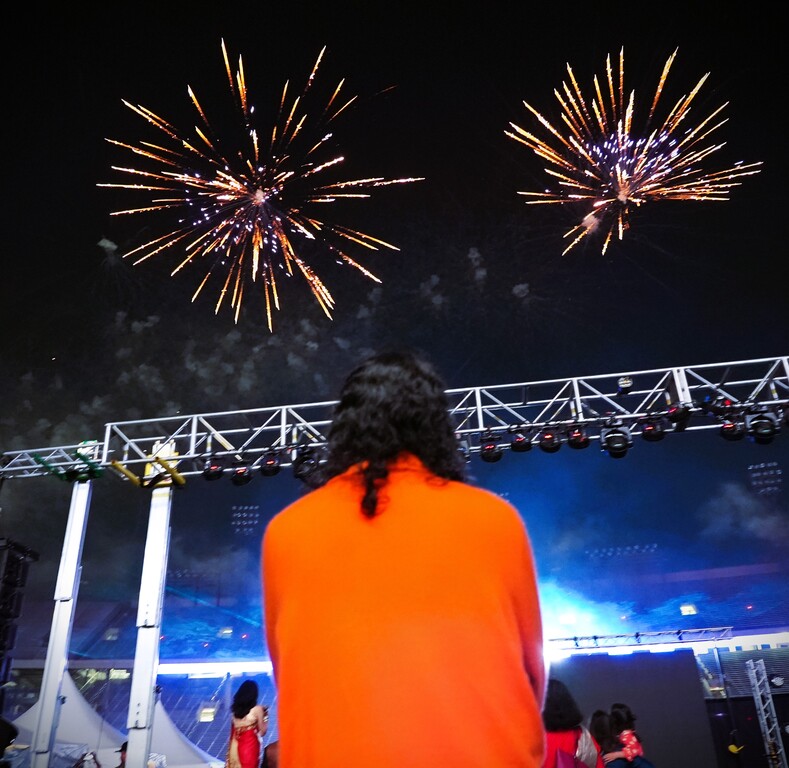
- Grand Aarti & Fireworks
- Delicious vegetarian prasadam
Diwali Mahotsav 2025 at Radha Krishna Temple of Dallas
A Celebration of Lights, Devotion & Festivities
October 17–21, 2025
Special Events: 24-Hour Akhand Ramayan Paath (Oct 11) | Govardhan Pooja (Oct 21)

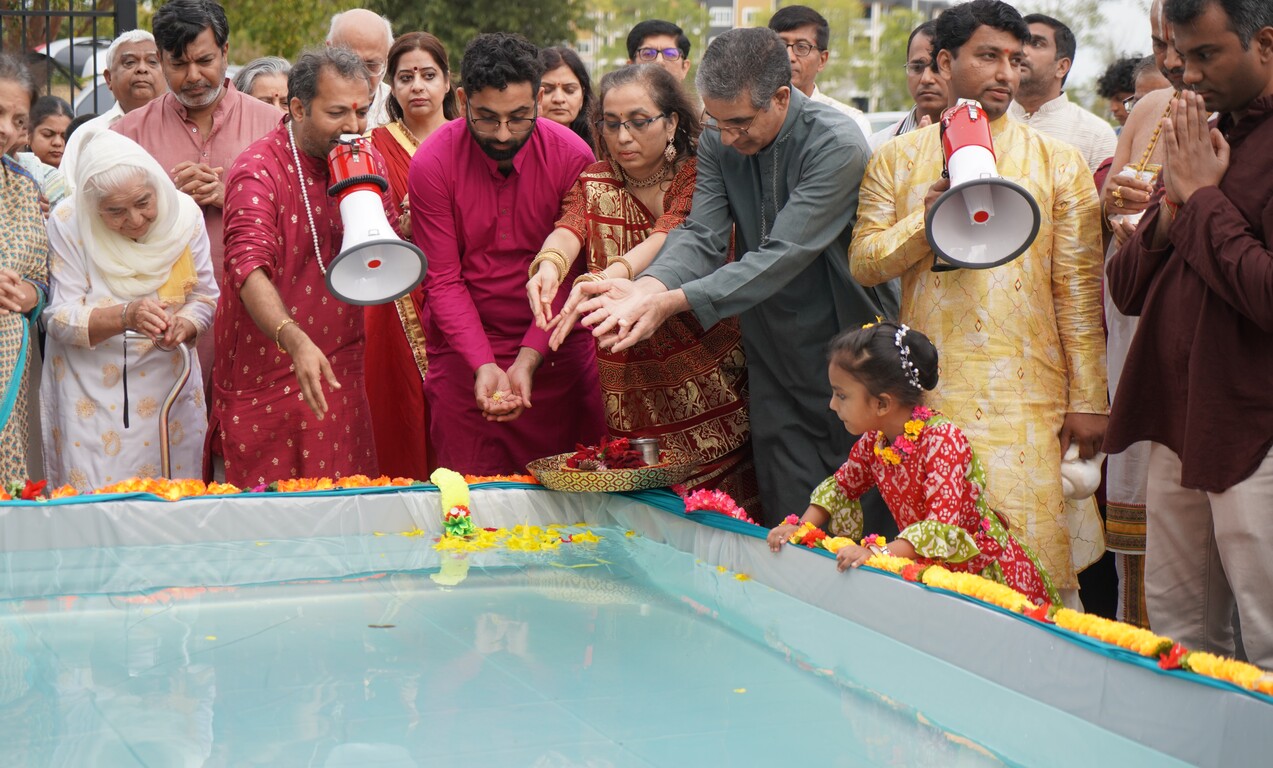
💡 Click to light a diya
“Diwali is not just about external lights, but about lighting the lamp of knowledge within our hearts.”

🚫 No outside fireworks allowed. Only authorized fireworks are permitted.
🌟 Frequently Asked Questions (FAQs)
1. Why do different websites show two dates for Diwali 2025?
Because Diwali follows the lunar calendar, the key date depends on when the Amāvasyā Tithi (new-moon day) occurs in your time zone.
In 2025, the Amāvasyā begins on October 20 and ends on October 21 in India time, so some regional almanacs list both days.
However, most authorities (including Drik Panchang and Book My Pooja Online) recommend observing Lakshmi Puja on the evening of October 20, 2025, since that’s when Pradosh Kaal coincides with Sthir Lagna.
2. What is the significance of the “Lakshmi Puja Muhurat”?
The muhurat (auspicious time) is calculated using Pradosh Kaal (the twilight window after sunset) and a Sthir Lagna (a fixed ascendant, ideally Vrishabha / Taurus).
Hindu astrologers believe worship performed during this fixed sign brings stability and enduring prosperity.
It’s not superstition—it’s symbolic timing rooted in centuries of astronomical observation.
3. What if I can’t perform the puja at the exact given time?
Don’t stress! The muhurat is a guideline, not a rule.
As long as you perform the core worship during Pradosh Kaal (roughly within an hour or so after sunset), your devotion counts.
You can always do the aarti or light diyas slightly before or after the precise window if family schedules differ.
4. Is the Diwali celebration in the U.S. on the same day as in India?
Usually yes—but sometimes it shifts by a few hours or a full day.
Because tithis (lunar days) begin and end at different local times, countries west of India (like the U.S.) might experience Amāvasyā on the previous evening.
For 2025, both India (New Delhi) and U.S. (Dallas) celebrate on Monday, October 20, but with locally adjusted muhurats.
5. What are the other important days around Diwali 2025?
Diwali is actually a five-day festival:
- Dhanteras – Saturday, Oct 18 (wealth & well-being)
- Naraka Chaturdashi / Chhoti Diwali – Monday morning, Oct 20 (spiritual cleansing)
- Main Diwali / Lakshmi Puja – Monday evening, Oct 20
- Govardhan Puja / Annakut – Wednesday, Oct 22
- Bhai Dooj – Thursday, Oct 23
📚 Reference List (for citation or end-of-post inclusion)
- Drik Panchang. Diwali 2025 Date & Muhurat.
- Book My Pooja Online. Diwali 2025 – Tithi & Significance.
- Ganesha Speaks. Diwali: The Festival of Glitter and Dazzle.
- JKYog. Diwali 2025 – Festival of Lights Guide. https://www.jkyog.org/blog/diwali-2025-dates-festival-of-lights-guide