
The Busy Hindu’s Guide to a Peaceful and Productive Morning: A Story of Transformation
Imagine this: It’s 6:30 AM on a Monday morning, and you wake up to the sound of your alarm blaring. The day ahead promises to be another chaotic one, with meetings, emails, phone calls, and errands already filling your mind before you’ve even had a chance to stretch. You roll out of bed, feeling the weight of the world on your shoulders, knowing you have so much to do but not quite sure how to begin. Your energy is low, your mind is scattered, and you’re already feeling overwhelmed before you even get your first sip of coffee.
But then, as you sit on the edge of your bed, you remember something that has always helped you in the past: a sense of peace and purpose. You close your eyes for a moment and take a deep breath. You’ve heard the stories from elders about how their mornings always started with spiritual practices, small yet powerful rituals like chanting mantras, meditating, and offering prayers. Intrigued by these practices, you decide to try something different this morning
With a sense of curiosity, you begin to recite a short Gatha, followed by a few minutes of meditation, a prayer, and a quick yoga sequence. Slowly, the tension in your body starts to ease. You feel a sense of calm washing over you. Your heart rate slows, your mind clears, and by the time you’re finished, you feel ready to take on the world with clarity and purpose.

This simple shift in how you begin your day transforms your morning routine, creating space for you to feel centered, peaceful, and connected, even on the busiest of days. As you dive into your daily tasks, you notice something incredible: you’re not only more productive but also more grounded, focused, and spiritually aligned
If you’re a busy Hindu trying to balance life’s demands while staying true to your spiritual practices, this blog will show you how to incorporate five powerful morning rituals (Gatha, Meditation, Prayer, Yoga, and Setting Intentions) into your day. These rituals are designed to help you start your day on the right note, even when life is pulling you in all directions.
1. The Power of Gatha: Connecting with Your Inner Self

A Gatha is a sacred verse or hymn that holds deep spiritual significance. In Hinduism, these hymns can invoke peace, wisdom, and protection. Gathas, which are often chanted during rituals or prayers, offer a direct link to your inner self, helping to calm the mind and elevate the spirit. They remind you of your spiritual goals and can serve as a powerful tool for self-reflection and personal growth.
Why Gatha?
For a busy Hindu, a quick but meaningful Gatha can serve as an ideal way to reconnect with your spiritual self. Reciting a Gatha in the morning helps set the tone for the day, allowing you to begin with a focused mind and a calm heart. It also serves as a reminder that beyond the hustle and bustle of daily life, there is a higher purpose that aligns with the universal energy.
Moreover, Gathas contain deep philosophical meanings that can inspire inner strength and clarity. When you recite a Gatha, you connect with the wisdom of ancient scriptures, filling your soul with positivity and divine grace. This connection to your higher self can make it easier to tackle challenges throughout the day.
Quick Gatha to Try:
- Gayatri Mantra: This is one of the most revered and powerful Gathas in Hinduism. It invokes the blessings of the Sun God, offering peace, wisdom, and enlightenment. You can recite it at the beginning of your day to center your mind and invite clarity into your thoughts."Om Bhur Bhuvah Swaha, Tat Savitur Varenyam, Bhargo Devasya Dhimahi, Dhiyo Yo Nah Prachodayat."
The Gayatri Mantra has the ability to uplift your mind, body, and soul, bringing you closer to a state of inner peace.
How to Integrate:
Set aside 3 minutes in the morning for the recitation of a simple Gatha or mantra. If you're pressed for time, the Gayatri Mantra is an excellent choice as it’s short yet powerful. Find a quiet space in your home, sit comfortably, and chant the mantra either aloud or silently in your mind. This simple practice will help you create a peaceful environment for your day ahead.
2. Meditation: A Simple Yet Effective Practice to Start the Day with Clarity
Meditation is the art of quieting the mind, bringing awareness to the present moment. Even a few minutes of meditation can significantly reduce stress, improve mental clarity, and increase your sense of well-being. The beauty of meditation lies in its simplicity; you don’t need any special equipment or a specific location to practice it. All you need is a few moments of quiet and a focused mind.
Why Meditation?
Starting your day with meditation has numerous benefits. It reduces anxiety, clears mental fog, and improves focus. It also helps you develop a calm and balanced perspective, which is especially helpful when facing the challenges of a busy day. Meditation can make you more present and mindful in everything you do, from work tasks to personal interactions.
A regular meditation practice also helps you create a sacred space in your mind where you can tap into inner peace. It’s an anchor amidst the external chaos, allowing you to maintain a sense of calm and clarity no matter what comes your way.
Simple Morning Meditation to Try:
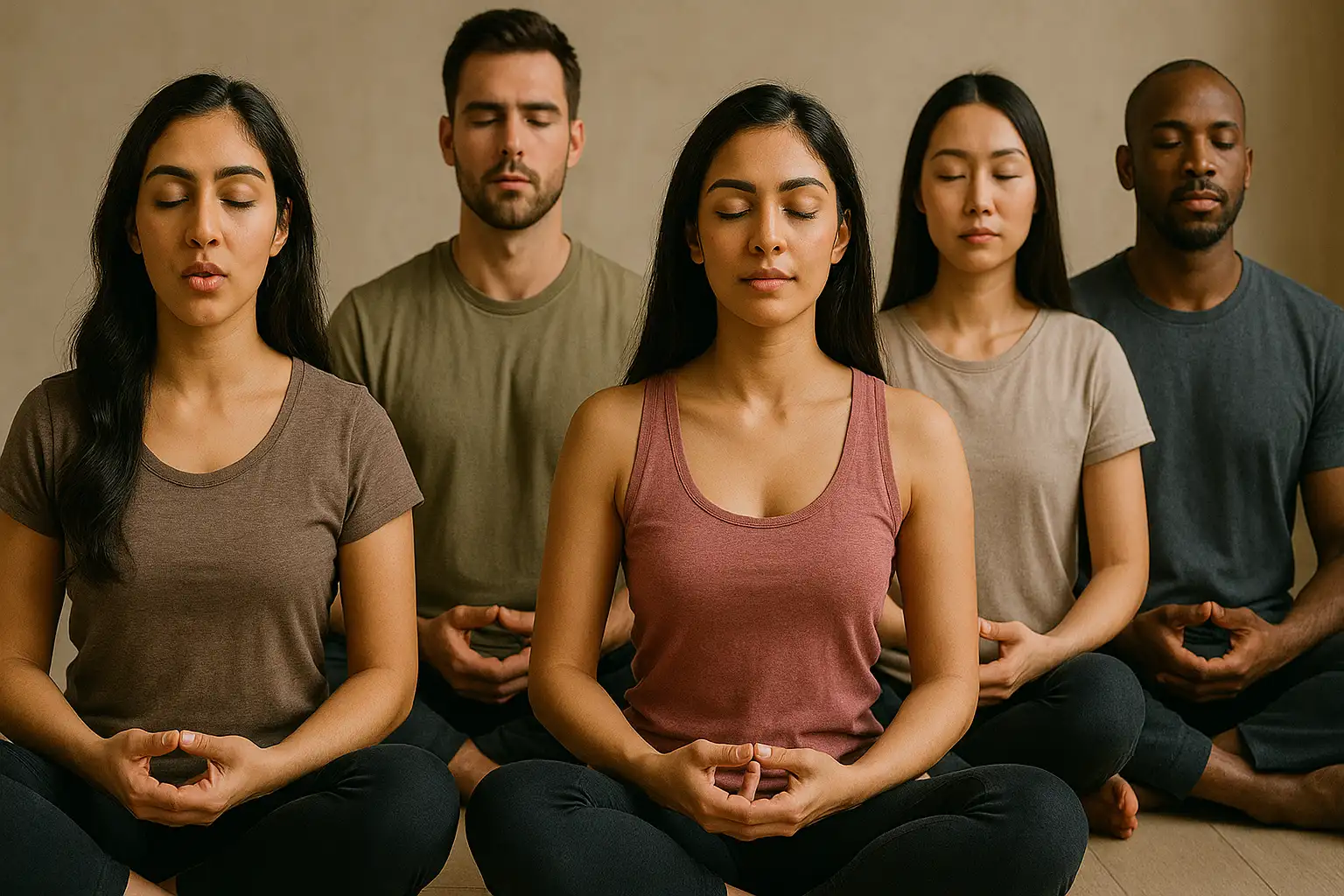
- Breathing Meditation: Begin by sitting in a comfortable position with your spine straight. Close your eyes and bring your focus to your breath. Inhale deeply through your nose, hold for a few seconds, and exhale slowly through your mouth. Allow any distractions or worries to fade away as you center yourself on the breath. Repeat this process for 5-10 minutes.
- Mantra Meditation: Combine your Gatha practice with meditation by silently repeating a mantra during your session. For example, the Hare Krishna Maha Mantra is a simple and powerful chant that invokes devotion, joy, and purification of the mind. Focus on the vibrations of the mantra and allow it to fill your mind with positive energy
How to Integrate:
If you’re new to meditation, start with just 5 minutes in the morning before you begin your day. You can do it first thing in the morning, after you wake up, or before you start any tasks. Over time, you may choose to extend the duration to 10 or 15 minutes as you become more comfortable with the practice.
3. Prayer: Offering Gratitude and Seeking Blessings for the Day Ahead

Prayer is an essential practice in Hinduism, offering a way to connect with the divine, express gratitude, and seek blessings. It’s an act of devotion that creates a sacred moment in your day, grounding you in faith and spiritual purpose. Whether you’re praying to Lord Ganesha for success or offering thanks to Surya for health, prayer can provide comfort and strength throughout your day.
Why Prayer?
Prayer helps you begin the day with a positive mindset, reminding you of your spiritual values and the divine support that guides you. It’s a time to reflect on your blessings, ask for guidance, and seek the strength to face challenges. By including prayer in your morning routine, you set the tone for a day filled with grace, wisdom, and divine protection.
Simple Morning Prayer to Try:
- Surya Namaskar Prayer: Begin by offering your thanks to Surya, the Sun God, for the energy and light that nourish your life. Stand in a reverent posture, close your eyes, and say:"O Lord Surya, You are the source of light and energy, You are the supreme dispeller of darkness. Please bless me with wisdom, strength, and good health."
- Simple Gratitude Prayer: Take a moment to express gratitude for the gift of the new day. A simple prayer like, "Thank you, God, for the gift of today. Please guide me to make the best decisions and serve others with love and compassion," can be very effective.
How to Integrate:
Offer a prayer immediately after your meditation or Gatha practice. You can say it aloud, in your heart, or silently. If you have a home altar, stand before it and offer your prayers there. Alternatively, you can pray anywhere that feels comfortable and peaceful.
4. Yoga: Stretching and Connecting with Your Body
Incorporating yoga into your morning routine is a powerful way to strengthen your body, increase flexibility, and promote relaxation. Hindu philosophy emphasizes the importance of harmonizing body and mind. Yoga serves as the perfect practice to connect both, especially in the morning when your body needs a gentle awakening.
Why Yoga?
Yoga helps release tension, improves circulation, and increases energy levels. It also strengthens the mind-body connection, allowing you to approach the day with a calm and focused mind. A short yoga session in the morning can help you feel refreshed, rejuvenated, and ready to take on the tasks ahead.
Simple Yoga Poses to Try

- Surya Namaskar (Sun Salutation): This sequence of 12 poses is an excellent way to stretch your body and energize your mind. It promotes circulation and flexibility while also calming the nervous system.
- Child’s Pose (Balasana): This restorative pose helps release tension in your back and shoulders. It’s a perfect pose to begin your practice with, as it encourages relaxation and deep breathing.
- Seated Meditation Pose (Sukhasana): This pose involves sitting cross-legged with your spine straight, focusing on your breath. It’s an excellent way to transition from physical practice to a more meditative state.
How to Integrate:
Dedicate 5–10 minutes each morning to yoga. You don’t need an elaborate practice; even a few simple stretches or a flow of Surya Namaskar can make a significant difference in how you feel. If time is tight, a few minutes of deep breathing and stretching can still help rejuvenate you for the day ahead
Swami Mukundananda’s Insights on Morning Rituals
1. Gatha & Mantra Recitation
Swamiji emphasizes that mantra recitation is not just a task but a form of devotion. Each recitation should be offered with sincerity, connecting you to the divine. He suggests that even a short, heartfelt mantra can ground your mind and elevate your spiritual state, preparing you for the day ahead.
2. Meditation
Swamiji teaches that meditation is not just about calming the mind but observing it. He encourages daily meditation, even for just 5–10 minutes, to train the mind to detach from distractions and build inner peace. Over time, this practice enhances emotional resilience and spiritual clarity.
3. Prayer & Devotion
For Swamiji, prayer is a vital part of daily sadhana. He advises keeping the mind anchored in the divine throughout the day. Simple prayers or devotional thoughts can transform ordinary tasks into spiritual acts, helping you stay aligned with your higher purpose.
4. Yoga
Swamiji emphasizes that yoga is not just physical but a way to prepare the body for meditation. He recommends using yoga to harmonize the body and mind, making it easier to focus and meditate. Short stretches or asanas can energize the body and calm the mind, helping you begin your day with vitality and focus.
5. Consistency & Intention
Swamiji believes in the power of consistent practice. Even small, daily efforts, when done with sincerity, lead to long-term spiritual growth. He advises setting a clear intention each morning to guide your actions and cultivate inner peace, allowing incremental improvements to lead to profound transformation
5. Set an Intention for the Day: Aligning Your Goals with Your Spiritual Purpose
Setting an intention is a powerful practice that can align your actions with your higher purpose. It’s a way of guiding your energy throughout the day, helping you focus on what truly matters. When you set an intention in the morning, you create a roadmap for how you want to navigate the day with clarity and purpose.
Why Setting an Intention?
An intention helps you stay focused on your spiritual and personal goals. It serves as a reminder to live with integrity, compassion, and mindfulness. Setting an intention in the morning can enhance your sense of purpose and help you approach every task with a sense of alignment to your higher self.
How to Set an Intention:
Take a few moments to reflect on your goals and desires for the day. Ask yourself, "What do I want to accomplish today?" or "How can I serve others with kindness and grace?" Keep your intention simple, such as "Today, I will remain patient and calm," or "I will prioritize love and compassion in my actions."
How to Integrate:
Set your intention after your prayer or meditation practice. You can write it down in a journal, say it aloud, or simply hold it in your mind throughout the day.
Conclusion: Start You Day with Purpose and Peace
Mornings offer a unique opportunity to center yourself, reflect on your purpose, and set a spiritual tone for the day. By incorporating Gatha, meditation, prayer, yoga, and intention-setting into your morning routine, you can transform your busy mornings into moments of inner peace and spiritual clarity. These rituals allow you to start your day with mindfulness, helping you navigate the demands of life with calm, confidence, and grace.
No matter how busy you are, these practices can provide a powerful foundation for a fulfilling day. The next time you wake up feeling rushed and overwhelmed, remember that you have the tools to center yourself and start your day right, one peaceful ritual at a time.
Call To Action
A short video where Swamiji outlines a simple, powerful morning routine you can follow every day.
Gives practical suggestions for waking up early (often considered the ideal time for spiritual practices), and setting the tone for a productive and spiritually aligned day.
A guided meditation video by Swamiji that can complement morning mantras or prayers, helping with focus, calm, and spiritual connection.
FAQs
1. Why should I incorporate Gatha into my morning routine?
Gatha, or sacred hymns, are a powerful way to connect with your inner self and the divine. Incorporating a Gatha into your morning routine helps you start the day with spiritual alignment and mental clarity. By reciting these verses, you invite peace, wisdom, and strength into your day, setting a positive tone that carries through your tasks and interactions. Even a short Gatha like the Gayatri Mantra can uplift your spirit, helping you focus and remain centered throughout the day.
2. How much time do I need to dedicate to meditation each morning?
Even just 5 to 10 minutes of meditation can make a huge difference in your mental clarity and emotional well-being. Meditation helps reduce stress, clear mental fog, and promote focus, making it a great way to begin your day. You don’t need a lot of time to meditate; starting with a short session and gradually increasing the time is completely fine. With regular practice, you’ll find that a few minutes of quiet reflection can help you approach your day with a sense of calm and purpose.
3. Can I pray in any way, or is there a specific prayer I should follow?
Prayer in Hinduism is a deeply personal and spiritual practice, and it can be done in various ways. You can pray to specific deities or simply express gratitude for the gift of a new day. A popular prayer to begin the day is the Surya Namaskar Prayer, where you offer thanks to Surya, the Sun God, for vitality and guidance. Alternatively, you can offer a short, heartfelt prayer asking for wisdom, strength, or protection. The key is to offer your prayer with sincerity and intention, allowing it to set a peaceful and purposeful tone for the day.
4. How do I fit yoga into my busy morning schedule?
Incorporating yoga into a busy morning doesn’t require an extensive practice. A few minutes of simple yoga poses can be incredibly effective in energizing your body and mind. You can start with the Surya Namaskar (Sun Salutation) sequence, which is a full-body stretch that promotes circulation and flexibility. If time is limited, even a short yoga routine, such as Child’s Pose or seated meditation (Sukhasana), can help you relax, stretch, and prepare your body for the day. Dedicate just 5 to 10 minutes to these stretches, and you’ll feel revitalized and ready to take on the day.
5. What is the importance of setting an intention in the morning?
Setting an intention is a powerful practice that helps you stay aligned with your higher purpose throughout the day. It serves as a reminder to approach your tasks with clarity, focus, and mindfulness. Whether it's a specific goal or a general attitude like patience or compassion, setting an intention can guide your actions and decisions, making your day more purposeful. It helps you stay grounded and ensures that your energy is directed toward what matters most, even in the midst of a busy schedule.
Reference
- Hindu Scriptures: Practices like Gatha (hymns) and the Gayatri Mantra are rooted in ancient texts such as the Vedas and Bhagavad Gita.
- Books: Works like "The Bhagavad Gita: A New Translation" by Stephen Mitchell and "The Yoga Sutras of Patanjali" provide in-depth insights on meditation, prayer, and yoga.
- Scientific Studies: Research on meditation and yoga, such as Dr. Herbert Benson’s "The Relaxation Response", supports the mental and physical benefits of these practices.