Ekādaśi is the 11th lunar day (tithi) in the Hindu Calendar which occurs twice in a month as shown below.
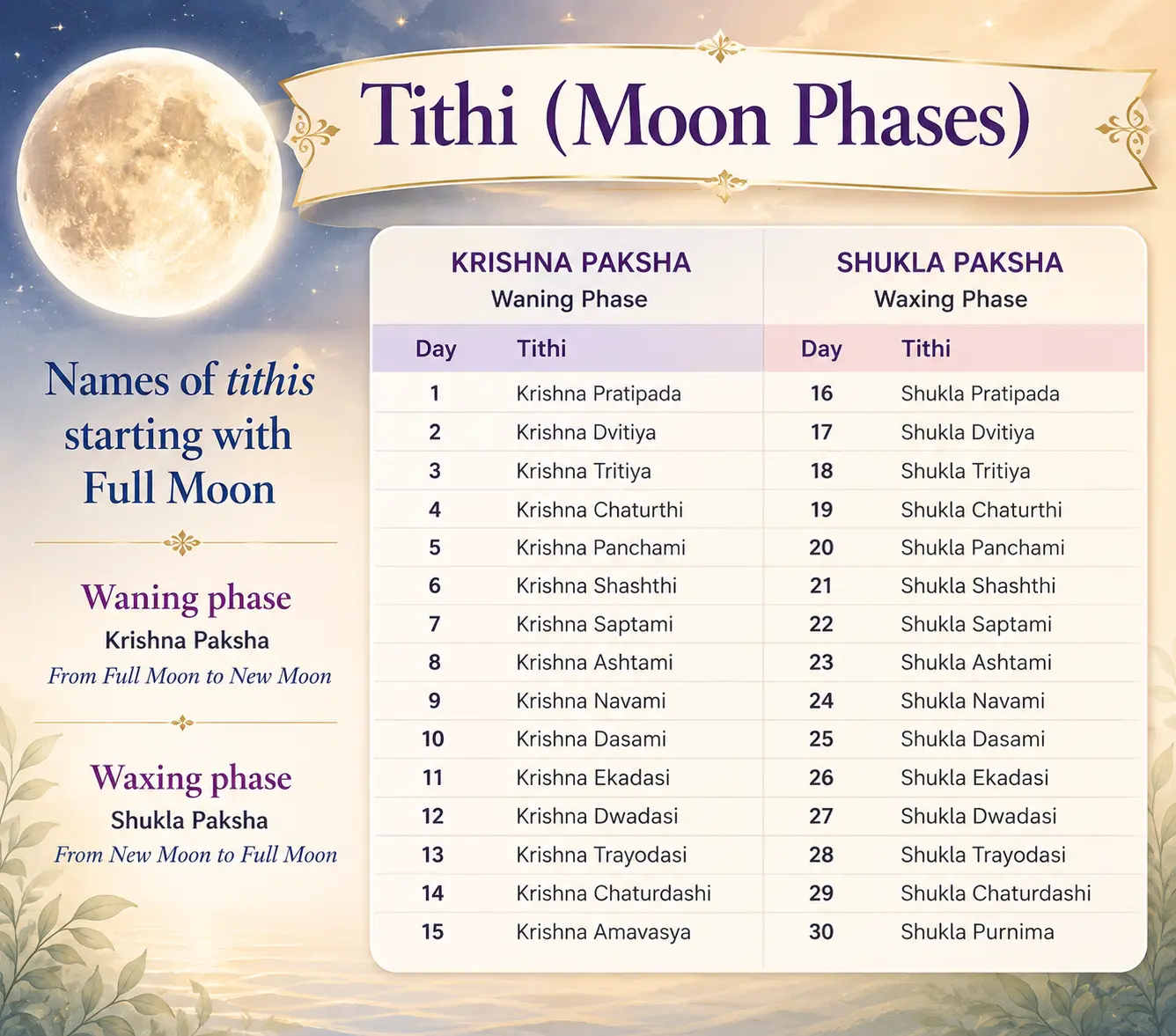
Padmini Ekādaśi falls during the Śukla Pakṣa of Purushottama Māsa.
It is considered especially rare and sacred because Purushottama Māsa itself is an adhika māsa: an intercalary (13th) lunar month added approximately once every 32.5 months to harmonize the lunar and solar calendars.
As a result, Śukla Pakṣa Padmini Ekādaśi occurs only once in about 32.5 months.
Let us make the most of this rare opportunity for spiritual practice and devotion.
Padmini Ekādaśi Date in 2026
According to the traditional Hindu lunar calendar, Padmini Ekādaśi falls on May 27th, 2026.
Since Hindu observances depend upon tithi and regional Panchāng calculations, timings may vary slightly by city and country. Devotees should confirm locally as the date approaches.
Because of time zone differences and lunar calculations, some Panchāngs may show observance on May 26th depending on city and tithi timing. If you follow a family tradition or temple calendar, that is perfectly acceptable.
Why is Padmini Ekādaśi so special?
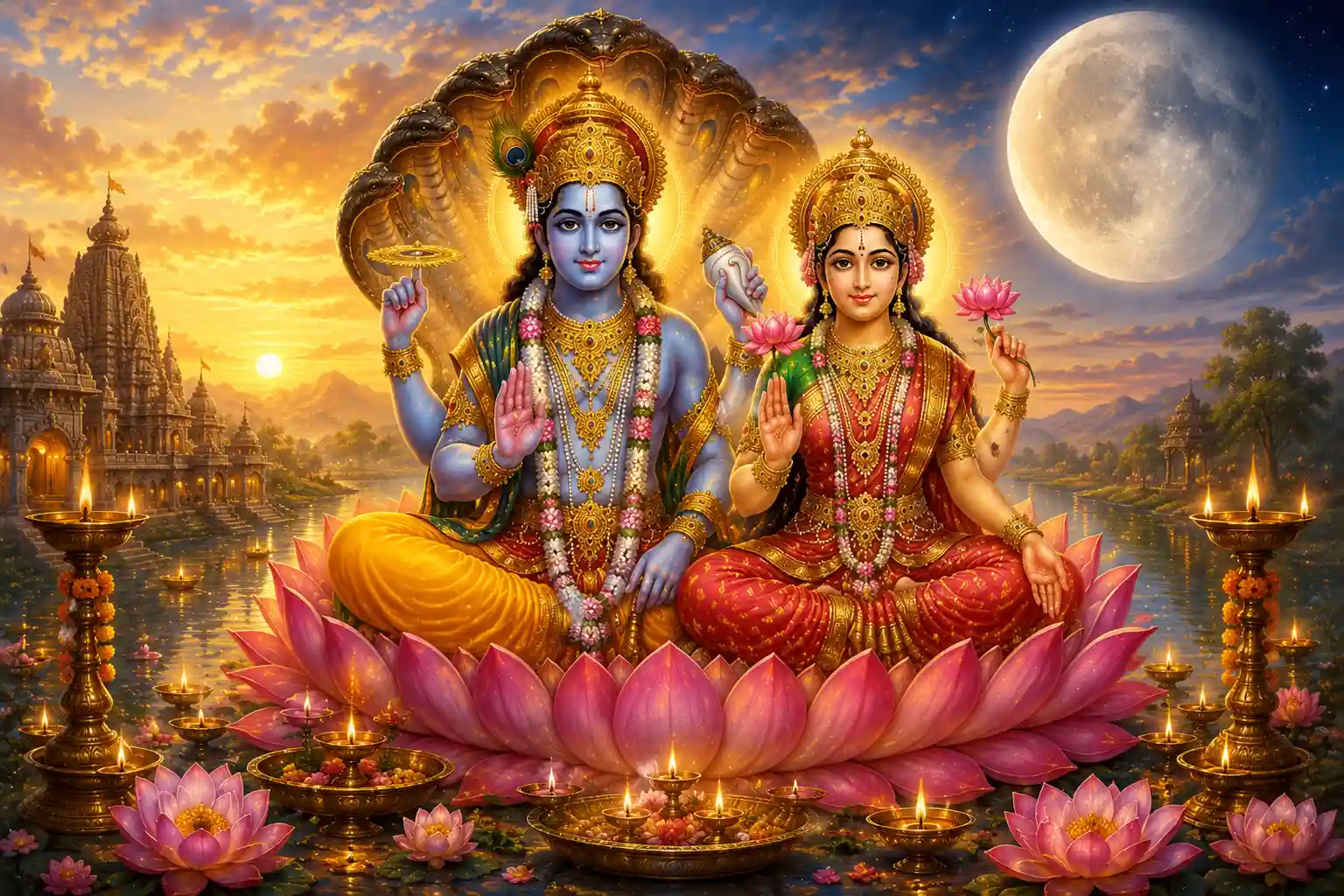
Padmini Ekādaśi is special because it falls on Purushottam māsa which is the extra month in the Lunar Year that Lord Vishnu named after himself. As per Vedic scriptures, Padmini Ekādaśi is dedicated to the worship of Lord Viṣnu.
This day is also called Kamalā Ekādaśi because it is dedicated to Goddess Mahālakṣmi, the beloved consort of Lord Nārāyanā.
Worshipping Lord Nārāyanā and Mahālakṣmi on this day brings great blessings.
The Story behind Kamalā (Padmini) Ekādaśi
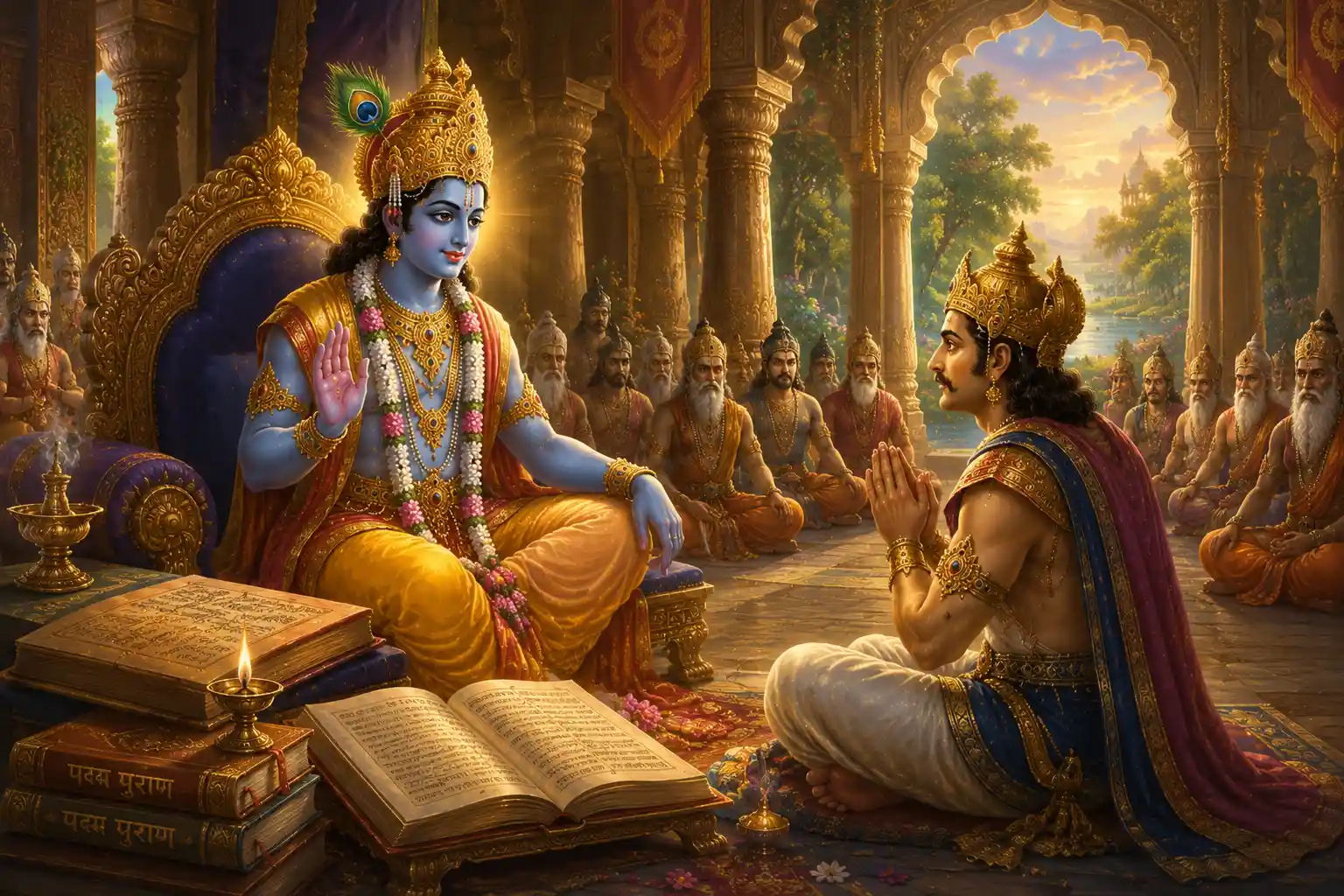
In the Padma Purana (Chapter 62 of the Uttara-Khanda section), Lord Krishna describes the observance of Kamalā Ekādaśi during a dialogue with Yudhishthira.
Yudhishthira asks the Lord to explain the supreme vow dedicated to Lord Vishnu—a vow believed to destroy all sins and bestow great spiritual merit upon those who faithfully observe it. He seeks clarification on several aspects of the vow, including:
1. How should the vow be properly observed?
2. What benefits or spiritual fruits does it bestow?
3. Which deity is worshipped during the observance?
4. What vow should be undertaken during the intercalary (adhika) month, and what merits arise from charitable offerings made during that time?
5. What practices should devotees follow, O Lord?
6. What kind of ritual bath should be taken?
7. Which hymns or mantras should be recited?
8. What is the prescribed method of worship?
9. What foods are considered most suitable during the sacred Puruṣottama month?
Lord Krsna said one who undertakes a vow during Kamalā Ekādaśi would earn favors with Goddess Lakṣmi.
Then, the Lord narrated this story:
In the city of Avanti lived a noble brāhmaṇā named Śivaśarman, who had five sons. His youngest son, Jayaśarman, was cruel and offensive in behavior, causing great distress to his family. Eventually, his father and relatives abandoned him because of his misconduct.
As a result of his sinful actions, Jayaśarman wandered into a distant forest. Emaciated by hunger and sorrowful in appearance, he roamed aimlessly until, during the sacred month of Purushottama, he arrived at the āśrama of Sage Harimitra. There he heard learned brāhmaṇās glorifying Kamalā Ekādaśi as a supremely auspicious observance that bestows both worldly happiness and liberation.
Inspired by their words, Jayaśarman observed the Kamalā Ekādaśi vow together with the brāhmaṇas. That night, Goddess Lakṣmī appeared before him and declared that She was pleased with his sincere observance of the vrata and wished to grant him a boon.
Jayaśarman then humbly requested the Goddess to explain in detail the proper observance of Kamalā Ekādaśi.
Goddess Lakṣmī replied that in Kali-yuga, the most fortunate souls are those absorbed in chanting the holy names of Lord Viṣṇu, glorifying His qualities, and worshipping Him with devotion. On Śhuklapakṣa Kamalā Ekādaśi, devotees should fast, remain before the deity of Lord Viṣṇu, sing devotional songs, dance in ecstasy, and listen to recitations from the Purāṇas.
She also instructed that the deity of Lord Viṣṇu should be ceremonially bathed with pañcāmṛta — a sacred mixture of milk, sugar, ghee, yogurt, and honey.
Having thus prayed to the Lord, he should devotedly feed brāhmanās and give gifts.
Pleased by his devotion, Goddess Lakṣmī blessed Jayaśarman with prosperity. Thereafter, he became wealthy and eventually returned to his father’s home.
Swami Mukundananda’s Teachings on Nishkām Bhakti
Swami Mukundananda, spiritual teacher and founder of JKYog, explains that true devotion is not merely ritualistic observance, but loving service offered to God without selfish expectation.
This spirit of selfless devotion is called Nishkām Bhakti: selfless devotion performed without material desires.
On sacred occasions like Padmini Ekādaśi, devotees are encouraged not only to fast externally but also to purify the mind internally through:
- Humble remembrance of God
- Chanting the divine names
- Gratitude for the Lord’s grace
- Surrender to the divine will
- Loving devotion free from selfish motives
Swamiji often emphasizes that while devotees may initially approach God with worldly desires, the highest form of bhakti develops when love for God becomes the ultimate goal.
Padmini Ekādaśi provides a powerful opportunity to deepen this selfless devotion through:
- Kirtan and chanting
- Vishnu Sahasranāma recitation
- Seva and charity
- Listening to divine pastimes
- Offering food and actions to the Lord
- Constant remembrance of God throughout the day
According to Swami Mukundananda’s teachings, the real success of any spiritual practice lies not merely in physical austerity but in increasing one’s love and absorption in God.
What to do on the Day
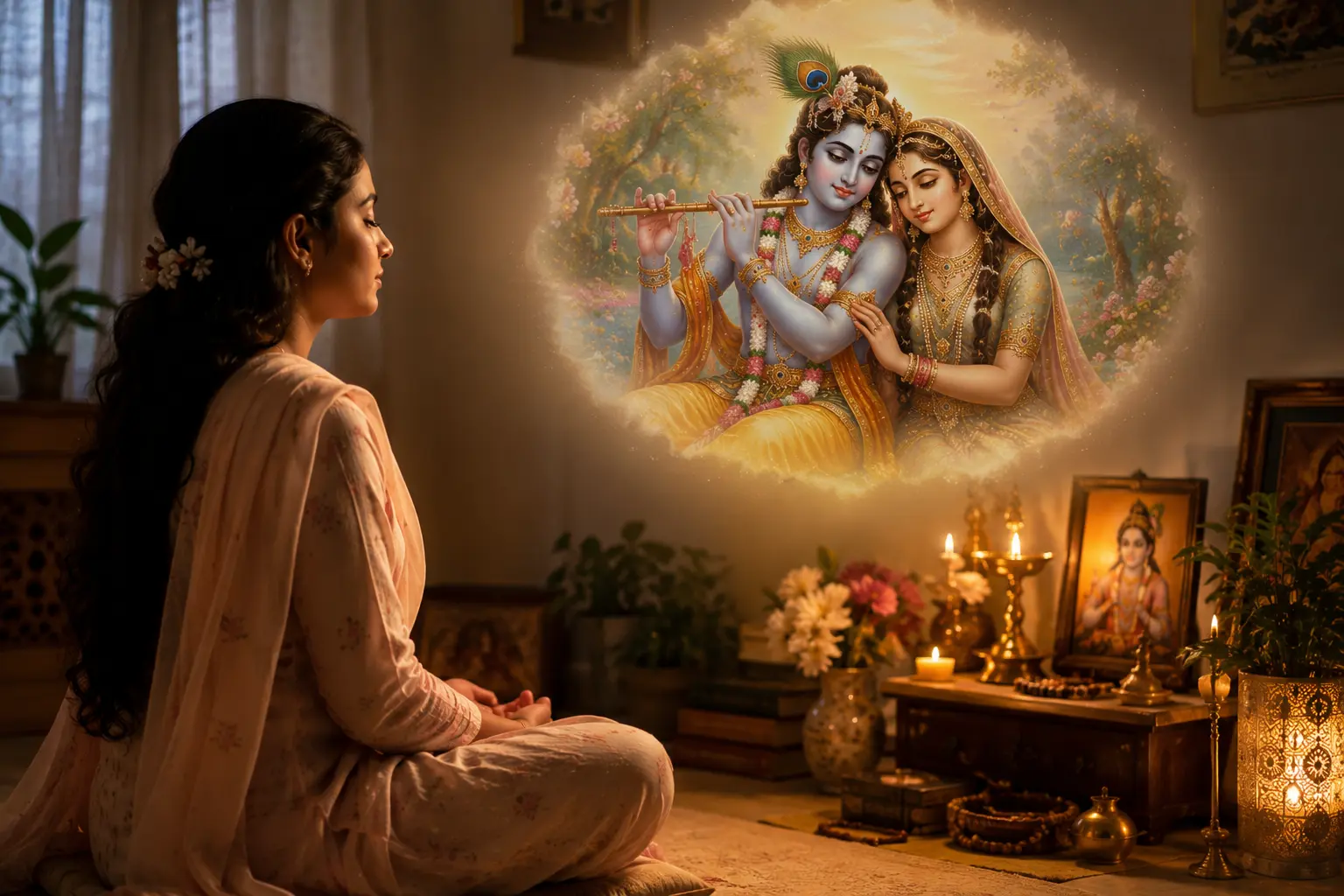
1. Wake up early in the morning and first thing remember the Lord by chanting “Hari” nine times
2. While taking a bath, chant one or more of the following names of Lord Viṣnu
· Acyuta, Ananta, Govindā, Kesavā, Nārāyaṇā, Mādhavā,
· Madhusūdanā, Trivikramā, Hṛṣīkeśā, Padmanābhā, Dāmodarā,
· Saṅkarṣaṇā, Vāsudevā
As the water flows over your body, visualize that the water infused with the power of the Holy name is washing away all the doshas (defects) in your body and mind.
3. Observe a fast during the day based on what your body can handle. Any of the following options are acceptable
- No food or water
- Drink only water
- Drink only milk
- Eat only fruits
- Eat only nuts
- Simple non-grain foods
4. Do Pooja to a Murti form or Picture of Lord Visnu
- If doing pooja to a murti, perform abhiseka with pancāmrit (a mixture of milk, sugar, ghee, yogurt, and honey.
- If worshipping a picture, visualize in your mind the pancāmrit abhishekam.
5. Chant The Lord’s names (Vishnu Sahasranama, Mahāmantra etc.)
6. Dance to Radhe Govind Geet chanting
7. While chanting think of
- The Lord’s gunas (virtues): Most merciful, Saviour of the Destitute etc.
- The Lord’s leelas (pastimes) in His various avatārs
- All the graces that He has blessed upon you. Feel Grateful.
Start from the most general (has given you a human body so that you can attain Him, the air you breathe, the food you eat etc.) and go to specifics in your life.
8. Offer Bhog to Lord Vishnu and Goddess Lakṣmi
- At the end of the day break your fast using the offered bhog (prasad)
9. As you go about your day, keep thinking about the Lord.
- Every hour, take a short 5–10 minute break from your work to focus your mind on the Lord—chant His names, sing devotional songs, or practice roop-dhyān. Engage in whichever form of bhakti your heart and mind naturally connect with.
10. If possible, make a charitable donation to your local temple/religious organization.
Call to Action
May this rare and sacred Padmini Ekadashi inspire us to deepen our devotion, purify our hearts, and strengthen our connection with Lord Vishnu and Goddess Mahālakṣmī through sincere bhakti and remembrance of God.
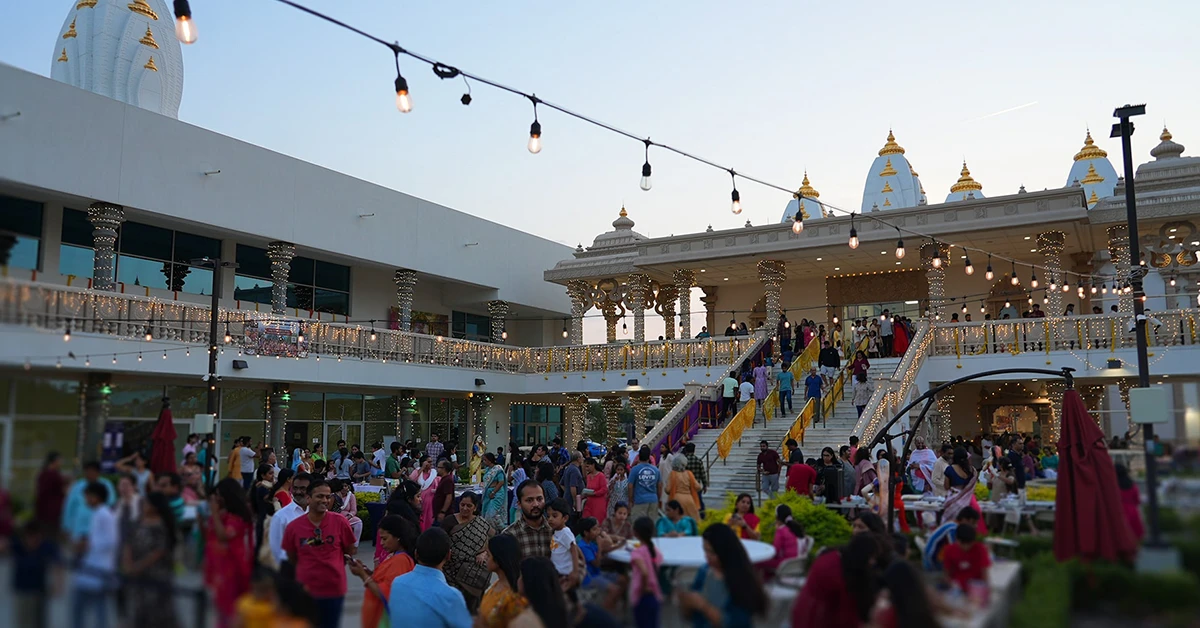
We warmly invite you and your family to join the spiritual programs and devotional celebrations at Radha Krishna Temple and immerse yourself in satsang, kirtan, seva, and scriptural wisdom.

Continue your spiritual journey daily with the Bhagavad Gita Krishna Bhakti app: featuring Bhagavad Gita teachings, guided meditations, bhajans, lectures by Swami Mukundananda, and practical tools to help you grow in devotion and inner peace.
 JKYog
JKYog
Let this auspicious Ekādaśi become an opportunity not just for fasting, but for transforming the heart through Nishkām Bhakti and loving remembrance of the Lord.
Frequently Asked Questions (FAQs)
What is Padmini Ekādaśi?
Padmini Ekādaśi is a sacred Ekādaśi that occurs during the Śukla Pakṣa of Purushottama Māsa (Adhik Māsa). It is dedicated to Lord Vishnu and Goddess Lakṣmī.
Why is Padmini Ekādaśi rare?
It occurs only during Purushottama Māsa, which appears approximately once every 32.5 months in the Hindu lunar calendar.
Which deity is worshipped on Padmini Ekādaśi?
Lord Vishnu and Goddess Lakṣmī are worshipped on this day.
What are the benefits of observing Padmini Ekādaśi?
Scriptures describe spiritual purification, divine blessings, prosperity, inner peace, and advancement in devotion as benefits of sincerely observing this Ekādaśi.
Can I eat during Padmini Ekādaśi fast?
Yes. Devotees may fast according to their health and capacity. Many avoid grains and consume fruits, milk, or simple fasting foods.
Is chanting important on Ekādaśi?
Yes. Chanting the holy names of God is considered one of the most powerful spiritual practices during Ekādaśi.
What is Nishkam Bhakti?
Nishkam Bhakti means selfless devotion offered to God without material expectations or selfish desires.
Can beginners observe Padmini Ekādaśi?
Absolutely. Devotion and sincerity are more important than perfection in ritual observance.
What should be avoided on Ekādaśi?
Traditionally, devotees avoid grains, excessive sleep, gossip, anger, and worldly distractions while focusing more deeply on spiritual practices.
Why is Purushottama Māsa important?
Purushottama Māsa is considered especially sacred because it is dedicated to Lord Vishnu and provides enhanced opportunities for spiritual growth and devotion.