Every year, Janmashtami fills temples and homes with devotion as millions celebrate the divine appearance of Shree Krishna, the Supreme Divine Personality. His enchanting childhood pastimes, the melodies of His flute, and His boundless compassion continue to inspire hearts across the world. Beyond these beautiful celebrations lies His greatest gift to humanity: the timeless wisdom of the Bhagavad Gita.
Among all the profound truths that Shree Krishna revealed, one stands out as both astonishing and deeply liberating. He teaches that it is possible to perform countless actions throughout life and yet remain completely free from their karmic consequences. At first glance, this appears to contradict the universal law of karma, which declares that every action inevitably produces a corresponding reaction. If every deed bears fruit, how can anyone ever become free?
The answer lies not in abandoning work, but in transforming the consciousness with which we work. Swami Mukundananda explains that the bondage of karma is created not by action itself, but by the ego, attachment, and selfish desires that accompany it.
Change the mindset, and the very same action that once bound the soul can become a means of liberation.
This profound teaching reaches its deepest expression in Chapter 4 of the Bhagavad Gita, where Shree Krishna introduces three essential concepts: karm, vikarm, and akarm. Understanding these three words changes the way we see every responsibility, every challenge, and every opportunity in life. Instead of becoming chains that bind us to the cycle of birth and death, our daily actions can become steps towards God-realisation.
As we celebrate Janmashtami 2026, let us discover the secret mindset through which Shree Krishna teaches us to transform work into worship and ordinary life into a sacred offering.


The Inescapable Law of Karma

Whether we realise it or not, every moment of our lives is shaped by action. We think, speak, decide, and act from the moment we awaken until we fall asleep. Even choosing not to act is itself a choice with consequences. For this reason, Shree Krishna explains that no embodied soul can remain completely inactive.
The law of karma is one of the fundamental principles governing the universe. Every action leaves an impression upon the mind and soul, and every impression eventually bears fruit. Good actions performed with selfish motives create pleasant karmic reactions, while harmful actions produce suffering. In either case, the soul remains bound to the endless cycle of action and reaction.
This law is perfectly just because it reflects God's flawless moral order. We possess the freedom to choose our actions, but we cannot choose the consequences that follow. Like seeds planted in fertile soil, every action eventually ripens into results that must be experienced, whether in this lifetime or in lives to come.
If this were the complete picture, liberation would appear almost impossible. Since every action generates further karma, and every karmic reaction leads to new actions, the soul would remain trapped indefinitely.
Yet Shree Krishna offers extraordinary hope. He reveals that while action is unavoidable, bondage is not.
The Profound Mystery of Karm, Vikarm, and Akarm
Before explaining the path to freedom, Shree Krishna first acknowledges how subtle this subject truly is. In the Bhagavad Gita, He declares:
किं कर्म किमकर्मेति कवयोऽप्यत्र मोहिता: ।
तत्ते कर्म प्रवक्ष्यामि यज्ज्ञात्वा मोक्ष्यसेऽशुभात् ॥ 16॥
kiṁ karma kim akarmeti kavayo ’pyatra mohitāḥ
tat te karma pravakṣhyāmi yaj jñātvā mokṣhyase ’śhubhāt
BG 4.16: What is action and what is inaction? Even the wise are confused in determining this. Now I shall explain to you the secret of action, by knowing which, you may free yourself from material bondage.
This statement is remarkable. If even great sages have struggled to understand the true nature of action, then spiritual seekers must approach the subject with humility and careful reflection.
Shree Krishna then introduces three categories that explain the entire science of karma.
The first is karm: actions performed in accordance with dharma and scriptural guidance. These include fulfilling our responsibilities honestly, serving others, practising compassion, and living according to divine principles. Such actions elevate our character and generate favourable karmic reactions, but if they are performed with attachment to personal gain, they still create bondage.
The second is vikarm: actions that violate divine law. These are driven by selfishness, greed, anger, dishonesty, or the desire to harm others. Vikarm inevitably produces suffering because it distances the soul from its true spiritual nature.
The third category is the most extraordinary and the most misunderstood: akarm. Akarm does not mean avoiding work or remaining physically inactive. Rather, it refers to actions that leave no karmic imprint whatsoever.
Outwardly, the individual may appear extremely active, yet spiritually those actions create no bondage because they are performed entirely as an offering to God, free from ego, pride, and attachment to the results.
This is one of the greatest spiritual revelations in the Bhagavad Gita. Two people may perform exactly the same task. One accumulates karma that binds the soul to future births, while the other moves steadily towards liberation. The difference is not found in the action itself but in the consciousness behind it.
Swami Mukundananda beautifully explains that God looks beyond the external action and sees the intention within the heart. When actions are motivated by selfish desire, they strengthen the false ego and create fresh karmic impressions. But when the very same actions are performed with the sincere desire to please the Supreme Divine Personality, they become acts of devotion rather than sources of bondage.
Seeing Action in Inaction and Inaction in Action

Having introduced these three categories, Shree Krishna presents one of the most profound verses in the Bhagavad Gita:
कर्मण्यकर्म य: पश्येदकर्मणि च कर्म य: ।
स बुद्धिमान्मनुष्येषु स युक्त: कृत्स्नकर्मकृत् ॥ 18॥
karmaṇyakarma yaḥ paśhyed akarmaṇi cha karma yaḥ
sa buddhimān manuṣhyeṣhu sa yuktaḥ kṛitsna-karma-kṛit
BG 4.18: Those who see action in inaction and inaction in action are truly wise amongst humans. Although performing all kinds of actions, they are yogis and masters of all their actions.
At first glance, these words appear paradoxical. How can someone see action in inaction or inaction in action?
Shree Krishna is asking us to look beyond external appearances. A person may sit quietly in apparent inactivity while the mind is consumed by ambition, resentment, jealousy, or endless desires. Though physically still, the mind remains intensely active, creating fresh karmic impressions.
Conversely, another person may spend the entire day working tirelessly, by serving family, performing professional duties, engaging in temple seva, or helping society, yet remain inwardly free from selfish attachment. Every action is performed as an offering to God, without the desire for personal recognition or reward. Although externally active, spiritually such a person remains untouched by karma.
This is the remarkable state that Shree Krishna calls akarm. It is not inactivity but purified activity. It is the transformation of work into worship.
Swami Mukundananda often reminds us that spirituality does not require withdrawing from the world. Rather, it requires transforming the motive behind every action. The same hands that once worked for ego can begin working for God. The same responsibilities that once created stress can become opportunities to express devotion. In this way, ordinary life itself becomes the path to liberation.
Arjun: The Perfect Example of Akarm

The principles of karm, vikarm, and akarm become much easier to understand when we look at the life of Arjun. Outwardly, few actions appear more severe than participating in a devastating war. The eighteen-day battle of Kurukshetra claimed countless lives, and by ordinary standards, such actions would seem to create immense karmic consequences.
Yet Shree Krishna declares something astonishing. Although Arjun fought the war, he remained untouched by its karmic bondage.
Why?
Because Arjun was not fighting for revenge, ambition, wealth, or personal glory. Initially, he did not even want to fight. Standing between the two armies, he was overwhelmed with compassion and wished to abandon the battlefield altogether. Only after hearing the teachings of the Bhagavad Gita did he understand that defending righteousness was his sacred duty and that he should act solely as an instrument of the Supreme Divine Personality.
His external activity remained the same, but his inner consciousness was completely transformed.
This is the essence of akarm. When actions are performed without ego, selfish desire, or attachment to personal gain, they cease to bind the soul. The work may be great, but the karmic imprint is zero because the individual no longer claims ownership over the action or its results.
Swami Mukundananda beautifully illustrates this through the example of a soldier. A soldier who fights under the lawful command of his nation's general is not prosecuted as a murderer because he acts under higher authority rather than personal impulse. Similarly, when a devotee performs actions under God's guidance and offers the results back to Him, those actions no longer create karmic bondage.
This is why Shree Krishna instructs Arjun:
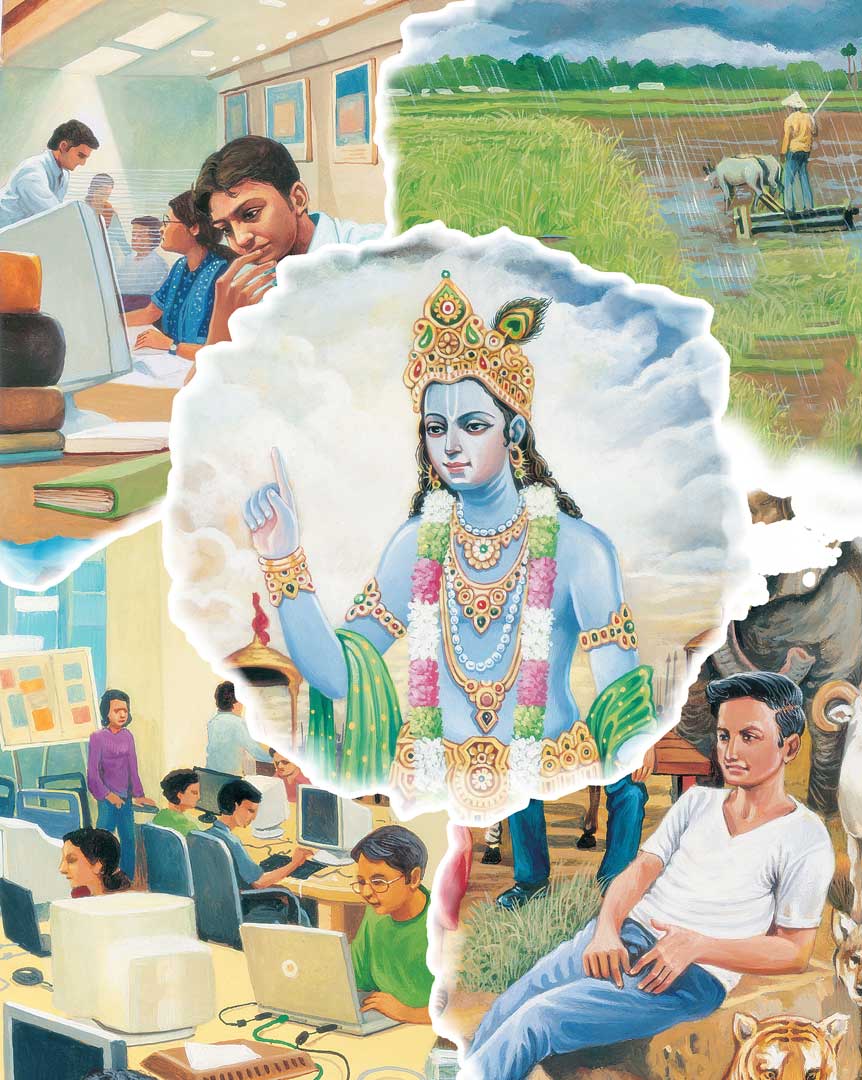
तस्मादसक्त: सततं कार्यं कर्म समाचर ।
असक्तो ह्याचरन्कर्म परमाप्नोति पूरुष: ॥ 19॥
tasmād asaktaḥ satataṁ kāryaṁ karma samāchara
asakto hyācharan karma param āpnoti pūruṣhaḥ
BG 3.19: Therefore, giving up attachment, perform actions as a matter of duty because by working without being attached to the fruits, one attains the Supreme.
Karm Yog is therefore not inactivity. It is wholehearted action performed with complete surrender.
True Renunciation Begins Within
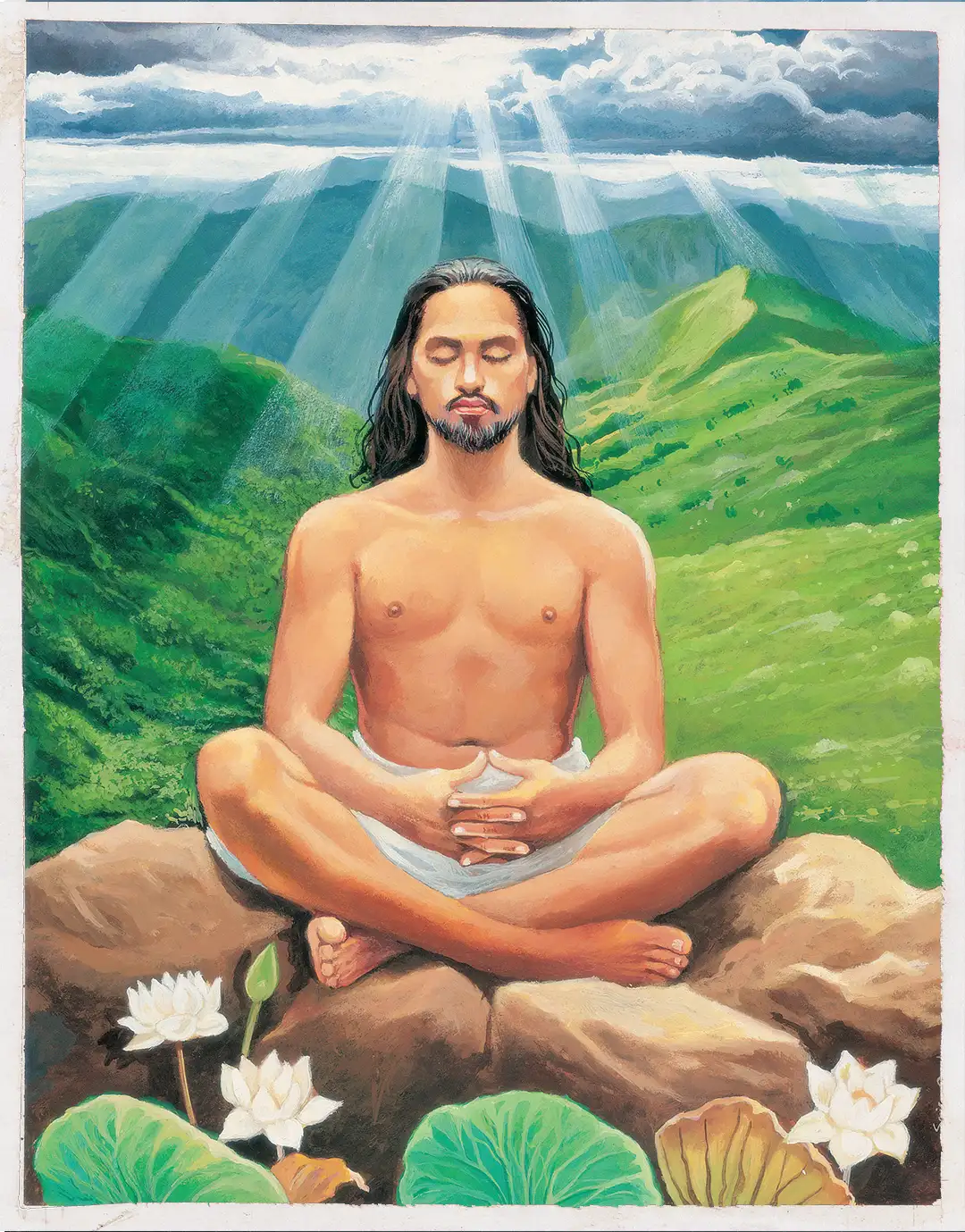
Many people imagine that spirituality requires withdrawing from worldly responsibilities. They believe that renunciation means leaving behind family life, work, or society. Shree Krishna gently corrects this misunderstanding:
श्रीभगवानुवाच ।
अनाश्रित: कर्मफलं कार्यं कर्म करोति य: ।
स संन्यासी च योगी च न निरग्निर्न चाक्रिय: ॥ 1॥
śhrī bhagavān uvācha
anāśhritaḥ karma-phalaṁ kāryaṁ karma karoti yaḥ
sa sannyāsī cha yogī cha na niragnir na chākriyaḥ
BG 6.1: The Supreme Lord said: Those who perform prescribed duties without desiring the results of their actions are actual sanyāsīs (renunciates) and yogis, not those who have merely ceased performing sacrifices such as Agnihotra yajna or abandoned bodily activities.
These verses overturn conventional thinking. Renunciation is not determined by our clothing, profession, or place of residence. It is determined by the state of our heart.
A person living in a monastery may still be attached to prestige, recognition, or comfort. Conversely, a householder immersed in family responsibilities may be steadily progressing towards God if every action is offered with devotion.
Swami Mukundananda often explains that there is a simple way to examine our own heart: How do we react when events fail to unfold according to our expectations?
If disappointment, frustration, or anger immediately arise, it reveals that we were inwardly attached to the outcome. But when we sincerely accept success and failure alike as God's arrangement, we begin to experience the freedom that Shree Krishna describes.
True renunciation, therefore, is not the abandonment of work but the abandonment of possessiveness.
How Do You Know If You Are Truly Detached?
The theory of Karm Yog is inspiring, but how can we honestly assess our own progress?
Swami Mukundananda offers a wonderfully practical test.
If the result disturbs you, attachment was present. If the result does not disturb you, detachment is growing.
He illustrates this through a memorable incident involving two devotees who had been sent by Jagadguru Shri Kripaluji Maharaj to collect donations for a noble cause. Despite sincere effort, they faced repeated rejection and eventually became deeply discouraged. Feeling that they had failed, they telephoned Maharajji and explained their disappointment.
To their surprise, Maharajji simply laughed.
Only later did they understand the deeper lesson. The real success of the seva had never been measured by the amount of money collected. Its true purpose was to cultivate humility, patience, perseverance, and surrender. Had everything gone smoothly, their egos might have grown. Instead, apparent failure refined their devotion.
This is precisely the equanimity that Shree Krishna teaches:

योगस्थ: कुरु कर्माणि सङ्गं त्यक्त्वा धनञ्जय ।
सिद्ध्यसिद्ध्यो: समो भूत्वा समत्वं योग उच्यते ॥ 48॥
yoga-sthaḥ kuru karmāṇi saṅgaṁ tyaktvā dhanañjaya
siddhy-asiddhyoḥ samo bhūtvā samatvaṁ yoga uchyate
BG 2.48: Be steadfast in the performance of your duty, O Arjun, abandoning attachment to success and failure. Such equanimity is called Yog.
When we stop measuring success solely by external outcomes and begin measuring it by inner growth, every experience becomes spiritually valuable.
Transforming Work into Worship
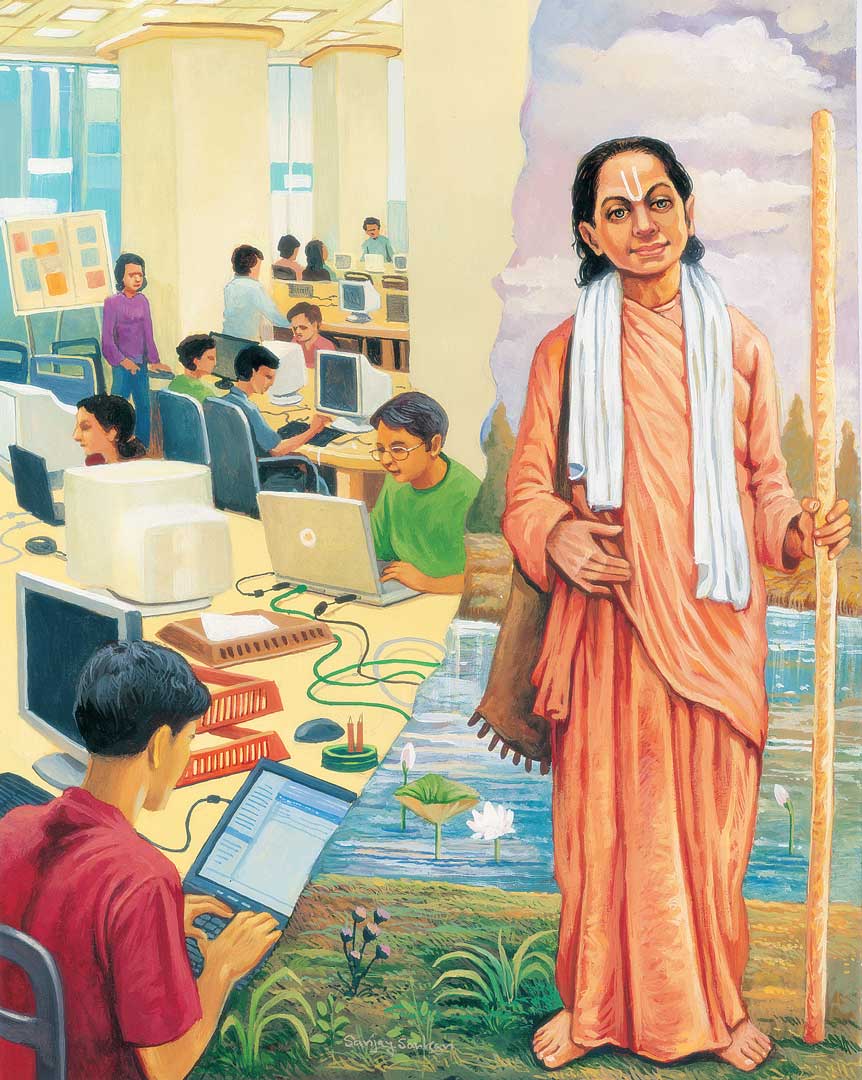
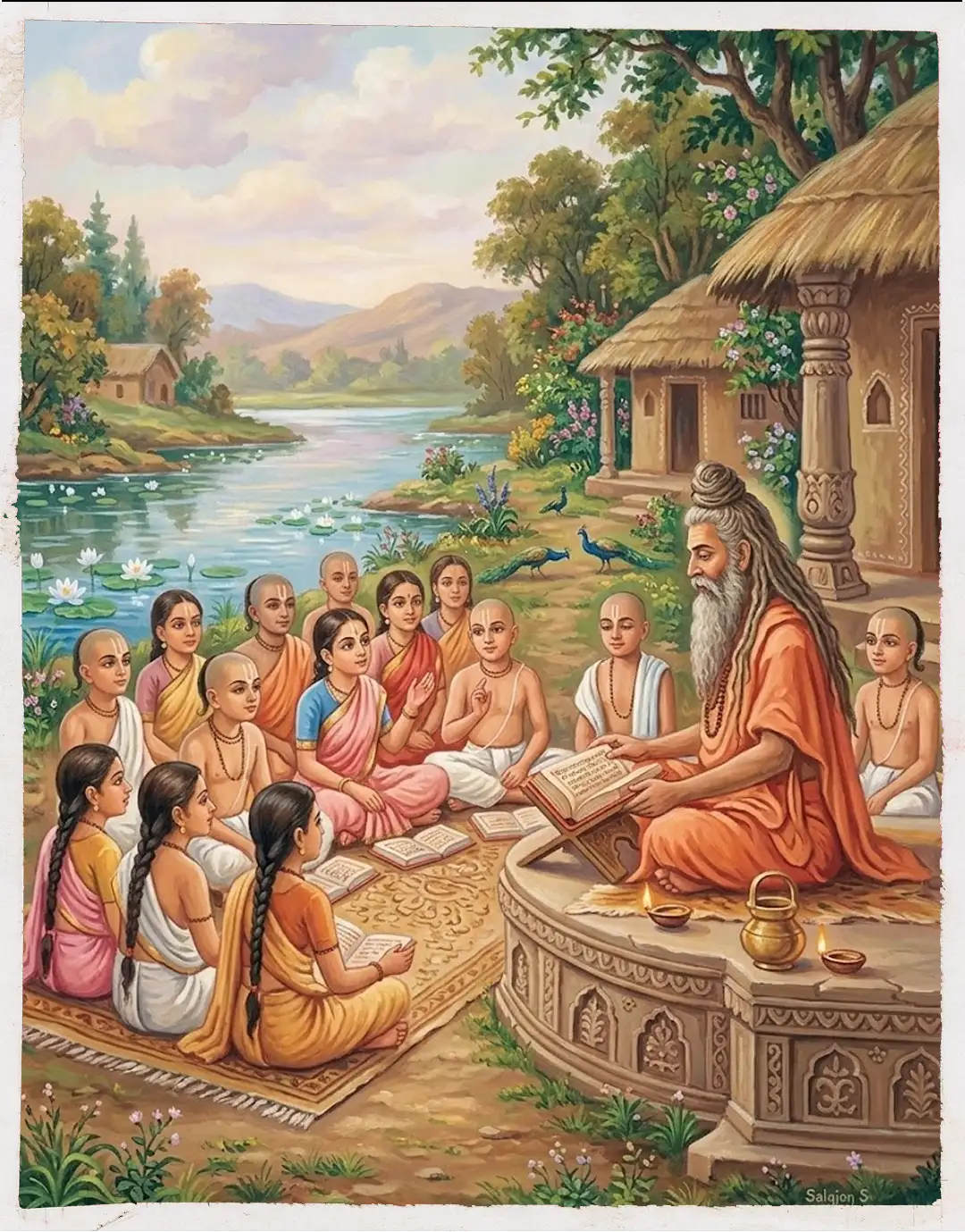
One of the most beautiful aspects of Karm Yog is that it does not separate spiritual life from everyday life. Every sincere responsibility can become an offering when performed with the right consciousness.
Whether caring for children, serving elderly parents, fulfilling professional duties, volunteering in the community, or engaging in temple seva, the external activity may remain unchanged. What changes is the intention.
Shree Krishna lovingly instructs:
यत्करोषि यदश्नासि यज्जुहोषि ददासि यत् ।
यत्तपस्यसि कौन्तेय तत्कुरुष्व मदर्पणम् ॥ 27॥
yat karoṣhi yad aśhnāsi yaj juhoṣhi dadāsi yat
yat tapasyasi kaunteya tat kuruṣhva mad-arpaṇam
BG 9.27: Whatever you do, whatever you eat, whatever you offer as oblation to the sacred fire, whatever you bestow as a gift, and whatever austerities you perform, O son of Kunti, do them as an offering to Me.
This single verse has the power to transform an entire life.
No longer do we work merely for salary, recognition, or personal achievement. Instead, every action becomes an expression of gratitude towards the Supreme Divine Personality. The workplace becomes a place of service. The home becomes a place of worship. Even ordinary tasks become opportunities to remember God.
The outer work may look exactly the same, yet inwardly everything has changed.
Trida Bhakti Perfects Karm Yog

While Karm Yog purifies action, Swami Mukundananda teaches that devotion brings it to perfection. Work becomes most transformative when it is continually nourished through Trida Bhakti.
The first practice is Shravan: regularly hearing the glories of Shree Krishna through scriptures such as the Bhagavad Gita, the Srimad Bhagavatam, and the teachings of enlightened saints. Hearing divine wisdom repeatedly reshapes our understanding and reminds us why we perform our actions.
The second is Kirtan: glorifying the Lord through devotional singing, discussing His divine qualities, and joyfully sharing His teachings with others. Speaking about God strengthens our own devotion while inspiring those around us.
The third is Smaran: loving remembrance of the Supreme Divine Personality throughout the day. As we carry out our responsibilities, we gently bring the mind back to Shree Krishna, remembering that every action is ultimately for His pleasure.
Together, these three practices keep the heart connected with God so that Karm Yog does not become merely an exercise in detachment. Instead, it blossoms into loving service.
Conclusion: The Secret Mindset That Frees You from Karma
Janmashtami celebrates the appearance of Shree Krishna, but its deeper purpose is to awaken His teachings within our own lives.
The Supreme Divine Personality did not ask humanity to abandon action. He taught us how to purify it.
Through the profound wisdom of karm, vikarm, and akarm, Shree Krishna reveals that our destiny is shaped not simply by what we do, but by the consciousness with which we do it. Ego binds. Selfish desire binds. Attachment binds. But actions performed with humility, surrender, and the sincere desire to please God become instruments of purification rather than chains of bondage.
As we celebrate Janmashtami 2026, let us strive to carry this divine mindset into every aspect of our lives. Let every responsibility become an offering. Let every success deepen our gratitude rather than our pride. Let every setback strengthen our surrender rather than weaken our faith.
When our work is offered with love to the Supreme Divine Personality, it is transformed from ordinary labour into sacred worship. This is the timeless secret of Karm Yog, the heart of Shree Krishna's teaching, and one of the greatest gifts He bestowed upon humanity.
In learning to work for God rather than for ourselves, we do more than free ourselves from karma—we move steadily towards the ultimate goal of life: awakening pure, selfless love for the Supreme Divine Personality.
Frequently Asked Questions
1. What is the difference between karm, vikarm, and akarm?
Shree Krishna explains these three concepts in Chapter 4 of the Bhagavad Gita. Karm refers to actions performed according to dharma and scriptural guidance. Vikarm refers to actions that violate divine principles and create negative karmic reactions. Akarm refers to actions performed entirely for God's pleasure, free from ego and attachment, which leave no karmic bondage despite outward activity.
2. How can I perform actions without creating karma?
According to Shree Krishna, the key is not to stop working but to change your mindset. When you perform your duties sincerely, without attachment to personal gain, and offer the results to the Supreme Divine Personality, your actions become Karm Yog. Such actions purify the heart instead of creating new karmic bondage.
3. Does Karm Yog mean giving up worldly responsibilities?
No. The Bhagavad Gita teaches that true renunciation is not abandoning work but giving up attachment to the fruits of work. Whether you are a student, professional, parent, or retiree, every responsibility can become a spiritual practice when performed as an offering to God.
4. How do I know if I am attached to the results of my actions?
Swami Mukundananda explains that our reaction to outcomes reveals our level of attachment. If success makes us proud or failure disturbs our peace, attachment is still present. As devotion deepens, we gradually develop equanimity, accepting both success and failure as opportunities to serve and grow spiritually.
5. What is the relationship between Karm Yog and devotion?
Karm Yog becomes complete when it is infused with Bhakti Yog. Swami Mukundananda teaches that by practising Shravan (hearing about God), Kirtan (glorifying God), and Smaran (loving remembrance of God), our actions naturally become offerings filled with devotion, bringing us closer to the Supreme Divine Personality.
6. Why is this teaching especially relevant for Janmashtami?
Janmashtami celebrates the divine appearance of Shree Krishna, who descended to re-establish dharma and guide humanity towards liberation. Reflecting on His teachings about karm, vikarm, and akarm is one of the most meaningful ways to honour His appearance and apply the wisdom of the Bhagavad Gita in our daily lives.
Call to Action
This Janmashtami 2026, go beyond simply celebrating the birth of Shree Krishna; begin living His teachings.
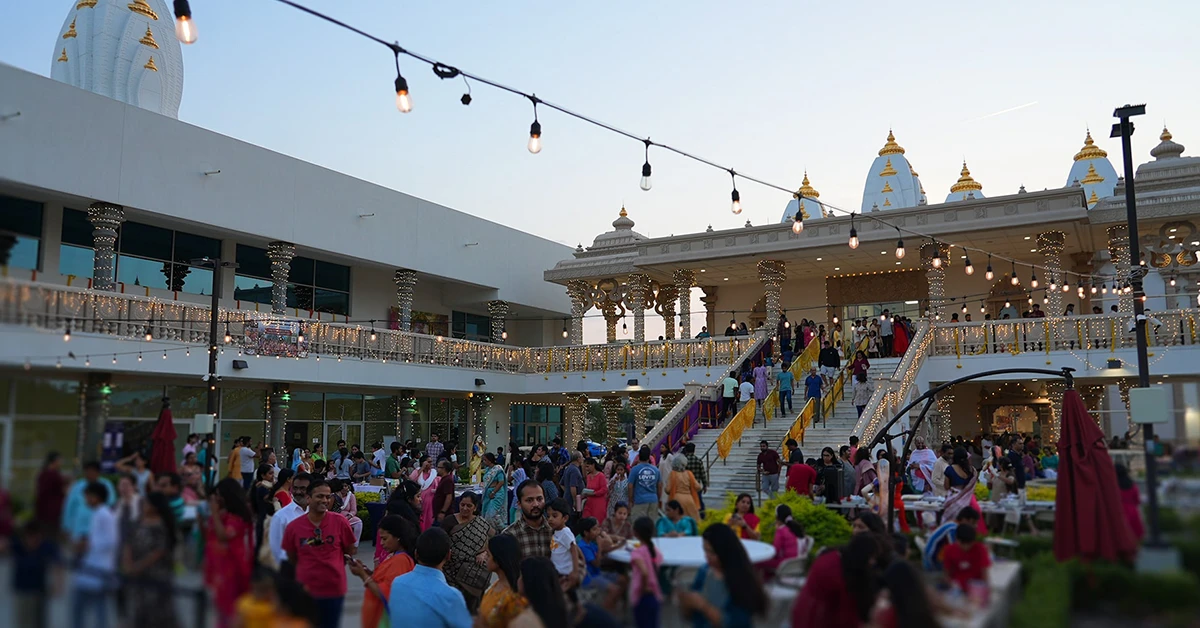
- Visit the Radha Krishna Temple of Dallas for one of their many offerings, or to offer some seva

- Study the Bhagavad Gita with Swami Mukundananda's authentic commentary.

- Download the JKYog Bhagavad Gita & Krishna Bhakti App for daily inspiration, guided meditations, bhajans, lectures, and spiritual resources.
 JKYog
JKYog