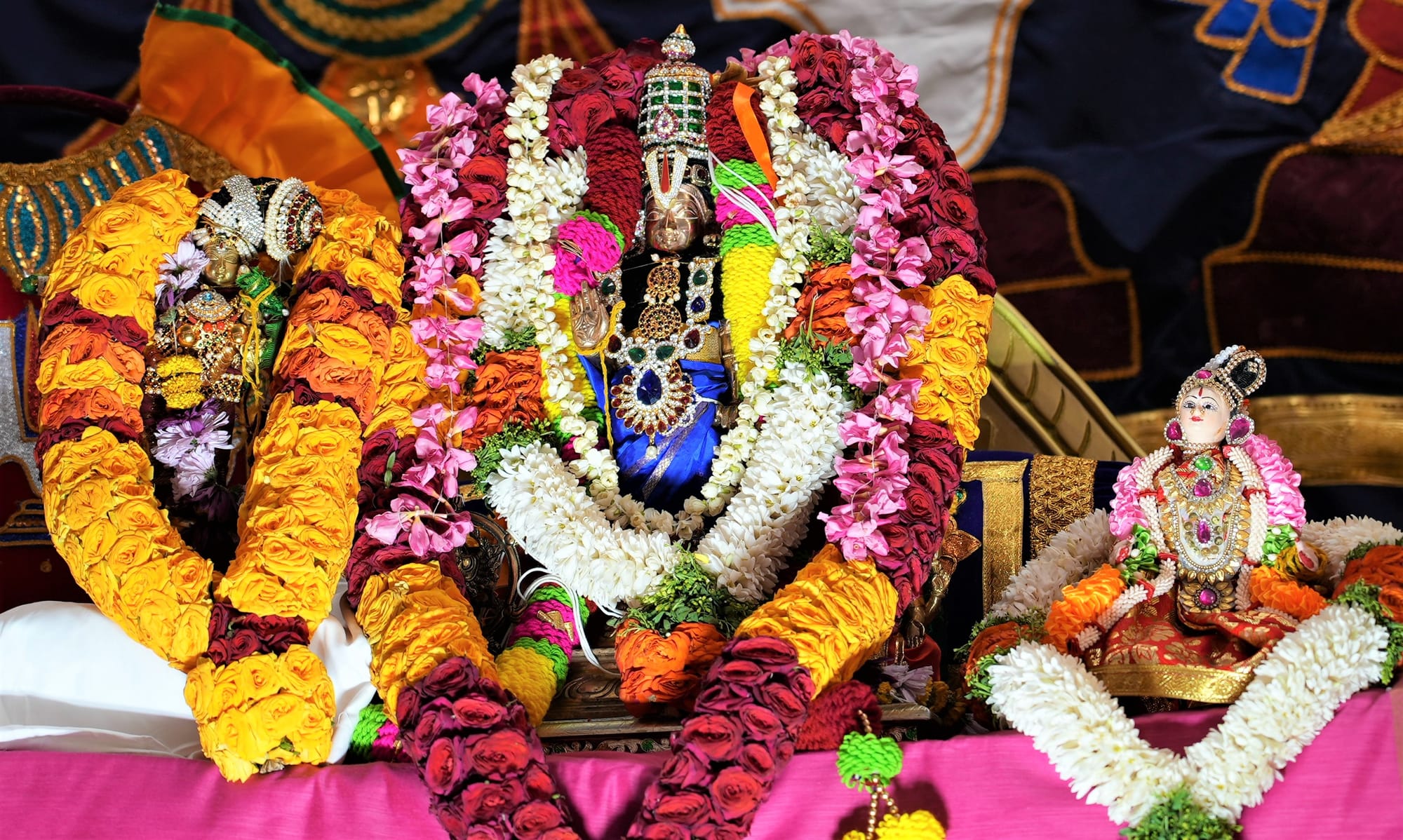
Dhanurmasam 2025 represents a sacred month-long celebration where devotees strengthen their spiritual connection with Lord Vishnu. The auspicious period aligns with Dhanu's (Sagittarius) solar month and carries deep meaning in Hindu traditions.
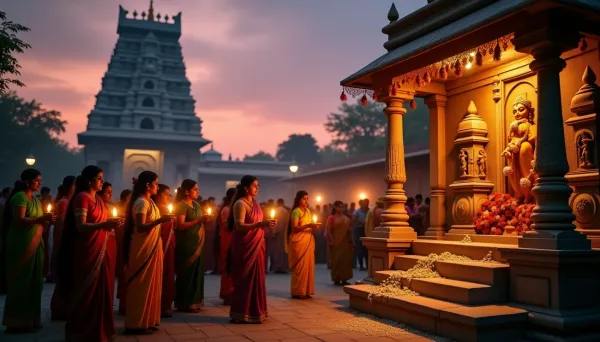
Devotees begin their day before dawn to conduct special rituals and chant sacred hymns, especially the Tiruppavai. Goda Devi Kalyanam concludes this spiritual month and celebrates Andal's sacred union with Lord Ranganatha. Devotees believe Dhanurmas pooja performed in this period creates powerful spiritual energy that connects them directly with the divine.
This piece offers comprehensive details about the sacred month's observance in 2025. Devotees will find precise dates, morning puja timings, and the spiritual significance of these time-honored practices that help them prepare for this auspicious period.
What is Dhanurmasam and why is it celebrated?
The sun's transit through Dhanu rashi (Sagittarius) marks the celestial month of Dhanurmasam in the zodiacal calendar. This sacred time starts around December 16th and ends on January 14th or 15th. The sun then starts its northward trip (Uttarayana) at Sankranti.
Origin and meaning of Dhanurmas
Sanskrit gives us the term "Dhanurmasa" - "Dhanus" means "bow" and "masa" means "month." Most Indian calendars don't list it as a separate month, but the Malayalam calendar knows it as Dhanu maasam. This period bridges the transition between Sagittarius and Capricorn.
The lunar month of Margashirsha (Margazhi in Tamil) lines up with Dhanurmasa and carries deep spiritual weight. The name's parts tell a story - "Marga" means path, and "shirsha" points to both head and Higher Consciousness. These meanings suggest the month's role in leading devotees toward divine awareness.
Hindu cosmology tells us something fascinating - a human year equals just one day for celestial beings (devas). Devas experience daylight during the six months of Uttarayana and darkness during Dakshinayana. Dhanurmasam comes at Dakshinayana's end, matching the pre-dawn hours (ushah-kaala) in the devas' day.
Scriptural references and names (Chapa Mas, Shoonya Mas)
People know this sacred time by other names too - Chapa Mas, Kodanda Mas, and Karmuka Mas. These names point to Sagittarius's celestial bow. Ancient texts also call it "Shoonya Masa" or "zero month." People traditionally avoid marriages, house-warmings, and business ventures during this time.
Hindu scriptures highlight Dhanurmasam's spiritual importance. Lord Krishna lifts this month's status in the Bhagavad Gita by saying, "मासानां मार्गशीर्षोहम्" (Maasanam Margashirshoham) - "Among the months, I am Margashirsha". Krishna's energy flows through this month, as this divine statement shows.
The Puruṣottamasaṃhitā and Śrīpraśnasaṃhitā (Pāñcarātra texts) talk about special morning pūjās and afternoon observances called adhyayanotsava during Dhanurmasam. Sage Suta shares with Shaunaka a conversation between Lord Hamsa and Brahma about Dhanurmasa's importance in the Pancharatra Agama.
Why it is considered spiritually powerful
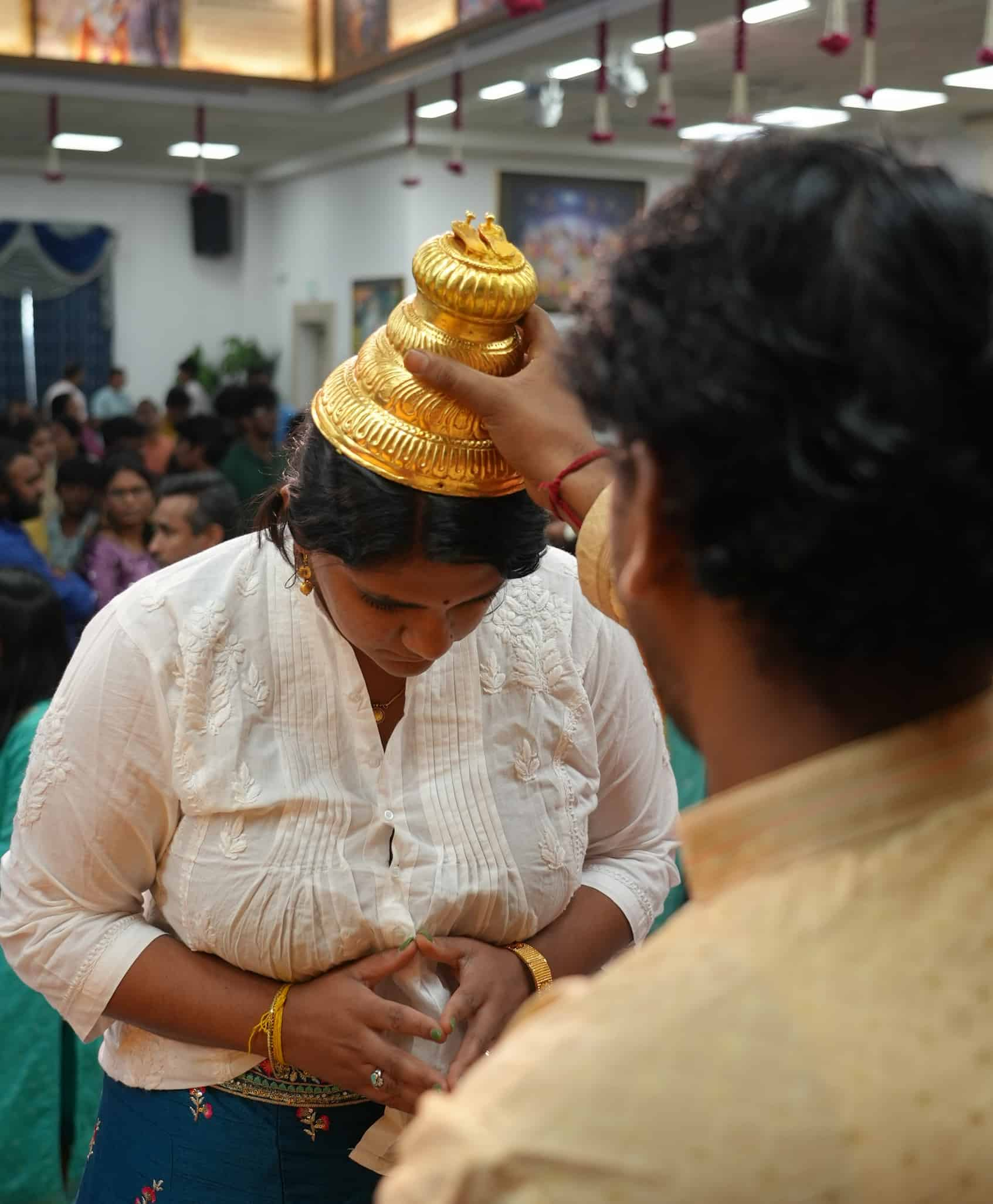
Small acts of devotion grow into powerful spiritual achievements during Dhanurmasam. Ancient wisdom says worshiping Lord Vishnu for just one day in this period equals 1,000 years of devoted worship. Each step toward water sources for morning ablutions brings rewards equal to an Ashvamedha Yaga (horse sacrifice).
The pre-dawn hours (Brahma muhurta) offer perfect conditions for spiritual practices. The atmosphere stays calm and clean. Scientists believe the ozone layer comes closest to earth during this time, making morning practices good for physical health too.
Hindu tradition says gods wake up early to worship Maha Vishnu during Brahma muhurta (about 90 minutes before sunrise) in Dhanurmasam. This creates a unique cosmic moment where divine and human worship happen together, making spiritual benefits stronger for sincere practitioners.
People planning to observe Dhanurmasam 2025 can find motivation in its deep spiritual meaning. This understanding helps them take part in Dhanurmas pooja traditions despite today's busy lifestyle challenges.
Key dates and timings for Dhanurmas 2025
Devotees looking to observe Dhanurmasam 2025 need to mark their calendars carefully. This sacred month offers many chances for spiritual growth through dedicated worship and early morning rituals.
Start and end dates of Dhanurmas 2025
Dhanurmasam 2025 starts on Tuesday, December 16, 2025, as the sun enters Dhanu rashi (Sagittarius). The sacred month ends on Wednesday, January 14, 2026, with the Bhogi festival. The sun's journey through Sagittarius lasts exactly 30 days.
Devotees should know that the start date matches Dhanu Sankranti in the solar calendar. Tamil Nadu calls this time Margazhi month, which follows the same start and end dates.
Some temples use slightly different dates, starting December 15, 2025, and ending January 13, 2026. These small changes usually come from local calendar interpretations or temple customs. You should check with your local temple to confirm the exact schedule.
Important days: Vaikunta Ekadasi, Goda Devi Kalyanam
Dhanurmasam 2025 features several key festivals:
· Vaikunta Ekadasi - Tuesday, December 30, 2025 stands as the most sacred day. The Ekadashi tithi begins at 2:20 AM and ends at 11:30 PM on December 30. The "Vaikunta Dwaram" (gates to Lord Vishnu's divine abode) opens to devotees on this day.
· Sri Hanuman Jayanthi - Friday, December 19, 2025
· Arudra Darisanam - Saturday, January 3, 2026
· Koodaravalli - Sunday, January 11, 2026
Goda Devi Kalyanam marks the end of Dhanurmasam.
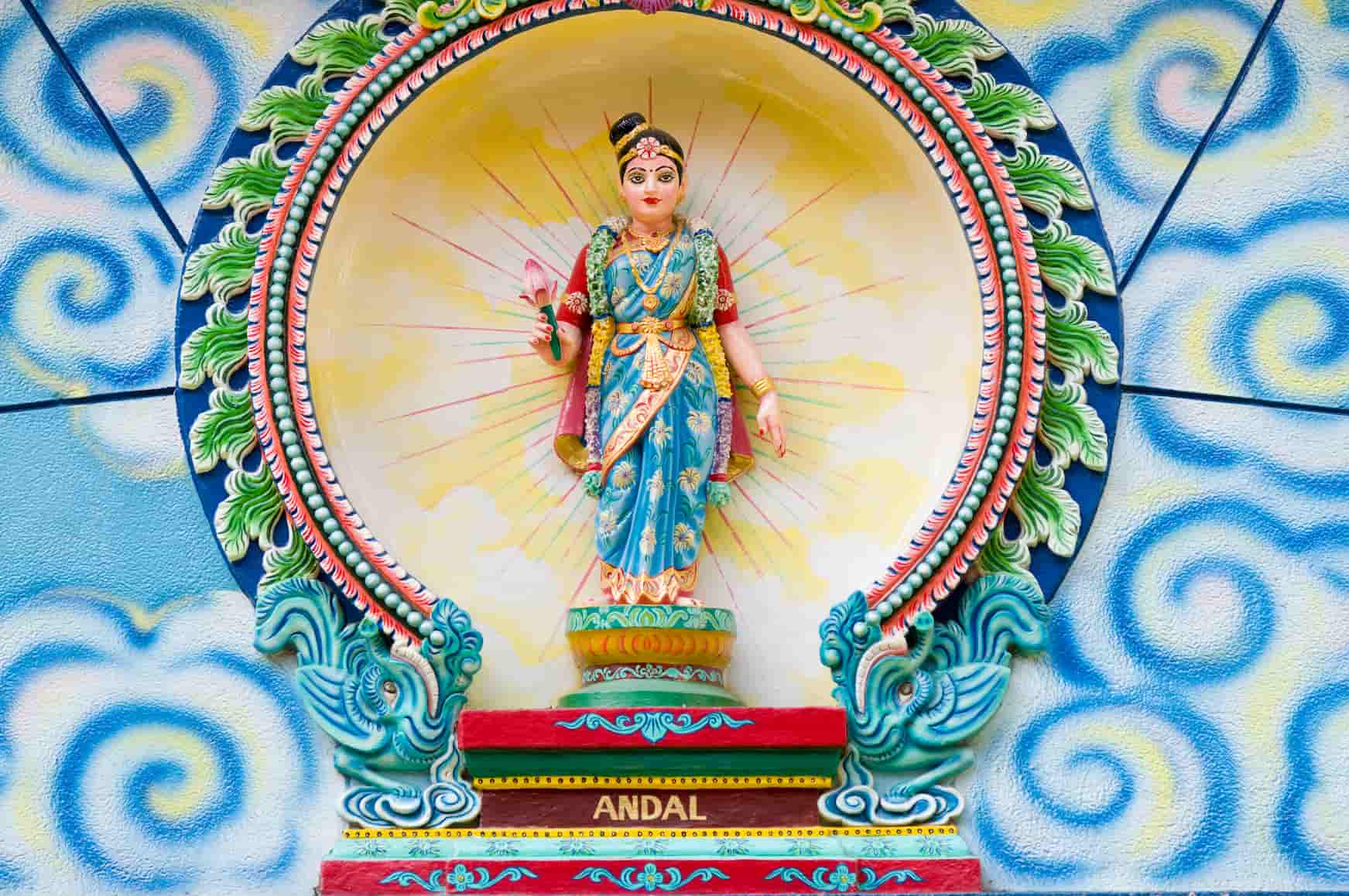
This divine wedding ceremony between Sri Goda Devi (Andal) and Sri Ranganatha Swamy happens on January 13. The ceremony shows the spiritual bond between the devotee (Andal) and the Divine (Ranganatha).
Major temples celebrate Goda Kalyanam with special processions, Vedic chants, and sacred rituals. Tirupati sometimes holds this event on the evening after Dhanurmasam ends.
Best time for morning puja (Brahma Muhurta)
Brahma Muhurta, about 90 minutes before sunrise, offers the perfect time to perform Dhanurmas pooja. This pre-dawn period holds special power in Hindu tradition.
The scriptures say that deities wake up during this time to worship Lord Maha Vishnu throughout Dhanurmasam. Devotees who pray during this divine schedule receive greater spiritual rewards.
South Indian temples start their special pujas very early. Many begin their rituals at 4:30 AM each day during Dhanurmasam. Prominent temples like Tiruchendur welcome devotees as early as 3:00 AM for these special prayers.
Ancient texts reveal that one day of worship during this sacred Brahma Muhurta equals 1,000 years of devoted worship to Lord Vishnu. Temples organize morning processions where bhajan singers walk through village streets before dawn, creating a spiritual atmosphere.
Devotees can connect with both humans and celestial beings through early morning worship. Dhanurmasam 2025 brings a unique chance for spiritual growth through dedicated morning rituals.
Daily rituals and how to observe Dhanurmas pooja
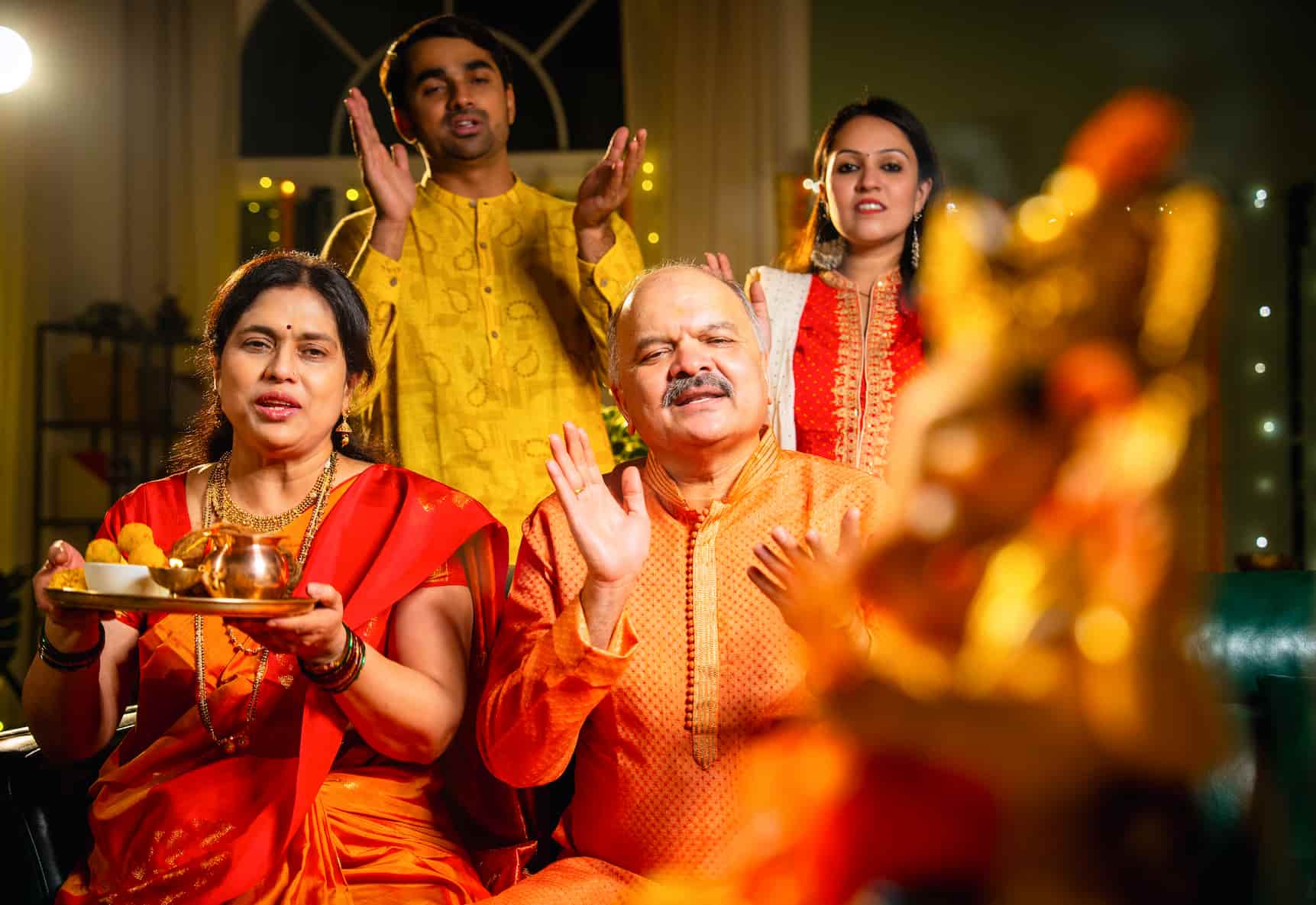
Dhanurmas pooja needs specific daily practices that help devotees stay connected to ancient traditions. This special month requires disciplined spiritual routines that encourage engagement to maximize blessings while honoring celestial cycles.
Morning puja steps and Tiruppavai chanting
The life-blood of Dhanurmas worship happens during Brahma muhurta—about 90 minutes before sunrise. Devotees finish their morning rituals while stars still twinkle in the pre-dawn sky. A single day's proper observance equals 1,000 years of devotional merit, according to sacred texts.
The morning ritual sequence begins with:
1. Complete morning ablutions (snanam) and preparatory rituals (sandhyavandana)
2. Offer worship to Lord Krishna, Goda Devi and other deities
3. Chant Guru Parampara mantras followed by Tiruppalliyezhuchchi
4. Recite the day-specific Tiruppavai pasuram (30 verses total, one for each day)
5. Perform Goda ashtoththara satha nama puja (108 names of Goda Devi)
Tiruppavai recitation plays a special role throughout Dhanurmasam 2025. Andal (Goda Devi) composed these thirty Tamil verses to describe her spiritual yearning for Lord Krishna. Devotees chant these verses in sequence—one for each day of the month—and focus on that day's particular pasuram during morning worship.
Food offerings and prasad preparation
Mudganna (also called Huggi or Pongali) serves as the main prasadam offering during Dhanurmas. The spiritual power of this sacred preparation depends on specific proportions of green gram (moong dal) and rice. Ancient texts list these precise ratios:
· Supreme offering: 2:1 (green gram to rice)
· Good offering: 1:1 ratio
· Medium offering: 1:2 ratio
The preparation starts with dry roasting moong dal until golden brown. Then cook it with rice, cumin seeds, black pepper, asafoetida, and curry leaves. The Agneya Purana states that skipping mudganna during Dhanurmasam can bring poverty across seven lifetimes.
Temples also offer jaggery dosa, sundal (lentil preparation), and seera (sweet dish) as special Dhanurmas naivedyam.
Evening devotional activities
Devotees usually observe a partial fast until sunset after morning worship, eating only prasadam. Evening devotional activities start as twilight approaches:
· Recitation of Goda chathus slo:ki (four verses in praise of Goda)
· Chanting of Ranganattha ashtakam (eight verses praising Lord Ranganatha)
· Listening to spiritual discourses on sacred texts
The evening worship helps devotees understand deeper meanings of that day's Tiruppavai pasuram. They share these learnings with fellow devotees afterward.
Do's and don'ts during Dhanurmas
Do's:
· Keep the house clean and prepare before sunrise
· Visit Vishnu temples daily
· Recite Vishnu Sahasranamam and Lalita Sahasranamam daily
· Observe Mokshada Ekadashi with special reverence
· Learn new skills or vidyas during this auspicious period
Don'ts:
· Avoid scheduling marriages, house-warming ceremonies, or naming ceremonies
· Refrain from major purchases like homes, cars, or electronic devices
· Never miss morning worship during Brahma muhurta
· Avoid eating before completing morning rituals
Dhanurmasam calls devotees to simplify their lives temporarily. They can focus their spiritual energies on divine connection through these well-laid-out daily practices.
Special observances and temple events
Dhanurmasam 2025 brings majestic celebrations that give devotees a chance to receive divine blessings through timeless traditions and ceremonies.
Goda Devi Kalyanam and its significance
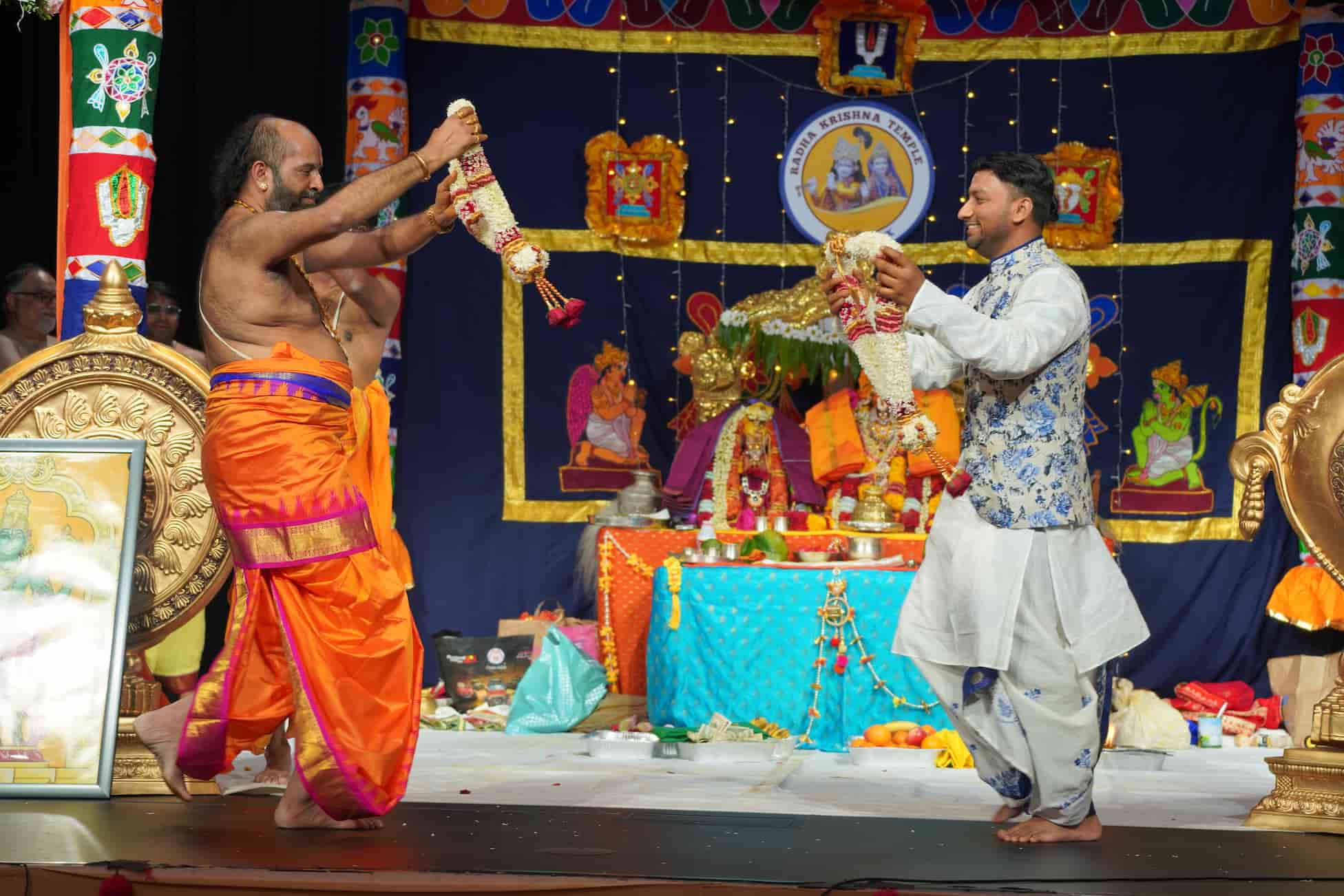
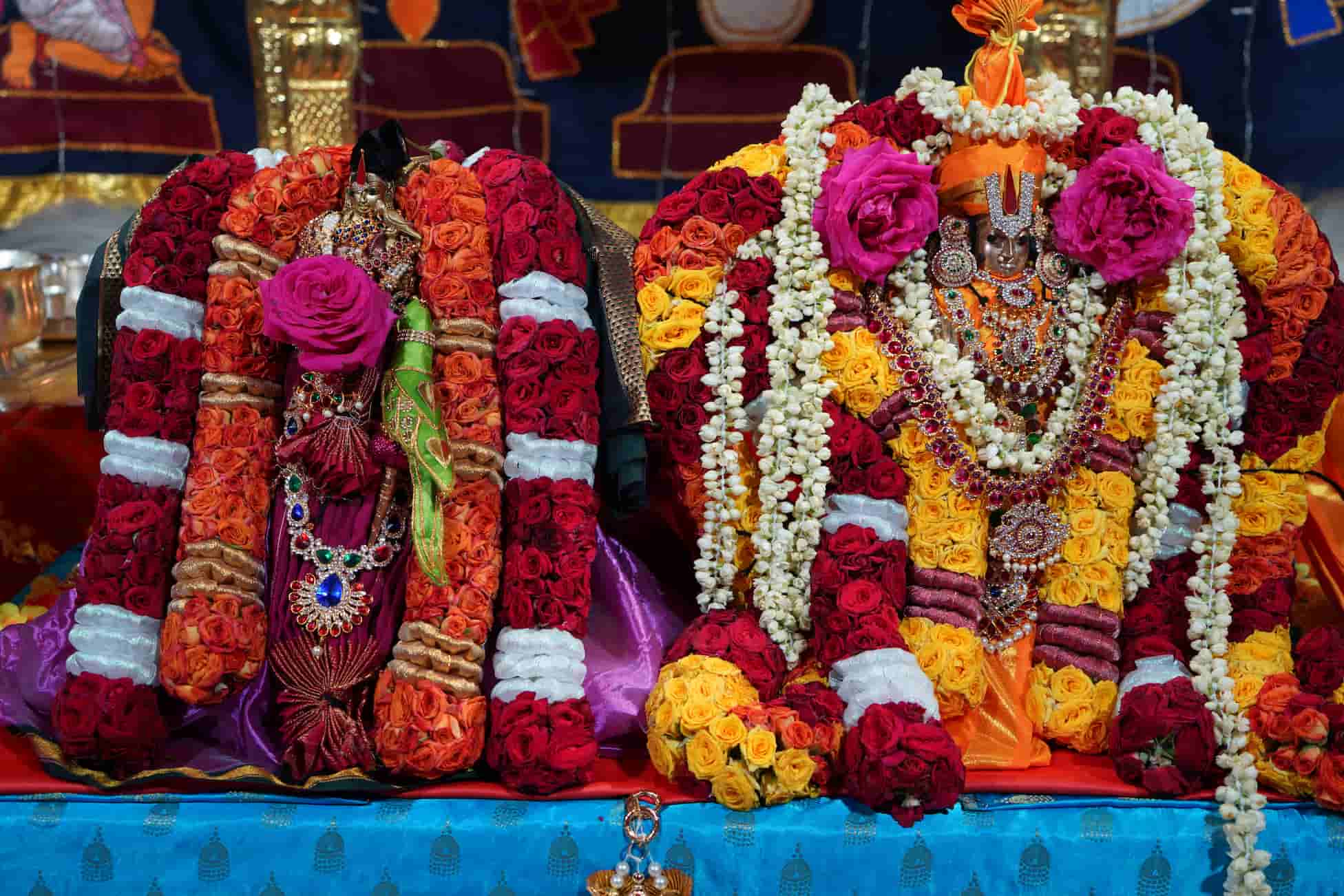
The final day of Dhanurmasam (January 13, 2026) marks Goda Devi Kalyanam. This sacred ceremony celebrates the divine marriage between Goda Devi, who is Lord Krishna's incarnation of Goddess Lakshmi, and Lord Ranganatha. The wedding ceremony shows the peak of Andal's spiritual trip and ultimate union between devotee and divine. Temples perform special abhishekams, processions, and Vedic chanting. Devotees can take part by giving a requested donation of about INR 9788. The ceremony thanks Mother Goddess and is believed to bring good rains and harvests.
Vaikunta Ekadasi and the Seven Doors Ceremony
Vaikunta Ekadasi (December 30, 2025) is the most sacred day during Dhanurmasam. The "Vaikunta Dwaram" (gate to Lord Vishnu's celestial abode) opens on this special day. Devotees get a chance for spiritual liberation. This special entrance opens once a year and lets worshippers enter Vaikuntha—a realm without anxiety.
Sri Ranganathaswamy Temple in Srirangam celebrates for 20 days. The celebration splits into "pagal pathu" (morning portion, 10 days) and "Ira pathu" (night portion, 10 days). The central deity wears pearl armor during this time. Namperumal comes through the northern gate at daybreak on Vaikunta Ekadasi wearing diamond and gem armor.
Bhogi Theru and Adhyayanotsavam
A mini-chariot procession called Bhogi Theru ends the month-long Dhanurmasam festivities. Goddess Andal and Sri Krishna ride inside the temple. This ceremony leads into Adhyayanotsavam—the "Festival of Recitations" that lasts 21 days after Dhanurmasam.
Scholars read verses from Nalayira Divya Prabandham during Adhyayanotsavam. These four thousand divine compositions are read before Sri Govindaraja, Sri Ramanuja, and the twelve Alwars. Thiruvoimozhi recitations happen during Iraapathu while other Azhvars' verses are read during Pagal pathu.
How to participate at home or in temple
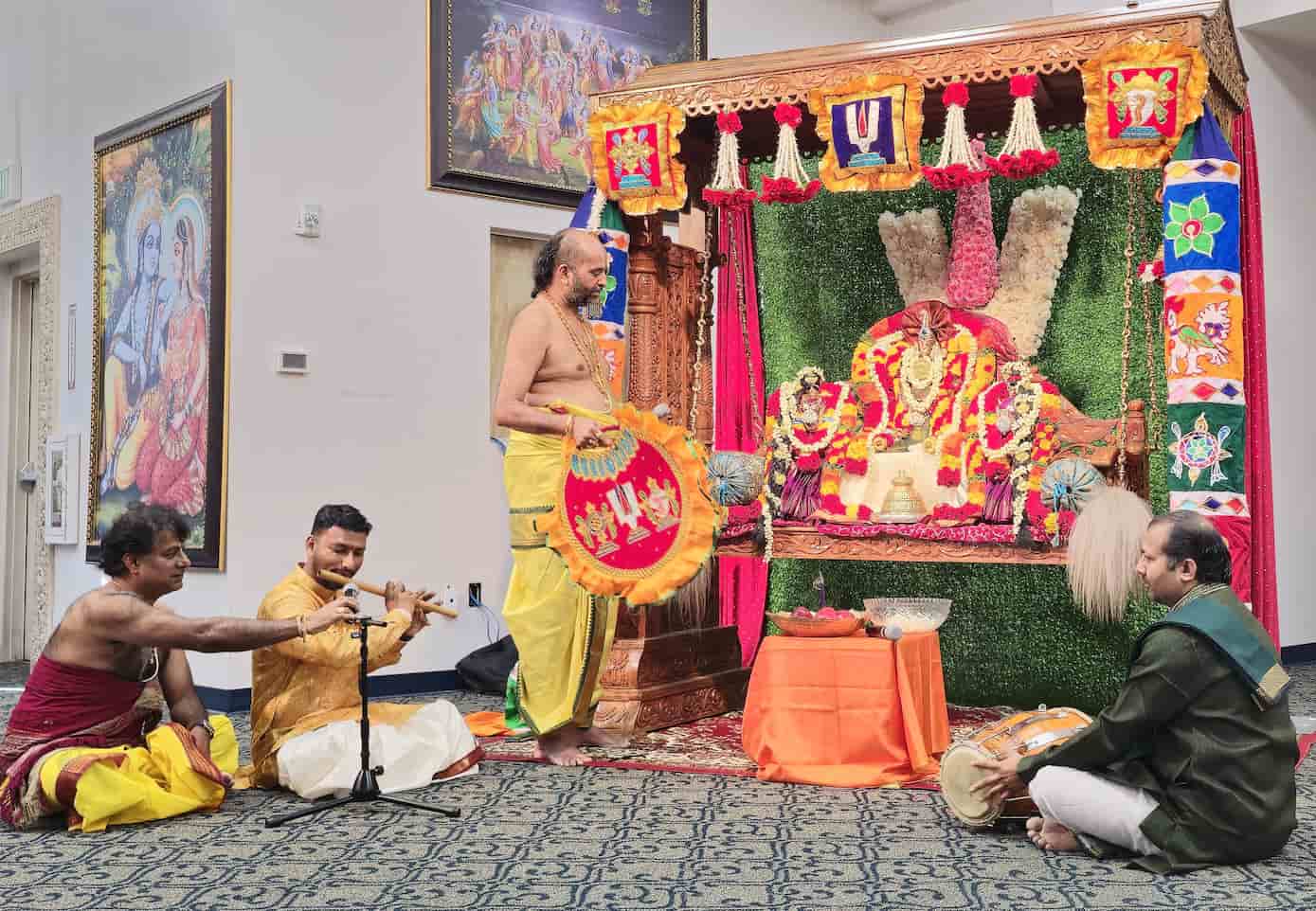
You can join these sacred events at temples or at home. Temple visitors should arrive early between 4:00-6:00 AM during Dhanurmasam. Major celebrations take place at Sri Ranganatha Temple (Srirangam), Sri Venkateshwara Temple (Tirumala), and Sri Vaikuntha Rama Temple (Bhadrachalam).
Your home can become a sacred space with a small altar with flowers and lamps. You might want to arrange Srinivasa Sanchara Seva where the deity's utsava murti visits your home. Priests perform rituals and bless your family. During Goda Kalyanam, you can do special puja preparations, chant mantras, and offer traditional prasadam.
Spiritual importance and benefits of Dhanurmas
Sacred texts tell us about the remarkable spiritual power of Dhanurmasam that lifts this holy month above simple ritual practices. A single day of worship during this time equals a thousand years of devotion to Lord Vishnu.
States of devotion represented by Gopikas
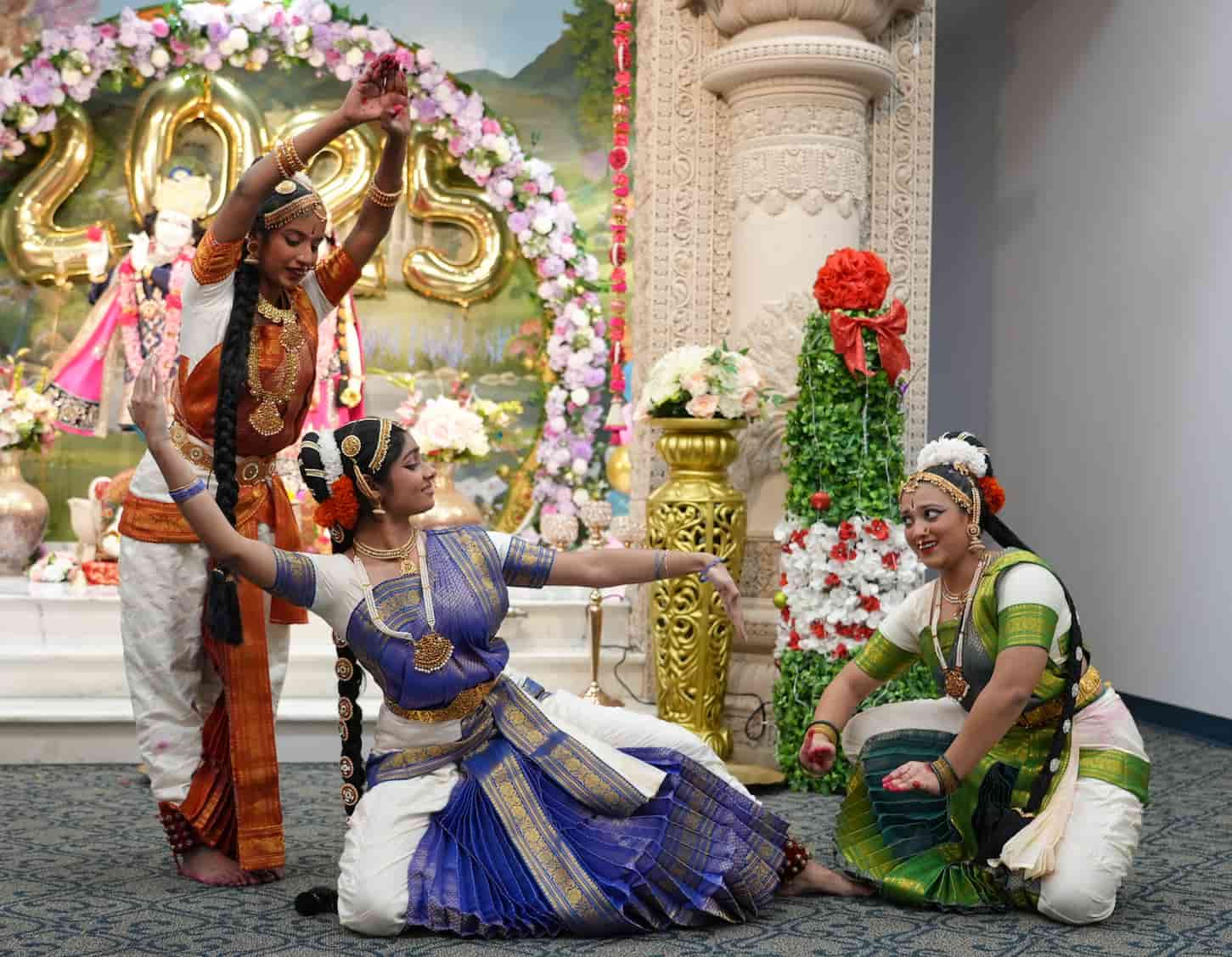
Sacred texts mention ten gopikas who represent different states of devotional consciousness. These divine examples help devotees learn about their current spiritual position, limitations, and growth path. Devotees gain clarity about their own spiritual trip by studying these devotional states. The gopikas show complete surrender and see themselves as instruments in Krishna's hands rather than independent beings.
Role of Goda Devi in guiding devotees
Goda Devi started the Dhanurmasa Vrat tradition 5000 years ago. She composed thirty Thiruppavai verses that guide devotees toward spiritual awakening. Her works teach that true nationalism creates abundance through non-violence and mutual respect. She shows that deep devotion can quickly achieve what takes rishis eons of tapas. Sri Ramanuja kept taking Thiruppavai chants, which proves its spiritual power.
How Dhanurmas transforms inner consciousness
Dhanurmasam marks a time of spiritual change where devotees surpass worldly pursuits. Morning worship during this month cleanses consciousness. Devotees evolve beyond ego, jealousy, and pride. They develop qualities like compassion, accessibility, and blissfulness—divine treasures in themselves. This special month helps them become instruments of divine will instead of self-centered actors.
Blessings for those who observe sincerely
Devotees who follow Dhanurmas practices with steady devotion receive grace that lights up seven lifetimes. Scriptures warn about challenges from improper observance, so sincere practice matters deeply. Material blessings bring timely rainfall - three good rains monthly with nine-day gaps - leading to agricultural wealth. Devotees end up free from anxiety and experience the supreme consciousness that ancient sages reached through long meditation.
Conclusion
Dhanurmasam ranks among the most important spiritual periods in the Hindu calendar. Devotees get a unique chance to connect deeply with Lord Vishnu through spiritual practices from December 16, 2025, to January 14, 2026. The rituals performed before dawn during Brahma Muhurta hold immense power that equals thousands of years of regular worship.
The month features key events like Vaikunta Ekadasi on December 30 and Goda Devi Kalyanam on January 13. These ceremonies are a great way to get spiritual growth. Sincere participation brings both spiritual and material blessings to devotees, leading to personal growth and prosperity.
Modern lifestyles make it challenging to wake up before dawn for daily rituals, but the benefits are nowhere near the effort required. The thirty Tiruppavai verses guide practitioners each day and help elevate consciousness while developing divine qualities. Ancient texts promise that proper observance brings rewards across seven lifetimes. It also ensures natural balance through timely rainfall and abundant crops.
Dhanurmasam 2025 gives devotees a precious chance to step back from daily life and focus on spiritual growth. Practitioners can experience the same consciousness that ancient sages achieved through years of meditation, whether at major temples or in their homes. This sacred period comes only once a year. Planning ahead and preparing properly will support both spiritual progress and material wellbeing.
Call To Action
Join the Divine Celebration of Goda Devi Kalyanam at Radha Krishna Temple, Dallas!
Experience the sacred union of Sri Goda Devi (Andal) and Lord Ranganatha with traditional Vedic chants, processions, and spiritual rituals. Don’t miss this opportunity to receive divine blessings and deepen your connection with Lord Vishnu.
📅 Date: January 18, 2026
📍 Location: Radha Krishna Temple, Dallas
✨ Reserve your spot today and be part of this once-a-year spiritual celebration!
Key Takeaways
Dhanurmasam 2025 offers a powerful month-long spiritual opportunity for devotees to deepen their connection with Lord Vishnu through ancient practices and sacred observances.
• Dhanurmasam 2025 runs from December 16, 2025 to January 14, 2026 - Mark your calendar for this sacred month when the sun transits through Sagittarius, offering maximum spiritual benefits.
• Wake before dawn during Brahma Muhurta (90 minutes before sunrise) for daily worship - Morning rituals during this period are believed to equal 1,000 years of regular devotion.
• Key celebrations include Vaikunta Ekadasi (December 30) and Goda Devi Kalyanam (January 13) - These special days offer unique opportunities for spiritual advancement and divine blessings.
• Daily recitation of Tiruppavai verses and offering Mudganna prasadam are essential practices - These traditional rituals help purify consciousness and connect devotees to ancient wisdom.
• Sincere observance brings benefits spanning seven lifetimes plus material prosperity - Ancient texts promise both spiritual transformation and worldly abundance for dedicated practitioners.
This sacred month represents a rare cosmic alignment where human and divine worship synchronize, making even small devotional acts extraordinarily powerful for spiritual growth.
FAQs
Q1. When does Dhanurmasam 2025 begin and end? Dhanurmasam 2025 begins on Tuesday, December 16, 2025, and concludes on Wednesday, January 14, 2026. This 30-day period corresponds to the sun's transit through Sagittarius in the zodiacal calendar.
Q2. What is the significance of waking up early during Dhanurmasam? Waking up during Brahma Muhurta (about 90 minutes before sunrise) is considered highly auspicious during Dhanurmasam. This pre-dawn period is believed to be spiritually potent, with worship performed at this time equating to 1,000 years of regular devotion.
Q3. What are the key celebrations during Dhanurmasam 2025? The two most important celebrations during Dhanurmasam 2025 are Vaikunta Ekadasi on December 30, 2025, and Goda Devi Kalyanam on January 13, 2026. These days offer special opportunities for spiritual advancement and divine blessings.
Q4. What are the essential daily practices during Dhanurmasam? Essential daily practices include performing morning puja during Brahma Muhurta, reciting the Tiruppavai verses, and offering Mudganna (a special prasad made of green gram and rice) to the deities. These rituals help purify consciousness and deepen devotion.
Q5. What are the benefits of observing Dhanurmasam? Sincere observance of Dhanurmasam is believed to bring spiritual benefits spanning seven lifetimes, as well as material prosperity. It's said to help devotees transcend worldly pursuits, develop divine qualities, and experience a higher state of consciousness.
References
 RKT Blog Team