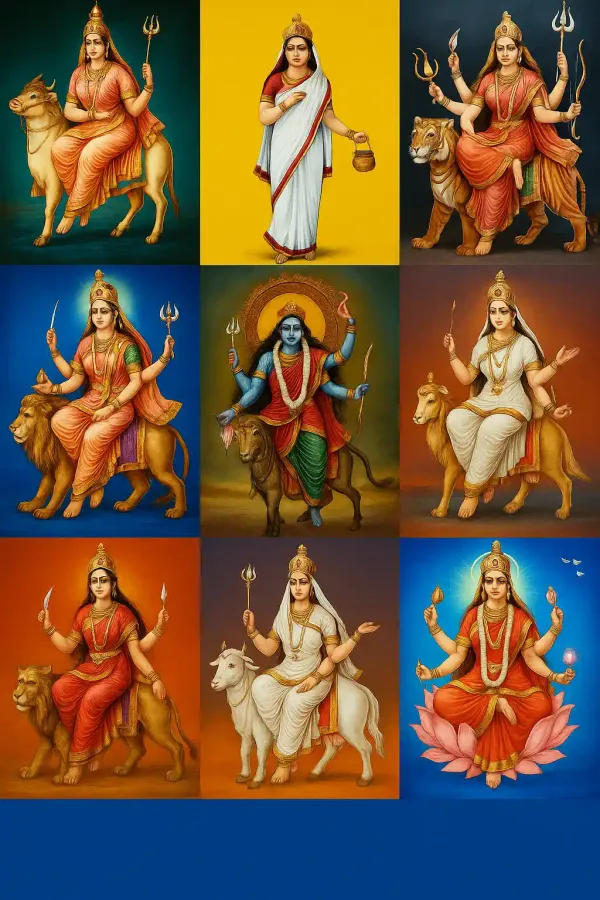
Navratri, one of the biggest Hindu festivals celebrated twice yearly in India, turns vrat food into a unique culinary experience. People give up non-vegetarian food during these nine sacred nights, and many choose not to eat onion and garlic.
The nine-day fast cleanses both body and soul. Fasting doesn't mean you need to stay hungry! These special Navratri recipes will keep you satisfied and full for longer periods. Vrat ka khana has a tasty mix of alternatives - fruits, dairy, nuts, seeds, and pseudo-grains. You can enjoy barnyard millet (sama rice), buckwheat (kuttu), and amaranth (rajgira).
Traditional ingredients like lentils, rice, regular grains, and certain aromatic spices are not allowed during this time. We have created a complete collection of Navratri fasting recipes to make your spiritual experience both satisfying and delicious. These "Upvaas" food choices will keep you energized while following tradition, whether you fast for all nine days or just a few.
Navratri is incomplete without Garba and Dandiya, where the joyous dance celebrates Maa Durga’s victory and fills the nights with divine energy. Clad in colorful attire, devotees gather to dance, rejoice, and honor the Divine Mother in an atmosphere of joy and reverence.
At Radha Krishna Temple of Dallas, the Navratri Mahotsav 2025 offers unforgettable evenings filled with Garba, Dandiya, Durga Pooja, children’s activities, delicious food, and vibrant cultural programs. As lamps glow and music fills the air, the community comes together in a beautiful celebration of tradition, devotion, and festivity—an experience of Navratri magic like never before.
Join us at the celebration; get your tickets today!

📜 Table of Contents
21 Must-Try Vrat Food Recipes for Navratri 2025
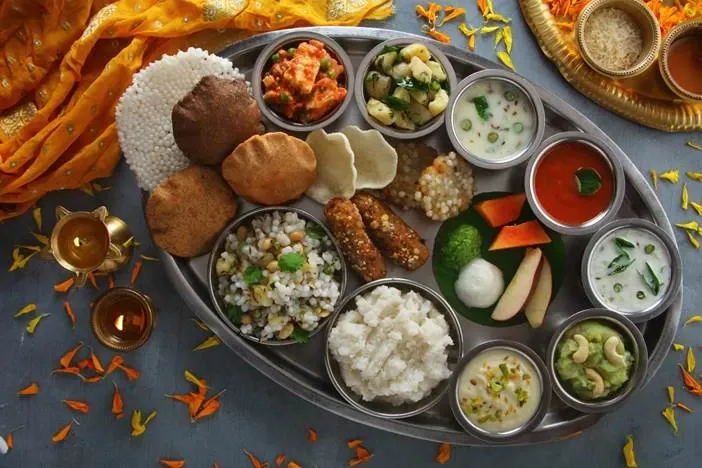
Ready to raise your fasting experience? These twenty-one exceptional vrat food recipes will revolutionize your Navratri 2025 menu. You'll find delicious, permissible ingredients that keep people fed in body and spirit.
1. Sabudana Khichdi (Sago Khichdi)

A comforting, protein-rich fasting dish made with soft tapioca pearls, crunchy peanuts, and potatoes. Light on the stomach yet filling enough to keep you energized during long fasting hours.
Prep Time: 2–3 hours soaking
Cook Time: 15 minutes
Ingredients Overview:
- Soaked sabudana (tapioca pearls)
- Boiled potatoes
- Roasted peanuts (crushed)
- Cumin seeds
- Green chilies
- Ghee
- Rock salt
- Lemon juice
- Fresh coriander
How to Make:
- Rinse sabudana until the water runs clear. Soak for 2–3 hours until soft.
- Heat ghee in a pan, add cumin seeds and green chilies.
- Add diced boiled potatoes and sauté for 1–2 minutes.
- Stir in drained sabudana and crushed peanuts.
- Cook gently on low heat until sabudana turns translucent.
- Finish with lemon juice and fresh coriander.
Tip: Drain sabudana fully before cooking to prevent stickiness — it’s the secret to perfect khichdi!
2. Kuttu Dosa (Buckwheat Crepe)
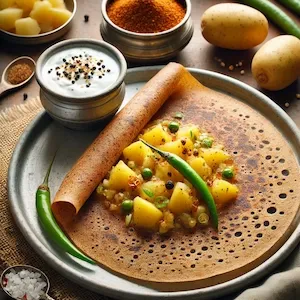
This quick and easy gluten-free dosa is perfect for vrat days — soft inside, crisp on the edges, and filled with deliciously spiced potato.
Prep Time: 15 minutes
Cook Time: 15 minutes
Ingredients Overview:
- Buckwheat flour (kuttu atta)
- Yogurt
- Water
- Rock salt
- Boiled potatoes
- Ginger, green chilies
- Ghee or oil for cooking
How to Make:
- Make a smooth batter with buckwheat flour, yogurt, rock salt, and water.
- For the filling, sauté mashed boiled potatoes with ginger and green chilies in ghee.
- Heat a non-stick pan, pour the batter, and spread it like a dosa.
- Cook until the edges crisp up. Add filling, fold, and serve hot.
Tip: Don’t overcrowd the pan — make one dosa at a time for best results.
3. Singhare ke Atte ka Samosa (Water Chestnut Flour Samosa)
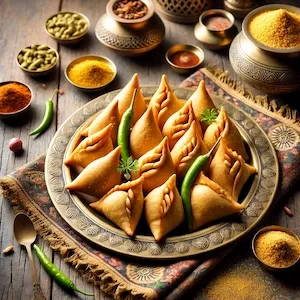
Crispy and golden on the outside with a nutty, spiced filling inside — this vrat samosa adds a festive crunch to your fasting meals.
Prep Time: 30 minutes
Cook Time: 20 minutes
Ingredients Overview:
- Singhare ka atta (water chestnut flour)
- Arrowroot powder
- Ghee
- Rock salt
- Water (for kneading)
- Soaked & crushed charoli
- Cumin, coriander powder, cardamom
How to Make:
- Knead singhare atta, arrowroot, ghee, and rock salt with water into a soft dough.
- Mix crushed charoli with cumin, coriander, and cardamom for the filling.
- Roll dough into circles, cut in half, form cones, and stuff with filling.
- Seal the edges and deep-fry in ghee until golden brown.
Tip: Keep the dough covered while working to prevent drying and cracking.

🌺 Navratri Mahotsav 2025 Dallas – Durga Puja, Garba & Dandiya Nights 🌺
Celebrate Navratri 2025 at Radha Krishna Temple of Dallas from Sept 21–Oct 1! Click here to sign up for 9 Days of Durga Pujas and Durgashtami Havan.
4. Sama Chawal Pulao (Barnyard Millet Pulao)
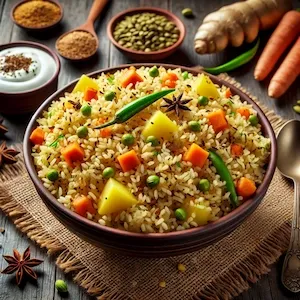
A nutritious, light, and flavorful rice substitute cooked with vegetables and fragrant spices — a perfect one-pot vrat meal.
Prep Time: 30 minutes (soaking)
Cook Time: 20 minutes
Ingredients Overview:
- Sama rice (barnyard millet)
- Potatoes, carrots (optional)
- Cumin seeds, peppercorns, cardamom
- Ginger, green chilies
- Ghee
- Rock salt
- Water
How to Make:
- Soak sama rice for 20–30 minutes.
- In ghee, sauté cumin, peppercorns, and cardamom.
- Add ginger, chilies, and diced vegetables.
- Stir in drained sama rice, water, and rock salt.
- Cover and cook on low heat until all water is absorbed and rice is tender.
Tip: Stir gently after cooking to keep the grains fluffy, not mushy.
5. Vratwale Aloo (Potato Curry)
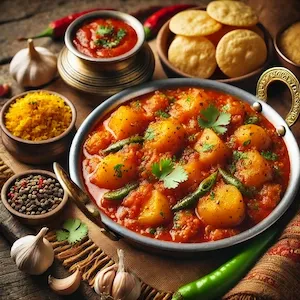
This simple potato curry is rich in flavor and perfect with puris or millet rice — it’s comfort food with a vrat twist.
Prep Time: 10 minutes
Cook Time: 20 minutes
Ingredients Overview:
- Boiled potatoes
- Tomato puree
- Ginger, green chilies
- Cumin seeds
- Rock salt, black pepper
- Ghee
- Water
How to Make:
- Heat the ghee and temper with cumin seeds.
- Add ginger, green chilies, and tomato puree. Cook until oil separates.
- Add crushed or cubed potatoes and mix well.
- Add rock salt, black pepper, and water to adjust the curry's thickness.
- Simmer on low heat for 10 minutes.
Tip: This curry thickens as it rests — add a splash of hot water before reheating.
6. Makhana Kheer (Foxnut Pudding)
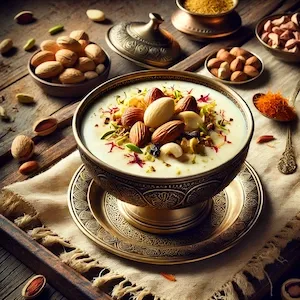
A rich, creamy pudding made by simmering roasted foxnuts in milk, flavored with saffron and cardamom. It’s light yet indulgent — a divine way to end your fasting meal on a sweet note.
Prep Time: 10 minutes
Cook Time: 25–30 minutes
Ingredients Overview:
- Makhana (foxnuts)
- Ghee
- Full-fat milk
- Sugar (or jaggery)
- Cardamom powder
- Saffron strands
- Chopped nuts (almonds, pistachios)
How to Make:
- Roast makhana in ghee until crisp. Set aside and grind two-thirds to a powder.
- Boil milk in a heavy-bottomed pan, then add both ground and whole makhana.
- Simmer for 15–20 minutes until thick and creamy.
- Add cardamom, saffron, sugar, and chopped nuts. Stir well.
- Serve warm or chilled.
Tip: Stir regularly while simmering to avoid burning or sticking at the bottom.
7. Vrat Dhokla (Fasting Steamed Cake)

Light, spongy, and protein-packed — this steamed dhokla is made with sama rice and sabudana, making it a perfect savory snack for vrat.
Prep Time: 4–5 hours soaking + 15 mins resting
Cook Time: 20–25 minutes
Ingredients Overview:
- Sama rice
- Sabudana (tapioca pearls)
- Yogurt
- Green chilies
- Rock salt
- Fruit salt or baking powder
- Cumin seeds, curry leaves
- Ghee (for tempering)
How to Make:
- Soak the sama rice and sabudana, then grind them into a smooth batter.
- Add yogurt, green chilies, and rock salt. Let it rest for 15 minutes.
- Just before steaming, mix in fruit salt or baking powder.
- Pour into a greased dish and steam for 15–20 minutes.
- Temper ghee with cumin seeds and curry leaves; pour over the dhokla.
- Cool slightly, cut into pieces, and serve with vrat chutney.
Tip: Don’t overmix after adding the leavening agent — it can deflate the batter.
Durga Pujas
Participate in 9 Sacred Durga Pujas
Durgashtami Havan
Reserve your Spot
Food Festival
Celebrate with Every Bite
Ravan Dahan
Celebrate Dussehra with Devotion
8. Banana Walnut Lassi (Sweet Yogurt Drink)
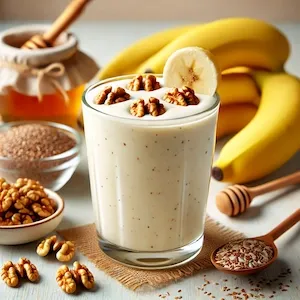
Creamy and energizing, this lassi blends ripe bananas with yogurt, walnuts, and seeds for a protein-rich drink that keeps you full during fasting hours.
Prep Time: 5 minutes
Cook Time: None
Ingredients Overview:
- Ripe bananas
- Yogurt (chilled)
- Walnuts
- Flax seeds, sesame seeds
- Honey or jaggery
How to Make:
- In a blender, combine banana, yogurt, walnuts, flax seeds, sesame seeds, and sweetener.
- Blend until smooth and creamy.
- Pour into glasses and garnish with chopped nuts or a sprinkle of seeds.
Tip: Use slightly overripe bananas for natural sweetness and better texture.
9. Fruit Chaat (Fruit Salad)

Refreshing, zesty, and colorful — fruit chaat is the easiest way to eat clean and energize during Navratri fasts.
Prep Time: 10–15 minutes
Cook Time: None
Ingredients Overview:
- Banana, apple, papaya, pomegranate
- Rock salt
- Roasted cumin powder
- Black pepper
- Lemon juice
- Mint leaves
How to Make:
- Chop all fruits into small, even pieces.
- Sprinkle with rock salt, pepper, and roasted cumin.
- Drizzle lemon juice and toss gently.
- Garnish with fresh mint and serve immediately.
Tip: Keep fruits chilled for a refreshing version — but always serve fresh for best texture.
10. Sweet Potato Chaat (Sweet Potato Salad)
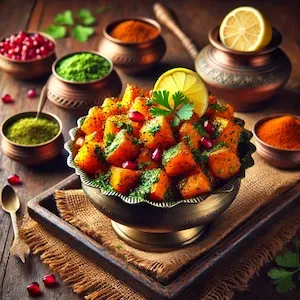
Warm and tangy, this chaat combines boiled or roasted sweet potatoes with zesty chutney and spices — a street-style favorite turned vrat-compliant.
Prep Time: 10 minutes
Cook Time: 15–20 minutes
Ingredients Overview:
- Sweet potatoes (boiled or roasted)
- Green chutney (vrat-friendly)
- Lemon juice
- Rock salt
- Roasted cumin powder
- Fresh coriander
- Pomegranate seeds (optional)
How to Make:
- Peel and cube the sweet potatoes.
- Toss with green chutney, lemon juice, rock salt, and roasted cumin.
- Garnish with coriander and pomegranate seeds.
- Serve warm or at room temperature.
Tip: Roasting sweet potatoes adds a delicious smoky flavor — ideal for variety!
11. Paneer Tikka (Grilled Spiced Cottage Cheese Cubes)
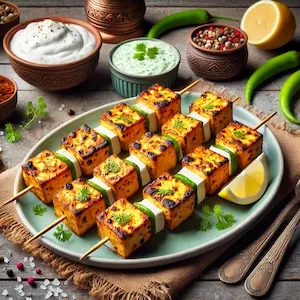
Soft, golden paneer cubes marinated in vrat-friendly spices and grilled to perfection. It’s a high-protein snack that satisfies cravings while keeping you full during fasting.
Prep Time: 20 minutes (marination)
Cook Time: 10–15 minutes
Ingredients Overview:
- Paneer (cottage cheese) cubes
- Yogurt
- Ginger paste
- Green chilies
- Rock salt
- Vrat-safe spices (e.g., sendha namak, pepper)
- Ghee or oil for grilling
How to Make:
- Prepare marinade with yogurt, ginger, green chili, and spices.
- Add paneer cubes and coat evenly. Let it marinate for 15–20 minutes.
- Grill or pan-sear until golden brown on all sides.
- Serve hot with vrat-friendly mint chutney or lemon wedges.
Tip: Use thick yogurt to prevent watery marinade and help spices stick better.
12. Singhare Ka Halwa (Water Chestnut Flour Pudding)
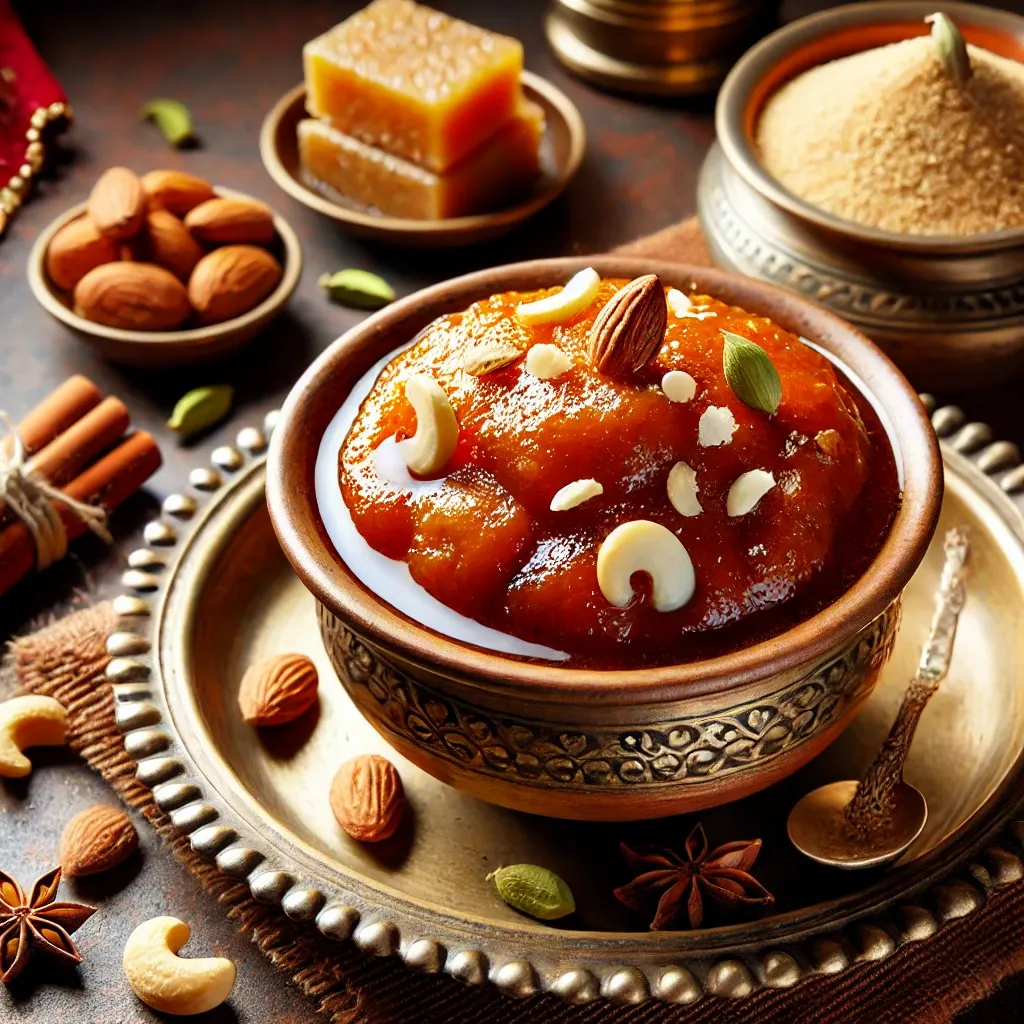
A rich, ghee-roasted pudding made with water chestnut flour, sweetened naturally and flavored with cardamom. It's warm, festive, and perfect as a post-aarti dessert.
Prep Time: 5 minutes
Cook Time: 15–20 minutes
Ingredients Overview:
- Singhare ka atta (water chestnut flour)
- Ghee
- Water
- Sugar or jaggery
- Cardamom powder
- Chopped nuts (almonds, cashews)
How to Make:
- Heat ghee in a pan and roast singhare atta until golden and aromatic.
- Add warm water gradually while stirring to avoid lumps.
- Cook on low heat until it thickens.
- Add sugar/jaggery, cardamom powder, and nuts. Stir well and cook for 2–3 more minutes.
- Serve warm.
Tip: For a smoother texture, sift the flour before roasting.
13. Rajgira Paratha (Amaranth Flatbread)
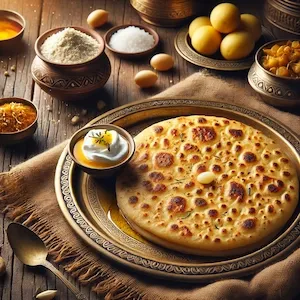
Soft, ghee-roasted flatbreads made with amaranth flour and mashed potatoes. These naturally gluten-free parathas are hearty and perfect with curd or vrat curries.
Prep Time: 10–15 minutes
Cook Time: 10 minutes
Ingredients Overview:
- Rajgira flour (amaranth flour)
- Boiled mashed potatoes
- Rock salt
- Ghee
- Water (for kneading)
How to Make:
- Mix rajgira flour, mashed potato, and rock salt.
- Add water gradually and knead into a soft dough.
- Roll into discs using a plastic sheet or greased hands (dough can be sticky).
- Cook on a hot tawa with ghee until golden brown on both sides.
- Serve hot with curd or vrat sabzi.
Tip: Let the dough rest for 5–10 minutes for easier rolling and softer texture.
14. Kuttu Ki Puri (Buckwheat Flour Fried Bread)
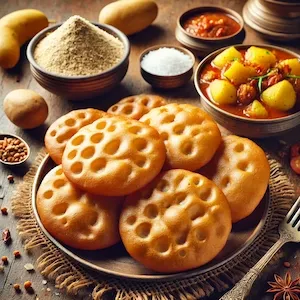
These puffed, golden puris are made with buckwheat flour and mashed potatoes — crispy on the outside and soft inside, perfect for pairing with vrat curries.
Prep Time: 10–15 minutes
Cook Time: 15 minutes
Ingredients Overview:
- Kuttu flour (buckwheat flour)
- Boiled mashed potatoes
- Rock salt
- Water (for kneading)
- Ghee or oil (for deep frying)
How to Make:
- Combine kuttu flour, mashed potatoes, and salt.
- Knead into a soft dough using minimal water.
- Divide into small balls and roll into discs.
- Deep fry in hot ghee or oil until puffed and golden brown.
- Drain and serve hot with aloo sabzi or curd.
Tip: Don’t let the dough sit too long — fry immediately for best puff.
15. Arbi Ki Sabzi (Colocasia Curry)
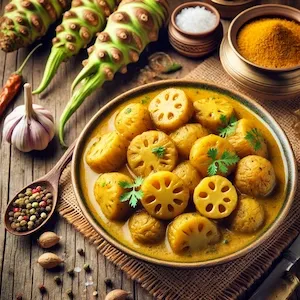
This mildly spiced, crispy arbi dish is great for fasting — rich in fiber and coated with ghee and spices for a comforting bite.
Prep Time: 10 minutes
Cook Time: 20–25 minutes
Ingredients Overview:
- Arbi (colocasia root)
- Cumin seeds
- Green chilies
- Rock salt
- Ghee
- Vrat-safe spices (pepper, amchur – if allowed)
How to Make:
- Boil arbi until just tender. Peel and slice or lightly mash.
- Heat ghee, add cumin seeds and green chilies.
- Add arbi, rock salt, and other mild spices.
- Sauté on low heat until lightly crisped on the outside.
- Serve hot with puri or rajgira paratha.
Tip: Let boiled arbi cool before peeling — it becomes less sticky and easier to handle.
16. Lauki Raita (Bottle Gourd Yogurt Dish)

This cooling yogurt-based dish balances warm vrat meals with its light, creamy texture. Bottle gourd adds fiber and hydration, making it perfect for detox during fasting.
Prep Time: 10 minutes
Cook Time: 5–7 minutes
Ingredients Overview:
- Grated lauki (bottle gourd)
- Yogurt (whisked)
- Rock salt
- Roasted cumin powder
How to Make:
- Boil grated lauki for 3–5 minutes until just soft.
- Let it cool, then squeeze out excess water.
- Add to whisked yogurt and mix well.
- Season with rock salt and roasted cumin powder.
- Chill before serving.
Tip: Use thick yogurt to prevent the raita from becoming watery.
17. Kaddu ki Sabzi (Pumpkin Curry)
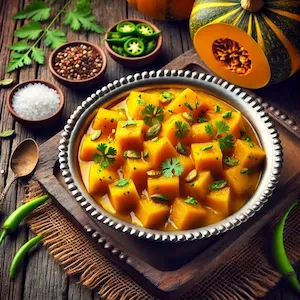
Soft, mildly sweet, and lightly spiced — this pumpkin sabzi is a simple yet flavorful addition to any vrat thali.
Prep Time: 5–10 minutes
Cook Time: 15–20 minutes
Ingredients Overview:
- Pumpkin (peeled and cubed)
- Ghee
- Cumin seeds
- Green chilies
- Rock salt
- Amchur powder or lemon juice
How to Make:
- Heat ghee and temper with cumin seeds and green chilies.
- Add diced pumpkin and rock salt. Mix well.
- Cover and cook on low until pumpkin is soft.
- Finish with amchur or a squeeze of lemon.
- Serve warm with puri or paratha.
Tip: Choose ripe pumpkin for natural sweetness and faster cooking.
18. Dry Fruits Ladoo (Dry Fruit Energy Balls)
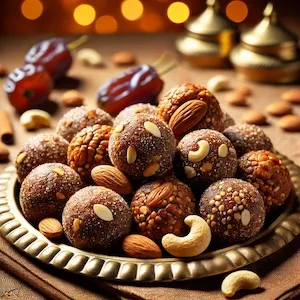
Packed with natural sweetness and healthy fats, these no-sugar ladoos are perfect as an energy boost during fasting.
Prep Time: 10 minutes
Cook Time: 10 minutes
Ingredients Overview:
- Dates and dried figs
- Almonds, cashews, walnuts
- Ghee (optional)
How to Make:
- Blend dry fruits and nuts into a coarse paste.
- Optionally, lightly roast in ghee for flavor and binding.
- While warm, shape into small ladoos with your hands.
- Let them cool and store in an airtight container.
Tip: Use soft, seedless dates for easy blending and natural stickiness.
19. Makhana Namkeen (Crispy Spiced Foxnuts)
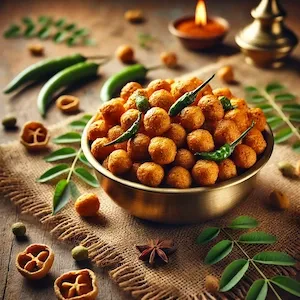
Crispy, light, and protein-rich, this vrat-friendly snack is great for guilt-free munching anytime during the day.
Prep Time: 2 minutes
Cook Time: 10 minutes
Ingredients Overview:
- Makhana (foxnuts)
- Ghee
- Curry leaves
- Green chilies
- Rock salt
- Roasted cumin powder
How to Make:
- Dry roast makhana in a pan until they turn crisp.
- In a separate pan, heat ghee and sauté curry leaves and chilies.
- Add roasted makhana, salt, and cumin. Toss to coat evenly.
- Cool completely before storing.
Tip: Press a few makhanas between your fingers to check if they’re fully crispy before storing.
20. Rajgira Kheer (Amaranth Pudding)
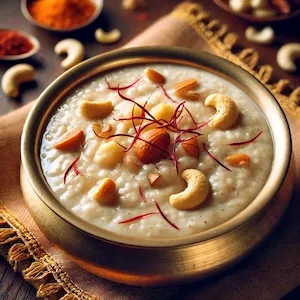
Creamy and rich with a nutty flavor, this wholesome kheer made from amaranth seeds is a gentle, sattvic dessert option during fasting.
Prep Time: 5 minutes
Cook Time: 20 minutes
Ingredients Overview:
- Rajgira (amaranth seeds)
- Milk
- Sugar or jaggery
- Cardamom powder
- Chopped nuts
- Saffron strands (optional)
How to Make:
- Rinse rajgira and roast lightly in a pan.
- Add milk and simmer until seeds are soft and mixture thickens.
- Add sugar, cardamom, and saffron. Stir well.
- Garnish with chopped nuts and serve warm or chilled.
Tip: Stir frequently while cooking to prevent the kheer from sticking to the pan.
21. Sabudana Vada (Crispy Tapioca Fritters)
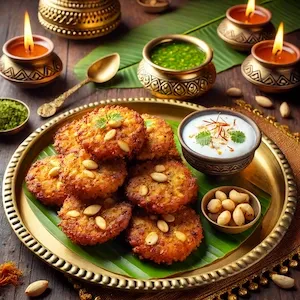
Crunchy outside, soft inside — these golden fritters are a popular fasting snack loaded with flavor and energy.
Prep Time: 2–3 hours (soaking) + 10 mins mixing
Cook Time: 20 minutes
Ingredients Overview:
- Soaked sabudana
- Boiled potatoes
- Crushed peanuts
- Green chilies
- Rock salt
- Ghee or oil for frying
How to Make:
- Soak sabudana for 2–3 hours and drain thoroughly.
- Mix with mashed potatoes, peanuts, salt, and green chilies.
- Shape into small patties.
- Deep fry or shallow fry until crisp and golden.
- Serve hot with vrat chutney or sweet curd.
Tip: Test one vada first — if it breaks, add more boiled potato or a spoon of arrowroot for binding.
Conclusion
Navratri fasting is more than just restricting your diet - it's a chance to nourish your body and soul through mindful food choices. The allowed ingredients like sabudana, kuttu, rajgira, and sama rice give you plenty of options to create delicious, satisfying meals that keep your energy levels steady during your spiritual trip. These vrat-friendly alternatives make fasting a celebration of pure, sattvic food rather than a time of restriction.
Your Navratri experience can stay spiritually rewarding and physically energizing when you mix carbohydrates with protein-rich foods like paneer, yogurt, and nuts. Steaming, baking, or pan-cooking your food instead of deep-frying makes these special dishes better at the time of your body's natural cleansing process.
Our recipes show how you can reimagine traditional vrat food creatively while respecting ancient customs. Each dish from sabudana khichdi at breakfast to makhana kheer for dessert helps you maintain your fast without giving up taste or nutrition.
Fasting needs discipline, but shouldn't feel like a burden. Navratri's dietary guidelines let you prepare diverse meals that satisfy your cravings and support your spiritual practice. You can learn about balancing spiritual practices with daily life by checking out Swami Mukundananda's YouTube channel, which guides your spiritual path beyond the festival season.
Food can be both medicine and meditation during Navratri - a way to purify your body and raise your consciousness. These nine sacred days are a chance to reset yourself physically and spiritually by eating pure, mindful meals.
🙏 Spiritual Reminder During Fasting
Another gem from the Bhagavad Gita inspires mindful eating:
📖 “Yuktāhāra-vihārasya yukta-ceṣṭasya karmasu,
Yukta-svapnāvabodhasya yogo bhavati duḥkha-hā.”
"Those who are temperate in eating and recreation, balanced in work and relaxation, and who regulate their sleeping and waking, will find that yoga destroys all suffering."
This verse beautifully resonates with the principle of fasting—balance, discipline, and devotion. While it's good to keep fast to detoxify our body, we should also listen to our body and take care of it.
🙌 Call to Action
For deeper insights into spiritual living, a healthy diet, and devotion, it's highly recommended to follow JKYog Cooking Channel.
👉 JKYog Cooking Channel for more divine wisdom, lifestyle tips, and festival content.
Join us in celebrating the divine spirit of Navaratri at the Radha Krishna Temple of Dallas! Experience vibrant garba nights, soulful aartis, and traditional festivities with the community.
🥗 Continue Exploring Navratri Fasting
📚 Learn about all 9 forms of Goddess Durga and explore Navratri rituals in our Complete Navratri 2025 Guide »
🙋♀️ Frequently Asked Questions (FAQs)
1. What foods are allowed during Navratri fasting?
During Navratri fasts, only sattvic foods are allowed. Common ingredients include:
- Sabudana (tapioca pearls)
- Kuttu (buckwheat flour)
- Rajgira (amaranth flour)
- Sama rice (barnyard millet)
- Potatoes, sweet potatoes
- Pumpkin, bottle gourd, arbi (colocasia)
- Dairy (milk, paneer, curd)
- Fruits and nuts
You must avoid grains, lentils, onion, garlic, and regular salt (use sendha namak instead).
2. Can I eat dairy products while fasting?
Yes, dairy products like milk, curd (yogurt), paneer, ghee, and buttermilk are allowed. They're excellent sources of protein and calcium during the fast.
3. What are the best energy-boosting foods for Navratri fasts?
Top energy-boosters include:
- Makhana (foxnuts)
- Dry fruits ladoo
- Banana walnut lassi
- Sabudana khichdi
- Paneer tikka
These foods provide sustained energy without feeling heavy.
4. Is it okay to eat fried foods like vada and samosa during fasts?
Yes, fried foods like Sabudana Vada and Singhare ke Atte ka Samosa are commonly eaten. However, consider moderation or healthier cooking methods like air-frying or shallow frying if you're fasting for detox or health reasons.
5. Can I use normal salt during Navratri?
No, regular salt is not allowed. Use rock salt (sendha namak) instead, which is pure and unprocessed.
6. Are vrat recipes suitable for gluten-free diets?
Yes! Most vrat ingredients like buckwheat, amaranth, and barnyard millet are naturally gluten-free, making Navratri recipes ideal for gluten-intolerant individuals.
7. What can I drink while fasting?
You can have:
- Plain water, coconut water
- Lassi or buttermilk
- Milk, banana lassi, or fruit smoothies
Avoid tea or coffee if you're observing a strict spiritual fast.
8. How do I avoid feeling weak while fasting?
- Eat small, frequent meals
- Include healthy fats (ghee, nuts, seeds)
- Stay hydrated
- Avoid deep-fried food if you're fasting for detox
9. Can I follow these vrat recipes if I’m only partially fasting (e.g., fruit-only fast)?
Yes! Many recipes like Fruit Chaat, Banana Walnut Lassi, and Makhana Namkeen can be adapted for partial fasts or fruit-only days.
10. Where can I learn more about spiritual fasting and sattvic lifestyle?
You can follow:
- Swami Mukundananda's YouTube channel
- JKYog Cooking Channel for sattvic recipes and devotional food content
- Radha Krishna Temple of Dallas for live festival events and spiritual guidance
11. Is Navratri fasting safe for children or elderly people?
Fasting can be adjusted for children or seniors:
- Offer nutrient-rich, soft foods like kheer, lassi, banana smoothies, or boiled potatoes
- Skip strict fasting and focus on sattvic eating
Always consult a healthcare provider before introducing fasting to children or elderly individuals.
12. Do I need to fast all 9 days of Navratri?
No, you can choose:
- All 9 days
- Only the first and last days
- Or any specific day(s) based on your belief and health
The key is devotion, intention, and discipline, not the number of days.