In a word overflowing with noise, speed, and constant mental stimulation, the human mind rarely finds rest. Thoughts jump endlessly from past regrets to future anxieties, leaving little space for peace or clarity. Spiritual traditions across the ages have offered various practices to calm the mind and elevate the soul, yet in the present age of Kali, many of these disciplines feel difficult to sustain. Long hours of silent meditation, strict austerities, and complex rituals often clash with modern lifestyles.
According to the teachings of JKYog, kirtan emerges as a timeless and powerful solution. Kirtan is not merely devotional music or a cultural expression of faith. It is a complete spiritual practice designed for this age, one that engages the mind, heart, and senses together. It is described as yug dharma, the essential practice for spiritual growth in the current era.
At its core, kirtan is the loving remembrance of God through sacred sound. When practiced correctly, it becomes a form of meditation in motion, capable of purifying the heart, stabilising the restless mind, and awakening divine love. This article explores the profound benefits of kirtan from the JKYog perspective and offers practical guidance on how to maximise its transformative power in daily life.
The Transformative Power of Kirtan in the Age of Kali
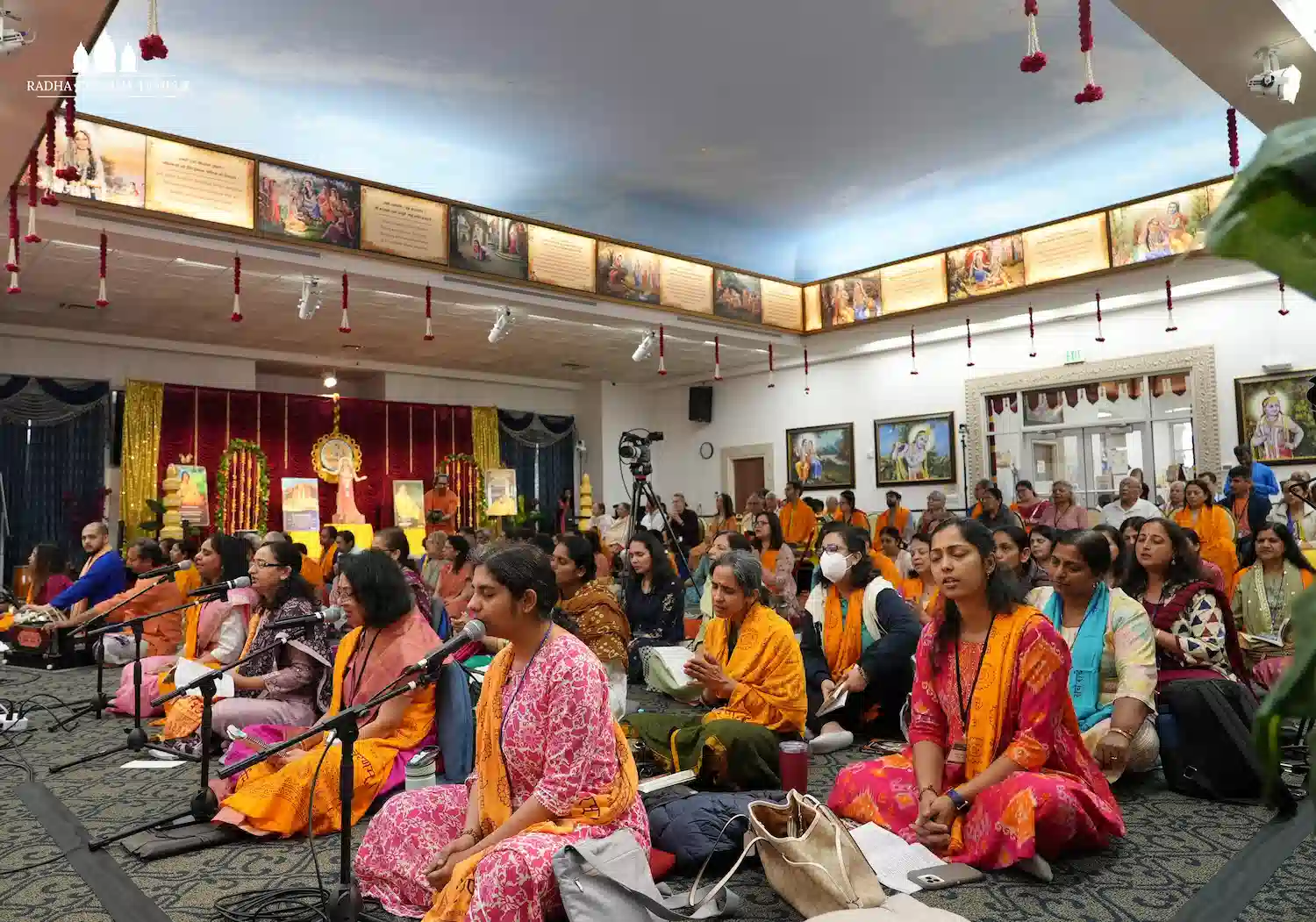
The scriptures describe the Age of Kali as a time marked by distraction, emotional turbulence, and declining inner discipline. The mind is constantly pulled outward by sensory pleasures, digital media, and worldly ambitions. In such an environment, traditional practices that require prolonged withdrawal from the senses can feel inaccessible or overwhelming.
Kirtan meets the mind where it is. Instead of forcing silence upon a restless mind, it gently redirects mental energy toward the divine through sound, rhythm, and meaning. Singing or listening to kirtan gives the mind a positive and uplifting engagement, making it easier to detach from worldly distractions.
JKYog teaches that the holy names of God are not ordinary sounds. They carry divine energy capable of cleansing consciousness. When repeated with devotion, they act like a spiritual current that washes away accumulated impressions of lust, anger, greed, envy, and pride. Over time, this purification softens the heart and prepares it to experience divine love.
In the age of Kali, where time is limited and distractions are many, kirtan is considered the most practical and effective path to spiritual elevation. It does not require special qualifications, physical strength, or intellectual mastery. Anyone, regardless of background or experience, can begin and benefit immediately.
Rapid Purification of the Heart
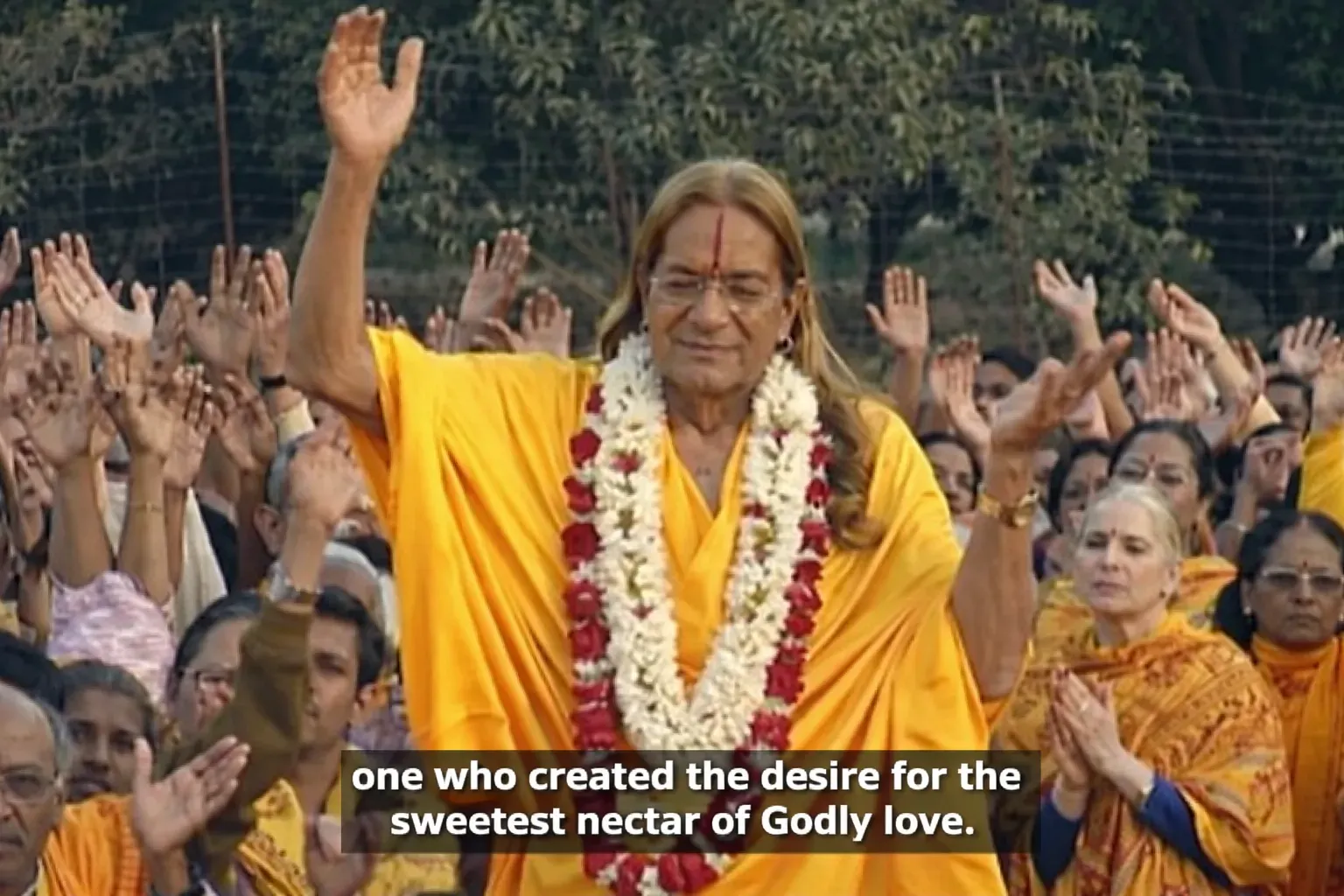
One of the most profound benefits of kirtan is its ability to purify the heart rapidly. According to JKYog philosophy, the root cause of suffering lies not in external circumstances but in the impurities of the heart. These impurities manifest as selfish desires, emotional turbulence, and habitual negative thinking.
Kirtan works directly at this root level. When the mind repeatedly hears and sings the divine names, it begins to release attachment to worldly cravings. The heart gradually shifts its focus from temporary pleasures to lasting spiritual joy.
Unlike intellectual study, which often remains at the level of concepts, kirtan operates at the level of emotion. It reconditions the heart through love rather than force. This is why even people who struggle with formal meditation often find kirtan deeply transformative.
As divine remembrance increases, negative tendencies naturally lose their grip. Lust is replaced with purity, anger with compassion, greed with contentment, and restlessness with peace. This inner purification is not abrupt but steady and sustainable, making kirtan a lifelong companion on the spiritual path.
The Role of Kirtan in Taming the Restless Mind
The mind is often described as restless by nature. It resists control and seeks constant stimulation. Traditional meditation techniques aim to quiet the mind, yet many practitioners find themselves battling endless thoughts.
Kirtan offers a different approach. Instead of suppressing thoughts, it redirects them. The melody, rhythm, and words of the kirtan give the mind something meaningful to hold onto. This makes it easier to stay present and focused.
JKYog describes kirtan as meditation in motion. The body sings, claps, or moves rhythmically, while the mind listens and remembers God. This integrated engagement reduces mental wandering and brings the practitioner into a state of flow.
Over time, regular kirtan practice trains the mind to return naturally to divine remembrance. Even outside formal practice, the mind begins to replay sacred sounds internally, creating a continuous undercurrent of peace and devotion.
Tridha Bhakti: The Threefold Path to Divine Connection
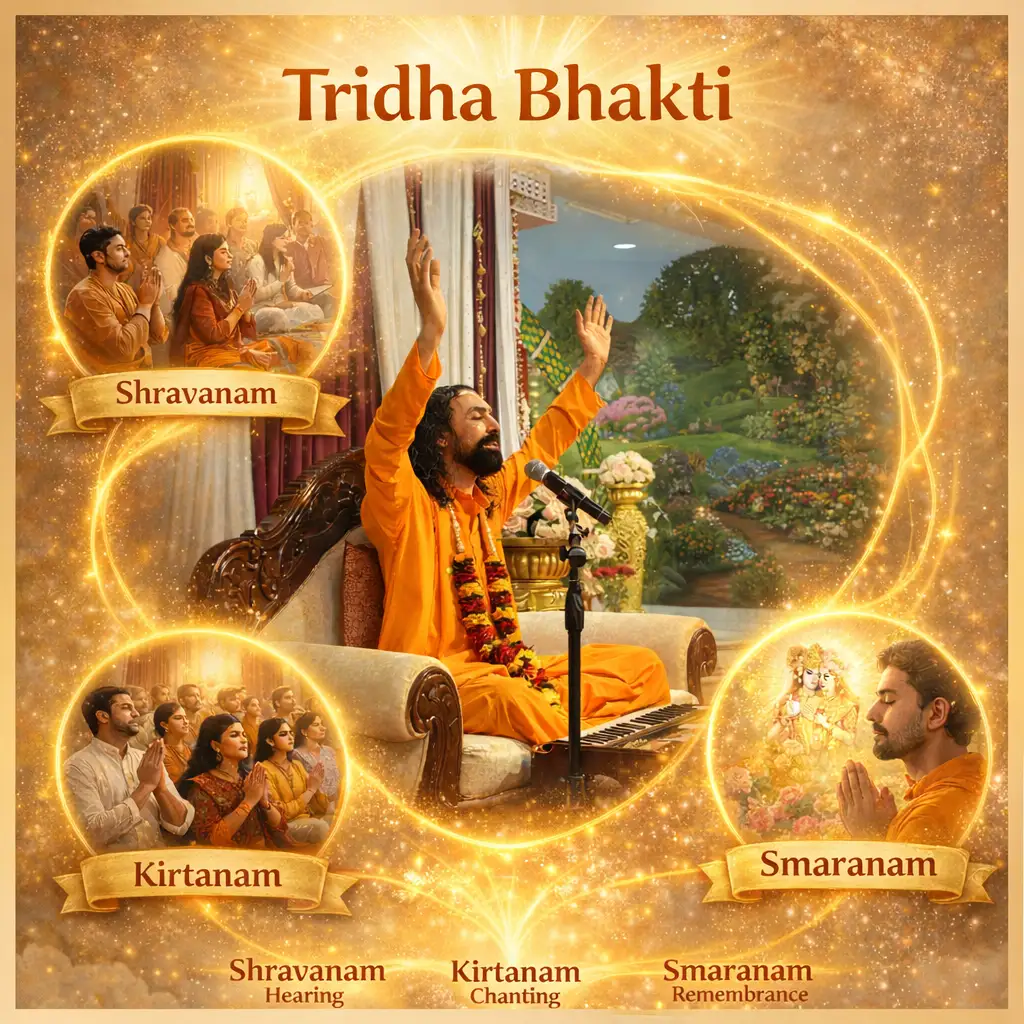
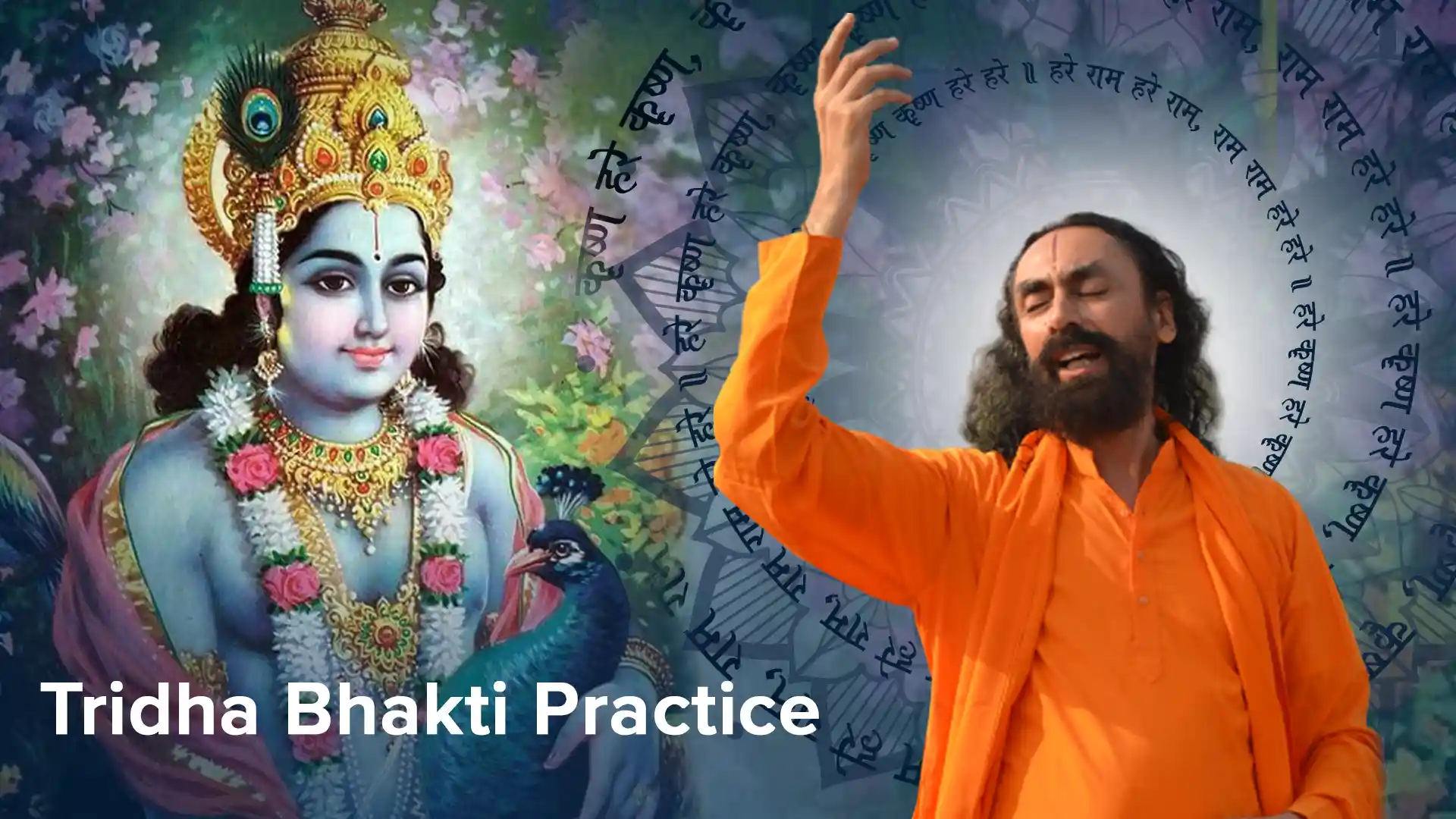
A unique aspect of kirtan emphasized in JKYog teachings is its role in Tridha Bhakti, the threefold devotional process. Tridha Bhakti consists of Shravanam, Kirtanam, and Smaranam.
Shravanam refers to hearing the divine names and glories. Kirtanam involves singing or chanting them aloud. Smaranam is the internal remembrance of God within the heart.
Kirtan beautifully integrates all three. As you listen to the melody and lyrics, you engage in Shravanam. As you sing along, you practice Kirtanam. As the mind reflects on the divine meaning behind the words, Smaranam naturally arises.
This combination makes kirtan a complete spiritual practice. It engages the senses, voice, intellect, and emotions together, leaving little room for distraction. When practiced regularly, Tridha Bhakti deepens devotion and accelerates spiritual progress.
Stress Relief and Emotional Healing Through Kirtan
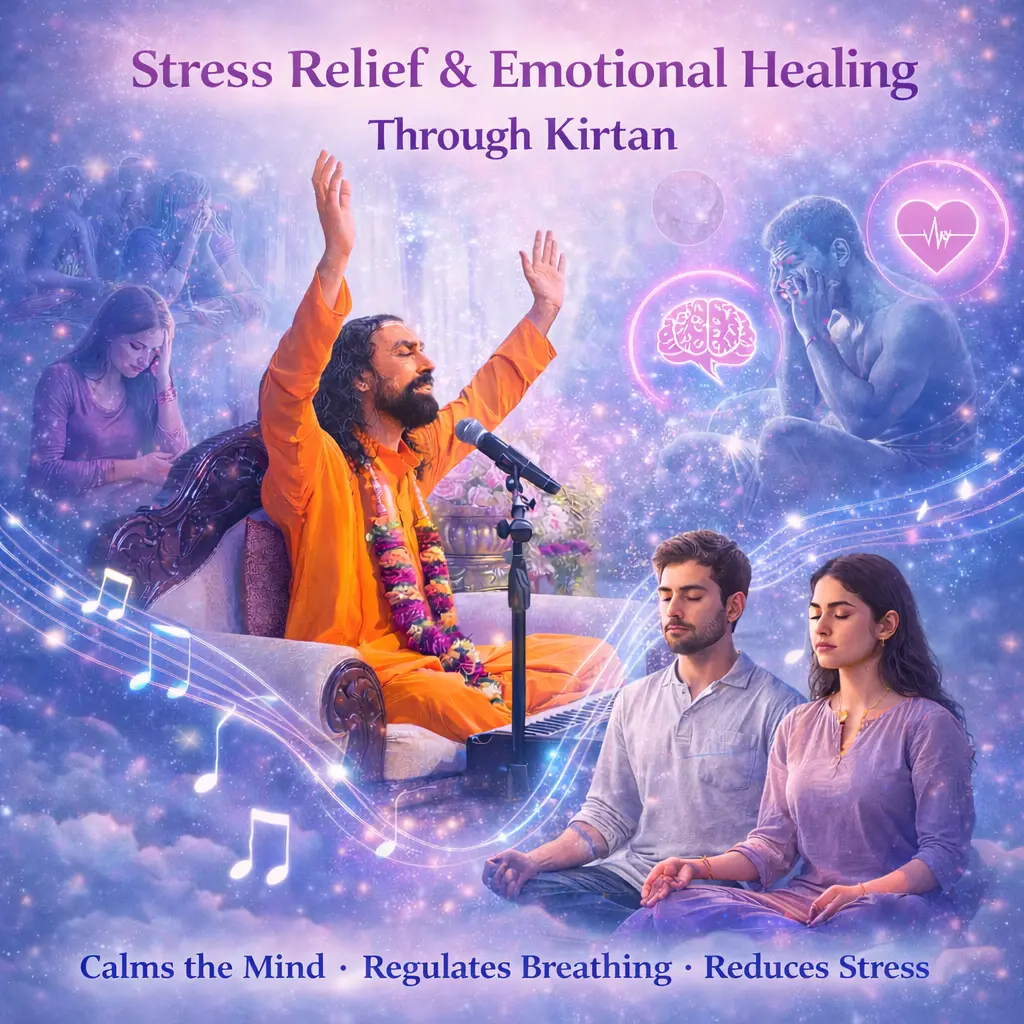
Modern life places enormous pressure on the nervous system. Chronic stress, emotional fatigue, and mental burnout have become widespread. Kirtan offers a powerful remedy for these challenges.
The rhythmic repetition of divine names has a calming effect on the mind and body. It slows down mental chatter, regulates breathing, and induces a sense of inner harmony. Scientific studies have also observed that chanting and singing can reduce stress hormones and promote emotional balance.
From a spiritual perspective, kirtan heals emotional wounds by reconnecting the soul with its divine source. Feelings of loneliness, fear, and insecurity gradually dissolve as one experiences the comforting presence of God.
JKYog teaches that true peace does not come from controlling external circumstances but from aligning the heart with the divine. Kirtan facilitates this alignment naturally and joyfully.
Easy Access to Divine Bliss
One of the most beautiful aspects of kirtan is its accessibility. Unlike complex spiritual disciplines that require years of preparation, kirtan allows even beginners to taste divine bliss early on.
In the age of Kali, the scriptures emphasise that God has made Himself easily accessible through His holy names. Kirtan is the doorway to this grace. Even a few minutes of heartfelt singing can uplift the mood and bring a sense of lightness and joy.
As practice deepens, moments of bliss become more frequent and lasting. These experiences are not dependent on external success or sensory pleasure. They arise from within, rooted in divine connection.
This accessibility makes kirtan especially valuable for householders and busy individuals who seek spiritual growth without renouncing worldly responsibilities.
From Mechanical Singing to Mindful Remembrance
While kirtan is powerful, its effectiveness depends on how it is practiced. JKYog emphasizes the importance of moving beyond mechanical chanting. Simply singing words without mental engagement limits the transformative potential of kirtan.
True kirtan involves the rosary of the mind. This means that while the lips sing, the mind lovingly remembers God. Attention is placed on the divine presence behind the sound.
To cultivate mindful remembrance, it helps to slow down and listen deeply. Notice the words, the melody, and the emotions they evoke. Allow the heart to respond with sincerity rather than routine.
Even if the mind wanders initially, gentle persistence brings improvement. Over time, mindfulness becomes natural, and kirtan turns into a deeply meditative experience.
Roop Dhyan: Enhancing Meditation Through Kirtan
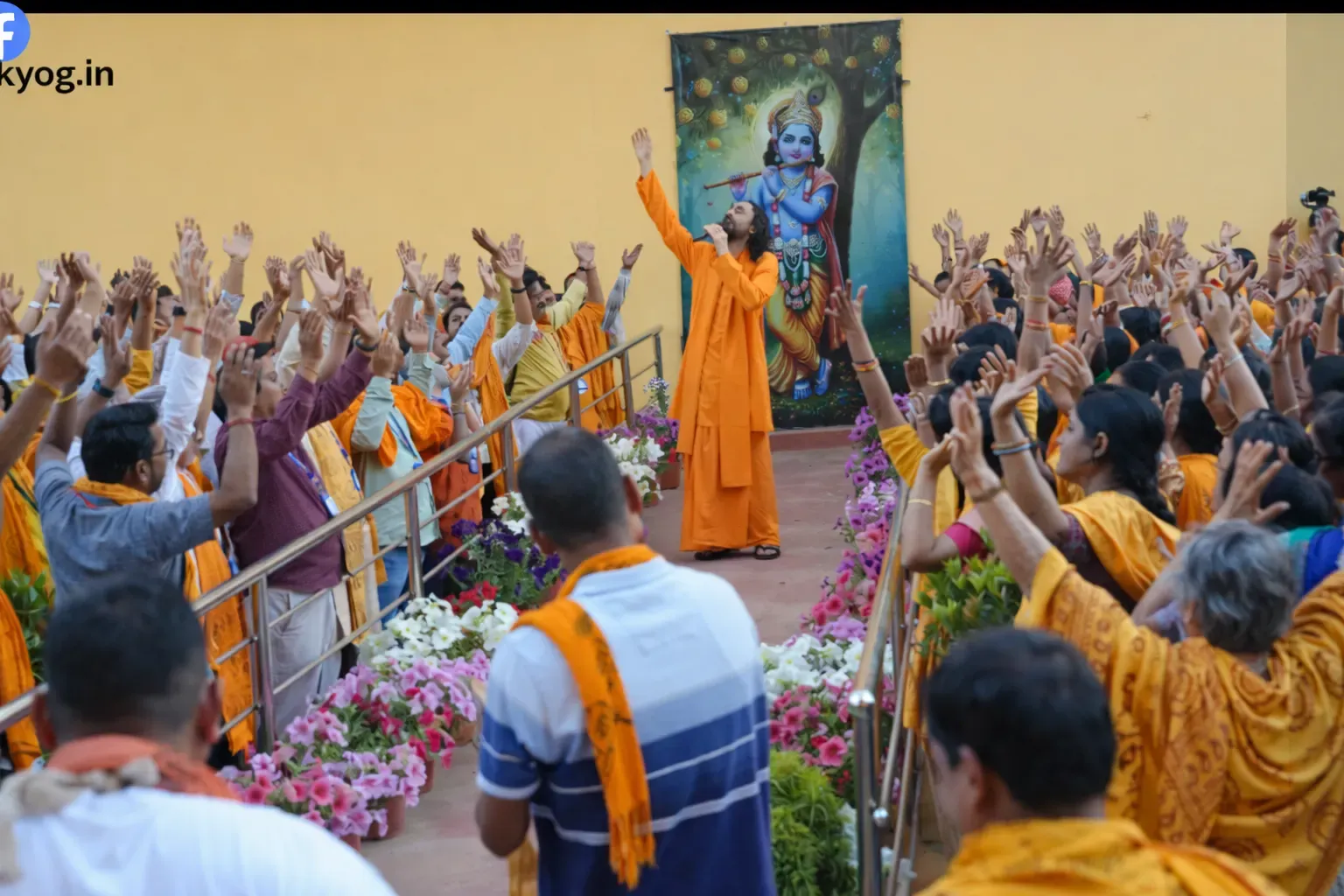
Roop Dhyan refers to meditating on the divine form, qualities, and pastimes of God. JKYog teaches that kirtan becomes especially powerful when combined with Roop Dhyan.
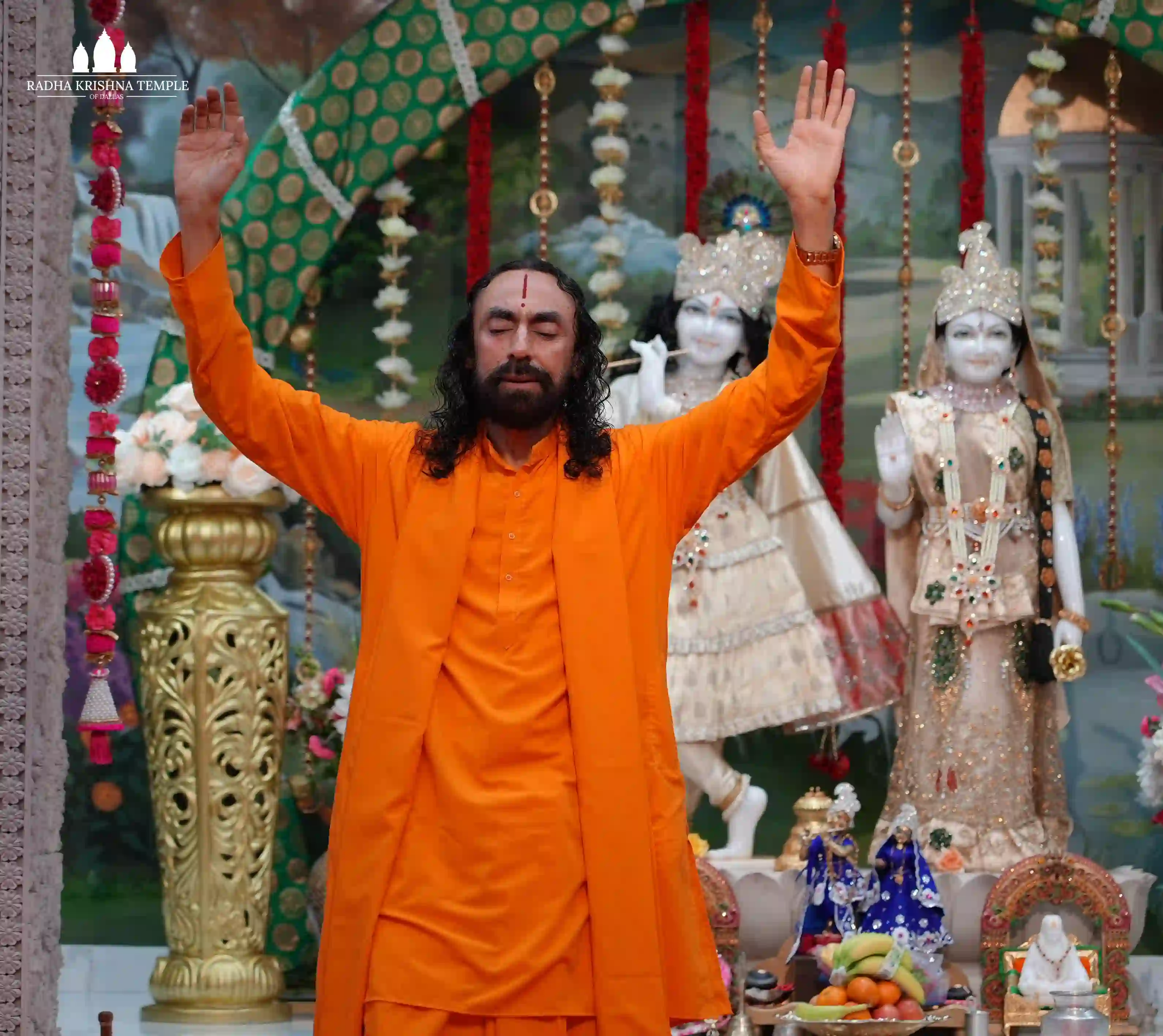
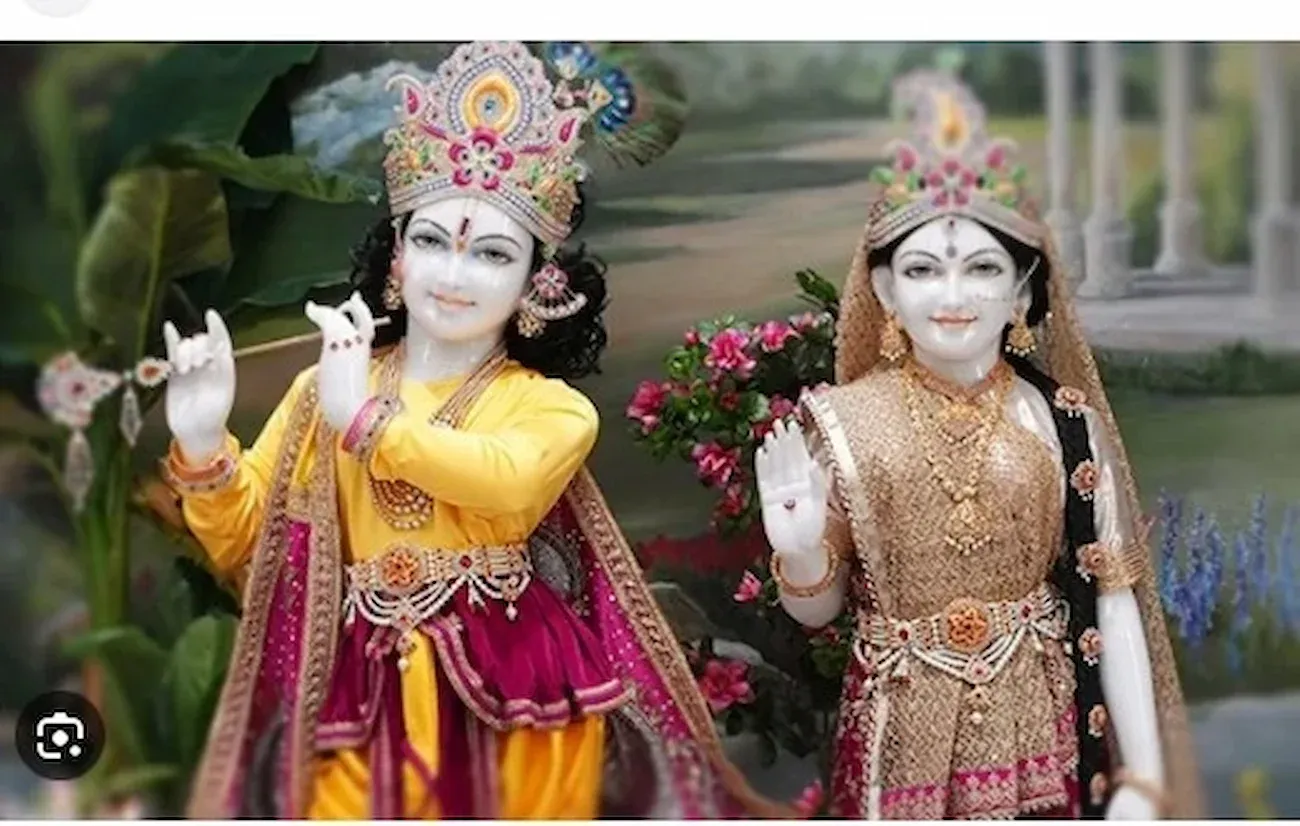
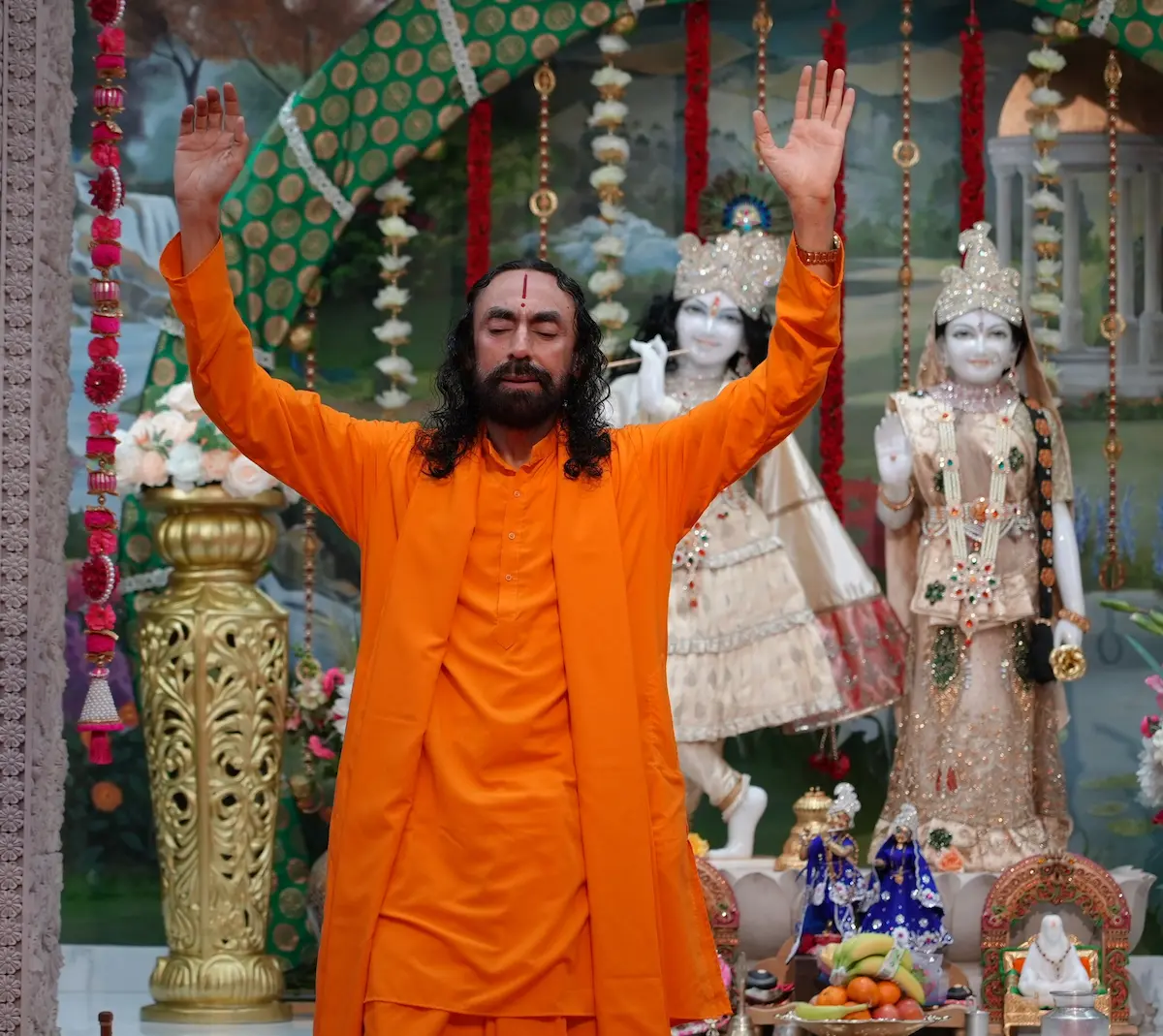
As you sing or hear a kirtan, consciously contemplate its meaning. Visualise the divine form of Radha and Krishna. Reflect on their loving pastimes, compassion, and beauty. Let the lyrics guide your imagination and devotion.
This practice anchors the mind more deeply. Instead of drifting into abstract thoughts, the mind becomes absorbed in divine imagery and emotion. Roop Dhyan transforms kirtan from a musical experience into a living meditation.
Even brief moments of such contemplation gradually rewire the mind, making it more receptive to divine love.
Sing with Sincerity and Devotion
The true power of kirtan lies not in musical skill but in sincerity. JKYog repeatedly emphasizes that God responds to the intention of the heart rather than the quality of the voice.
Sing as an offering, not a performance. Let your voice express longing, gratitude, surrender, or joy. Even silent listening can become kirtan when infused with devotion.
When sincerity deepens, the heart opens. Tears may flow, or a sense of deep peace may arise. These are signs that the soul is reconnecting with its divine source.
Consistency matters more than intensity. A few minutes of sincere daily kirtan is more beneficial than occasional prolonged sessions performed mechanically.
Engage in All Encompassing Participation
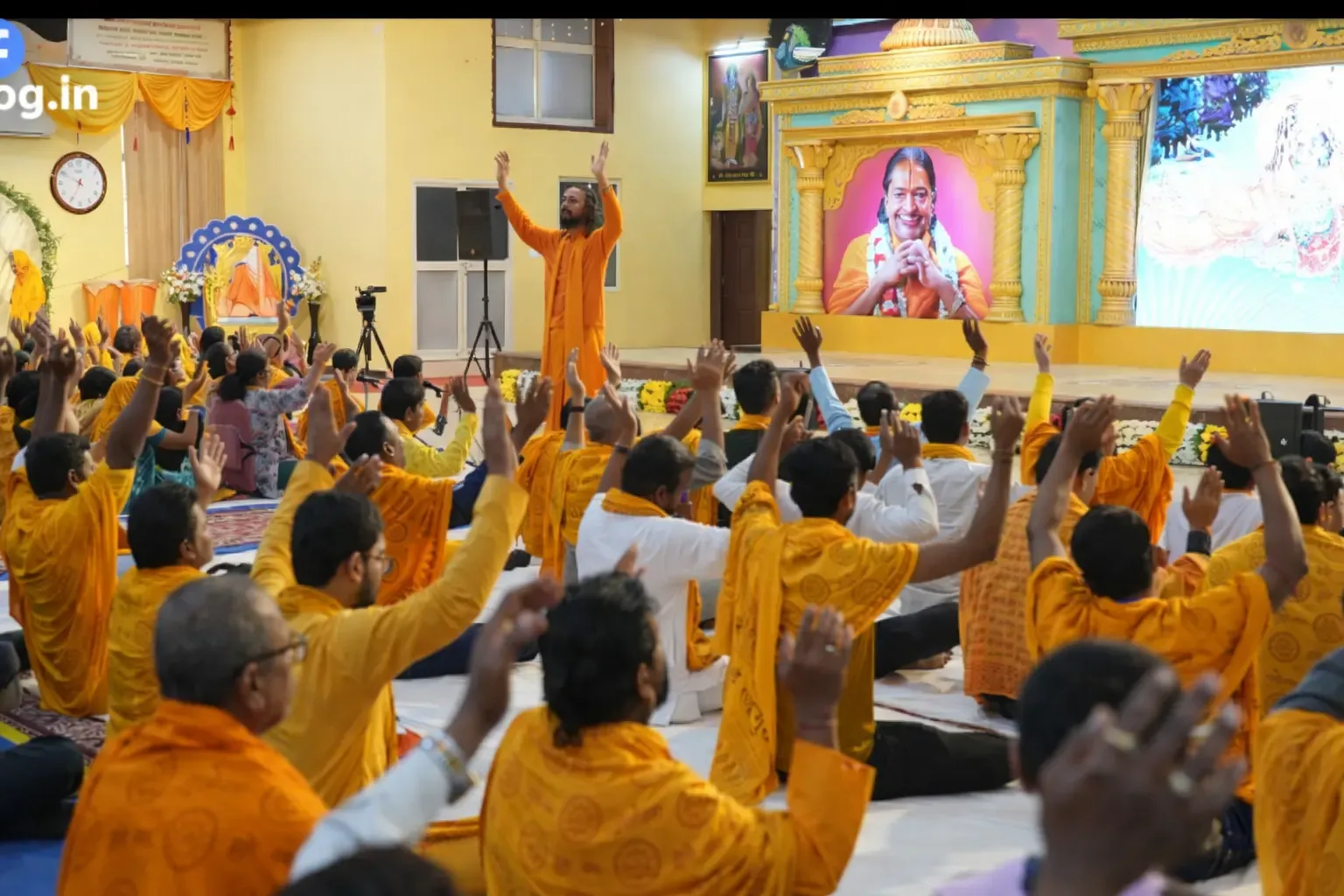
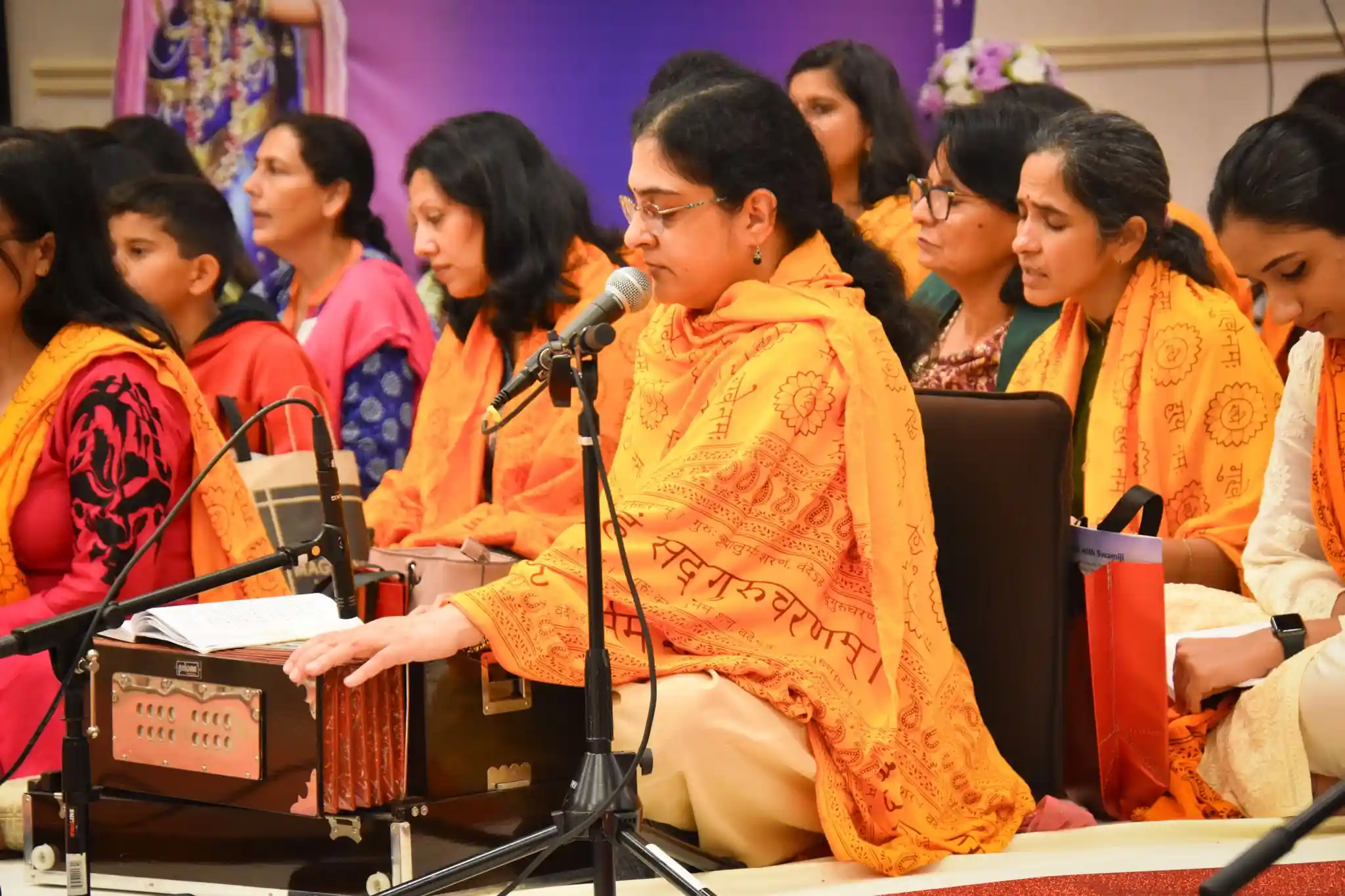
Kirtan is a holistic practice. JKYog encourages full participation through singing, clapping, and even dancing when the heart feels moved. Physical involvement helps release stored tension and aligns the body with the rhythm of devotion.
Clapping and rhythmic movement keep the mind engaged and prevent lethargy. They also create a sense of collective joy when practiced in a group setting.
There is no rigid rule for expression. The key is authenticity. Allow devotion to flow naturally through the body without self consciousness.
Practice Active and Passive Hearing
Another powerful way to maximise the benefits of kirtan is through active and passive hearing. Active hearing involves focused listening with full attention. Passive hearing refers to playing kirtans in the background during daily activities.
JKYog teaches that even passive hearing has purifying effects. The divine sound vibrations sanctify the environment and influence the subconscious mind. Over time, this creates a spiritual atmosphere in the home.
Playing kirtans while cooking, cleaning, or resting gently keeps the mind connected to God throughout the day. This continuous exposure strengthens remembrance and reduces negative thought patterns.
JKYog: The Philosophy Behind Soul Stirring Kirtans
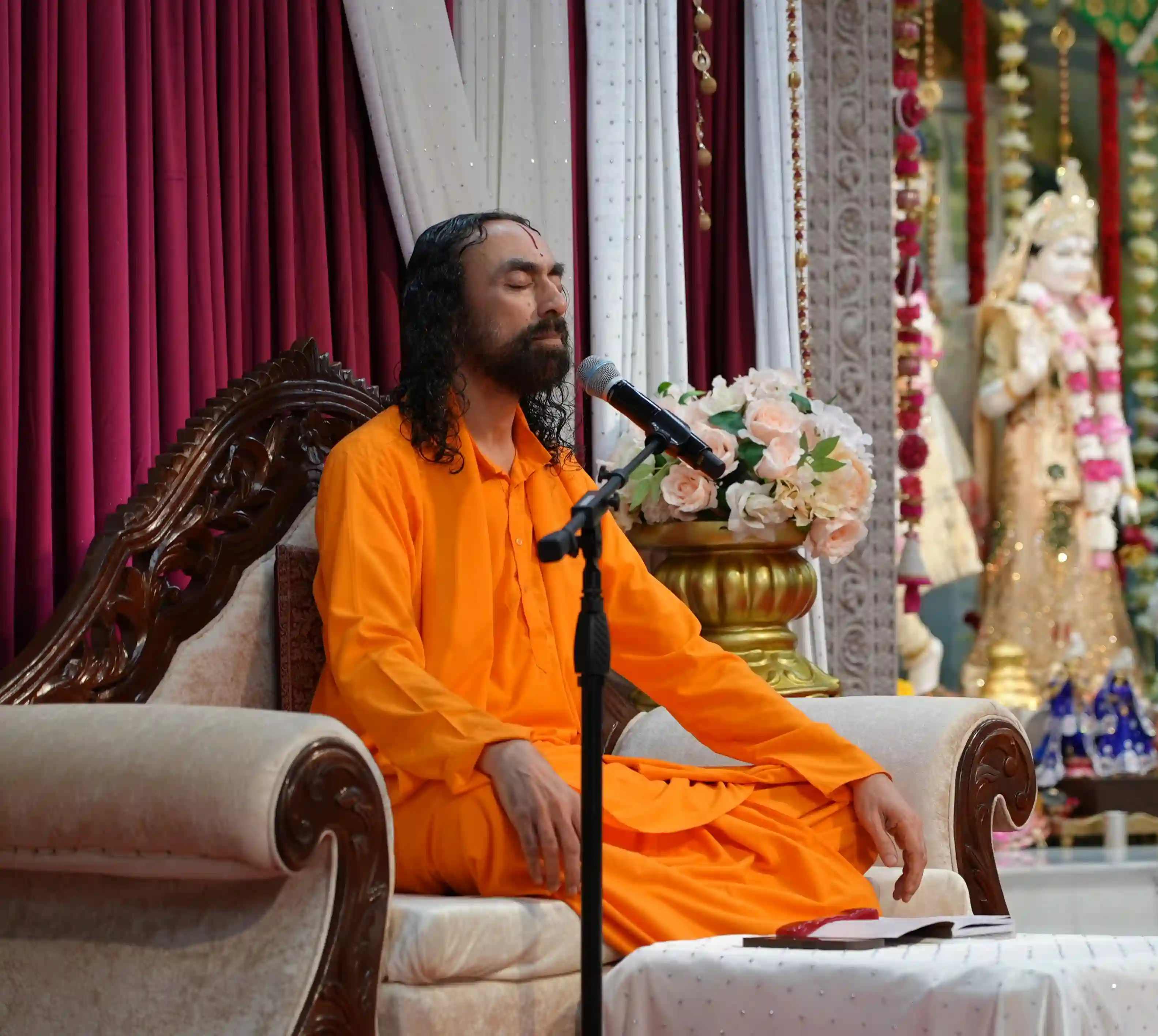
JKYog kirtans are designed not only to inspire emotion but to convey deep spiritual philosophy in a simple and accessible form. The lyrics often highlight themes of surrender, divine love, self purification, and the soul’s eternal relationship with God.
This combination of philosophy and devotion makes the practice intellectually satisfying and emotionally fulfilling. Practitioners are not merely feeling devotion but understanding its purpose and direction.
Over time, repeated exposure to these teachings through kirtan reshapes values and priorities, aligning life more closely with spiritual goals.
How to Make Your Home a Temple Through Constant Kirtan
A home filled with divine sound becomes a sanctuary. Regular kirtan practice transforms the atmosphere, making it more peaceful and uplifting.
Designate a small space for devotion, even if it is just a corner. Begin or end the day with kirtan. Encourage family members to listen or participate without pressure.
Over time, the home begins to reflect the inner transformation of its residents. Conflicts reduce, communication improves, and a sense of shared spiritual purpose emerges.
Kirtan does not require withdrawal from the world. It sanctifies daily life, turning ordinary moments into opportunities for divine remembrance.
Conclusion
Kirtan is far more than music. It is a complete spiritual practice perfectly suited for the age we live in. According to JKYog teachings, it purifies the heart, stabilises the restless mind, heals emotional wounds, and opens the doorway to divine bliss.
By practicing kirtan with sincerity, mindfulness, and understanding, anyone can experience its transformative power. Whether sung aloud, listened to quietly, or played in the background, kirtan gently guides the soul back to its divine home.
In a restless world, kirtan offers a rhythm of peace, love, and remembrance. All that is required is an open heart and a willingness to begin.
Call to Action: Stay Connected and Inspired
To continue your spiritual journey beyond the Cuttack program:
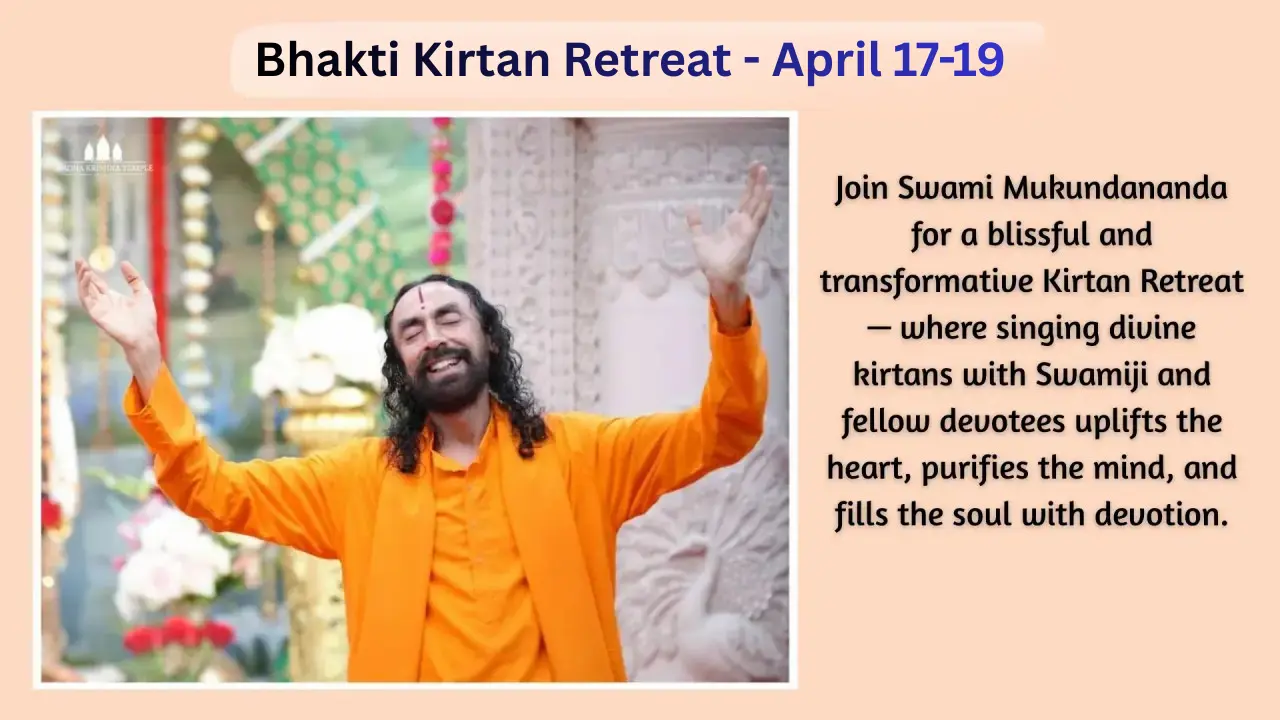
👉 Subscribe to Swami Mukundananda’s YouTube Channel — where daily wisdom, meditation guidance, philosophy insights, and talks designed to uplift and transform your inner life are freely available to all seekers.
His channel offers content that supports ongoing growth and reflection, helping you integrate the lessons learned at the LTP into your daily life.
Don’t miss out on more upcoming LTP programs! Explore the full list and register here: https://jkyog.in/en/events/
FAQs
1. What makes kirtan especially powerful in the present age?
Kirtan is considered the yug dharma for the Age of Kali because it directly engages the restless mind through sound and devotion, making spiritual practice accessible even in a distracted lifestyle.
2. Do I need musical skill to benefit from kirtan?
No. The effectiveness of kirtan depends on sincerity and devotion, not on vocal ability or musical training.
3. How is kirtan different from ordinary chanting or singing?
True kirtan combines hearing, singing, and loving remembrance of God, making it a meditative and heart transforming practice rather than just music.
4. Can I benefit from kirtan even if I only listen to it?
Yes. Both active and passive listening purify the mind and environment, even when kirtan is played in the background during daily activities.
5. How long should I practice kirtan each day?
Even a few minutes of sincere daily kirtan can be deeply beneficial. Consistency and mindful remembrance are more important than duration.
Related blogs:
 RKT Blog Team
 RKT Blog Team