
Introduction
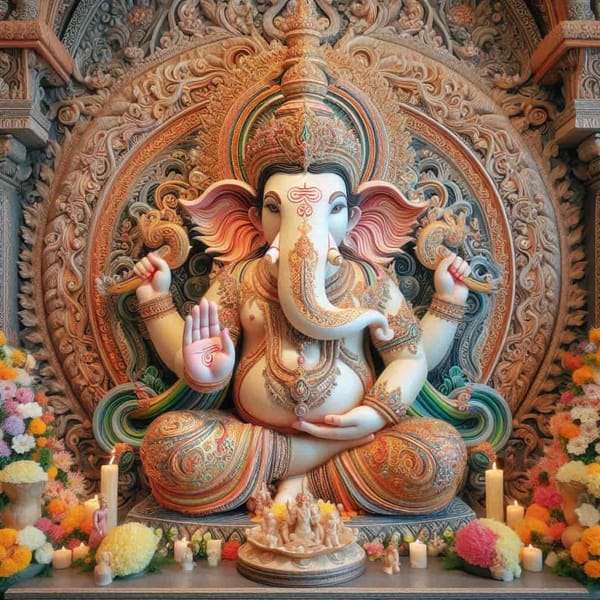
Ganesh Chaturthi, also known as Vinayaka Chaturthi, is one of the most vibrant and spiritually significant festivals in India. Dedicated to Lord Ganesha—the remover of obstacles, the harbinger of wisdom, prosperity, and auspicious beginnings—it is celebrated with immense devotion across India and around the world. Traditionally, devotees bring home clay idols of Lord Ganesha, worship Him with elaborate rituals, and immerse the idol in water after a certain number of days.
While large-scale community pandals are popular, celebrating Ganesh Chaturthi at home brings an intimate and deeply personal connection with Lord Ganesha. A home puja allows families to perform the rituals together, pass traditions to the next generation, and invite divine blessings into their personal space.
The following details provide a step-by-step Ganesh Chaturthi puja guide at home, covering preparations, puja vidhi (rituals), daily worship, immersion ceremony, and sustainable practices. Whether you’re performing it for the first time or seeking a detailed refresher, this guide will help you celebrate Ganesh Chaturthi with devotion, clarity, and joy.
The Spiritual Significance of Ganesh Chaturthi
Before diving into the step-by-step guide, it is important to understand why this festival holds such significance:
- Symbol of Wisdom and Knowledge – Lord Ganesha is Vighnaharta (remover of obstacles) and Buddhipriya (giver of intellect). Worshipping Him before new ventures ensures clarity and success.
- New Beginnings – The festival marks the start of auspicious occasions. No Hindu ritual begins without invoking Ganesha.
- Unity and Family Bonding – Celebrating at home strengthens family ties, as each member participates in decorations, chanting, cooking prasad, and rituals.
- Spiritual Cleansing – The immersion (Visarjan) signifies detachment and surrender, reminding devotees of the impermanence of life.
Preparations Before Ganesh Chaturthi
1. Choosing the Idol
- Opt for an eco-friendly clay idol to protect the environment. Avoid plaster of Paris idols as they pollute water bodies.
- Size should be manageable, taking into account your home space and the immersion process.
- Decorate the idol with flowers, garlands, and kumkum.
2. Puja Space Setup
- Clean the house thoroughly, especially the puja area.
- Place a wooden platform or chowki covered with a clean red or yellow cloth.
- Keep mango leaves, banana leaves, and flowers for decoration.
- Install a kalash (a copper/steel pot filled with water, mango leaves, and coconut) to symbolize auspiciousness.
3. Puja Samagri (Essentials)
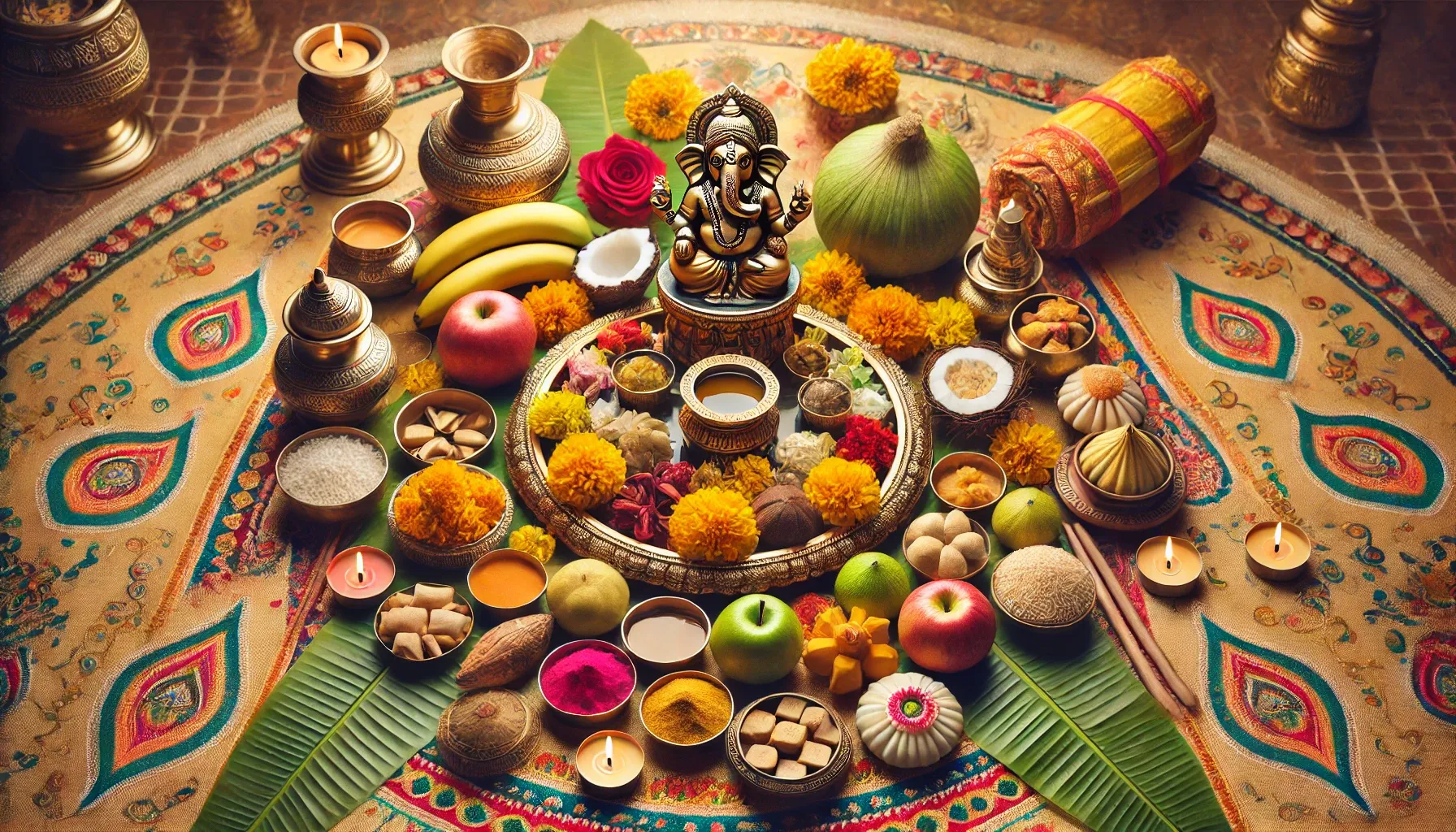
Prepare the following items:
- Idol of Lord Ganesha
- Red/yellow cloth
- Kalash and coconut
- Flowers (especially red hibiscus and marigold)
- Tulsi leaves (though Tulsi is generally not offered to Ganesha, exceptions exist in certain traditions)
- Betel leaves and betel nuts
- Modak (Lord Ganesha’s favorite sweet)
- Fruits (bananas, guavas, pomegranates)
- Incense sticks, lamp (diya), and camphor
- Rice grains, turmeric, kumkum, sandalwood paste
- Panchamrit (mixture of milk, curd, honey, sugar, and ghee)
- Durva grass (very dear to Lord Ganesha)
Step-by-Step Ganesh Chaturthi Puja at Home
Step 1: Pranapratishtha (Invoking Lord Ganesha into the Idol)
- Light a lamp and incense sticks to purify the atmosphere.
- Chant Ganesh mantras like:
- “Om Gan Ganapataye Namah”
- “Vakratunda Mahakaya Suryakoti Samaprabha, Nirvighnam Kurume Deva Sarva-Kaaryeshu Sarvada”
- Sprinkle holy water on the idol and invite Lord Ganesha to dwell in your home.
Step 2: Sankalpa (Resolution)
- Take water in your right hand, close your eyes, and make a vow of devotion stating that you are performing this puja with sincerity and devotion for the well-being of your family.
Step 3: Kalash Sthapana
- Place the kalash filled with water on the chowki. Decorate it with mango leaves and place a coconut on top. This symbolizes divine presence.
Step 4: Shodashopachara Puja (16 Steps of Worship)
- Avahanam (Invocation) – Invite Lord Ganesha.
- Asana (Offering seat) – Request Him to sit comfortably on the idol.
- Padya (Washing feet) – Symbolically wash His feet with water.
- Arghya (Offering holy water) – Offer water as a mark of respect.
- Achamana (Sipping water) – Offer water for sipping.
- Snana (Bathing) – Bathe the idol with Panchamrit followed by water.
- Vastra (Clothing) – Offer new clothes or a small piece of cloth.
- Yajnopavita (Sacred thread) – Place a sacred thread across the idol.
- Gandha (Sandalwood paste) – Apply sandalwood paste on the idol.
- Pushpa (Flowers) – Offer fresh flowers, especially red hibiscus.
- Dhupa (Incense) – Light incense sticks.
- Deepa (Lamp) – Light the diya to symbolize divine light.
- Naivedya (Food offering) – Offer modaks, laddus, fruits, and other prasad.
- Tambula (Betel leaves and nut) – Offer these as a token of respect.
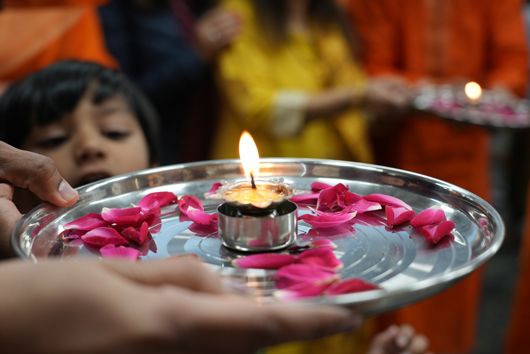
- Arati (Devotional songs with lamp waving) – Perform aarti with family members.
- Pradakshina & Namaskar (Circumambulation and bowing) – Walk around the idol and bow in reverence.
Step 5: Reciting Ganesh Atharvashirsha
A. Invocation
Sanskrit:
ॐ श्रीगणेशाय नमः
वक्रतुण्ड महाकाय सूर्यकोटि समप्रभ।
निर्विघ्नं कुरु मे देव सर्वकार्येषु सर्वदा॥
Transliteration:
Om Shri Ganeshaya Namah
Vakratunda Mahakaya Suryakoti Samaprabha
Nirvighnam Kuru Me Deva Sarva-Kaaryeshu Sarvada
B. Omkara and Ganapati Praise
Sanskrit:
अस्य श्रीगणेशस्य अथर्वशीर्षम् ॥
वक्रतुंड महाकाय सूर्यकोटि समप्रभ।
निर्विघ्नं कुरु मे देव सर्वकार्येषु सर्वदा॥
Transliteration:
Asya Shri Ganeshasya Atharvashirsham
Vakratunda Mahakaya Suryakoti Samaprabha
Nirvighnam Kuru Me Deva Sarva-Kaaryeshu Sarvada
C. Omnipresence of Ganesha
Sanskrit:
योऽसौ देवः सर्वभूतानां गणपतिः प्रजापते।
सर्वज्ञः सर्वेश्वरः सर्वमङ्गलमङ्गलम्॥
Transliteration:
Yo’sau Devaḥ Sarvabhūtānāṃ Ganapatiḥ Prajāpate
Sarvajñaḥ Sarveśvaraḥ Sarvamangala Mangalam
D. Ganesha as Brahman
Sanskrit:
गणानां पतिः सर्वज्ञः सर्वविघ्नहरो वरः।
असौ परमात्मा चैतन्यं सर्वशक्तिमयं जगत्॥
Transliteration:
Ganānāṃ Patiḥ Sarvajñaḥ Sarvavighnaharo Varaḥ
Asau Paramātmā Chaitanyaṃ Sarvashaktimayam Jagat
E. Conclusion / Salutations
Sanskrit:
सर्वेषां मङ्गलमङ्गलेश्वरस्य नमः।
ॐ श्रीगणेशाय नमः॥
Transliteration:
Sarveṣāṃ Maṅgalamaṅgaleśvarasya Namaḥ
Om Shri Ganeshaya Namah
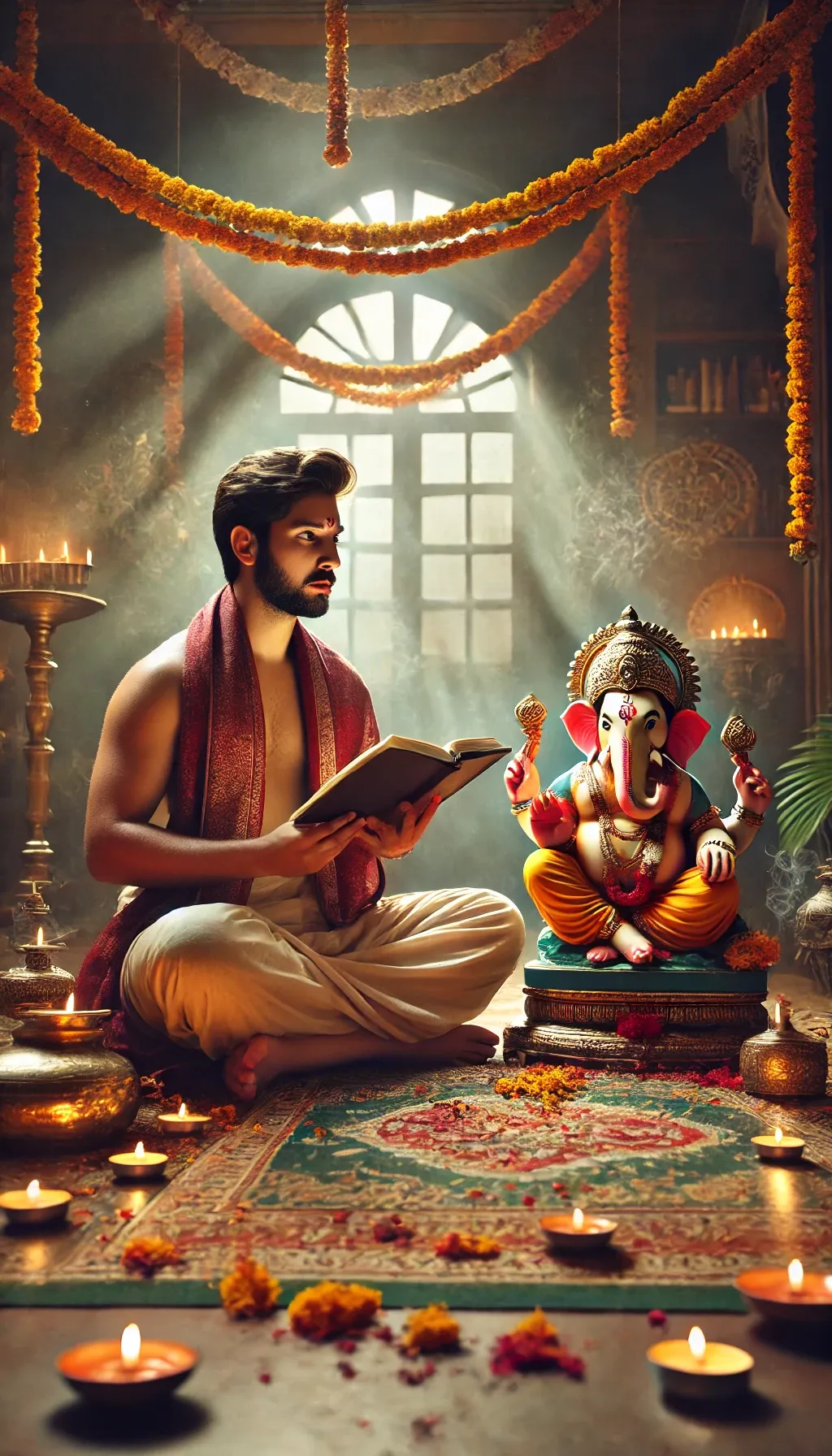
- Chanting this powerful text brings immense blessings and removes negativity.
Step 6: Offering Prasad
- Offer modaks and distribute them as prasad among family and guests.
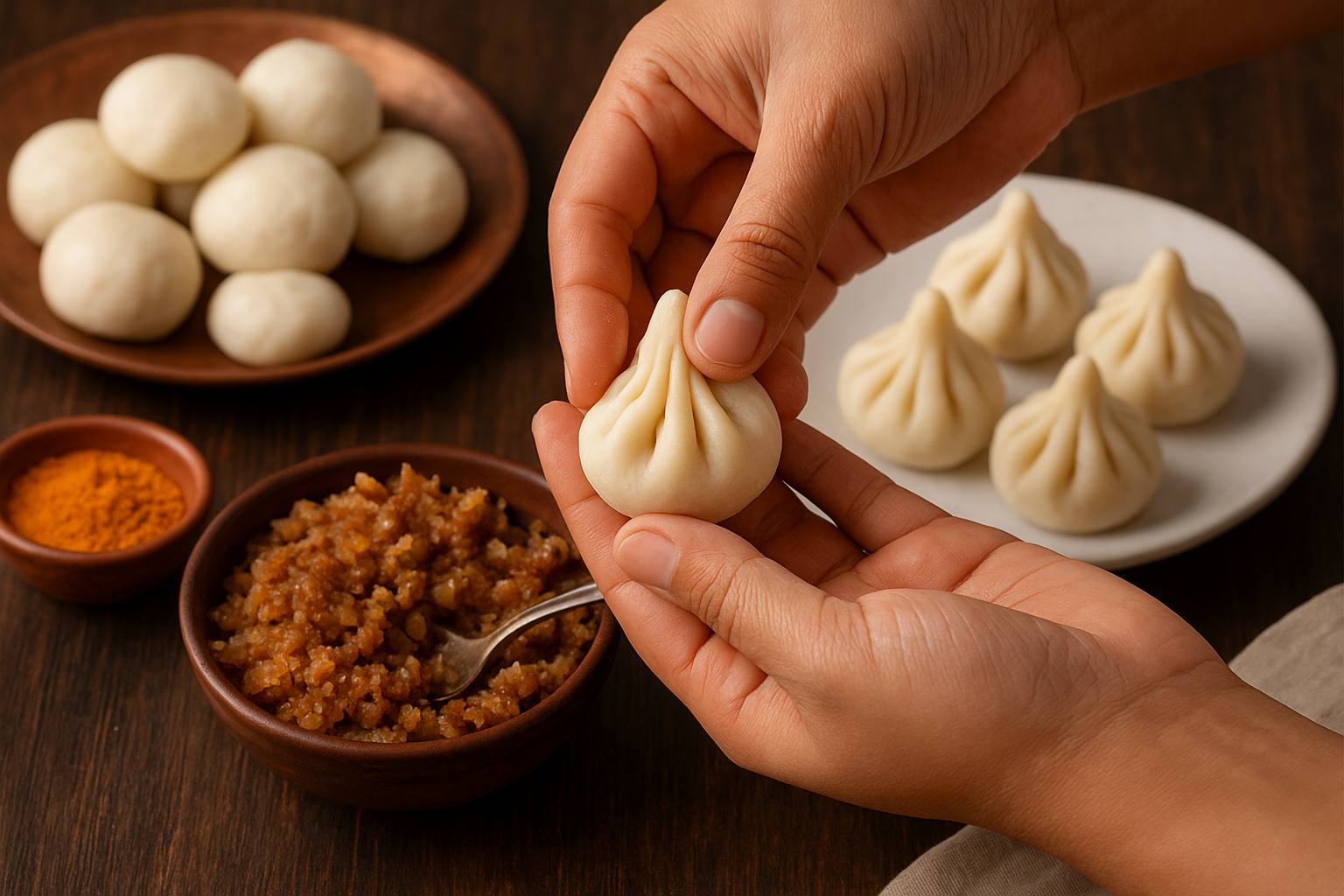
- Here’s a detailed guide on how to make modaks, Lord Ganesha’s favorite sweet, perfect for Ganesh Chaturthi puja at home.
Steamed Modak (Ukadiche Modak)
Ingredients
For the outer covering (rice flour dough):
- 1 cup rice flour
- 1 cup water
- 1 tsp ghee
- A pinch of salt
For the filling:
- 1 cup grated fresh coconut
- 3/4 cup jaggery (or adjust to taste)
- 1/4 tsp cardamom powder
- 1 tsp poppy seeds (optional)
- A few chopped nuts (cashews, almonds – optional)
Other:
- Ghee for greasing
Method
Step 1: Prepare the dough
- Boil 1 cup water with a pinch of salt and 1 tsp ghee.
- Add rice flour gradually, stirring continuously to avoid lumps.
- Cover and let it sit for 2–3 minutes.
- Knead into a smooth, soft dough while still warm.
Step 2: Prepare the filling
- In a pan, combine grated coconut and jaggery.
- Cook on low heat until the jaggery melts and the mixture thickens.
- Add cardamom powder, poppy seeds, and nuts. Let it cool
Step 3: Shape the modaks
- Take a small portion of dough and flatten it into a disc using your fingers.
- Place 1 tsp of coconut-jaggery filling in the center.
- Carefully bring the edges together to form a peak (like a small dumpling).
- Grease a steamer plate with ghee.
Step 4: Steam the modaks
- Place modaks in the steamer, leaving space between them.
- Steam for 10–12 minutes on medium heat until the outer layer becomes glossy and slightly translucent.
- Let them cool slightly and serve warm with ghee.
Fried Modak (Optional)
Ingredient
- 1 cup all-purpose flour (maida) or wheat flour
- 2 tbsp ghee
- Water to knead
- Coconut-jaggery filling (same as above)
- Oil for deep frying
Tips for Perfect Modaks
- Use fresh coconut for soft and flavorful filling.
- Steam for the right time; over-steaming makes dough sticky.
- Grease hands with ghee to prevent dough from sticking while shaping.
- You can add a little saffron strands to the filling for extra aroma.
- For a healthier version, use jaggery and whole wheat flour instead of maida.
Daily Rituals During Ganesh Chaturthi
- Perform morning and evening aarti.
- Offer fresh flowers, fruits, and modaks daily.
- Chant mantras or sing bhajans together as a family.
- Maintain the sanctity of the puja area—avoid arguments or negative energy around it.
Ganesh Visarjan (Immersion Ceremony)
Significance
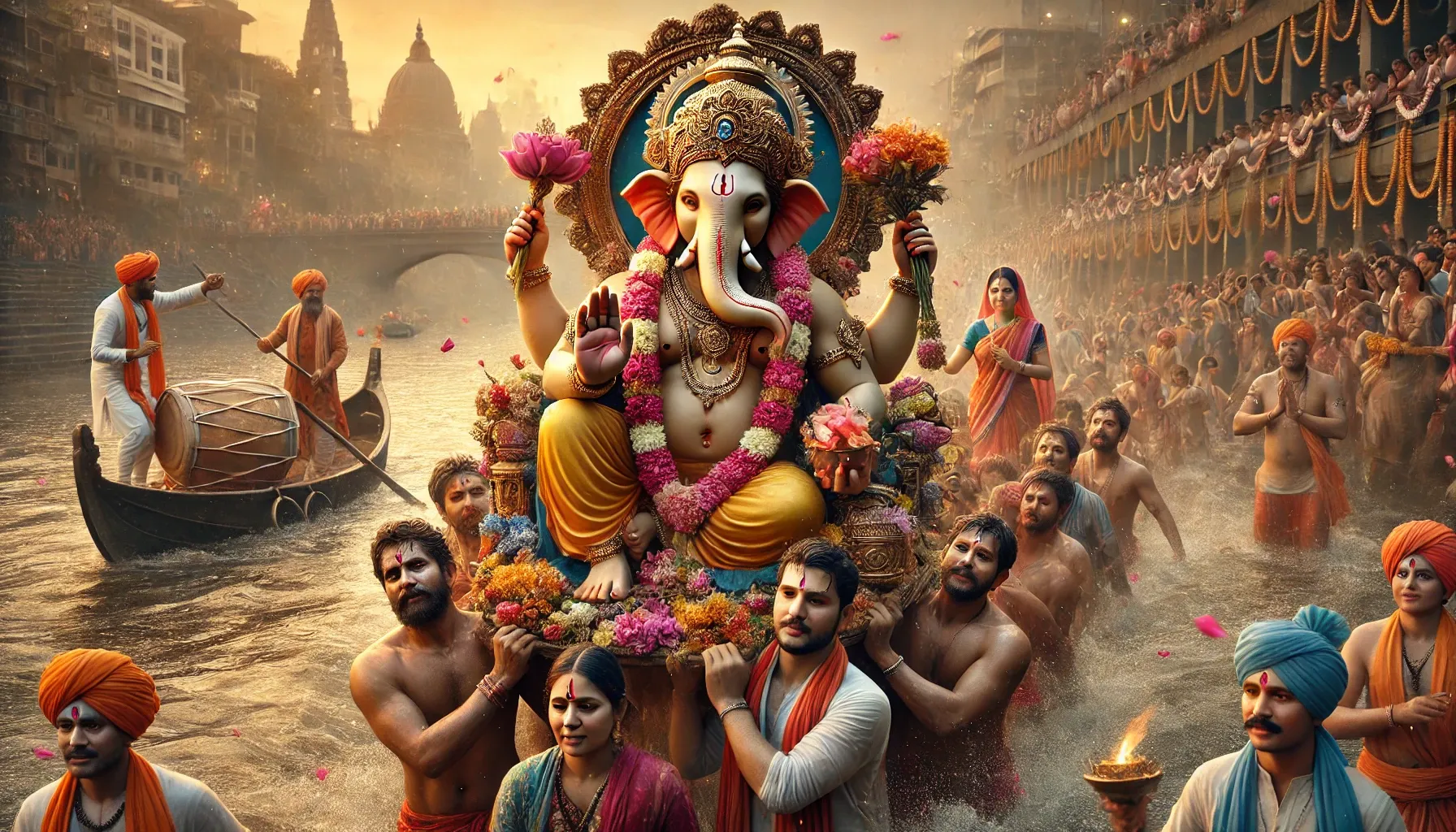
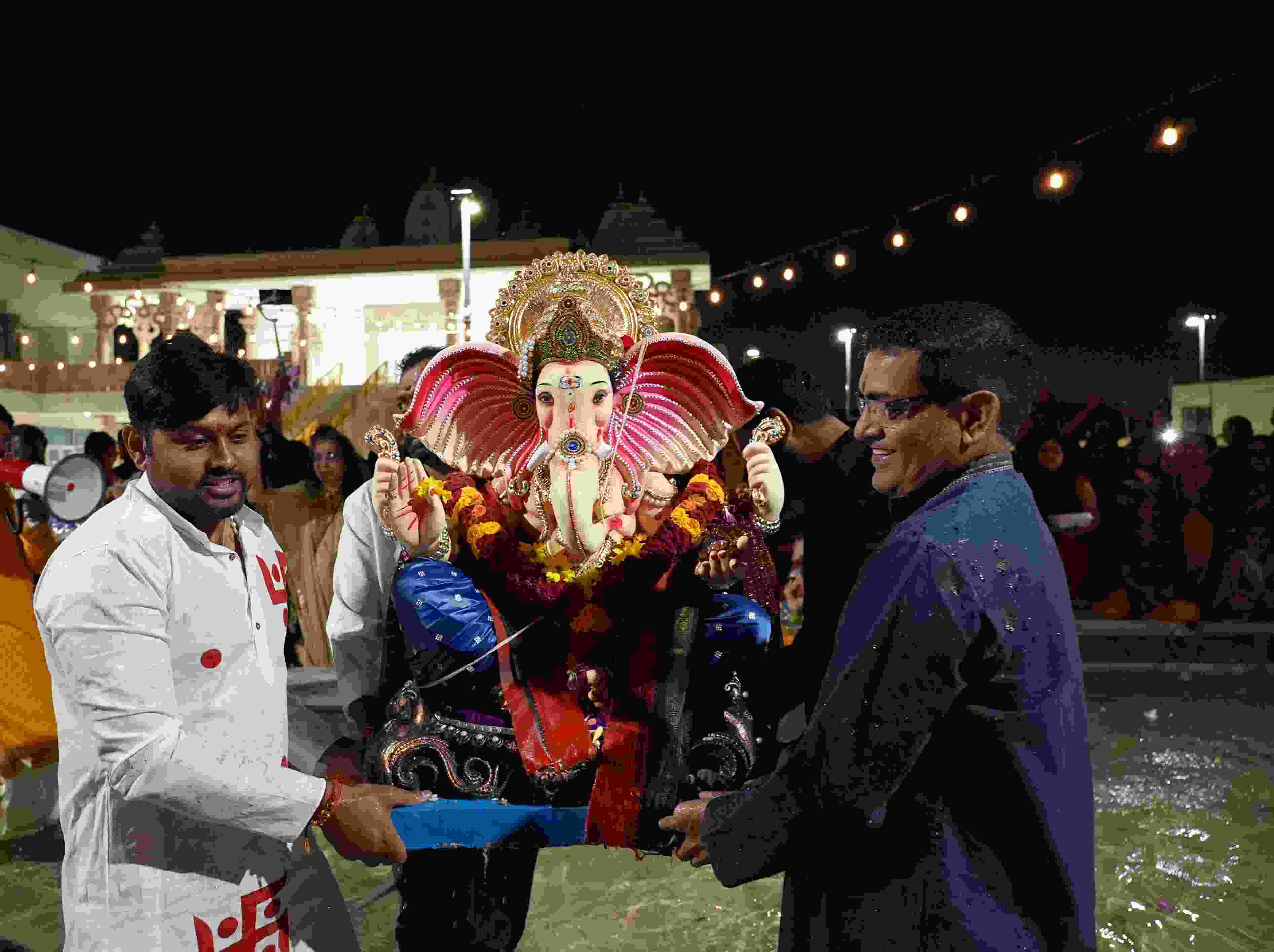
Visarjan symbolizes detachment, teaching us that while we love and worship the form, the divine presence is eternal and omnipresent.
Process at Home
- On the last day (usually 1.5, 3, 5, 7, or 11 days), perform a final puja.
- Offer special sweets and sing farewell bhajans.
- Carry the idol respectfully to a water body (or a bucket at home for eco-friendly immersion).
- Chant: “Ganapati Bappa Morya, Pudhchya Varshi Lavkar Ya” (O Lord Ganesha, come again soon next year).
Sustainable Ganesh Chaturthi
Modern celebrations often harm the environment, but you can make eco-conscious choices:
- Use natural clay idols painted with organic colors.
- Decorate with flowers, banana leaves, and paper art instead of plastic.
- Use reusable puja items instead of single-use plastics.
- Opt for home immersion in a small tank, then use the dissolved clay for gardening.
- Share prasad in eco-friendly containers.
The Cultural Beauty of Home Celebrations
While grand pandals attract crowds, home celebrations allow for quiet devotion. Families bond over preparations, children learn traditions, and elders pass on rituals. Singing bhajans together, cooking prasad, and decorating the idol create lasting memories.
Conclusion
Celebrating Ganesh Chaturthi at home is not just about rituals—it is about invoking wisdom, cultivating inner purity, and embracing eco-friendly devotion. By following this step-by-step guide, you can perform the puja with devotion and clarity.
May Lord Ganesha bless your home with wisdom, prosperity, and joy this Ganesh Chaturthi!
Call to Action
📺 Want to Dive Deeper into Hindu Philosophy and Daily Wisdom?

"Swami Mukundananda Official Youtube Channel."
Ganesh Chaturthi Mahotsav 2025
Radha Krishna Temple of Dallas
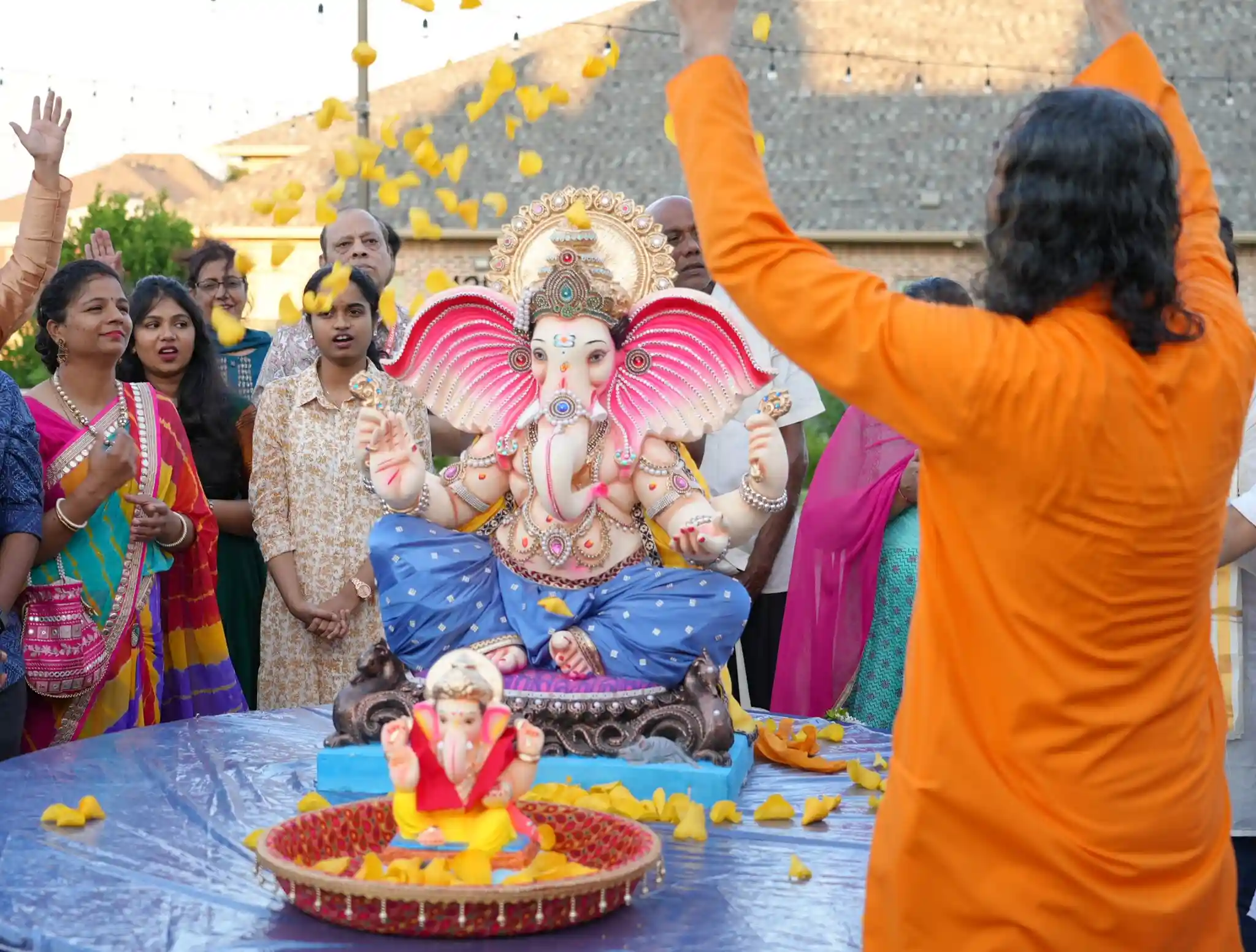
Celebrate the divine presence of Lord Ganesha at the Radha Krishna Temple of Dallas (Allen)! Join us for Ganesh Chaturthi, soul-enriching Kirtans, Aarti, Modak Making, and more!
✨ Event Highlights ✨
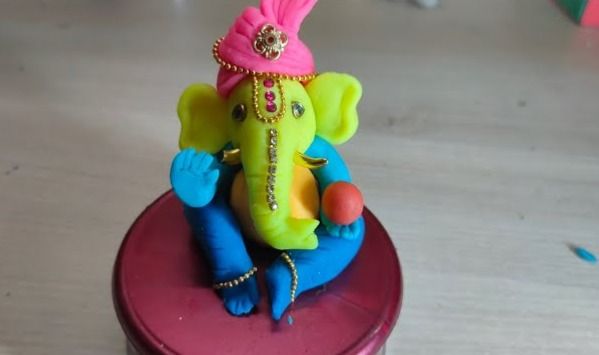
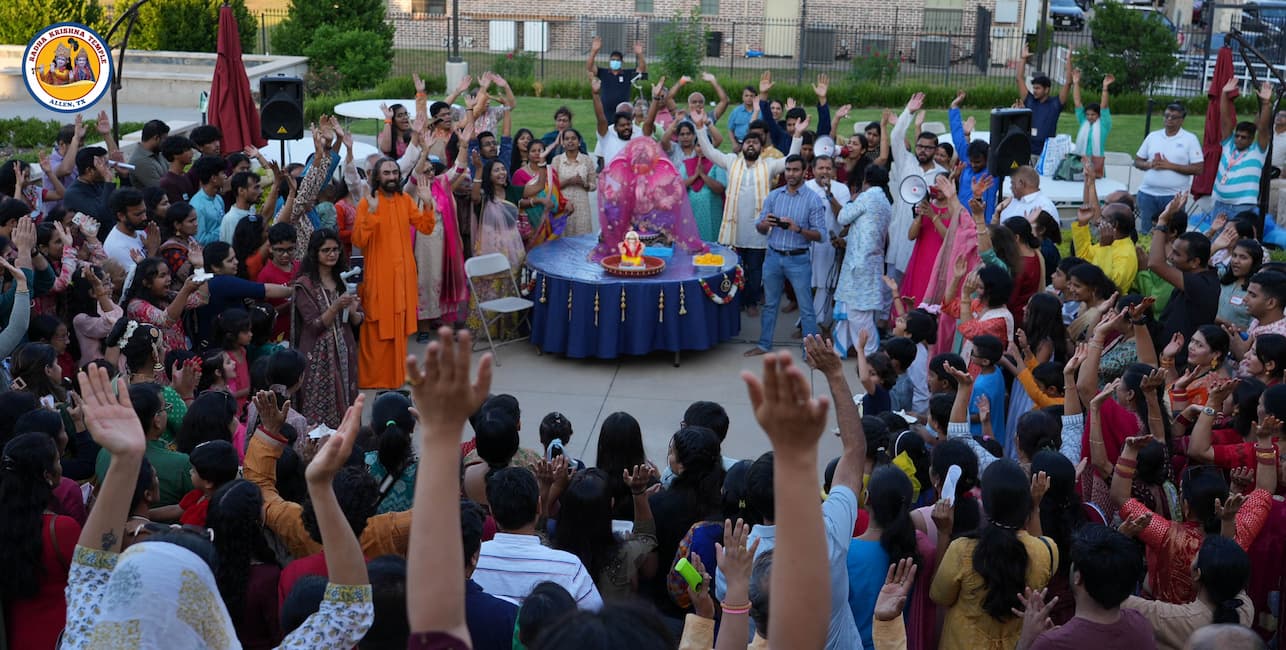
Ganesh Sthaapana & Pooja
Sacred installation and collective worship with powerful Vedic mantras.
Join Us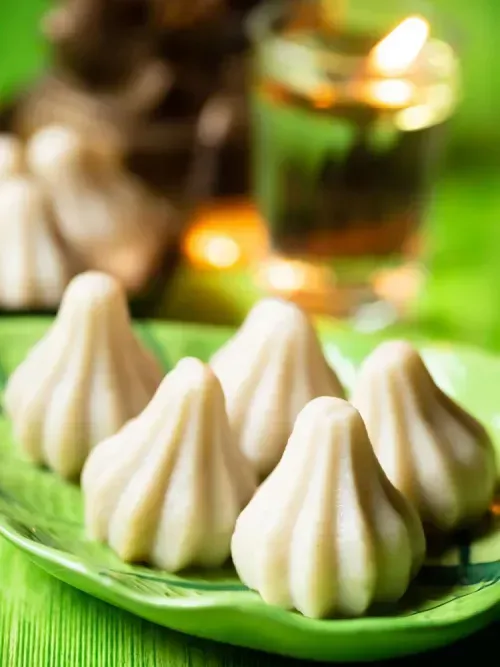

🎁 Sponsorship Opportunities
Support the event by sponsoring Pooja, Mahaprasad, or Grand Offerings. Your contribution helps keep this divine tradition alive!
🪔 Bring flowers, fruits, and prasad • 🙏 Become a Yajman • 🎁 Sponsor a Seva
FAQs
1. What items are needed for Ganesh Chaturthi puja at home?
For the puja, you need a clay idol of Lord Ganesha, a kalash, coconut, mango leaves, red or yellow cloth, durva grass, flowers (especially hibiscus and marigold), sandalwood paste, turmeric, kumkum, incense sticks, lamp, camphor, fruits, and sweets like modaks.
2. How many days should I keep Lord Ganesha at home?
You can keep the idol for 1.5, 3, 5, 7, or 11 days depending on family tradition and convenience. Each day, perform morning and evening aarti, offer flowers, fruits, and prasad.3. What is the significance of Ganesh Visarjan?
Ganesh Visarjan (immersion) symbolizes detachment and impermanence. While the idol dissolves, it reminds us that God is formless, eternal, and always with us, even though His physical form departs.
4. Can Ganesh Chaturthi be celebrated in an eco-friendly way?
Yes, by choosing clay idols painted with natural colors, decorating with flowers and paper art instead of plastic, performing home immersions in small tanks or buckets, and reusing the dissolved clay for gardening.
5. What is the daily ritual during Ganesh Chaturthi at home?
Each day, perform morning and evening aarti, chant mantras, offer fresh flowers, durva grass, fruits, and modaks, and maintain the sanctity of the puja space. Family members can also sing bhajans together to enhance devotion.
References
- Rig Veda – One of the earliest mentions of Lord Ganesha as the remover of obstacles.
- Ganapati Atharvashirsha – A Vedic text dedicated to Lord Ganesha, often recited during Ganesh Chaturthi puja.
- Local oral traditions and family practices are passed down through generations across Maharashtra, Karnataka, Tamil Nadu, and other regions where Ganesh Chaturthi is widely celebrated.
- “Eco-Friendly Ganesh Chaturthi Celebrations.” Central Pollution Control Board (CPCB), Government of India.