
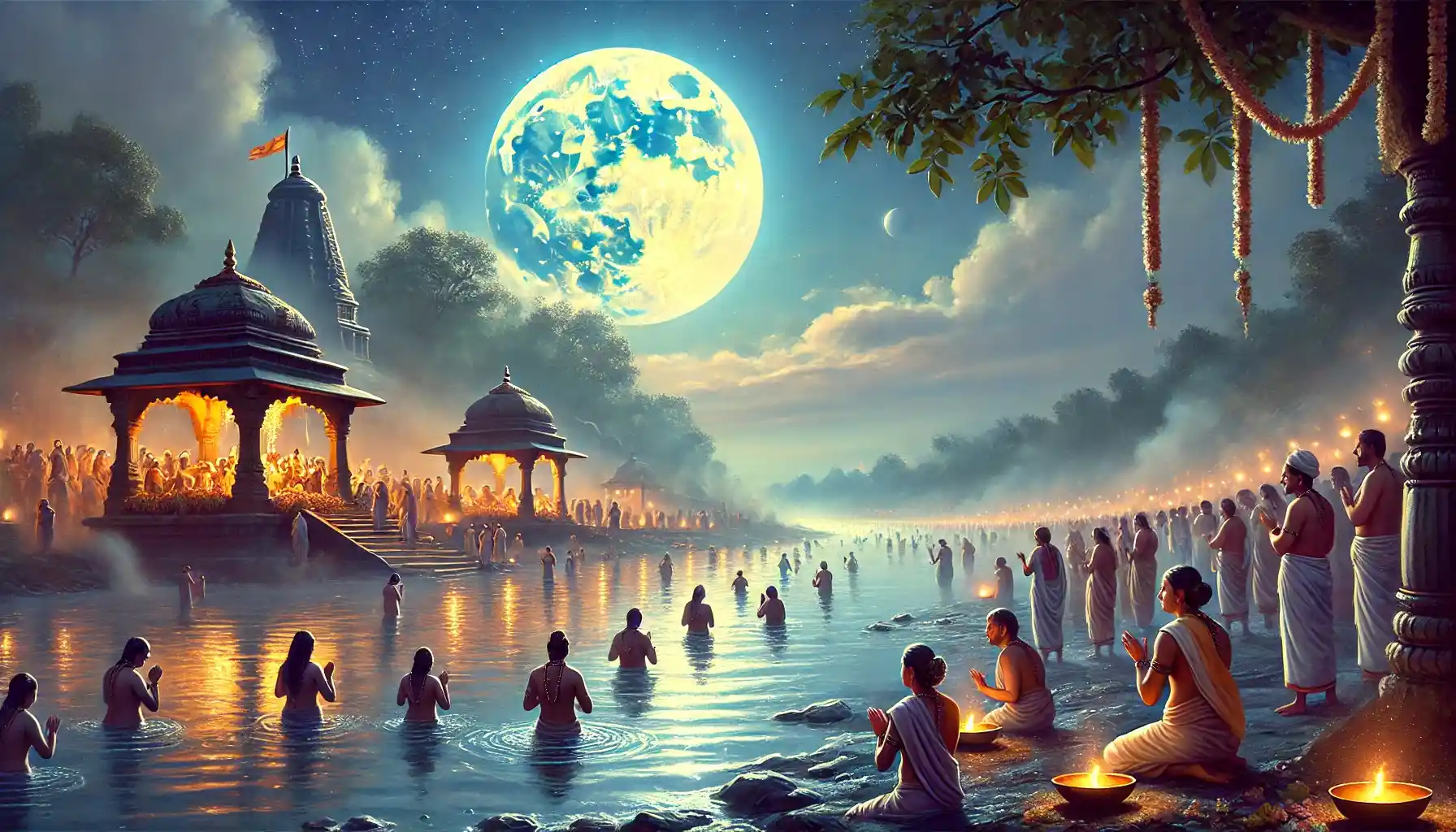
Magha Purnima, one of the most auspicious occasions in the Hindu calendar, holds immense spiritual significance for millions of devotees across India and worldwide. This full moon day, which falls in the Magha month of the Hindu lunar calendar, is celebrated with devotion and reverence, marking the end of the Magha month and holding particular importance for spiritual practices. In 2026, Magha Purnima will be observed with great fervor on February 5th, and its spiritual impact extends far beyond mere ritualistic observance.
What is Magha Purnima?
Magha Purnima is the full moon day that occurs in the Magha month of the Hindu lunar calendar, typically falling in the months of January or February. It is a day when devotees across the globe come together to honor the divine, perform sacred rituals, and seek spiritual blessings. The day is especially significant for those who follow the Vaishnavism and Shaivism traditions, as well as other Hindu sects. On this day, many devotees take part in holy dips, particularly in sacred rivers, and engage in prayers, fasting, and various spiritual activities.
Spiritual Significance of Magha Purnima
The significance of Magha Purnima lies deeply in the rituals and beliefs that accompany it. According to ancient Hindu scriptures, the day marks an opportunity for spiritual rejuvenation and purification. Some key reasons why this day is considered auspicious include:
- Sacred Dips in Holy Rivers: The Magha Purnima is often referred to as the “day of the holy bath” or “Magha Snan.” The full moon day is believed to cleanse the soul and body of all sins. Taking a dip in sacred rivers such as the Ganges, Yamuna, and Saraswati on this day is thought to wash away all impurities, purify one's mind and soul, and bring them closer to the divine.
- Celebration of Ancestors: It is also a day to honor one’s ancestors through rituals and offerings. Many people perform “Shraddha” (a ritual for the departed souls) on Magha Purnima to ensure the peace and salvation of their ancestors’ souls. It is believed that the full moon provides the perfect energy to connect with those who have passed and invoke blessings for the living.
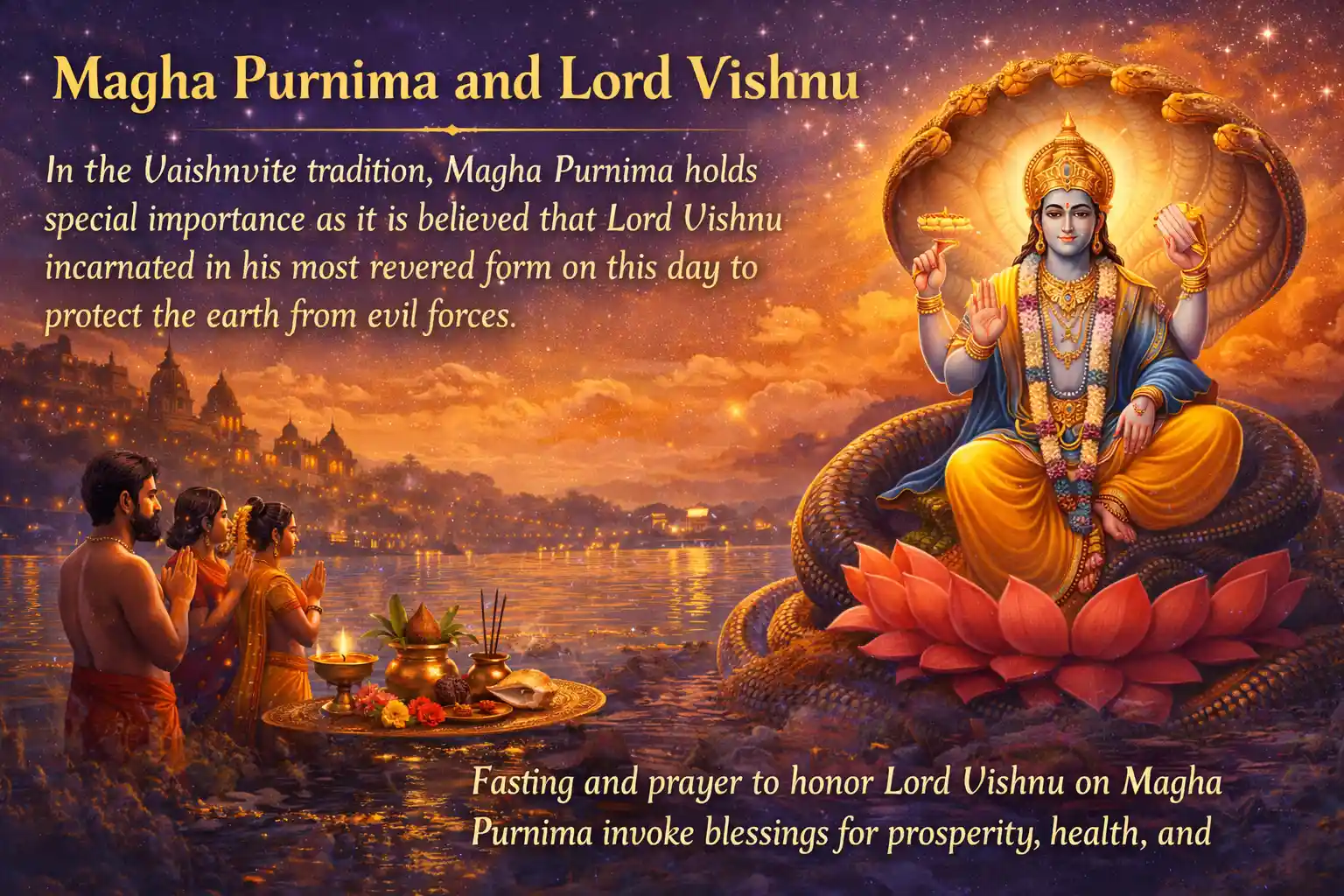
Magha Purnima and Lord Vishnu: In the Vaishnavite tradition, Magha Purnima holds special importance as it is believed that Lord Vishnu incarnated in his most revered form on this day to protect the earth from evil forces. Fasting and prayer on Magha Purnima are considered a way to honor Lord Vishnu and invoke his blessings for prosperity, health, and spiritual wisdom.
Spiritual Practices for Inner Peace: The full moon is regarded as a powerful celestial event that enhances spiritual energies. It is a day for devotees to engage in meditation, chanting, and prayer with an intention to deepen their connection with the divine. This day serves as a reminder of the importance of inner peace, self-realization, and devotion.
Date and Timings for Magha Purnima 2026
The date and timings of Magha Purnima hold utmost importance for devotees who wish to perform the right rituals. In 2026, the full moon will rise on February 1st, marking the exact moment of Magha Purnima.
Key Timings for Magha Purnima 2026:
|
Event |
Date |
Time |
|
Purnima Tithi Begins |
February 1st |
05:52 AM |
|
Purnima Tithi Ends |
February 2nd |
03:38 AM |
|
Magha Snan (Holy Bath) |
February 1st |
All Day (Ideal during sunrise and sunset) |
|
Magha Purnima Day |
February 1st |
Full Moon Night (06:00 PM onwards) |
These timings are essential for performing the rituals at the right time, ensuring that the spiritual benefits are maximized. Devotees typically take a dip in the holy rivers during the early hours or just before sunset for optimal results.
Rituals and Observances on Magha Purnima
The rituals and practices associated with Magha Purnima are rooted in deep spiritual traditions and have been passed down through generations. These rituals help devotees spiritually recharge, align with higher consciousness, and seek blessings for well-being.
1. Taking a Holy Dip (Magha Snan):
The most prominent ritual is the Magha Snan, or the holy bath in sacred rivers. Many devotees travel to rivers like the Ganges, Yamuna, or even lesser-known rivers like the Kaveri, where they bathe in the holy waters to purify themselves spiritually. The belief is that this bath, performed during the full moon, washes away one’s sins and allows them to start anew. The ideal time for the dip is early morning or late evening during sunset, as this is believed to be the most auspicious.
2. Fasting and Prayer:
Fasting on Magha Purnima is a common practice for devotees who wish to purify their body and soul. Many observe partial or complete fasting throughout the day, focusing on devotion and spiritual contemplation. The act of fasting is considered to help the devotee become more connected to their inner self and detach from material distractions. Devotees also engage in prayers, chanting mantras, and meditating on the divine.
3. Offering to Ancestors (Shraddha Rituals):
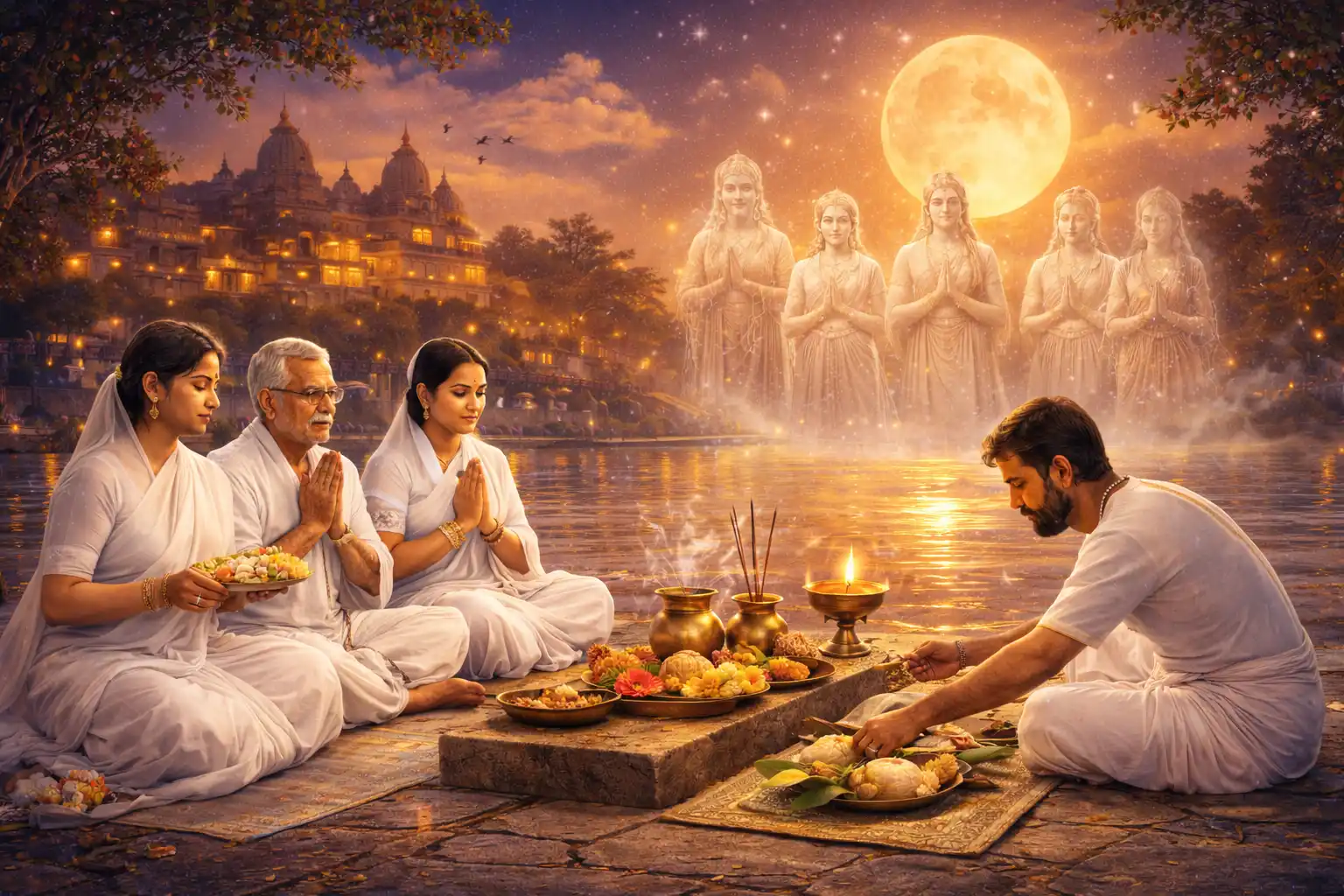
As Magha Purnima is also a day for honoring ancestors, many people perform Shraddha ceremonies. This involves offering food, water, and other essentials to the souls of their departed ancestors, seeking their blessings for peace and spiritual advancement. It is believed that performing Shraddha on Magha Purnima brings peace and prosperity to the family.
4. Chanting and Mantras:
Devotees chant sacred mantras like the Vishnu Sahasranama, Om Namo Narayanaya, or the Maha Mrityunjaya Mantra during Magha Purnima to invoke divine protection, wisdom, and healing. It is believed that the full moon amplifies the potency of these mantras, aiding the practitioner in their spiritual journey.
5. Charity and Acts of Service:
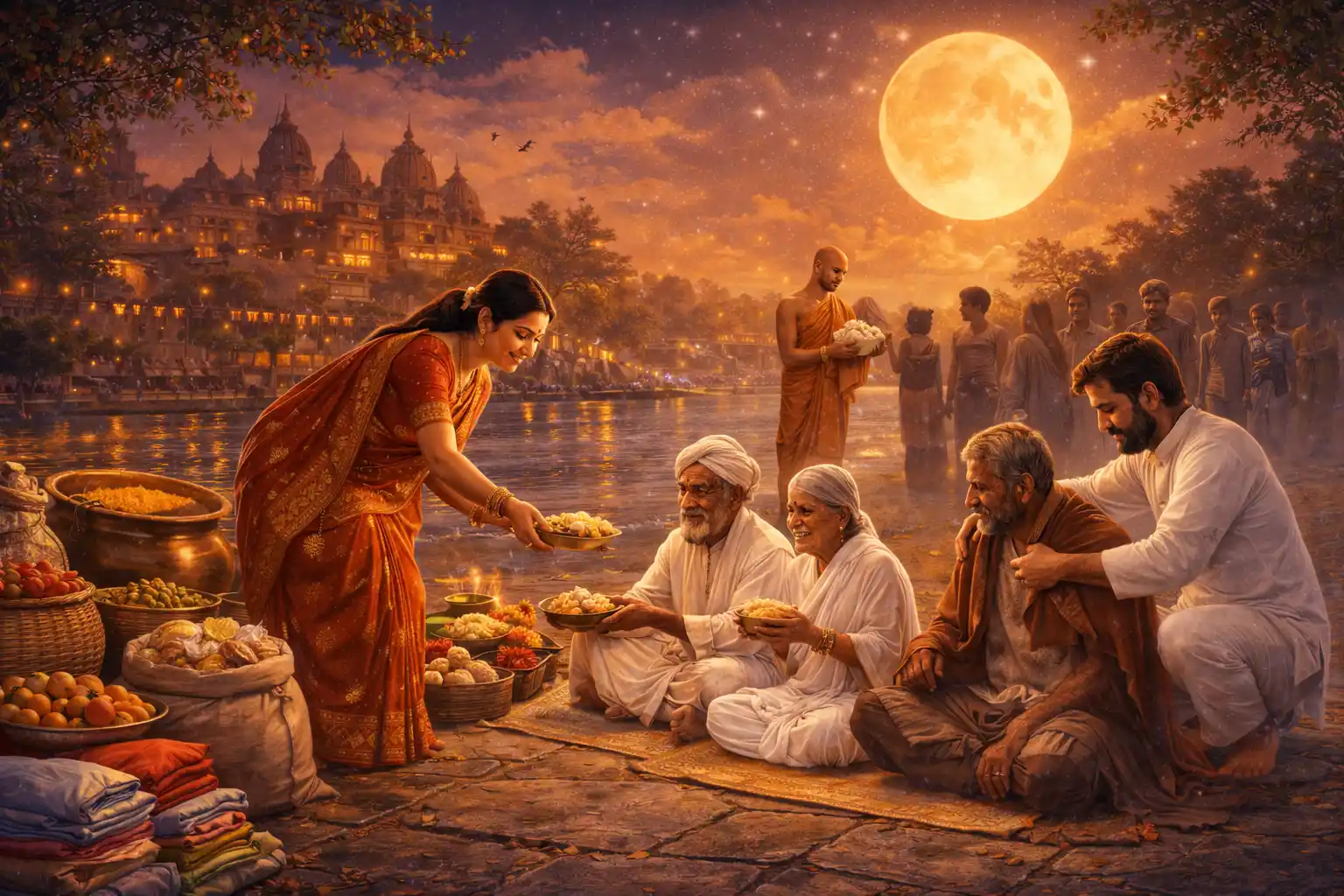
Magha Purnima also encourages selfless acts of charity. Devotees donate to the poor, distribute clothes, offer food, or contribute to spiritual institutions and temples. These acts of kindness are said to cleanse one's karma and generate good spiritual merit. It is a time to remember that the essence of life lies in giving and sharing, rather than just in receiving.
Below is a table outlining the key rituals performed during Magha Purnima:
|
Ritual |
Description |
Time of Execution |
Spiritual Significance |
|
Magha Snan (Holy Dip) |
Devotees take a sacred bath in holy rivers like the Ganges, Yamuna, or Saraswati. This ritual is believed to purify the body and soul of all sins. |
Early morning or evening (sunrise/sunset) |
Purifies the body, soul, and mind, washing away sins and impurities. Symbolizes spiritual renewal. |
|
Fasting |
Devotees observe fasting, either complete or partial, to purify themselves and focus on spiritual practices. |
Throughout the day |
Fasting cleanses the body and mind, helping the devotee focus on spiritual contemplation and devotion. |
|
Prayer and Chanting |
Devotees engage in prayers and chant sacred mantras such as Vishnu Sahasranama or Om Namo Narayanaya to invoke divine blessings. |
Throughout the day |
Invoking blessings from the divine, leading to spiritual growth, healing, and peace. Mantras help strengthen spiritual connection and calm the mind. |
|
Shraddha Rituals |
Offering food, water, and other essentials to honor and seek blessings from departed ancestors. |
Throughout the day |
Helps ensure peace and salvation for the souls of ancestors. Brings blessings and prosperity to the family. |
|
Charity and Service |
Giving to the poor, feeding the hungry, donating clothes, or contributing to spiritual institutions and temples. |
Throughout the day |
Acts of kindness cleanse karma and promote selfless service, aligning with the values of compassion, humility, and spiritual growth. |
|
Meditation |
Engaging in meditation to connect with the divine and reflect on one’s spiritual journey. |
Early morning or evening (preferred) |
Helps deepen the inner connection with the self and the divine, fostering inner peace and spiritual clarity. |
|
Sacred Ritual Offerings |
Offering flowers, fruits, incense, or lighted lamps to the divine as part of the worship. |
Early morning or evening |
These offerings symbolize devotion and reverence to the divine, creating a sacred atmosphere for spiritual connection and blessings. |
Importance of Full Moon on Magha Purnima
The full moon, or Purnima, holds immense spiritual significance in Hinduism, especially during the Magha Purnima. It is believed that the full moon amplifies the spiritual energy and is a time when cosmic energies are most aligned for purification and spiritual growth. On this day, the energy of the full moon is said to have a purifying effect on the mind, body, and soul. Devotees believe that the light of the full moon helps illuminate their path to self-realization, and performing rituals like the Magha Snan (holy dip) or chanting mantras on this day can bring them closer to divine consciousness, washing away sins and clearing negative energies.
Prayers and Mantras for Magha Purnima
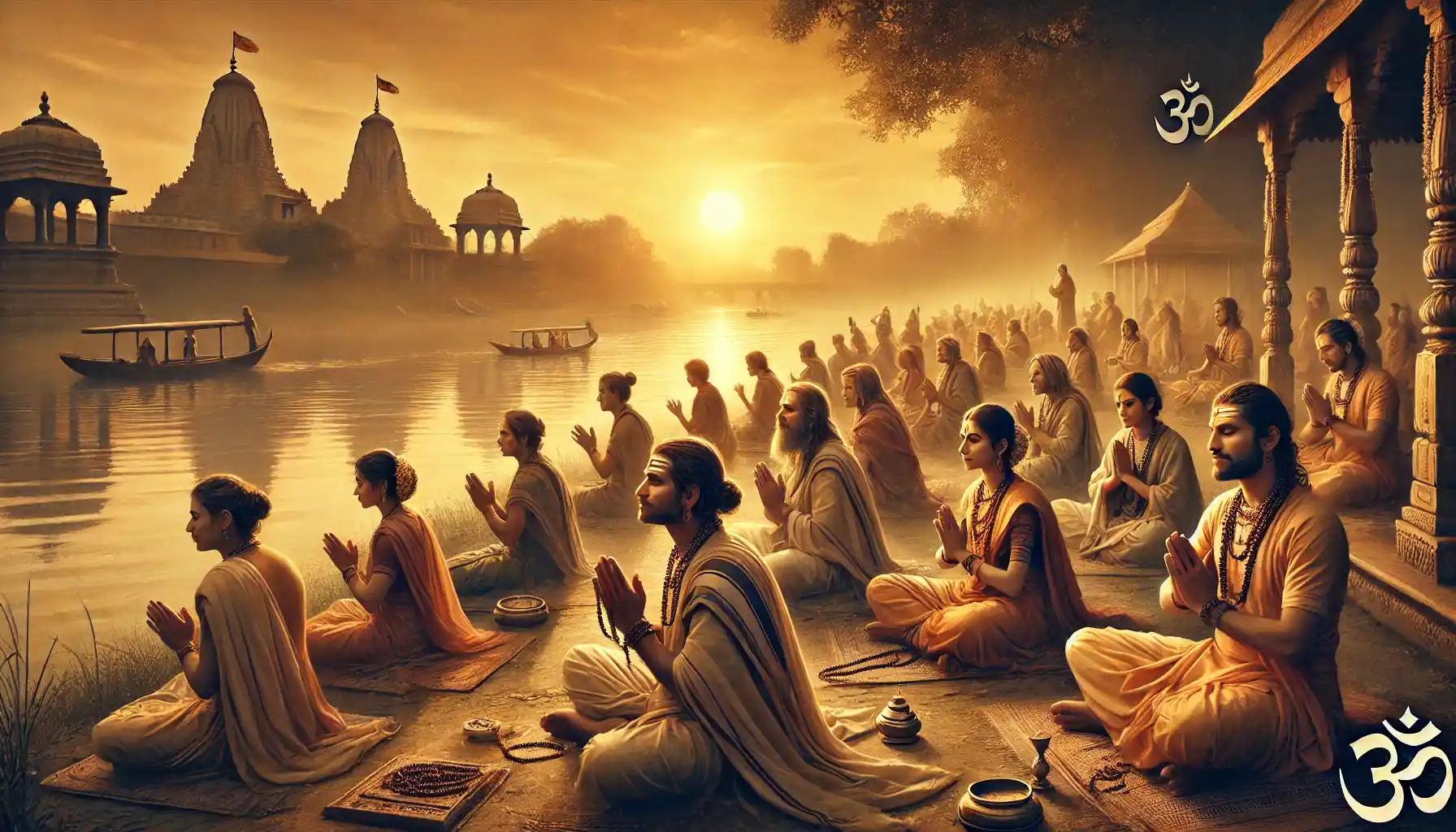
Magha Purnima is a day when devotees recite sacred prayers and mantras to seek divine blessings and spiritual renewal. One of the most powerful mantras recited during this time is the Vishnu Sahasranama, which praises Lord Vishnu and his 1,000 names, invoking his divine protection and grace. Another common mantra is Om Namo Narayanaya, a simple yet potent prayer to connect with the divine. Reciting these mantras on Magha Purnima is believed to purify the mind, strengthen one's connection with the divine, and promote inner peace. Devotees also engage in personal prayers, asking for blessings of health, prosperity, and spiritual advancement. By chanting with sincerity and devotion, the devotee aligns their mind and heart with higher spiritual energies, facilitating deep inner transformation and enlightenment.
Magha Purnima in Different Regions
Magha Purnima is celebrated with unique customs across India. In northern regions like Uttar Pradesh and Uttarakhand, devotees gather at sacred rivers such as the Ganges for holy dips and prayers. In Gujarat, the festival is marked with charity and community feasts, while in southern states, temples hold special rituals and processions. In Maharashtra, people observe fasts and chant mantras, while in Bengal, it is a time for offering prayers to ancestors. Each region emphasizes purification, devotion, and acts of service in its celebration.
The Role of Sacred Rivers
In Hinduism, sacred rivers like the Ganges, Yamuna, and Saraswati are revered as divine and purifying. Taking a holy dip in these waters during Magha Purnima symbolizes spiritual cleansing and renewal, washing away sins and negative energies. Water, in Hindu philosophy, is seen as a vital purifying agent, representing the flow of life and divine energy, connecting devotees to higher spiritual realms and facilitating inner transformation.
Insights from Swami Mukunandananda
Swami Mukunandananda, a renowned spiritual teacher and practitioner, offers profound insights into the significance of Magha Purnima. According to him, Magha Purnima serves as a reminder that the true essence of spirituality is in finding balance between external rituals and internal transformation. He emphasizes the need for self-reflection on this day, encouraging devotees to assess their spiritual progress and make efforts to move closer to divine consciousness.
Swami Mukunandananda also highlights the power of collective energy on Magha Purnima. He explains that when thousands of devotees come together, each performing their rituals with sincerity, the spiritual energy of the day multiplies, creating a powerful environment for transformation. Swamiji further asserts that the essence of any ritual is not in the external observance but in the purity of heart and the depth of intention behind the action.
For those unable to travel to the riverbanks or perform grand rituals, Swami Mukunandananda suggests that one can still partake in Magha Purnima by practicing meditation, chanting, and performing small acts of kindness. TThe most important element, according to him, is devotion and the heartfelt desire for spiritual growth.
Key Takeaways
- Magha Purnima is a sacred full moon day, observed in the Magha month of the Hindu lunar calendar.
- The Magha Snan (holy dip) in sacred rivers is the most prominent ritual for spiritual purification.
- Fasting, chanting mantras, and offering Shraddha rituals for ancestors are key practices on this day.
- Magha Purnima is also a time for charity, where selfless acts of service and donation bring blessings and spiritual merit.
- The teachings of Swami Mukunandananda urge devotees to focus on the intention behind rituals and to embrace spiritual reflection and inner transformation on this day.
Conclusion
Magha Purnima is a deeply significant day in the spiritual calendar of Hindus worldwide. It offers an opportunity to reflect on one’s spiritual journey, purify the soul, and seek blessings for future prosperity and well-being. Whether through the sacred act of bathing in holy rivers, engaging in meditation and prayer, or practicing selfless service, this day provides a platform for personal and collective spiritual growth. As we approach Magha Purnima 2026, may we take this occasion to renew our spiritual practices, deepen our devotion, and be mindful of our connection to the divine.
Call to Action
Embrace the Spiritual Energy of Magha Purnima!
This Magha Purnima, immerse yourself in the sacred rituals, connect deeply with the divine, and experience spiritual renewal. Join us in performing the Magha Snan, chanting powerful mantras, and seeking blessings for a purified mind and soul.
Let the full moon illuminate your path to peace and enlightenment.
👉 Get ready for Magha Purnima – Mark your calendar for February 1st, 2026!
Start your spiritual journey today by preparing your heart and mind for this powerful day of transformation. Share your experience with us in the comments below or on social media. Let’s spread the light of devotion together!
🔗 Join the celebration at Radha Krishna Temple of Dallas and be part of the divine festivities!
FAQs
1. What is Magha Purnima?
Magha Purnima is a sacred Hindu festival observed on the full moon day of the Magha month, which typically falls in January or February. It is a day of spiritual significance when devotees take a holy dip in sacred rivers, perform prayers, and seek blessings for purification and spiritual growth.
2. Why is the full moon important on Magha Purnima?
The full moon on Magha Purnima is believed to enhance spiritual energies. It is a time when cosmic forces are most aligned for purification, making it an ideal time for devotees to perform rituals, take a holy bath, and engage in meditation to cleanse the mind and soul.
3. What are the key rituals performed on Magha Purnima?
On Magha Purnima, devotees take a holy bath in sacred rivers like the Ganges, Yamuna, or Saraswati, observe fasting, chant mantras such as Vishnu Sahasranama and Om Namo Narayanaya, and offer prayers to Lord Vishnu. These rituals are performed to purify the body and soul.
4. What mantras should I chant on Magha Purnima?
Devotees often recite Vishnu Sahasranama (1,000 names of Lord Vishnu) and Om Namo Narayanaya to invoke divine blessings, purify the mind, and connect with higher spiritual energies during Magha Purnima.
5. When is the best time to observe the rituals on Magha Purnima?
The most auspicious times for rituals on Magha Purnima are during the sunrise and sunset, as these times are believed to carry the highest spiritual vibrations. Devotees often perform prayers and take a holy dip during these periods for maximum spiritual benefits.