Introduction
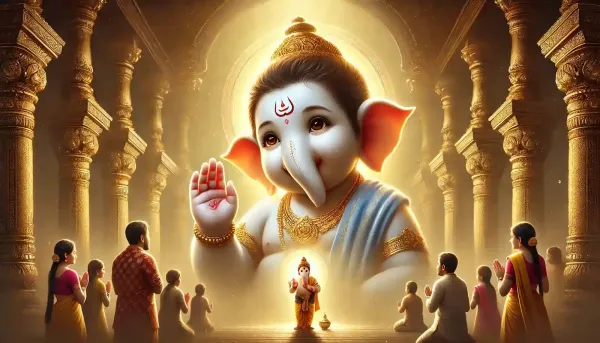
Few festivals in India capture the collective spirit of devotion, celebration, and surrender as vividly as Ganesh Chaturthi and the subsequent Ganesh Visarjan. For ten days, streets and homes across the country (and increasingly across the world) resound with the chants of “Ganpati Bappa Morya!” as Lord Ganesha is welcomed with music, prayer, and joy. Yet the most moving part of the festival is not its grand beginning, but its poignant conclusion—the Visarjan, or immersion, of the beloved deity’s idol into water.
On the surface, Visarjan may appear as a ritualistic farewell, but spiritually it is a profound reminder of life’s deepest truths: the impermanence of the material, the cyclical nature of existence, and the journey from form to formlessness. By immersing Ganesha, devotees participate in a symbolic act that embodies surrender, detachment, and union with the divine.
In this article, we’ll explore the spiritual significance of Ganesh Visarjan in depth—its historical roots, symbolic layers, philosophical meaning, and its relevance in our modern lives.
The Story of Ganesh Chaturthi and Visarjan
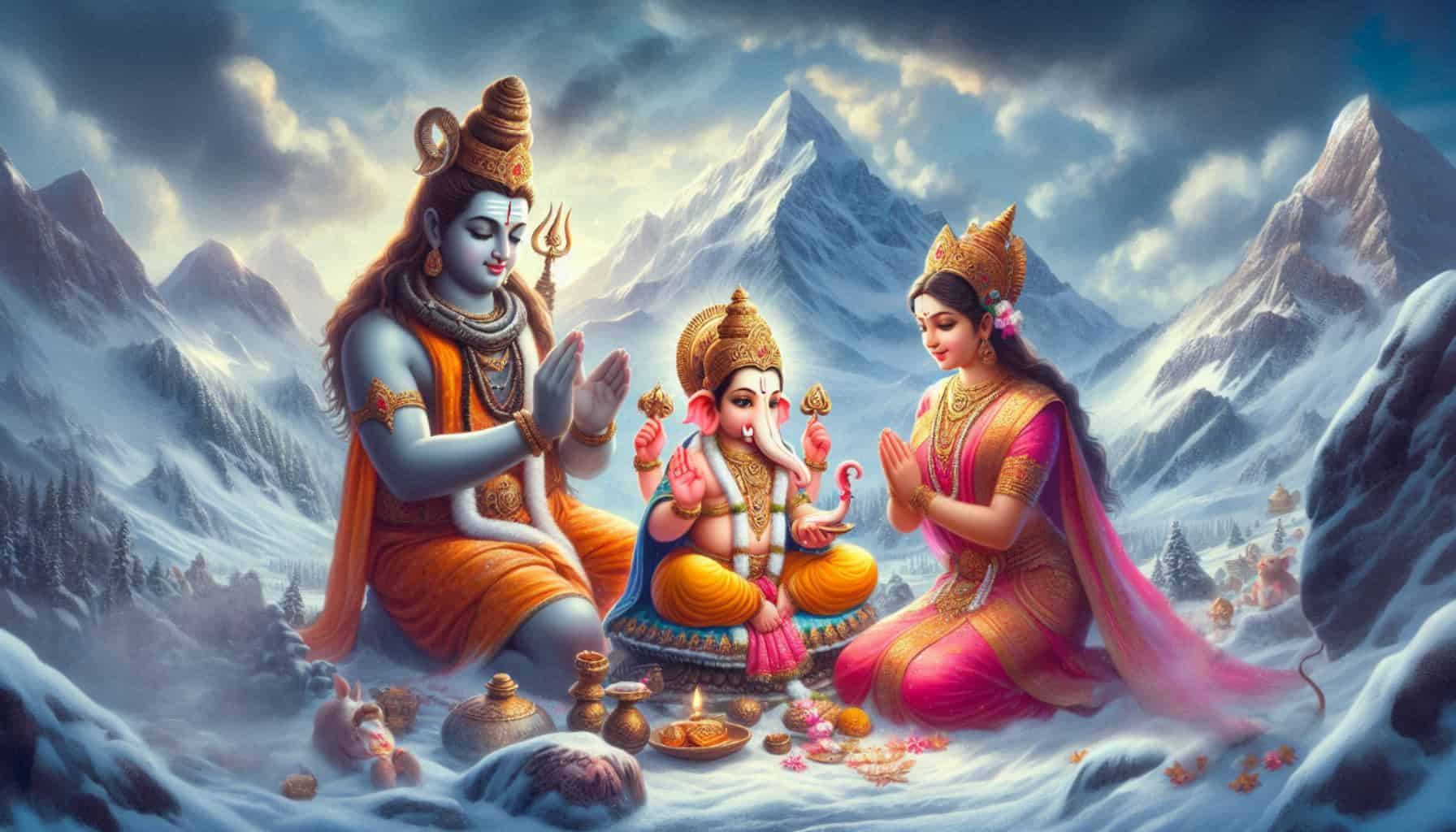
Ganesh Chaturthi celebrates the birth of Lord Ganesha, the elephant-headed remover of obstacles, son of Shiv and Parvati. Traditionally, the festival is celebrated for one and a half, five, seven, or ten days respectively in different places, culminating in the Visarjan ceremony on Anant Chaturdashi.
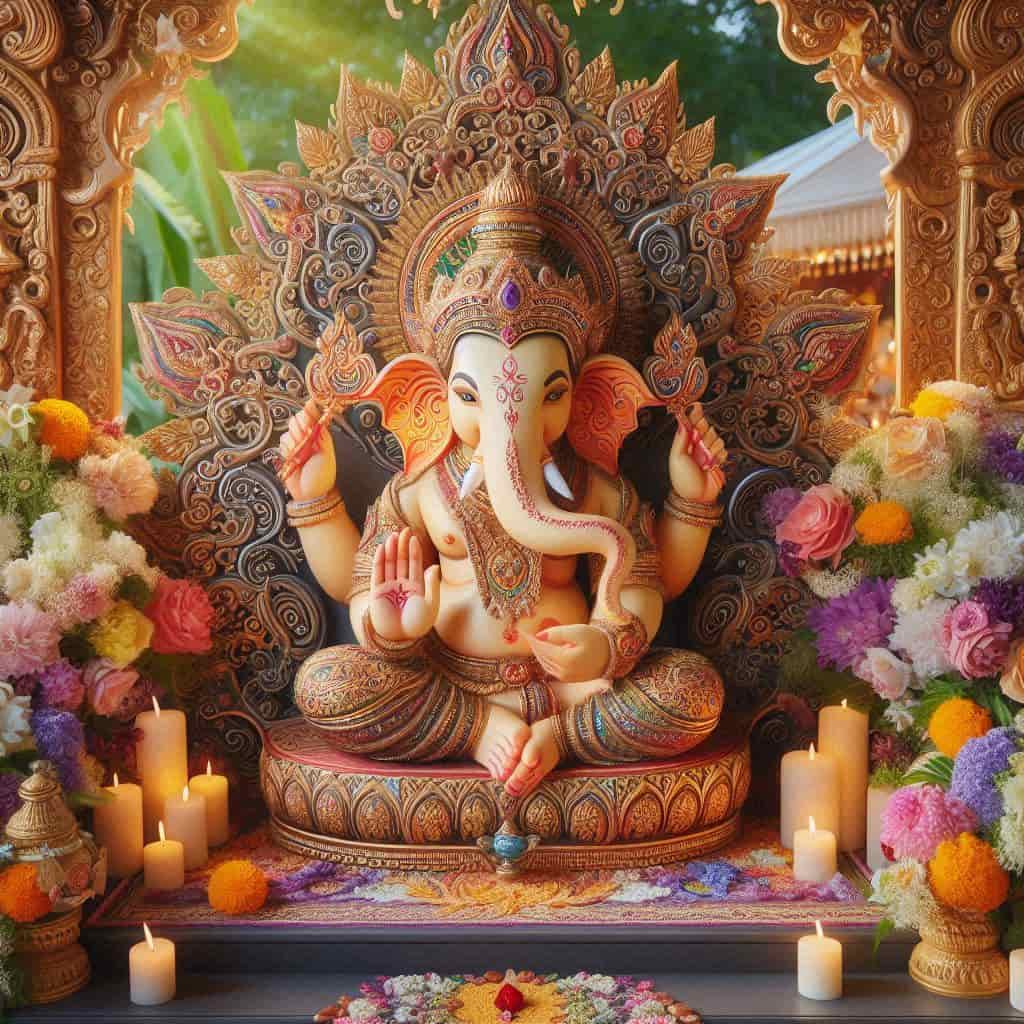
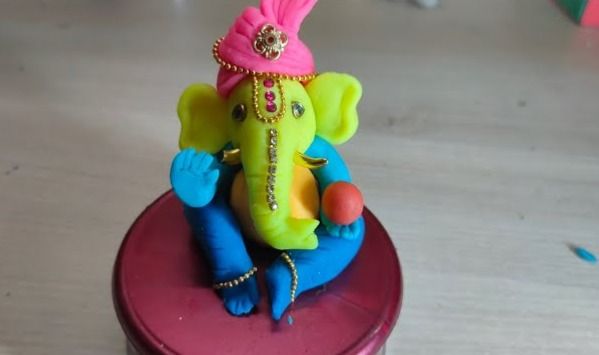
During the festival, idols of Ganesha—crafted from clay, Plaster of Paris, or more recently, eco-friendly materials—are installed in homes and community spaces. Families and communities gather for daily prayers, singing of bhajans, and sharing of prasad, particularly the beloved modaks, said to be Ganesha’s favorite sweet.
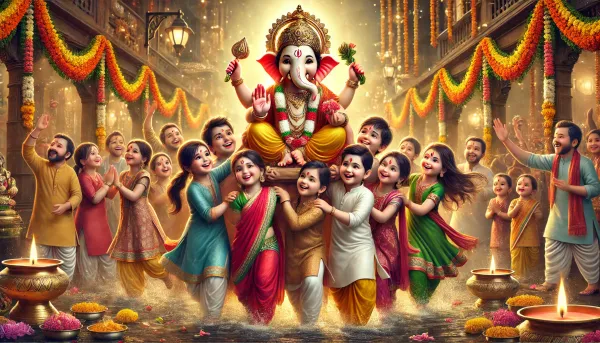
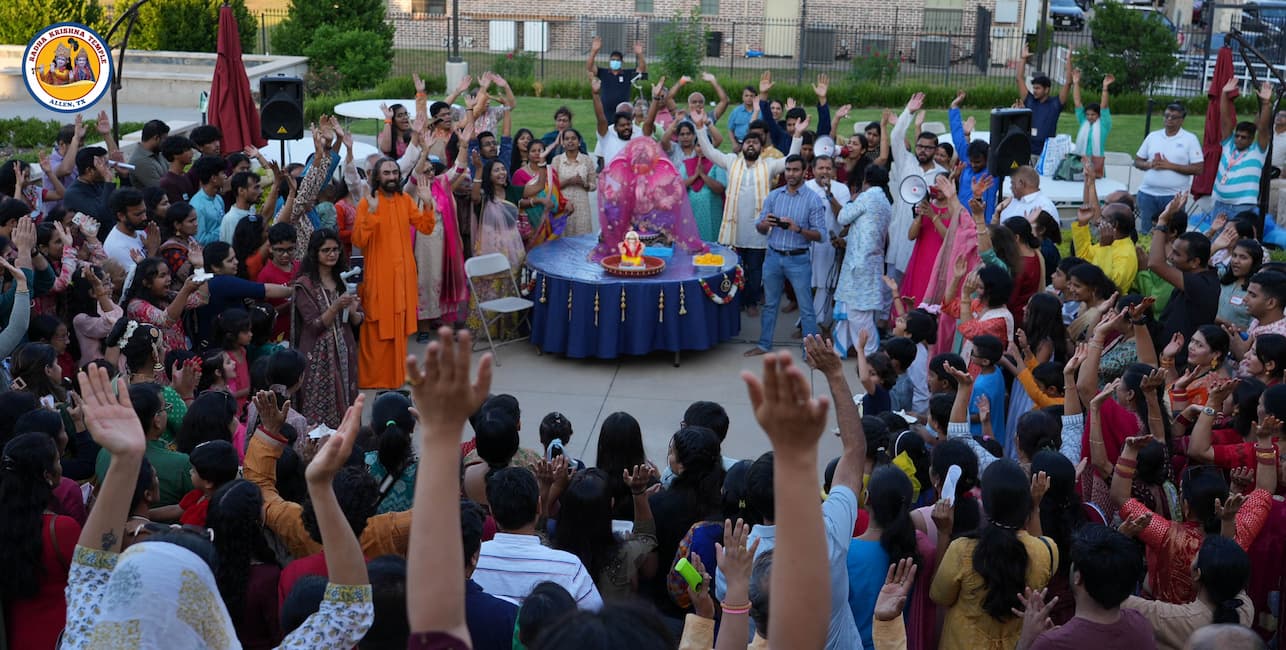
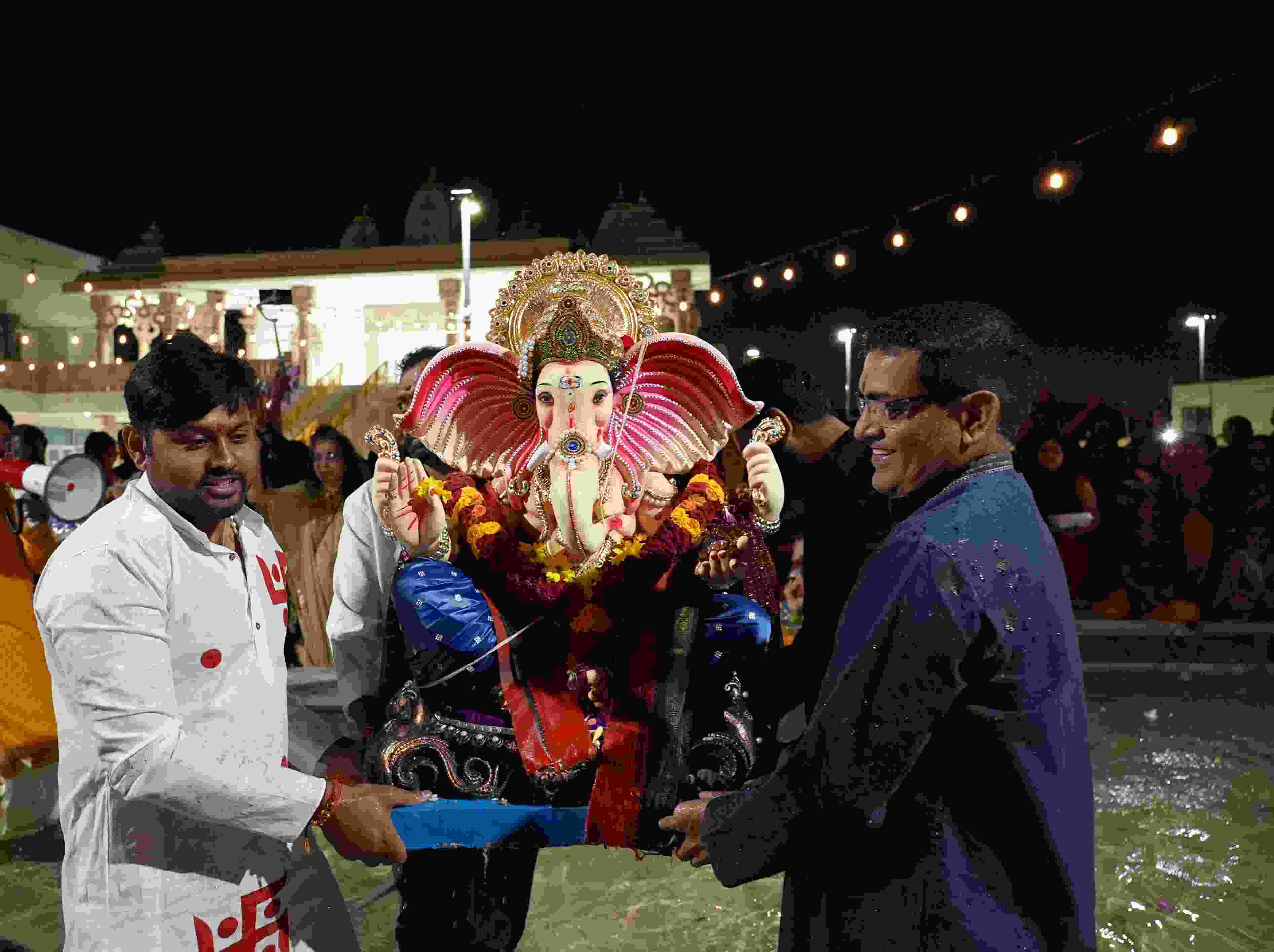
The final day, however, carries a unique emotional tone. The same devotees who lovingly welcomed Ganesha now accompany him to rivers, lakes, or the sea, where the idol is immersed with chants and songs. It is a moment filled with both joy and tears—joy for the blessings received, and tears for the departure of the beloved deity.
But what does this departure truly mean? Why do we not keep the idol permanently? The answer lies in the deeper symbolism of the Visarjan ritual.
Symbolism of Ganesh Visarjan
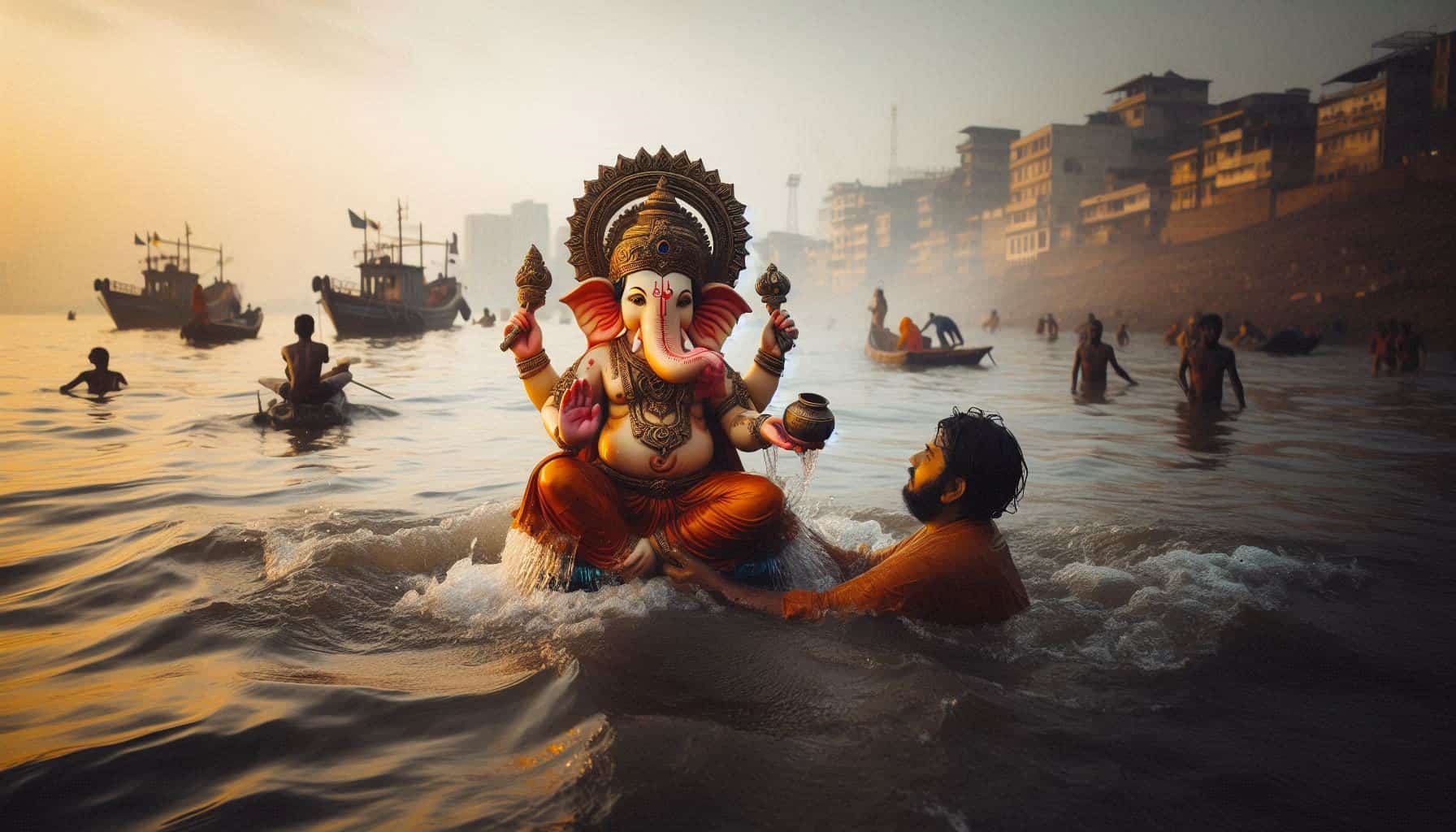
1. The Cycle of Creation and Dissolution
The act of immersion represents the eternal cosmic cycle: birth, sustenance, and dissolution. Just as the idol is created, worshipped, and then returned to the waters, so too is every being born, sustained for a time, and ultimately dissolved back into the elements. The Visarjan teaches us to accept this cycle with grace and equanimity.
2. Detachment and Surrender
Human beings often struggle with attachment—whether to people, possessions, or even cherished experiences. Bringing Ganesha into our homes allows us to express love and devotion, but Visarjan teaches us to let go. It reminds us that true devotion is not about clinging but about surrendering to the divine will.
3. Form to Formlessness
The idol of Ganesha represents the divine in a tangible, visible form, making it easier for devotees to connect emotionally and spiritually. But the immersion dissolves that form, reminding us that the ultimate reality—Brahman—is formless and infinite. By letting the form dissolve into water, we are invited to turn inward and recognize the formless presence of divinity within ourselves.
4. Unity with the Elements
Traditionally, idols were made of clay from riverbanks. After immersion, the clay returned to the same riverbed, completing the cycle of give and take with nature. Spiritually, this represents the idea that we too are made of the five elements (pancha mahabhutas) and will one day return to them. Visarjan thus becomes an act of humility and ecological awareness.
5. Celebrating Impermanence
Unlike other deities, Ganesha is specifically invited for a brief stay. This highlights the Buddhist-like truth of impermanence (anitya). Nothing—no joy, no sorrow, no relationship—is permanent. By celebrating Ganesha’s temporary visit, we learn to celebrate the fleeting beauty of life itself.
Philosophical Layers of Meaning
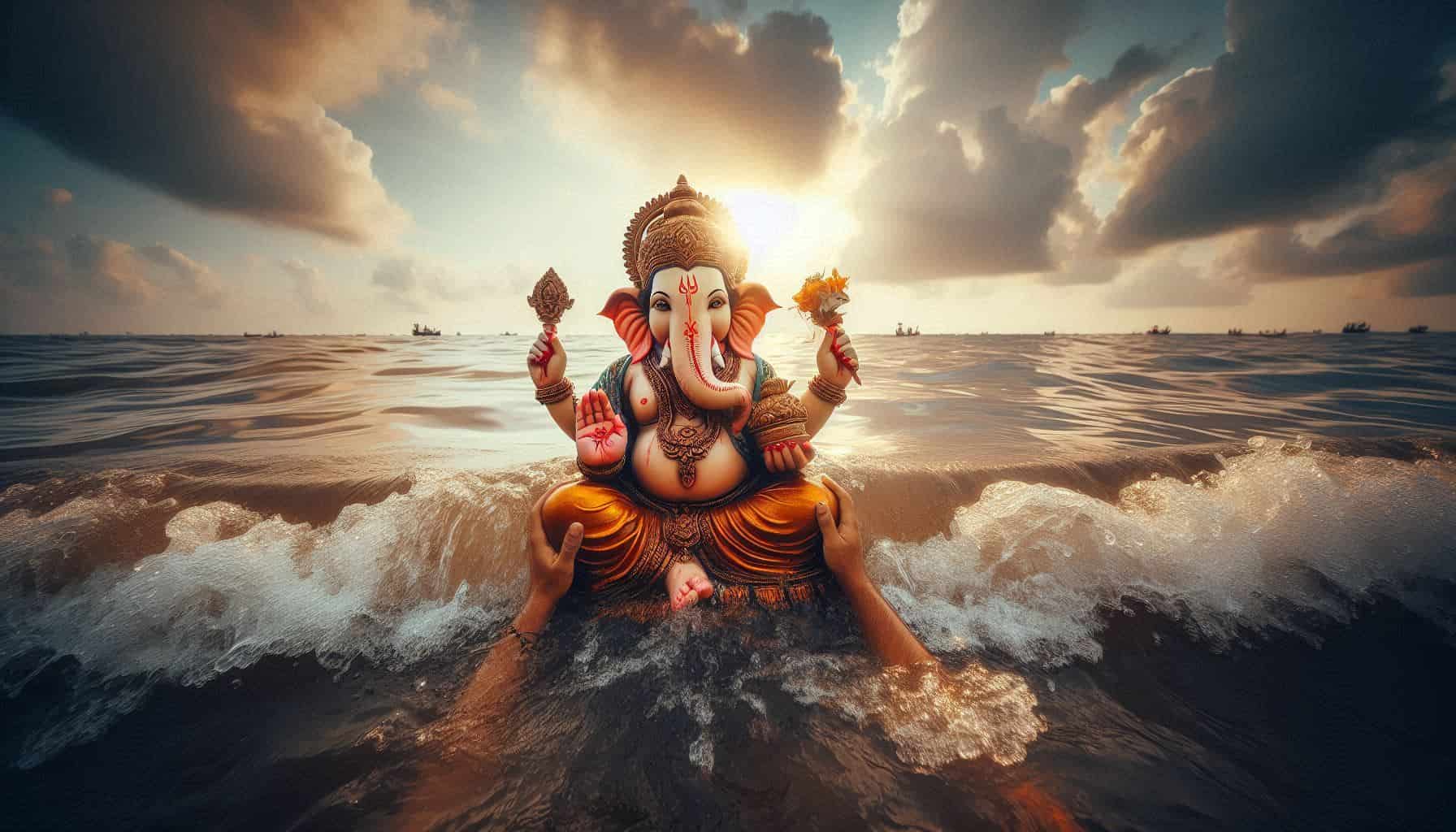
Ganesh as the Inner Guide
Ganesha is called Vighnaharta—the remover of obstacles. Yet the obstacles he removes are not only external but internal: doubt, fear, pride, and ignorance. When the idol is immersed, devotees are meant to internalize Ganesha’s qualities: wisdom, clarity, and courage. The physical form departs, but the inner Ganesha remains as our guide.
The Ocean as the Infinite Consciousness
When the idol dissolves into water, it symbolizes the merging of the finite with the infinite. The water body becomes a metaphor for cosmic consciousness. Just as the clay merges indistinguishably with the river or sea, so too does the individual soul ultimately merge with the Supreme.
The Churn of Emotion
Visarjan is often an emotional event. Devotees cry, sing, and dance, expressing a paradoxical mixture of celebration and grief. This emotional churn is itself symbolic of spiritual growth: the breaking down of ego, the cleansing of attachment, and the liberation of the soul.
Ritual as Spiritual Training
The genius of Indian tradition lies in how profound philosophy is woven into seemingly simple rituals. For the lay devotee, Visarjan is a celebration. But for the seeker, it is also spiritual training in detachment, surrender, and impermanence. By annually practicing the act of letting go—of something as beloved as Ganesha—devotees prepare themselves for the greater letting go required in life: the letting go of desires, attachments, and ultimately, the body itself.
Modern Reflections: Relevance of Visarjan Today
In today’s world, where materialism and attachment often dominate, the practice of Ganesh Visarjan holds special relevance.
- In Success and Failure: Just as we celebrate Ganesha’s arrival and departure, we must accept life’s gains and losses with balance.
- In Ecology: The original ritual emphasized eco-harmony—returning clay to water. Modern pollution from artificial idols reminds us to reconnect with this ecological wisdom.
- In Relationships: Visarjan teaches us that while love is sacred, clinging is suffering. Every relationship must be cherished, but also surrendered to the flow of time.
The Devotee’s Journey
The ten days of Ganesha’s stay mirror a spiritual journey:
- Invocation – Welcoming Ganesha is like awakening the divine within.
- Worship – Daily prayers represent the discipline of nurturing that inner connection.
- Celebration – Singing, dancing, and sharing prasad symbolize joy in divine company.
- Visarjan – Letting go represents surrender and the realization that divinity is not bound by form.
This journey reflects the arc of life itself—arrival, experience, celebration, and dissolution.
Stories and Cultural Variations
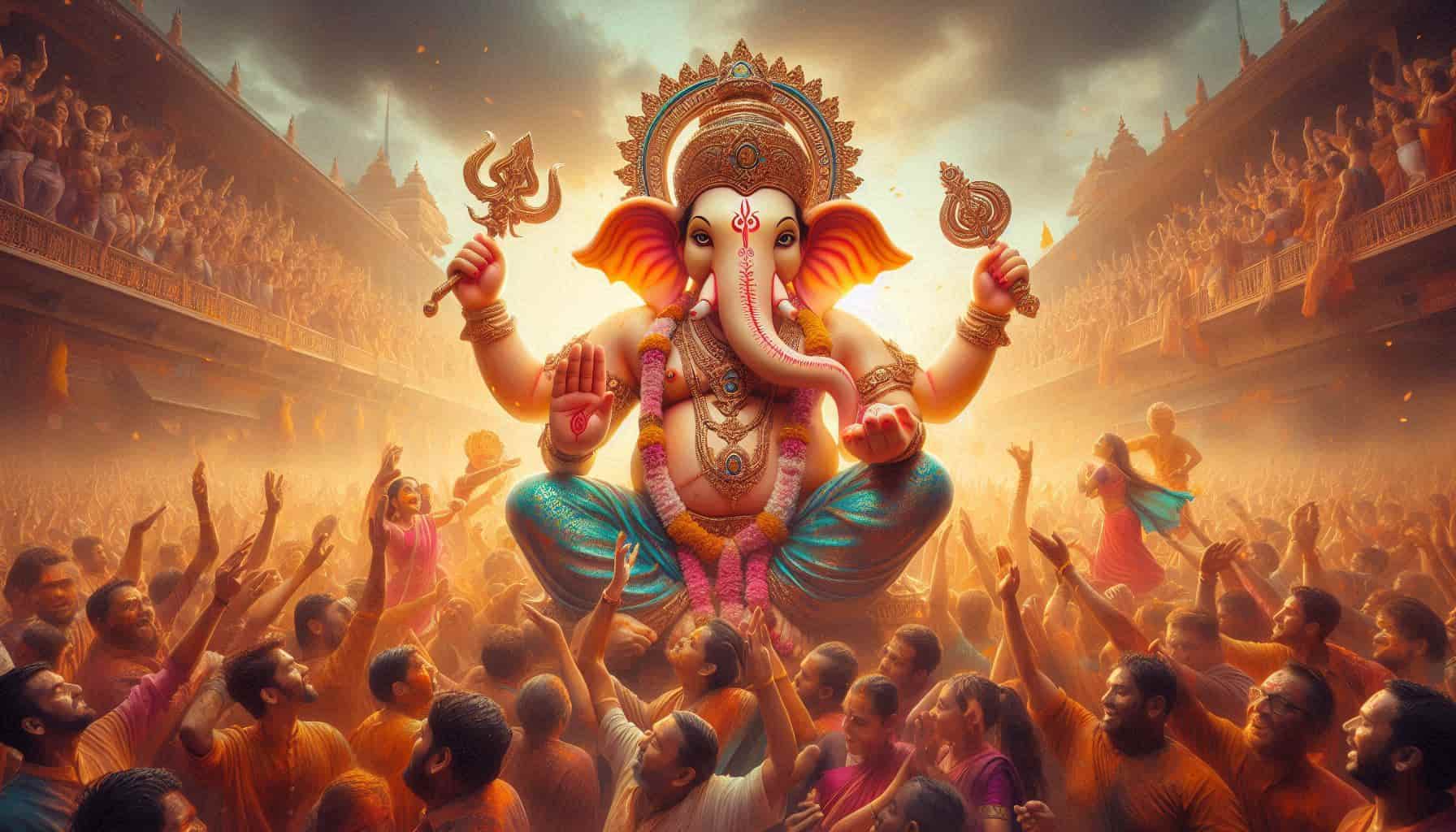
Across India, Visarjan takes on unique flavors. In Mumbai, massive processions with music and dancing accompany the immersion. In Pune, smaller but deeply traditional rituals preserve its historical roots. In rural areas, families often immerse idols in local ponds or rivers with quiet devotion. Despite the variations, the spiritual message remains the same: the temporary form points to eternal truth.
Lessons for the Seeker
The spiritual significance of Ganesh Visarjan can be distilled into several key lessons:
- Embrace impermanence – Life is transient; beauty lies in its fleeting nature.
- Practice detachment – Love deeply, but don’t cling.
- Recognize the formless – The divine is beyond images; idols are doors, not destinations.
- Return to nature – Live in harmony with the environment.
- Celebrate the cycle – Just as Ganesha comes and goes, so too do joys and sorrows. Welcome them, honor them, and let them pass.
Conclusion
Ganesh Visarjan is more than the immersion of an idol; it is the immersion of our ego, attachments, and illusions into the ocean of divine consciousness. It is a reminder that forms are temporary, but the formless is eternal. By celebrating Ganesha’s arrival and gracefully accepting his departure, we learn the rhythm of life: to welcome, to cherish, and to let go.
In an age where permanence is sought in possessions, status, and relationships, the festival gently teaches us that real strength lies not in holding on but in surrendering. As the chants of “Ganpati Bappa Morya, Pudhchya Varshi Lavkar Ya!” echo across rivers and seas, they remind us that though the form departs, the spirit never does. Ganesha lives on—in our hearts, in our actions, and in the eternal cycle of life.
Call to Action
Celebrate Ganesh Visarjan at Radha Krishna Temple Dallas, Sep 6. For further details on seva and registration, please visit https://www.radhakrishnatemple.net/ganesh-chaturthi
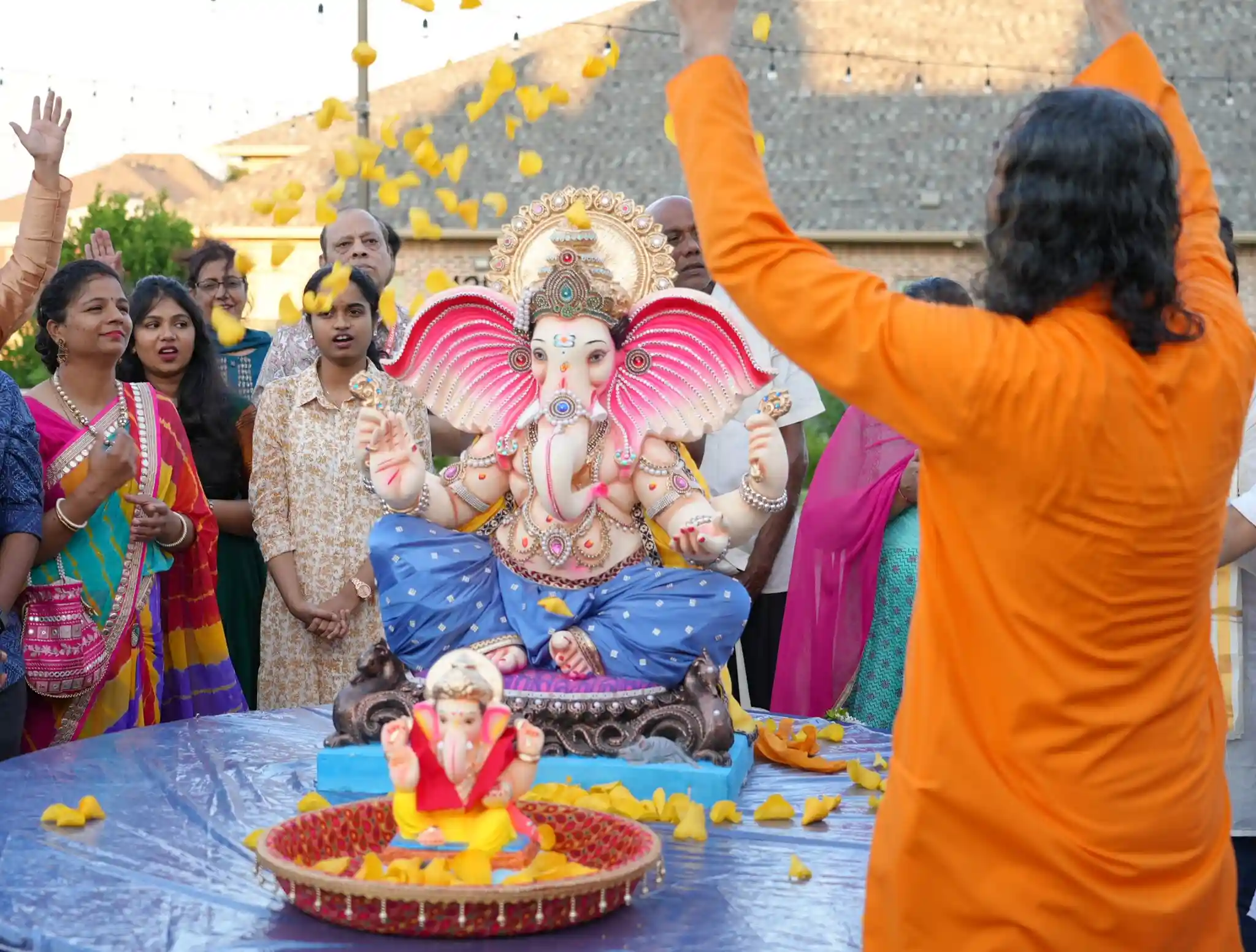
Ganesh Chaturthi Mahotsav 2025
Radha Krishna Temple of Dallas
Celebrate the divine presence of Lord Ganesha at the Radha Krishna Temple of Dallas (Allen)! Join us for Ganesh Chaturthi, soul-enriching Kirtans, Aarti, Modak Making, and more!
✨ Event Highlights ✨
Ganesh Sthaapana & Pooja
Sacred installation and collective worship with powerful Vedic mantras.
Join Us
🎁 Sponsorship Opportunities
Support the event by sponsoring Pooja, Mahaprasad, or Grand Offerings. Your contribution helps keep this divine tradition alive!
🪔 Bring flowers, fruits, and prasad • 🙏 Become a Yajman • 🎁 Sponsor a Seva
FAQs
1. What is the spiritual meaning of Ganesh Visarjan?
Ganesh Visarjan symbolizes the cycle of creation and dissolution, teaching us detachment, impermanence, and surrender to the divine.
2. Why is Lord Ganesha immersed in water?
The immersion represents returning the idol to its elemental source, showing that the divine is formless and reminding us of life’s cyclical nature.
3. How does Ganesh Visarjan teach detachment?
By lovingly welcoming Ganesha and then letting go, devotees practice releasing attachments and trusting that true devotion lies beyond physical forms.
4. What lessons does Ganesh Visarjan give for daily life?
It teaches us to embrace impermanence, act without clinging to results, and recognize divinity within rather than in external objects.
5. Is Ganesh Visarjan relevant today?
Yes. It offers timeless lessons for modern life—accepting change, practicing detachment, honoring nature, and finding inner peace amid life’s cycles.