Introduction
The Shiv Tandav Stotram is one of the most powerful and poetic hymns in Hinduism. Composed by Ravan, the great devotee and king of Lanka, this stotram glorifies Lord Shiv’s fierce Tandav — the cosmic dance of creation and destruction. Its verses are both awe-inspiring and deeply devotional, filled with rich imagery of Shiv’s grandeur.
Chanting this stotra not only invokes divine strength and clarity but also ignites deep devotion in the heart of the reciter. In this blog, you'll find the full Shiv Tandav Stotram with meaning, learn about its symbolism, and understand how to integrate it into your spiritual practice.
Full Shiv Tandav Stotram With Meaning
Below is the full stotramSanskrit verses, IAST transliteration, and English meaning, based on the authentic version attributed to Ravan.
1.
जटाटवीगलज्जल प्रवाहपावितस्थले
गलेऽवलम्ब्य लम्बितां भुजङ्गतुङ्गमालिकाम्।
डमड्डमड्डमड्डमन्निनादवड्डमर्वयं
चकार चण्डताण्डवं तनोतु नः शिवः शिवम्॥
IAST:
Jatāṭavī-gala-jjala-pravāha-pāvita-sthale
Gale'valambya lambitāṃ bhujanga-tuṅga-mālikām।
Ḍamaḍ ḍamaḍ ḍamaḍ ḍama-nnināda-vaḍḍa-marvayaṃ
Chakāra chaṇḍa-tāṇḍavaṃ tanotu naḥ Śivaḥ śivam॥
Meaning:
With his neck sanctified by the flow of the sacred Ganga from his matted hair,
With a mighty serpent hanging like a garland,
As the Damaru resounds ḍamaḍ ḍamaḍ,
Shiv performs the fierce Tandav — may He bless us with auspiciousness!
2.
जटाकटाहसंभ्रम भ्रमन्निलिम्पनिर्झरी
विलोलवीचिवल्लरी विराजमानमूर्धनि।
धगद्धगद्धगज्ज्वलल्ललाटपट्टपावके
किशोरचन्द्रशेखरे रतिः प्रतिक्षणं मम॥
IAST:
Jatā-kaṭāha-sambhrama-bhraman-nilimpa-nirjharī
Vilola-vīchi-vallari-virājamāna-mūrdhani।
Dhagad-dhagad-dhagaj-jvalal-lalāṭa-paṭṭa-pāvake
Kishora-chandra-śekhare ratiḥ pratikṣaṇaṃ mama॥
Meaning:
I am ever devoted to Shiv,
Whose head shines with the dancing waves of the divine Ganga,
Whose forehead burns with brilliant fire,
And who wears the crescent moon as an ornament.
3.
धराधरेन्द्रनन्दिनी विलासबन्धुबन्धुर
स्फुरद्दिगन्तसन्तति प्रमोदमानमानसे।
कृपाकटाक्षधोरणी निरुद्धदुर्धरापदि
क्वचिद्दिगम्बरे मनो विनोदमेतु वस्तुनि॥
IAST:
Dharādhara-indra-nandinī-vilāsa-bandhu-bandhura
Sphurat-diganta-santati-pramoda-māna-mānase।
Kṛpā-kaṭākṣa-dhoraṇī-niruddha-durdharāpadi
Kvacid-digambare mano vinodam-etu vastuni॥
Meaning:
May my mind rejoice in the supreme Digambara (clothed with space),
Whose blissful thoughts delight in Parvati,
Who through his compassionate glance controls all difficulties,
And who is adored by all creation.
4.
जटाभुजङ्गपिङ्गल स्फुरत्फणामणिप्रभा
कदम्बकुङ्कुमद्रवप्रलिप्तदिग्वधूमुखे।
मदान्धसिन्धुरस्फुरत्त्वगुत्तरीयमेदुरे
मनो विनोदमद्भुतं बिभर्तु भूतभर्तरि॥
IAST:
Jatā-bhujanga-piṅgala-sphurat-phaṇā-maṇi-prabhā
Kadamba-kuṅkuma-drava-pralipta-dig-vadhū-mukhe।
Madāndha-sindhu-rasphurat-tvag-uttarīya-medure
Mano vinodam-adbhutaṃ bibhartu bhūta-bhartari॥
Meaning:
May my mind rejoice in the wondrous Shiv,
Whose body is wrapped with the skin of a wild elephant,
Whose snakes glow with gem-lit hoods,
And whose presence adds beauty to the directions stained with sandal-paste.
5.
सहस्रलोचनप्रभृत्यशेषलेखशेखर
प्रसूनधूलिधोरणी विधूसराङ्घ्रिपीठभूः।
भुजङ्गराजमालया निबद्धजाटजूटकः
श्रियै चिराय जायतां चकोरबन्धुशेखरः॥
IAST:
Sahasra-lochana-prabhṛtya-śeṣa-lekha-śekhara
Prasūna-dhūli-dhoraṇī-vidhūsarāṅghri-pīṭha-bhūḥ।
Bhujanga-rāja-mālayā nibaddha-jāta-jūṭakaḥ
Śriyai chirāya jāyatāṃ chakora-bandhu-śekharaḥ॥
Meaning:
May Shiv — whose matted hair is adorned with a red snake,
Whose feet are dusted by the flowers from the heads of gods like Vishnu and Brahma,
And who wears the moon — ever grant us prosperity.
6.
ललाटचत्वरज्वलद्धनञ्जयस्फुलिङ्गभा
निपीतपञ्चसायकं नमन्निलिम्पनायकम्।
सुधामयूखलेखया विराजमानशेखरं
महाकपालिसम्पदे शिरोजटालमस्तु नः॥
IAST:
Lalāṭa-chatvara-jvalad-dhanañjaya-sphuliṅga-bhā
Nipīta-pañca-sāyakaṃ naman-nilimpa-nāyakam।
Sudhā-mayūkha-lekhayā virājamāna-śekharaṃ
Mahā-kapāli-sampade śiro-jaṭālam-astu naḥ॥
Meaning:
May Shiv’s matted locks bring us Siddhi and success,
He who burned Kamadev with a spark from his forehead,
Is bowed to by celestial beings,
And wears the moon on his crown.
7.
करालभालपट्टिकाधगद्धगद्धगज्ज्वल
द्धनञ्जयाहुतीकृत प्रचण्डपञ्चसायके।
धराधरेन्द्रनन्दिनी कुचाग्रचित्रपत्रक
प्रकल्पनैकशिल्पिनी त्रिलोचने रतिर्मम॥
IAST:
Karāla-bhāla-paṭṭikā-dhagaddha-gaddha-gajjvala
Dhanañjaya-āhutīkṛta prachaṇḍa-pañcha-sāyake।
Dharādhara-indra-nandinī-kuchāgra-chitra-patraka
Prakalpanaika-śilpinī trilochane ratir mama॥
Meaning:
I delight in the three-eyed Lord Shiv,
Whose fierce forehead consumed Kamadev,
And who artistically decorates Parvati’s body with divine love.
8.
नवीनमेघमण्डली निरुद्धदुर्धरस्फुरत्
कुहूनिशीथिनीतमः प्रबन्धबद्धकन्धरः।
निलिम्पनिर्झरीधरस्तनोतु कृत्तिसिन्धुरः
कलानिधानबन्धुरः श्रियं जगद्धुरन्धरः॥
IAST:
Navīna-megha-maṇḍalī-niruddha-durdhara-sphurat
Kuhū-niśīthini-tamaḥ prabandha-baddha-kandharaḥ।
Nilimpa-nirjharī-dharaḥ stanotu kṛtti-sindhuraḥ
Kalā-nidhāna-bandhuraḥ śriyaṃ jagad-dhurandharaḥ॥
Meaning:
May Shiv — the bearer of Ganga, cloaked in elephant hide,
Whose neck is dark like rain clouds at night,
And who supports the whole world — bless us with wealth and wisdom.
9.
प्रफुल्लनीलपङ्कज प्रपञ्चकालिमप्रभा
वलम्बिकण्ठकन्दली रुचिप्रबद्धकन्धरम्।
स्मरच्छिदं पुरच्छिदं भवच्छिदं मखच्छिदं
गजच्छिदान्धकच्छिदं तमन्तकच्छिदं भजे॥
IAST:
Praphulla-nīla-paṅkaja prapañcha-kālima-prabhā
Valambi-kaṇṭha-kandalī-ruchi-prabaddha-kandharam।
Smarachchhidaṃ purachchhidaṃ bhavachchhidaṃ makhachchhidaṃ
Gajachchidāndhaka-chchhidaṃ tam-antaka-chchhidaṃ bhaje॥
Meaning:
I worship the destroyer of Kamadev, Tripura, worldly bondage, sacrifices,
And of Gajasur, Andhak, and even death itself — Lord Shiv,
Whose radiant blue throat shines like a blossomed lotus.
10.
अखर्वसर्वमङ्गला कलाकदम्बमञ्जरी
रसप्रवाहमाधुरी विजृम्भणामधुव्रतम्।
स्मरान्तकं पुरान्तकं भवान्तकं मखान्तकं
गजान्तकान्धकान्तकं तमन्तकान्तकं भजे॥
IAST:
Akharva-sarva-maṅgalā-kalā-kadamba-mañjarī
Rasa-pravāha-mādhurī-vijṛmbhaṇā-madhuvratam।
Smarāntakaṃ purāntakaṃ bhavāntakaṃ makhāntakaṃ
Gajāntakāndhaka-kāntakaṃ tam-antaka-kāntakaṃ bhaje॥
Meaning:
I worship Shiv,
Who is the destroyer of lust, pride, illusion, sacrifices, and death,
Who is surrounded by buzzing bees drawn to the sweetness of divine nectar
From the blossoming bouquet of all auspicious arts.
11.
जयत्वदभ्रविभ्रमभ्रमद्भुजङ्गमस्फुर-
धिग्धिग्धि निर्गमत्कराल भाल हव्यवाट्।
धिमिद्धिमिद्धिमिद्ध्वनन्मृदङ्गतुङ्गमङ्गल-
ध्वनिक्रमप्रवर्तित प्रचण्डताण्डवः शिवः॥
IAST:
Jayatv-ad-abhravibhrama-bhramad-bhujanga-maśvasan
Dhigdhigdhi nirgamat-karāla-bhāla-havyavāṭ।
Dhimid-dhimid-dhimid-dhvanan-mṛdaṅga-tuṅga-maṅgala
Dhvanikrama-pravartita-prachaṇḍa-tāṇḍavaḥ Śivaḥ॥
Meaning:
May victorious Shiv bless us with auspiciousness,
Whose Tandav is accompanied by the hissing of serpents swirling in the sky,
Whose loud drumbeats echo through the directions,
Adorning the faces of celestial goddesses.
12.
दृषद्विचित्रतल्पयोर्भुजङ्गमौक्तिकस्रजोर्
गरिष्ठरत्नलोष्ठयोः सुहृद्विपक्षपक्षयोः।
तृणारविन्दचक्षुषोः प्रजामहीमहेन्द्रयोः
समं प्रवर्तयन्मनः कदा सदाशिवं भजे॥
IAST:
Dṛṣad-vichitra-talpayor-bhujanga-mauktika-srajor
Gariṣṭha-ratna-loṣṭhayoḥ suhṛd-vipakṣa-pakṣayoḥ।
Tṛṇāravinda-chakṣuṣoḥ prajā-mahī-mahendra-yoḥ
Samaṃ pravartayan-manaḥ kadā sadāśivaṃ bhaje॥
Meaning:
When will I adore Sadāshiv with a mind that sees no difference
Between luxurious beds or stone floors,
Rich jewels or clods of earth, friend or enemy,
A blade of grass or a lotus, kings or commoners?
13.
कदा निलिम्पनिर्झरी निकुञ्जकोटरे वसन्
विमुक्तदुर्मतिः सदा शिरःस्थमञ्जलिं वहन्।
विलोललोचलो ललामभाललग्नकः
शिवेति मन्त्रमुच्चरन् कदा सुखी भवाम्यहम्॥
IAST:
Kadā nilimpa-nirjharī-nikuñja-koṭare vasanh
Vimukta-dur-matiḥ sadā śiraḥ-stham-añjaliṃ vahan।
Vilola-lochano lalāma-bhāla-lagnakaḥ
Śiveti mantram-uccharan kadā sukhī bhavāmy-aham॥
Meaning:
When will I live in a forest cave beside the celestial Ganga,
With purified thoughts and folded hands over my head,
Eyes filled with divine longing, a flame on my forehead,
Uttering “Shiv, Shiv” — and be truly happy?
14.
इमं हि नित्यं एव मुक्तमुक्तमोत्तमं स्तवं
पठन्स्मरन् ब्रुवन्नरो विशुद्धिमेतिसंततम्।
हरे गुरौ सुभक्तिमाशु याति नान्यथा गतिं
विमोहनं हि देहिनां सुशङ्करस्य चिन्तनम्॥
IAST:
Imaṃ hi nityaṃ eva mukta-muktam-ottamaṃ stavam
Paṭhan-smaran bruvan-naro viśuddhim-eti santatam।
Hare gurau subhaktim-āśu yāti nānyathā gatiṃ
Vimohanaṃ hi dehināṃ suśaṅkarasya chintanam॥
Meaning:
One who recites or remembers this supreme stotra daily
Is purified and quickly attains deep devotion to Lord Shiv and the Guru.
There is no other path —
For just thinking of Shankar removes all delusions of embodied beings.
15.
पूजावसानसमये दशवक्त्रगीतं यः
शम्भुपूजनपरं पठति प्रदोषे ।
तस्य स्थिरां रथगजेन्द्रतुरङ्गयुक्तां
लक्ष्मीं सदैव सुमुखीं प्रददाति शम्भुः॥
IAST:
Pūjāvasānasamaye daśavaktra-gītaṁ yaḥ
Śambhupūjanaparaṁ paṭhati pradoṣe ।
Tasya sthirāṁ rathagajendraturaṅgayuktāṁ
Lakṣmīṁ sadaiva sumukhīṁ pradatāti Śambhuḥ॥
Meaning:
At the end of the worship, one who recites the hymn sung by the ten-faced (Ravan) during the evening Pradosh time, and is devoted to the worship of Lord Shiv —
To that person, Lord Shambhu (Shiv) always bestows the blessings of Goddess Lakshmi: wealth that is stable, accompanied by chariots, elephants, horses, and prosperity, with a smiling face (good fortune).
Om Namah Shivay!
Who Composed the Shiv Tandav Stotram?
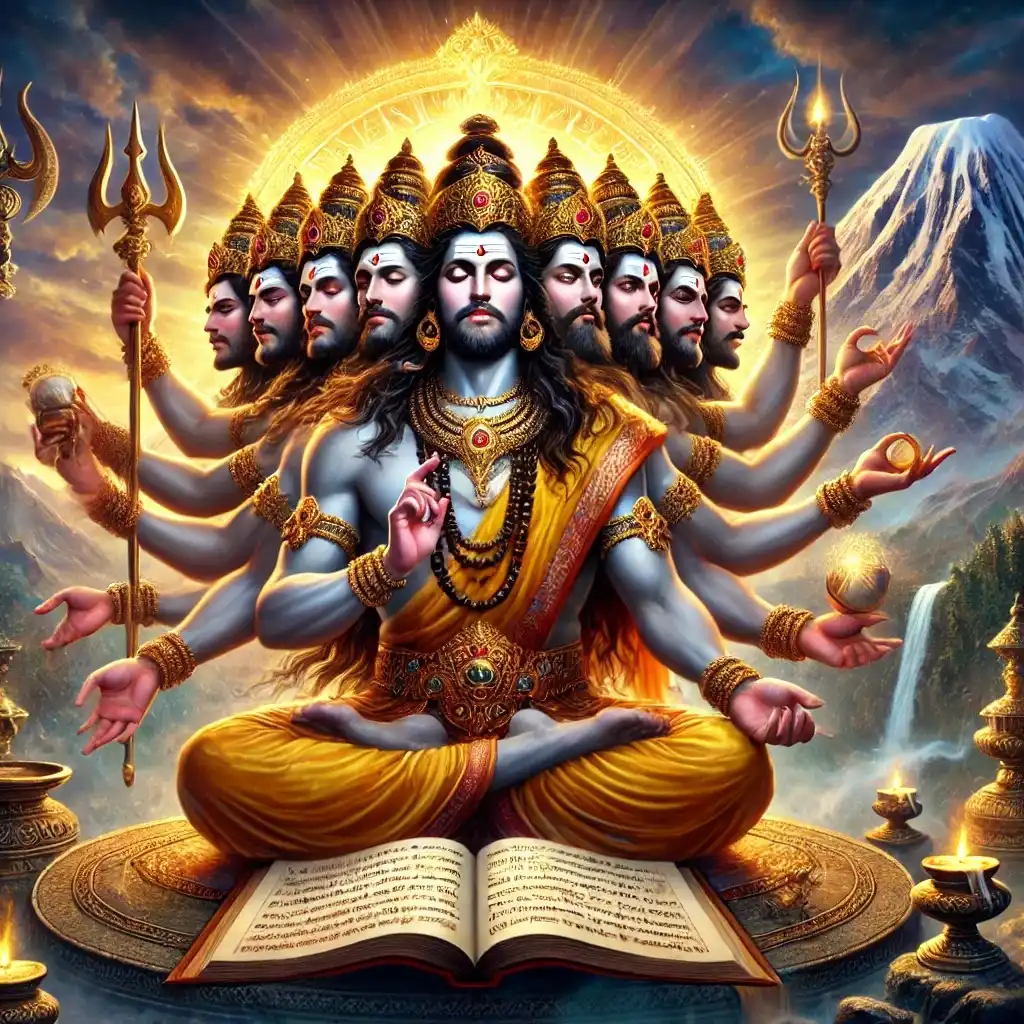
The Shiv Tandav Stotram was composed by Ravan, the 10-headed king of Lanka, who was also a great scholar, devotee, and musician. According to legend, after attempting to lift Mount Kailash and being humbled by Shiv, Ravan composed this hymn in repentance and devotion, spontaneously praising Shiv’s divine form and cosmic power.
Spiritual Significance
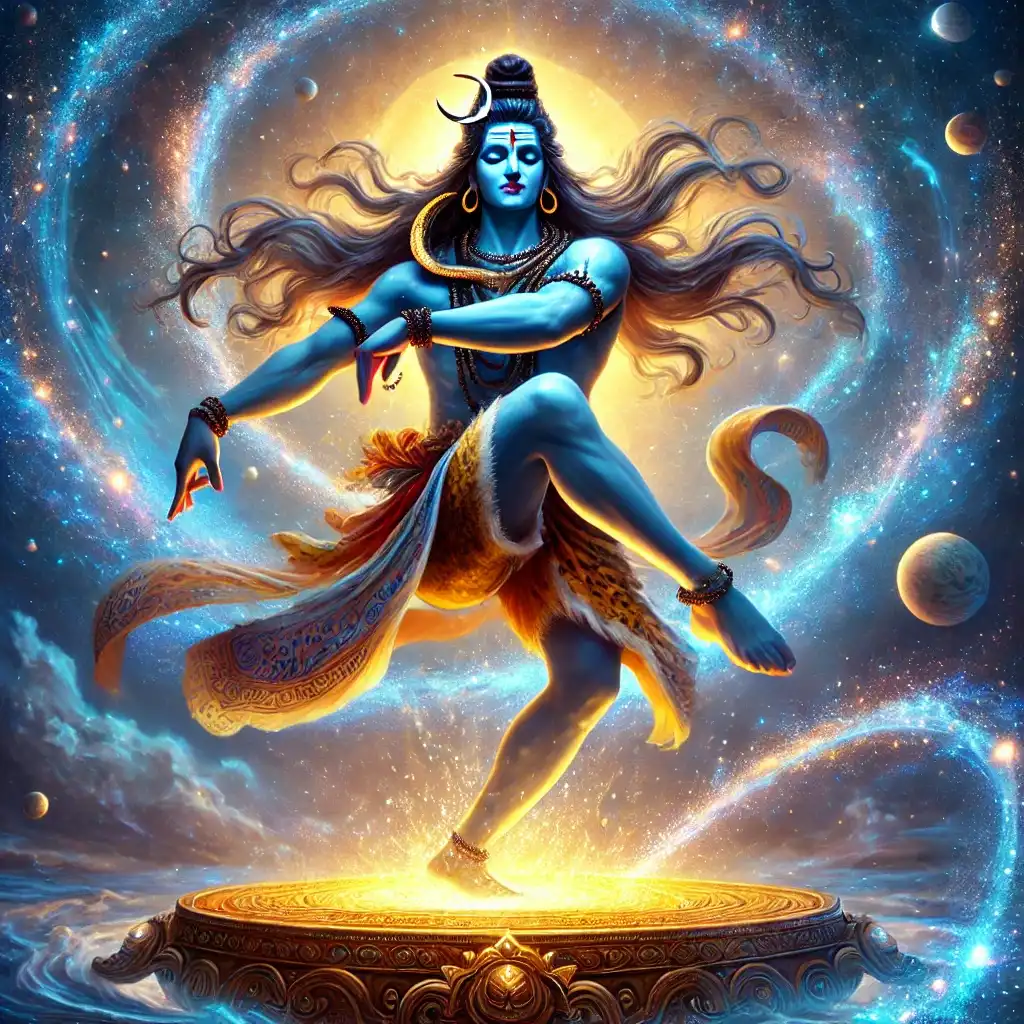
1. Expression of Cosmic Dance
The “Tandav” is not just a dance — it is a symbolic act of creation, preservation, and destruction. This stotra captures Shiv as Nataraj, the cosmic dancer, whose movements control the rhythm of the universe.
2. Poetic Grandeur
Every verse is filled with vivid imagery: the matted hair flowing with Ganga, the crescent moon, the fiery third eye, the serpent garlands, and the beat of the Damaru (drum). It’s as much a literary masterpiece as it is a devotional chant.
3. Spiritual Benefits
Chanting or listening to this stotra is believed to:
- Remove negativity and fear
- Bring strength, focus, and devotion
- Cleanse the mind and enhance inner peace
- Please, Lord Shiv, invoke his blessings
Best Time to Chant
- Brahma Muhurta (4:00–6:00 AM): Most effective spiritually
- Monday / Pradosham / Maha Shivratri: Highly auspicious
- Before meditation or yoga, Align the mind with Shiv's cosmic rhythm
How to Practice the Shiv Tandav Stotram
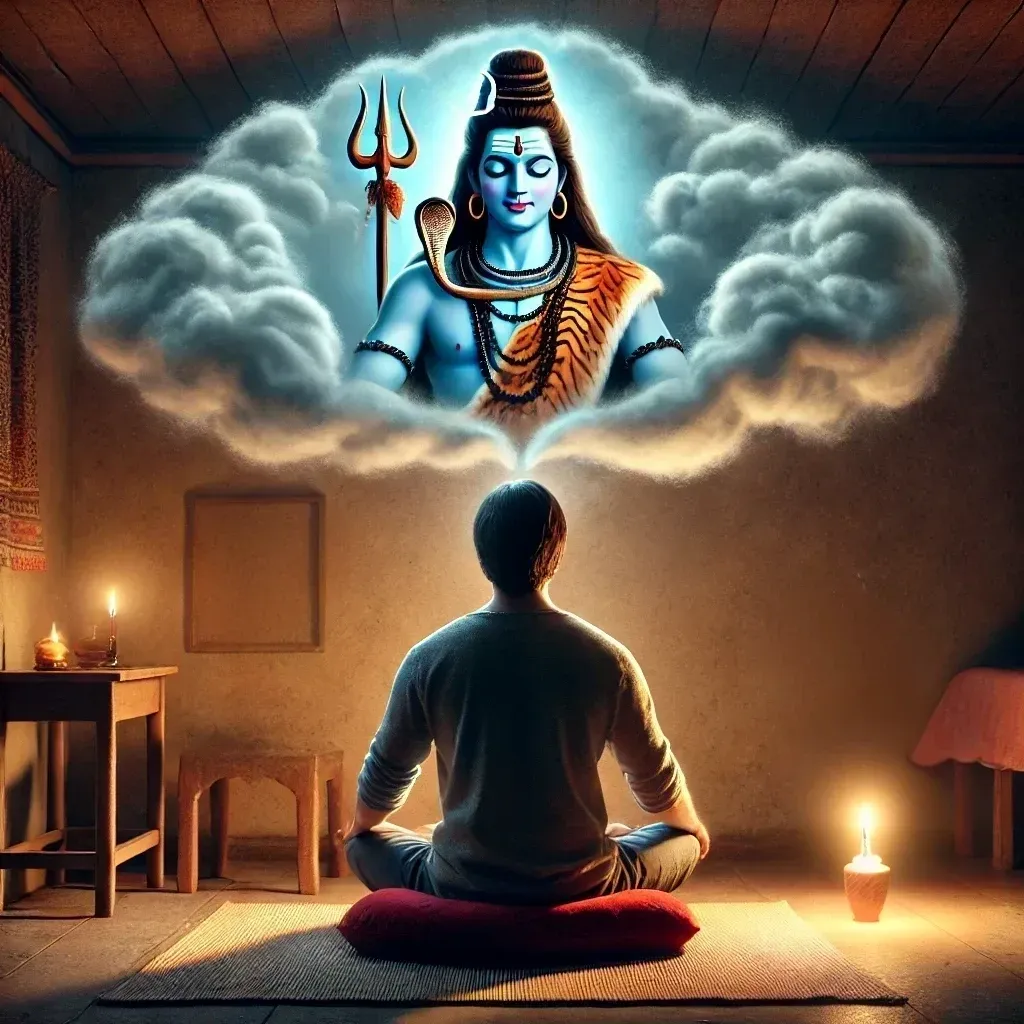
- Sit in a clean & quiet place
- Place a picture of Lord Shiv in front of the eyes.
- Visualize Shiv’s form in the mind and create divine sentiments
- Chant slowly with awareness of each word’s meaning
- Use a rudraksh mala for deeper concentration (optional)
Symbolism in the Verses
Each verse of the Shiv Tandav Stotram is layered with meaning:
- Ganga flowing from his hair = purity & spiritual knowledge
- Crescent moon = control over time and mind
- Serpents = mastery over fear and death
- Damaru drum = sound of creation (Om)
- Third eye/fire = destruction of ego and illusion
The Message of the Stotram
At its core, the Shiv Tandav Stotram teaches that:
- Devotion transcends fear — even the fearsome form of Shiv becomes beautiful in the eyes of a true devotee.
- Ego must surrender — like Ravan, who was humbled and then uplifted through prayer.
- Shiv is all-pervading — fierce, compassionate, poetic, and cosmic — the stotra invites us to embrace the divine mystery of Lord Shiv.
Conclusion
The Shiv Tandav Stotram is not just a hymn — it’s a doorway into Shiv’s cosmic reality. Whether you chant it for spiritual power, clarity, or pure devotion, this stotra aligns your soul with the rhythm of the universe.
Recite it with reverence, meditate on Shiv’s form, and surrender your mind at his feet. As the final verse suggests:
“Just the thought of Shiv removes delusion from the soul.”
If you enjoyed exploring the divine rhythm of the Shiv Tandav Stotram, you may also appreciate other sacred hymns that deepen your spiritual connection and devotion. Discover the divine power and meaning behind these timeless chants:
- Shree Ram Raksha Stotra – Click Here
- Vishnu Sahasranamam – Click Here
- Mahamrityunjay Mantra – Click Here
- Sundarkand Path – Click Here
Each link opens a beautifully detailed blog with lyrics, meanings, and devotional insights to elevate your spiritual journey.
FAQs
Q1. Can anyone chant Shiv Tandav Stotram?
Yes, anyone with devotion and sincerity can chant it. There are no restrictions based on age or gender.
Q2. Do I need to know Sanskrit to chant it?
Not necessarily. You can learn using transliteration and focus on correct pronunciation and devotion.
Q3. Is it okay to chant only a few verses?
Yes, even a few verses recited with love and concentration are powerful.
Q4. Is it better to chant or listen?
Both are effective. Chanting provides a deeper level of involvement, but regular listening also brings spiritual benefits.
Call to Action
Let the divine energy of the Shiv Tandav Stotram inspire a deeper spiritual journey. Join the Radha Krishna Temple of Dallas community to stay connected with like-minded seekers and grow in devotion.
✨ Attend In-Person or Online Sunday Satsangs to immerse yourself in divine kirtans, discourses, and meditations.
👉 Join Weekly Satsang
📘 Explore Online Classes on Bhagavad Gita, Sanskrit, Yoga, and more — guided by experienced teachers.
👉 View Online Classes
📱 Download the Bhagavad Gita Krishna Bhakti App for daily inspiration, guided chanting, and access to sacred texts.
👉 Get the App Now
Make your spiritual practice consistent, meaningful, and community-driven. Begin today — Shiv’s grace awaits.