
Celebrate an auspicious occasion of worship, gratitude, and devotion to Lord Vishnu.
Celebrate Sharad Poornima with a special Satyanarayan Pooja at Radha Krishna Temple of Dallas in Allen, Texas, on Sunday, October 25, 2026. This sacred Hindu ritual offers devotees an opportunity to pray for peace, prosperity, family harmony, and spiritual well-being while deepening their connection with the Divine.
Sharad Poornima, the full-moon night of the Sharad season, is an auspicious occasion for prayer, reflection, and loving remembrance of God. It invites us to pause amid our daily responsibilities, express gratitude for divine grace, and turn our hearts toward the eternal source of love and happiness.
The Satyanarayan Pooja is more than a traditional ritual performed to seek blessings. Approached with sincerity and devotion, it can become an opportunity to purify our intentions, strengthen our faith, and nurture loving sentiments toward Lord Vishnu.
Whether you wish to pray for your family, express gratitude, or deepen your spiritual practice, this special gathering offers a meaningful occasion to come together in devotion.
Event Details: Satyanarayan Pooja


Event: Sharad Poornima Special Satyanarayan Pooja
Date: Sunday, October 25, 2026
Location: Radha Krishna Temple of Dallas, 1450 North Watters Road, Allen, TX 75013, USA
Timings: Please see the temple website for the latest timings.
Seva Opportunities: Yajman Seva: $251; Samuhik Seva: $51
What Is Satyanarayan Pooja?
Satyanarayan Pooja is a revered Hindu worship ritual dedicated to Lord Vishnu, the preserver and sustainer of the universe. The name combines Satya, meaning truth, with Narayan, a name for Lord Vishnu. The worship reminds devotees of the importance of truthfulness, righteousness, faith, and surrender to God.
Traditionally, Satyanarayan Pooja is performed on auspicious occasions, including Purnima, or the full-moon day. Families gather to offer prayers, listen to sacred narratives, and express gratitude for the blessings in their lives.
Devotees commonly perform this pooja with prayers for:
- Peace and harmony: Seeking a spiritually grounded and harmonious family life.
- Prosperity and well-being: Praying for strength, support, and the ability to meet life's responsibilities.
- Gratitude and surrender: Acknowledging divine grace and placing one's hopes and concerns before the Lord.
- Spiritual growth: Strengthening faith and cultivating humility, patience, truthfulness, and compassion.
While devotees may bring their personal wishes and prayers, the deeper opportunity is to develop a relationship with God that extends beyond seeking worldly benefits.
Why Celebrate Satyanarayan Pooja on Sharad Poornima?

Poornima, the full-moon day, is considered auspicious for worship in many Hindu traditions. Sharad Poornima is associated with the beauty of the autumn moon and, in Vaishnava devotional traditions, with loving remembrance of Shri Krishna and His divine pastimes.
The occasion provides an opportunity to reflect on the relationship between external celebration and inner spiritual growth. Just as the full moon illuminates the night, devotional practice can remind us to bring greater clarity, kindness, and awareness into our lives.
The Sharad Poornima Special Satyanarayan Pooja at Radha Krishna Temple of Dallas invites devotees to honor Lord Vishnu through prayer and worship. It is an opportunity to reconnect with sacred traditions, express gratitude, and remember that lasting fulfillment comes not only from external circumstances but also from nurturing our relationship with God.
From Ritual to Remembrance: The Deeper Purpose of Worship
Rituals provide a beautiful structure for devotional life. Their spiritual value becomes even deeper when we participate with an attentive mind and a sincere heart.
During Satyanarayan Pooja, devotees can reflect on the qualities represented by Lord Vishnu, including compassion, protection, truth, and divine wisdom. Rather than focusing only on the sequence of rituals or personal requests, we can use each prayer and offering as a reminder to direct our attention toward the Lord.
Offering flowers can become an expression of gratitude. Bowing before the deity can remind us to soften our ego. Listening to sacred stories can inspire us to put spiritual values into practice. A prayer for family well-being can gradually expand into a sincere wish for the peace and happiness of all beings.
In this way, outer worship can support inner transformation. The goal is not simply to complete a ritual but to allow devotion to influence how we think, speak, serve, and relate to others.
Tridha Bhakti: Hear, Chant, and Remember God
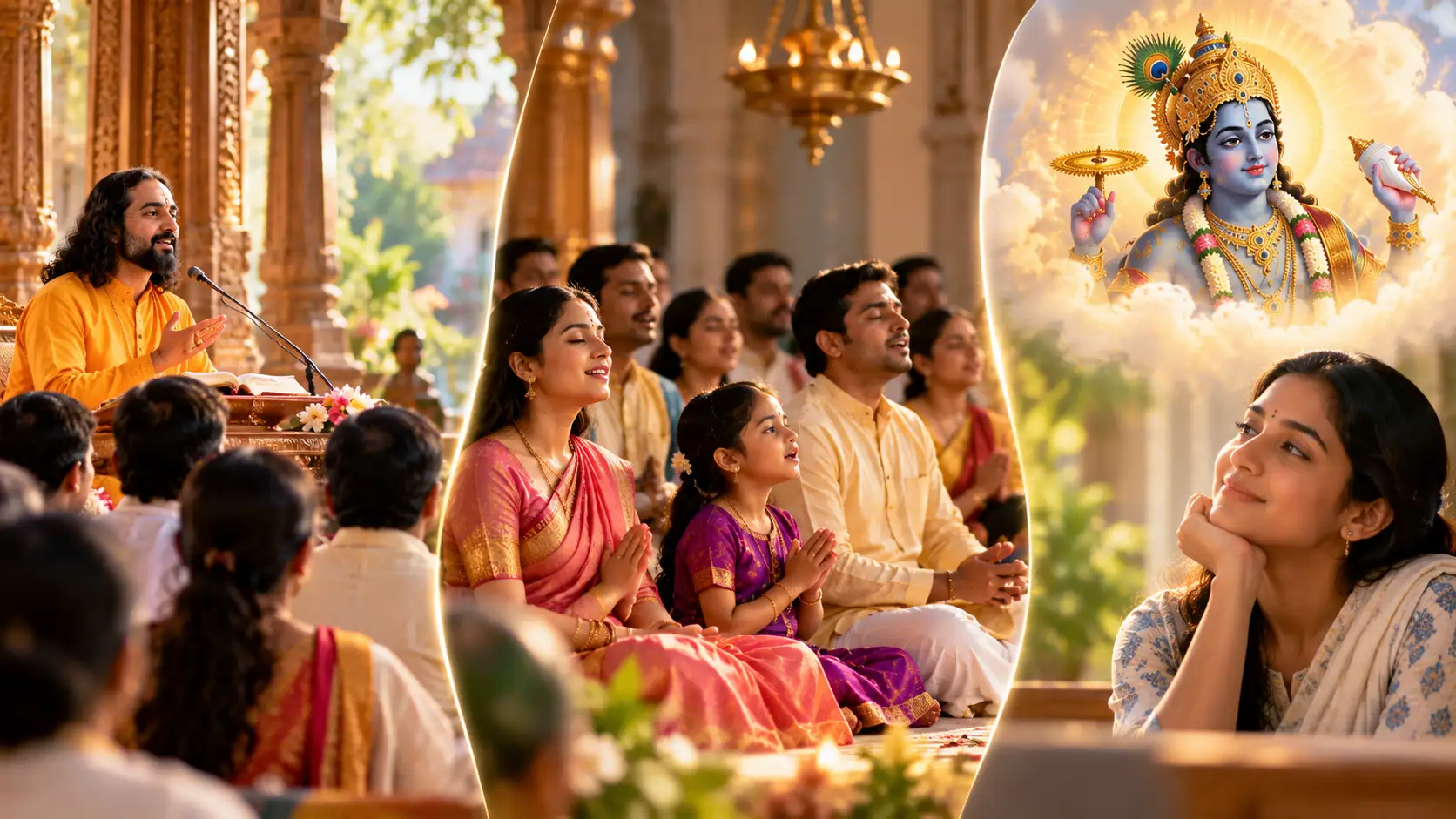
In the teachings shared by JKYog, Tridha Bhakti is a threefold practice that brings together hearing, chanting, and remembering God. These complementary practices help engage our senses and direct the mind toward the Divine.
Learn more through JKYog's article:
 JKYog Team
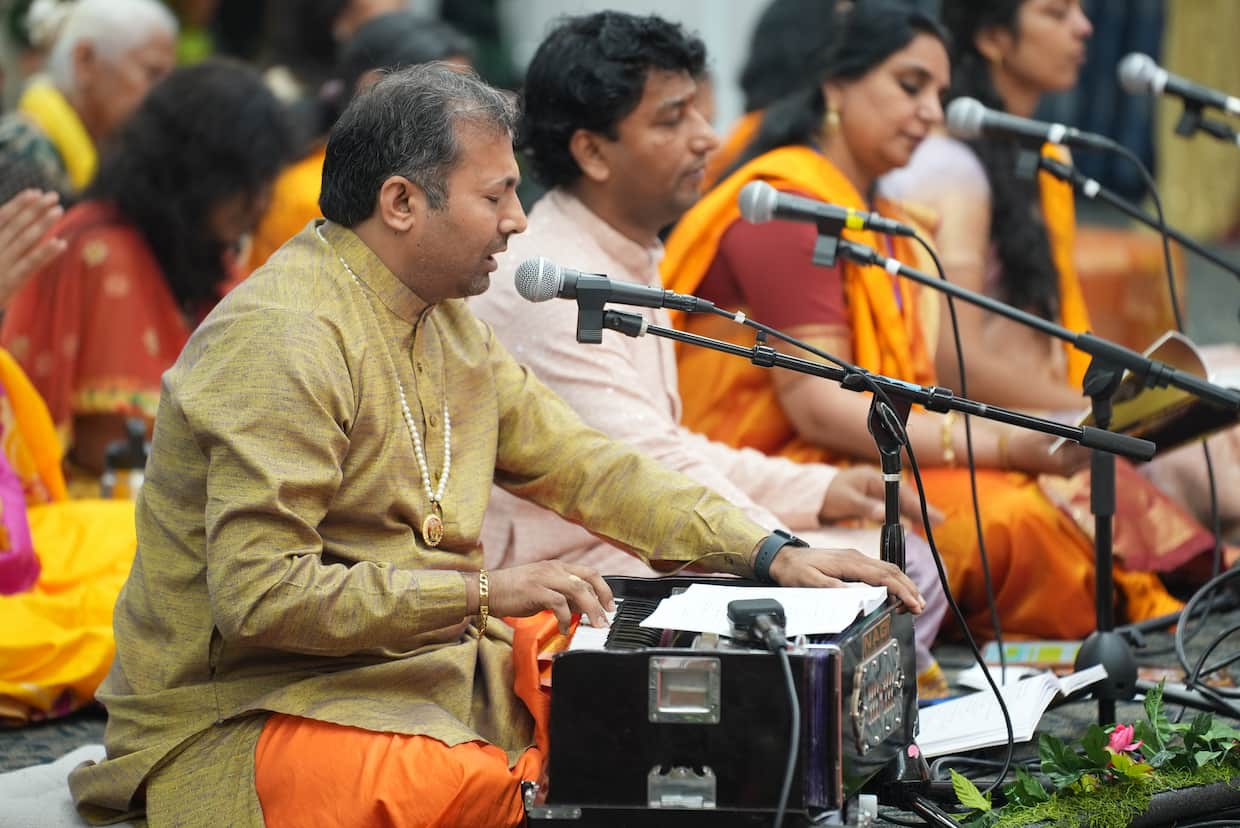
Satyanarayan Pooja can be approached in this spirit, allowing devotees to participate not only physically but also mentally and emotionally.
1. Shravanam: Hearing the Glories of God
Shravanam means listening to divine names, spiritual teachings, and sacred narratives. Attentive listening helps us understand the significance of worship and reflect on the qualities of the Lord.
Rather than hearing prayers as background sounds, we can listen with humility and curiosity. We can reflect on what sacred stories teach us about truth, compassion, faith, and surrender—and how these qualities can shape our daily lives.
2. Kirtanam: Chanting the Divine Names
Kirtanam means chanting or singing God's names and glories. When devotees recite prayers or sacred names with sincerity, chanting becomes an expression of devotion.
Chanting can help give the mind a positive focus when it is occupied by worries, plans, and distractions. It also allows families and congregations to participate together in a shared expression of faith.
The emphasis is not merely on repeating words but on gradually bringing attention and feeling into the practice.
3. Smaranam: Remembering God With Love
Smaranam means remembering God. It is the inward dimension of devotion in which we bring the Lord's name, form, qualities, and teachings to mind.
During Satyanarayan Pooja, devotees can remember Lord Vishnu while offering prayers, listening to sacred stories, and expressing gratitude. After the ceremony, remembrance can continue through daily actions, quiet reflection, prayer, and selfless service.
When hearing, chanting, and remembering work together, worship becomes more than an event on the calendar. It becomes a way to carry divine remembrance into everyday life.
Developing Divine Sentiments: From Seeking Blessings to Selfless Love
One of the most meaningful outcomes of devotional practice is the gradual development of bhav—loving devotional sentiment toward God.
At the beginning of our spiritual journey, we may turn to God when we need help, comfort, protection, or success. These prayers are a natural expression of faith. Bhakti also invites us to deepen our relationship with the Divine until our devotion is no longer centered only on what we wish to receive.
In JKYog's teachings on selfless divine love, devotion matures when we learn to love and serve God for God's sake rather than treating prayer as a transaction. Sincerity of heart, humility, surrender, and selfless service are central to this understanding of Bhakti.
Explore JKYog's teachings on selfless divine love:
JKYog Team
Move From “What Can I Receive?” to “How Can I Love and Serve?”
When we pray, we can certainly place our concerns and hopes before Lord Vishnu. Alongside those requests, we can also offer a deeper prayer:
“O Lord, thank You for Your grace. Please help me develop a purer heart, remember You with love, and serve You without selfish expectations.”
This change in intention helps transform worship. Rather than focusing exclusively on personal outcomes, we begin to value the opportunity to love God, grow spiritually, and serve others.
A developing devotional relationship may inspire us to become more patient with family members, more truthful in our conduct, more compassionate toward others, and more willing to help without expecting recognition. These are practical ways in which spiritual sentiments can influence everyday life.
Cultivate Gratitude, Humility, and Surrender
Divine sentiments can grow through small, consistent acts of devotion. During the pooja, devotees can reflect on three attitudes:
- Gratitude: Recognize the blessings already present in life instead of focusing only on what is missing.
- Humility: Acknowledge that our abilities and opportunities are gifts to be used wisely.
- Surrender: Make sincere efforts while placing the results before God, trusting divine wisdom rather than insisting that everything unfold according to our expectations.
With regular practice, these attitudes can help make devotion more sincere and less dependent on changing circumstances.
Let Devotion Continue Beyond the Temple
The real value of spiritual practice can be seen in how it influences life after the ceremony ends. Can we remember God while fulfilling our responsibilities? Can we respond to difficulties with greater patience? Can we help someone without looking for praise?
These are opportunities to bring devotional remembrance into daily life. Through sincere practice, selfless service, and loving remembrance, we can gradually nurture a heart that seeks to please God rather than merely receive from Him.
The purpose is not to force an emotion or pretend to possess a level of devotion we have not yet developed. It is to keep turning the heart toward God with sincerity, patience, and a willingness to grow.
Satyanarayan Pooja as a Family Spiritual Experience
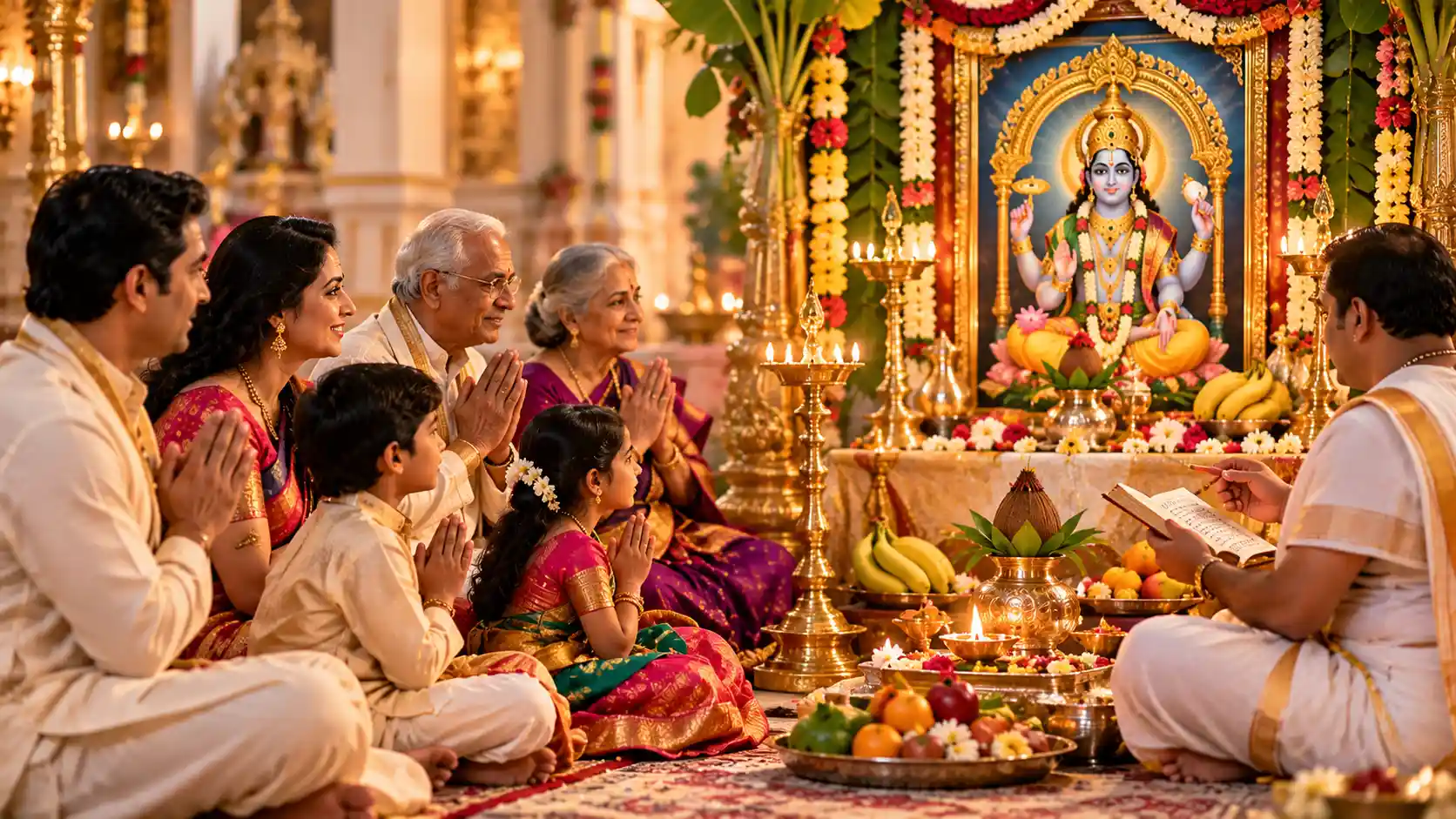
Participating in worship with family helps preserve sacred traditions across generations. Children and young adults can learn why a ritual is performed, what the prayers express, and how values such as truth, gratitude, compassion, and faith can be practiced at home.
Families can make the experience more meaningful by listening attentively, participating in prayers, reflecting on spiritual teachings, and discussing how to apply those values in daily life.
The occasion can also create a shared moment of reflection: What are we grateful for? How can our family support one another spiritually? How can we serve our community with greater kindness?
When devotion is accompanied by understanding and practice, a religious gathering can become part of a broader journey of spiritual growth.
Special Seva Opportunities
The event listing includes two seva participation options for the Sharad Poornima Special Satyanarayan Pooja:
| Seva option | Listed amount |
|---|---|
| Yajman Seva | $251 |
| Samuhik Seva | $51 |
Devotees interested in participating as a Yajman or through Samuhik Seva should confirm the arrangements and inclusions directly with Radha Krishna Temple of Dallas before making a selection.
Seva is a meaningful expression of devotion when undertaken with sincerity. Alongside the external offering, devotees can cultivate an inner attitude of gratitude, humility, and willingness to serve.
Join Us for Sharad Poornima Special Satyanarayan Pooja
Celebrate Sharad Poornima with your family at Radha Krishna Temple of Dallas in Allen, Texas. Join this special occasion dedicated to Lord Vishnu and take time for prayer, reflection, gratitude, and spiritual renewal.
As you participate in Satyanarayan Pooja, consider making a personal intention to carry its spirit into everyday life: hear God's glories, chant the divine names, remember the Lord, and nurture a more selfless love for the Divine.
Event: Sharad Poornima Special Satyanarayan Pooja
Date: Sunday, October 25, 2026
Location: Radha Krishna Temple of Dallas, 1450 North Watters Road, Allen, TX 75013
Timings: See the temple website for the latest timings.
Seva options: Yajman — $251; Samuhik — $51
Come with your prayers, participate with a sincere heart, and leave with a renewed intention to cultivate gratitude, devotion, and loving remembrance of God.
Frequently Asked Questions
1. What is Satyanarayan Pooja, and why is it performed?
Satyanarayan Pooja is a Hindu worship ritual dedicated to Lord Vishnu. Devotees traditionally perform it to express gratitude, seek divine blessings, and pray for peace, prosperity, harmony, and spiritual well-being. It is also an opportunity to reflect on truthfulness, faith, and surrender to God.
2. When is the Sharad Poornima Special Satyanarayan Pooja at Radha Krishna Temple of Dallas?
The event is scheduled for Sunday, October 25, 2026, at Radha Krishna Temple of Dallas in Allen, Texas. Please see the temple website for the latest timings and event updates.
3. What are the Yajman and Samuhik Seva options?
The event listing gives two seva options: Yajman Seva for $251 and Samuhik Seva for $51. Contact Radha Krishna Temple of Dallas to confirm what each option includes and how to participate.
4. What is Tridha Bhakti, and how does it relate to Satyanarayan Pooja?
Tridha Bhakti is the threefold practice of Shravanam (hearing), Kirtanam (chanting), and Smaranam (remembering God). During Satyanarayan Pooja, devotees can listen attentively to sacred teachings, participate in chanting, and remember Lord Vishnu with devotion. These practices help make worship more mindful and spiritually meaningful.
5. How can Satyanarayan Pooja help develop selfless love for God?
Satyanarayan Pooja can provide an opportunity to move beyond prayers focused only on personal wishes and cultivate gratitude, humility, surrender, and loving remembrance. In JKYog's teachings on Bhakti, selfless divine love means valuing the opportunity to love and serve God without making devotion conditional on receiving a particular reward. Regular spiritual practice can help nurture these sentiments over time.