

Forgiveness—this simple word holds immense power. Yet, research shows that most people misunderstand what forgiveness truly means. According to a study titled “An Analysis of a Sample of the General Population's Understanding of Forgiveness: Implications for Mental Health Counselors”, the majority fail to grasp its essence.
In this blog, we will:
- Understand the true meaning of forgiveness
- Explore its scientific and spiritual dimensions
- Learn practical ways to forgive
- Gain wisdom from the Bhagavad Gita
- Answer common FAQs about forgiveness
- Discover insights from Swami Mukundananda
And finally, why forgiveness isn’t just about others—it’s about YOU.
What is Forgiveness Really About?
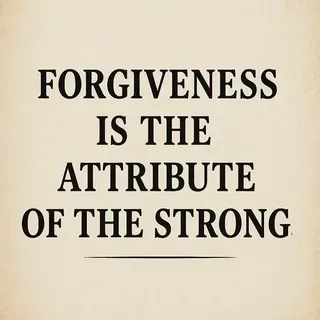
Forgiveness is not about condoning the wrongdoing or pretending the pain never happened. Instead, forgiveness is:
“Willingly offering goodness toward those who have been unfair to us by reducing negative thoughts, feelings, and behaviors and then offering positive thoughts, feelings, and behaviors toward them, with the highest form being agape love.”
This means forgiveness has two key elements:
- Releasing negativity—letting go of resentment, anger, and revenge.
- Cultivating positivity—developing empathy, compassion, and even goodwill toward the offender.
However, it’s important to note:
- Forgiveness is a journey, not a one-time event.
- It does not mean reconciliation in every case.
- It is more about inner peace than external approval.
Think of forgiveness as training for a mental and spiritual marathon. Just like physical fitness requires gradual practice, developing forgiveness as a virtue takes consistent effort.
The Science Behind Forgiveness
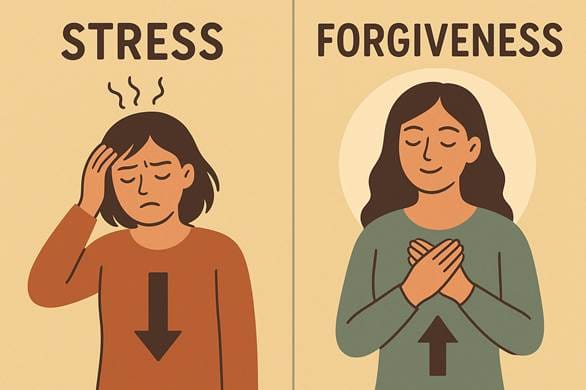
Modern psychology confirms what ancient scriptures have taught for centuries: forgiveness improves mental and physical health.
Benefits of Forgiveness
- Reduced stress and anxiety
- Better heart health
- Stronger relationships
- Greater happiness and life satisfaction
Research projects like the Greater Good Science Center’s two-year study, funded by the Templeton World Charity Foundation, have proven that forgiveness is not only a moral virtue but also a therapeutic tool for well-being.
Bhagavad Gita on Forgiveness
The Bhagavad Gita beautifully upholds forgiveness (Kshama) as a divine quality.
Bhagavad Gita 18.43
शौर्यं तेजो धृतिर्दाक्ष्यं युद्धे चाप्यपलायनम् |
दानमीश्वरभावश्च क्षत्रं कर्म स्वभावजम् || 43||
Translation:
Valor, strength, fortitude, skill in weaponry, resolve never to retreat from battle, large-heartedness in charity, and leadership abilities, these are the natural qualities of work for Kshatriyas.
This verse reminds us that forgiveness is not weakness—it is a strength rooted in divinity.
Swami Mukundananda’s Wisdom: Four Secrets of Forgiveness
Renowned spiritual teacher Swami Mukundananda shares profound tips for cultivating forgiveness:
1. Understand the Higher Purpose
“Remember, even ONE gem of divine knowledge has the power of transforming our lives, if we ponder over it deeply, believe it totally, and implement it.” — Swami Mukundananda
When we see life as a journey of the soul, every challenge—even betrayal—becomes an opportunity for spiritual growth.
2. Detach from the Ego
Ego amplifies hurt. Letting go of the “Why me?” narrative opens the door to healing.
3. Develop Empathy
People act out of ignorance, pain, or past conditioning. Understanding this reduces resentment.
4. Replace Negative Thoughts with Positive Ones
As Swami Ji teaches, train the mind with uplifting thoughts and divine remembrance.
How to Practice Forgiveness Daily?


Embrace people as they are without expecting them to change for you.
Here’s a practical roadmap:
- Pause Before Reacting
Take a deep breath when hurt. Respond, don’t react. - Journal Your Emotions
Writing helps release bottled-up feelings. - Meditate and Pray
Spiritual practices calm the mind and nurture compassion. - Affirm Forgiveness
Repeat: “I choose peace over resentment.” - Seek Divine Guidance
Engage in Bhagavad Gita study and listen to spiritual discourses.
Inspirational Quotes on Forgiveness
- “The weak can never forgive. Forgiveness is the attribute of the strong.” — Mahatma Gandhi
- “Forgive others, not because they deserve forgiveness, but because you deserve peace.” — Anonymous
- “Remember, even ONE gem of divine knowledge has the power of transforming our lives.” — Swami Mukundananda
Why Forgiveness Matters More for You

Holding grudges is like drinking poison and expecting the other person to suffer. Forgiveness is a gift you give yourself. It frees your heart from bitterness and opens the door to joy and inner peace.
Call to Action

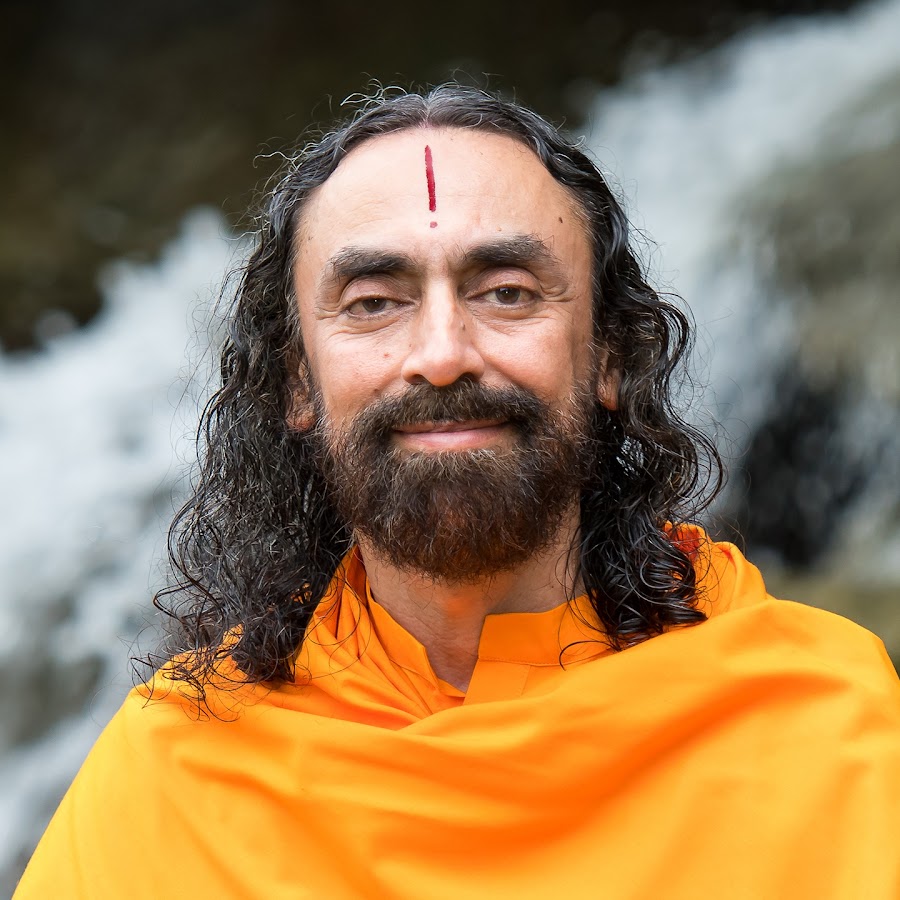
"Swami Mukundananda Official Youtube Channel."


🌸 Check Other Blogs on Forgiveness 🌸
Frequently Asked Questions (FAQs)
Q1: Is forgiving the same as forgetting?
No. Forgiveness is about releasing resentment, not erasing memory.
Q2: What if the person never apologizes?
Forgive anyway—for your own peace of mind.
Q3: Can I forgive but not reconcile?
Yes. Forgiveness does not require maintaining a relationship.
Q4: Does forgiveness make me weak?
Absolutely not. The Bhagavad Gita calls forgiveness a divine virtue, a sign of strength.
Q5: How long does it take to forgive?
There’s no fixed timeline. It depends on the depth of the hurt and your spiritual practice.
References
- Bhagavad Gita Chapter 16, Verse 3
- An Analysis of a Sample of the General Population's Understanding of Forgiveness: Implications for Mental Health Counselors
- Greater Good Science Center – Forgiveness Project
- Swami Mukundananda Teachings