
Introduction: Why the Science of Emotional Regulation Matters
In high-pressure moments, everything can change in seconds.
A decision. A reaction. A thought.
And often, the difference between breakdown and breakthrough is not intelligence, talent, or even experience: it is your training of emotional regulation.
The science of emotional regulation reveals a powerful truth: our ability to recognize, manage, and respond to emotions, especially under pressure, is one of the most important skills we can develop.
The skill of emotional regulation determines:
- How we lead
- How we perform
- How calm we can be
- How we respond to stress
- How we grow spiritually
And perhaps most importantly… It is trainable. Thing about this. You can train to improve your skill of emotional regulation. This is truly remarkable.
The Science of Emotional Regulation: What It Really Means

From a scientific perspective, emotional regulation is: the ability to recognize, manage, and skillfully respond to emotions, especially under pressure.
It is not about suppressing emotions. It is about guiding them.
What Science Reveals About Emotional Regulation
Modern neuroscience offers a clear picture of how emotional regulation works.
1. It Is a Trainable Skill
Contrary to popular belief, emotional regulation is not fixed. It is built through:
- Practice (continuous and growth mindset oriented)
- Awareness (mindfulness)
- Repetition (with grit)
- Experience (over sustained period of time)
Just like physical fitness, emotional fitness strengthens over time with dedicated continuous thoughtful practice.
2. The Brain Can Override Emotional Reactivity
The brain has two key systems:
- Amygdala → fast, emotional, fear-based, primal responses
- Prefrontal cortex → slower, executive function, rational decision-making
With training, the prefrontal cortex can override the amygdala. This means:
You can train yourself to pause before reacting.
3. High Performers Train Calm Under Pressure
Elite professionals—such as:
- Pilots
- Surgeons
- Athletes
- Leaders
…rely on practiced emotional control.
They do not wait to “feel calm.” They train calmness.
The “Sully Effect”: Why Training Matters More Than Intention

A powerful real-world example comes from the story of Captain Chesley Sullenberger, known as “Sully.”
In 2009, after a bird strike disabled both engines of his aircraft, Sully safely landed the plane on the Hudson River, saving all 155 people onboard.
Many called it a miracle. (“The Miracle on the Hudson” was splashed all over the media that week.) However, Sully explained it differently. Captain Sully did not rise to the occasion, he fell to the level of his life-long dedicated training.
This is the essence of the science of emotional regulation. It is trained over time and only then is it available to you in the most important moment of your life.
In critical moments, we do not live-up to our intentions— we default to our training. Calm is not luck. It is practiced.
Emotional Regulation Is Built Before the Crisis
Captain Sully’s calm did not materialize in the cockpit on January 15, 2009 out of nowhere. It was built through:
- Thousands of hours of training (estimated 20K+ hours over his career)
- Repeated exposure to simulations through practice
- Consistent mental discipline over decades
The same principle applies to all of us.
We do not build emotional strength during the storm. We build it before the storm arrives.
Spiritual Wisdom: The Mind as Friend or Enemy

Science explains how emotional regulation works.
Spiritual wisdom explains why it matters so deeply.
As Swami Mukundananda teaches: The mind is both our greatest ally and our greatest obstacle.
Vedic Wisdom on Emotional Regulation
Ancient teachings provide profound insight into emotional mastery.
Key Spiritual Principles
- The uncontrolled mind leads to confusion and suffering
- The trained mind leads to clarity, peace, and right action
- Emotions are not enemies: they must be guided, not obeyed
This precious ancient wisdom aligns perfectly with the modern science of emotional regulation.
Scripture Speaks: Mastering the Mind

The Bhagavad Gita directly addresses emotional control.
Bhagavad Gita 6.6
बन्धुरात्मात्मनस्तस्य येनात्मैवात्मना जितःअनात्मनस्तु शत्रुत्वे वर्तेतात्मैव शत्रुवत्
“For those who have conquered the mind, it is their friend. For those who have failed to do so, the mind works like an enemy.” — Bhagavad Gita 6.6
This verse captures the essence of both science and spirituality:
Train the mind—and it serves you.
Ignore it—and it controls you.
Emotional Regulation in Spiritual Practice
Swami Mukundananda outlines four key practices for emotional mastery.
1. Self-Awareness (Sakshi Bhav)
Observe emotions without becoming them.
- Notice anger without reacting
- Acknowledge fear without obeying it
- Create space between feeling and action
2. Mind Training Through Bhakti
Redirect the mind toward higher thoughts in devotion and sadhana through:
- Prayer
- Kirtan
- Roop Dyan
- Reflection on divine qualities
Bhakti anchors the mind in something stable and uplifting.
3. Detachment (Vairagya)
Do not let temporary emotions drive permanent decisions. Emotions pass. Consequences remain. Detachment creates clarity.
4. Consistent Practice (Abhyas)
Repetition builds mastery. Just as athletes train daily, so must the mind be trained. Seekers must practice. Consistency—not intensity—creates transformation.
What Emotional Mastery Really Looks Like
Emotional regulation does not mean:
- Never feeling stress
- Never feeling anger
- Never feeling fear
It does means:
- Feeling fully
- Responding wisely
- Acting consciously
Key Insight: Calm is not the absence of emotion, it is the mastery of it.
Science & Spirituality: One Unified Message
Two Perspectives. One Mastery.
- Science: “Emotions are not commands, they are data.” - Dr. Lisa Feldman Barrett (one of the most quoted emotional regulation academics in the world)
- Spiritual Wisdom: “Train the mind, and it will become your greatest friend.”- Swami Mukundananda (Bhakti Saint, spiritual teacher, author, monk, and founder of the Jagadguru Kripaluji organization)
Unified Insight from Science & Spirituality
- Science teaches us to pause and interpret emotions wisely
- Spirituality teaches us to rise above and direct them consciously
Together, they create true emotional mastery.
Practical Ways to Build Emotional Regulation
Daily Practices to Train the Mind – Examples
- Meditation (especially Roop Dyan)
Builds awareness and reduces reactivity - Prayer
Creates connection, calm, and perspective - Gratitude journaling
Shifts focus from stress to appreciation - Reflective study
Strengthens wisdom-based thinking - Consistent practice
Builds long-term emotional stability
Key Takeaways: The Science of Emotional Regulation
Let’s summarize the most important insights.
Scientific Insights
- Emotional regulation is trainable
- The brain can override emotional reactivity
- High performers train calm under pressure
- Repetition builds automatic stability
Spiritual Insights
- The mind can be friend or enemy
- Emotions must be guided, not obeyed
- Detachment prevents poor decisions
- Consistent practice creates mastery
The Ultimate Truth: Mind & Emotions
You cannot control life’s events. But you CAN train how you respond to them.
FAQs
What is emotional regulation?
It is the ability to recognize, manage, and respond to emotions in a healthy and effective way.
Can emotional regulation be learned?
Yes. Scientific research shows and spiritual wisdom confirms it is a trainable skill developed through practice and awareness.
Why is emotional regulation important?
It improves decision-making, relationships, stress management, and overall well-being.
What is the role of the brain in emotional regulation?
The prefrontal cortex helps regulate emotional responses generated by the amygdala.
How does spirituality help emotional regulation?
Spiritual practices strengthen awareness, detachment, and connection to a higher perspective.
Call to Action: Train Your Mind with Wisdom
If this exploration of the science of emotional regulation resonated with you, deepen your practice through authentic teachings.
Deepen Your Spiritual Journey
Download the JKYog Bhagavad Gita Krishna Bhakti App for Bhagavad Gita wisdom, guided meditations, bhajans, spiritual articles, and lectures by Swami Mukundananda.



Available on Android and iPhone
Subscribe to Swami Mukundananda’s YouTube channel for powerful insights on mastering the mind, emotional control, and spiritual growth:

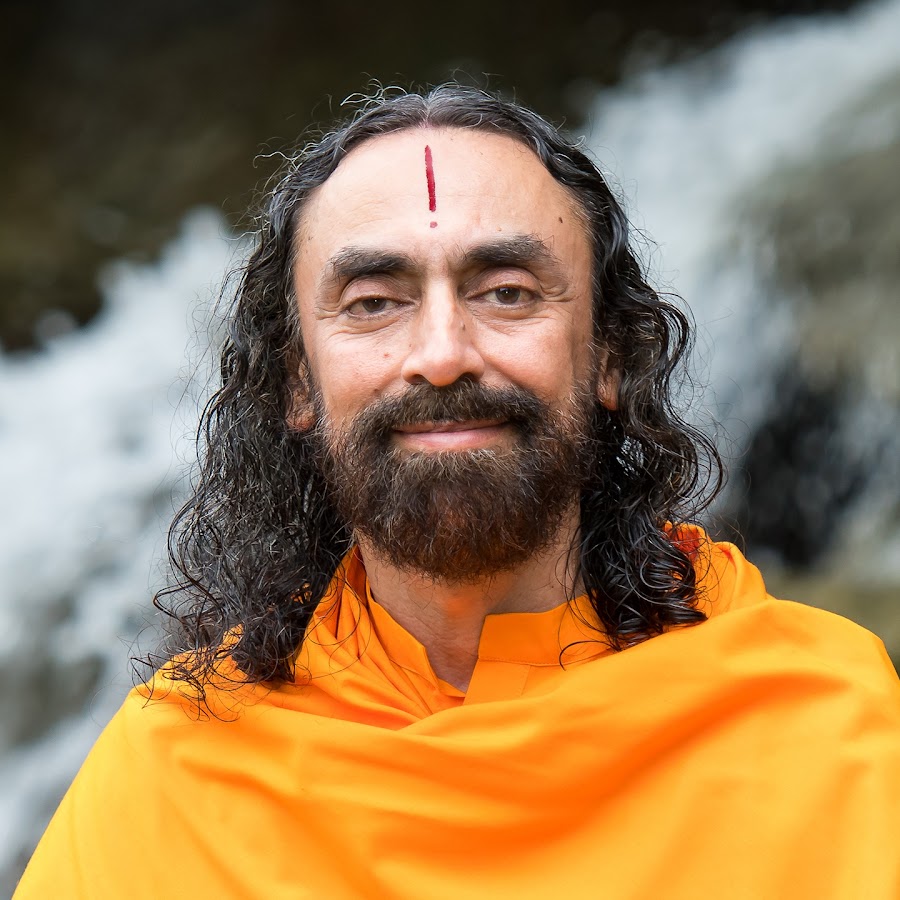
His teachings bridge science and spirituality in a way that is practical, compassionate, and transformative.