Saket Chauth 2026: A Reverent Celebration of Lord Ganesha's Blessings
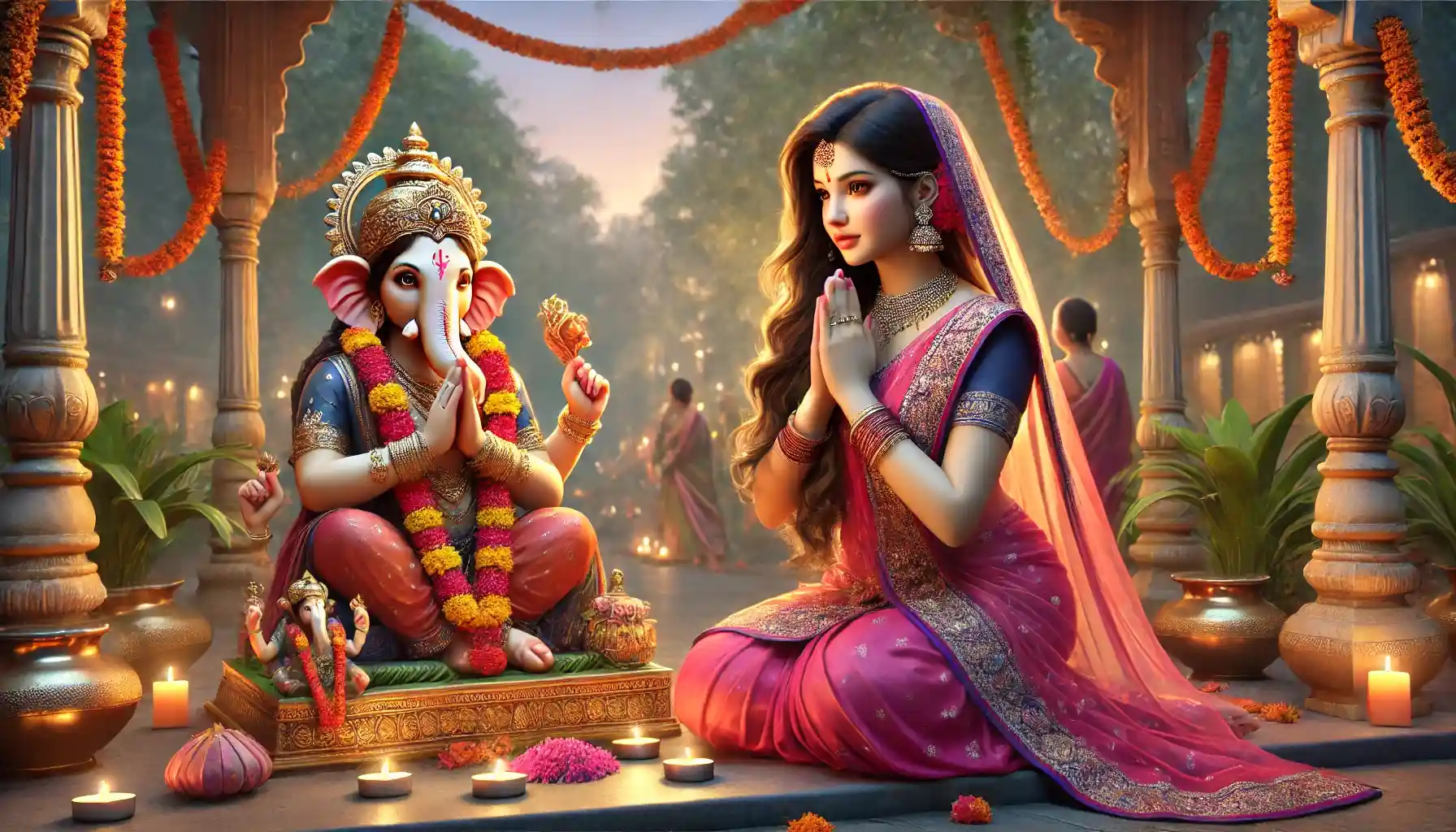
On the auspicious day of Sakat Chauth, thousands of devout worshippers across India and beyond celebrate the beloved deity, Lord Ganesha. Known as the remover of obstacles and the lord of beginnings, Ganesha's blessings are sought after for prosperity, success, and wisdom. The Sakat Chauth Vrat (fast) is a significant ritual where worshippers observe fasting, prayer, and offerings to seek his divine protection. In 2026, the festival holds a special significance, offering an opportunity for reflection and spiritual growth.
The origins of Sakat Chauth and the importance of Lord Ganesha’s worship are both rooted in ancient traditions and stories, passed down through generations. The story of Lord Ganesha’s grace and benevolence is well known. However, the association of his worship with the Sakat Chauth fast adds a layer of deeper meaning. This day, especially in 2026, encourages not only devotion but a reconnection with our inner selves and our spiritual practices.
The Significance of Sakat Chauth
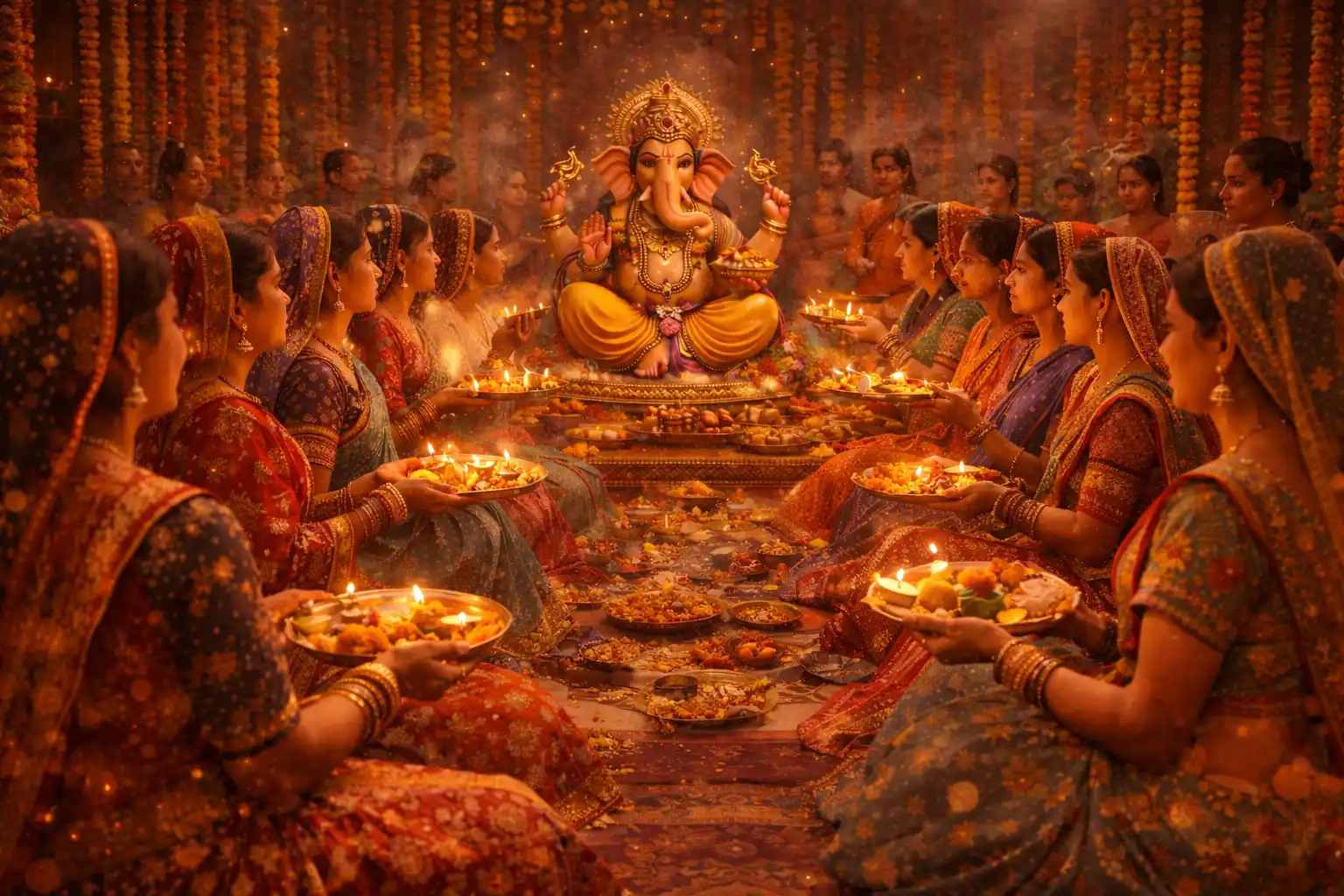
Sakat Chauth falls on the fourth day after the full moon in the month of Magha, which usually occurs in January or February. On this day, married women, in particular, observe a fast and offer prayers to Lord Ganesha to ensure the well-being and happiness of their families. The day is also referred to as "Sakat" in many regions of India, symbolizing the removal of all types of obstacles and challenges. The vrat (fast) is observed with dedication and sincerity, as women and devotees believe that by observing this ritual, Lord Ganesha will bestow his blessings of health, wealth, and success.
The fast is observed from sunrise to moonrise. During this time, devotees abstain from eating food and drinking water, focusing on prayer and worship. The offerings usually include sweets like modaks, which are Lord Ganesha’s favorite, along with fruits, flowers, and incense. The fast is considered a way of seeking divine favor and expressing gratitude for the many blessings one has received.
Why Do We Worship Lord Ganesha?
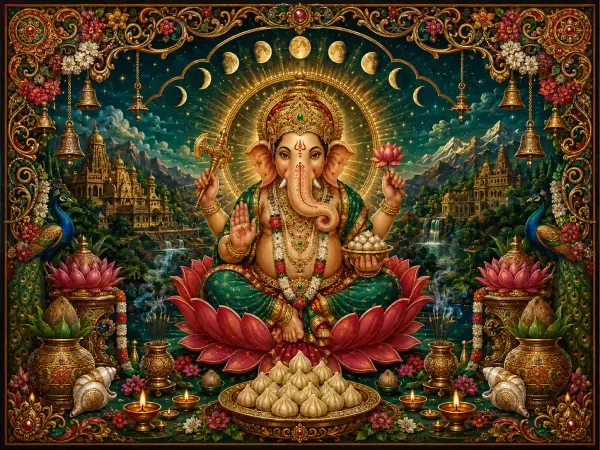
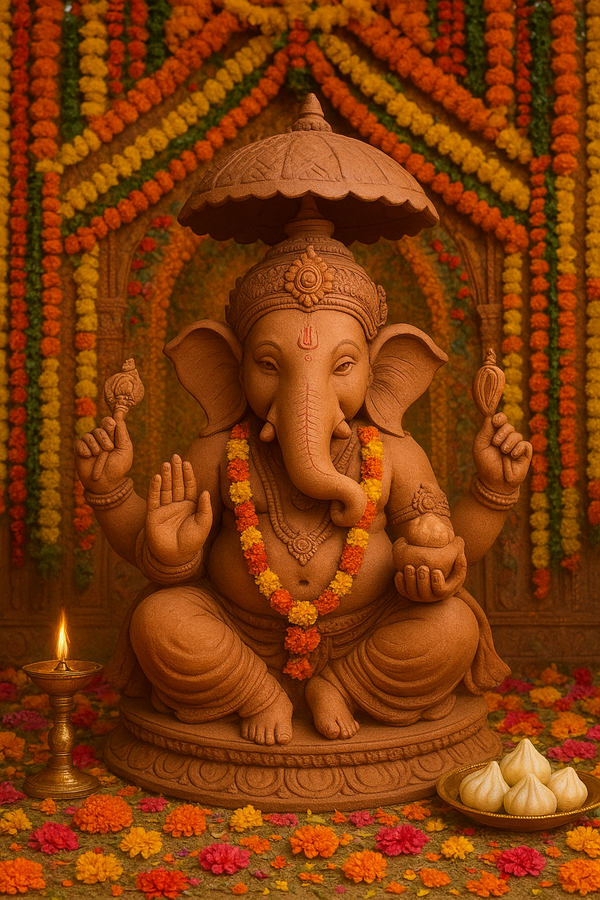
Lord Ganesha is one of the most beloved deities in Hinduism. He is easily recognizable by his elephant head and round belly, symbolizing abundance and strength. His worship is not just limited to a religious ritual but has deep spiritual meaning for those who revere him. Lord Ganesha is known as the remover of obstacles, a patron of learning, wisdom, and the arts, and the one who brings prosperity.
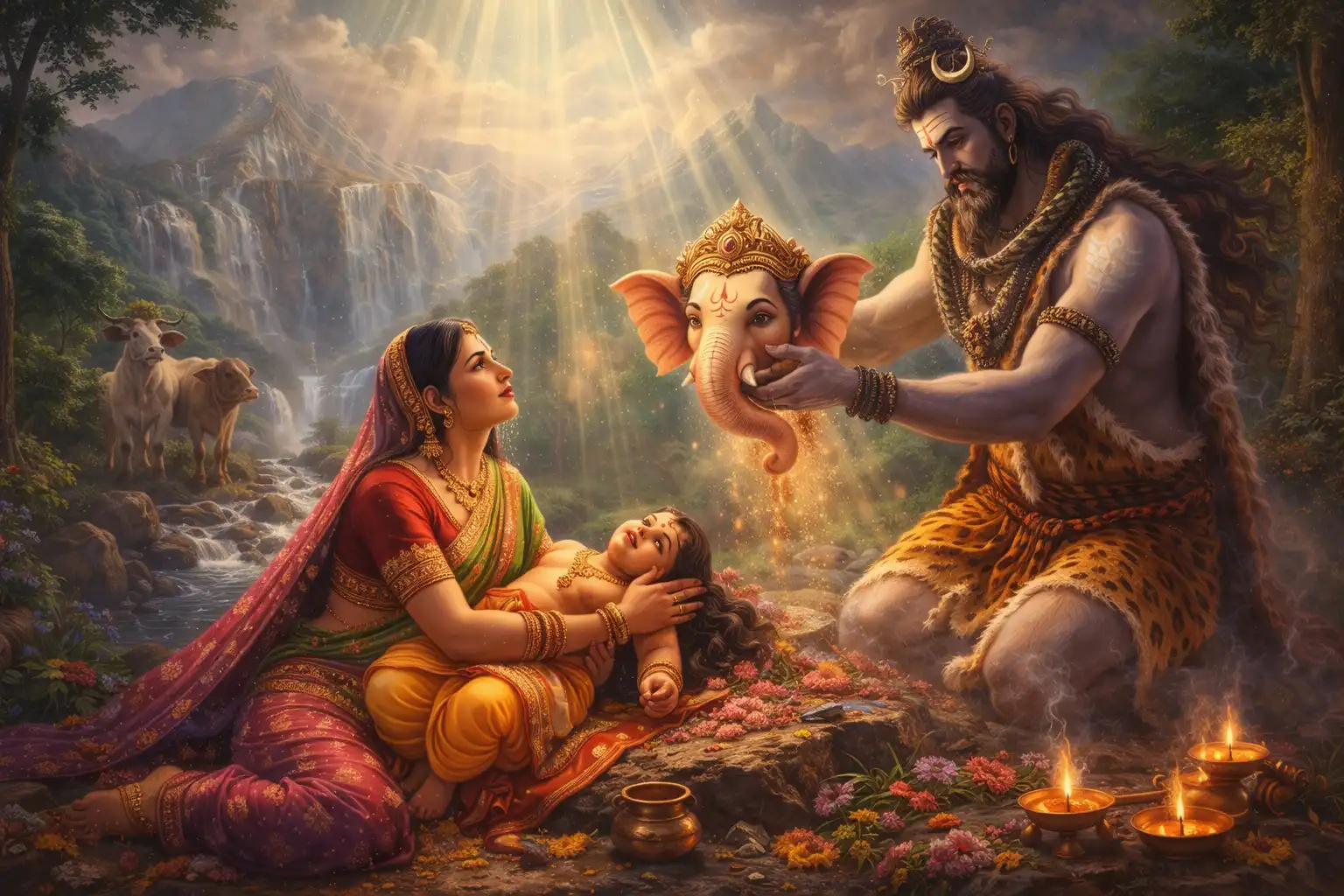
The worship of Lord Ganesha can be traced back to ancient times. The mythological story behind Ganesha's birth is fascinating. According to one popular legend, Parvati, the wife of Lord Shiva, created a son out of turmeric paste while preparing for a bath. She breathed life into the figure, and thus Ganesha came into being. However, in a turn of events, Lord Shiva, unaware of his son’s existence, unknowingly severed Ganesha's head in a fit of rage. Upon realizing his mistake, Shiva sought to rectify the situation by replacing Ganesha's head with that of an elephant, making him the unique and powerful deity we worship today.
The symbolism of Ganesha is profound. His elephant head represents wisdom, strength, and the ability to overcome difficulties. His large ears symbolize the importance of listening to others, while his small eyes represent concentration and focus. The broken tusk is said to symbolize the idea that we must be ready to give up something valuable in order to gain wisdom. The belly of Lord Ganesha, large and round, signifies contentment, as he is the embodiment of abundance and satisfaction. Each of these symbols is rich with meaning, making Ganesha not just a deity of prosperity, but a guide for leading a life of wisdom and balance.
Ganesha is also worshipped for his role in new beginnings. This is why he is commonly invoked at the start of any significant venture, whether it be a new job, a wedding, or the beginning of a new year. His divine blessings are believed to ensure success and remove any potential hindrances.
Sakat Chauth: A Spiritual Practice
Sakat Chauth Vrat is more than a ritualistic fast; it is a deeply spiritual practice that connects devotees with the divine. The vrat is observed with a commitment to purify the body, mind, and soul. It is a way of reflecting on one’s actions, seeking forgiveness for past mistakes, and praying for guidance on how to live a more fulfilling life.
The fast itself is often a time for personal introspection. Devotees reflect on their lives, assess their spiritual growth, and make resolutions to improve. The act of abstaining from food and drink is seen as a form of self-discipline, a reminder that true happiness comes not from worldly possessions, but from inner peace and contentment.
For women, Sakat Chauth holds special significance, as it is a time to pray for the well-being of their families. The fast is performed with the hope that Lord Ganesha will remove any obstacles in their lives, bless them with good health, and grant prosperity. It is believed that by observing the fast with full devotion, women can secure the happiness of their husbands, children, and family members.
The Rituals of Sakat Chauth
The observance of Sakat Chauth is centered around several key rituals. These rituals are performed with a sincere heart and a deep devotion to Lord Ganesha. While the specific rituals may vary depending on the region, the core elements of the fast remain the same:
Fasting: The central ritual of Sakat Chauth is fasting. Devotees refrain from consuming food and water from sunrise to moonrise. This fasting is not only a physical act but also a spiritual one. It is believed that fasting purifies the body and soul, allowing one to be more receptive to Lord Ganesha's blessings.
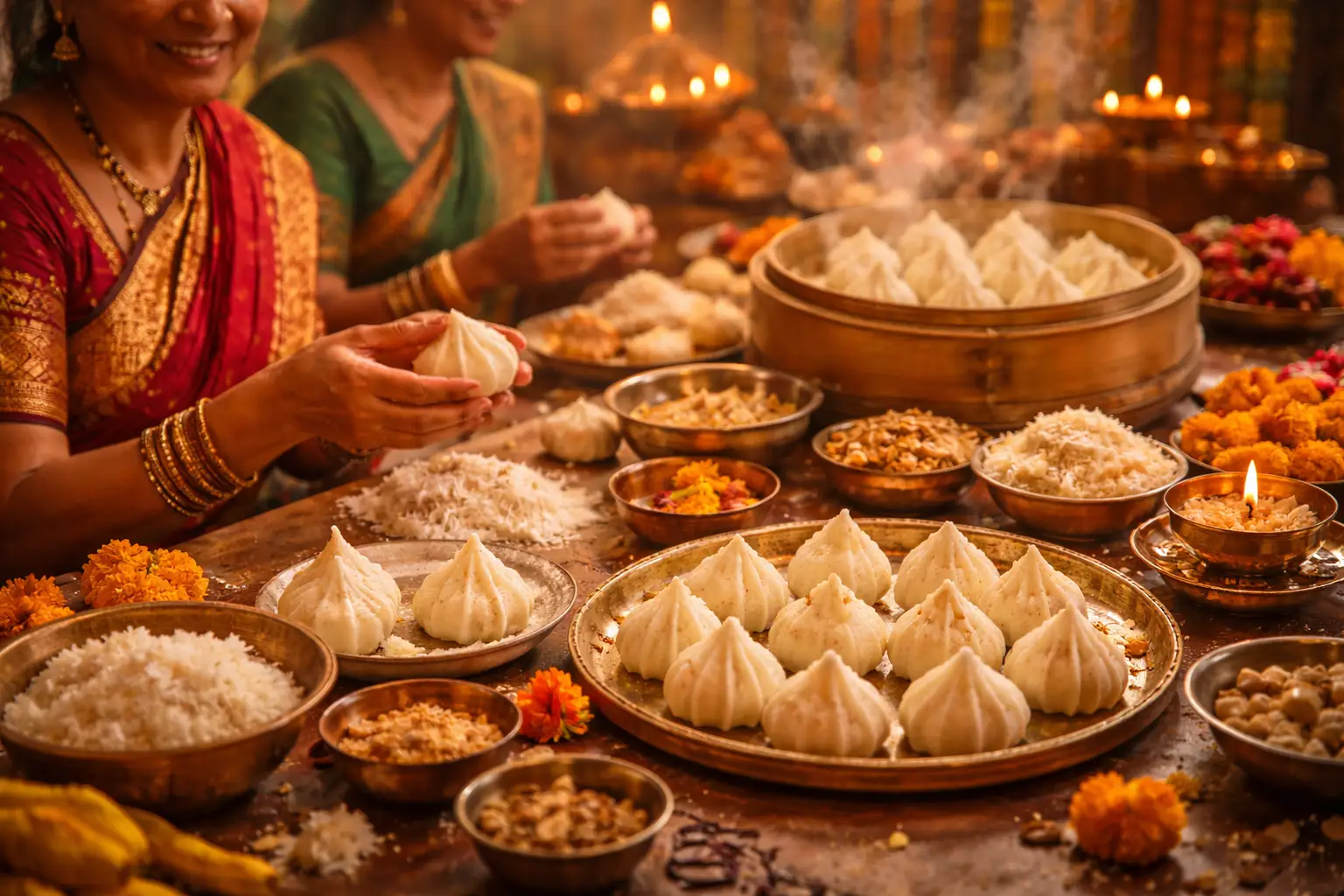
Puja (Worship): Devotees perform a special puja to Lord Ganesha on this day. This involves offering prayers, lighting incense, and making offerings of fruits, sweets (especially modaks), and flowers. Lord Ganesha’s favorite offering, modaks, are sweet dumplings made of rice flour stuffed with coconut and jaggery, symbolizing the sweetness of life and spiritual knowledge.
Reciting Mantras: Devotees recite prayers and mantras dedicated to Lord Ganesha, such as the Ganesha Ashtakshara mantra ("Om Gan Ganapataye Namah"), which is believed to invoke the divine presence of Ganesha and remove obstacles from one’s life.
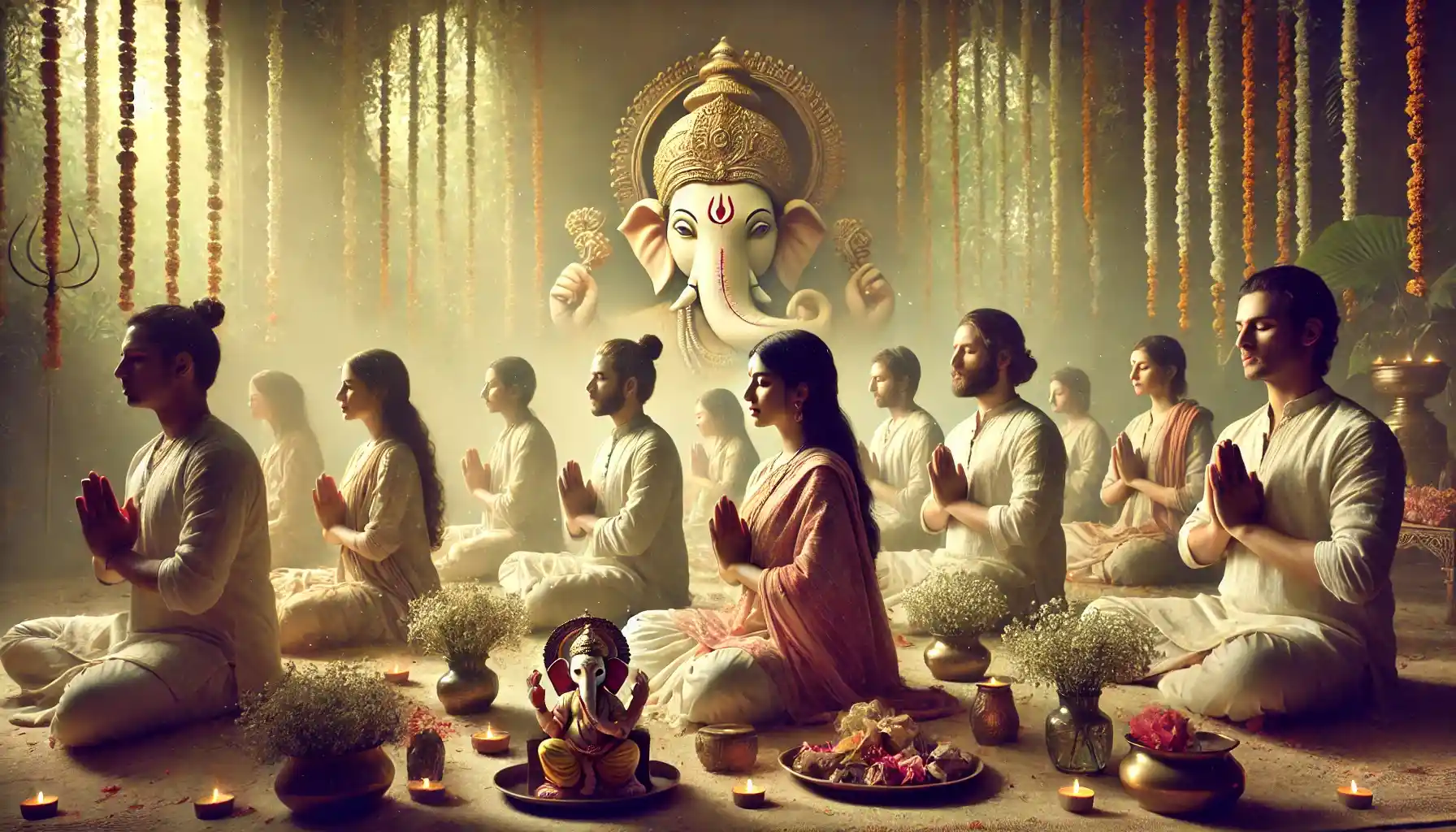
Moon Viewing: A unique feature of Sakat Chauth is the moon worship. As the moon rises in the evening, devotees break their fast by looking at the moon through a sieve, followed by offering prayers to Lord Ganesha. This ritual is believed to bring blessings and protection from any evil.
Sankalp (Vow): Before starting the fast, devotees make a vow (sankalp) to complete the vrat with sincerity. This vow is a promise to Lord Ganesha to remain steadfast in the observance of the fast and to complete the rituals with full devotion.
Charity: In some regions, it is customary to give alms to the poor and needy on this day. This act of charity is seen as a way of invoking Lord Ganesha's blessings and gaining spiritual merit.
Celebrating Sakat Chauth Across India
While Sakat Chauth is widely observed across India, the way it is celebrated may vary from region to region. In states like Maharashtra, Gujarat, and Madhya Pradesh, the rituals are often carried out with great enthusiasm and devotion. In rural areas, the festival is celebrated with large community gatherings and processions. In cities, women often gather for the puja at temples or in their homes, accompanied by family members. The rituals may differ slightly, but the essence remains the same: honoring Lord Ganesha and seeking his divine blessings.
Sakat Chauth and Its Connection to the Lunar Cycle

An interesting aspect of Sakat Chauth is its connection to the lunar calendar. The fast is broken only after sighting the moon in the evening. This connection to the moon signifies the belief that the lunar cycle has a profound effect on the spiritual and emotional well-being of humans. The moon symbolizes calm, intuition, and enlightenment, and gazing at it while breaking the fast is believed to invite blessings of peace and success.
The Power of Lord Ganesha's Blessings
Lord Ganesha’s blessings are believed to carry a deep and transformative power. The observance of Sakat Chauth with complete devotion brings with it a promise of divine protection. It is believed that by following the rituals and worshipping Ganesha with sincerity, obstacles in one’s life will be removed, and prosperity and success will follow.
The blessing of removing obstacles is central to the worship of Ganesha. Devotees who pray to Lord Ganesha with a pure heart believe that no matter the challenges they face, they will have the strength to overcome them. Whether it is a personal or professional struggle, the grace of Lord Ganesha is said to be capable of dissolving any barriers that stand in the way of progress.
In addition to this, Lord Ganesha’s worship is also associated with spiritual growth. His role as the god of wisdom means that he grants clarity of thought and direction. Devotees often pray to Ganesha before embarking on new ventures, as his blessings are believed to ensure that the path ahead is smooth and free from hindrances.
How to Celebrate Sakat Chauth at Home
Celebrating Sakat Chauth at home is a simple yet powerful ritual. To celebrate, devotees need to set up an altar with a statue or image of Lord Ganesha. Decorate the altar with flowers, offer modaks, fruits, and other sacred items, and perform the puja with a sincere heart. Devotees should also observe a fast, dedicating the day to prayer, reflection, and devotion. Once the moon rises, the fast is broken with a prayer of gratitude, followed by looking at the moon through a sieve.
The Importance of the Vrat on Sakat Chauth
The Sakat Chauth Vrat holds deep significance not only as a religious observance but also as a means of spiritual discipline and self-purification. Observing the vrat is believed to be a powerful way to seek Lord Ganesha's blessings for the removal of obstacles and the attainment of prosperity, health, and wisdom.
- Removal of Obstacles: The central belief surrounding the vrat is that by offering sincere devotion to Lord Ganesha, devotees can remove obstacles from their lives. This could be in the form of personal struggles, financial challenges, or professional setbacks. By fasting and offering prayers, devotees seek Lord Ganesha's divine intervention to clear their path and allow for progress.
- Strengthening Faith and Devotion: Fasting is a form of self-discipline that strengthens the bond between the devotee and the divine. By abstaining from food and water and focusing on prayer and meditation, the vrat encourages individuals to disconnect from worldly distractions and build a deeper connection with Lord Ganesha. It is a way to demonstrate faith and trust in the deity's ability to bring about positive change.
- Purification of Mind and Body: The physical act of fasting during Sakat Chauth is believed to purify the body, while the spiritual practices—such as prayer, meditation, and reciting mantras—cleanse the mind. Together, these practices promote overall well-being and personal growth. Fasting also helps devotees cultivate patience, self-control, and mindfulness, contributing to their mental clarity and spiritual maturity.
- Spiritual Growth: Sakat Chauth is not just a day for seeking material benefits; it is a day for spiritual introspection. Devotees use this time to reflect on their actions, make resolutions for personal improvement, and seek guidance from Lord Ganesha on how to lead a more righteous and fulfilling life. The vrat serves as a reminder to focus on inner peace, humility, and gratitude.
- Blessings for Family and Loved Ones: For many women, especially married women, Sakat Chauth holds a special place as it is seen as a way to ensure the well-being and happiness of their families. The fast is often observed with the belief that by doing so, Lord Ganesha will grant health, prosperity, and protection to their husbands, children, and other loved ones. The vrat thus strengthens the sense of responsibility and love toward one's family.
- Building a Sense of Community: Sakat Chauth is a time for families and communities to come together in prayer and devotion. In many regions, it is celebrated collectively, with women gathering for prayers and rituals at homes or temples. This collective worship fosters a sense of unity and community spirit as individuals come together to honor Lord Ganesha and seek his blessings.
Conclusion: Embracing the Divine Energy of Sakat Chauth
Sakat Chauth in 2026 presents a wonderful opportunity to reconnect with the divine energy of Lord Ganesha. By observing the fast with sincerity, devotees invite Ganesha’s blessings into their lives, ensuring the removal of obstacles and the acquisition of wisdom. The fast is a reminder that life is not just about material gains, but also about spiritual growth and harmony.
As we offer prayers, observe the rituals, and reflect on our lives, we open ourselves to the boundless blessings of Lord Ganesha. The importance of this sacred day is not just in the ritual, but in the devotion it encourages, allowing us to overcome challenges, seek wisdom, and embrace the path of righteousness.
Call To Action
🌺 Seek Lord Ganesha’s Blessings This Sakat Chauth 🌺
As Sakat Chauth 2026 approaches, take a moment to pause, reflect, and connect with the divine presence of Lord Ganesha, the remover of obstacles and the giver of wisdom. Let this sacred day inspire devotion, gratitude, and inner strength.
Whether you are observing the Sakat Chauth Vrat, offering prayers at home, or learning about its deeper spiritual meaning, allow Lord Ganesha’s blessings to guide your journey toward peace, prosperity, and balance.
🙏 Explore more spiritual insights
🪔 Prepare for Sakat Chauth with devotion and faith
🌼 Share the blessings of Lord Ganesha with your loved ones
May this Sakat Chauth bring clarity, happiness, and success into your life. Ganpati Bappa Morya!
FAQs
1. What is the significance of Sakat Chauth?
Sakat Chauth is a festival dedicated to Lord Ganesha, observed to remove obstacles and seek blessings for prosperity, good health, and happiness. It is especially significant for married women, who pray for the well-being of their families.
2. Why do we worship Lord Ganesha on Sakat Chauth?
Lord Ganesha is worshipped on Sakat Chauth because he is believed to remove obstacles and bring success, prosperity, and wisdom. Devotees believe that worshipping him on this day ensures a smooth path in life, free from hindrances.
3. What are the rituals of Sakat Chauth?
Rituals include fasting from sunrise to moonrise, offering prayers to Lord Ganesha, making offerings of modaks (his favorite sweet), reciting Ganesha’s mantras, and worshipping the moon at night. Charity is also often given to those in need.
4. How is the fast observed on Sakat Chauth?
On Sakat Chauth, devotees observe a strict fast from sunrise until moonrise, refraining from food and water. The fast is a spiritual practice for self-discipline, purification, and seeking Lord Ganesha’s blessings for personal and family prosperity.
5. Why are modaks offered to Lord Ganesha?
Modaks are Lord Ganesha’s favorite sweet, and they are offered during Sakat Chauth rituals. The sweet dumplings symbolize the sweetness of life and spiritual knowledge, and offering them is believed to attract Ganesha’s blessings of abundance and wisdom.
Resources
Radha Krishna Temple of Dallas: Community events, spiritual teachings, and festival observances related to Hindu traditions and vrat practices: https://www.radhakrishnatemple.net/