
Introduction
What is Sakat Chauth?
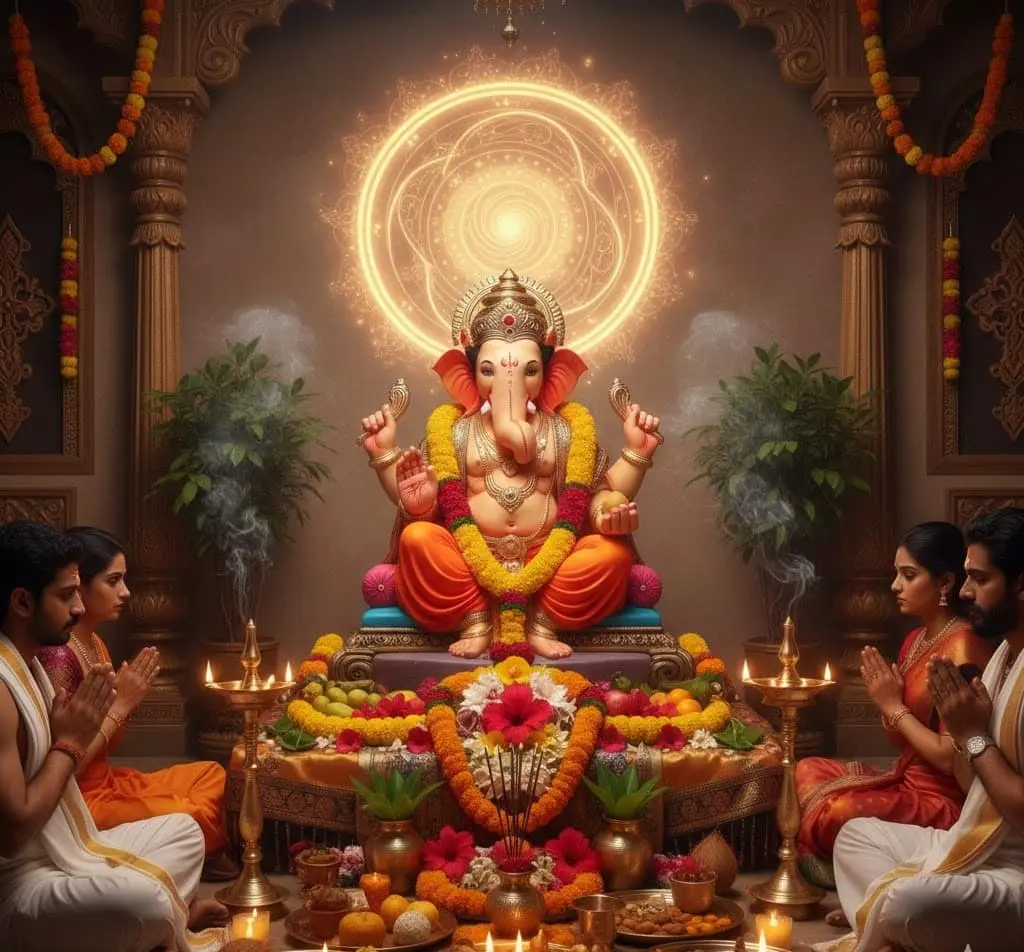
Sakat Chauth is an important Hindu fasting festival observed primarily by married women for the well-being, long life, and prosperity of their children. It falls on the Krishna Paksha Chaturthi (fourth day of the waning moon) in the Hindu month of Magha. The vrat is dedicated to Lord Ganesha, the remover of obstacles, and Chandra Dev (the Moon God), whose sight marks the completion of the fast.
Unlike other Chaturthi fasts, Sakat Chauth is uniquely associated with moonrise (Chandrodaya) rather than moon sighting at nightfall, making its timing especially crucial for devotees.
Significance of Sakat Chauth in 2026
Sakat Chauth in 2026 holds special spiritual importance as it aligns with highly favorable lunar placements according to the Hindu Panchang. Observing this vrat with proper rituals is believed to protect children from misfortune, health issues, and negative planetary influences. In many regions, the festival is also known as Til-Kuta Chauth, highlighting the ritual use of sesame seeds (til), which symbolize purity, protection, and divine blessings.
The year 2026 emphasizes heightened devotion toward Lord Ganesha, with devotees seeking relief from obstacles, financial difficulties, and family-related concerns through sincere fasting and prayer.
Importance of Moonrise Time & Chandrodaya Muhurat
The moonrise time (Chandrodaya Muhurat) is the most critical aspect of Sakat Chauth observance. The fast is traditionally broken only after sighting the moon, followed by offering Arghya (water) and prayers to Chandra Dev. Even a slight delay or early termination of the fast before moonrise is considered ritually incomplete.Because moonrise timings vary significantly by location, city-wise moonrise times are essential for accurate observance. Devotees rely on precise Chandrodaya Muhurat calculations to ensure the fast is concluded at the astrologically correct moment, maximizing spiritual merit and blessings.
The deep spiritual significance of Sakat Chauth is beautifully explained in a devotional article on the Radha Krishna Temple blog, which highlights Lord Ganesha’s role as the remover of obstacles and protector of families, especially children. This perspective enriches our understanding by showing that the vrat is not just a ritual but a path to inner purification, gratitude, and divine connection through sincere devotion
Sakat Chauth 2026: Date & General Timings
Date of Sakat Chauth 2026
Sakat Chauth will be observed in 2026 during the Krishna Paksha of Magha month, as per the Hindu lunar calendar. The vrat falls on Magha Krishna Chaturthi, a day considered highly auspicious for worshipping Lord Ganesha and seeking divine protection for children and family happiness.
Devotees across North and Central India observe this fast with strict discipline, while regional variations exist in rituals and naming. Despite these differences, the spiritual essence of Sakat Chauth remains the same—devotion, patience, and faith.
Tithi Details
According to the Panchang, the Chaturthi Tithi begins and ends based on lunar movements rather than sunrise, making it important to follow accurate tithi timings. In 2026, the Chaturthi Tithi governing Sakat Chauth spans across the day and night, allowing devotees to observe the vrat for the full duration.
Astrologically, Magha Krishna Chaturthi is associated with the removal of obstacles, ancestral blessings, and protection from negative energies. Performing puja within the appropriate tithi enhances the spiritual efficacy of the vrat.
Fasting Rules & Observances
Sakat Chauth is considered one of the strictest Chaturthi fasts. Most women observe a Nirjala Vrat, abstaining from both food and water until moonrise. In some households, a partial fast with fruits or milk is permitted based on health and tradition.
Key fasting observances include:
- Worship of Lord Ganesha using sesame-based offerings
- Avoidance of grains and salt throughout the day
- Maintaining purity in thought, speech, and action
- Listening to or reading the Sakat Chauth Vrat Katha in the evening
The fast is broken only after the moonrise (Chandrodaya), followed by offering Arghya to the Moon and consuming prasad.

City-wise Moonrise Time (Chandrodaya Muhurat) for 2026
Sakat Chauth moonrise in 2026 happens in the evening of 6 January, when the Chaturthi Tithi is still prevailing, making it the correct moment for Arghya and breaking the fast.
North India
Delhi & NCR
In the national capital region including Delhi, Noida, Gurugram, and Ghaziabad, the moon is expected to rise around ~8:50 PM – 9:00 PM on 6 January.
Lucknow
Moonrise typically occurs slightly earlier than Delhi, around ~8:45 PM – 8:55 PM.
Jaipur
Expect the moonrise around ~9:00 PM – 9:05 PM, a few minutes later than cities toward the east.
Patna
The eastern belt, including Patna, often sees the moon rise a little earlier, around ~8:40 PM – 8:50 PM.
West India
Mumbai
Astronomical data indicates the moon rises later along the western coast, often around ~8:55 PM – 9:05 PM on similar lunar dates in January.
Ahmedabad & Gujarat Cities (e.g., Surat / Vyara)
Moonrise in Gujarat cities is generally slightly later than inland North India, around ~8:50 PM – 9:10 PM on 6 January.
South India
(Actual local moonrise times will differ but follow general patterns as the moon rises later to the west and slightly earlier toward the east.)
Bengaluru
Moonrise for early January nights in Bengaluru is often around ~7:30 PM – 8:30 PM, climbing later into the evening as days progress.
(Precise eclipse-adjusted data not available yet for 6 Jan; devotees should confirm local Panchang.)
East India
Cities such as Kolkata and Bhubaneswar typically experience moonrise a bit earlier than western and central India, often around ~8:15 PM – 8:40 PM for lunar days like Chaturthi in early January.
Central India
Cities like Bhopal, Indore, and Nagpur will usually see moonrise times similar to North/Central patterns: ~8:45 PM – 9:00 PM. (Exact city-wise Panchang data can refine this further.)
Notes on Timing Accuracy
- The commonly referenced moonrise time for 6 January 2026 is approximately 8:54 PM as per most Panchang estimates, but local times can vary by ±10–15 minutes based on longitude and terrain.
- Because moonrise is the key moment for completing the fast and offering Arghya to Chandra Dev, always refer to your local Panchang or astronomical data for precise city timing before concluding the vrata.
How to Calculate Moonrise Time for Your City
Knowing the exact moonrise time (Chandrodaya) is essential for correctly completing the Sakat Chauth vrat. Since lunar rise varies by geography, devotees should avoid relying on generic timings and instead calculate the moonrise specific to their city or town.
Using Panchang / Astrology Apps
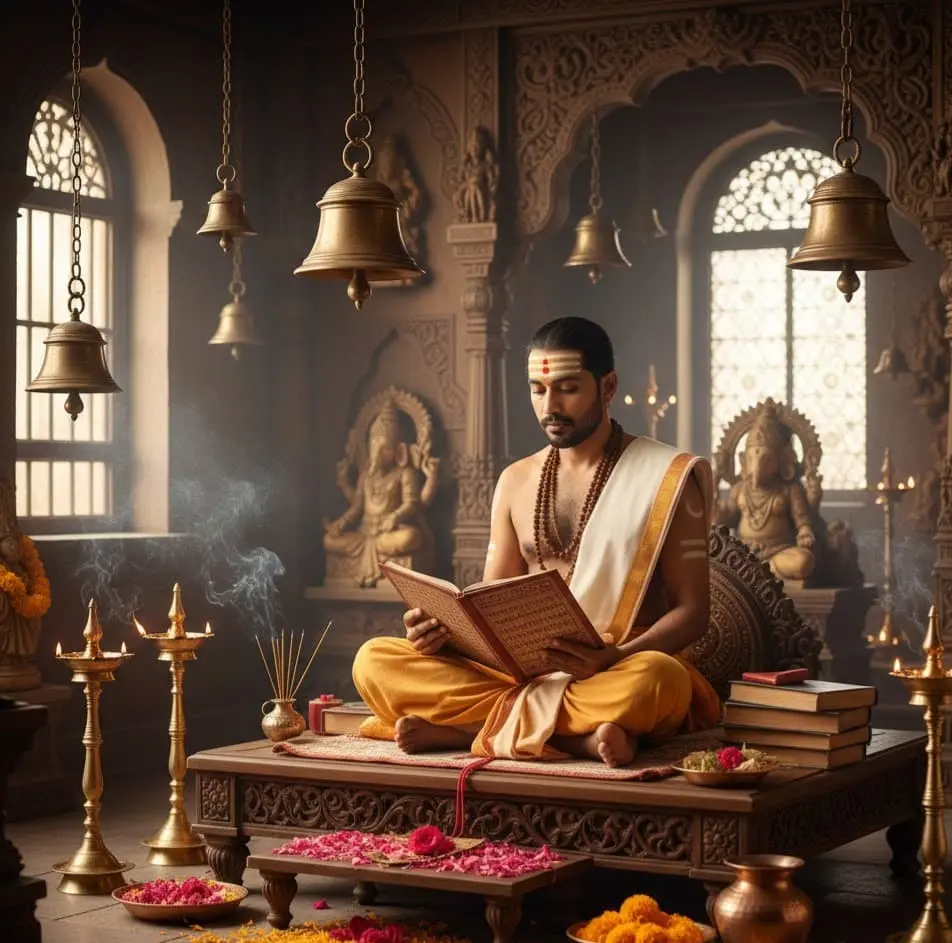
The most traditional and reliable method is consulting a Hindu Panchang—either in print or digital form. Modern Panchang apps combine astronomical calculations with Vedic calendar principles to provide city-specific moonrise times.
Popular Panchang and astrology apps allow users to:
- Select their exact location
- View daily tithi, nakshatra, and moonrise
- Access festival-specific muhurats like Sakat Chauth
These apps are especially useful for devotees who want accuracy without complex calculations.
Online Moonrise Calculators
Astronomy-based moonrise calculators are another dependable option. These tools calculate lunar rise using longitude, latitude, and date, offering precise timing down to the minute.
When using an online calculator:
- Ensure the date is set to 6 January 2026
- Choose your nearest major city
- Confirm that the moonrise occurs during Chaturthi Tithi
This method is particularly helpful in regions where local Panchang editions are unavailable.
Tips to Adjust for Local Variations
Even within the same state, moonrise time can differ by 5–15 minutes due to geographical factors. To ensure accuracy:
- Prefer city-level data over state-level listings
- Add a 5–10 minute buffer before concluding the fast
- Wait for visible moonrise, not just the clock time
- If clouds obstruct visibility, rely on confirmed local Panchang timing
Astrologers also advise maintaining devotion and patience—intent and adherence to dharma are as important as timing precision.
Sakat Chauth Puja Vidhi (Step-by-Step)
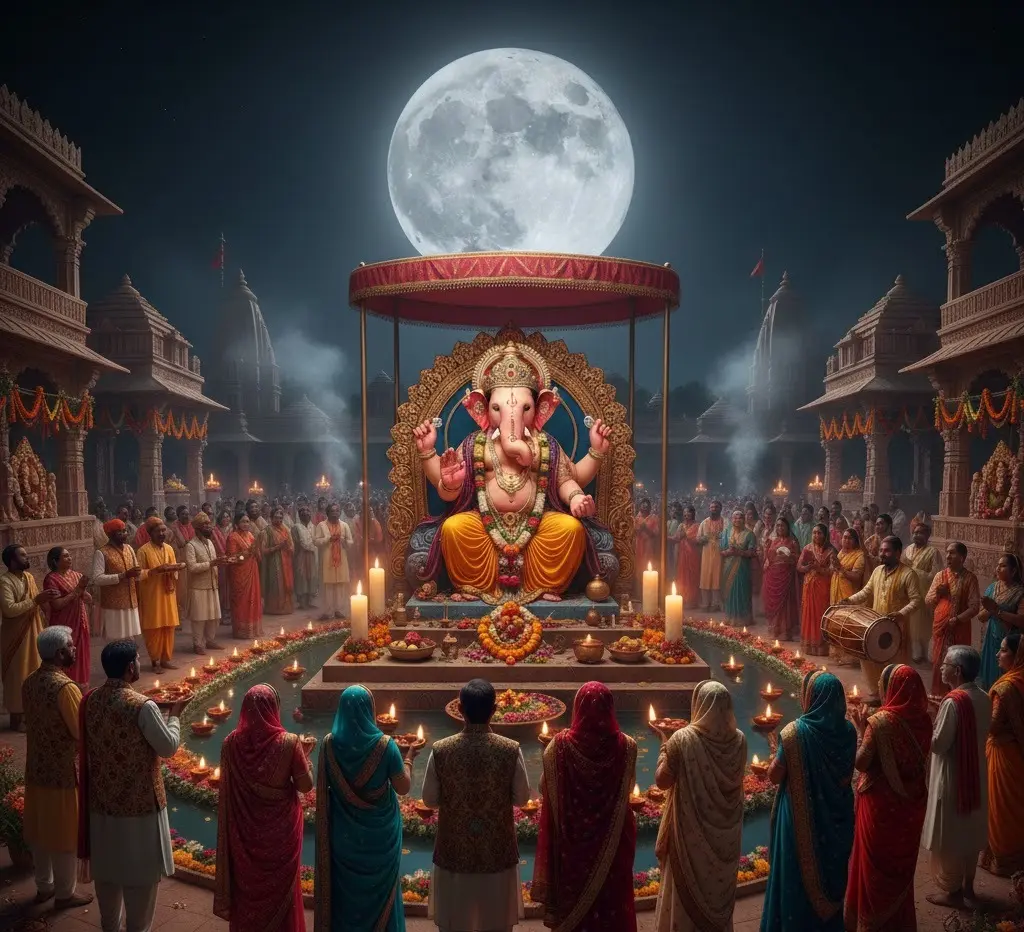
The Sakat Chauth Puja Vidhi is performed with deep devotion to Lord Ganesha and Chandra Dev, following rituals that symbolize protection, gratitude, and surrender. Observing the puja in the correct sequence enhances spiritual benefits and ensures the vrat is completed according to shastric traditions.
Preparations Before Fasting
Cleaning & Setup of Puja Area
Devotees begin the day by cleaning the home and purifying the puja space. A clean platform or chowki is prepared in the northeast or east direction, covered with a red or yellow cloth. An idol or image of Lord Ganesha is placed at the center.
Items Required (Puja Samagri)
Essential puja items include:
- Lord Ganesha idol or picture
- Sesame seeds (til) and jaggery
- Durva grass
- Flowers and incense sticks
- Diya with ghee or oil
- Water in a kalash
- Fruits and sweets (preferably til-based)
- Raw rice, roli, and chandan
These items represent purity, abundance, and devotion.
Morning Rituals
After bathing, devotees take a sankalp (vow) to observe the Sakat Chauth vrat with sincerity. Lord Ganesha is worshipped with til, durva, and flowers, seeking blessings for obstacle-free life and children’s well-being. Some devotees also chant Ganesh mantras or read a brief prayer in the morning.
Throughout the Day (Fasting Rules)
Sakat Chauth is traditionally observed as a nirjala fast, meaning no food or water is consumed until moonrise. Devotees avoid grains, salt, and cooked food. The day is spent in prayer, chanting, and maintaining positive thoughts. Listening to or reading the Sakat Chauth Vrat Katha during the day or evening is considered highly auspicious.
Evening Puja
Invocation & Mantra
After moonrise, devotees face the moon and invoke Chandra Dev, offering water mixed with milk, sesame seeds, and flowers. Mantras dedicated to Chandra and Lord Ganesha are chanted with folded hands.
Aarti Procedure
Aarti is performed first for the moon, followed by Lord Ganesha. The diya is rotated clockwise while offering prayers for health, longevity, and protection of children.
Offering to Chandra Dev
Arghya is offered to the moon while gazing at it, expressing gratitude and seeking blessings. This ritual marks the spiritual completion of the vrat.
Breaking the Fast
After the puja, devotees break the fast by consuming prasad such as fruits, sweets, or til-based dishes. In many traditions, water is taken only after offering arghya to the moon. The fast concludes with calmness, devotion, and gratitude.
Mantras & Chants for Sakat Chauth
Reciting mantras on Sakat Chauth amplifies the spiritual merit of the vrat. These sacred chants invoke Lord Ganesha for obstacle removal and Chandra Dev for mental peace, longevity, and nourishment. Mantra recitation is most effective when performed with concentration, purity, and faith—especially after moonrise.
Main Mantras
Ganesh Mantra (Primary Invocation)
Om Gan Ganapataye Namah
This mantra is chanted to seek Lord Ganesha’s blessings for protection, wisdom, and the well-being of children.
Chandra Mantra (Moon Worship)
Om Som Somaya Namah
This mantra is recited while offering arghya to the moon, helping calm the mind and balance emotions.
Sakat Chauth Special Mantra
Gajananam Bhutaganadi Sevitam
Kapittha Jambu Phala Sara Bhakshitam
Umasutam Shoka Vinasha Karanam
Namami Vighneshwara Pada Pankajam
This shloka glorifies Lord Ganesha as the destroyer of sorrow and obstacles.
Benefits of Recitation
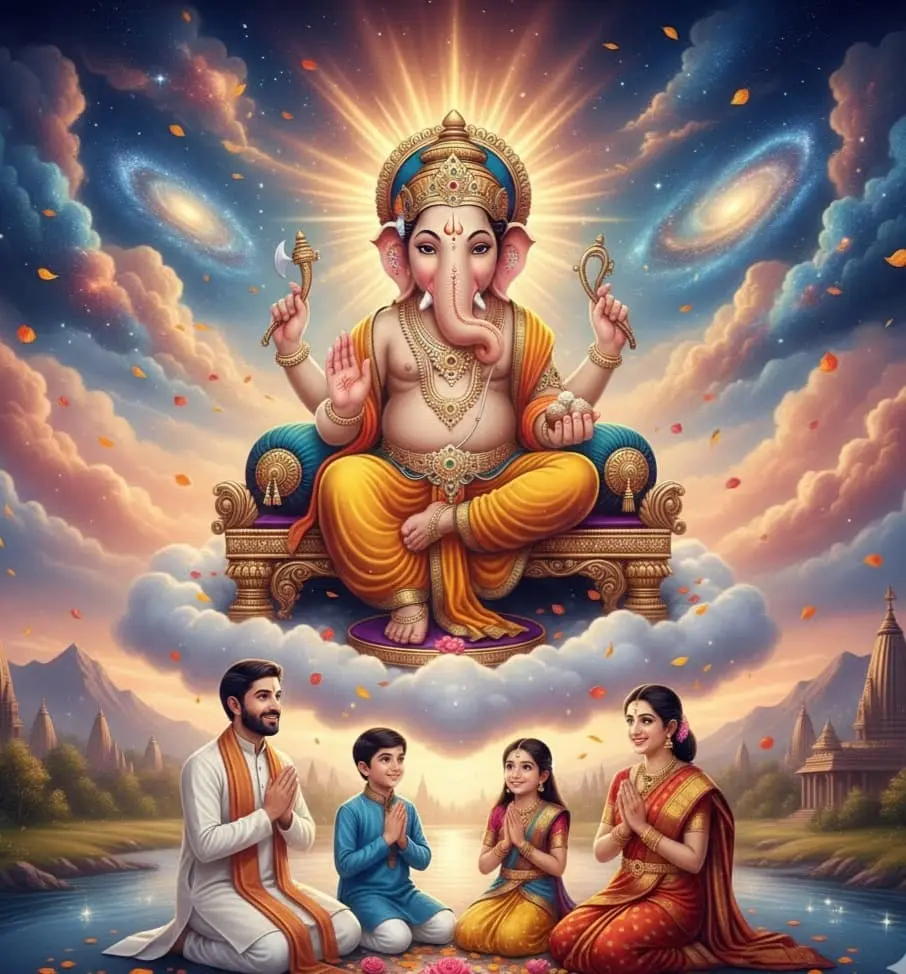
Chanting these mantras on Sakat Chauth is believed to:
- Protect children from health issues and misfortune
- Remove financial and domestic obstacles
- Strengthen emotional stability and mental clarity
- Reduce negative lunar and planetary influences
- Enhance the spiritual outcome of fasting and puja
Audio / Transliteration Tips
Devotees who are unfamiliar with Sanskrit pronunciation may:
- Use audio recordings from trusted Vedic sources
- Read Roman transliteration slowly and clearly
- Chant mentally if surroundings are noisy or crowded
Accuracy is important, but bhava (devotional intent) is considered equally powerful in Hindu tradition.
Do’s & Don’ts on Sakat Chauth
Observing Sakat Chauth with discipline and awareness enhances the spiritual benefits of the vrat. Following traditional do’s and avoiding common mistakes ensures the fast is completed in alignment with religious customs and astrological principles.
Spiritual Do’s
- Begin the day with cleanliness and purity, including a morning bath and clean attire
- Observe the fast with faith, patience, and devotion, keeping the mind calm
- Worship Lord Ganesha with sesame seeds, durva grass, and sincere prayers
- Read or listen to the Sakat Chauth Vrat Katha during the day or evening
- Break the fast only after moonrise (Chandrodaya) and offering arghya to Chandra Dev
- Offer gratitude for blessings received, especially for children and family harmony
These practices help align physical discipline with spiritual intent.
Practical Don’ts
- Do not consume food or water before moonrise if observing a nirjala fast
- Avoid grains, salt, and non-sattvic food on the vrat day
- Do not skip moon worship or break the fast without confirming moonrise timing
- Avoid anger, harsh speech, or negative thoughts throughout the day
- Do not rely on approximate timings: always check local moonrise time
- Avoid unnecessary travel or distractions during the fasting period
Observing these restrictions helps maintain the sanctity and completeness of the vrat.
Frequently Asked Questions (FAQs)
1. Why is moonrise (Chandrodaya) so important on Sakat Chauth?
Moonrise marks the completion of the vrat. Sakat Chauth is uniquely associated with worship of Chandra Dev, and breaking the fast before moonrise is considered incomplete. Offering arghya after sighting the moon ensures full spiritual merit.
2. Can Sakat Chauth fast be observed without nirjala vrat?
Yes. While nirjala vrat is traditionally preferred, women who are pregnant, unwell, or elderly may observe a partial fast with fruits or milk, maintaining devotion and sincerity.
3. What if the moon is not visible due to clouds?
If clouds obstruct visibility, devotees may rely on confirmed local Panchang moonrise time and perform arghya facing the direction of the moon. Faith and intent are given priority in such cases.
4. Is Sakat Chauth observed only by married women?
Primarily yes, but unmarried women may also observe the vrat to seek blessings of Lord Ganesha for future family happiness, obstacle removal, and well-being.
5. Can the fast be broken after midnight if moonrise is late?
Yes. If moonrise occurs late at night, the fast should still be broken only after Chandrodaya, even if it is close to midnight. Timing is more important than convenience.
Call-to-Action (CTAs)
1. 🔔 Check Your City’s Exact Moonrise Time
Don’t rely on estimates and instead verify your local Chandrodaya Muhurat to complete the vrat correctly.
2. 📿 Perform Sakat Chauth with Complete Puja Vidhi
Follow the step-by-step rituals and ensure every tradition is observed for maximum spiritual benefit.
3. 🌙 Share This Guide with Family & Friends
Help your loved ones observe Sakat Chauth accurately by sharing this city-wise moonrise and puja guide.
4. 🕉️ Bookmark This Page for Future Chaturthi Vrats
Save this article for Ganesh Chaturthi, Sankashti, and other lunar fasts throughout the year.
5. 🙏 Seek Lord Ganesha’s Blessings with Full Devotion
Observe Sakat Chauth 2026 with faith, patience, and discipline and invite prosperity, protection, and peace into your home.
Insights of Wisdom from Swami Mukundananda on Sakat Chauth
Drawing inspiration from the teachings of Swami Mukundananda Ji, Sakat Chauth is not merely a ritualistic fast but a profound opportunity for inner purification, self-discipline, and God-centered living. Swamiji often emphasizes that festivals in Sanatan Dharma are designed to elevate human consciousness, guiding the mind away from material distractions toward divine remembrance.
According to Swami Mukundananda, fasting is most powerful when it is combined with bhakti (devotion) rather than physical austerity alone. On Sakat Chauth, devotees worship Lord Ganesha, the remover of obstacles, which symbolically reminds us that the greatest obstacles lie within the mind: ego, impatience, fear, and attachment. By observing restraint in food and sensory indulgence, one learns mastery over desires, a key principle Swamiji frequently highlights in his discourses.
The significance of moon worship (Chandra Arghya) aligns deeply with Swamiji’s teachings on mental purity. The moon governs the mind, and offering prayers at moonrise signifies surrendering one’s restless thoughts at the feet of the Divine. Swamiji teaches that when the mind is aligned with God, clarity, peace, and wisdom naturally arise.
Furthermore, Swami Mukundananda explains that praying for children on Sakat Chauth should extend beyond physical well-being to include their spiritual growth and values. True parental love, he says, is to nurture devotion, character, and faith in God.
Ultimately, Sakat Chauth, when observed with understanding, becomes a sadhana (a spiritual practice). As Swamiji teaches, rituals become transformative only when they are infused with awareness, gratitude, and loving remembrance of God. Through such conscious observance, devotees progress not only in faith, but in inner joy and divine connection.