A Night of Fire and Prayer
The evening sky glowed orange as the sun dipped behind the trees. Little Aarav clutched his grandmother’s hand tightly as they walked toward the crowded fairground. Stalls lined the road, colorful flags fluttered in the breeze, and the scent of roasted peanuts mingled with incense. Ahead stood the towering effigies of Ravana, Kumbhakarna, and Meghnath—brightly painted, stuffed with hay and crackers, awaiting their fiery fate.
Aarav’s eyes widened. “Dadi, why do we burn Ravana every year? Was he bad?”
His grandmother smiled gently. “Ravana was learned and powerful, child. But his ego and desire led him astray. We burn his effigy not to celebrate someone’s death, but to remind ourselves to burn our own inner evils.”
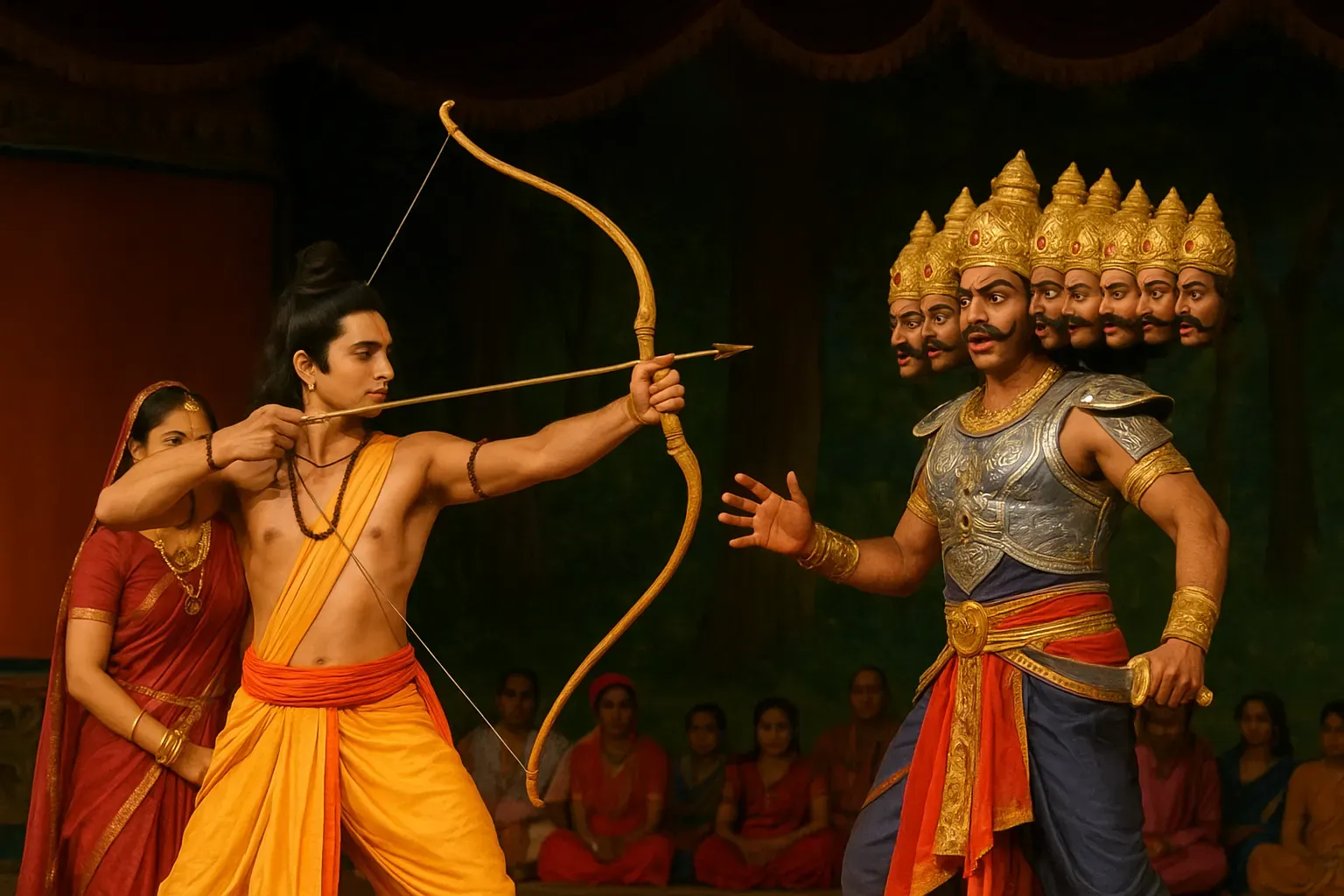
They found a spot near the stage where actors in glittering costumes performed the final act of the Ram Leela. When Rama’s arrow pierced Ravana, the crowd cheered. In a burst of sparks, the effigies ignited, flames racing up to the night sky. Aarav watched the burning effigies, but his grandmother’s words echoed louder than the crackling fire.“Burn our inner evils…”
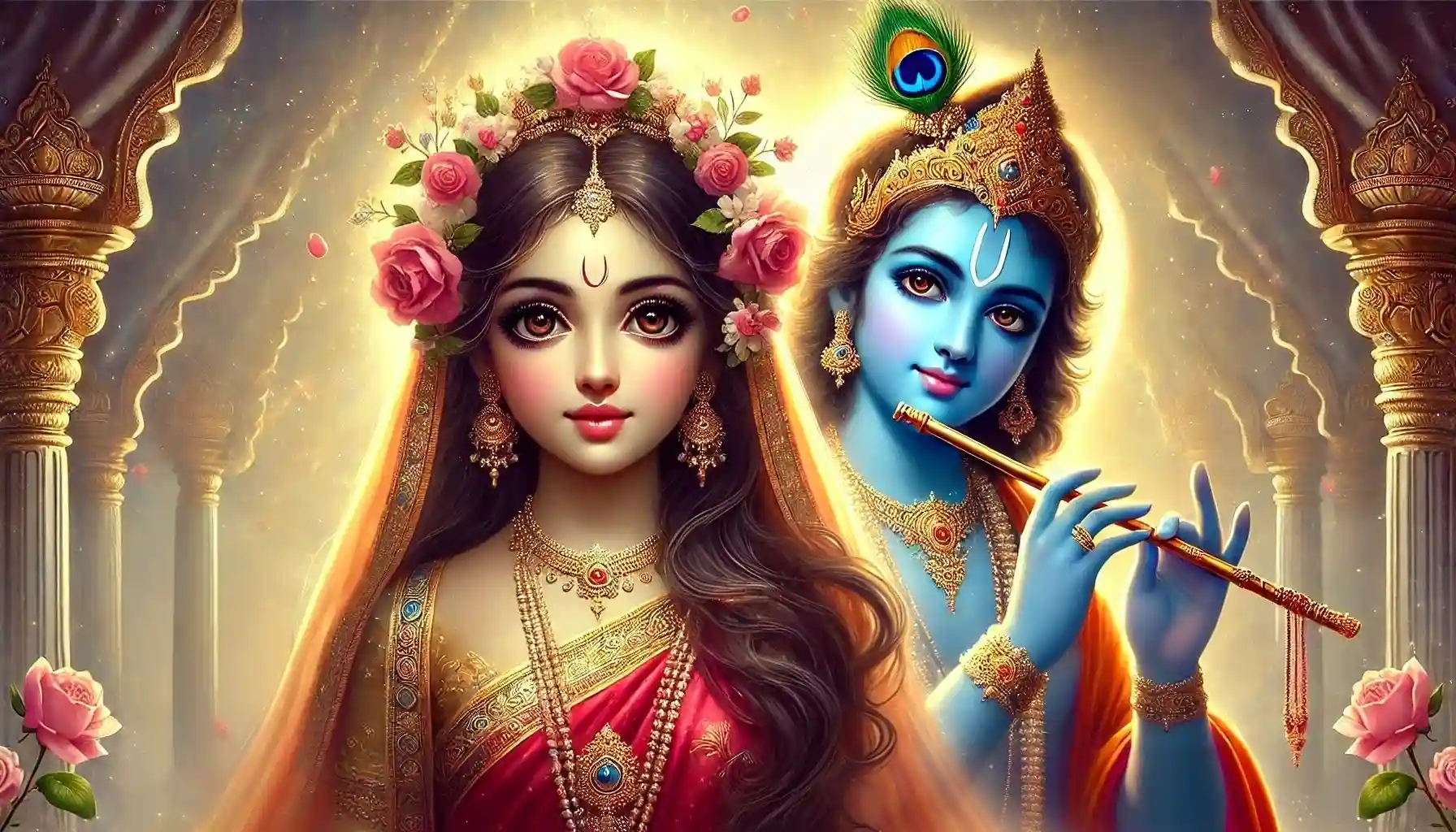
That night, as the family returned home, Aarav saw a small Radha-Krishna calendar on the wall of their living room. Krishna’s serene smile contrasted sharply with the fierce flames he had just witnessed. “Dadi,” he asked softly, “oes Krishna also fight demons?”
His grandmother chuckled. “Yes, my dear, but in his own way. While Rama stands for dharma and justice, Krishna stands for love and devotion. Both paths teach us how to conquer the Ravana within and live in divine joy.”
That small exchange planted a seed in Aarav’s heart—a seed of curiosity that many of us share. We witness rituals, hear stories, and yet sometimes wonder how they connect to our own lives. This is where the journey from Ravan Dahan to Radha-Krishna Bhakti becomes not just a festival tradition but a personal spiritual map.
The Symbolism of Ravan Dahan
Dusshera, also called Vijayadashami, marks the triumph of Lord Rama over the demon king Ravana. On the surface, it’s a celebration of good over evil. But deeper down, Ravan Dahan is an invitation to introspection.
Ravana wasn’t a simple villain. He was a great scholar, a devout Shiva bhakta, and an accomplished musician. His downfall wasn’t due to ignorance but to unchecked desire and pride. When we burn his effigy, we symbolically burn the ten heads of inner weaknesses—lust, anger, greed, delusion, arrogance, envy, ego, attachment, hatred, and jealousy.
Garba Workshops
Get ready for Navratri! 💃🕺 Join our Garba Workshop at Radha Krishna Temple, Dallas and learn traditional steps, Dandiya moves, and rhythm with ease.
Dates
Sept 13, 6pm - 7pm
Sept 20, 6pm - 7pm
Price
Garba Workshop: $7
Dandiya Sticks : $5
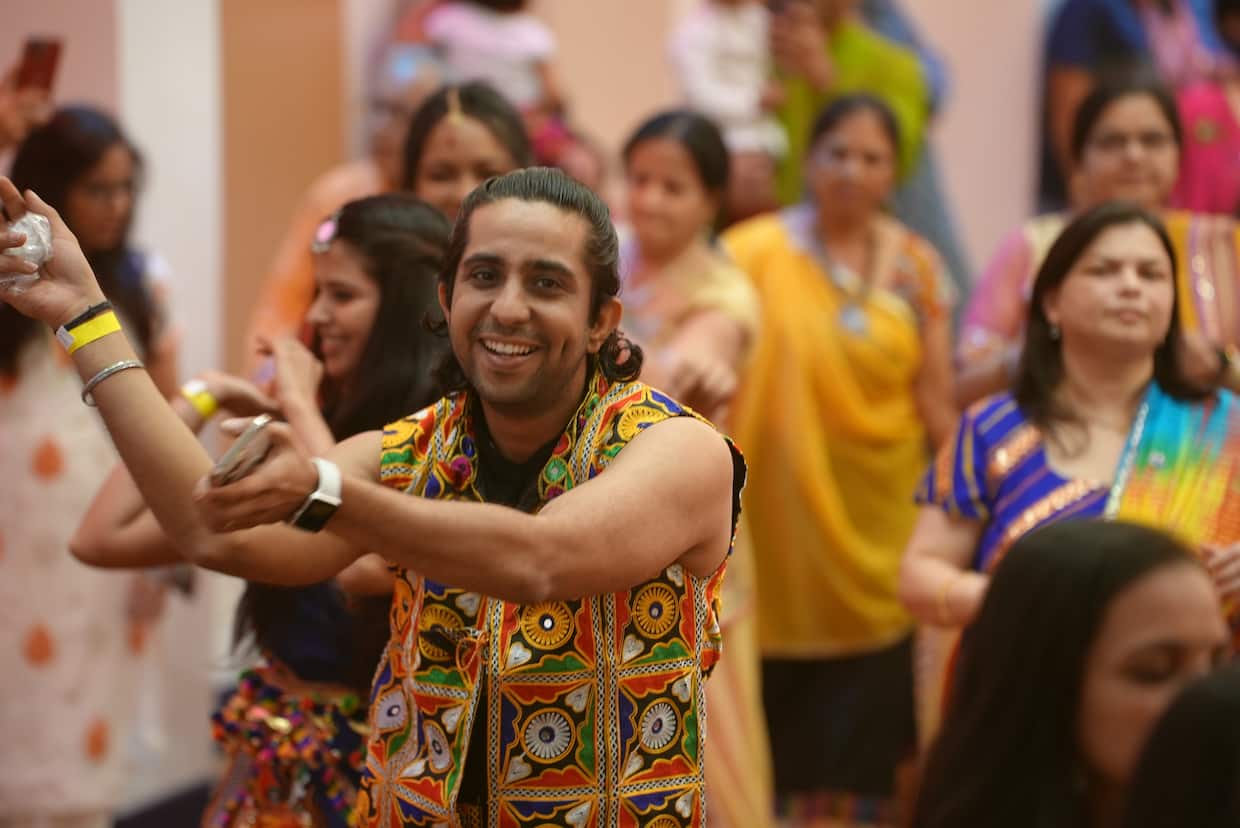
Every spark from the burning effigy is a reminder: “Let go. Purify. Begin again.”
But burning our vices isn’t enough. Once the field of the heart is cleared, something beautiful must be planted. This is where Radha-Krishna Bhakti enters.
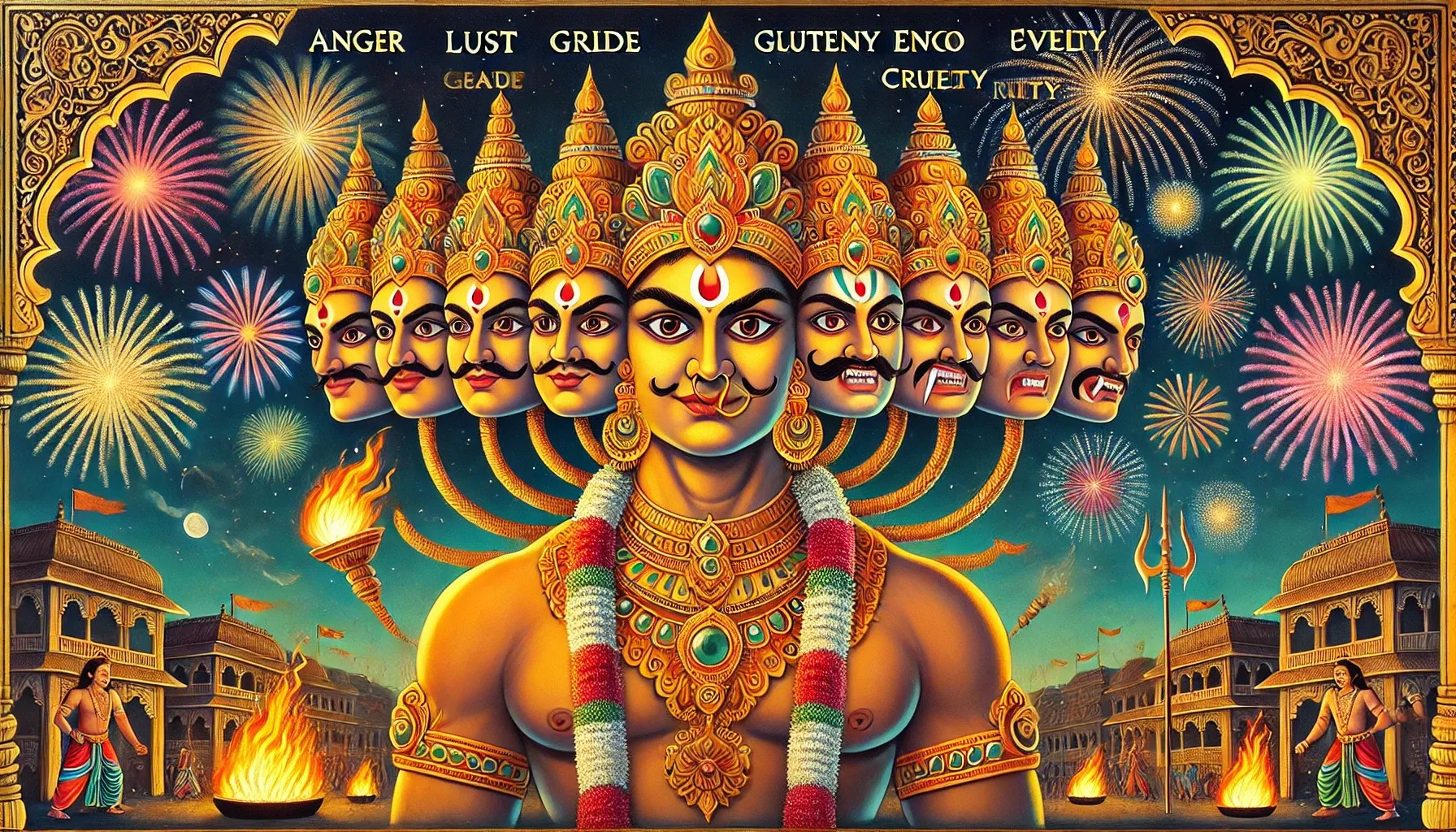
Why the Journey Doesn’t End with Burning Ravana
A lot of people celebrate Dusshera with fireworks and fair food, but don’t go beyond that ritual. Yet the sages emphasize: removing negativity creates a vacuum, and nature abhors a vacuum. Without positive virtues, our old habits creep back.
Rama’s story teaches discipline, righteousness, and courage. Krishna’s story teaches sweetness, surrender, and love. Together, they form two wings of a bird. We cannot fly high with only one wing.
Burning Ravana (our vices) is the first wing. Filling our life with bhakti (devotion) is the second wing. When both work together, we soar.
Seeing Dusshera with New Eyes
Next time you watch an effigy burn, imagine each head labeled with one of your own inner struggles. Which head is the largest? Which is hardest to burn? Name it silently and watch it go up in flames.
Then, when the fireworks fade, close your eyes and picture Radha and Krishna. Hear the gentle murmur of the Yamuna River. Imagine Krishna’s flute playing not outside you, but inside your heart, filling the empty space with sweetness.
This two-step inner ritual turns an external festival into a transformative experience.
A Human Approach to Ancient Symbols
Rituals survive for thousands of years because they carry universal truths. But unless we translate those truths into our everyday emotions and decisions, they remain distant. Let’s humanize the journey from Ravan Dahan to Radha-Krishna Bhakti:
- At work: When jealousy over a colleague’s promotion arises, that’s a “Ravana head” showing itself. Burn it by recognizing it. Then invite Krishna’s flute—appreciate, congratulate, and act from love.
- At home: When anger flares in a family disagreement, pause. Visualize lighting the arrow of Rama and burning the head of anger. Replace it with Radha’s patience and compassion.
- In solitude: When self-doubt creeps in, remember Rama’s courage and Krishna’s reassurance in the Gita: “Surrender to Me, and I will deliver you.”
This is living Dusshera daily.
The Psychological Bridge: From Conquest to Love
Modern psychology recognizes what saints have always known: suppression doesn’t work; transformation does. You can’t just push anger or lust away. You need a higher taste. Krishna says in the Bhagavad Gita (2.59) that by experiencing a higher joy, one can let go of lower pleasures.
So, first we confront Ravana (our vices). Then we embrace Radha-Krishna Bhakti (our higher joy). This isn’t dogma but a universal process of growth.
Saints and Teachers Who Embody This Integration
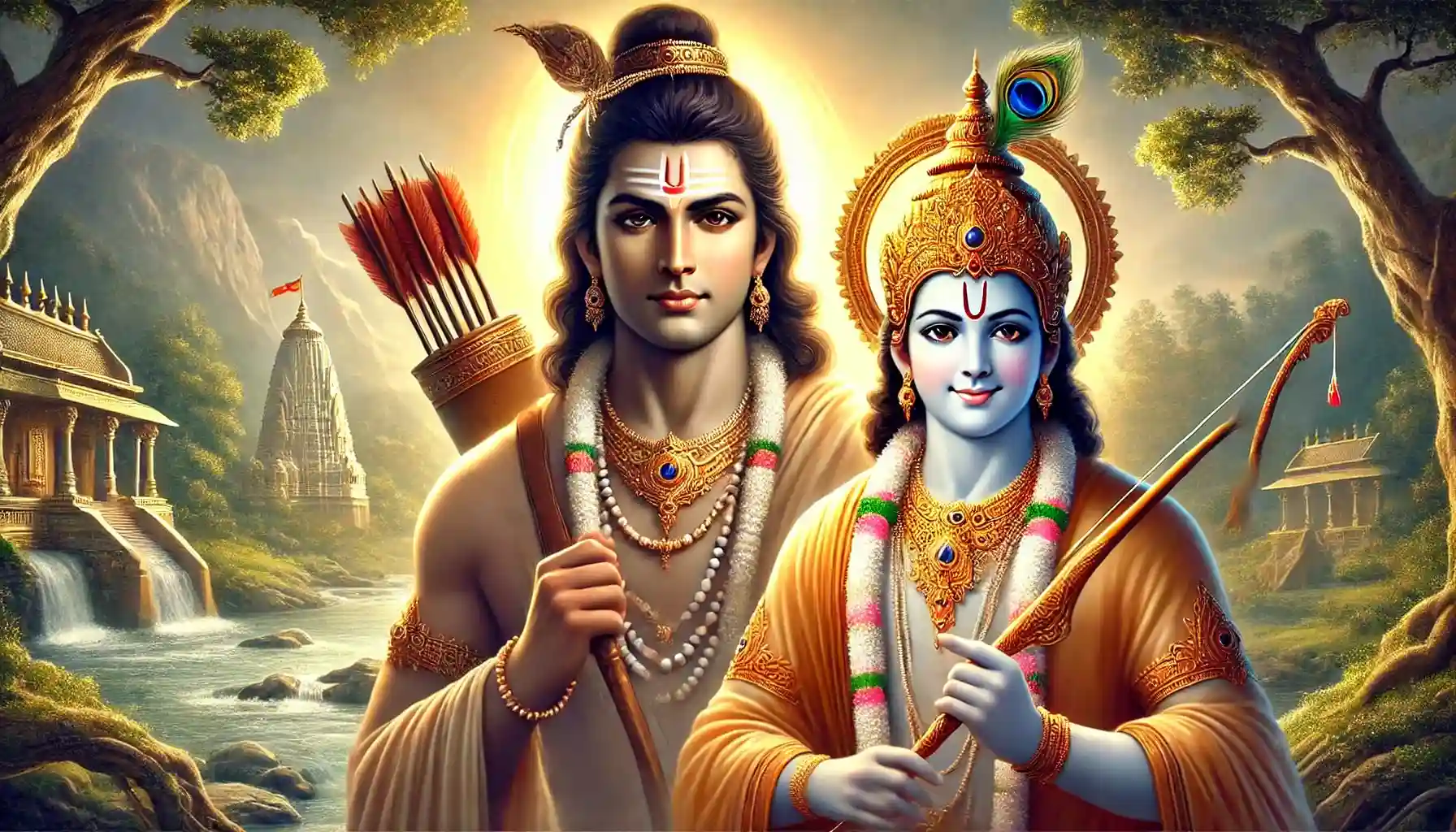
Throughout Indian history, saints have combined the valor of Rama and the sweetness of Krishna. Tulsidas wrote both the Ramcharitmanas and hymns to Krishna. Meera sang of Krishna but lived with Rama-like courage in the face of opposition.
Shri Kripalu Ji Maharaj often explained that dharma without bhakti becomes dry, and bhakti without dharma becomes sentimental. When we burn our inner Ravana and simultaneously cultivate devotion, we achieve both purification and fulfillment.
The Inner Ravana: What We Are Really Burning
It’s easy to look at Ravana and see a villain, a demon-king obsessed with power. But if we’re honest, we’ll notice shades of him in ourselves. That sharp word we speak when our ego is hurt. That twinge of jealousy when someone else succeeds. That restless craving for recognition.
Swami Mukundananda encourages a gentle but honest self-examination: “Every festival in the Vedic tradition is designed to help us reflect upon our own consciousness. Ravana’s destruction invites us to identify our negativities and offer them into the fire of self-discipline and devotion.”
This approach turns the festival from an external ritual into an internal practice. Imagine writing down your ten biggest weaknesses—one for each head of Ravana—and symbolically placing them into the fire. It becomes a cathartic act, a statement to yourself that you’re ready to move forward.
Radha-Krishna Bhakti: What Rises After the Fire
But Dussehra is not only about destruction. It’s also about what follows—the clearing of space for something new. Just as a field must be cleared of weeds before crops can grow, our hearts need freedom from negativity to blossom in love.
This is where Radha-Krishna Bhakti enters. Bhakti is not mere ritualistic worship; it is a state of the heart. Radha’s devotion to Krishna epitomizes complete selflessness. She doesn’t approach Krishna for protection or gifts; she yearns only for his presence.
Swami Mukundananda explains: “When we empty our hearts of selfish desires, the divine love of Radha-Krishna flows naturally. That is the highest reward of conquering our inner Ravana—our capacity to love God increases.”
So, the journey from Ravana to Radha is not a leap from one story to another but a continuum of spiritual evolution. First, we let go of ego; then, we fill ourselves with divine longing.
The Bridge: From Action to Devotion
How do we walk this bridge from Ravana Dahan to Radha-Krishna Bhakti in practical terms? Swami Mukundananda often suggests a three-step approach:
- Recognize the Inner Ravana
Make a list of the habits, thoughts, or emotions that sabotage your peace. This is not self-shaming but self-awareness. - Burn Through Practice
Engage in conscious acts of letting go—fasting from gossip, practicing forgiveness, or setting aside time for meditation. Symbolically, light a small lamp or candle at home as you release these tendencies. - Fill with Bhakti
Replace the old patterns with devotion. Sing bhajans, read scriptures, or simply sit in gratitude. Just as Radha’s love was pure and undemanding, try offering small acts of selfless service without expectation.
This turns Dussehra from a single day into a lifestyle of courage and surrender.
Swami Mukundananda’s Core Teachings on Festivals
Swami Mukundananda, a disciple of Jagadguru Shri Kripaluji Maharaj, emphasizes that spirituality is experiential. In his lectures and books, he highlights:
- Inner Purification Over Outer Ritual
Performing rituals without understanding is like watering a plastic plant. The real growth happens inside. - Bhakti as the Natural State of the Soul
Our soul is inherently drawn to God. We don’t need to create devotion; we need to uncover it. - Fearlessness Through Surrender
Many people see Dussehra as a victory over fear. But fearlessness comes not from fighting harder but from trusting deeper. When we surrender to the Divine, we lose the fear of loss. - Making Festivals Green and Sustainable
He also urges environmentally friendly celebrations—smaller effigies, less pollution, more community service. This aligns with the Vedic principle of harmony with nature.
These teachings shift our focus from outward show to inward growth, from competition to compassion.
How Festivals Shape Our Inner Landscape
Festivals aren’t just days off work. They’re collective reminders. When thousands gather to watch Ravana burn, a shared archetype is activated. Our children internalize values not through sermons but through sights, sounds, and emotions.
Pairing Ravan Dahan with Radha-Krishna Bhakti gives the festival its full power: discipline plus joy, renunciation plus celebration, conquest plus communion.
Practical Ways to Live the Essence of Dusshera
- Daily Self-Check: Each night, recall one “Ravana head” you noticed that day. Did you burn it?
- Bhakti Practice: Begin your morning with a short Radha-Krishna bhajan or reading from the Bhagavad Gita.
- Seva (Service): Channel your energy outward in kindness—feed the poor, help a neighbor, volunteer at a temple. Service anchors devotion in action.
- Family Conversations: Tell the stories to your children, not as morality lectures but as living tales. Ask them what “Ravana head” they want to burn.
- Community Gatherings: Attend satsangs or kirtans after Dusshera to keep the spirit alive.
The Emotional Impact: From Fear to Fearlessness
Ravana represents fear-driven living—grasping, controlling, dominating. Radha-Krishna represent fearless love—trusting, surrendering, and celebrating.
When we live in fear, we hoard and fight. When we live in love, we give and dance. This is why Dusshera ends with Diwali—the festival of light. After burning Ravana, we invite Rama home. After cleansing our hearts, we welcome Krishna’s flute.
Integrating the Lessons Year-Round
Imagine a year-long calendar of self-transformation:
- Navratri: Purify body and mind through fasting and prayer.
- Dusshera: Burn your vices.
- Diwali: Light the lamp of inner joy.
- Janmashtami: Celebrate Krishna’s birth within you.
- Holi: Splash the colors of divine love.
Each festival becomes a milestone on the same inner journey—from discipline to delight, from conquest to communion.
A Closing Vision
As the flames of Ravana die down and smoke drifts into the night sky, a group gathers quietly at the edge of the field. They sing a simple Radha-Krishna bhajan. Children clap to the rhythm. Old women sway gently. The harsh crackle of fireworks gives way to the soft notes of devotion.
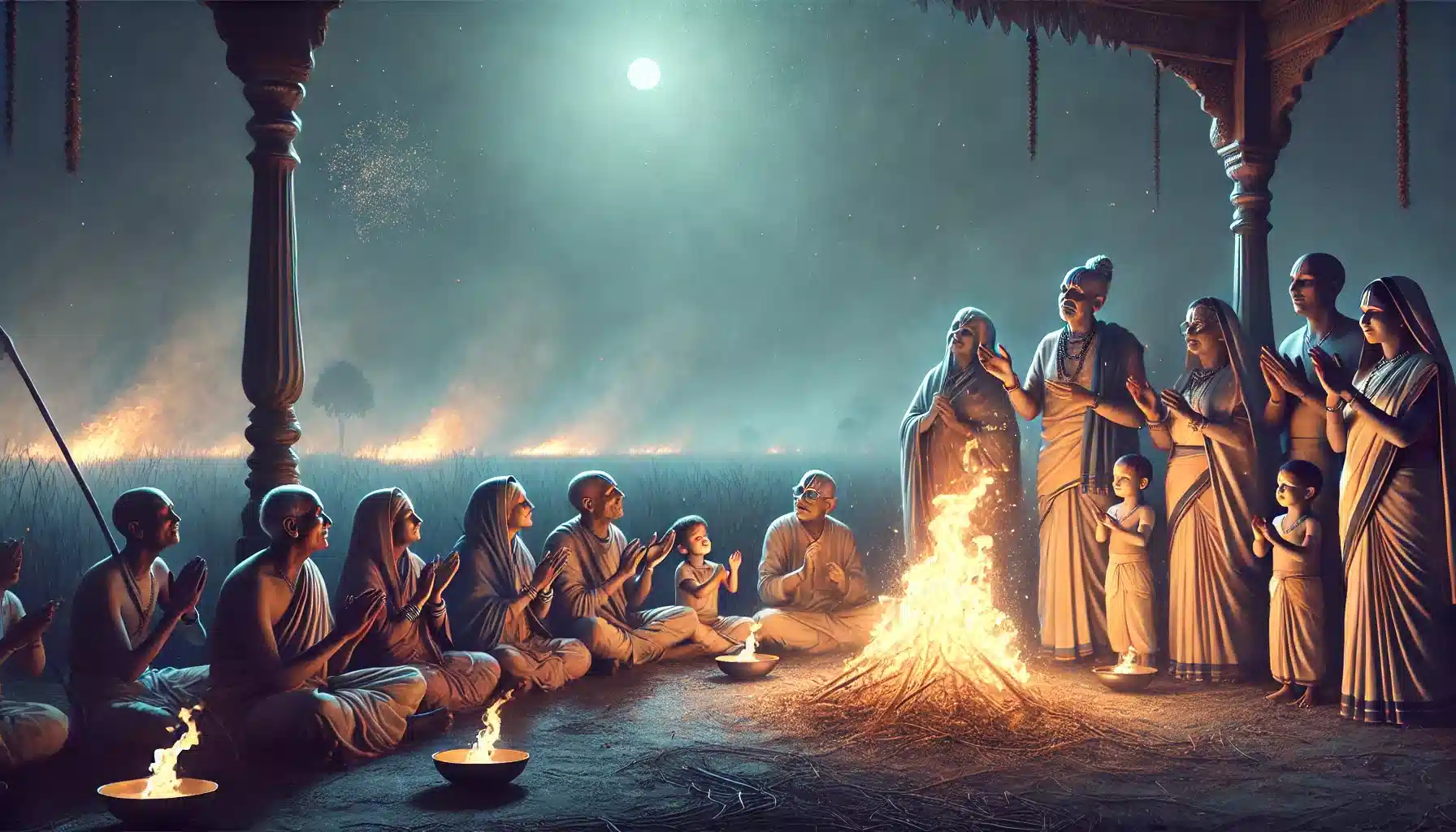
This is the bridge from Ravan Dahan to Radha-Krishna Bhakti—from destruction to creation, from outer ritual to inner realization.
Conclusion: Lighting the Inner Lamp
Dusshera is not merely a date on the calendar. It’s a call to courage and compassion, to self-examination and self-surrender.
Burning Ravana reminds us: “Let go of what binds you.”
Embracing Radha-Krishna Bhakti whispers: “Fill yourself with what frees you.”
When we unite these two messages, Dusshera becomes not just a festival but a lifelong practice. The effigy burns outside, and the heart blossoms inside.
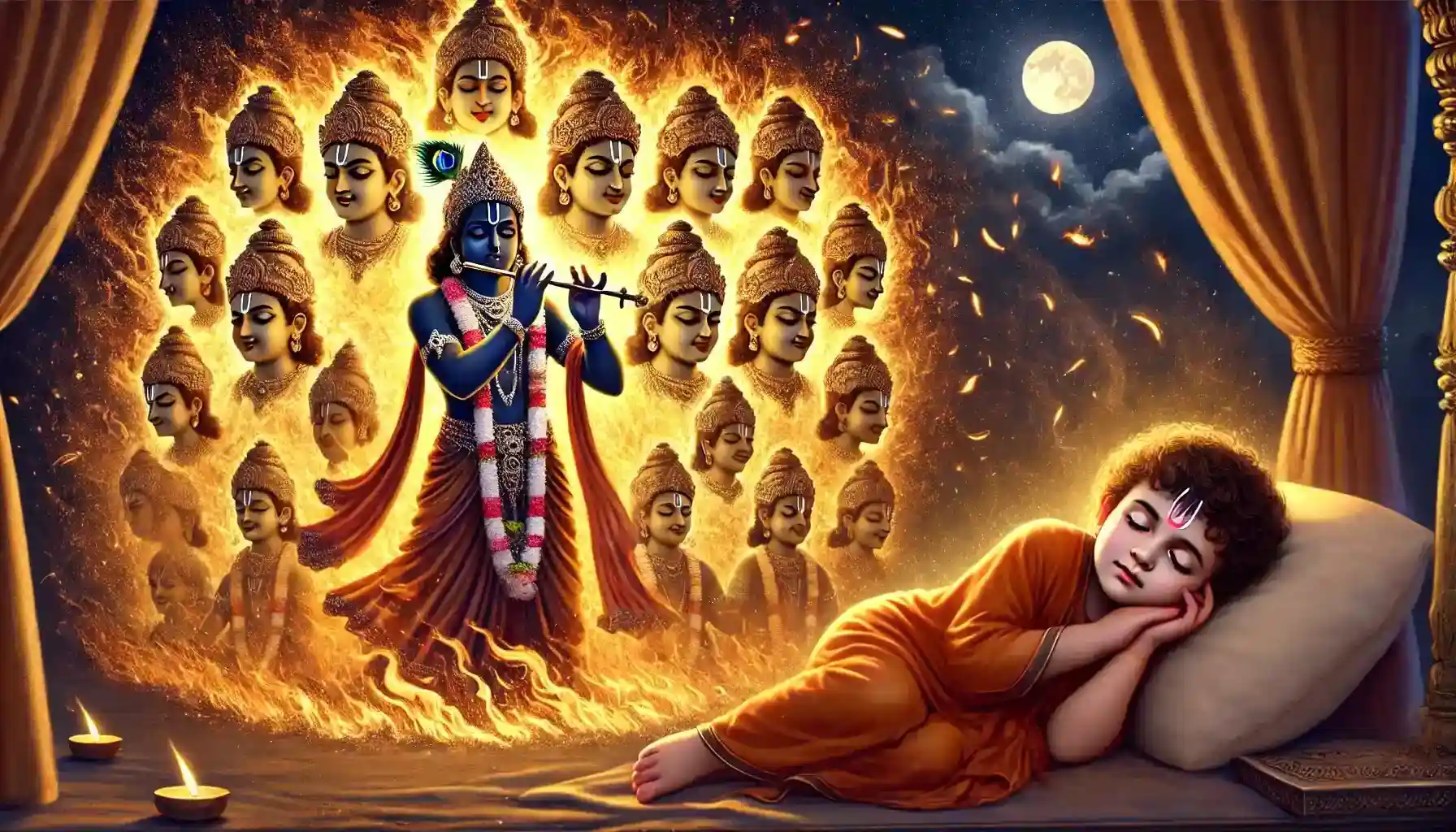
As little Aarav drifted off to sleep that night, he imagined Krishna’s flute playing softly while Ravana’s ten heads turned to ash. He didn’t know it then, but he had already taken his first step on the path from Ravan Dahan to Radha-Krishna Bhakti—the true essence of Dusshera.
FAQs
1. Why do we burn Ravana’s effigy during Dusshera?
Burning Ravana is a symbolic act, not just a historical re-enactment. It represents destroying the ten inner vices — anger, greed, pride, jealousy, etc. — that block our spiritual growth. As Swami Mukundananda teaches, real victory begins inside; the effigy simply gives our minds a vivid image to work with.
2. How is Radha-Krishna Bhakti connected to Dusshera?
After we “burn” our vices like Ravana, our hearts become an open field. Radha-Krishna Bhakti — the practice of loving devotion — plants flowers in that cleared soil. Jagadguru Shri Kripalu Ji Maharaj often said that dharma without devotion becomes dry; devotion fills our lives with sweetness after purification.
3. Can children also practice this inner “Ravan Dahan”?
Yes. You can make it playful, just as the blog describes — writing down bad habits on slips of paper and burning them safely, then singing a short bhajan together.
4. How can I bring the essence of Dusshera into daily life?
Do a quick self-check each evening: which “Ravana head” showed up today? Then replace it with a positive action — a kind word, a small act of service, or a short Radha-Krishna chant. Swami Mukundananda calls this “sadhana in daily life,” turning festivals into a year-round practice.
5. What is the biggest takeaway from combining Ravan Dahan with Radha-Krishna Bhakti?
That real celebration is transformation. Dusshera isn’t only about conquering evil but also about filling ourselves with divine love. When we follow the saints’ guidance — burning vices and cultivating devotion — we experience not just an outer festival but an inner victory that continues long after the fireworks fade.
Call To Action
🌸 Join Radha-Krishna Temple Dallas — Navratri & Dussehra 2025 🌸
Register NowNavratri Mahotsav
Daily Durga Pujas, Garba & Dandiya nights, satsang & cultural programs during these 11 nights.
Learn MoreGarba & Dandiya Nights
Evenings filled with live music, Garba & Dandiya dance, community participation.
Reserve Your SpotDussehra Celebration — Ram Leela & Ravan Dahan
Includes Ram Leela theatrics, Ravan Dahan (effigy burning), interactive cultural activities, vendors & food stalls. Free entry.
Join the CelebrationDurga Puja & Durgashtami Havan
Morning & evening pujas, special havan on Durgashtami, rituals like Sahasranam Archana & Rajopchar Pooja.
See ScheduleReference