Introduction
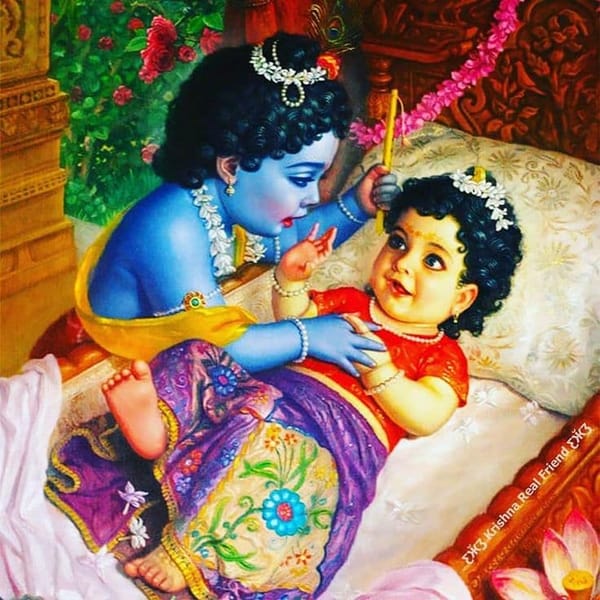
In the heart of the Hindu devotional tradition lies a celebration that is not only divine but deeply symbolic—the auspicious day of Radha Ashtami. While Janmashtami commemorates the birth of Lord Krishna, Radha Ashtami honors the appearance of Radharani, the supreme devotee and eternal consort of Krishna. Often regarded as the embodiment of pure, unconditional love and devotion (bhakti), Radha’s presence in spiritual tradition is unparalleled.
Radha Ashtami falls on the Ashtami (eighth day) of the bright fortnight in the month of Bhadrapada (August–September). On this day, devotees worldwide immerse themselves in prayer, fasting, chanting, and celebrations to seek the blessings of Radharani. Temples across Vrindavan, Barsana, and other sacred towns in India are adorned with flowers, music, and festivities that echo with the divine name of “Radhey Radhey!”
This day is more than a festival—it is an opportunity to reflect on the soul’s eternal longing for God. By celebrating Radha Ashtami, seekers align themselves with the highest form of devotion, learning to love selflessly, surrender completely, and walk the path of inner purity.
Who is Radha Rani?
Radha is the beloved of Krishna; she is the personification of divine love. Scriptures like the Padma Purana, Brahma Vaivarta Purana, and Garga Samhita describe Radha as the Hladini Shakti (the bliss-giving energy) of Lord Krishna. While Krishna is the Supreme Being, Radha is His eternal consort, representing the highest state of devotion.
Unlike Krishna, who is universally worshipped, Radha’s role in the scriptures is subtle yet supreme. Her divine love is selfless, unconditional, and boundless. Where the mind often calculates, Radha only surrenders. Where the world seeks reward, Radha gives without expecting anything in return.
For many saints and devotees, including Chaitanya Mahaprabhu, Kripalu ji Maharaj, Radha is the doorway to Krishna. It is said, “Krishna can be attained only through the mercy of Radha.” This explains why devotees seek Radha’s blessings first, for she softens the heart of Krishna Himself.
Why Radha Ashtami is Celebrated
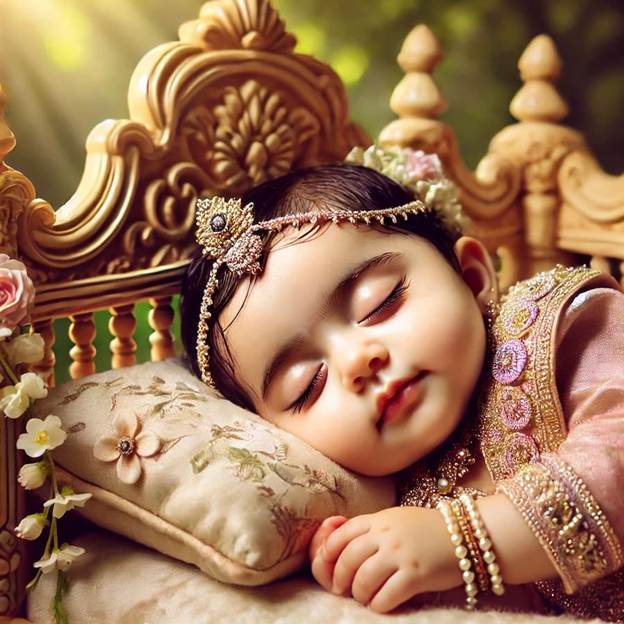
Radha Ashtami marks the divine appearance of Radharani. While Krishna appeared on Janmashtami in Mathura, Radha manifested in Barsana, a small village near Vrindavan, where she grew up. According to tradition, Radha was found as a child in a golden lotus in a pond known as Radha Kund. Her parents, Vrishabhanu Maharaj and Kirti Devi, lovingly raised her.
Interestingly, in her early years, Radha kept her eyes closed until she first saw Krishna. This symbolically reflects that without Krishna, life has no meaning for Radha. Their relationship is thus not merely romantic—it is the ultimate expression of divine union between God and the soul.
Radha Ashtami comes 15 days after Janmashtami, emphasizing that Krishna’s leelas (divine pastimes) are incomplete without Radha. Just as the moonlight complements the moon, Radha complements Krishna, making their love story timeless and sacred.
Significance of Seeking Radha’s Blessings
Why is Radha so important for devotees? The reason is profound: Radha is the greatest devotee of Krishna. She represents what every soul should aspire to—complete surrender and devotion to God.
Saints explain that Radha does not love Krishna for His power, wealth, or beauty; she loves Him simply for who He is. This selfless bhakti is what makes her the highest ideal for all spiritual seekers.
Traditional Radha Ashtami Celebrations
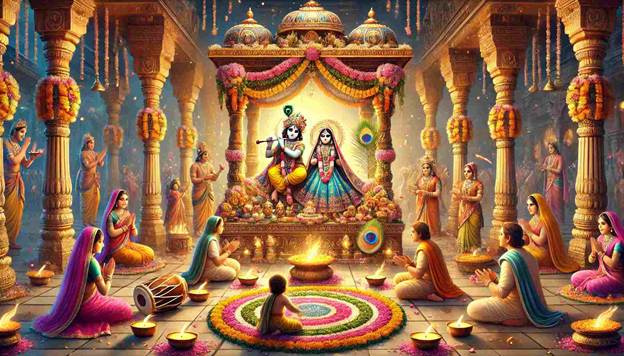
Nowhere is Radha Ashtami celebrated with greater devotion than in the towns of Vrindavan and Barsana. The temples of Radha Rani, such as Shri Radha Rani Mandir in Barsana and Banke Bihari Mandir in Vrindavan, witness thousands of devotees on this day.
- Morning Abhishek: Deities of Radha are bathed with milk, honey, curd, and sacred water, followed by the dressing in beautiful clothes and ornaments.
- Jhulan (Swing Festival): Radha and Krishna’s idols are placed on decorated swings, and devotees sing melodious kirtans as they swing them gently.
- Rasleela Performances: Artists depict the divine pastimes of Radha and Krishna, bringing the scriptures to life.
- Feasting & Seva: Devotees prepare a variety of sweets, fruits, and dishes as offerings. The prasadam is later distributed among all.
The towns resonate with chants of “Radhey Radhey!”, and the air is filled with the sound of mridangas, kartals, and devotional singing.
Radha Ashtami Rituals at Home and in Temples
For devotees who cannot travel to Vrindavan or Barsana, celebrating at home can also be deeply spiritual.
Puja Vidhi (Step-by-Step Worship)
- Purify Yourself: Take a bath and wear clean, traditional clothes.
- Prepare the Altar: Place pictures or idols of Radha-Krishna, decorate with flowers.
- Offer Panchamrit Abhishek: Bathe the idols with milk, yogurt, honey, ghee, and sugar.
- Chant Radha Mantras: Recite “Radhe Radhe Govinda” or the Radha Ashtakam.
- Offer Prasad: Prepare fruits, sweets (especially kheer and laddus), and tulsi leaves.
- Perform Aarti: Sing bhajans and wave the lamp before the deities.
- Meditation & Reading: Read Radha-Krishna leelas from scriptures.
- Fasting: Many devotees observe a fast on Radha Ashtami, consuming only fruits, milk, or light meals. The fast is broken after the evening puja.
Sustainable and Devotional Celebrations
In today’s world, festivals often lead to waste and environmental harm. Radha Ashtami can be celebrated sustainably:
- Use eco-friendly decorations (flowers, diyas, natural colors).
- Avoid plastic and chemical-based items.
- Offer home-cooked vegetarian food as prasad.
- Focus on inner celebrations—chanting, meditation, service to others.
- Support charitable causes in Radha’s name, like feeding the needy.
This way, the festival becomes both devotional and responsible.
Radha Ashtami in Jagadguru Kripalu Ji Maharaj’s teachings
For devotees of Jagadguru Shri Kripalu Ji Maharaj, Radha Ashtami holds a central place in the spiritual calendar. In his satsangs, Kripalu Ji Maharaj often explained that Radha is the very essence of bhakti (devotion). Without Radha, Krishna remains unattainable because Radha is the one who melts His heart and grants entry into His divine love.
Teachings of Jagadguru Kripalu Ji on Radha Rani
- Radha as the Supreme Shakti
Jagadguru explained that Radha is not separate from Krishna—She is Krishna’s own hladini shakti (the bliss-bestowing power). While Krishna is the Supreme Lord, Radha is His bliss form, the embodiment of divine love.
He often said: “Krishna is God, but Radha is the way to God.”
- The Role of Radha in Devotion
Kripalu Ji taught that Radha symbolizes the ideal devotee. Her love for Krishna is unconditional, unbroken, and completely selfless.
By meditating on Radha, the soul learns how to surrender and love without expectation.
- Grace of Radha
Kripalu Ji emphasized that Krishna cannot be attained by the strength of one’s own efforts. It is Radha’s mercy alone that draws Krishna to the devotee. Therefore, Radha Ashtami is the most auspicious opportunity to pray for Her grace.
- Radha as the Goal and the Path
He beautifully explained that Radha is both the destination (the divine love we seek) and the pathway (the grace through which we reach Krishna).
Radha Astami celebration in Mangarh
In Mangarh Barsana, Vrindavan, and Shyama Shyam Dham (Jaganathpuri & other centers), Radha Ashtami is celebrated with grandeur by JKP devotees.
- Mangal Aarti & Abhishek: The deities of Radha Krishna are bathed with milk, curd, honey, and ghee in the early hours.
- Decorations: Temples are decorated with flowers, lights, and colorful rangolis symbolizing Radha’s beauty.
- Bhajans & Kirtans: Devotional songs written by Jagadguru Kripalu Ji, glorifying Radha Rani’s love, are sung with deep emotion.
- Discourses: Kripalu Ji Maharaj’s recorded lectures are played, where he speaks on Radha’s supreme position.
- Seva and Feasts: Devotees prepare delicious prasad and distribute it to all.
- Jhulan Ceremony: Idols of Radha and Krishna are placed on a beautifully decorated swing, and devotees lovingly swing them while singing Radhe Radhe.
In Barsana, the native place of Radha Rani, JKP’s centers especially come alive with parikrama, sankirtan, and joyous celebrations. Thousands gather to chant “Radhe Radhe” and immerse themselves in Radha’s divine remembrance.
Key Message from Jagadguru Kripalu Maharaj Ji on Radha Ashtami
Jagadguru Kripalu Maharaj ji often summarized Radha Ashtami’s essence with one teaching:
“If you wish to receive Krishna’s love, first surrender to Radha. If you wish to attain Krishna, first seek Radha’s grace.”
Thus, Radha Ashtami becomes the perfect time to surrender the heart fully, remembering that Radha’s blessings are the bridge to Krishna’s divine love.
Swami Mukundananda’s Insights
According to Swami Mukundananda, Radha embodies the essence of bhakti yoga—the path of devotion. While humans often love conditionally, Radha teaches us to love without expecting anything in return. Her life is a constant reminder that the highest form of spiritual growth comes from surrender, humility, and longing for God.
Radha’s blessings are not material boons; rather, they are the grace of devotion. When a devotee seeks Radha’s mercy, they awaken the inner longing for God that transforms their spiritual journey.
Radha as the Embodiment of Bhakti
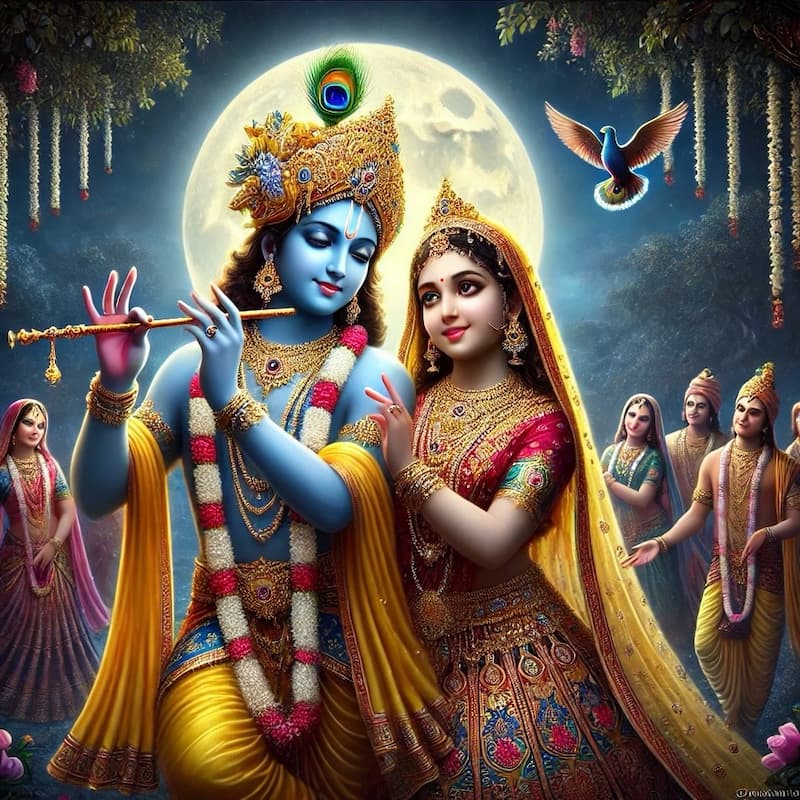
Radha is not worshipped for material wealth or prosperity but for spiritual elevation. Saints like Rupa Goswami, Mirabai, and Swami Mukundananda have often emphasized that Radha represents:
- Unconditional Love: She loved Krishna without desire for reward.
- Complete Surrender: She lived only for Krishna, forgetting herself.
- Symbol of Soul: Radha symbolizes the human soul’s longing for divine union.
Her love is transcendental, free from worldly attachments. This is why chanting Radha’s name awakens deep bhakti in the heart of devotees.
Practical Lessons from Radha Ashtami
Radha Ashtami is not just a ritual—it holds deep life lessons for modern seekers:
- Love without Conditions: Practice love in relationships without expecting returns.
- Ego-less Living: Radha teaches humility and surrender, which can reduce conflicts in life.
- Devotion in Action: Whatever we do—work, service, or family—offer it to God.
- Longing for Higher Truth: Instead of chasing material desires endlessly, cultivate spiritual aspirations.
- Inner Purity: Like Radha’s spotless love, nurture purity in thoughts, words, and actions.
Fun Facts about Radha Ashtami
- Radha was said to be older than Krishna by one year and 15 days.
- Her birthplace, Barsana, is famous for Lathmar Holi, celebrated in her honor.
- Radha Kund in Govardhan is believed to be the holiest of all holy places, created by Radha’s love.
- The greeting “Radhe Radhe” is more common than “Namaste” in Vrindavan
- In many parts of Vrindavan and Barsana, devotees greet each other with “Radhey Radhey” instead of “Namaste,” believing that simply chanting Radha’s name purifies the heart
During Radha Ashtami in Barsana, devotees perform a special parikrama (circumambulation) of Radha Rani Temple, climbing 200+ steps while chanting her name—symbolizing the soul’s upward journey toward divine love.
Conclusion
Radha Ashtami is not just the celebration of a divine appearance—it is the celebration of pure devotion. On this day, devotees remember that Radha’s love is the highest standard of bhakti. By seeking Radha’s blessings, one seeks the awakening of the soul’s love for God.
In the modern world, where relationships are transactional and love often comes with conditions, Radha teaches us to love selflessly. Her blessings are not about material gains but about inner peace, spiritual fulfillment, and eternal joy.
As we celebrate Radha Ashtami—with chants, prayers, seva, and devotion—let us remember that Radha’s greatest gift is the ability to connect us with Krishna. To call upon Radha is to call upon love itself. To celebrate her is to celebrate the essence of life—devotion, surrender, and divine bliss.
So, on this Radha Ashtami, let us bow our heads and hearts and say with devotion:
Call to Action
🛕 Celebrate Radhashtami Mahotsav 2025 at Radha Krishna Temple of Dallas

Radhashtami Mahotsav 2025
Radha Krishna Temple of Dallas
Celebrate the divine appearance of Srimati Radharani with Charan Darshan, Abhishek, Jhoolan Seva, Birthday Celebration, and Cake Cutting with Swamiji. Offer flowers, chocolates, or gifts for Baby Radha.
✨ Mahaprasad will be served after the celebration.
💝 Seva Opportunities
Select from special seva offerings below and contribute with devotion.
🌸 Celebrate Radhashtami at the Radha Krishna Temple in Dallas with love and devotion! 🌸
References
- Bhagavata Purana (Srimad Bhagavatam) – Various passages describing Krishna’s divine leelas in Vrindavan and the role of Radha Rani.
- Padma Purana & Brahma Vaivarta Purana – Scriptural mentions of Radha as the hladini shakti (bliss-giving energy) of Krishna.
- Garga Samhita – Narratives on Radha’s appearance and divine pastimes with Krishna.
- Teachings of Jagadguru Shri Kripalu Ji Maharaj – Discourses emphasizing Radha as the supreme embodiment of devotion (hladini shakti) and her central role in bhakti. (Jagadguru Kripalu Parishat publications and recorded lectures).
- Teachings of Swami Mukundananda – Insights on Radha’s selfless devotion, as shared in his lectures on bhakti yoga and Krishna-Radha tattva.
- Chaitanya Charitamrita (Krishnadas Kaviraj Goswami) – Gaudiya Vaishnava text highlighting Radha’s supreme position in devotion, as emphasized by Chaitanya Mahaprabhu.
FAQs
Q1: When is Radhashtami in 2025?
Radhashtami will be celebrated on Sunday, August 31, 2025.
Q2. Why is Radha’s birthday celebrated after Krishna’s?
Because Radha’s life and devotion complete Krishna’s leelas. Spiritually, Krishna symbolizes God and Radha represents the soul—first God appears, then the soul seeks Him.
Q3. Can non-Vaishnavas celebrate Radha Ashtami?
Yes. Radha’s message of unconditional love is universal and open to all, beyond sects.
Q4. What mantras are recited on Radha Ashtami?
Devotees recite Radha Ashtakam, chant “Radhe Radhe,” or sing bhajans like “Jaya Radhe Jaya Krishna.”
Q5. Is fasting necessary?
Fasting is optional. The main focus is devotion, prayer, and connecting with Radha-Krishna.
Q6. What is the spiritual benefit of celebrating Radha Ashtami?
Celebrating Radha Ashtami helps devotees deepen their devotion (bhakti) by meditating on Radha Rani’s unconditional love for Krishna. It inspires seekers to practice humility, surrender, and pure devotion in their own lives. Spiritually, it is believed that remembering Radha on this day draws her mercy, which in turn brings Krishna’s grace.
Q7. How is Radha Ashtami different from Janmashtami?
Janmashtami celebrates the appearance of Lord Krishna, the Supreme Divine. Radha Ashtami, observed 15 days later, celebrates the appearance of Radharani, His eternal consort and the embodiment of devotion. While Janmashtami emphasizes God’s descent into the world, Radha Ashtami highlights the soul’s eternal love for God, making the two festivals beautifully complementary.