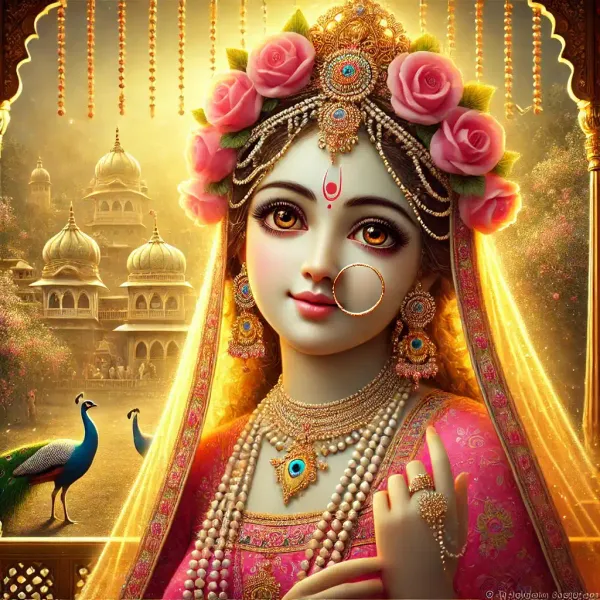
In the vast and rich tradition of Vaishnavism, Radha is often revered as the supreme power, the personification of divine energy, and the closest companion to Lord Krishna. Her devotion, love, and grace are celebrated in various hymns, scriptures, and stotras, making her one of the most significant deities in the spiritual world.
The sacred text Devi Bhagavatam describes the importance of worshipping Radha before engaging in any prayers or rituals dedicated to Lord Krishna or Lord Vishnu. The relationship between Radha and Krishna is not just one of love but of an eternal, metaphysical connection that sustains the cosmic balance.
The Essence of Radha’s Worship
According to the Devi Bhagavatam, Radha is not only the beloved of Lord Krishna but also the very Prana (life force) of Krishna. This suggests that Krishna, in his divine form, is inseparable from Radha, and it is through her that the Lord's essence is sustained. The verse from Devi Bhagavatam powerfully states:
"Without worship of Radha, never can worship of Sri Krishna be done. So men devoted to Vishnu should first of all worship Radha via all means. Radha is the Presiding Deity Sri Krishna's Prana. Therefore, Sri Krishna is so much subject to Radha. That Lady of Rasa Mandalam is forever close to Him. Without Her, Sri Krishna could not live even for one moment."
This divine connection underscores the importance of Radha in the worship of Lord Krishna. The scriptures suggest that without Radha, Krishna would not be able to exist, emphasizing her indispensable role in the cosmic arrangement that powers everything in existence.
Radha's love for Lord Krishna is so intense that if she were to unleash even the slightest fragment of her longing, the entire universe would be reduced to ashes.
Radha as Mulaprakriti
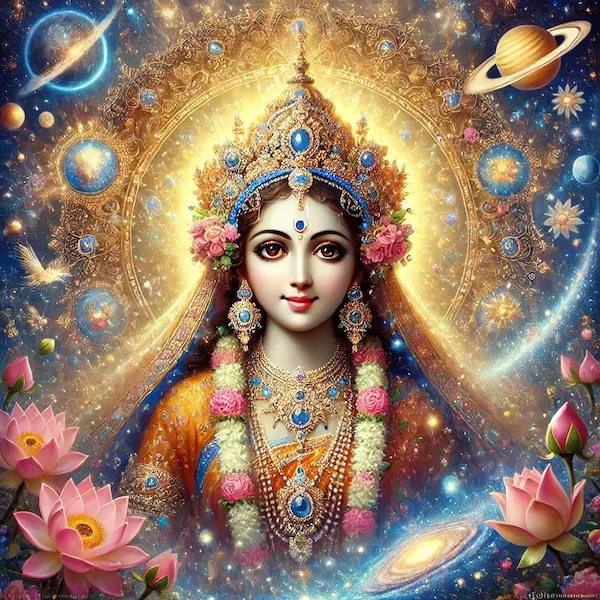
In addition to being the consort of Krishna, Radha represents Mulaprakriti — the primal, eternal energy that underpins the entire universe. She is the embodiment of all divine Shaktis, the cosmic forces that create, sustain, and destroy the universe.
The Devi Bhagavatam also portrays Radha as the Mother of the Three Lokas, the three realms of existence — the physical, the celestial, and the spiritual. All celestial beings, including the gods, bow before her, acknowledging her supreme power and mercy.
"I bow to Thee. Oh Thou, Mother of three Lokas! Oh Thou who is one ocean of mercy! Be pleased. Brahma, Vishnu, and other celestials before Thy lotus feet. Thou art Sarasvati; Thou art Savitri; Thou art Shankari; I bow down to Thee; Thou art Ganga; Thou art Padmavati; Thou art Sasthi; Thou art Mangala Chandi; Thou art Manasa; Thou art Tulasi; Thou art Durga; Thou art Bhagavati; Thou art Lakshmi; Thou art all, I bow to Thee. Thou art Mulaprakriti, Thou art the ocean of mercy, Oh Radharani."
This verse beautifully illustrates the numerous divine forms of Radha — Sarasvati (goddess of knowledge), Savitri (goddess of life), Durga (goddess of power), Lakshmi (goddess of wealth), and more. Each of these manifestations speaks to her all-encompassing nature, as she is the source of all divine energies. In her, all aspects of the universe find their origin, and to her, all beings return.
Radha in the Devi Bhagavatam
The Devi Bhagavatam speaks extensively about Radha's role and divine nature. These verses highlight her supreme position, her love for Krishna, and her omnipresence in the universe.
Verse 1:
Sanskrit:
नमस्ते परमेशानि रासमण्डलवासिनि।
रासेश्वरि नमस्तेऽस्तु कृष्णप्राणाधिकप्रिये॥
[Devi Bhagwat (9.50.46) (Sri Radha Namaskar Stotram (1)]
Translation:
Lord Narayan speaks, “Salutations to you, O Supreme Goddess, the resident of the Rasa-mandala. O Queen of the Rasa dance, Sri Radha, I bow to you! You are dearer to Sri Krishna than His very life.”
Explanation:
This verse reflects the supreme importance of Radha. She is not only the beloved of Lord Krishna but is also central to his divine leela, surpassing even his own existence in importance.
Verse 2:
Sanskrit:
नमस्त्रैलोक्यजननि प्रसीद करुणार्णवे।
ब्रह्मविष्ण्वादिभिर्देवैर्वन्द्यमानपदाम्बुजे ॥
[Devi Bhagwat (9.50.47) (Sri Radha Namaskar Stotram (2)]
Translation:
Lord Narayan speaks, “O Sri Radha, ocean of compassion and mother of the three worlds, I bow before you with utmost humility. Please be pleased with me, for Brahma, Vishnu, and countless other deities worship your divine lotus feet.”
Explanation:
Here, Radha is described as the mother of all worlds and the embodiment of mercy. Even the highest deities like Brahma, Vishnu, and Shiva revere her, recognizing her power and grace.
Verse 3:
Sanskrit:
मूलप्रकृतिरूपां त्वां भजामः करुणार्णवाम्।
संसारसागरादस्मानुद्धराम्ब दयां कुरु॥
[Devi Bhagwat (9.50.50) (Sri Radha Namaskar Stotram (5)]
Translation:
I worship You, O fathomless ocean of compassion, Sri Radha, the very form of the primordial nature (Mula Prakrti). Please lift us out of this ocean of worldly existence — have mercy on us, O Mother!
Explanation:
Radha is hailed as Mula Prakrti, the original, eternal cosmic energy. Her mercy is sought to transcend the material world and reach highest spiritual attainment.
Verse 4:
Sanskrit:
रसभोग प्रदानेन राधा वृद्धिकरीमता।
[Devi Bhagwat]
Translation:
Shri Krishna himself is the personification of Nectar, and nectar is something which everyone is searching for since eternity. Shri Radha is the essence of that immeasurable nectar who bestows nectar to Shri Krishna Himself.
Explanation:
This verse emphasizes Radha's role in bestowing the ultimate divine nectar, which is the essence of bliss. Radha herself is the source of Krishna's divine experience of sweetness and bliss.
The Role of Radha in the Cosmic Order
Radha’s omnipresence and divine nature reflect the intricate relationship between the physical world and the spiritual realm. While Lord Krishna represents the divine form of Brahman — the Supreme Consciousness — Radha is seen as the Shakti, the energy that allows Krishna to manifest and interact with the world. Without Radha, Krishna would remain in his transcendental, unmanifested state. She enables him to play, create, and express his divine lila (play) in the world.
This eternal relationship between Radha and Krishna teaches us that the divine feminine energy is central to the functioning of the universe. Radha is the motivating force behind all cosmic actions. Her presence ensures that creation continues and that the principles of love, devotion, and surrender hold sway over the hearts of all beings.
Worshipping Radha Before Krishna
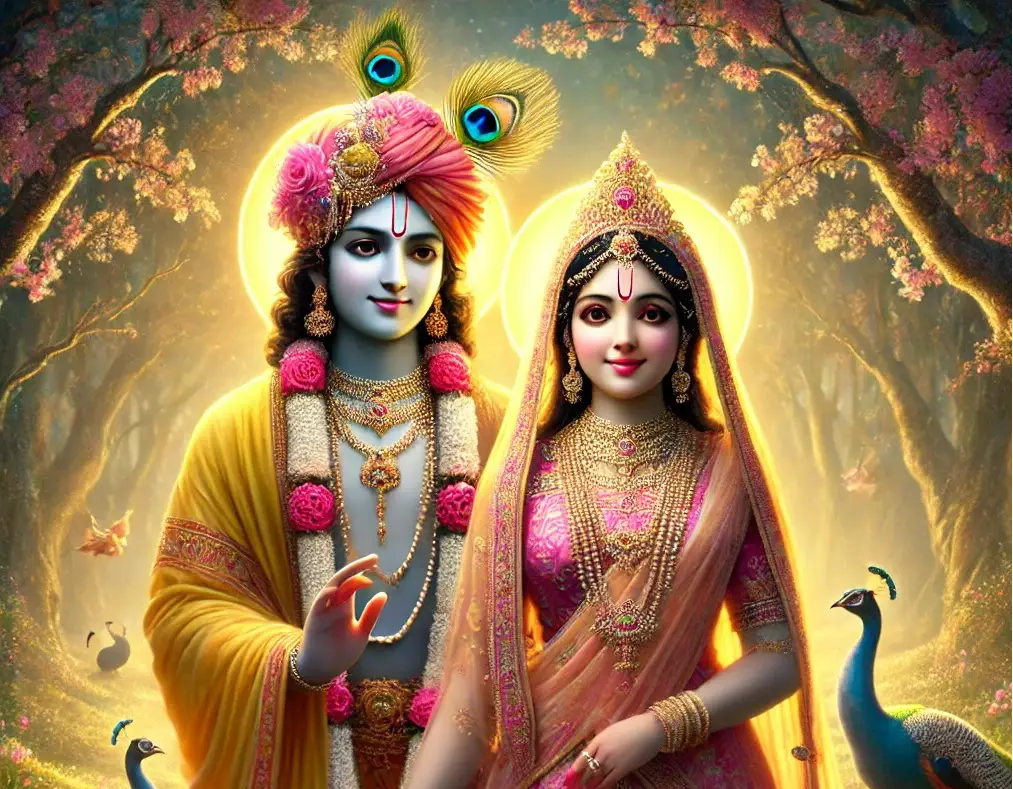
The sacred teachings of Devi Bhagavatam encourage devotees to first offer their prayers to Radha before invoking the name of Krishna. It is believed that Radha is the first step towards understanding and experiencing the presence of Krishna. By worshipping Radha, devotees seek her blessings, which in turn purify the heart and mind, making it receptive to Krishna's divine grace.
This principle underscores the importance of Radha in the devotional practices of Vaishnavism. She is not just a figure of devotion but the very essence of the divine experience. Radha's worship is an avenue for gaining closeness to Krishna, as her love and devotion guide the devotee towards the ultimate union with the divine.
Radha's Mercy: A Gateway to Spiritual Perfection
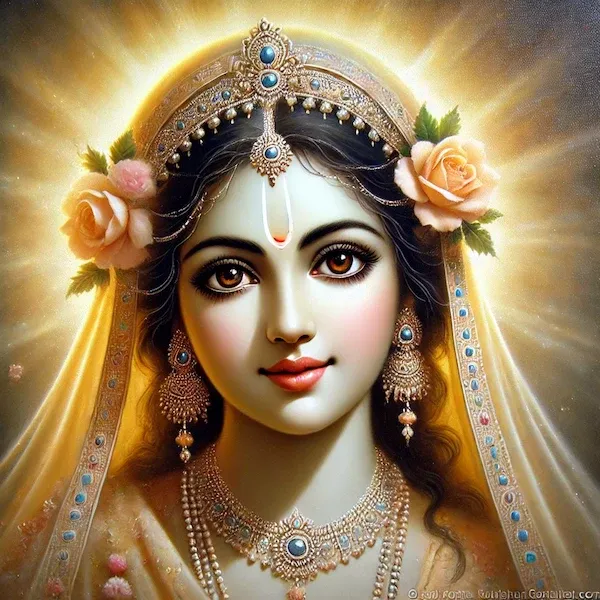
Radha's role in the cosmic order is also seen in the mercy she bestows upon her devotees. The Devi Bhagavatam calls her an ocean of mercy, and indeed, her compassion is the very force that grants spiritual liberation. By invoking her name and performing her worship, devotees experience ananda (bliss) & sattva (purity).
The essence of devotion towards Radha lies in the purity of heart and the surrender of the self. As her devotees chant her holy names, meditate upon her, and express their love for Krishna through her, they open the doors to eternal peace and divine joy. Radha is the embodiment of unconditional love and divine grace — qualities that elevate the soul towards spiritual awakening.
Radha Tapani Upanishad: A Deep Dive into Radha’s Nature
The Radha Tapani Upanishad is an important text that delves deeper into the essence of Radha, depicting her as the ultimate reality and the supreme power behind Lord Krishna’s divine actions.
The Radha Tapani Upanishad teaches that by meditating on Radha’s divine form, a devotee can transcend the limitations of the material world and attain liberation. It also describes the unique bond between Radha and Krishna, where Radha represents the love and devotion that brings about divine union.
Through this Upanishad, we learn that Radha is the very embodiment of bhakti (devotion), and through her grace, one can attain the highest spiritual realization.
Origin of the Name ‘Radhika’:
The name “Radhika” is derived from the root word ‘Radha’, which comes from the verb ‘Radhayati’. This verb translates to “Supremely merciful,” emphasizing Radha’s core essence as the embodiment of boundless mercy and compassion. Her nature transcends mere love; it is a divine force that nurtures all existence. While she is most famously known as the beloved of Lord Krishna, her significance extends beyond this. Radha is revered as the ultimate source of divine grace, the very power that sustains the universe and enables the divine play (lila) of Krishna.
The Divine Nectar of Radha’s Love
The Devi Bhagavatam beautifully describes Radha as the source of the highest form of bliss, which is the divine nectar that sustains not only Krishna but also all of creation. Radha is the essence of the nectar of divine love, and it is through her that Krishna experiences the ultimate sweetness of devotion.
This divine nectar, represented by Radha’s love, is the ultimate bliss that transcends material pleasure and takes the soul towards spiritual fulfillment.
Conclusion: The Supreme Position of Radha
The teachings of the Devi Bhagavatam and other sacred texts provide us with a profound understanding of Radha's supreme position in the spiritual hierarchy. She is not just the consort of Lord Krishna but the very energy that sustains him and the entire cosmos. Her worship precedes that of Krishna, and through her, one gains access to the divine play of Lord Krishna.
Radha's significance extends beyond her relationship with Krishna; she represents the primordial feminine energy, the source of all creation, and the ultimate power that governs the universe. As the Mulaprakriti, she is the origin of all beings and all cosmic laws. In devotion to her, we not only find the key to Krishna's heart but also unlock the mysteries of the universe.
For those seeking spiritual growth and enlightenment, Radha offers the path of surrender, devotion, and love. Through her mercy, devotees can transcend the material world and experience the eternal presence of the divine. By acknowledging her supreme power and seeking her grace, one embarks on the journey toward the highest bliss, guided by the radiant light of her divine love.
Call to Action
Experience the wisdom and divine teachings of Swami Mukundananda! For deeper spiritual insights and guidance, subscribe to his YouTube channel now. Join a community of seekers and embark on a transformative journey towards inner peace and devotion. Don’t miss out on his enlightening talks and practices — subscribe today!
Join Us for Navaratri 2025
At Radha Krishna Temple of Dallas
Celebrate the nine nights of the Divine Mother with us in a grand Navaratri Mahotsav filled with devotion, music, dance, and wisdom.
Event Highlights:
- Daily Durga Puja and Aarti
- Mahishasura Mardini Stotram and Durga Chalisa Chanting
- Garba and Dandiya Raas Nights
- Cultural Programs and Bhajans
- Special Yagnas and Homams
- Devi Lectures and Kids’ Activities
📍 Location:
Radha Krishna Temple of Dallas
1450 N Watters Rd, Allen, TX 75013
📅 Navaratri Dates: September 30 – October 8, 2025
🎟️ Free Entry | Open to All | Family-Friendly
Come with devotion. Leave with divine blessings.
FAQs:
- Why is Radha worshiped before Krishna?
Radha is revered as the Prana (life force) of Lord Krishna, without whom Krishna’s divine play could not exist. Worshipping Radha purifies the heart and prepares the devotee to experience Krishna's grace. - What is Radha's role in the cosmic order?
Radha represents Mulaprakriti, the primal energy that sustains the universe. She embodies mercy, love, and the divine feminine energy that fuels creation, sustenance, and destruction. - How does Radha's worship lead to spiritual enlightenment?
Radha's mercy guides devotees toward spiritual liberation (Moksha). Through her love and compassion, devotees transcend material limitations and connect with the divine, realizing ultimate bliss. - What sacred texts describe Radha's divine nature?
The Devi Bhagavatam extensively highlights Radha’s supreme position, illustrating her omnipresence, mercy, and connection with Lord Krishna. Other texts like the Radha Tapani Upanishad also delve deeper into her role in the divine realm. - What does Radha symbolize in Vaishnavism?
In Vaishnavism, Radha symbolizes the highest form of devotion (Bhakti), unconditional love, and divine feminine energy. Her worship precedes Krishna's to prepare the devotee’s heart for a deeper connection with the Lord.