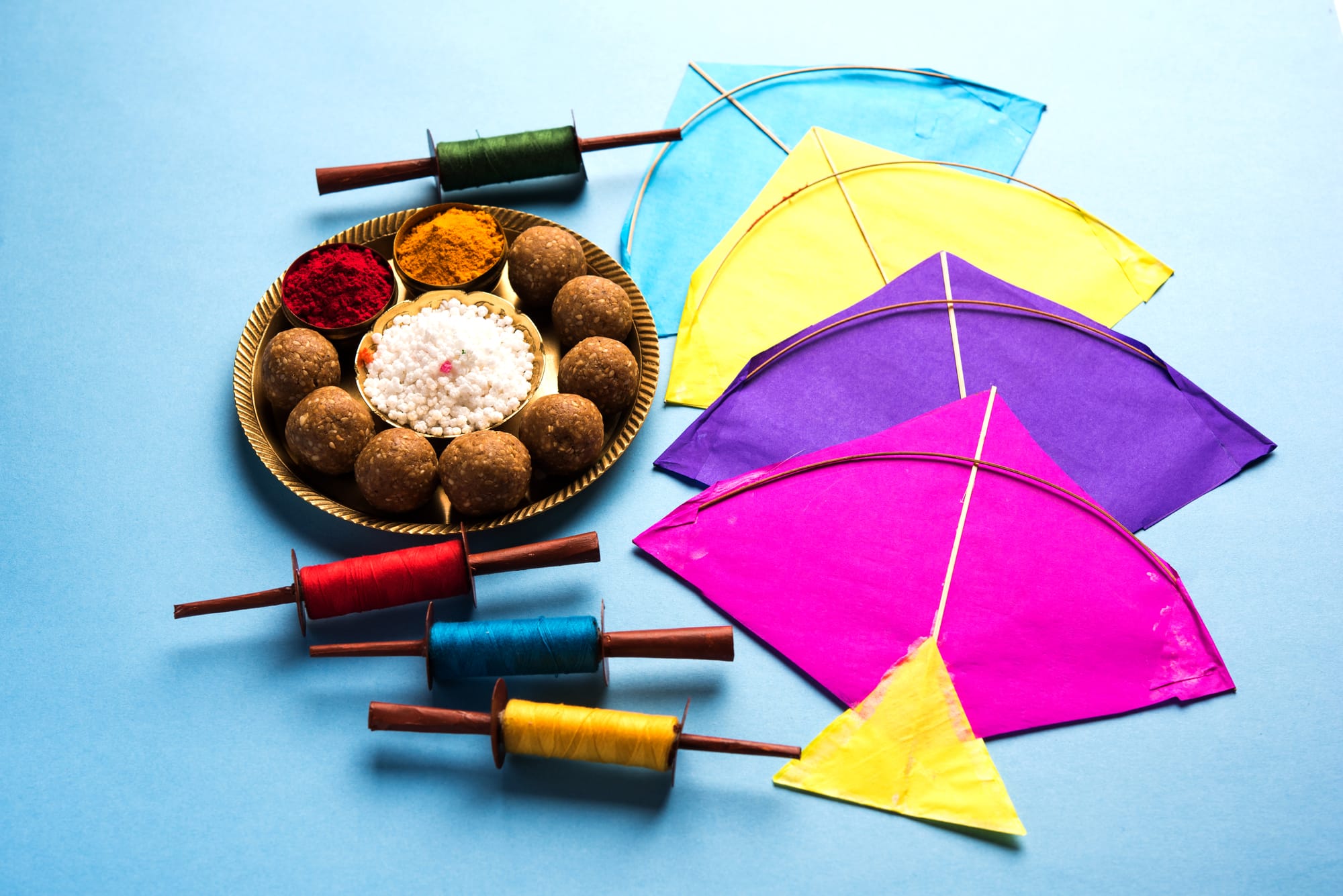
A sunrise that binds India together
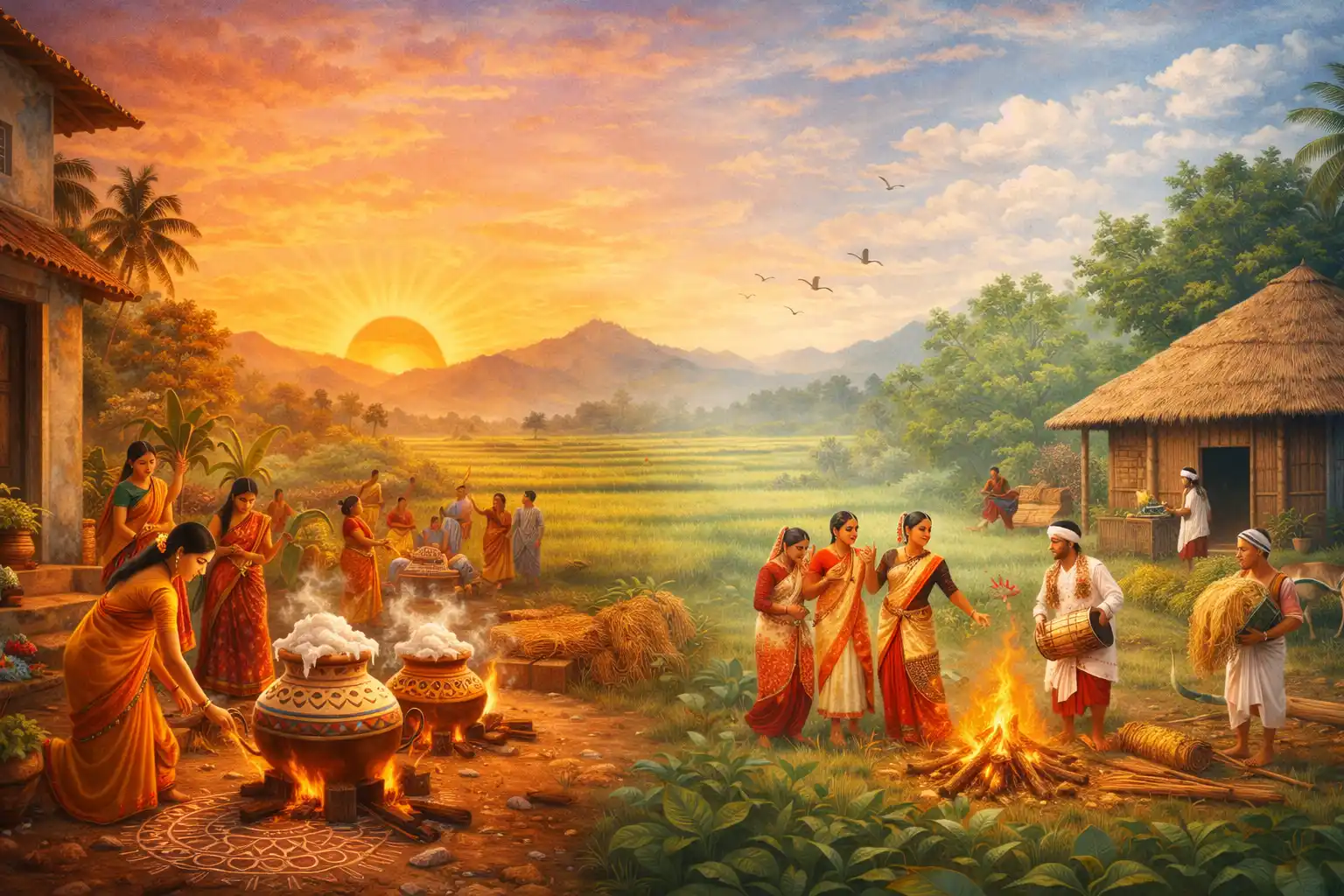
On a cool January morning in 2026, the sun rises gently over two very different landscapes. In Tamil Nadu, the smell of fresh rice simmering in clay pots drifts through villages as women draw intricate kolams at their doorsteps. Thousands of kilometers away in Assam, mist floats above emerald paddy fields while families prepare for joyous feasts and bonfires. The languages, attire, and music are different, yet the emotion is the same. Gratitude. Hope. Renewal.
This shared spirit is what makes Pongal and Magh Bihu so special. They are harvest festivals rooted in agriculture, astronomy, and community life. They honor the sun, the earth, cattle, and the farmers whose labor sustains millions. In 2026, these festivals once again invite people across India and the global diaspora to pause, celebrate abundance, and welcome a new agricultural cycle.
This detailed guide explores Pongal and Magh Bihu 2026 with a complete four day schedule, traditional recipes, regional customs, and cultural meaning
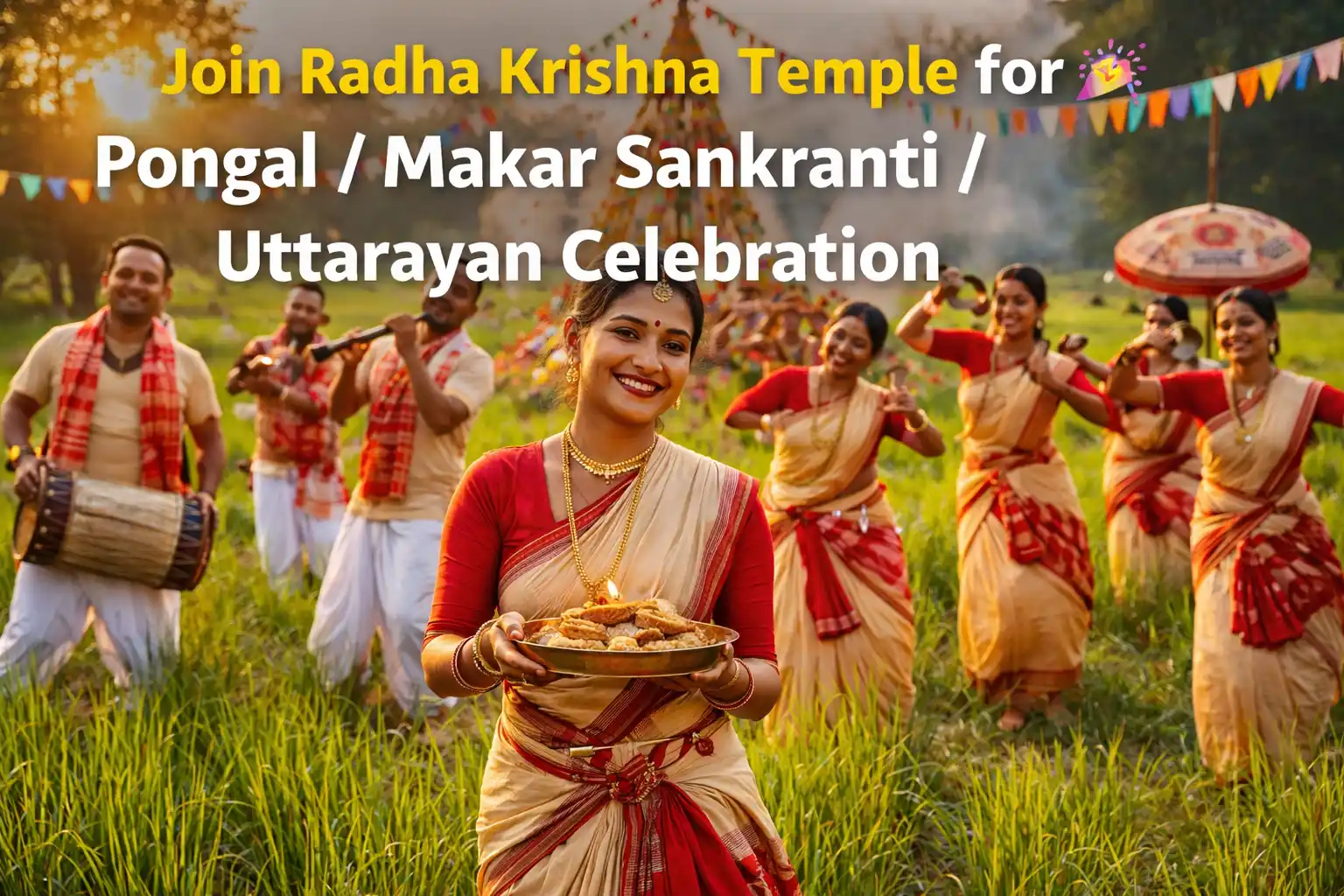
Understanding the harvest connection
Harvest festivals exist in almost every agrarian society. In India, Pongal and Magh Bihu mark the end of the winter harvest season and the beginning of longer days after the sun’s northward journey. They are aligned with the solar calendar, which is why their dates remain largely consistent each year.
In 2026, both festivals fall in mid January, creating a beautiful cultural overlap between South India and Northeast India. Though rituals differ, the themes of thanksgiving, community feasts, and honoring nature connect them deeply.
Pongal 2026 overview
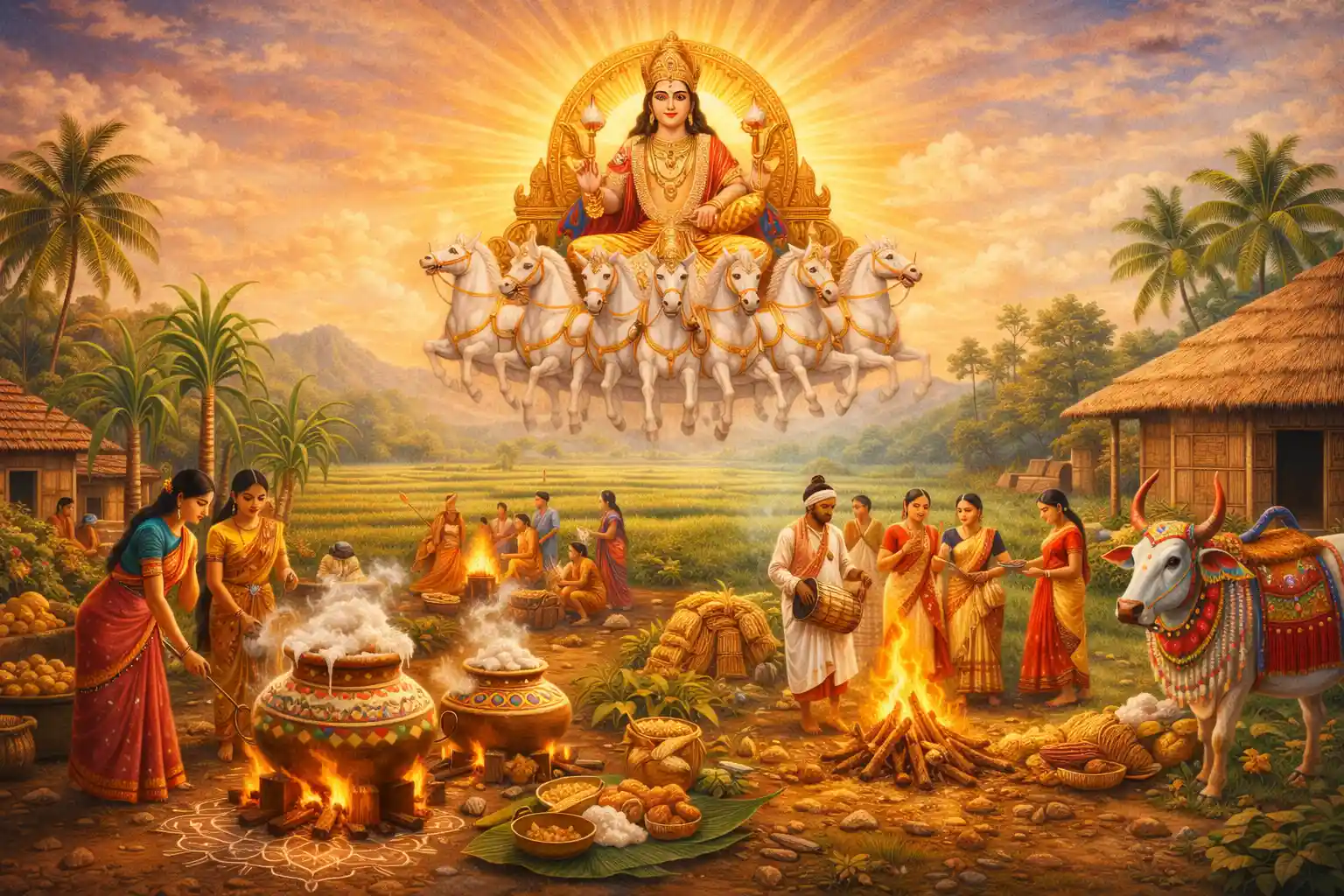
Pongal is primarily celebrated in Tamil Nadu and by Tamil communities worldwide. The word “Pongal” means to boil over, symbolizing abundance and prosperity. The festival is dedicated to Surya, the sun god, and celebrates the harvest of rice, sugarcane, and turmeric.
Pongal is observed over four days, each with its own name, meaning, and customs.
Pongal 2026 dates
In 2026, Pongal is celebrated from Wednesday, January 14 to Saturday, January 17. These dates are based on the solar transition of the sun into the Capricorn zodiac sign, known as Makara.
Day by day Pongal 2026 schedule
Day 1: Bhogi Pongal
Date: Wednesday, January 14, 2026
Bhogi Pongal marks renewal and letting go of the old. Families clean their homes thoroughly and discard unused items. Traditionally, a bonfire is lit at dawn using old clothes and household articles, symbolizing the burning away of negativity.
Homes are decorated with mango leaves and fresh kolams. Children enjoy watching elders perform rituals, while songs praising nature and rain gods are sung in rural areas.
Bhogi also honors Lord Indra, the god of rain, acknowledging his role in agricultural prosperity.
Day 2: Thai Pongal
Date: Thursday, January 15, 2026
Thai Pongal is the main day of the festival. It is dedicated to Surya, the sun god. Early in the morning, families cook the special Pongal dish outdoors under sunlight. When the milk boils over, everyone shouts “Pongalo Pongal,” a joyful declaration of abundance.
Offerings include freshly harvested rice, jaggery, sugarcane, turmeric plants, bananas, and coconuts. The ritual expresses gratitude for sunlight that sustains life and crops.
People wear traditional clothes, visit relatives, and exchange sweets. In villages, cultural performances and games add to the festive mood.
Day 3: Mattu Pongal
Date: Friday, January 16, 2026
Mattu Pongal honors cattle, which are essential partners in farming. Cows and bulls are bathed, decorated with colorful beads, bells, and painted horns. They are fed special meals and worshipped.
In many regions, traditional sports and cattle related events take place. The day reinforces respect for animals and ecological balance.
Mattu Pongal is also associated with stories from Hindu mythology that emphasize harmony between humans, animals, and gods.
Day 4: Kaanum Pongal
Date: Saturday, January 17, 2026
Kaanum Pongal focuses on social bonding. Families go on picnics, visit riversides, beaches, or temples, and spend time together. Women often prepare mixed rice varieties and share them with relatives.
This day celebrates relationships, community harmony, and leisure after days of ritual observance.
Traditional Pongal recipes
Food is central to Pongal celebrations. Recipes use freshly harvested rice, lentils, jaggery, ghee, and spices.
Sweet Sakkarai Pongal
Ingredients include raw rice, moong dal, jaggery, ghee, cashews, raisins, and cardamom. The dish is slow cooked until creamy and aromatic. It is offered to the sun god before being shared with family.
Ven Pongal
This savory version uses rice, moong dal, black pepper, cumin, ginger, and generous ghee. It is commonly served with coconut chutney and sambar.
Sugarcane and fresh fruits
Sugarcane symbolizes sweetness and prosperity. Fresh seasonal fruits are offered and distributed during rituals.
Magh Bihu 2026 overview
Magh Bihu, also known as Bhogali Bihu, is the harvest festival of Assam. It celebrates abundance, community feasting, and the end of the agricultural cycle. Unlike Rongali Bihu, which marks the Assamese New Year, Magh Bihu focuses on food, warmth, and gratitude during winter.
The festival spans two main days, but preparations and post rituals extend the celebration into a four day cultural experience.
Magh Bihu 2026 dates
In 2026, Magh Bihu is celebrated from Wednesday, January 14 to Saturday, January 17, aligning closely with Pongal and other harvest festivals across India.
Day by day Magh Bihu 2026 schedule
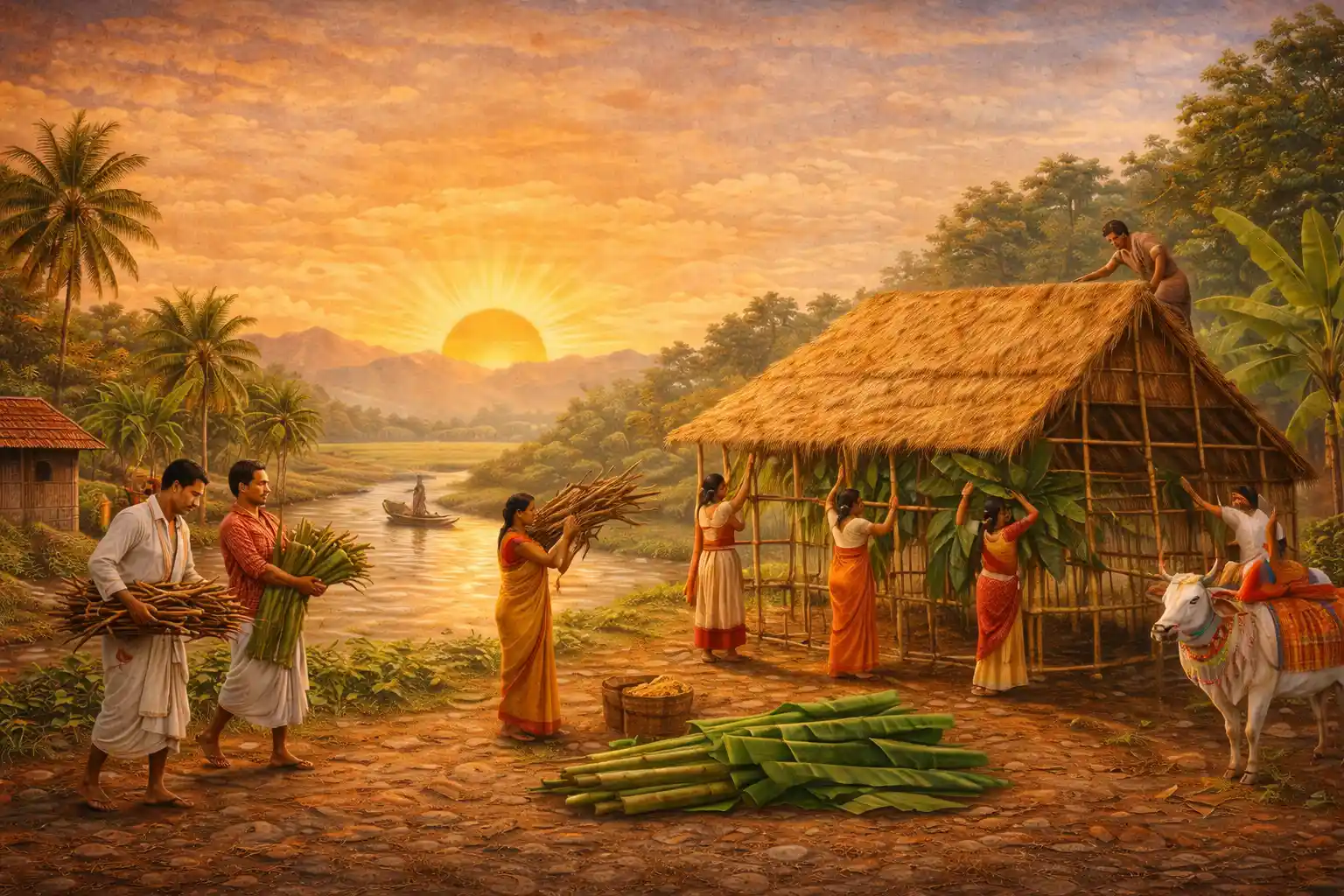
Day 1: Preparation and community gathering
Date: Wednesday, January 14, 2026
The first day is devoted to preparation. Villagers gather firewood, bamboo, and banana leaves to construct temporary huts called Bhelaghar. These structures are built collectively near fields or rivers.
Families prepare traditional snacks and store harvested rice and grains. The day sets the tone for unity and shared effort.
Day 2: Uruka Night
Date: Thursday, January 15, 2026
Uruka Night is the heart of Magh Bihu celebrations. It is a night of feasting, music, and storytelling. Communities cook meals together in open spaces, often near rivers.
Traditional games, folk songs, and laughter continue late into the night. The sense of togetherness is central, as people eat from the same hearth and celebrate collective prosperity.
Day 3: Magh Bihu and Meji Bonfire
Date: Friday, January 16, 2026
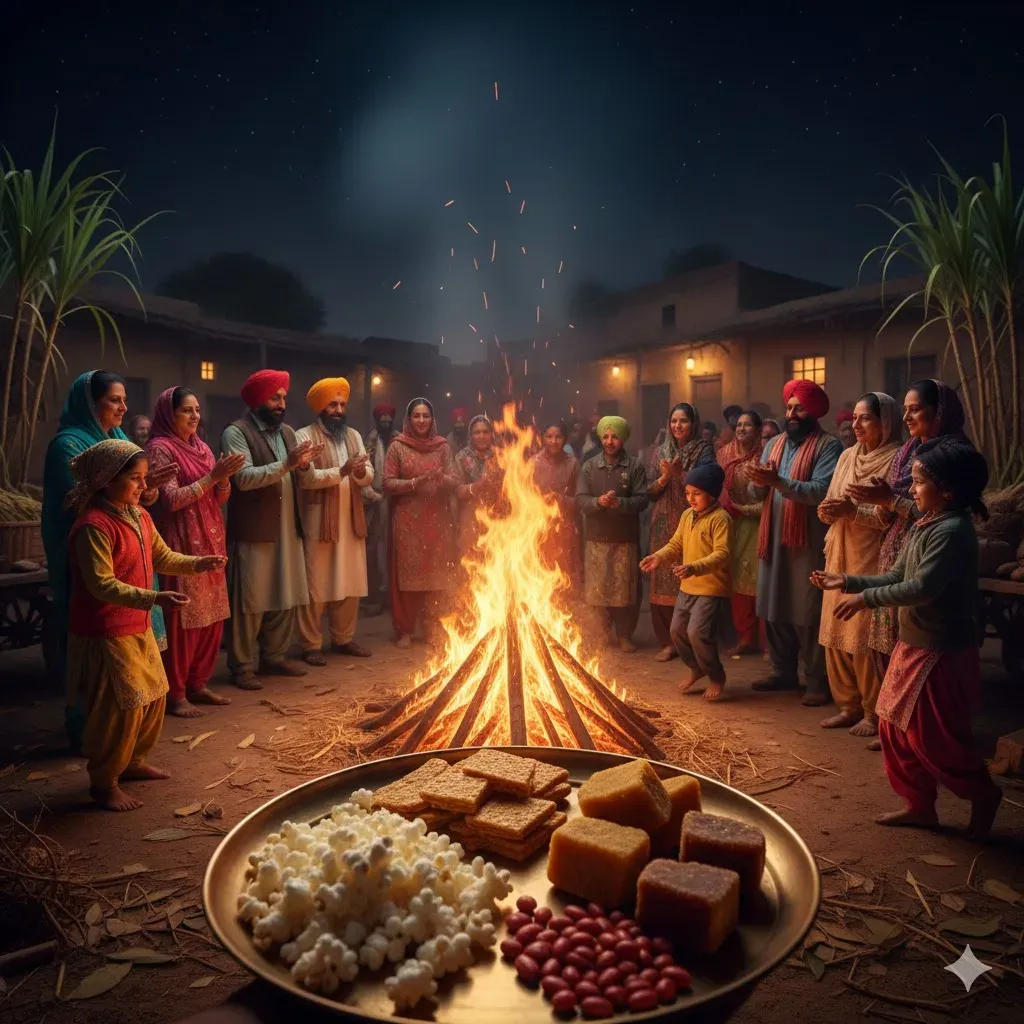
Early in the morning, people gather around the Meji bonfire. Offerings of rice cakes and betel nuts are made to Agni, the fire god. Prayers are offered for health, prosperity, and good harvests.
After rituals, the Meji is set ablaze, symbolizing the burning away of hardship and welcoming warmth and light.
Families then return home to enjoy festive meals throughout the day.
Day 4: Post Bihu visits and leisure
Date: Saturday, January 17, 2026
The final day involves visiting relatives, exchanging food, and relaxing. Young people play traditional sports, while elders share stories of past Bihu celebrations.
This day reinforces social bonds and allows the community to unwind after the main festivities.
Traditional Magh Bihu recipes
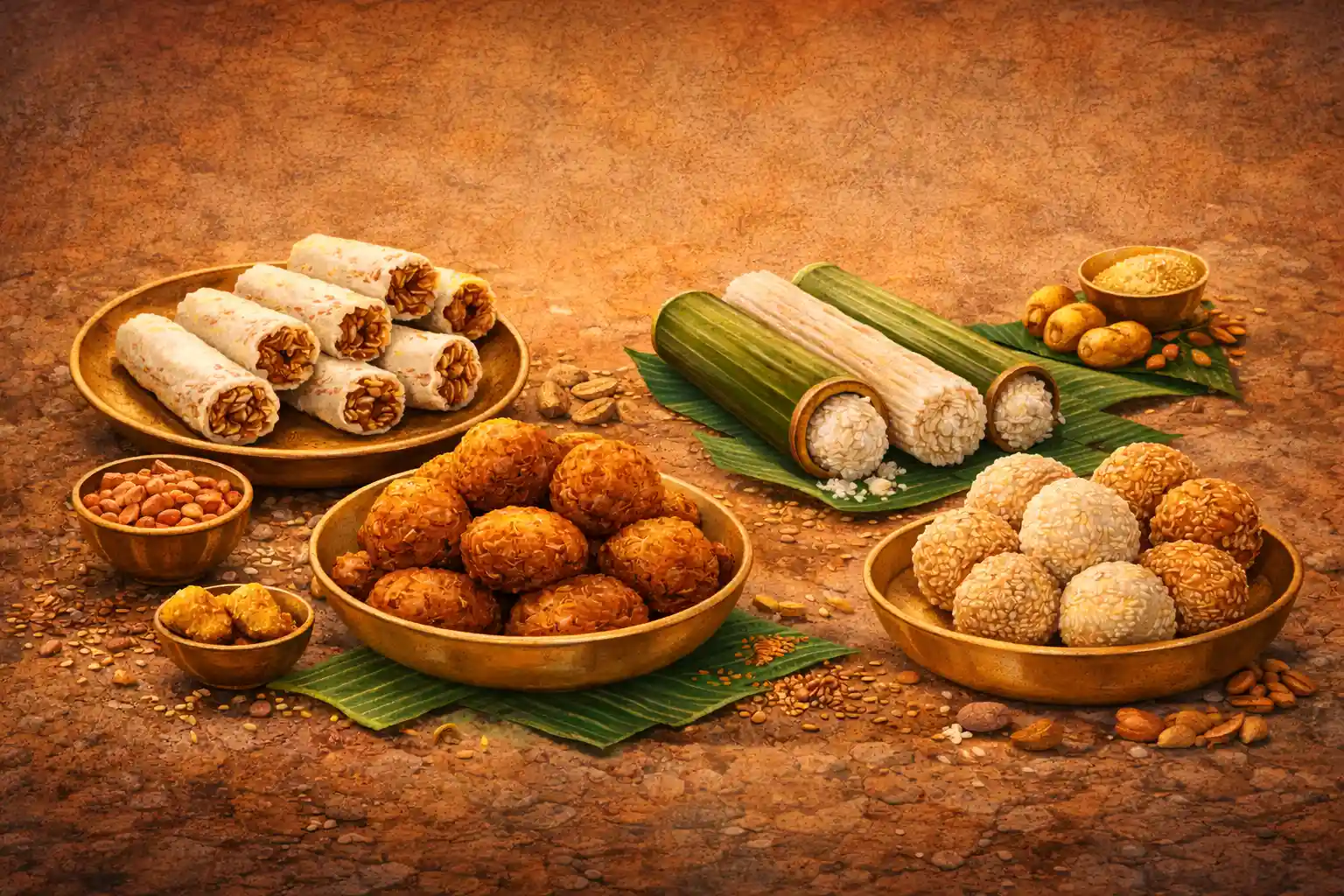
Magh Bihu cuisine reflects Assam’s agrarian lifestyle and love for rice based snacks.
Pitha varieties
Pitha are rice cakes made in different styles such as Til Pitha filled with sesame and jaggery, Ghila Pitha fried and soft, and Sunga Pitha cooked inside bamboo.
Here are traditional Assamese pitha recipes commonly prepared during Magh Bihu (Bhogali Bihu). These are authentic, home style recipes passed down through generations.
Til Pitha (Sesame Stuffed Rice Roll)
Ingredients
- Bora rice or sticky rice flour – 2 cups
- Black sesame seeds – 1 cup
- Jaggery – ¾ cup (grated)
- Water as needed
Method
- Dry roast sesame seeds and grind coarsely.
- Melt jaggery slightly and mix with sesame.
- Prepare a smooth batter using rice flour and water.
- Spread thinly on a hot pan or cloth over heat.
- Add filling, roll gently, and cook until set.
Ghila Pitha (Soft Fried Rice Cakes)
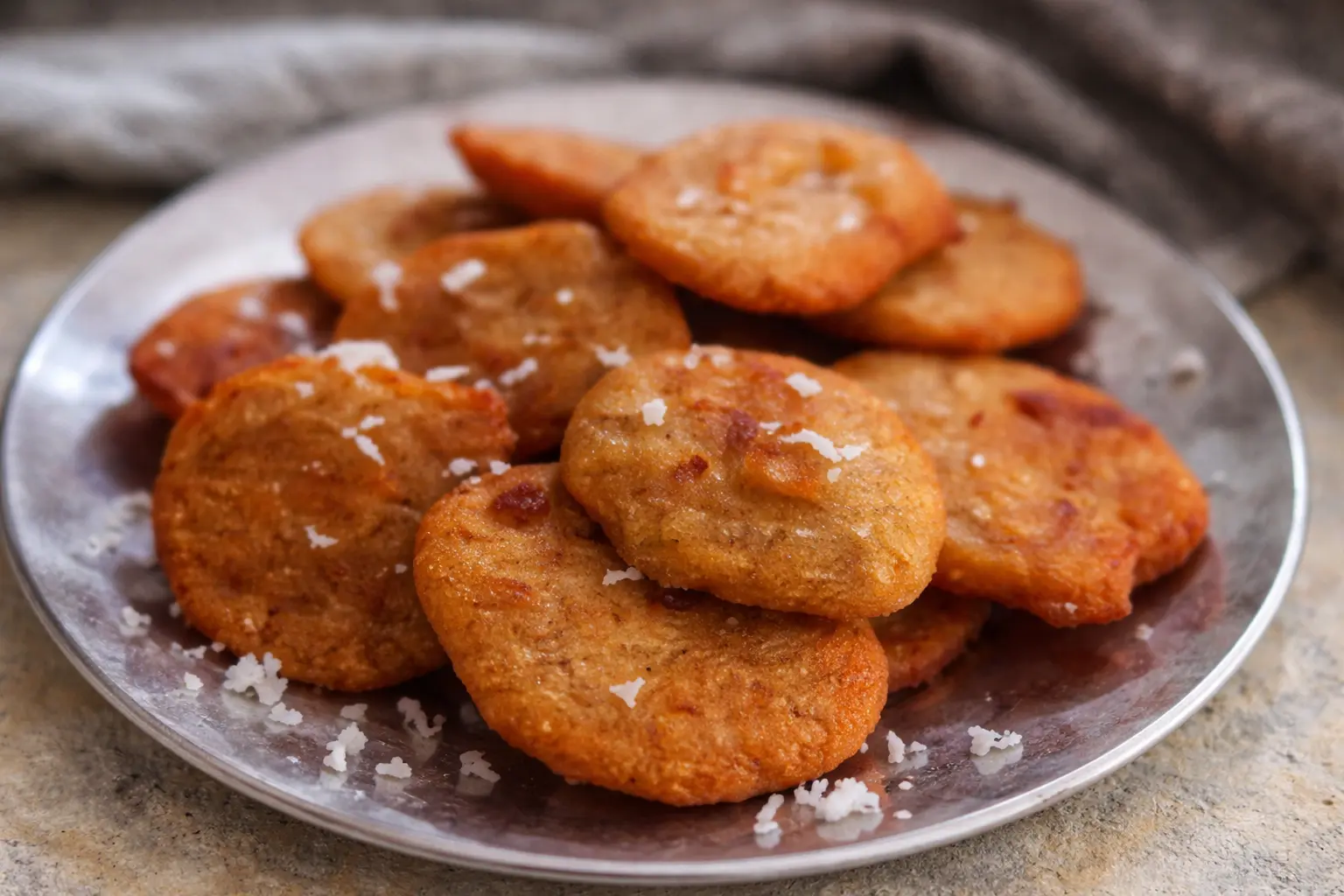
Ingredients
- Bora rice soaked overnight – 2 cups
- Jaggery – ½ cup
- Oil for frying
Method
- Grind soaked rice into a thick batter.
- Mix in jaggery thoroughly.
- Drop spoonfuls into hot oil.
- Fry until golden brown on both sides.
Sunga Pitha (Bamboo Cooked Rice Cake)
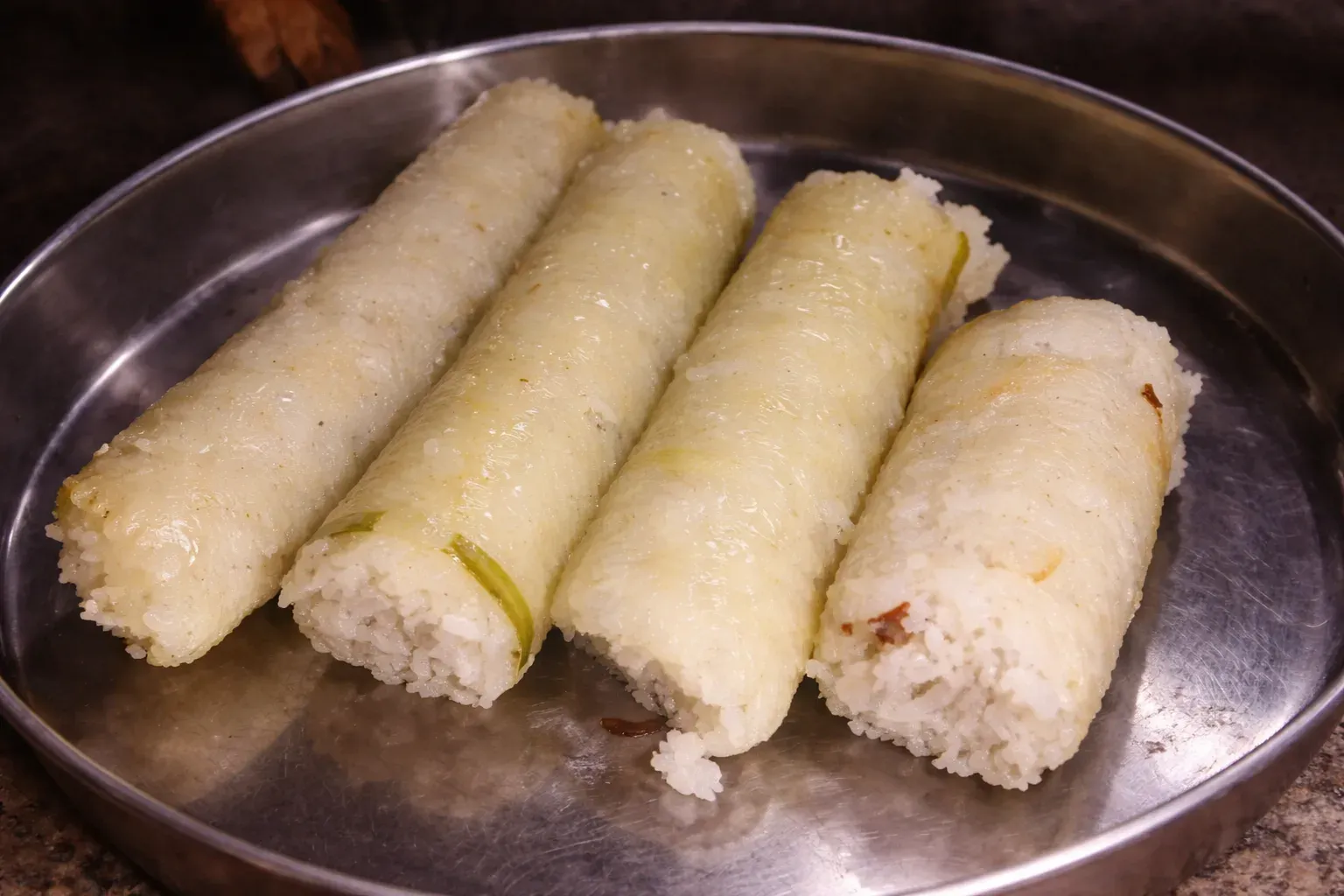
Ingredients
- Sticky rice flour – 2 cups
- Jaggery – ½ cup
- Fresh bamboo tubes
- Banana leaves
Method
- Mix rice flour, jaggery, and water into thick batter.
- Line bamboo tubes with banana leaves.
- Pour batter and roast slowly over fire.
- Break bamboo and slice once cooked.
Narikol Pitha (Coconut Stuffed Pitha)
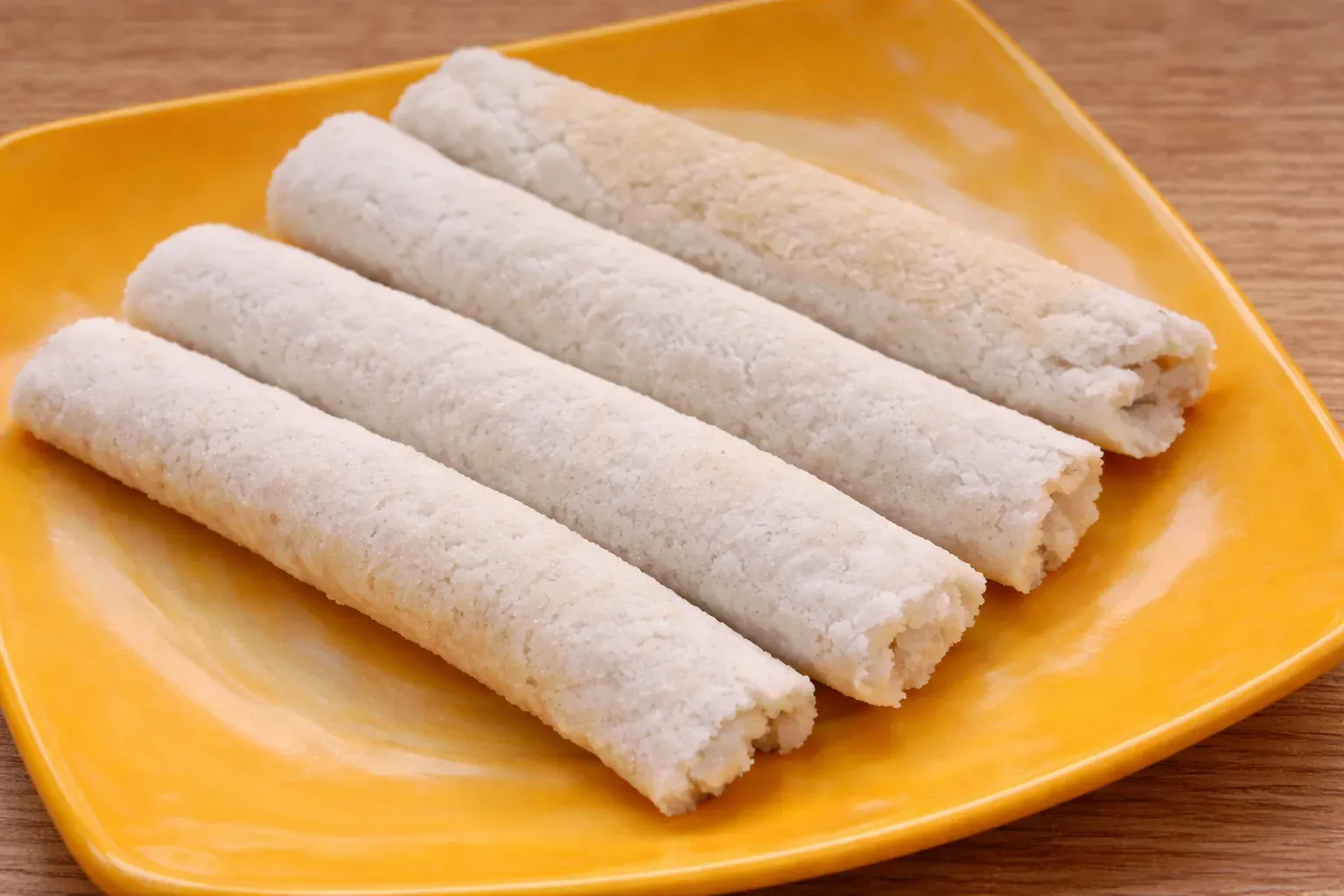
Ingredients
- Rice flour – 2 cups
- Grated coconut – 1 cup
- Jaggery – ½ cup
Method
- Mix coconut and jaggery for filling.
- Prepare soft rice dough.
- Stuff, fold, and seal pithas.
- Steam or shallow fry until cooked.
Tekeli Pitha (Steamed Earthen Pot Pitha)
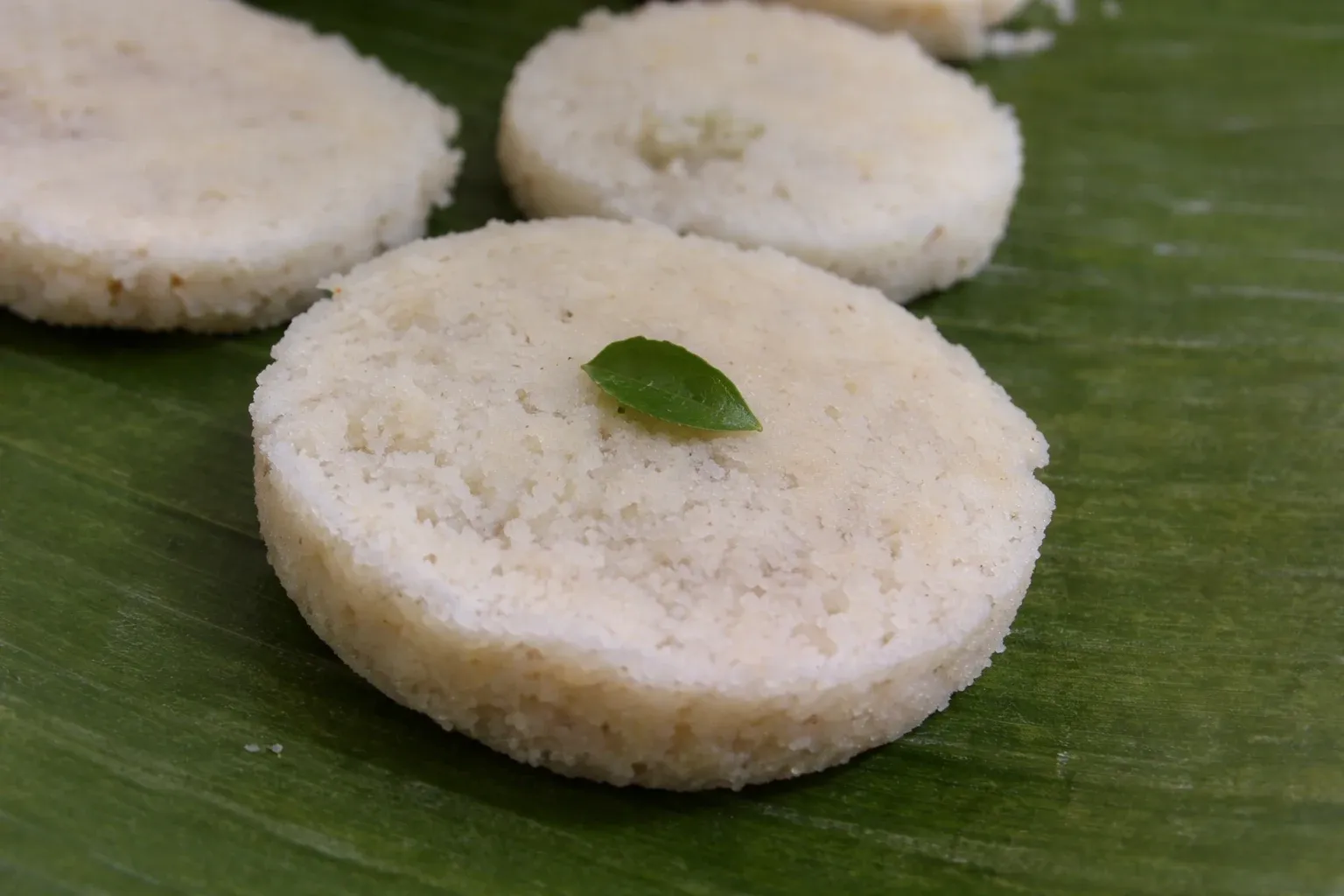
Ingredients
- Rice flour – 2 cups
- Jaggery – ½ cup
- Sesame or coconut (optional)
Method
- Mix rice flour and jaggery well.
- Steam inside an earthen pot (tekeli).
- Cook until firm and aromatic.
- Slice and serve warm.
Serving Tip
Assamese pithas taste best freshly prepared and are traditionally enjoyed with hot black tea during Magh Bihu mornings.
Cultural significance and regional diversity
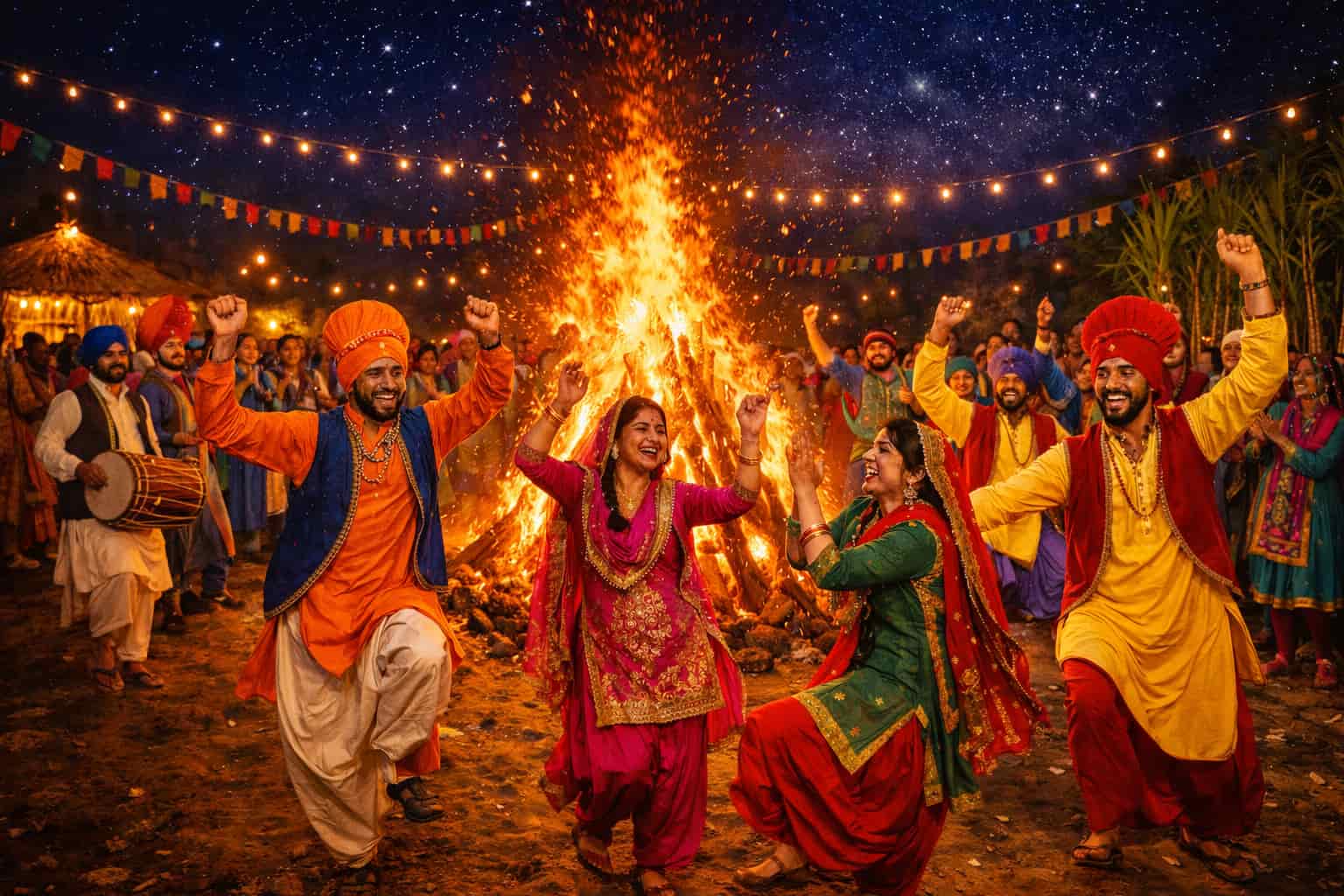
Across India, harvest festivals like Pongal, Magh Bihu, Makar Sankranti, Lohri, and Uttarayan share a common meaning despite regional names and customs. They mark the sun’s northward journey (Uttarayana), symbolizing longer days, renewal, and prosperity. Rooted in agrarian life, these celebrations blend astronomy, spirituality, food, music, and community, reflecting a shared cultural spirit across the country.
Shared themes across harvest festivals
At the heart of both Pongal and Magh Bihu lies gratitude toward nature and the forces that sustain life. The sun is honored as the primary source of energy that ripens crops and supports ecosystems. Earth is respected for its fertility, while fire becomes a sacred medium through which prayers and offerings are made.
Bonfires, outdoor cooking, and communal meals are recurring elements. These acts are symbolic as well as practical. Cooking in the open represents transparency and abundance, while eating together strengthens social equality and unity. Sharing freshly harvested food reinforces the idea that prosperity is meant to be collective rather than individual.
Another shared theme is renewal. Cleaning homes during Pongal or building temporary huts for Magh Bihu reflects the desire to begin a new cycle with simplicity, discipline, and positive intent. These practices subtly encourage detachment from excess and attachment to values.
Regional uniqueness and cultural expression
While the philosophy is shared, the expression of each festival reflects local geography, climate, and social structure. Pongal, celebrated primarily in Tamil Nadu, is closely tied to household rituals and solar worship. The boiling of rice until it overflows symbolizes abundance entering the home. Cattle are honored as sacred contributors to farming life, highlighting the close bond between humans, animals, and agriculture. Decorative kolams, turmeric plants, sugarcane, and clay pots all carry symbolic meaning rooted in Tamil culture.
Magh Bihu, on the other hand, reflects Assam’s strong sense of community life. Celebrations move beyond individual homes into open fields and riverbanks. The construction of Bhelaghar huts and the lighting of Meji bonfires emphasize collective effort and shared joy. Food preparation is communal, reinforcing cooperation and equality. Fire rituals during Magh Bihu focus more on warmth, survival, and togetherness during winter, aligning with Assam’s climate and rural traditions.
Music, games, and storytelling also differ in form but serve the same purpose of preserving cultural memory. Folk songs in Tamil Nadu and Assam may sound different, yet both pass traditions from one generation to the next.
Unity within diversity
The coexistence of Pongal and Magh Bihu within India’s cultural landscape demonstrates how regional diversity strengthens national unity. Each festival preserves local identity while contributing to a shared civilizational ethos that respects nature, values labor, and celebrates community.
In a country as vast as India, these festivals act as cultural bridges. They remind people that although customs may vary, the core values of gratitude, harmony, and collective well-being remain universal.
Pongal and Magh Bihu: Cultural comparison at a glance
| Aspect | Pongal | Magh Bihu |
| Region of celebration | Primarily Tamil Nadu and Tamil communities worldwide | Assam and Assamese communities |
| Seasonal significance | Marks the completion of the winter rice harvest | Celebrates the end of the agricultural cycle and winter harvest |
| Astronomical connection | Sun’s transition into Makara (Capricorn) and beginning of Uttarayana | Observed during the same solar transition in mid-January |
| Central theme | Gratitude to the sun, earth, rain, and cattle | Gratitude for abundance, warmth, and community prosperity |
| Role of the sun | Direct worship of Surya through offerings and rituals | Indirect reverence through fire rituals and seasonal observance |
| Importance of animals | Strong emphasis on honoring cattle during Mattu Pongal | Symbolic respect through agrarian lifestyle, less ritualized |
| Key rituals | Boiling of rice until it overflows, kolam designs, cattle worship | Construction of Bhelaghar huts, Meji bonfire, fire offerings |
| Community involvement | Primarily household-centered with family gatherings | Highly community-centered with collective feasts and rituals |
| Food traditions | Sweet and savory Pongal, sugarcane, fruits | Pitha, laru, rice cakes, meat and fish preparations |
| Symbolism of fire | Used for cooking offerings under the sun | Central ritual element through Meji bonfire |
| Cultural expression | Decorative arts, domestic rituals, temple visits | Folk games, storytelling, open-field celebrations |
| Underlying value | Harmony between humans, nature, and animals | Unity, sharing, and collective well-being |
Modern celebrations and global reach
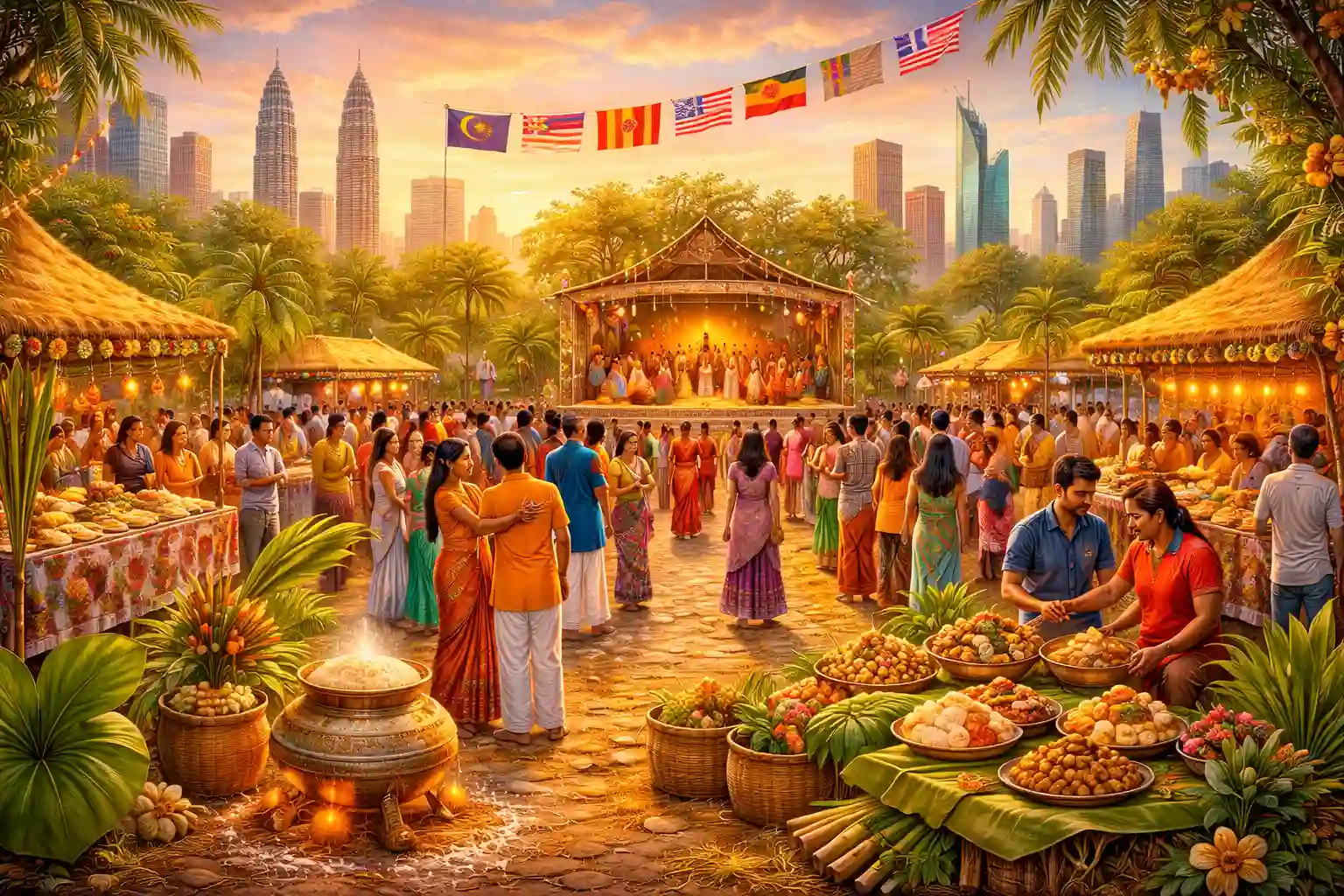
In 2026, Pongal and Magh Bihu are celebrated not only in India but also by diaspora communities in countries like Malaysia, Singapore, the United States, Canada, and the United Kingdom.
Urban celebrations often include cultural programs, food festivals, and social media campaigns that keep traditions alive while adapting to modern lifestyles.
Eco friendly practices are also gaining importance. Many communities now use biodegradable decorations, organic ingredients, and sustainable firewood alternatives.
Why Pongal and Magh Bihu matter today
These festivals remind people of agricultural roots in an increasingly digital world. They promote gratitude, environmental respect, and community bonding.
For younger generations, they serve as cultural education. For elders, they are living memories passed through rituals and stories. For everyone, they offer a moment of pause and joy.
Spiritual significance of Pongal and Magh Bihu in Swami Mukundananda’s teachings
Spiritual wisdom adds a deeper layer of meaning to harvest festivals, and contemporary teacher Swami Mukundananda often highlights how celebrations like Pongal and Magh Bihu guide people toward inner growth along with outer prosperity. In his teachings, he explains that offering the first harvest to the divine is a powerful symbol of gratitude and humility, reminding humanity that while effort is essential, the final outcome always depends on divine grace and the laws of nature. By honoring the sun, fire, earth, and animals, these festivals reflect an ancient spiritual understanding that humans are caretakers of nature, not its masters.
Swami Mukundananda emphasizes that sharing food during community feasts, whether around a Pongal pot or a Magh Bihu bonfire, nurtures selflessness and compassion. He teaches that such moments of collective gratitude help dissolve ego and strengthen social harmony. In today’s fast paced and material driven world, he encourages people to celebrate these festivals mindfully, focusing not just on rituals or food, but on values like service, balance, and reverence for life. Seen through this spiritual lens, Pongal and Magh Bihu become reminders to harvest not only crops from the fields, but also virtues like gratitude, contentment, and devotion within the heart.
Conclusion: A shared harvest of hope
As Pongal and Magh Bihu 2026 arrive, they bring more than food and festivities. They carry lessons of balance between humans and nature, the value of collective effort, and the joy of sharing abundance.
From the boiling pot of sweet Pongal under the January sun to the glowing Meji bonfire warming an Assamese dawn, these festivals celebrate life itself. In a diverse nation, they remind us that gratitude is a universal language, spoken through rituals, recipes, and togetherness.
🌾Call To Action
- 🌞 Celebrate Pongal & Magh Bihu 2026 With Us
- 🎉 Join the Harvest Celebrations
- 🌾 Experience the Joy of Harvest Festivals
- ✨ Celebrate Tradition. Share Gratitude.
❓ Frequently Asked Questions (FAQs)
1. When will Pongal and Magh Bihu be celebrated in 2026?
Pongal and Magh Bihu will be celebrated in mid-January 2026. Pongal spans four days from January 14 to January 17, 2026, while Magh Bihu falls within the same period, with major rituals observed on Uruka Night and the Magh Bihu day itself.
2. Why are Pongal and Magh Bihu celebrated around the same time?
Both festivals are based on the solar calendar and mark the sun’s transition into Makara (Capricorn), also known as Uttarayana. This astronomical event signals the end of winter harvest and the beginning of longer days, making it significant for agrarian communities across India.
3. What is the main difference between Pongal and Magh Bihu?
Pongal is primarily a household-centered festival with a strong focus on sun worship and honoring cattle, especially during Mattu Pongal. Magh Bihu, on the other hand, is more community-oriented, emphasizing collective feasting, bonfires, and shared celebrations in open fields.
4. What foods are traditionally prepared during Pongal and Magh Bihu?
During Pongal, dishes like sweet Sakkarai Pongal, Ven Pongal, sugarcane, and fresh fruits are prepared using newly harvested rice. Magh Bihu features rice-based snacks such as pitha and laru, along with hearty meals including fish, meat, and seasonal vegetables.
5. How are Pongal and Magh Bihu celebrated in modern times?
In modern times, both festivals are celebrated not only in rural areas but also in cities and by Indian communities abroad. Cultural programs, food festivals, and family gatherings are common, while many people are adopting eco-friendly practices and mindful celebrations that honor tradition alongside contemporary lifestyles.
References
1. JKYog – Makar Sankranti: Significance, Celebrations, and Spiritual Meaning
This official JKYog article, authored under Swami Mukundananda’s guidance, explains the spiritual symbolism of harvest festivals, gratitude to the Divine, and offering the first yield to God.
🔗 https://jkyog.in/en/wisdom/blog/makar-sankranti-significance-celebrations-and-spiritual-meaning-in-hindu-tradition
2. Swami Mukundananda – Teachings on Gratitude & Divine Dependence
In multiple discourses, Swami Mukundananda explains that human effort alone is not sufficient and outcomes depend on divine laws and grace. These teachings directly relate to harvest festival symbolism.
Related blogs you may want to explore
 RKT Blog Team
 RKT Blog Team
 RKT Blog Team
 RKT Blog Team