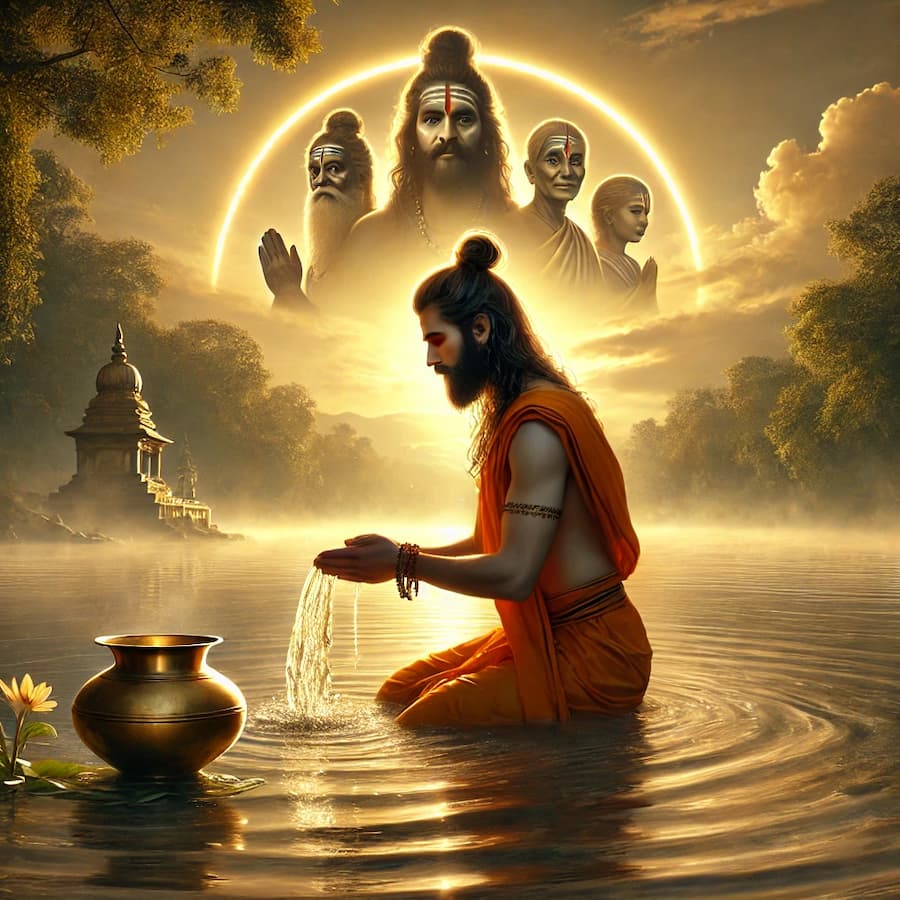
Pitru Paksha 2025 represents a sacred time that thins the veil between our world and the ancestral realm. The 16-day observance starts on Sunday, September 7, 2025, and runs through Sunday, September 21, 2025. A lunar eclipse marks the first day's significance.
The term "Pitru Paksha" carries deep meaning in Hindu tradition. It translates to "fortnight of the ancestors". Ancient beliefs suggest that departed souls return to Earth during this time to receive offerings from their living descendants. The lunar month of Bhadrapada (September-October) brings this special period. Families perform specific rituals called shraddha to honor their lineage. These ceremonies include offerings of cooked food, water, sesame seeds, and rice balls (pindas) accompanied by sacred mantras. The observance reaches its pinnacle on Mahalaya Amavasya, September 21, 2025. This final day holds special significance for performing ancestral rituals. In this piece, we'll explore the deep meaning, important dates, and sacred practices of this Hindu tradition that celebrates ancestral bonds through gratitude and reverence.
Understanding Pitru Paksha: Meaning and Origins
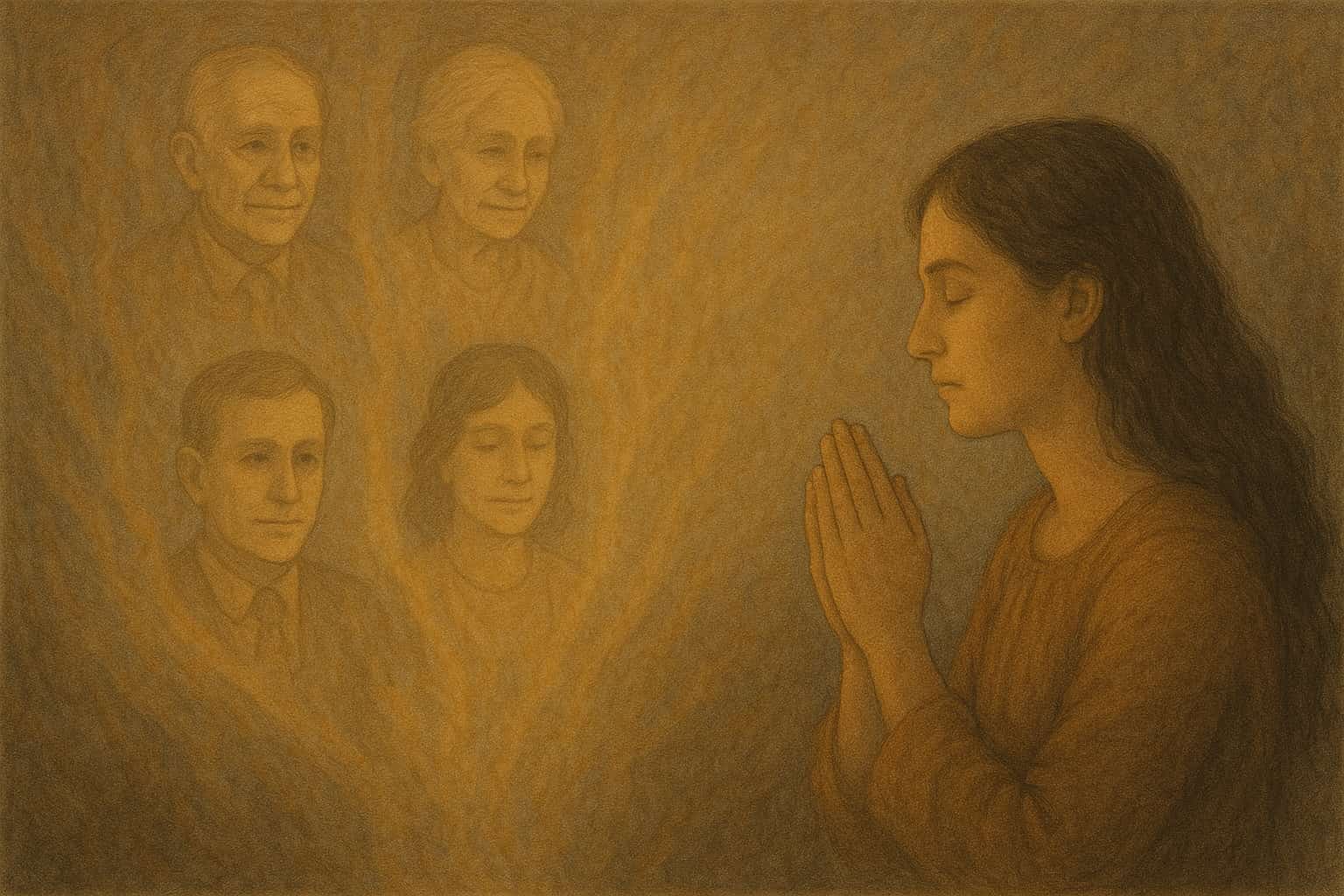
The Sanskrit term "Pitru Paksha" carries deep meaning in Hindu tradition. "Pitru" means ancestors, and "paksha" represents a fortnight or a side of the lunar month. These words combine to describe a sacred time dedicated to honoring our departed family members - parents, grandparents, and great-grandparents.
What does Pitru Paksha mean?
Pitru Paksha stands as a time to show gratitude to our ancestors. People know this 16-day observance by different names across regions. Some call it Pitri Pokkho, Kanagat, Jitiya, Mahalaya Paksha, Apara Paksha, or Sola Shraddh. The word "shraddha" has roots in Sanskrit - "Sat" (truth/essence) and "Adahar" (foundation/base). These roots point to acts done with pure faith and noble intent. The term comes from "shraddhā," which means devotion or faith, and captures the spirit of honoring ancestors.
Why is this period considered sacred
Pitru Paksha's sacred nature comes from several connected beliefs. Hindu cosmology places the souls of three previous generations in Pitriloka - a space between heaven and earth under Yama's watch. The Sun's southward path (Dakshinayana) happens during this time. This movement represents a time to contemplate and remember.
Ancestral souls come down to Earth during Pitru Paksha. This makes it a powerful time to give offerings. These rituals help both the living and the dead. They can make souls happier in heaven, reduce suffering in other worlds, or add joy to their new lives.
Key Rituals Performed During Pitru Paksha
Rituals during Pitru Paksha create a connection between the living and departed souls. Each ceremony follows specific steps that honor ancestors and aid their spiritual experience.
Shraddha: The core food offering ritual
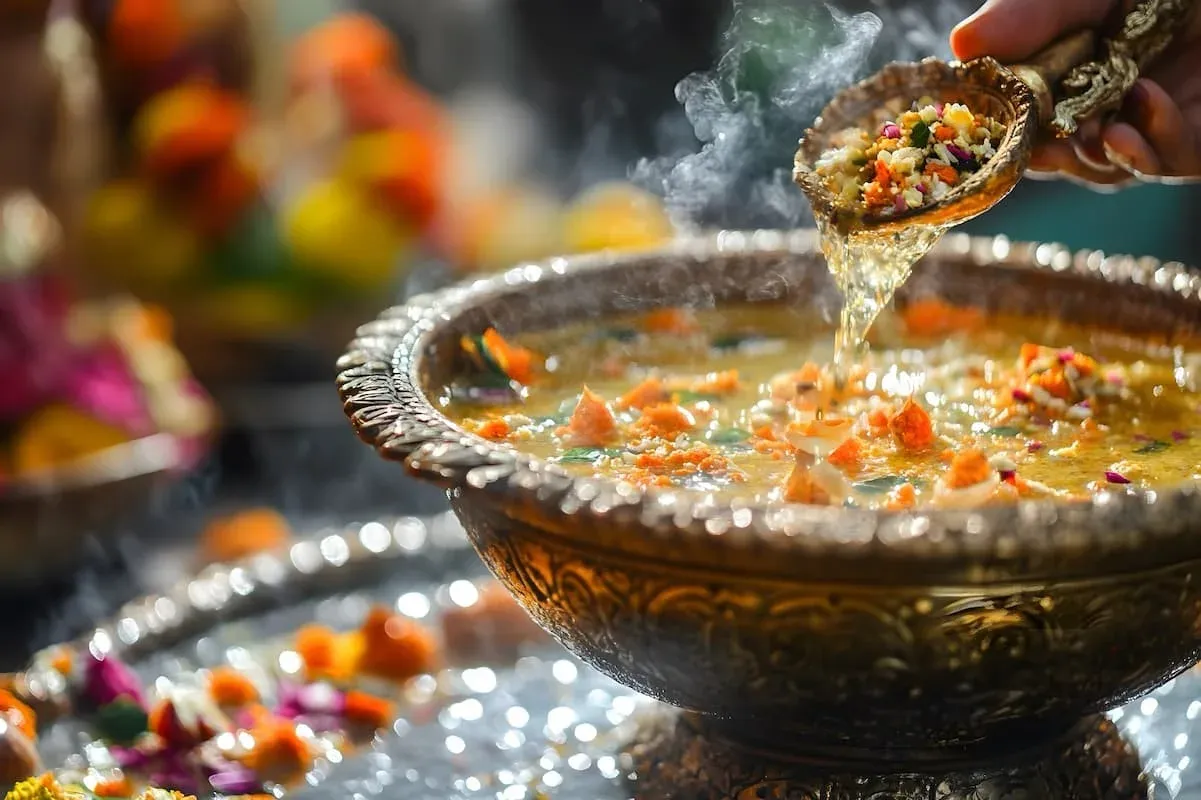
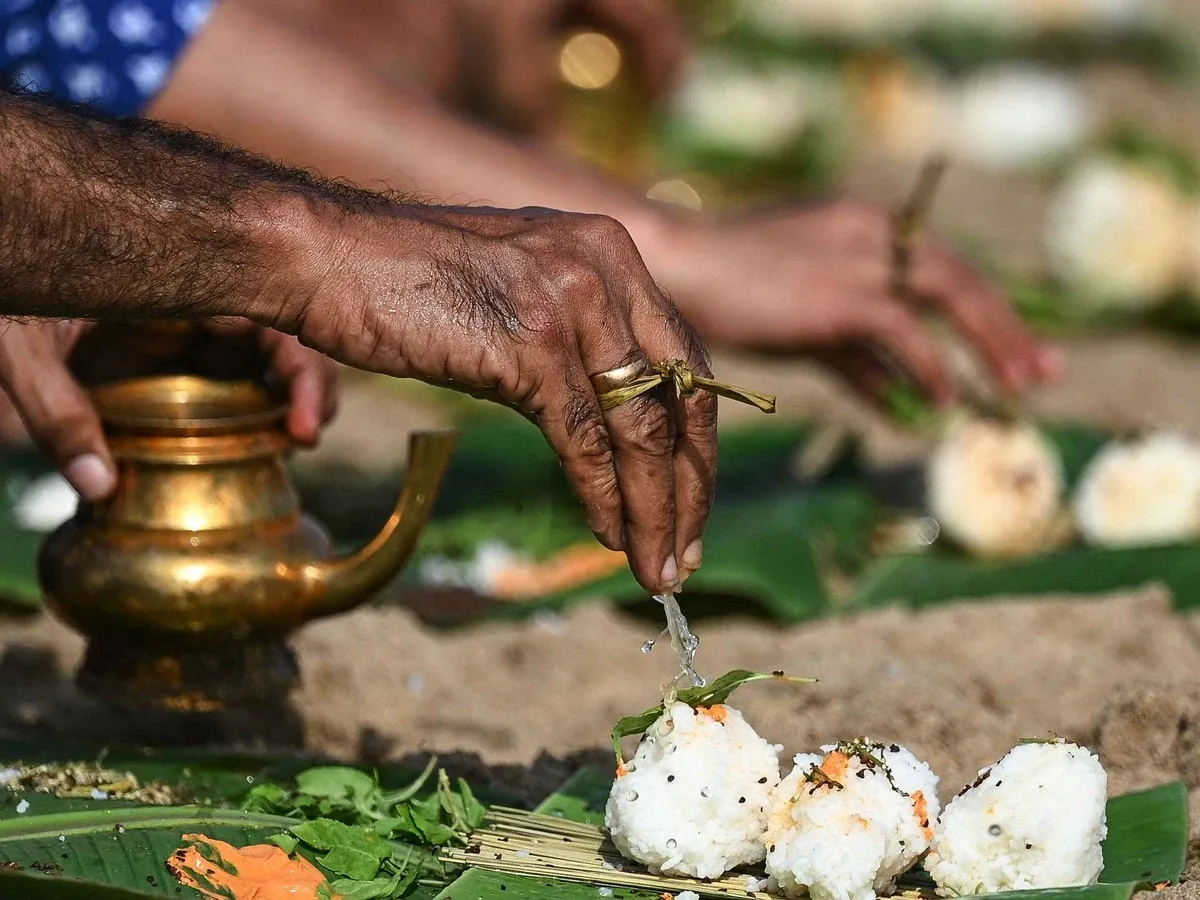
Shraddha is the lifeblood of Pitru Paksha observances. People must perform this ritual at noon, near a river or lake, though they can do it at home too. The performer takes a purifying bath and wears a dhoti with a darbha grass ring that invokes the ancestors. Silver or copper vessels must cook the food offerings that go on banana leaves or dried leaf cups. These offerings include kheer (sweet rice and milk), lapsi (sweet wheat porridge), rice, dal, spring bean, and yellow gourd.
Tarpan: Offering water with sesame seeds
Tarpan comes from the Sanskrit word "trp," which means "to satisfy." This ritual uses water mixed with black sesame seeds to quench ancestors' spiritual thirst. The performer faces south—the direction linked to ancestors—and shifts the sacred thread to "Prachinaviti" position over the right shoulder. Water flows through a special gap between the thumb and index finger called "Pitra Tirtha". The ceremony includes mantras that name specific ancestors and their lineage.
Pind Daan: Symbolic nourishment for ancestors
Pind Daan uses rice balls (pindas) mixed with black sesame seeds, barley flour, ghee, and honey. These offerings give nourishment to departed souls. The ritual helps ancestors break free from birth and death cycles and end up reaching moksha (liberation). Performers place pindas on kusha grass and chant mantras. The ritual's success depends on the materials and the performer's pure heart and respect for ancestors.
Feeding Brahmins, animals, and the poor
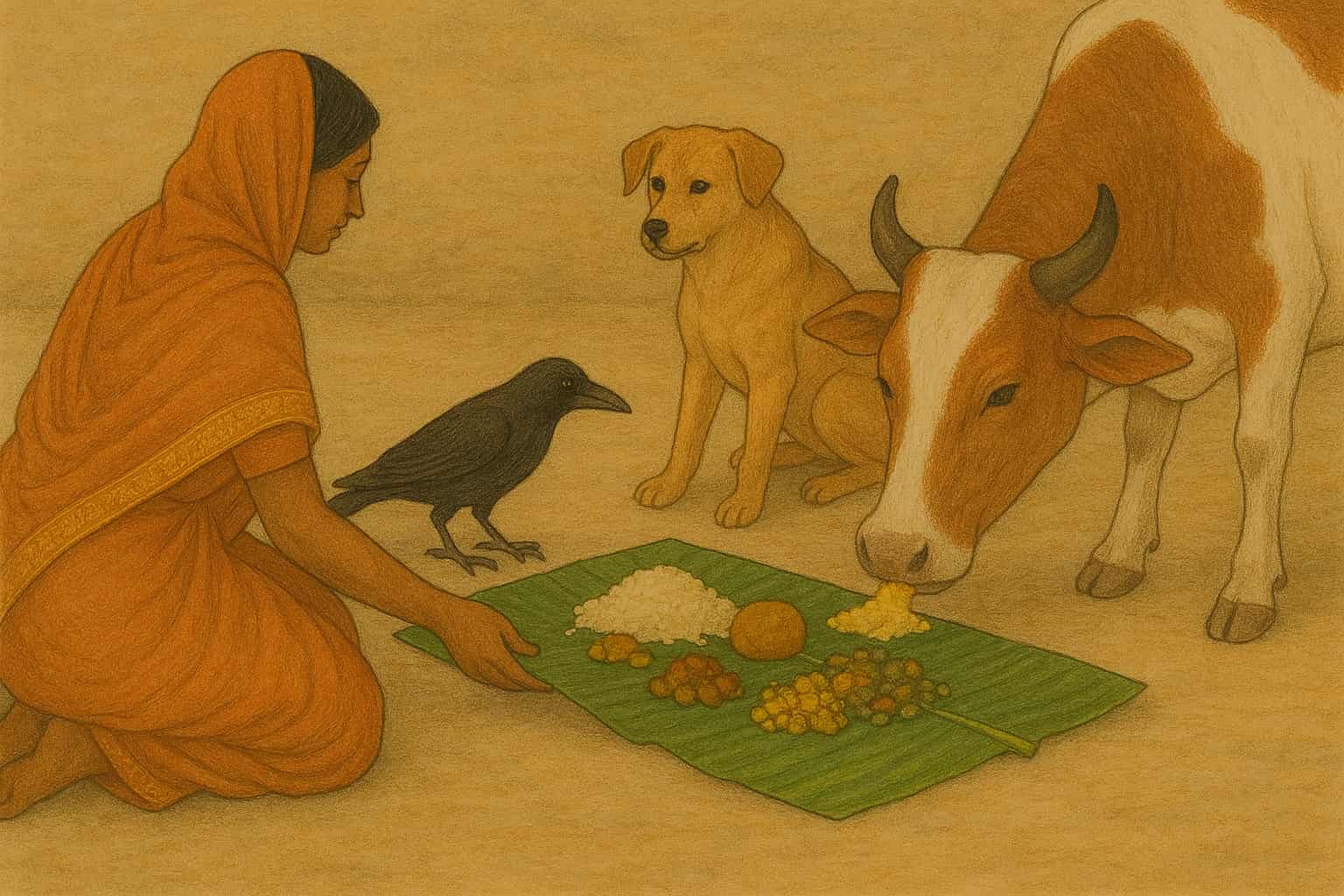
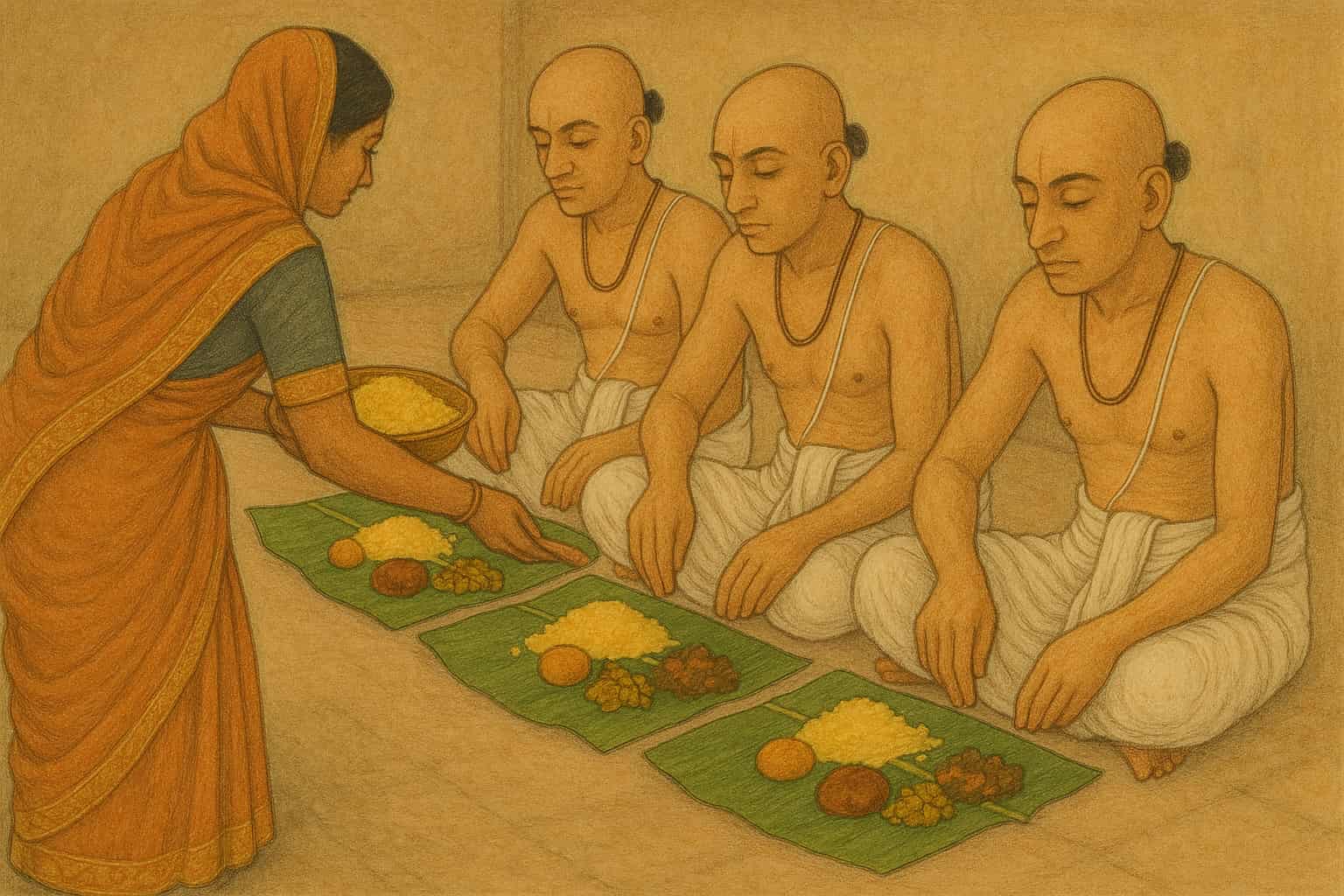
The ritual stays incomplete without feeding Brahmins after the main ceremonies. Brahmins get sattvic meals without onion and garlic since they represent ancestors. Crows, cows, and dogs receive food next. People believe crows are messengers from Yama (the god of death) or ancestor spirits—their eating the food shows ancestor satisfaction. Family members eat only after completing these offerings.
Fasting and lifestyle practices during the fortnight
Practitioners follow specific lifestyle rules during Pitru Paksha to stay ritually pure. Many fast on their Shraddha day. They should avoid starting new ventures, celebrations, or big purchases during this time. Rules include staying away from non-vegetarian food, onion, garlic, and alcohol. They must not cut hair or nails and should live simply with inner reflection. These practices create a respectful environment focused on ancestral duties.
Join us this "Sarva Pitru" and make an offering of food and other items! Libations of water are performed to appease the ancestors and ensure their peaceful transition. Visit Radhakrishna Temple
Spiritual Significance and Deeper Teachings
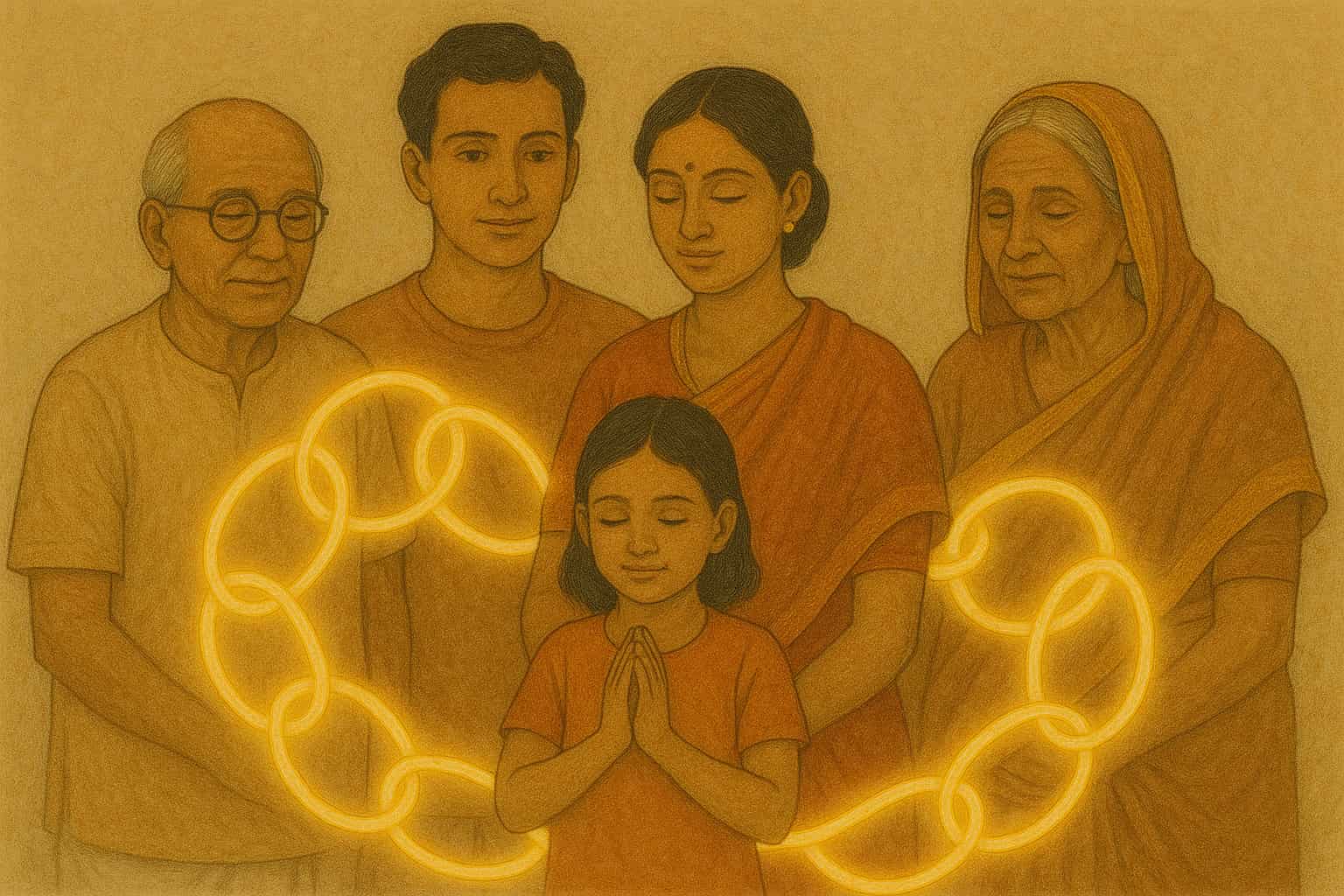
The spiritual teachings behind Pitru Paksha rituals clarify the deeper aspects of Hindu philosophy.
The concept of Pitru Rin (ancestral debt)
Pitru Rin stands as one of the core debts Hindus believe they carry from birth. This ancestral debt recognizes that we owe our existence to our ancestors who gave us life, values, and heritage. The concept highlights our duty to honor this lineage through righteous living and ethical behavior. Pitru Paksha rituals help balance this karmic debt. Unresolved ancestral debt can create obstacles in a person's education, health, marriage, and mental peace.
Karma and its connection to family lineage
Hindu philosophy sees karma working both individually and collectively through generations. Families create karmic bonds that last beyond single lifetimes. Unresolved patterns from parents often pass down to children or grandchildren who unknowingly carry this energy. These energies grow stronger with each generation until someone changes them through spiritual practice and awareness.
The soul's journey and continuity after death
Hindu philosophy teaches that the human soul (atman) never dies. The soul moves to Pitriloka—a realm between heaven and earth—after death. It stays there until Yama decides its next rebirth based on its accumulated karma. The soul's ultimate aim remains moksha—freedom from the cycle of rebirth.
Gratitude as a spiritual discipline
Respect and gratitude serve as powerful spiritual cleansers. These qualities, when practiced with sincerity during Pitru Paksha, remove karmic blockages and bring inner peace and grace. They turn simple rituals into meaningful spiritual practices and deepen our connection with ancestors whose blessings guide us toward higher consciousness.
Stories and Symbolism in Hindu Epics
Ancient Hindu epics tell powerful stories that explain the origins and significance of Pitru Paksha 2025.
Karna's story and the origin of Pitru Paksha
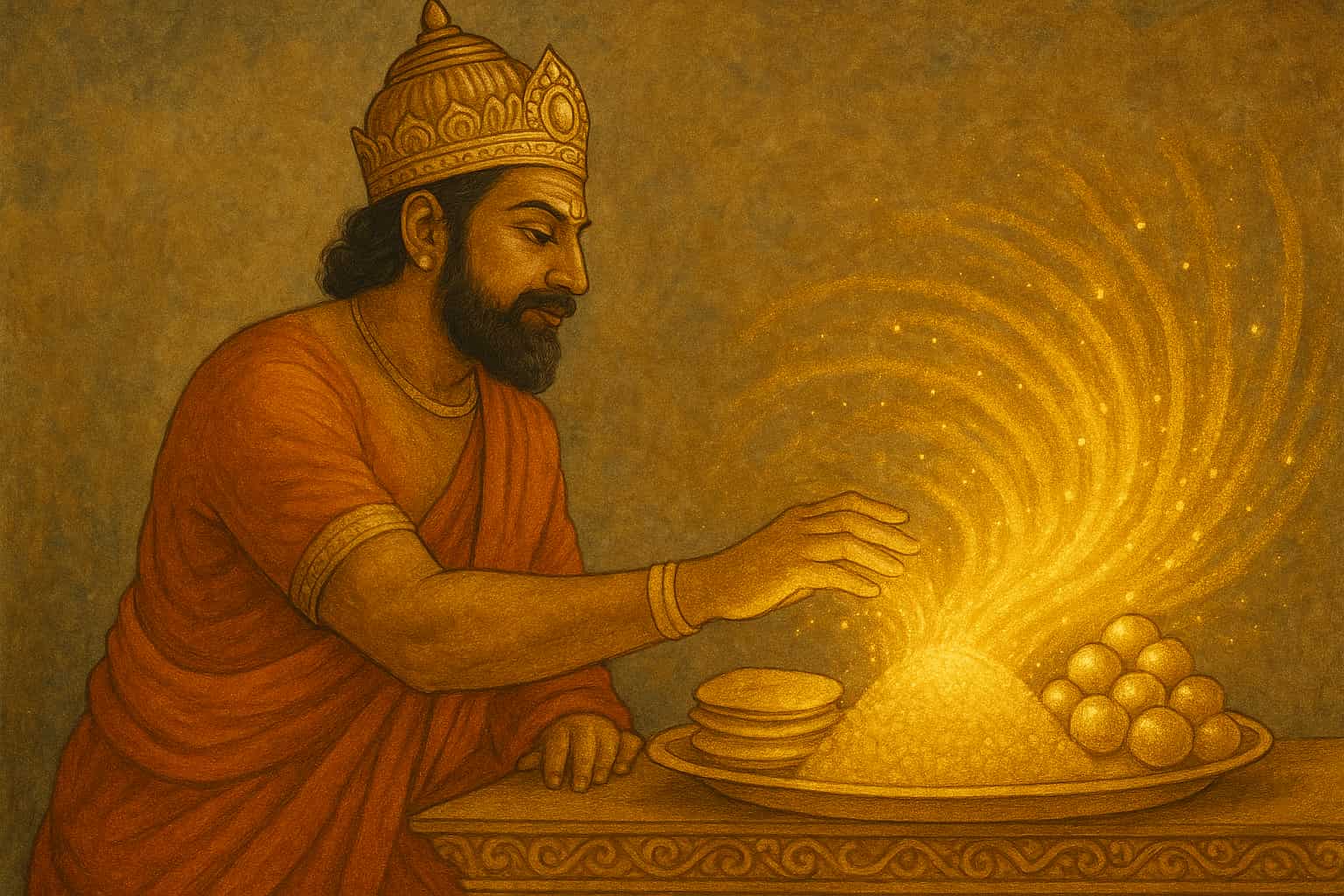
The Mahabharata tells the tale of Karna, a man known for his generosity, who faced an unusual challenge after death. When he reached heaven, he found that everything he touched turned to gold. This left him unable to eat. Lord Yama told him that, despite his charitable life, he never performed shraddha for his ancestors. Karna then received permission to return to Earth for fifteen days to perform the proper ancestral rituals. This event established the tradition of Pitru Paksha.
Bhishma's teachings on Shraddha
Bhishma, on his deathbed, shared wisdom with Yudhishthira through Maharishi Nimi's story. Nimi lost his son and performed rituals that pleased his ancestors. They appeared before him and assured him of his son's peaceful existence among them. Bhishma stressed that offerings made with true devotion nourish departed souls. These rituals create a sacred connection between generations.
Lessons from the Mahabharata and Garuda Purana
The Garuda Purana expands on how ignoring ancestral duties leads to spiritual risks. A person's wrongdoings can impact their whole community. These sacred texts share a clear message: proper shraddha rituals help departed souls achieve moksha. These practices also bring blessings of prosperity and spiritual growth to living descendants.
Conclusion
Pitru Paksha 2025 is way beyond just a series of rituals—it shows our deepest connection to those who came before us. Shraddha, Tarpana, and Pind Daan help us recognize the profound debt we owe to our ancestors and help their souls find peace and liberation. These rituals might seem ancient, yet they hold timeless wisdom about karma, family lineage, and spiritual continuity that stays relevant today.
The sacred fortnight from September 7 to September 21, 2025, gives us a chance to express gratitude and build bonds that surpass physical existence. People who practice these rituals with sincere devotion often feel a sense of peace and closure. The practice of feeding Brahmins, animals, and the poor spreads the circle of giving beyond our immediate family and creates ripples of positive karma.
A deeper teaching lies beneath these external ceremonies—we exist because of countless sacrifices made by previous generations. This makes honoring them both a spiritual duty and a path to our own well-being. Stories from Hindu epics remind us that neglecting our ancestors' duties can create obstacles, while achieving them brings blessings and harmony.
Whatever our observances may be, simple or detailed, the sincerity and respect we show matter most. Pitru Paksha is about remembrance, gratitude, and knowing we are all links in an unbroken chain of human existence. Each generation builds upon the foundation laid by those who walked before us.
Key Takeaways
Pitru Paksha 2025 offers a sacred opportunity to honor ancestors and strengthen spiritual connections through ancient Hindu traditions that remain deeply relevant today.
• Pitru Paksha 2025 runs from September 7-21, coinciding with a lunar eclipse on the first day when ancestral souls descend to Earth to receive offerings from descendants.
• Core rituals include Shraddha (food offerings), Tarpana (water with sesame seeds), and Pind Daan (rice balls) performed at noon near water bodies to nourish departed souls.
• The practice addresses Pitru Rin (ancestral debt) - acknowledging that our existence stems from forebears who gave us life, values, and heritage through generations.
• Feeding Brahmins, animals, and the poor completes the ritual cycle, with crows serving as messengers from ancestors whose acceptance indicates satisfaction.
• Sincere devotion matters more than elaborate ceremonies - the essence lies in gratitude, remembrance, and recognizing our place in the unbroken chain of human existence.
These ancient practices offer modern practitioners a meaningful way to express gratitude while creating positive karma that benefits both living descendants and departed souls seeking liberation.
FAQs
Q1. When does Pitru Paksha begin in 2025? Pitru Paksha 2025 commences on Sunday, September 7, and continues for 16 days until Sunday, September 21.
Q2. What is the spiritual significance of Pitru Paksha? Pitru Paksha is a sacred period when ancestral souls are believed to descend to Earth. It's a time for honoring ancestors, expressing gratitude, and fulfilling spiritual obligations to one's lineage.
Q3. What are the main rituals performed during Pitru Paksha? The key rituals include Shraddha (food offerings), Tarpana (water offerings with sesame seeds), and Pind Daan (offering rice balls). These are typically performed at noon, often near water bodies.
Q4. Are there any activities to avoid during Pitru Paksha? It's traditionally advised to avoid starting new ventures, celebrating major life events, or making significant purchases. Many also refrain from cutting hair or nails and maintain a simple lifestyle during this period.
Q5. Why is feeding others important during Pitru Paksha? Feeding Brahmins, animals (especially crows, cows, and dogs), and the poor is considered an essential part of the rituals. It's believed to complete the cycle of offerings and ensure the ancestors' satisfaction with the performed rites.
Call to Action
This sacred period asks us to think over how these ancient practices fit meaningfully into our modern lives. You can join us this Sarva Pitru and make an offering of food and other items at Radhakrishna Temple, where we perform water libations to appease the ancestors and ensure their peaceful transition.
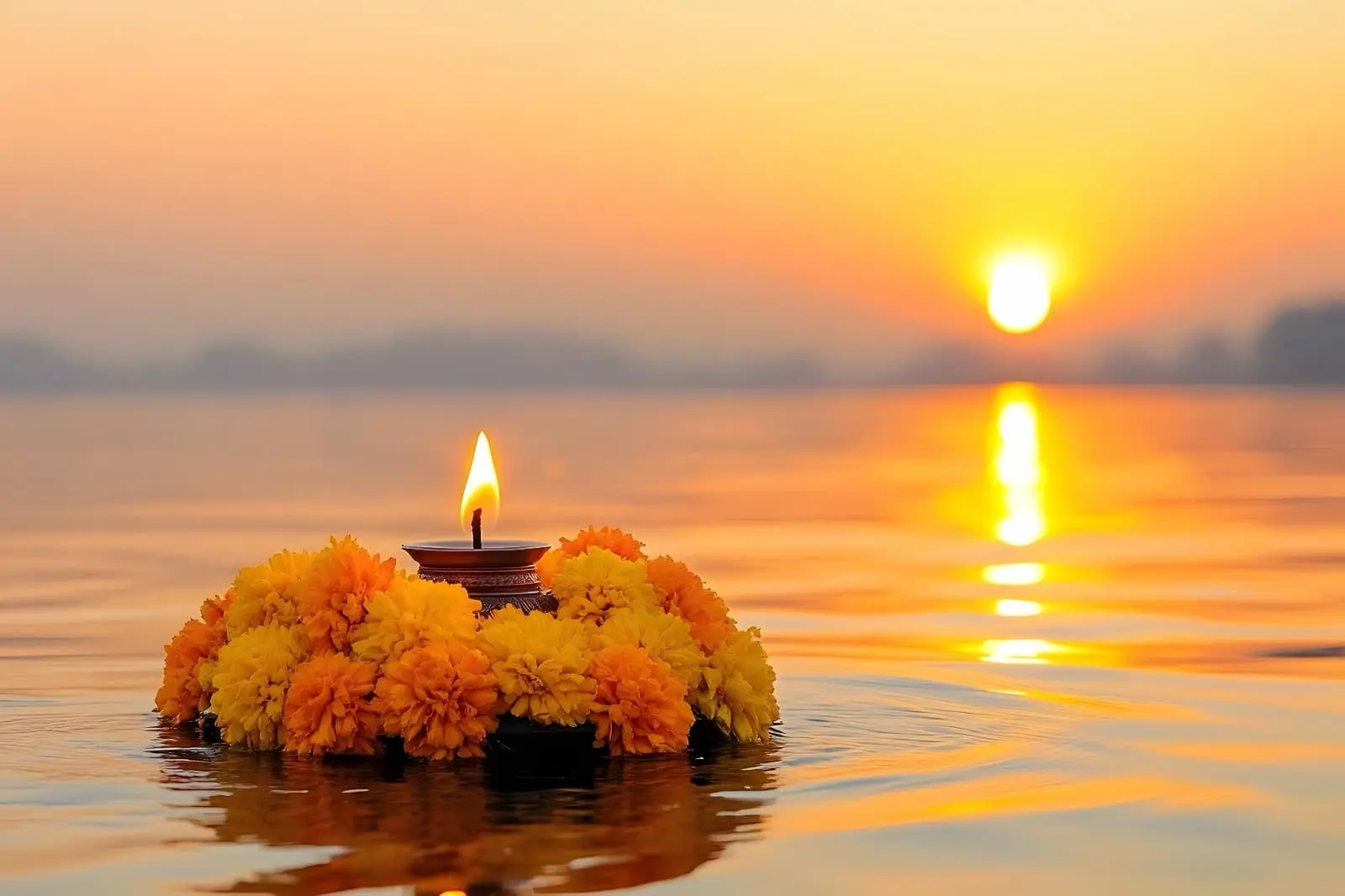
Sarva Pitru Tarpan
Radha Krishna Temple of Dallas
Join us for a sacred Sarva Pitru Tarpan ceremony conducted by the Radha Krishna Temple priest to honor and offer prayers to our ancestors during the auspicious period of Pitru Paksha.
Online Shaard facility is available for those unable to attend in person.
🕉️ Program Schedule
Date: Sunday, September 21
Time: 5:00 PM (Arrive 30 minutes early for arrangements)
📿 Items to Bring:
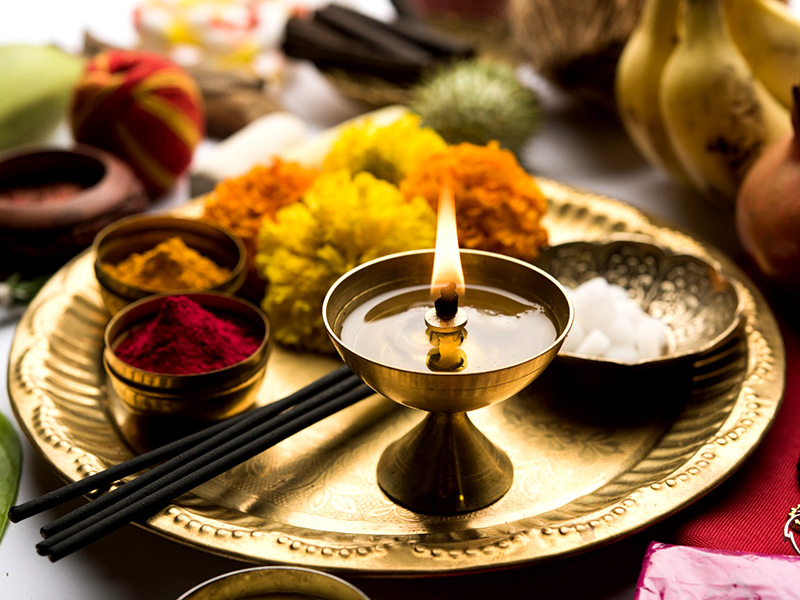
- 🌼 Flowers
- 🍉 Fruits
- 🕯️ Pitru Photo
- 🥥 Coconut
Join us this Sarva Pitru and make an offering of food and other items.
Libation of water is performed to appease the ancestors and ensure their peaceful transition.
📸 Glimpses from Past Events
🎁 Sponsorship Opportunities
Support this sacred event and receive blessings by participating as a sponsor.
🔗 Learn more at: Sarva Pitru Tarpan Event Website

References
 JKYog Team