
Introduction: The Festival of Blossoming Divine Love
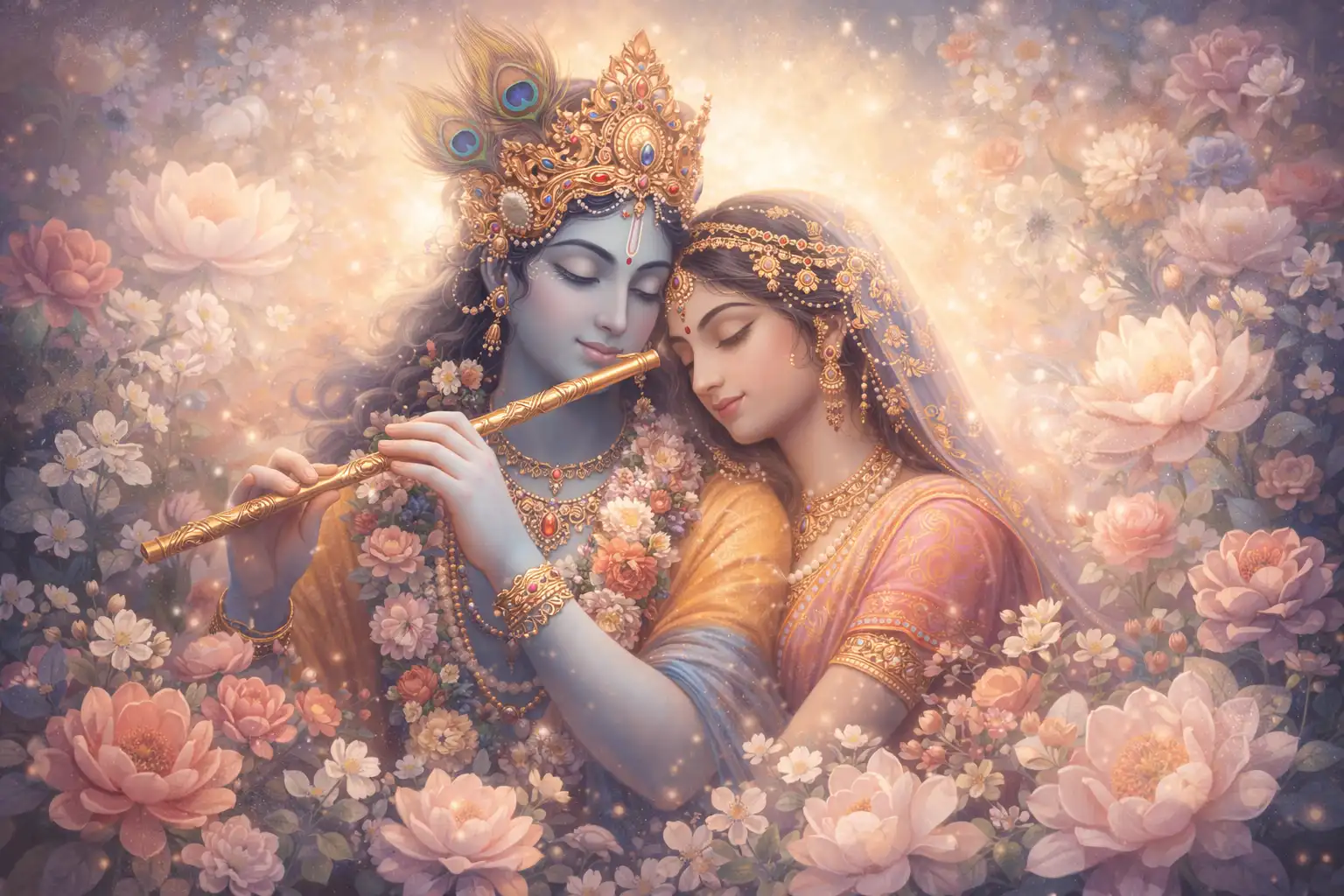
Among the many vibrant festivals that grace the Hindu spiritual calendar, Phulera Dooj holds a special place as a celebration of joy, devotion, and the blossoming of divine love. Rooted deeply in the traditions of Braj, the sacred land of Shree Krishna, Phulera Dooj is observed with immense devotion, especially in temples dedicated to Radha and Krishna. Unlike most festivals governed by strict rules and fasting, Phulera Dooj is known as a day when “no dosh (inauspiciousness) applies.” It is considered so sacred and spiritually potent that any heartfelt prayer offered on this day is believed to carry extraordinary merit.
As we approach Phulera Dooj 2026, devotees around the world prepare to immerse themselves in the divine play (leela) of Radha and Krishna, expressed through flowers, colors, kirtans, and devotional joy. Yet beyond the outward beauty lies a deeper spiritual essence, namely the call to awaken selfless love for God, a theme profoundly emphasized in the teachings of Swami Mukundananda. He reminds seekers that true devotion is not about ritual alone, but about cultivating a heart that loves God without expectation, condition, or personal gain.
This comprehensive guide explores everything you need to know about Phulera Dooj 2026; from the date and auspicious timings to the divine story, spiritual significance, and meaningful rituals, all woven together with the timeless principle of pure, selfless bhakti (devotion).
What is Phulera Dooj?
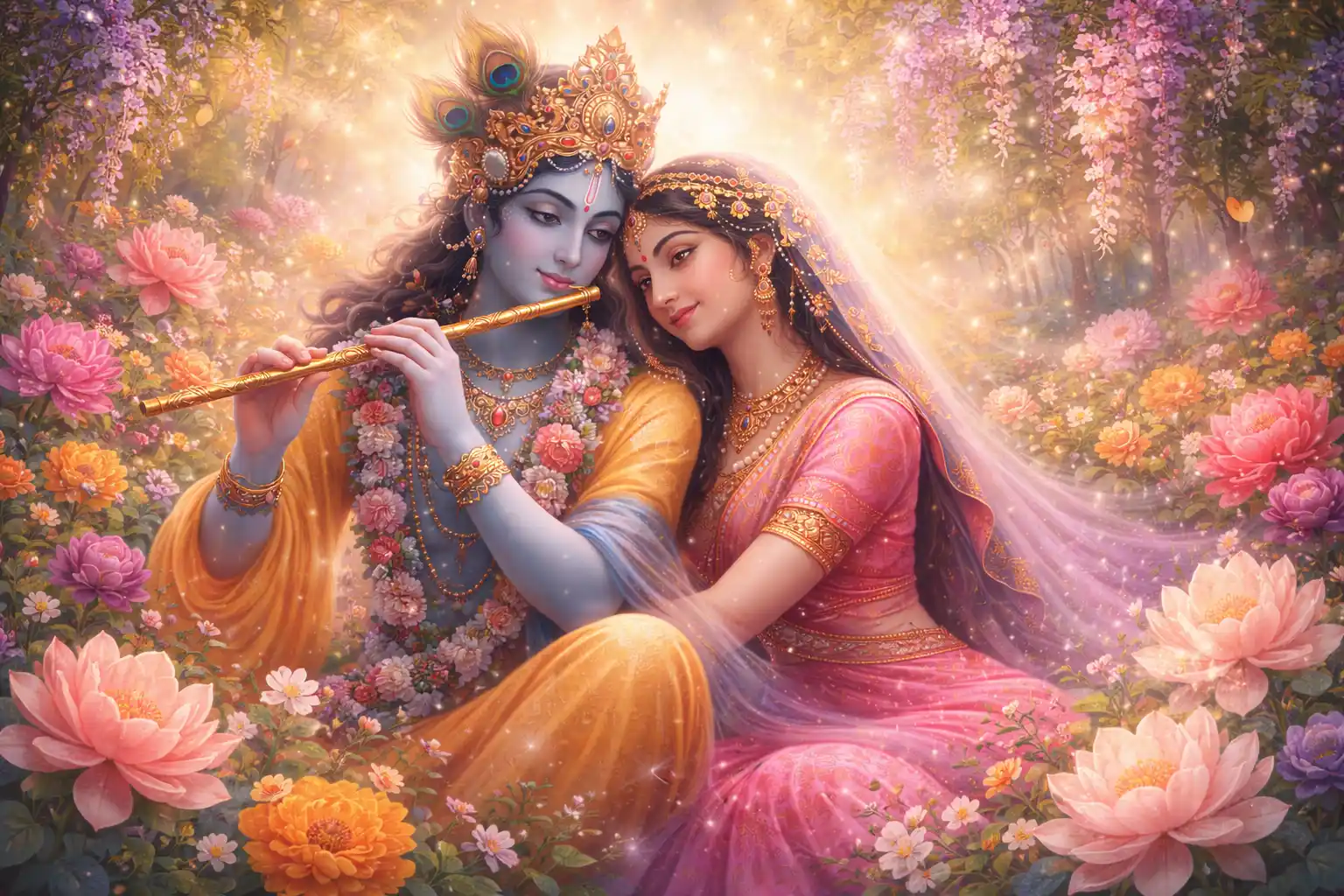
Phulera Dooj is a Hindu festival celebrated on the second lunar day (Dwitiya) of the bright fortnight (Shukla Paksha) in the month of Phalguna, just days before the grand festival of Holi. The name itself comes from two Sanskrit/Hindi words:
- “Phool” – meaning flower
- “Dooj” – meaning second day
Literally, Phulera Dooj means “The Second Day of Flowers.”
Traditionally, this festival marks the beginning of Holi celebrations in the sacred land of Braj, particularly in Vrindavan, Mathura, Barsana, and Nandgaon. On this day, devotees shower the deities of Radha and Krishna with flowers instead of colors, symbolizing pure, fragrant, and selfless love; an offering of beauty without stain or expectation.
Phulera Dooj 2026: Date and Auspicious Time
Phulera Dooj 2026 Date
In 2026, Phulera Dooj will be celebrated on:
Thursday, February 19, 2026
Auspicious Time (Shubh Muhurat)
Phulera Dooj is unique because it is traditionally regarded as a day when the entire day is auspicious. There is no need to calculate specific muhurats for weddings, prayers, or religious ceremonies.
This belief arises from the idea that on this sacred day, divine grace flows freely, making every moment spiritually beneficial.
However, for those who prefer traditional timing for worship, the most favorable time is during:
- Morning to Midday (Brahma Muhurat to Madhyahna)
This period is considered especially powerful for prayer, chanting, and offerings.
Why Phulera Dooj is Called “Abujha Muhurat”
Phulera Dooj is known as an “Abujha Muhurat”, meaning a day without the need to check astrological timings. On this day:
- Marriages
- Naming ceremonies
- Housewarmings
- Spiritual initiations
can be performed without concern for planetary positions or astrological doshas.
Spiritually, this reflects a deeper truth: When divine love is pure, time and fate become secondary. It is devotion—not destiny—that shapes the soul’s journey.
The Divine Story Behind Phulera Dooj
Radha-Krishna and the Play of Flowers
The origins of Phulera Dooj are rooted in the enchanting leelas (divine pastimes) of Lord Krishna and Radha Rani in Vrindavan.
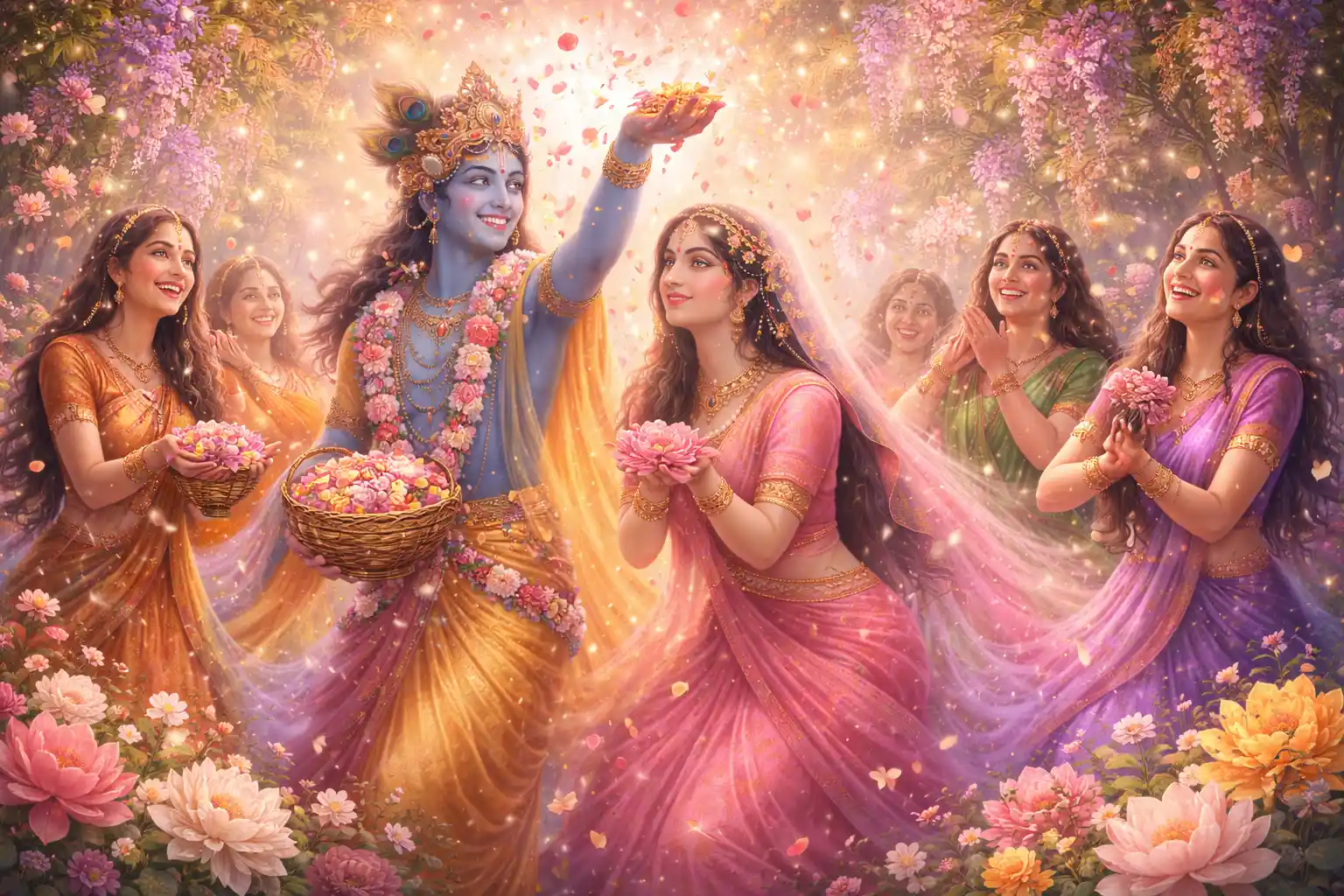
According to tradition, on this day, Krishna began playfully showering Radha and the Gopis with flowers instead of colors. The gentle rain of petals symbolized not mischief, but tenderness, affection, and divine joy. In response, Radha and the Gopis joined in, creating a divine celebration filled with laughter, music, and fragrant blossoms.
This exchange was not merely playful, it was spiritual symbolism. Flowers represent:
- Purity of intention
- Fragrance of devotion
- Beauty of surrender
Unlike colors that can stain, flowers leave behind only fragrance—just as true love leaves behind only joy, not attachment or ego.
Phulera Dooj and the Spiritual Path of Bhakti
At its heart, Phulera Dooj is a celebration of bhakti—loving devotion to God. The festival reminds devotees that:
- Love for God should be gentle, joyful, and selfless
- Devotion should arise from the heart, not obligation
- True worship is an offering, not a demand
Swami Mukundananda often explains that the highest form of love is “nishkam bhakti”, devotion without selfish desire. Just as flowers are offered to God without expecting anything in return, the soul too must offer itself in surrender and trust.
Spiritual Significance of Phulera Dooj
1. The Blossoming of the Heart
Phulera Dooj symbolizes the inner blooming of devotion. Just as flowers bloom in spring, the heart is invited to bloom with divine love, humility, and compassion.
2. Celebration Without Fear of Inauspiciousness
The belief that the entire day is auspicious teaches a spiritual lesson:
When love for God is sincere, there is no “wrong time” to pray.
3. Beginning of Holi in Braj
Phulera Dooj marks the spiritual beginning of Holi, not as a festival of color, but as a festival of divine joy and union with God.
4. Union of the Soul and the Divine
The playful exchange between Radha and Krishna represents the eternal relationship between the soul and God, a relationship based not on duty, but on love.
Phulera Dooj and Selfless Love for God
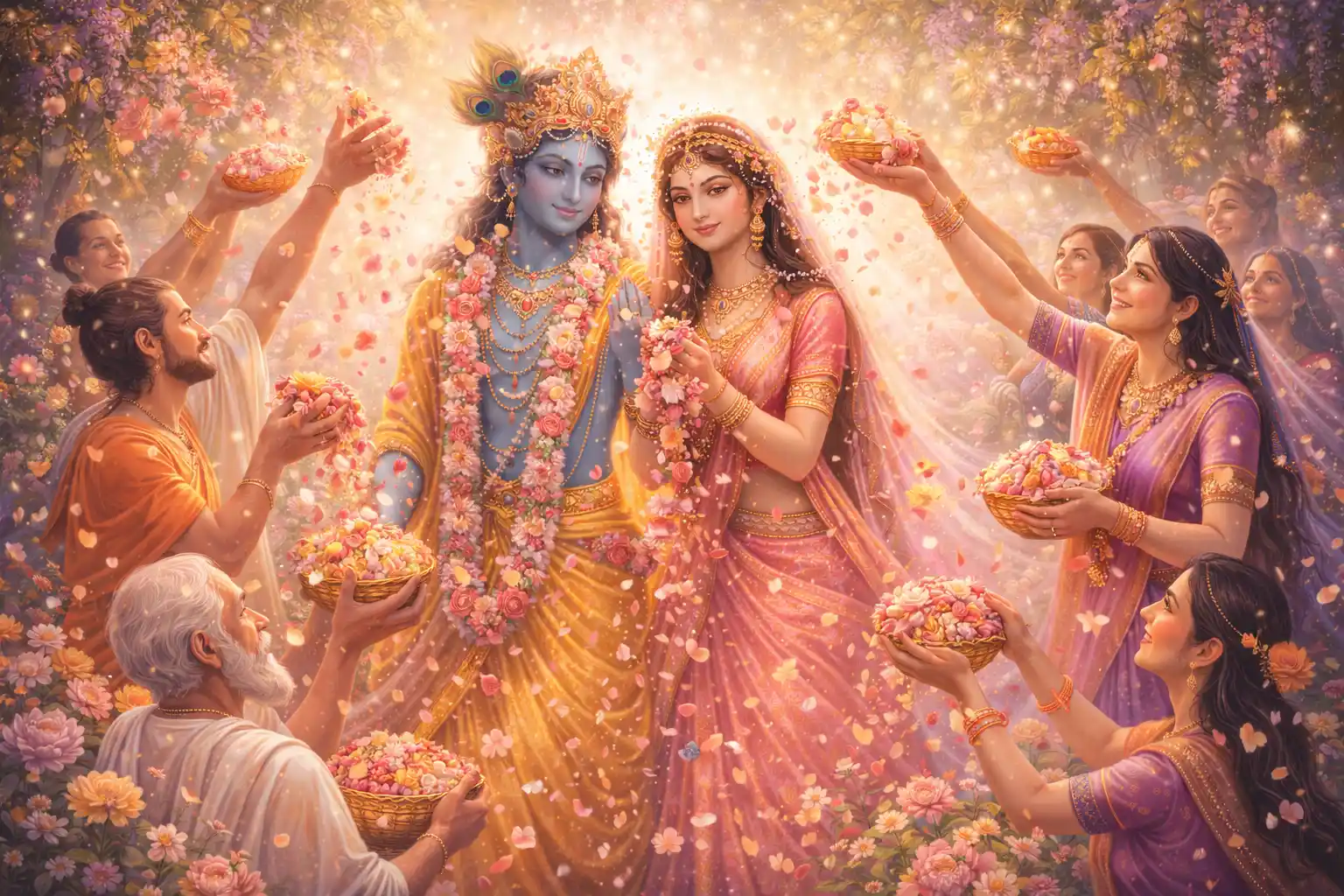
Swami Mukundananda teaches that love for God must be free from expectations. The soul should not approach the Divine asking, “What will I get?” but rather, “How can I give?”
Phulera Dooj embodies this teaching beautifully:
- Devotees offer flowers, sweets, songs, and prayers not for material blessings, but as expressions of gratitude and devotion.
- The emphasis is on joyful giving, not ritual obligation.
- The celebration reflects a relationship with God that is personal, loving, and intimate.
Just as the Gopis loved Krishna not for reward but for the sheer joy of loving Him, devotees on Phulera Dooj are reminded to cultivate that same spirit of unconditional devotion.
Suggested Rituals for Phulera Dooj 2026
1. Morning Purification
Begin the day with a holy bath to symbolize cleansing of both body and mind. As you bathe, mentally offer your worries, pride, and distractions to God.
2. Home or Temple Altar Preparation
Decorate the altar with:
- Fresh flowers (especially roses, marigolds, and lotus)
- Incense
- Lamps (diyas)
- Images or idols of Radha and Krishna
3. Flower Offering (Pushpanjali)
Offer flowers to the deities while chanting:
“Om Namo Bhagavate Vasudevaya”
or
“Radhe Krishna”
This symbolizes offering the fragrance of your heart to God.
4. Devotional Singing (Kirtan and Bhajan)
Sing songs glorifying Radha and Krishna. Let your voice become a bridge between your heart and the Divine.
5. Reading Sacred Texts
Read verses from:
- Bhagavad Gita
- Shrimad Bhagavatam
- Bhakti scriptures
Reflect on the nature of divine love and surrender.
6. Offering of Sweets (Bhog)
Prepare simple, sattvic food such as:
- Kheer
- Peda
- Fruits
Offer it to the Lord before sharing it with family and guests as prasadam.
Phulera Dooj Celebrations in Braj
In Vrindavan and Mathura, Phulera Dooj is celebrated with unmatched devotion and joy:
- Temples like Banke Bihari Temple open their sanctums wide for devotees.
- Priests shower flowers on crowds, creating a divine “rain of blessings.”
- Devotees sing, dance, and chant in a spirit of collective devotion.
These celebrations are not performances, they are expressions of love, where the boundary between worshipper and worshipped dissolves into joy.
Symbolism of Flowers in Devotion
Flowers hold deep spiritual meaning in Hindu worship:
- Color: Represents the diversity of emotions offered to God
- Fragrance: Symbolizes purity of intention
- Delicacy: Reflects humility and gentleness
Offering flowers teaches the devotee to approach God with a soft heart and open hands.
Phulera Dooj in the Modern World
Today, even those far from traditional temple towns celebrate Phulera Dooj at home or in spiritual communities. The festival has become a reminder that:
- Spiritual joy does not require grand rituals: only sincere intention
- Love for God can be expressed in simple acts of kindness, service, and prayer
- Devotion is a daily practice, not just a festival even
Call to Action: Practical Ways to Practice Selfless Bhakti on Phulera Dooj
Inspired by Swami Mukundananda’s teachings, here are ways to make the day spiritually meaningful:
- Serve Someone: Offer food, help, or kind words to someone in need.
- Forgive: Let go of resentment and offer peace to your heart.
- Meditate: Spend quiet time remembering God’s presence within.
- Express Gratitude: Thank God not for what you want, but for what you have.
Phulera Dooj and the Journey of the Soul
Spiritually, Phulera Dooj represents the soul’s longing for God. Just as flowers are drawn to the sun, the soul is drawn to the Divine. The festival reminds us that life’s ultimate purpose is not accumulation, but connection with God, with others, and with our own higher self.
Frequently Asked Questions (FAQ)
Is fasting required on Phulera Dooj?
No. Unlike many Hindu festivals, Phulera Dooj does not mandate fasting. The emphasis is on joyful devotion rather than austerity.
Can marriages be performed on Phulera Dooj?
Yes. It is considered an Abujha Muhurat, making it highly auspicious for weddings and ceremonies.
Is Phulera Dooj only for Radha-Krishna devotees?
While deeply rooted in Vaishnava tradition, the festival’s message of love, joy, and surrender is universal.
Conclusion: Let Your Heart Bloom with Divine Love
Phulera Dooj 2026 is more than a festival, it is a spiritual invitation. An invitation to let your heart bloom like a flower offered at the feet of the Divine. Through its story, rituals, and joyful celebrations, it teaches that the highest form of worship is selfless love for God, a love that expects nothing and gives everything.
Inspired by the teachings of Swami Mukundananda, may this Phulera Dooj guide you toward a deeper connection with the Divine, where devotion becomes joy, surrender becomes freedom, and love becomes your truest prayer.
Radhe Radhe! May your life be filled with the fragrance of divine love and the light of spiritual bliss.