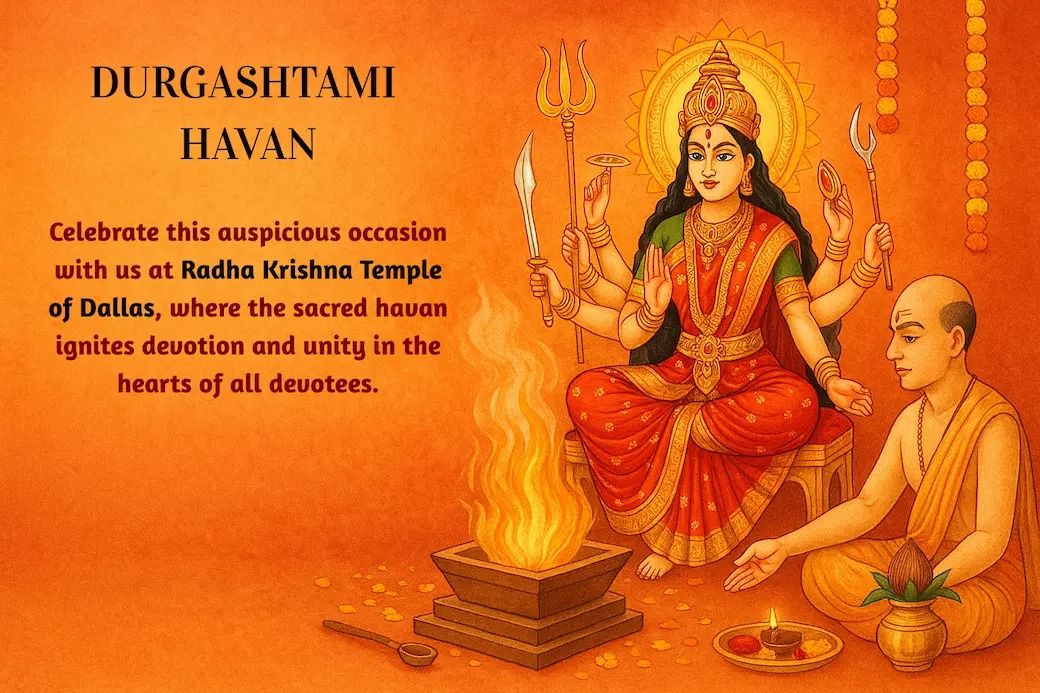
On a chilly autumn morning in Varanasi, an elderly priest sat before the havan kund, his face glowing in the soft light of the fire. Children from the neighborhood sat cross-legged around him, mesmerized as he recited powerful mantras.
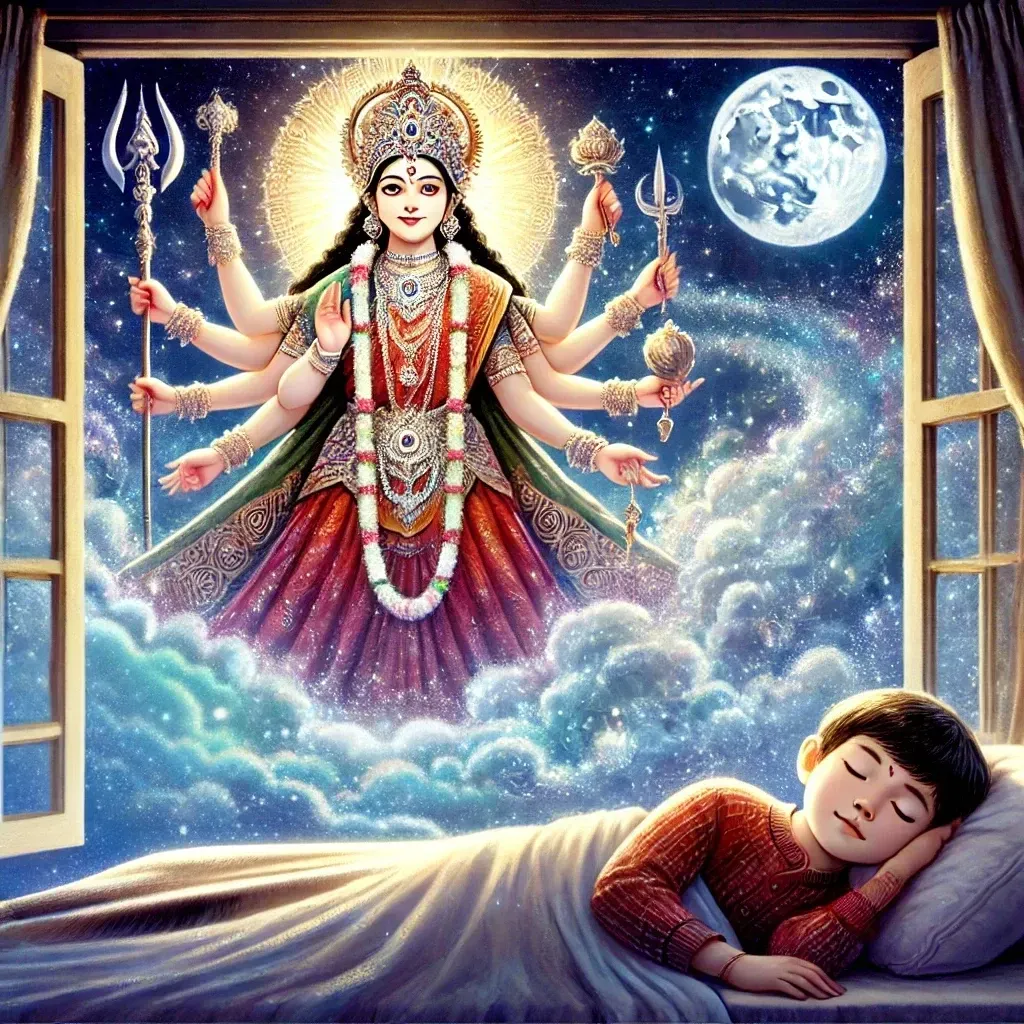
Among them was a young boy named Aarav, who had been struggling with fear and self-doubt.
As the priest offered ghee into the sacred fire and chanted “Om Aim Hreem Kleem Chamundaye Viche”, Aarav felt a strange calm wash over him. The crackling flames seemed to burn away his worries. That night, Aarav dreamt of a radiant Goddess riding a lion, smiling at him. The next morning, he woke up with a renewed sense of courage and joy.
- Years later, Aarav would say that this single Durga Ashtami Havan had changed his life, giving him the strength to pursue his dreams fearlessly.
- This simple story reflects what millions of devotees experience every year—the transformative power of Durga Ashtami Havan. It is not just a ritual; it is a spiritual doorway to inner strength, clarity, and divine blessings.
Meaning of Navaratri
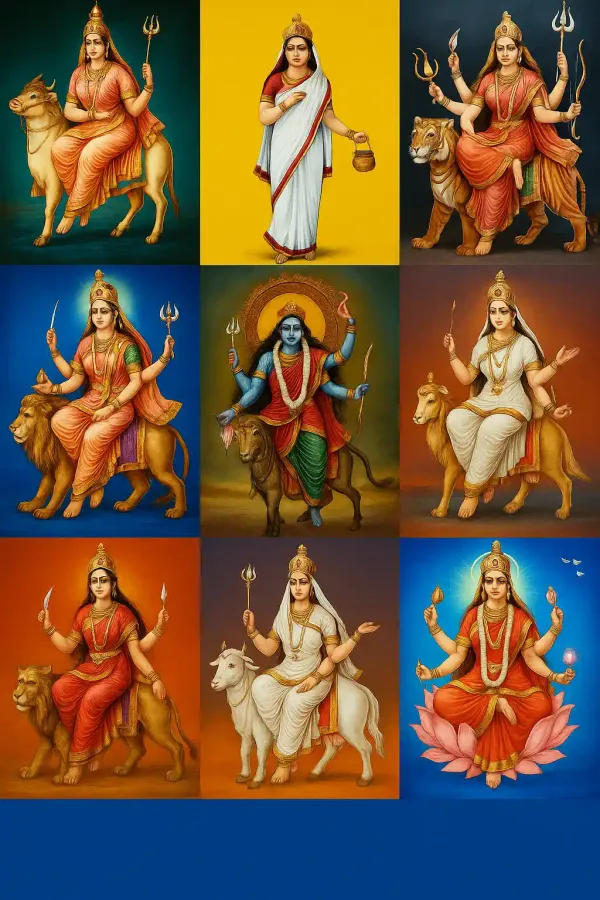
- Navaratri, meaning "nine nights," is one of the most spiritually charged and culturally rich festivals in India. It is a period devoted to the worship of Goddess Durga, the divine feminine energy (Shakti), who manifests in nine different forms over nine nights. Among these days, Durga Ashtami—the eighth day—holds profound spiritual significance. It is celebrated with great devotion, joy, and enthusiasm across India and in Hindu communities worldwide.
- One of the most powerful rituals performed on this day is the Durga Ashtami Havan (sacred fire ritual). This havan is not just a ceremonial tradition; it is a deeply transformative spiritual practice. It purifies the mind and environment, uplifts the soul, and invokes the blessings of the Goddess for protection, prosperity, and peace. This is explained in our Navaratri 2025 Guide.
Historical Background
- The Story of Durga and Mahishasura
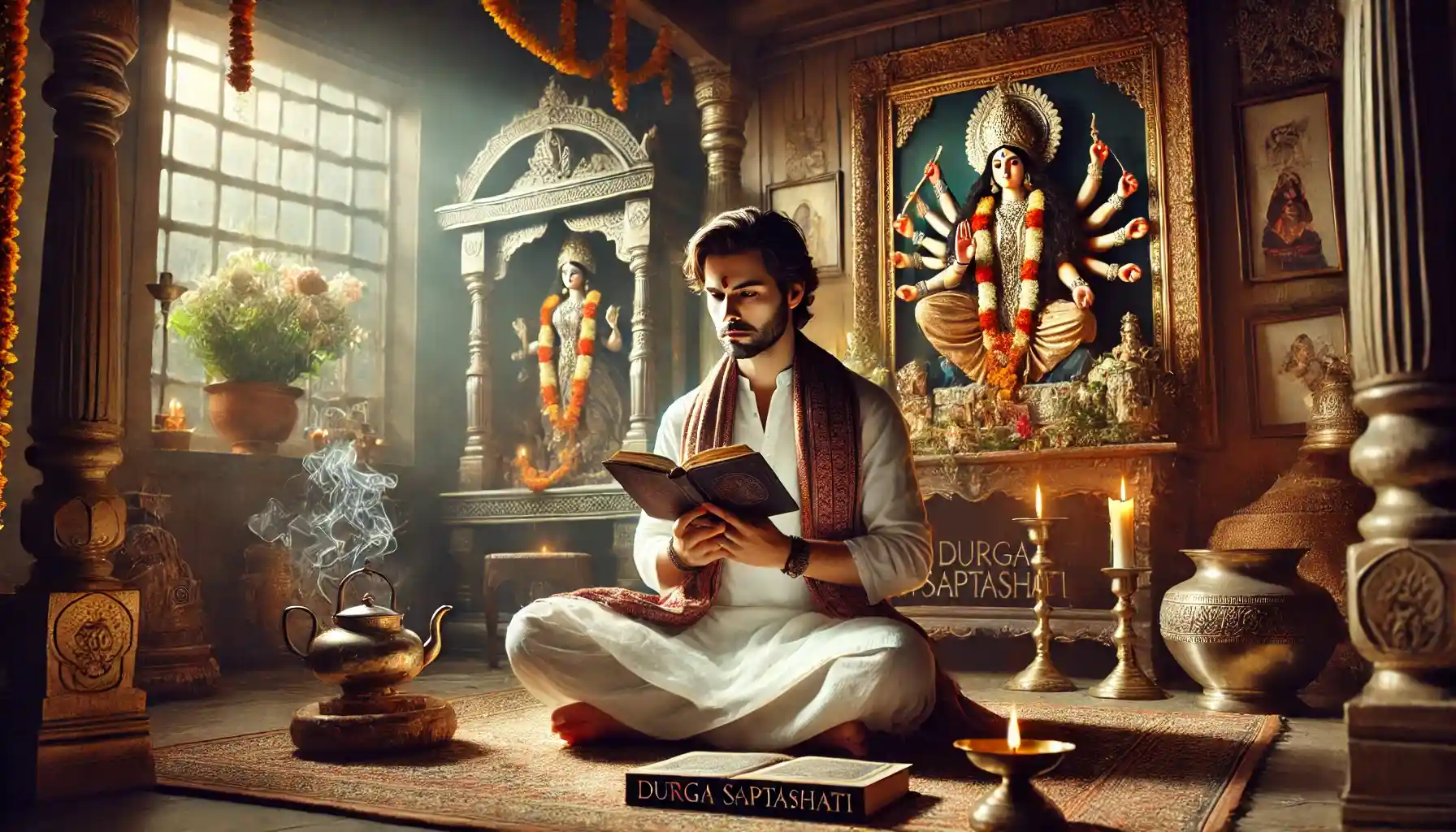
- The festival of Navaratri is rooted in the Devi Mahatmya (Durga Saptashati), an ancient Sanskrit text that narrates the glorious battles of Goddess Durga against various demons. The most famous of these battles is her victory over Mahishasura, the buffalo demon who terrorized heaven and earth.
- Mahishasura symbolizes ego, ignorance, and negative tendencies. The devas (gods) prayed to the Supreme Shakti to rescue them, and from their combined energies emerged Goddess Durga, radiating divine power. After a fierce battle lasting nine nights, Durga defeated Mahishasura on the day of Ashtami, restoring cosmic balance.
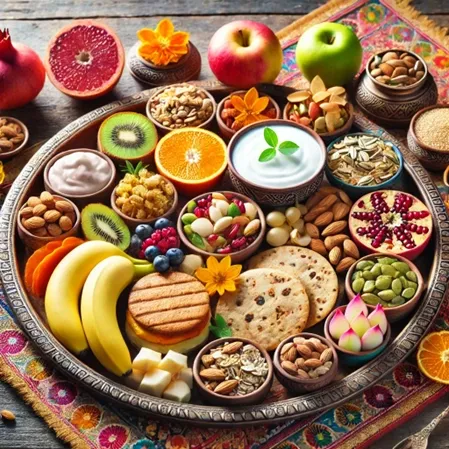
- Mahishasura symbolizes ego, ignorance, and negative tendencies. The devas (gods) prayed to the Supreme Shakti to rescue them, and from their combined energies emerged Goddess Durga, radiating divine power. After a fierce battle lasting nine nights, Durga defeated Mahishasura on the day of Ashtami, restoring cosmic balance. Here are some Navaratri Fasting Recipes
Vedic Roots of Havan
- The practice of havan or homa dates back to Vedic times. In the Rigveda, yajnas (fire sacrifices) were central to spiritual life. Agni (fire god) was considered the messenger who carries human prayers to the divine realm. The offerings made into the fire are said to nourish the gods, who in turn bless the devotees with health, wealth, and peace.
- Durga Ashtami Havan continues this ancient tradition, blending Vedic ritualism with Shakta (Goddess-centered) devotion.
Symbolism and Spiritual Philosophy
- Durga Ashtami Havan is not just a ritual but a spiritual metaphor:
- The Fire (Agni): Represents the divine light of consciousness that burns away ignorance.
- Offerings (Ahuti): Symbolize surrendering our ego, desires, and impurities.
- Mantras: Serve as sound vibrations that tune our consciousness to higher frequencies.
- Smoke and Fragrance: Purify the environment and elevate collective energy.
- Through this ritual, devotees symbolically burn their negative tendencies—anger, greed, pride—and invoke courage, wisdom, and compassion, aligning themselves with dharma (righteous living).
Preparation for the Ritual
- A powerful havan begins with inner and outer preparation.
- 1. Spiritual Readiness
- Fasting: Many devotees observe a full or partial fast on Ashtami. This detoxifies the body and sharpens mental focus.
- Sankalpa (Intention): Before starting, one sets a clear intention—whether it is for health, protection, spiritual growth, or universal peace.
- Mental Purification: Meditation, chanting, and abstaining from negative speech or thoughts are encouraged. Interested in installing the divine pot at home Ghatasthapana - Puja Vidhi,
🪔 Basic Havan Setup
- Havan Kund (Fire Pit) – Square or round metal/brick structure for the fire
- Wooden Sticks (Samidha) – Dry mango wood or pious wood sticks
- Camphor (Kapoor) – For ignition and purification
- Ghee (Clarified Butter) – For offerings into the fire
🌿 Havan Samagri (Sacred Mixture)
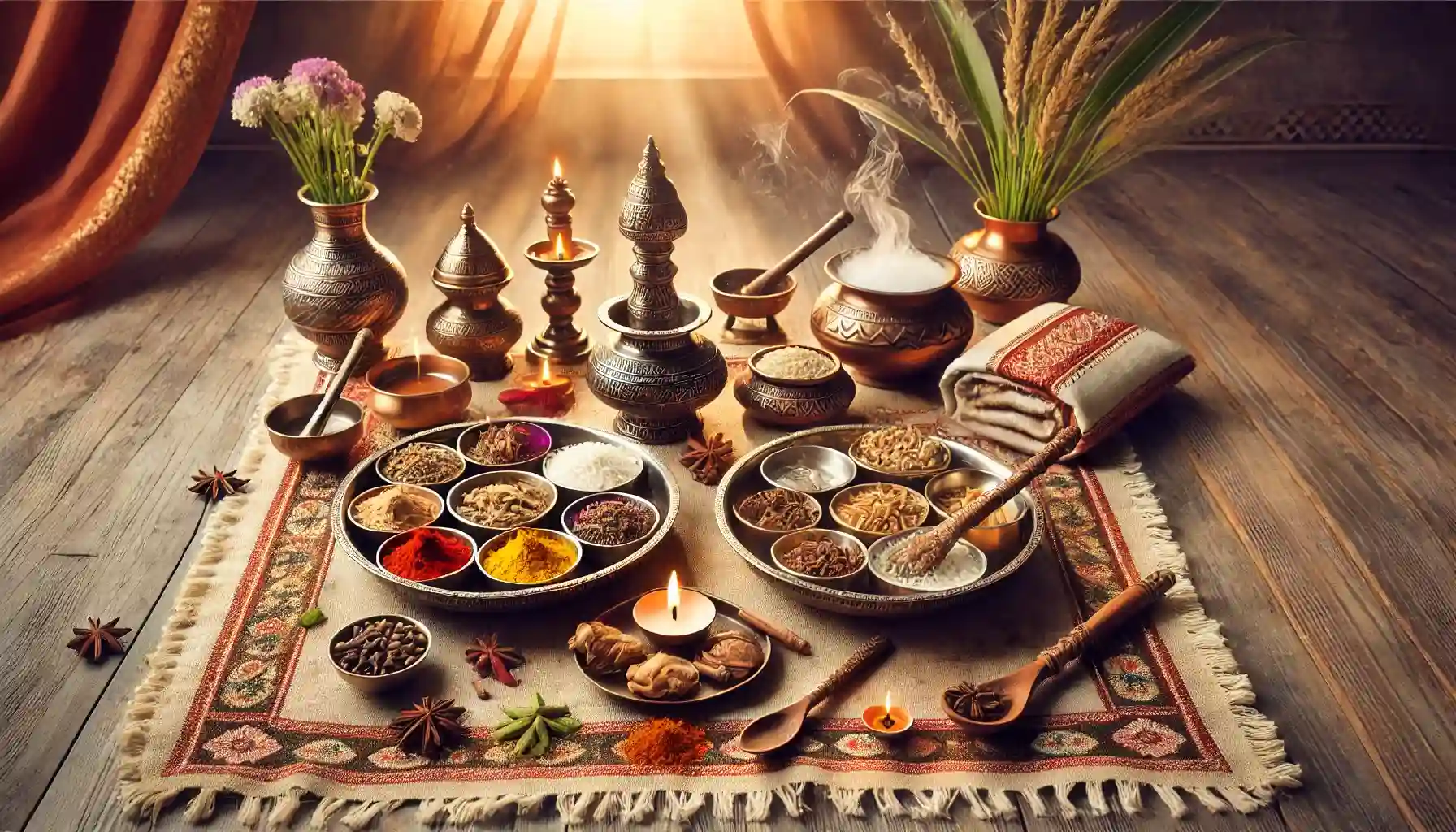
- Traditionally, Havan Samagri is a mixture of sacred herbs, seeds, and woods. You can buy a ready-made pack or prepare it with:
- Dry Cow Dung Cakes (for base fuel)
- Sesame Seeds (Til) – Symbol of fertility and protection
- Barley (Jau) – Represents prosperity
- Rice (Akshata) – Unbroken grains symbolizing abundance
- Sandalwood Powder – For fragrance and purification
- Dry Herbs – Including basil (Tulsi), neem leaves, and other Ayurvedic herbs
- Dry Flowers and Petals – Especially marigolds and roses
🌸 Puja Samagri
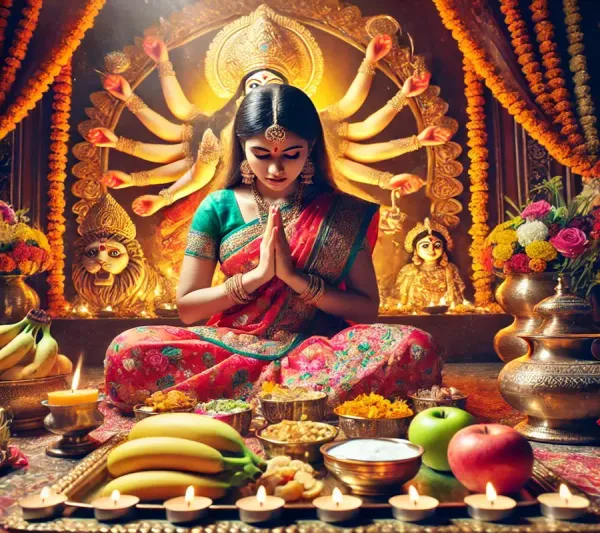
- Idol or Picture of Goddess Durga
- Red Cloth (Chunari) – To adorn the goddess
- Kalash (Sacred Pot) with water, mango leaves, and coconut
- Incense Sticks (Agarbatti) and Dhoop
- Kumkum (Vermilion), Haldi (Turmeric), Akshat (Rice) – For tilak and offerings
- Fruits – Bananas, pomegranates, or seasonal fruits
- Sweets (Naivedyam/Prasad) – Preferably kheer, halwa, or jaggery-based sweets
- Betel Leaves & Betel Nuts
- Flowers & Garland – Especially red flowers
📿 Other Essentials
- Panchpatra & Spoon – For offering water during mantras
- Bell (Ghanti) – To create auspicious sound vibrations
- Conch (Shankh) – For blowing before and after the havan
- Aasan (Mat) – For the participants to sit on
- Matchsticks or Lamp – To light the havan fire
- Puja Thali – To arrange all items systematically
🪷 Mantras and Books
- Durga Saptashati or Devi Mahatmya – For chanting
- Havan Mantras – Or a priest’s guidance, if possible
Step-by-Step Ritual Procedure
- Here’s a more detailed sequence of Durga Ashtami Havan:
- Purification: The area, participants, and materials are purified with water and mantras.
- Sankalpa: The devotee takes a vow (sankalpa) stating the purpose of the havan.
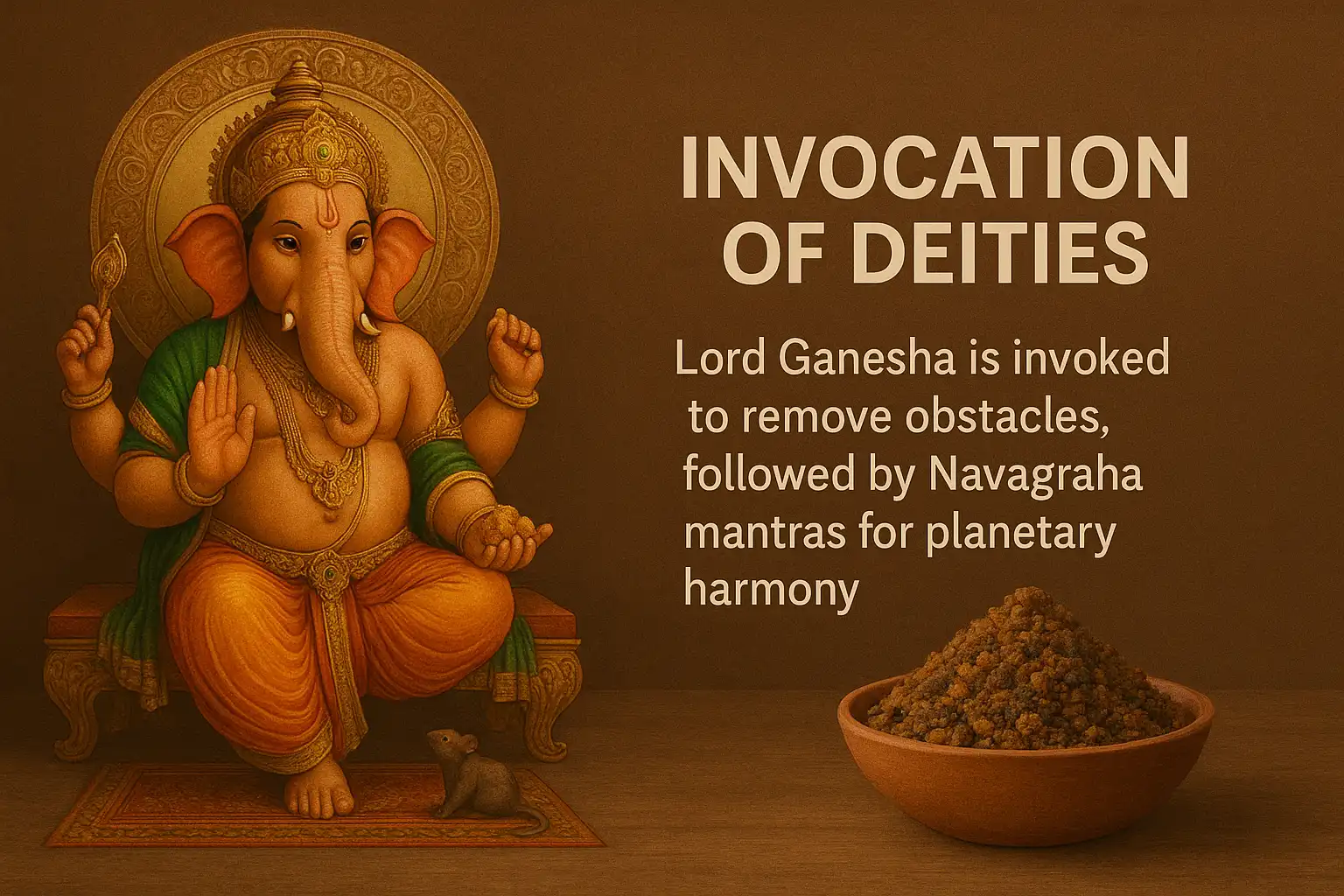
- Invocation of Deities: Lord Ganesha is invoked to remove obstacles, followed by Navagraha mantras for planetary harmony.
- Durga Invocation: Recitation of Durga Saptashati or selected shlokas to invite Goddess Durga’s energy into the ritual space.
- Lighting the Fire: Agni is lit, symbolizing divine presence.
- Offering Ahutis: With every chant of “Swaha,” offerings of ghee and samagri are made into the fire.
- Purnahuti: The final, grand offering symbolizing total surrender is performed.
- Aarti & Prasad: Concluding prayer and distribution of blessed food to all participants.
- This process creates a powerful spiritual environment, infusing the atmosphere with positivity and invoking divine grace
🪔 Durga Ashtami Havan Paddhati
1. Sankalpa (Resolve / Intention)
- श्लोक:
ममोपात्तसमस्तदुरितक्षयद्वारा श्रीपरमेश्वरी प्रीत्यर्थं
शुभे दुर्गाष्टमी दिने हवनं करिष्ये॥ - Meaning:
"With the intention of removing all my past karmic impurities and for pleasing the Divine Mother on this auspicious Durga Ashtami, I now perform this Havan."
2. Ganapati Vandana (Removal of Obstacles)
- श्लोक:
वक्रतुण्ड महाकाय सूर्यकोटि समप्रभ।
निर्विघ्नं कुरु मे देव सर्वकार्येषु सर्वदा॥ - Meaning:
"O Ganesha, with curved trunk and mighty body, shining like a million suns, please remove all obstacles and make this ritual successful."
3. Avahana (Invocation of Goddess Durga)
- श्लोक:
ॐ दुर्गायै नमः।
ॐ आह्वयामि स्थापयामि पूजयामि च॥ - Meaning:
"I invoke Goddess Durga, respectfully invite her presence, and worship her with devotion."
4. Nyasa & Dhyana (Meditation & Installation)
- श्लोक:
ॐ सर्वमंगल मांगल्ये शिवे सर्वार्थ साधिके।
शरण्ये त्र्यम्बके गौरी नारायणी नमोऽस्तु ते॥ - Meaning:
"O auspicious Goddess, fulfiller of all goals, consort of Shiva, I bow to you who grants refuge to all." - (Spend a few moments meditating on Maa Durga’s form — seated on a lion, holding weapons and blessing her devotees.)
5. Main Havan Mantra (Ahutis)
- Chant this mantra for each offering of samagri into the fire:
- श्लोक:
ॐ कात्यायन्यै च विद्महे। कन्यकुमार्यै धीमहि।
तन्नो दुर्गा प्रचोदयात्। स्वाहा॥ - Meaning:
"Let us meditate on Katyayani, the virgin goddess. May Durga guide and inspire our intellect." - (Offer ghee/samagri with every "Swaha.")
6. Durga Stuti (Praise)
- श्लोक:
या देवी सर्वभूतेषु शक्तिरूपेण संस्थिता।
नमस्तस्यै नमस्तस्यै नमस्तस्यै नमो नमः॥ - Meaning:
"Salutations again and again to the Goddess who dwells in all beings as Shakti (divine power)." - (Repeat 3 or 9 times.)
7. Purnahuti (Final Offering)
- श्लोक:
ॐ पूर्णमदः पूर्णमिदं पूर्णात् पूर्णमुदच्यते।
पूर्णस्य पूर्णमादाय पूर्णमेवावशिष्यते।
ॐ शान्तिः शान्तिः शान्तिः॥ - Meaning:
"This is perfect, that is perfect; from the perfect comes the perfect. If you take the perfect from the perfect, only perfection remains. May there be peace everywhere." - (Make the final offering with devotion.)
8. Prarthana & Shanti Path (Closing Prayer)
- श्लोक:
ॐ सर्वे भवन्तु सुखिनः। सर्वे सन्तु निरामयाः।
सर्वे भद्राणि पश्यन्तु। मा कश्चिद् दुःखभाग्भवेत्॥
ॐ शान्तिः शान्तिः शान्तिः॥ - Meaning:
"May all beings be happy, may all be healthy, may all experience goodness, may none suffer. Peace, peace, peace
Spiritual Benefits
1. Inner Transformation
The havan facilitates a deep inner cleansing—removing fear, confusion, and lethargy, and replacing them with courage, clarity, and spiritual strength.
2. Empowerment by Shakti
Durga is Shakti—the energy that sustains life. By invoking her, devotees draw strength to face challenges and transform difficulties into opportunities.
3. Karmic Cleansing
Offerings into the fire are symbolic of burning past karmic baggage, paving the way for spiritual progress.
4. Alignment with Cosmic Energy
The sound of mantras and the heat of the fire synchronize the individual’s energy field with cosmic vibrations, bringing harmony and peace.
Psychological and Emotional Benefits
- Stress Relief: The rhythmic chanting and focus on the fire act as a meditative practice, calming the nervous system.
- Collective Healing: Group havans create a field of shared positive intention, which amplifies healing for all participants.
- Emotional Balance: Anger, fear, and anxiety dissolve, leaving behind serenity and joy.
🙏 Fulfillment of Sankalpa (Intentions)
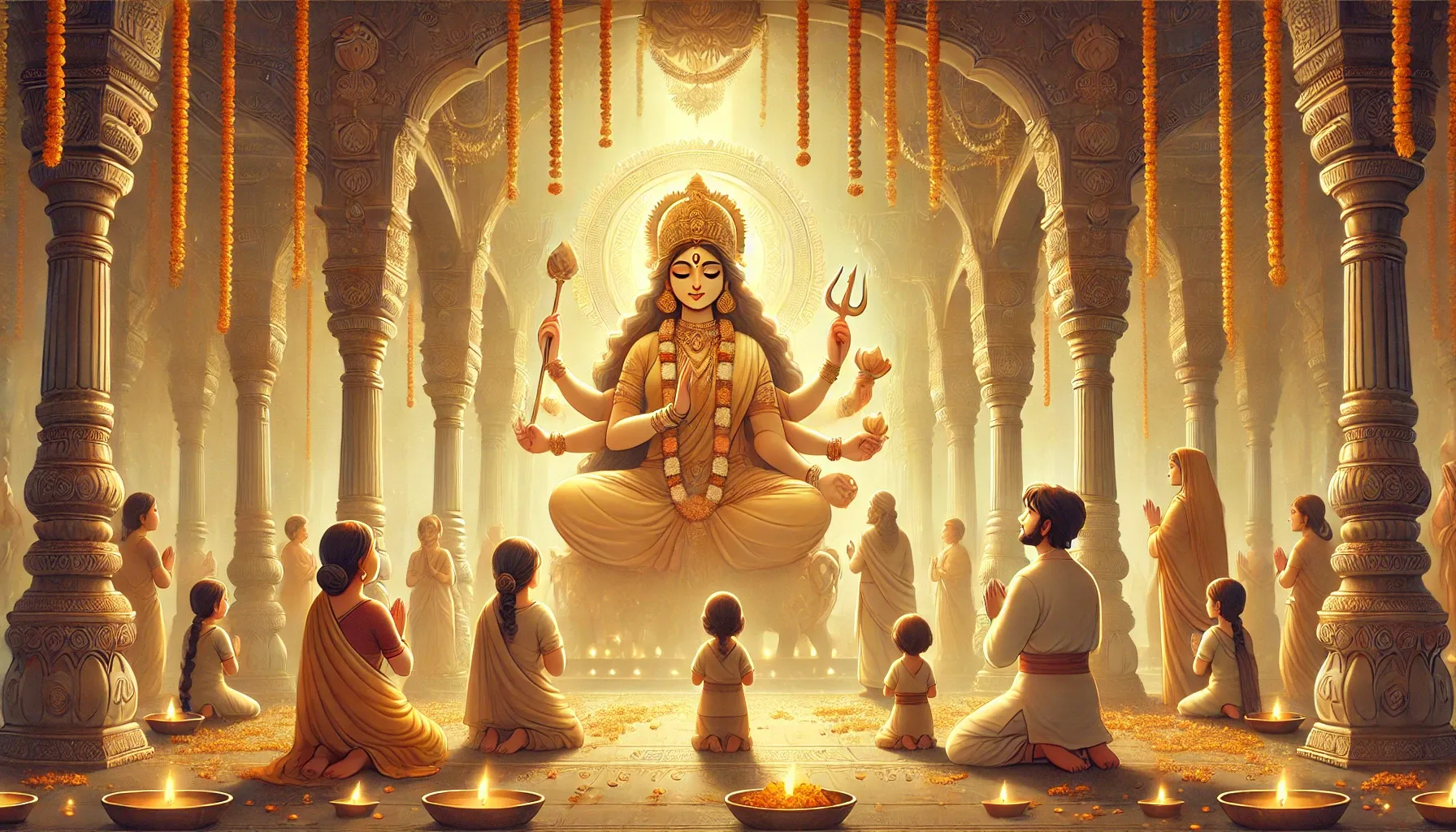
On Durga Ashtami, devotees take a Sankalpa (spiritual resolve) before performing the havan. This act is said to align one’s intentions with divine will, bringing blessings for success, health, and prosperity. It is also considered an opportunity to offer gratitude to the goddess for her protection and benevolence.
🧿 Protection and Empowerment
- Traditionally, Durga is revered as the destroyer of evil forces. Performing a havan on Ashtami is believed to invoke her protective energy, removing obstacles, fears, and negativity from one’s life. It is seen as an empowering ritual, especially for those seeking courage and resilience.
- Scientific and Environmental Perspective
- Modern science has studied the effects of yajna and havan smoke:
- Air Purification: The smoke has antimicrobial properties that cleanse the air and reduce harmful bacteria.
- Aromatherapy Effect: The fragrant herbs release natural compounds that relax the mind and uplift mood.
- Positive Energy Field: Sound vibrations from mantras have been shown to create coherent energy patterns in the surroundings, similar to the effects observed in sound therapy.
Regional Variations
- Durga Ashtami Havan is performed in diverse ways across India:
- West Bengal: Known as Maha Ashtami, it is part of the grand Durga Puja celebrations, with special anjali (flower offerings) and massive community participation.
- South India: Often linked with Saraswati Puja, invoking blessings for knowledge and wisdom.
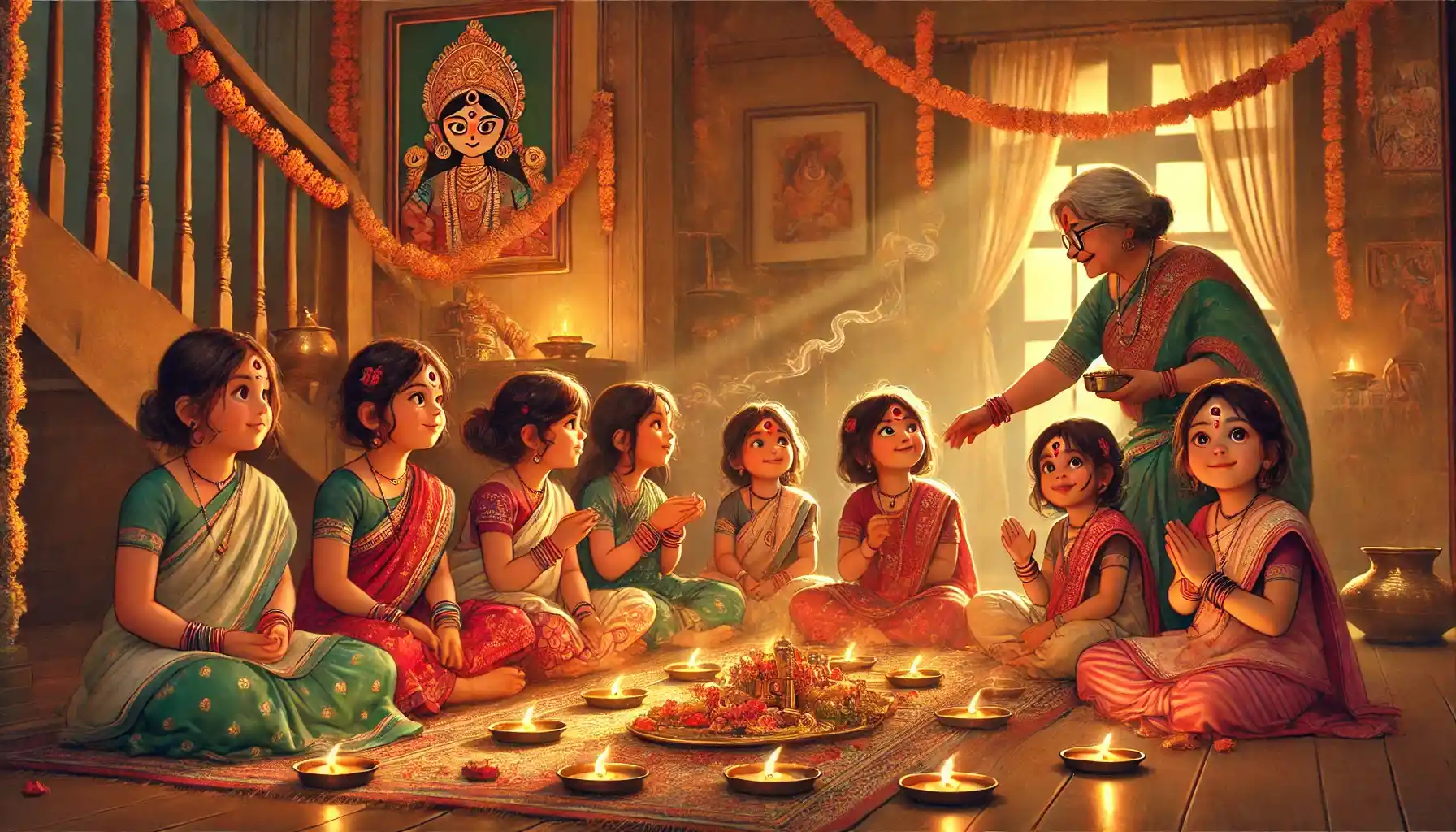
- North India: Observed with kanya puja (worship of young girls symbolizing the Goddess) followed by havan.
- Nepal: Known as Maha Ashtami during Dashain festival, with special animal sacrifices in some traditions.
Social and Cultural Impact
- The ritual is not just personal but has a strong social dimension:
- Community Unity: Collective havans bring families and communities together, strengthening bonds.
- Preservation of Tradition: By participating, younger generations learn about their cultural and spiritual heritage.
- Charity and Seva: Many households and temples combine havan with food donation (annadanam), spreading compassion and service.
Practical Tips for Modern Devotees
- Simplified Home Havan: Even if a full-scale ritual is not possible, lighting a diya, chanting mantras, and meditating can carry similar benefits.
- Eco-Friendly Practices: Use organic samagri and avoid synthetic materials to keep the ritual environmentally safe.
- Combine with Spiritual Study: Reading a chapter of Durga Saptashati or listening to its meaning enhances understanding.
- Digital Participation: Join online havans conducted by temples to experience the ritual’s collective energy if you cannot attend in person.
Conclusion
- Durga Ashtami Havan is a multi-dimensional spiritual practice that purifies the mind, strengthens the soul, uplifts the environment, and unites the community. In an age where stress, conflict, and disconnection are prevalent, this ancient ritual offers a pathway back to balance, harmony, and inner strength.
- By performing this havan with devotion and sincerity, we symbolically slay the demons within—fear, doubt, greed—and awaken the radiant energy of Goddess Durga in our lives.
Swami Mukundananda’s Wisdom: Key Teachings on Havan & Devotion
- Rituals as Means, Not Ends
Swami Mukundananda often emphasizes that external rituals (pujas, havans, fasting) are sacred supports, but the true goal is inner transformation. He teaches that what matters is not the perfect execution of the ritual, but the sincerity, devotion, and purity of the heart behind it. JKYog+1→ In the context of Durga Ashtami Havan: one’s internal attitude (focus, surrender, attention) is as important—if not more—than external precision. - Bhakti (Loving Devotion) Over Ritual Formalism
In his discourses on Navratri fasting and ritual observances, Swami Mukundananda underscores that Bhakti is higher than mere ritualism. He warns that practices done mechanically, without understanding or heartfelt devotion, lose their spiritual potency. Thus, during Havan, chants, offerings, and samagri should be done as expressions of love and surrender, not just tradition. - Purification of Mind & Heart
He links external austerities (fasting, ritual abstention) with the internal purification of the mind—reducing distractions, calming the senses, and directing attention inward. - Sankalpa with Clarity and Devotion
Swami Mukundananda encourages beginning any spiritual practice with a clear Sankalpa (resolve) aligned with divine intention, rather than vague or habitual gestures. In the step-by-step guide to Havan, you can stress pausing to set a heartfelt sankalpa (e.g., “I offer this Havan for your grace, to purify my heart, to surrender ego”) before lighting the fire. - Overcoming Ego & Negative Tendencies
In the broader context of Dussehra and Navratri, Swami Mukundananda interprets the burning of Ravana as symbolic of burning down one’s ego, anger, jealousy, and attachments. Radha Krishna Temple→ - Continuity Beyond the Ritual
One of his recurrent themes: spiritual practices don’t end when the ritual ends. The state cultivated during the ritual should extend into daily life. He speaks about maintaining the attitude of devotion, gratitude, purity, and surrender in thoughts, speech, and actions.
Call To Action
Durga Pujas
Participate in 9 Sacred Durga Pujas
Durgashtami Havan
Reserve your Spot
Food Festival
Celebrate with Every Bit
Ravan Dahan
Celebrate Dussehra with Devotion
⏳ Countdown to Navratri
Navratri begins on Sunday, Sept 21, 2025. Evening Garba starts at 7:00 PM.
Sacred Offerings for Durga Maa
Offer your devotion through seva.
Garba Workshops
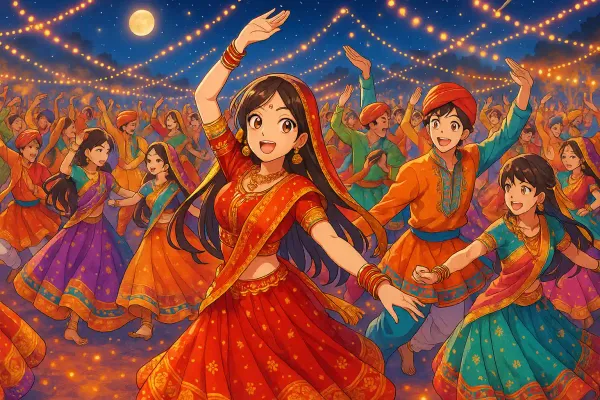
Get ready for Navratri! 💃🕺 Join our Garba Workshop at Radha Krishna Temple, Dallas and learn traditional steps, Dandiya moves, and rhythm with ease.
Dates
Sept 13, 6pm - 7pm
Sept 20, 6pm - 7pm
Price
Garba Workshop: $7
Dandiya Sticks : $5
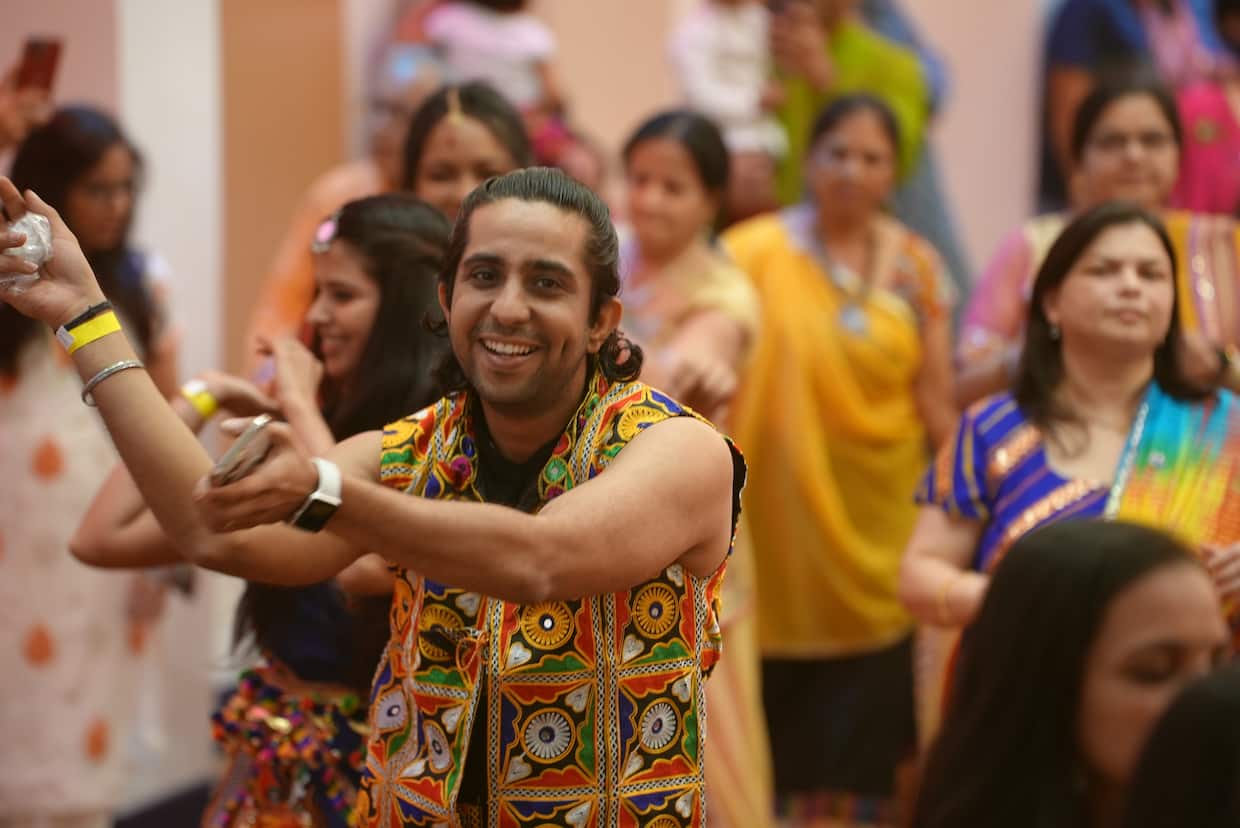
Cherished Moments of Past Navratri Celebrations
Relive the inspiring moments from past Navratri celebrations! Experience the joy, devotion, and vibrant festivities that make this event so special.


Serve, Grow, Inspire! — Volunteer for Navratri Mahotsav
Join us as a volunteer for the Navratri & Dussehra Celebrations! Experience the joy of devotion, build lifelong friendships, and serve the community while being part of these grand festivities. Sign up today to make this celebration truly special
FAQs
1. What is the significance of Durga Ashtami Havan in Navratri celebrations?
Durga Ashtami Havan is one of the most important rituals of Navratri, performed to honor Goddess Durga and seek her blessings. The havan purifies the surroundings, removes negative energies, and symbolizes the offering of ego and impurities into the sacred fire, leading to spiritual upliftment.
2. What are the key nefits of performing a Durga Ashtami Havan?
Performing the havan is believed to bring peace, prosperity, health, and spiritual growth. It strengthens mental focus, removes obstacles, and invokes the divine protection of Goddess Durga, helping devotees gain inner strength and courage to face life’s challenges.
3. What items are required for Durga Ashtami Havan?
Essential items include a havan kund, wood sticks (samidha), ghee, camphor, havan samagri (a mixture of sacred herbs), fruits, flowers, red cloth (chunari) for the goddess, incense sticks, and a kalash. These items together create a complete spiritual setup for the ritual.
4. Can Durga Ashtami Havan be performed at home without a priest?
Yes, it can be performed at home by following the proper procedure and chanting mantras with devotion. However, if you are unfamiliar with the rituals, consulting a priest or referring to a step-by-step guide can ensure that the havan is performed correctly and respectfully.
5. What mantras are chanted during the havan?
Typically, mantras from the Durga Saptashati (Devi Mahatmya) are recited, along with the Swaha mantra during offerings into the fire. These mantras invoke Goddess Durga’s energy and amplify the spiritual effect of the ritual.
6. When is the best time to perform Durga Ashtami Havan?
The havan is usually performed on the eighth day (Ashtami) of Navratri, during the auspicious hours (muhurta) in the morning or early afternoon. Checking a Panchang (Hindu calendar) for the exact Ashtami tithi and muhurta is recommended.
References
1. Durga Sūkta – Invocation of the Divine Feminine through Fire
Found in the Mahanārāyaṇa Upaniṣad and Taittirīya Brāhmaṇa, the Durga Sūkta opens with a prayer to Agni (fire) to take the devotee safely “across difficulties” (durgāṇi).
2. Prāṇāgnihotra Upaniṣad – The Inner Yajña
This Atharva Veda Upaniṣad teaches that true yajña is internal — offering breath,
3. Devi Māhātmya (Durga Saptashatī) – Divine Context for Ashtami Worship
Chapters 81–93 of the Mārkaṇḍeya Purāṇa narrate the victories of the Goddess over Mahishasura and other demons. After the slaying of the demons, the gods (including Agni, the deity of fire) offer hymns of praise to the Goddess. Reciting these hymns during Havan is considered especially auspicious, as it aligns one’s offering with the celestial worship described in the text.
4. Śiva Purāṇa – Fire Sacrifice as Core Devotion
The Śiva Purāṇa describes the Agni Yajña in detail, affirming that offering oblations (āhuti) into fire is one of the highest acts of worship.
5. Śatapatha Brāhmaṇa – Yajña as a Cosmic Principle
This Brāhmaṇa text equates yajña with Vishnu, teaching that sacrifice sustains cosmic order (ṛta). When we perform Durga Ashtami Havan, we symbolically participate in this cosmic yajña, aligning our lives with dharma and universal harmony.
6. Dakṣa Yajña Myth – Fire, Shakti, and Transformation
Story of Dakṣa’s sacrifice — narrated in several Purāṇas — culminates in Goddess Satī’s self-immolation and the subsequent establishment of Śakti Pīṭhas.
✨ Takeaway for Devotees
Together, these scriptures affirm that Durga Ashtami Havan is not just a ritual but a spiritual technique — purifying the mind, invoking divine protection, and connecting the participant with the divine. By chanting Durga Sūkta, reciting verses from Devi Māhātmya, and offering with sincerity, one transforms the Havan into a bridge between the outer act of worship and the inner journey toward self-realization.