
Millets are tiny grains that offer way beyond the reach and influence of simple nutrition. These powerhouse grains pack an impressive array of nutrients that your body needs to stay healthy. People often call them "nutricereals," and they have shown great potential to solve food security challenges worldwide. These ancient grains come loaded with protein, dietary fiber, micronutrients, and beneficial bioactive compounds.
You might wonder what makes millets such a great choice if you care about your health. These grains have a low glycemic index, so they don't cause your blood sugar to spike quickly. The dietary fiber in millets slows down how your body absorbs glucose in the small intestine and helps keep blood glucose levels steady. Their nutrient profile goes beyond just macronutrients. Some varieties are mineral-rich superstars—finger millet's calcium content tops all cereal grains at 350 mg per 100g. A single 100g serving of barnyard millet gives you all the iron you need for the day. This piece explores many health benefits of different millets and shows you practical ways to add these eco-friendly grains to your meals.
What Are Millets? A Quick Overview
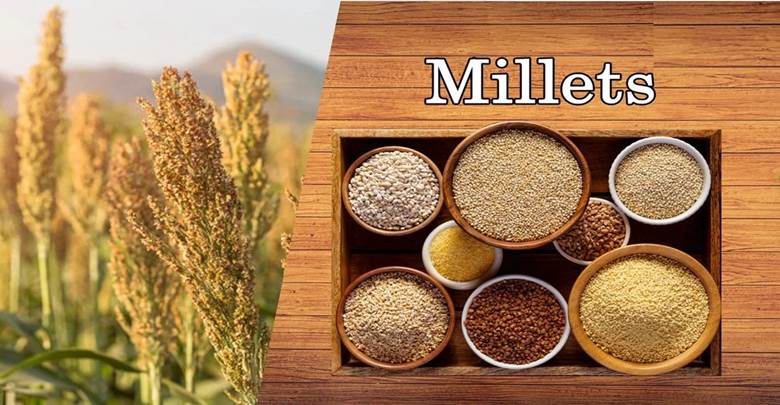
Millets rank among the world's oldest grains that humans have grown for over 10,000 years. These small-seeded annual grasses belong to the Poaceae family and grow well in dry and semi-dry regions of Asia and Africa. Unlike regular cereal crops, millets show amazing toughness. They need very little water and grow well in poor soil where other grains don't survive.
People once called them "poor man's food," but millets have now surpassed this image to become known as nutrient-rich "nutricereals". Farmers grow these grains in many regions worldwide. India leads the production with 80% of Asia's and 20% of the world's millet output.
Types of millets you should know
You'll find millets in three main categories:
Major Millets:
- Sorghum (Jowar) - Farmers grow it widely in India, Central America, and Africa
- Pearl Millet (Bajra) - Grows extensively worldwide, with its roots in Africa
- Finger Millet (Ragi) - Packs lots of calcium, mainly grown in India and Africa
Minor Millets:
- Foxtail Millet - The second most popular variety, especially in Asia
- Kodo Millet - Started in West Africa but now grows across Asia
- Barnyard Millet - Naturally gluten-free with great nutrition
- Little Millet - Does well in mild climates with low rainfall
- Proso Millet - Common in the Dakotas, Colorado, and Nebraska in the US
Pseudo Millets:
- Amaranth - From Mexico and South America, rich in protein and dietary fiber
- Buckwheat - Indians know it as "kuttu" and eat it during fasts
Each variety looks, feels, and tastes different despite being in the same family. They also offer unique health benefits thanks to their distinct nutritional makeup.
Why millets are making a comeback
Millets are seeing an amazing return after years of falling behind crops like rice and wheat. Here's why people love them again.
These grains shine in tough weather conditions, which makes them valuable as environmental challenges grow. Millets use 2-5 times less water than rice and wheat, making them perfect for areas where water is scarce. They handle extreme heat and drought well, which helps tackle climate change effects.
People now understand nutrition better, putting millets in the spotlight. Changing their name from "coarse grains" to "nutricereals" or "shri anna" (grains of wealth) has helped improve their image. This change comes as more people look for gluten-free options and healthy foods.
Governments have helped bring millets back too. India named 2018 its National Year of Millets and suggested the International Year of Millets to the UN. The UN made 2023 the International Year of Millets, which helped spread the word about these versatile grains worldwide.
Bringing back millets means returning to old wisdom. Before the 1960s Green Revolution pushed hybrid wheat and rice, many people based their diets on millets. Now they're part of modern meals through new products like snacks, breakfast cereals, and even beer.
Top Health Benefits of Different Millets
Millets pack an impressive nutritional punch and bring amazing health benefits that make them great additions to any diet. Studies keep showing how these versatile grains help people stay healthy through their unique makeup and properties.
Millets for weight loss and satiety
Millets make it easier to maintain a healthy weight thanks to their high fiber content and low glycemic index. These small grains help you feel full longer, which cuts down on unnecessary snacking. Research shows that millets' high fiber content (8-12g per 100g versus white rice's 2.4g) adds bulk to meals and keeps hunger away longer.
People who eat millet-based foods regularly see good results with weight control. One study found people lost an average of 1.9kg after eating mixed millet foods for about 3.8 months. On top of that, research on foxtail millet showed it reduced fat tissue and boosted leptin production - the hormone that controls energy balance and fullness.
Pearl millet really shines when it comes to weight management. Its porridge takes up more space in the stomach and digests more slowly, which leads to much lower hunger levels compared to oats and rye.
Heart health and cholesterol control
The heart benefits of millets are backed by solid research. A detailed look at 19 studies with nearly 900 participants found that eating millets regularly brought total cholesterol down by 8%, from high to normal levels. People's "bad cholesterol" levels also dropped by 10%.
Millets protect heart health in several ways:
- Their good fats prevent extra fat storage and lower the risk of high cholesterol and strokes
- The soluble fiber creates a gel in your digestive system that traps fats and lowers cholesterol
- Higher levels of sterols and pinacosanols stop cholesterol production
- Potassium helps control blood pressure, with studies showing a 5% drop in diastolic pressure.
Blood sugar regulation and diabetes prevention
Millets offer natural blood sugar control for people worried about diabetes. They have a low glycemic index (40-70, lower than wheat, rice, and maize), which prevents quick jumps in blood sugar. The fiber also slows digestion, so sugar enters your blood gradually.
A study of people with type 2 diabetes found that switching from rice to millet-based breakfast substantially lowered post-meal blood sugar. Another 12-week study showed that eating just 50 grams of foxtail millet daily helped people with prediabetes lower their fasting and post-meal blood sugar levels, while reducing insulin resistance.
Digestive health and gut support
Millets help your digestive system largely because of their high fiber content (15-20%), which includes both soluble and insoluble types. Insoluble fiber helps keep you regular, while soluble fiber forms gels that bring various health benefits.
These grains work as prebiotics to keep good gut bacteria like Lactobacillus and Bifidobacterium fed. Studies show that millet-based diets can increase gut bacteria diversity by up to 20%, which improves digestion and immune function. Foxtail millet showed especially strong results, boosting helpful bacteria while reducing harmful ones like E. coli.
Bone strength and mineral absorption
Finger millet (ragi) really stands out as a calcium powerhouse, with 300-350mg per 100g—that's three times more than milk and ten times more than brown rice, wheat, and corn. This makes it great for preventing osteoporosis and keeping bones healthy throughout life.
Studies looking at how well calcium stays in the body found big benefits from finger millet diets. Research showed 23.4% calcium retention from finger-millet meals even with phytates present. A clinical trial with premenopausal women proved that eating finger millet regularly improved both calcium levels and bone density.
These wide-ranging health benefits make millets more than just nutritious grains - they're true functional foods that support your overall health.
How to Add Millets to Your Daily Diet
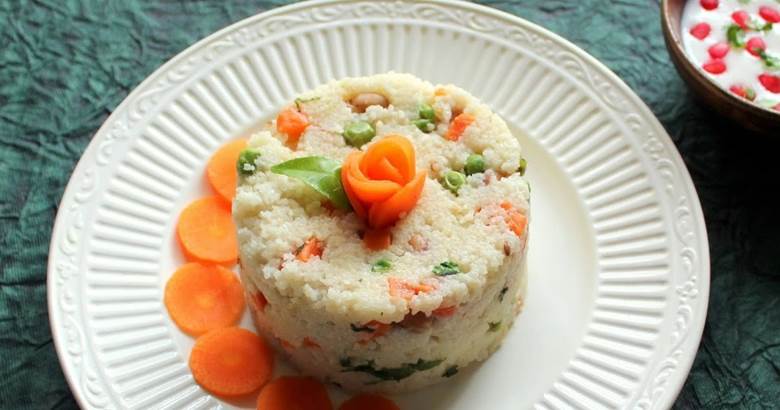
Adding millets to your daily meals takes little effort but gives you amazing nutritional benefits. These grains blend naturally into cooking styles of all types. You can easily switch from regular grains to millets without losing taste or enjoyment.
Easy millet swaps for rice and wheat
Millets make a great replacement for everyday staples and help you eat healthier. You can start by mixing foxtail millet with regular rice when you cook pulao or risotto. This cuts down your carbs while keeping familiar flavors. Millets work better than wheat because they're naturally gluten-free and have a lower glycemic index than rice varieties.
If you love Indian breads, you can add millet flours to your roti dough or switch completely to millet-based options. The great thing about millets is that each type brings its own taste and texture. This makes your meals more interesting and fun to prepare.
Breakfast ideas with millets
Breakfast gives you the perfect chance to eat millets. A bowl of millet porridge makes an excellent start to your day. Just cook foxtail millet with water or milk until it softens, then add fruits, nuts, and honey. You can also make fluffy, protein-packed pancakes by using millet flour instead of regular flour.
Other breakfast options include:
- Millet-based dosas and idlis made by soaking whole millets with rice and dal
- Quick and healthy millet smoothies mixed with fruits, yogurt, and milk
- Warm and fragrant millet porridge with cinnamon and cardamom
Millet-based snacks and desserts
You can satisfy your cravings with healthy millet treats. Baked ragi chakli brings a nutritious twist to the classic snack by using finger millet flour and besan. Millet snack balls are versatile - eat them in pita bread with salad, pair them with spicy sauce, or serve them as party appetizers.
Sweet lovers can enjoy millet pudding, especially when made with bajra. It tastes just like traditional rice pudding. You can also make healthier versions of cakes, cookies, and brownies using millets. Rose-flavored millet kheer makes an impressive and nutritious end to any meal.
Exploring Different Recipes with Millets
Millets can create amazing culinary delights that taste way better than simple grain preparations. These tiny grains shine in kitchens of all types, from homestyle comfort foods to creative desserts.
Savory dishes: khichdi, upma, and pulao
Millet khichdi packs nutrition by mixing millets with lentils and vegetables. You can make a complete one-pot meal using foxtail millet khichdi with split green gram lentils and seasonal vegetables.
The recipe starts by soaking millets and lentils for an hour. Next, sauté them with cumin seeds, onions, ginger-garlic paste, and green chilies until golden brown. The dish comes together as turmeric, garam masala, and vegetables cook to the perfect texture and flavor.
Millet upma serves as a quick and healthy option. The traditional pressure cooker method starts with tempering mustard seeds and urad dal. Green chilies, onions, and ginger join in next. The dish comes together once the vegetables soften and you add turmeric, beans, carrots, and millet with water.
Rice lovers find a fiber-rich friend in millet pulao. Barnyard millet pulao (samak rice pulao) brings fragrant flavors perfect for fasting or regular meals. People switching to millet-based diets love its versatility.
Sweet dishes: kheer, laddoo, and porridge
Sweet preparations showcase these grains' amazing potential. Millet kheer, a creamy pudding-like dessert, comes in many versions. Foxtail millet kheer blends the grain with milk, jaggery, and saffron to create a nutritious spin on traditional rice kheer. Little millet with rose extract creates a fragrant Gulab Kheer.
Ragi laddoo combines finger millet flour, jaggery, and ghee into delicious sweet balls. These calcium, fiber, and iron-rich treats give you energy while satisfying sweet cravings.
Pumpkin millet porridge captures fall's essence by mixing millets with pumpkin, cinnamon, vanilla, pecans, and raisins. This cozy breakfast adds vitamin A and fiber with comforting flavors.
Gluten-free baking with millet flour
Millet flour's natural gluten-free quality makes it great for baking. Mixed with oat flour and sweet rice flour, it creates versatile blends for various baked goods. The flour's soft, starchy texture adds tenderness while its buttery, nutty notes enhance flavors.
Millet cake proves the grain's baking potential. Multi-millet flour combines with powdered oats, dates, honey, and vanilla to create a moist, nutritious dessert. Little millet pancakes offer a hearty breakfast choice, often including bananas for natural sweetness.
The mild flavor of millet flour works perfectly in sweet and savory baked goods. From fluffy cakes to crispy pie crusts, it adds nutrition without losing taste or texture.
Step-by-Step: How to Cook Millet
Here’s the complete process of cooking millet:
1. Soaking Millet
- Soak millet for 6–8 hours (optional but recommended).
- Benefits:
- Makes grains fluffier.
- Reduces cooking time.
- Improves digestibility.
- Enhances texture for porridge or pilaf.
“Soaking grains is like giving them time to awaken their hidden energy.”
2. Water-to-Millet Ratio
- Soaked millet: 1 cup millet → 1.5 cups water
- Unsoaked millet: 1 cup millet → 2 cups water
3. Cooking Instructions
- Wash millet thoroughly.
- Heat a thick-bottomed pot.
- Add washed millet + water.
- Bring to a boil on high heat.
- Reduce the heat to low, cover, and cook.
- Soaked: 6–8 minutes
- Unsoaked: 10–13 minutes
- Turn off the heat when water is absorbed.
- Let it sit for 10 minutes.
- Fluff with a fork and serve.
4. Pro Tips for Perfect Millet
- Add 1 tsp of oil for fluffier grains.
- Avoid stirring while cooking (prevents lumps).
- Toast millet before cooking for a nutty flavor.
- Let millet cool before serving for extra fluffiness.
5. Storage
- Room temperature: 8–12 hours
- Refrigerator: 2–3 days
🍽️ Delicious Ways to Enjoy Millet
Cooking millet opens doors to countless dishes:
- Breakfast Ideas
- Millet porridge with fruits, nuts, and honey.
- Millet upma with veggies and spices.
- Millet pancakes with jaggery syrup.
- Lunch & Dinner
- Millet salad with fresh herbs.
- Fluffy millet pilaf cooked with vegetable broth.
- Millet khichdi with moong dal and spices.
- Desserts
- Millet kheer with coconut milk.
- Millet laddoos with jaggery.
- Baked millet pudding.
“Variety in grains brings variety in life.”
Millets and the Planet: A Sustainable Choice
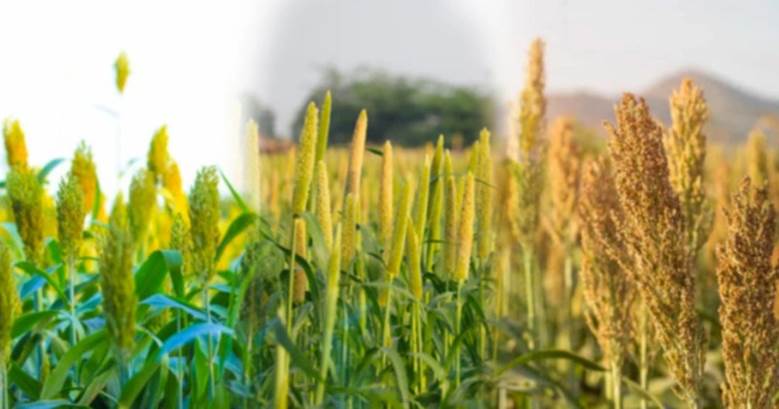
Millets stand out as a shining example of sustainable agriculture in these times of growing environmental challenges. These amazing grains provide solutions to urgent environmental problems and help support the communities that grow them.
Low water usage and climate resilience
Millets are incredibly efficient with water. They need just 200-300 liters to produce one kilogram of grain, while rice needs 8,000-12,000 liters. These grains are C4 plants, which means they're better at photosynthesis and build up dry matter more effectively. These tough crops can handle extreme heat up to 42°C. They complete their growth cycle in 12-14 weeks - that's half the time rice and wheat take.
Supporting small farmers and local economies
Millet farming brings several economic benefits to rural communities. These crops can grow on poor-quality land where other crops won't survive, which gives small-scale farmers a great opportunity. Millet farming helps local economies grow by creating jobs throughout the entire process - from growing to processing to selling. The crops' natural toughness means farmers can count on good yields even in harsh weather.
Why millets are eco-friendly grains
Millets do more than just save water. They need fewer chemicals than common crops, which helps protect the soil. These grains improve soil health because they fix nitrogen and support different forms of life. Their small carbon footprint makes them perfect climate-smart crops for building a sustainable future.
Conclusion
Millets are nature's perfect food that packs amazing nutritional value and supports both human health and our planet's wellbeing. These ancient grains are great for blood sugar control, heart health, digestion, and stronger bones. Anyone can cook them easily, whatever their cooking skills or food priorities. Your nutritional intake will get a big boost when you swap rice or wheat with millets a few times a week - and they taste just as good.
Choosing millets is also great for the environment. These tough crops need very little water and grow well in harsh conditions. They help small farmers make a living worldwide. Every time you eat millets, you nourish yourself and support environmentally responsible farming that protects our planet's future.
Call to Action
🌾 Explore healthy millet recipes & spiritual wisdom 👇
Subscribe JKYog Cooking Subscribe Swami MukundanandaFAQs
Q1. What are the main health benefits of eating millets regularly?
Millets offer numerous health benefits, including improved weight management, better heart health, blood sugar regulation, enhanced digestive health, and stronger bones. They are rich in fiber, minerals, and antioxidants, making them a nutritious addition to any diet.
Q2. How can I incorporate millets into my daily meals?
You can easily add millets to your diet by substituting them for rice or wheat in various dishes. Try using millet flour for baking, making millet porridge for breakfast, or adding cooked millets to salads and soups. They can also be used in traditional recipes like khichdi, upma, and pulao.
Q3. Are millets suitable for people with gluten intolerance?
Yes, millets are naturally gluten-free, making them an excellent choice for people with celiac disease or gluten sensitivity. They can be used as a nutritious alternative to wheat-based products in various recipes, including baked goods.
Q4. Which type of millet is considered the most nutritious?
While all millets are nutritious, finger millet (ragi) is often considered one of the most beneficial due to its high calcium content. It contains 300-350mg of calcium per 100g, which is significantly higher than most other grains and even milk.
Q5. How do millets contribute to environmental sustainability?
Millets are environmentally friendly crops that require minimal water for cultivation, can grow in poor soil conditions, and are naturally pest-resistant. They have a lower carbon footprint compared to rice and wheat, making them a sustainable choice for both farmers and consumers.
📌 Key Takeaways
- Soak millet for better texture and digestibility.
- Use correct water ratios depending on soaking.
- Millet is nutritious, gluten-free, and sattvic.
- It can be used in both sweet and savory dishes.
- Knowing how to cook millet is a step toward healthier living.
“Simplicity in diet leads to clarity in thought.”