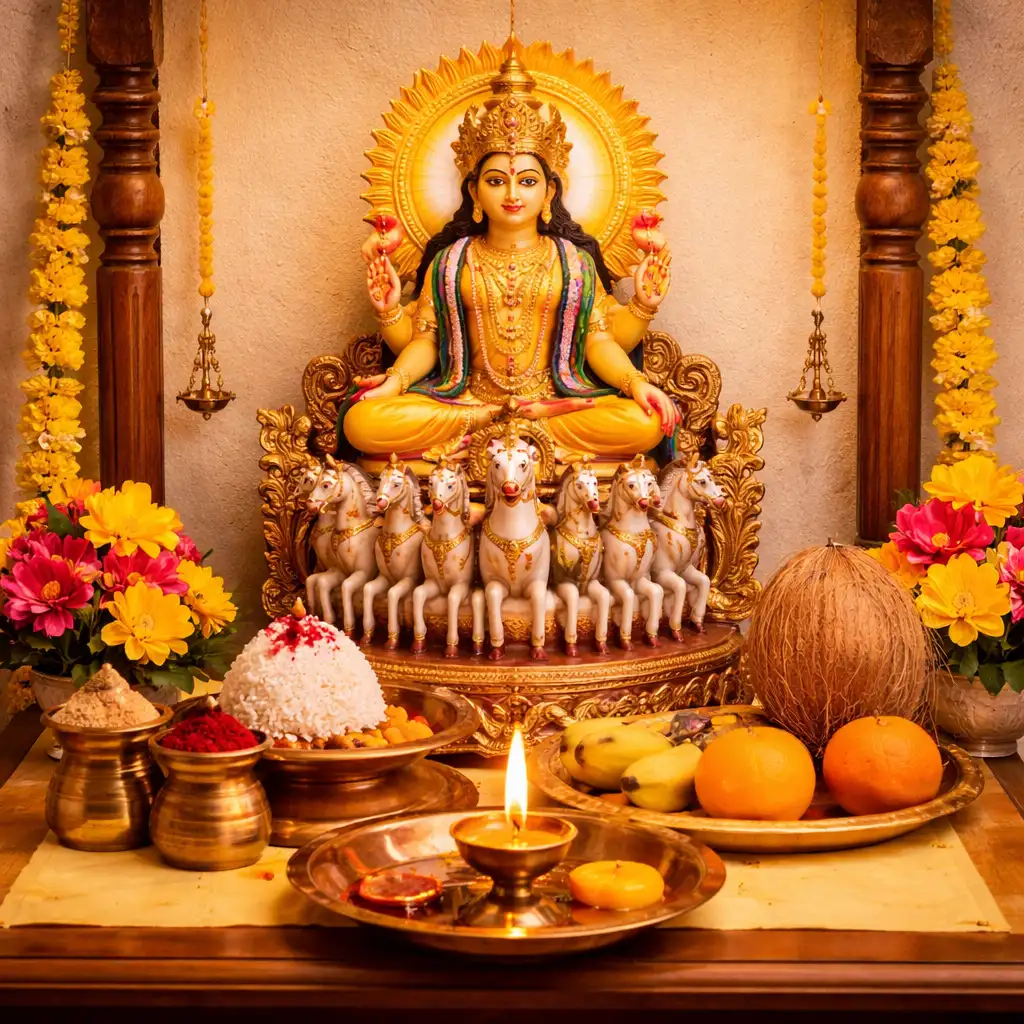
Mesha Sankranti, also known as Mesha Sankramana or the Hindu Solar New Year, marks a significant celestial event when the Sun transitions into the Mesha Rashi, or Aries zodiac sign. This sacred transition signals the beginning of a new solar cycle in several regional Hindu calendars and is considered a time of renewal, positivity, and spiritual awakening. The day carries immense cultural, religious, and astrological importance across India. Devotees welcome the day with prayers, charity, ritual bathing, and festive meals.
The movement of the Sun into Aries is not merely an astronomical event. It represents the entry of cosmic energy that encourages new beginnings, clarity, vitality, and leadership. This transition also marks the end of Kharmas, a period traditionally considered unsuitable for auspicious activities. With Mesha Sankranti, marriages, new ventures, housewarmings, and spiritual practices resume with renewed enthusiasm.
Across India, the day is celebrated under different names and traditions. Tamil Nadu celebrates Puthandu, Kerala observes Vishu, Assam celebrates Bohag Bihu, West Bengal observes Pohela Boishakh, Punjab celebrates Baisakhi, and Odisha observes Pana Sankranti. Despite regional variations, the essence remains the same. It is a day to welcome the Solar New Year with devotion, gratitude, and hope.
This blog explores Mesha Sankranti April 2026 in detail, including date, sacred timings, spiritual meaning, rituals, and regional celebrations.
1. Mesha Sankranti 2026: Date and Sacred Timings
The first section of the blog focuses on the specific timing of the event to help readers plan their day. Mesha Sankranti in 2026 will be observed on Tuesday, April 14, 2026. The sacred timings determine when devotees perform rituals, take holy baths, offer prayers, and engage in charity. Observing rituals during the Punya Kaal and Maha Punya Kaal is believed to bring maximum spiritual benefits.
Observation Date: Tuesday, April 14, 2026
Sankranti Moment: 09:39 AM IST on April 14, 2026
Auspicious Windows:
Punya Kala: 05:57 AM to 01:55 PM
Maha Punya Kala: 07:30 AM to 11:47 AM
These timings are considered especially favorable for performing sacred rituals. Devotees begin their day early in the morning with purification rituals, followed by Surya worship and charity.
| Event | Date (IST) | Time (IST) | Date (Dallas, Texas) | Time (Dallas, Texas CDT) |
|---|---|---|---|---|
| Mesha Sankranti Date | April 14, 2026 | Tuesday | April 13–14, 2026 | Monday–Tuesday |
| Sankranti Moment | April 14, 2026 | 09:39 AM | April 13, 2026 | 11:09 PM |
| Punya Kala Begins | April 14, 2026 | 05:57 AM | April 13, 2026 | 07:27 PM |
| Punya Kala Ends | April 14, 2026 | 01:55 PM | April 14, 2026 | 03:25 AM |
| Maha Punya Kala Begins | April 14, 2026 | 07:30 AM | April 13, 2026 | 09:00 PM |
| Maha Punya Kala Ends | April 14, 2026 | 11:47 AM | April 14, 2026 | 01:17 AM |
Mesha Sankranti 2026 Timing Table (IST and Dallas, Texas)
Note: Dallas, Texas follows Central Daylight Time (CDT) in April 2026, which is 10 hours 30 minutes behind Indian Standard Time (IST). Therefore, Mesha Sankranti observances in Dallas begin on the evening of April 13, 2026 and continue into early morning of April 14, 2026.
The Maha Punya Kala is regarded as the most sacred time of the day. Ritual bathing, Surya Arghya, and charity performed during this period are believed to yield multiplied spiritual merit. Many temples also conduct special Surya puja ceremonies during this window.
Devotees who cannot observe rituals during Maha Punya Kala can perform them anytime during the broader Punya Kala. The important aspect is devotion and sincerity. The timing simply enhances the auspiciousness of the actions performed.
2. The Spiritual and Astrological Significance
Mesha Sankranti marks an important turning point in the Hindu solar calendar. It occurs when the Sun enters Mesha Rashi, or Aries, the first sign of the zodiac. This transition is considered highly auspicious because it symbolizes the beginning of a new solar cycle, bringing renewed energy, clarity, and opportunities. The day is widely observed as the Hindu Solar New Year in many regions of India and is associated with spiritual awakening, prosperity, and fresh beginnings.
The significance of Mesha Sankranti is rooted in both astronomy and spirituality. The movement of the Sun into Aries represents the start of a dynamic phase filled with vitality and forward momentum. Devotees believe that this transition strengthens positive energy and supports new ventures, personal growth, and spiritual progress.
Hindu Solar New Year
Mesha Sankranti marks the beginning of the new year in several regional solar calendars including the Tamil, Malayalam, Bengali, and Odia traditions. Unlike lunar based festivals, this observance follows the Sun's movement. Since Aries is the first zodiac sign, the Sun's entry into Mesha Rashi represents the start of a fresh annual cycle.
This new year is welcomed with joy and devotion. People clean their homes, decorate entrances, prepare festive meals, and wear new clothes. Families visit temples and offer prayers seeking blessings for a prosperous year ahead. Many business communities open new account books, symbolizing financial renewal and growth.
The day is also considered ideal for making resolutions. Individuals set goals related to career, health, and spirituality. Beginning the year with positive intentions is believed to influence the months that follow.
Exaltation of the Sun in Aries
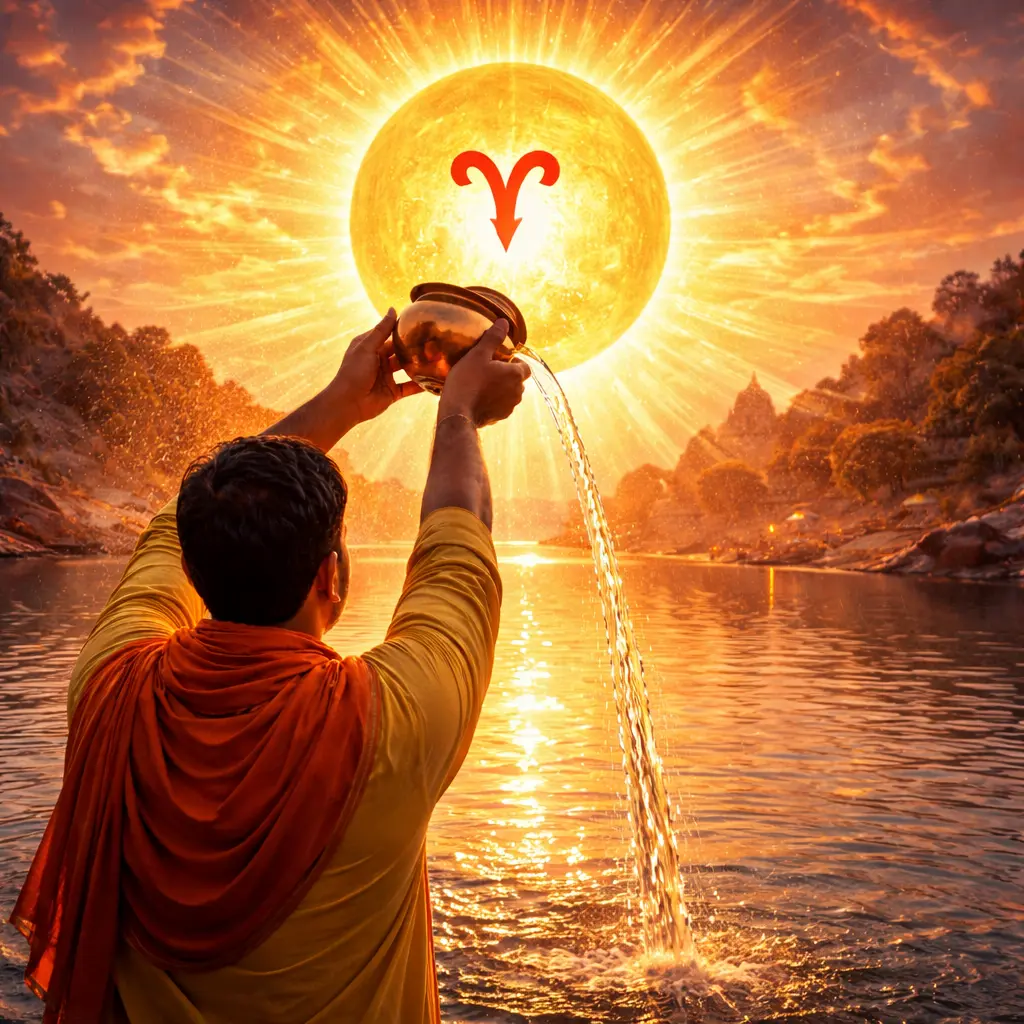
In Vedic astrology, the Sun is exalted in Aries. This means the Sun is believed to express its strongest and most beneficial qualities in this sign. Aries represents courage, leadership, initiative, and determination. When the Sun enters Aries, these attributes are believed to become more prominent.
This astrological event is associated with increased vitality and confidence. Devotees worship the Sun to gain strength, clarity, and success. Offering water to the rising Sun and chanting Surya mantras are common practices. These rituals are believed to enhance physical energy and mental focus.
The exalted Sun also symbolizes illumination and awareness. It encourages individuals to move forward with clarity and purpose. For this reason, Mesha Sankranti is considered a favorable time for launching new projects and making important decisions.
Astrologically, this transition also brings balance to cosmic energies. It marks the strengthening of solar influence, which is associated with life force and consciousness.
A Time for Renewal
Mesha Sankranti represents the triumph of light over darkness and a cosmic reset for personal and spiritual goals. The Sun moving into Aries signifies the beginning of an energetic cycle. Just as spring brings new life to nature, this day encourages individuals to renew their inner selves.
People reflect on their actions, seek forgiveness, and take vows for self improvement. Many begin new spiritual practices such as meditation, chanting, and charity. The day is also believed to remove negativity and cleanse past karmic burdens.
The transition also marks the end of Kharmas. Kharmas is considered a period when auspicious activities like weddings and housewarming ceremonies are avoided. With Mesha Sankranti, these activities resume.
Overall, the day symbolizes growth, renewal, and divine blessings.
End of Kharmas
Another important aspect of Mesha Sankranti is the conclusion of Kharmas. Kharmas is a period when auspicious activities such as weddings and housewarming ceremonies are generally avoided. With the arrival of Mesha Sankranti, these restrictions end.
This transition marks the reopening of favorable timings for important life events. Many families schedule marriages, engagements, and new ventures after this date. The shift symbolizes movement from pause to progress.
The end of Kharmas also reinforces the theme of renewal. It indicates that a new phase filled with opportunities has begun.
Spiritual Awakening and Inner Light
The Sun is considered the symbol of divine light and consciousness. Mesha Sankranti strengthens this connection. Worshiping the Sun on this day is believed to awaken inner wisdom and remove ignorance.
Devotees perform Surya Arghya, chant mantras, and meditate during sunrise. These practices are believed to purify the mind and promote spiritual clarity. The day encourages self reflection and personal transformation.
This spiritual awakening is not limited to rituals. It also involves cultivating positive qualities such as patience, compassion, and discipline. Mesha Sankranti serves as a reminder to align with higher values
Importance of Charity and Compassion
Charity holds special importance on Mesha Sankranti. Donating food, clothes, and water is considered highly meritorious. Traditional donations include jaggery, sattu, fruits, and earthen water pots. These items are especially helpful during the summer season.
The act of giving symbolizes generosity and compassion. Devotees believe that helping others on this day brings blessings and removes obstacles. Charity performed during Punya Kala is considered especially beneficial.
Sharing food and resources also strengthens community bonds. It reflects the spirit of gratitude and service.
Agricultural and Seasonal Significance
Mesha Sankranti is closely linked to agricultural cycles. The festival coincides with harvest celebrations in several regions. Farmers express gratitude for crops and pray for future prosperity.
This seasonal transition marks the shift into warmer months. The Sun's stronger presence is associated with growth and abundance. Many regional festivals such as Baisakhi, Bohag Bihu, and Pana Sankranti celebrate this agricultural significance.
The connection with nature highlights harmony between cosmic movements and human life.
Symbol of Leadership and Initiative
Aries is a sign associated with leadership and initiative. The Sun entering Aries symbolizes courage and determination. Mesha Sankranti therefore encourages individuals to take action and pursue goals.
This energy supports new beginnings and bold decisions. Many people start new ventures, educational pursuits, or personal projects. The day is believed to provide momentum for success.
This symbolism makes Mesha Sankranti a powerful time for planning and growth.
Cultural and Spiritual Unity
Mesha Sankranti is celebrated across India under different names, yet the meaning remains consistent. Whether observed as Puthandu, Vishu, Bohag Bihu, Pohela Boishakh, Baisakhi, or Pana Sankranti, the focus remains on renewal and gratitude.
This shared observance highlights cultural unity. The Sun's transition becomes a unifying celebration across regions. People come together to welcome the new year with joy and devotion.
A Day for Positive Intentions
Spiritually, Mesha Sankranti is considered ideal for setting intentions. Devotees commit to personal growth, discipline, and spiritual practices. The strong solar energy is believed to support determination and clarity.
This makes the day similar to a spiritual new beginning. Individuals are encouraged to move forward with confidence and optimism.
Overall, Mesha Sankranti represents renewal, vitality, and spiritual awakening. It marks the Hindu Solar New Year, the exaltation of the Sun, and the beginning of an auspicious phase. Observing this day with devotion is believed to bring prosperity, clarity, and positive transformation throughout the year.
3. Key Rituals and Celebration
Mesha Sankranti is celebrated with devotion, purification, and gratitude. The rituals performed on this day are believed to bring prosperity, good health, and spiritual upliftment.
Holy Snana
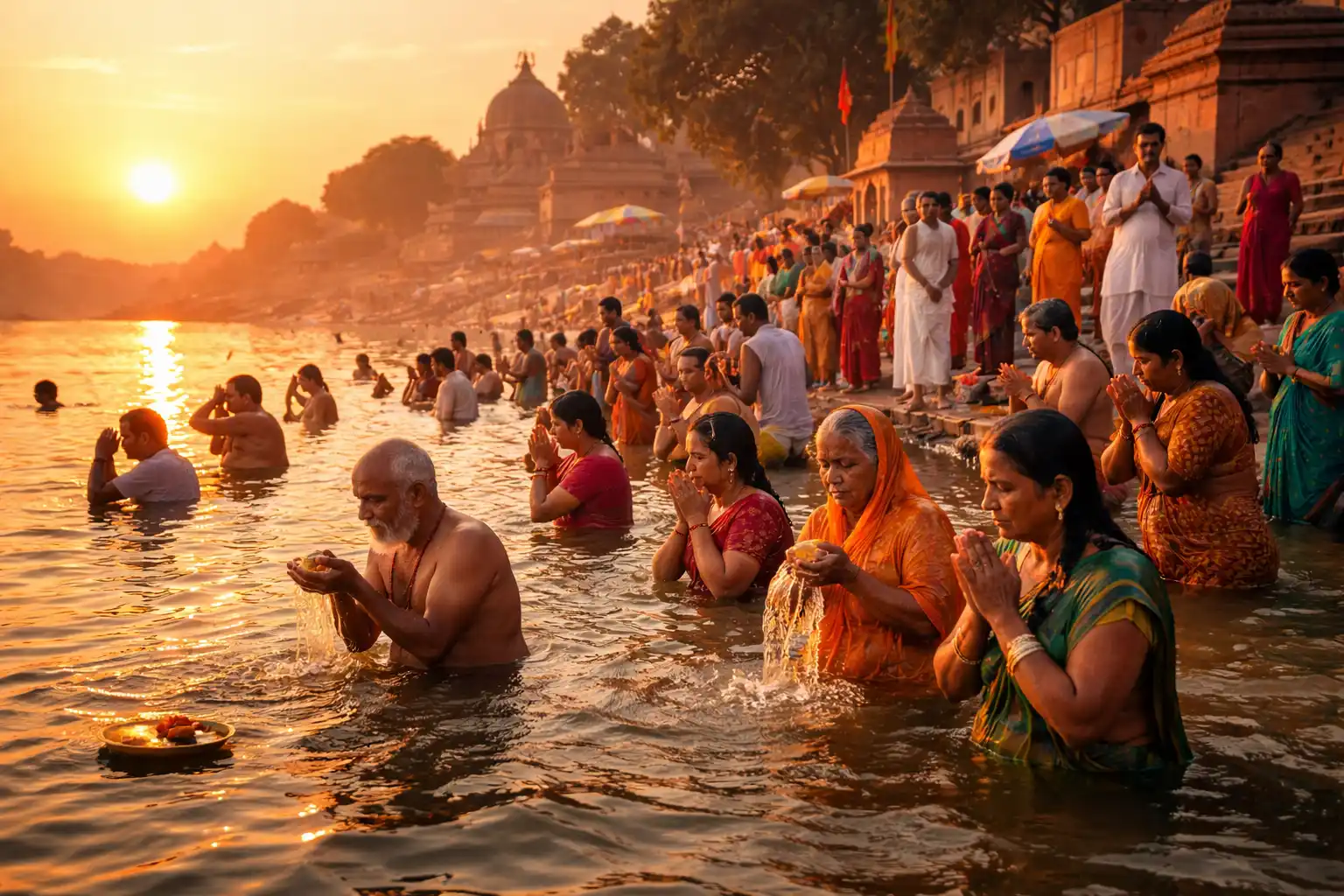
Devotees wake up early and take a sacred bath at sunrise. Bathing in holy rivers like Ganga, Yamuna, Godavari, Narmada, or Kaveri is considered highly auspicious. The holy dip symbolizes purification of body and mind.
Those unable to visit rivers add a few drops of Ganga water to their bathwater at home. Some also chant mantras while bathing to enhance spiritual benefits.
After bathing, devotees wear clean or new clothes and prepare for Surya worship.
Surya Arghya
Offering water to the rising Sun is one of the most important rituals. Devotees fill a copper vessel with water and offer it to the Sun while chanting mantras. The Gayatri Mantra and Surya Ashtakam are commonly recited.
This ritual is believed to improve health, remove obstacles, and enhance vitality. The Sun is considered the source of life energy. Offering Arghya expresses gratitude for this divine force.
Many people also perform Surya Namaskar, a series of yogic postures dedicated to the Sun.
Sankranti Puja
Special puja is performed to worship Lord Surya, Lord Vishnu, and Lord Hanuman. Devotees light lamps, offer flowers, fruits, and sweets, and chant prayers.
Temples conduct elaborate rituals and distribute prasad. Some families perform the puja at home with traditional offerings.
The puja is believed to bring protection, prosperity, and spiritual growth.
Dana Punya
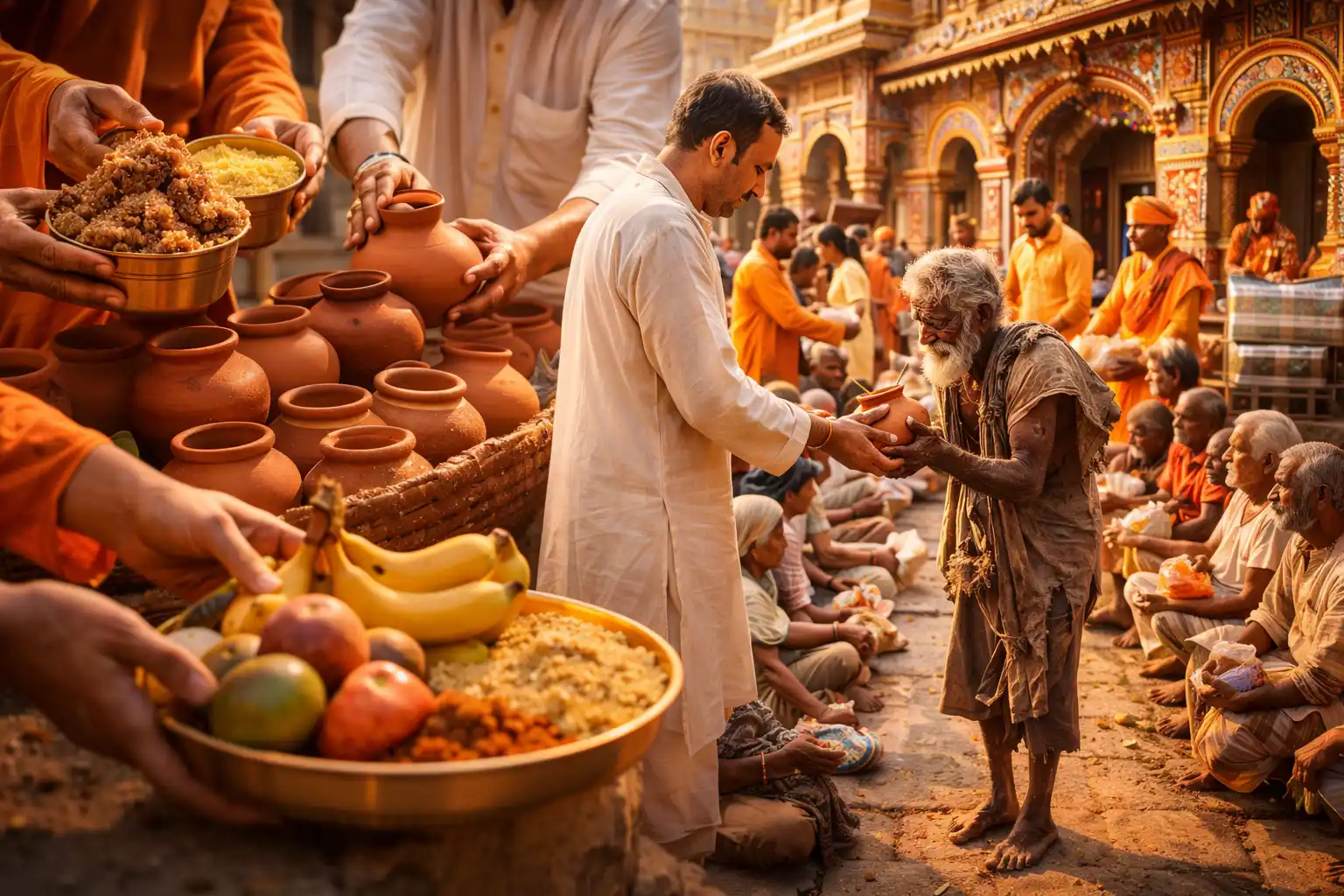
Charity plays a major role on Mesha Sankranti. Donating food, clothes, and essentials is considered highly meritorious. Common donations include:
Sattu
Jaggery
Rice
Clothes
Water pots
Fruits
Buttermilk
Umbrellas
These donations are symbolic of providing relief during the approaching summer season. Giving water and cooling foods is especially encouraged.
Charity performed during Punya Kala is believed to bring multiplied blessings.
Celebrating Mesha Sankranti with Bhakti: Insights from Swami Mukundananda
Mesha Sankranti is not only a festival of new beginnings but also an opportunity to deepen devotion and spiritual awareness. The teachings of Swami Mukundananda emphasize that festivals in the Vedic tradition are designed to awaken bhakti and strengthen our connection with God. According to him, celebrations become meaningful when they are infused with devotion rather than performed as mere rituals.
Swami Mukundananda explains, “Festivals in the Hindu tradition are meant to elevate our consciousness and remind us of our relationship with God.” This insight perfectly aligns with Mesha Sankranti, where devotees offer Surya Arghya, perform puja, and engage in charity as expressions of gratitude and devotion. When these practices are performed with love and sincerity, they transform into powerful spiritual experiences.
Festivals as a Medium of Devotion
Swami Mukundananda teaches that festivals provide an opportunity to express love for the divine. He says, “When we celebrate festivals with devotion, they purify the mind and fill the heart with divine joy.” Mesha Sankranti rituals such as offering water to the Sun, chanting mantras, and lighting diyas become acts of bhakti when done with awareness.
This perspective encourages devotees to focus not only on tradition but also on intention. The act of Surya worship becomes a prayer for inner illumination. Charity becomes service to God present in all beings. Celebration becomes a spiritual practice.
Joy Through Spiritual Celebration
Another important teaching from Swami Mukundananda is that true joy comes from devotion. He explains, “Spiritual festivals bring divine joy because they connect us with our higher nature.” Mesha Sankranti, marking the beginning of a new solar cycle, is an ideal time to cultivate positivity and spiritual happiness.
Families gather for prayers, temples conduct special aarti, and devotees chant together. These activities create a devotional atmosphere that nurtures faith and unity. Celebrating together strengthens both cultural traditions and spiritual values.
Gratitude and Surrender
Swami Mukundananda also emphasizes gratitude during festivals. He teaches, “Festivals are reminders to thank God for His blessings and renew our commitment to the spiritual path.” Mesha Sankranti, which honors the Sun as the source of life and energy, naturally reflects this sentiment.
Offering Surya Arghya symbolizes gratitude for light, health, and prosperity. Donations of food and water reflect compassion and humility. These acts embody the essence of bhakti, where devotion is expressed through love and service.
Transforming Celebration into Spiritual Growth
According to Swami Mukundananda, festivals should inspire inner transformation. He advises devotees to use celebrations as opportunities for self improvement and spiritual growth. Mesha Sankranti, marking a fresh start, encourages individuals to adopt positive habits and strengthen devotion.
By celebrating with bhakti, the festival becomes more than a cultural observance. It becomes a journey toward inner awakening. The rising Sun symbolizes enlightenment, the rituals represent devotion, and the celebration becomes an offering of love to the divine.
4. Regional Celebrations Across India
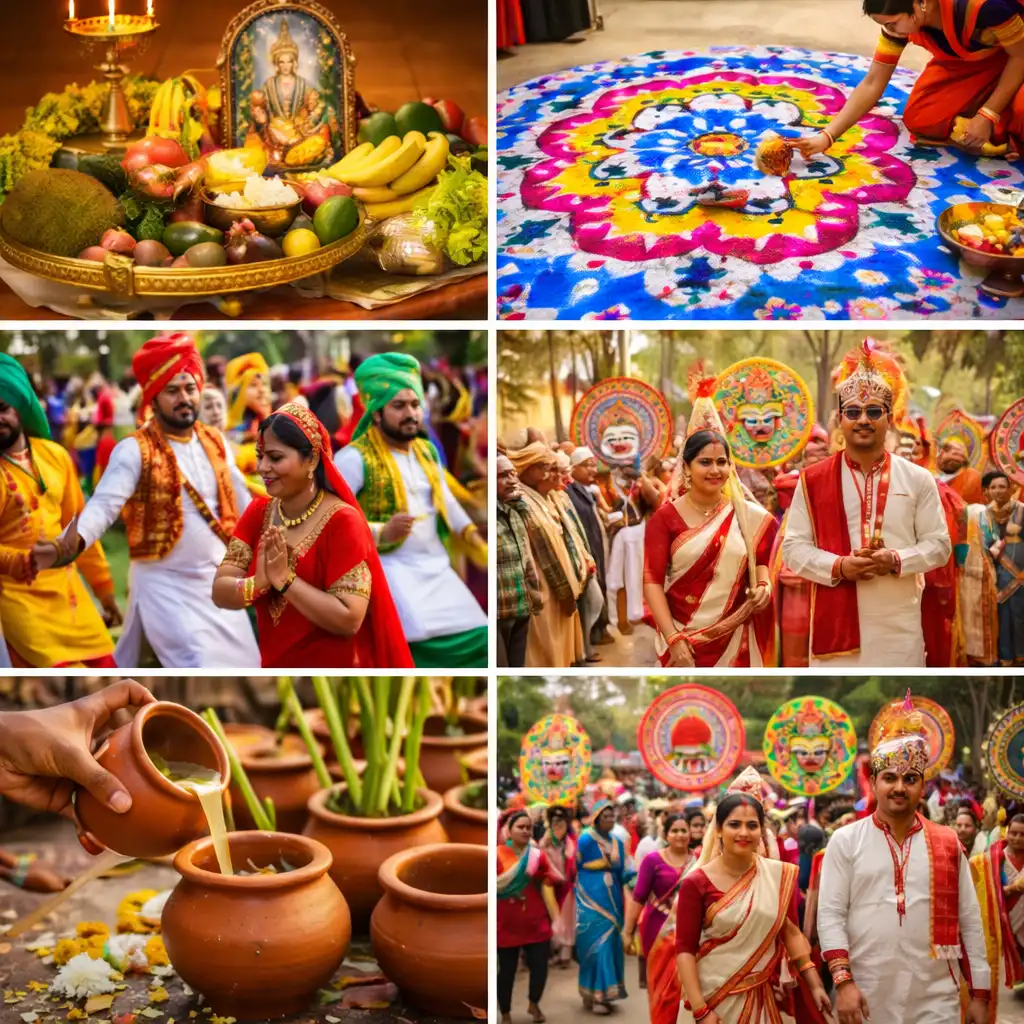
Mesha Sankranti is celebrated in different forms across India. Each region has its own traditions, foods, and rituals.
Puthandu in Tamil Nadu
Puthandu marks the Tamil New Year. Homes are decorated with kolam designs. Families prepare a traditional dish called Mangai Pachadi, which includes sweet, sour, bitter, and spicy flavors. This symbolizes the different experiences of life.
People visit temples and exchange greetings.
Vishu in Kerala
Vishu celebrates the Malayalam New Year. The highlight is Vishukkani, an arrangement of auspicious items like rice, fruits, mirror, flowers, and lamps. People wake up early to see this arrangement first thing in the morning.
Children receive Vishu Kaineettam, which is money given by elders.
Bohag Bihu in Assam
Bohag Bihu marks the Assamese New Year and the beginning of spring. The celebration includes dance, music, and traditional foods. People wear traditional clothes and visit relatives.
The festival celebrates agriculture and new beginnings.
Pohela Boishakh in West Bengal
Pohela Boishakh marks the Bengali New Year. Businesses open new account books. People visit temples and enjoy cultural programs.
Traditional foods include sweets and festive meals.
Baisakhi in Punjab
Baisakhi celebrates harvest and the Punjabi New Year. It also holds importance in Sikh tradition. People perform Bhangra and Gidda dances. Community meals called Langar are organized.
The festival celebrates prosperity and gratitude.
Pana Sankranti in Odisha
Pana Sankranti marks the Odia New Year. Devotees prepare Pana, a cooling drink made with jaggery, fruits, and water. It is offered to deities and shared with others.
People also perform charity and visit temples.
Conclusion
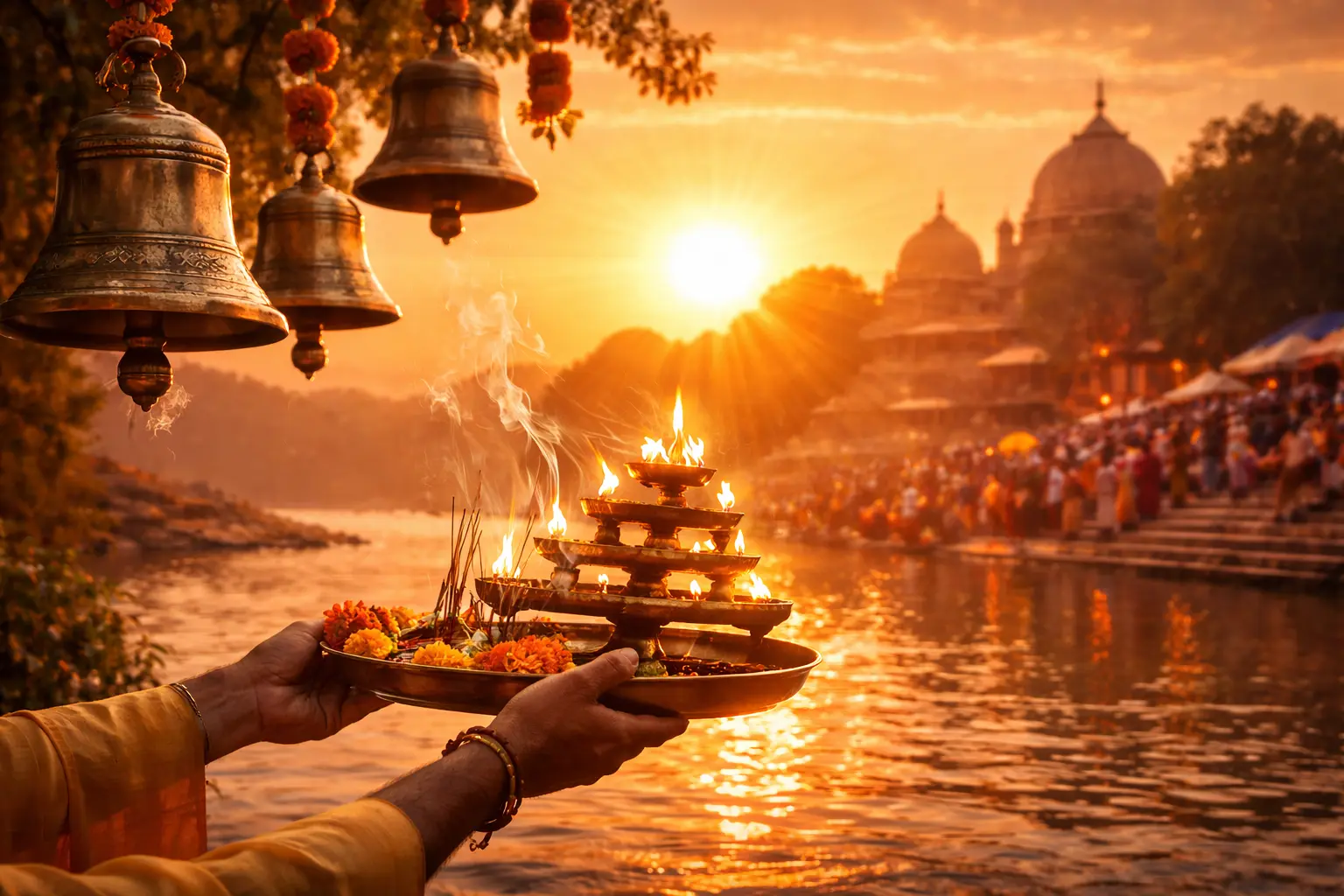
Mesha Sankranti April 2026 is a powerful and sacred occasion marking the Hindu Solar New Year. Observed on Tuesday, April 14, 2026, this day signifies renewal, positivity, and divine blessings. The Sun's entry into Aries symbolizes strength, vitality, and leadership. Devotees celebrate the day with holy baths, Surya worship, charity, and festive meals.
The sacred timings including Punya Kala and Maha Punya Kala guide devotees in performing rituals. Observing these traditions with devotion is believed to bring prosperity and spiritual growth.
Across India, the festival is celebrated as Puthandu, Vishu, Bohag Bihu, Pohela Boishakh, Baisakhi, and Pana Sankranti. Despite regional differences, the core message remains the same. It is a time for gratitude, renewal, and new beginnings.
Mesha Sankranti reminds us to align with cosmic rhythms, embrace positivity, and step into the new year with hope and determination. By performing rituals, offering charity, and praying to the Sun, devotees seek blessings for health, success, and happiness throughout the year.
Call To Action
✨ Celebrate the Hindu Solar New Year!
Join us for Mesha Sankranti / New Year Celebration at RKT Dallas on April 14th with prayers, kirtan, and festive community gathering.
🌼 Experience devotion
🌞 Offer Surya Arghya
🎶 Kirtan and Aarti
🍛 Prasadam for all
👉 Join the Celebration:
New Year Celebration at RKT Dallas – April 14th 2026
🙏 Everyone is welcome. Celebrate the new beginnings with devotion and joy.
FAQs on Mesha Sankranti 2026
1. When is Mesha Sankranti 2026?
Mesha Sankranti falls on April 14, 2026, with the Sun entering Aries at 09:39 AM IST.
2. Why is Mesha Sankranti important?
It marks the Hindu Solar New Year and the Sun’s exaltation in Aries, symbolizing renewal and new beginnings.
3. What rituals are performed on Mesha Sankranti?
Devotees take a holy bath, offer Surya Arghya, perform puja, and donate food and essentials.
4. What are regional names of Mesha Sankranti?
It is celebrated as Vishu, Puthandu, Bohag Bihu, Pohela Boishakh, Baisakhi, and Pana Sankranti.
5. What should be donated on this day?
Jaggery, sattu, fruits, clothes, and water pots are commonly donated for spiritual merit.