1. Introduction: The Great Night of Shiva
Maha Shivratri, which translates to "The Great Night of Shiva," is one of the most sacred and spiritually powerful nights in the Hindu calendar. It is not just a festival filled with rituals and prayers, but a profound opportunity for inner awakening, self reflection, and spiritual transformation. On this night, millions of devotees across India and around the world stay awake, meditate, chant, and connect with the divine energy associated with Lord Shiva, the Adiyogi, the first yogi.
In Hindu tradition, Lord Shiva represents the destroyer of ignorance and the transformer of life. His destruction is not negative but deeply compassionate, as it removes illusion and clears the path for growth and awakening. Maha Shivratri symbolizes this process of inner transformation. It is the night when the restless mind can become still, when awareness can deepen, and when one can experience a connection with something greater than oneself.
Unlike other festivals that celebrate external events such as harvests, victories, or mythological stories, Maha Shivratri is deeply inward focused. It invites people to turn their attention inward, to observe their thoughts, emotions, and existence. It is a reminder that spiritual growth begins within.
The atmosphere during Maha Shivratri is unique. Temples resonate with chants of "Om Namah Shivaya," bells ring, lamps glow, and devotees remain awake throughout the night. Yet, beyond these external expressions lies a deeper purpose. This night is about transcending limitations, expanding consciousness, and realizing one's true nature.
Maha Shivratri is often described as a doorway. It is a night when the boundary between the physical and the spiritual becomes thinner, making it easier for seekers to experience stillness, clarity, and awareness. For centuries, yogis and spiritual seekers have recognized this night as a powerful opportunity to move closer to liberation.
As Maha Shivratri approaches on Sunday, February 15, 2026, it offers every individual, whether experienced in spiritual practice or completely new, a chance to pause, reflect, and reconnect with the essence of being.
What is Mahashivratri 2026, which falls on 15 February 2026?
Maha Shivratri in 2026 falls on Sunday, February 15, 2026. This specific timing is determined by the Hindu lunar calendar. It occurs on the fourteenth night of the waning moon during the month of Phalguna or Magha, depending on regional traditions.
The timing is not random. The fourteenth night of the waning moon is the night before the new moon, which is the darkest night of the lunar cycle. This darkness holds deep symbolic and energetic meaning. It represents stillness, emptiness, and the dissolution of form, all of which are associated with Lord Shiva.
On this night, devotees observe fasting, meditation, chanting, and night long vigils. Many visit temples, offer water, milk, and sacred leaves to the Shiva lingam, and participate in spiritual gatherings. However, the essence of Maha Shivratri goes beyond these actions. It is not about performing rituals mechanically but about becoming receptive and aware.
In 2026, Maha Shivratri being on a Sunday makes it more accessible for people to fully participate without the pressures of work or daily responsibilities. This creates an ideal opportunity for individuals and families to engage deeply with the spiritual essence of the night.
Maha Shivratri 2026 is an invitation. It invites everyone, regardless of background or experience, to explore stillness, awareness, and the deeper dimensions of existence.
The Spiritual Significance: Beyond Rituals
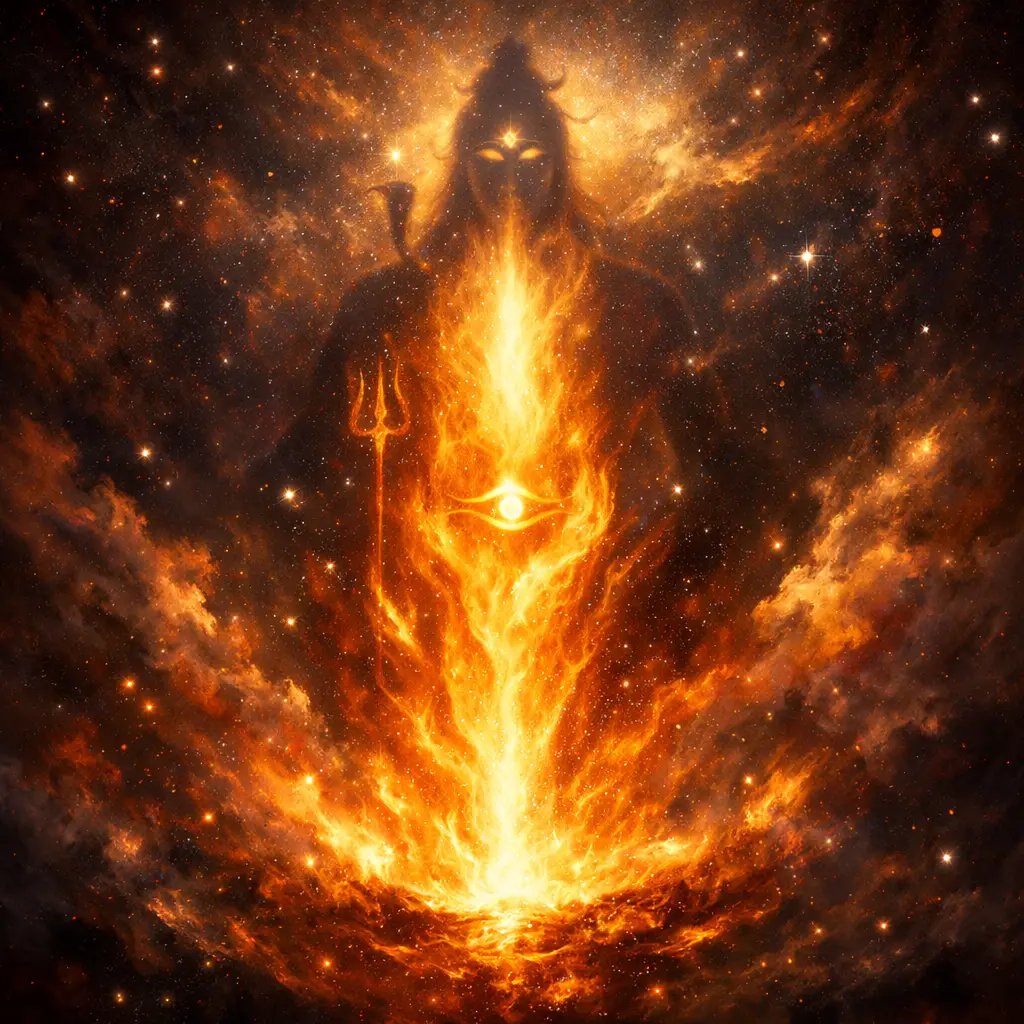
While Maha Shivratri is often associated with temple visits and offerings, its true significance lies beyond rituals. Rituals serve as tools, but the real purpose of the night is inner transformation.
This night is often referred to as the "Night of Awakening." Awakening does not mean something mystical or unreachable. It means becoming aware. It means observing oneself without judgment. It means recognizing that one's thoughts and emotions are temporary, while awareness itself is constant.
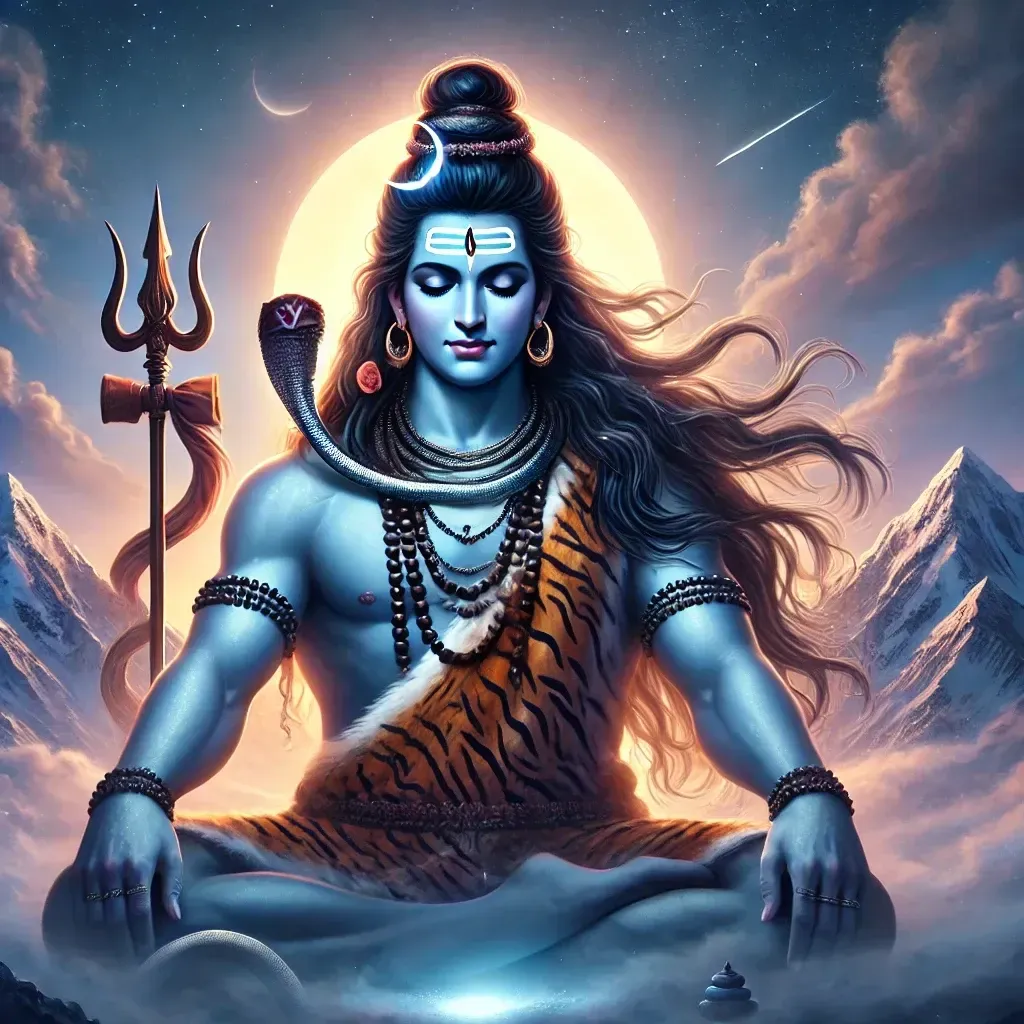
Lord Shiva represents pure consciousness. He is often depicted in deep meditation, symbolizing complete stillness and awareness. Maha Shivratri invites individuals to experience this stillness within themselves.
Modern life is filled with constant activity. People are always doing something, thinking something, worrying about something. Rarely do they simply exist in stillness. Maha Shivratri encourages the opposite. It encourages being instead of doing.
This shift from doing to being is powerful. When one stops chasing thoughts and begins observing them, a sense of peace emerges. This peace is not dependent on external circumstances. It arises from within.
Maha Shivratri is also associated with the dissolution of ego. Ego creates separation and conflict. It creates the illusion of individuality as separate from existence. On this night, spiritual practices such as meditation and chanting help dissolve these boundaries, allowing individuals to experience unity and connection.
This transformation does not require belief. It requires openness. Even those who do not identify with any religion can benefit from the stillness and awareness cultivated on this night.
Why Mahashivratri Happens at Night
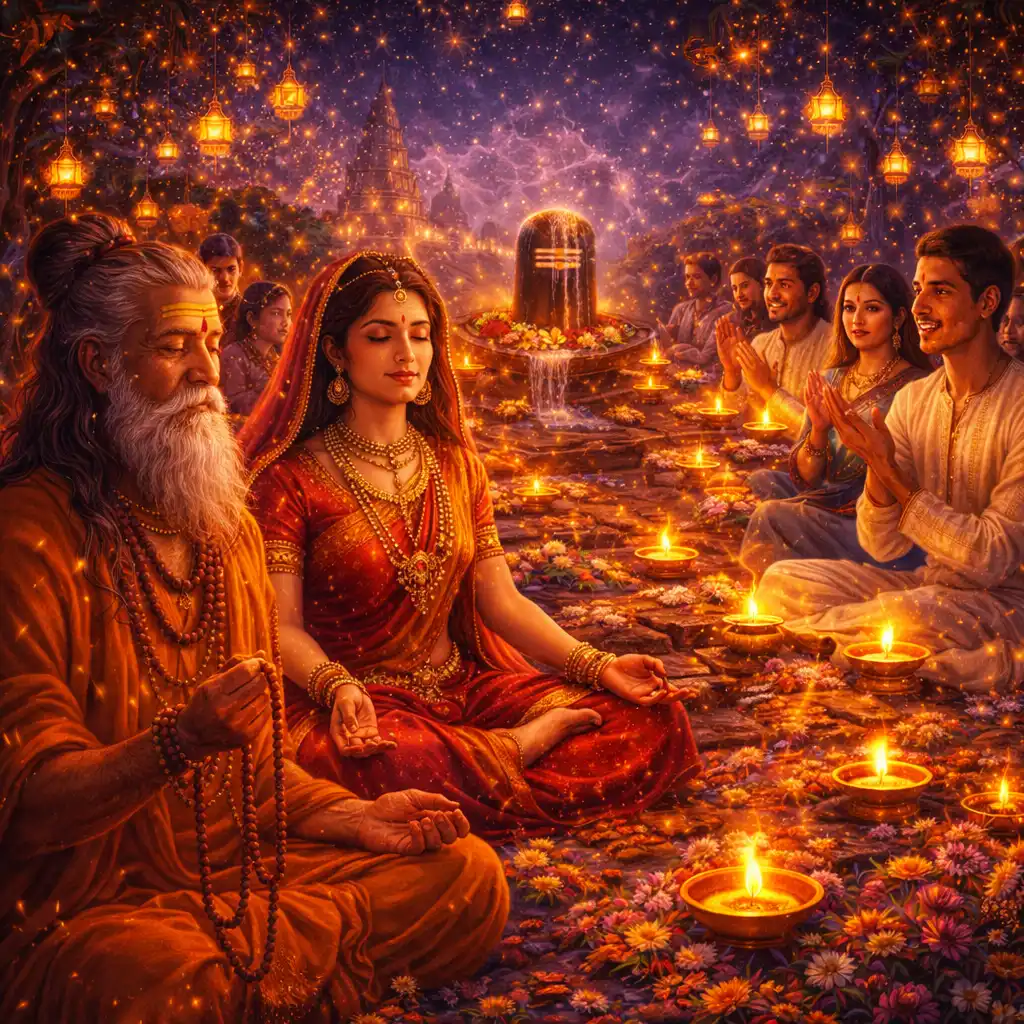
One of the most unique aspects of Maha Shivratri is that it is celebrated at night. This timing is deeply symbolic and scientifically significant.
Night represents stillness. During the day, the world is active and distracting. At night, everything slows down. The mind naturally becomes quieter. This creates an ideal environment for meditation and introspection.
Maha Shivratri occurs on the darkest night of the lunar cycle. Darkness is often misunderstood as negative. In spiritual tradition, darkness represents potential and possibility. It represents the space from which creation emerges.
Just as seeds grow in darkness beneath the soil, spiritual growth often begins in stillness and silence. The darkness of Maha Shivratri symbolizes this inner journey.
Remaining awake during the night is also significant. Sleep represents unconsciousness. Wakefulness represents awareness. By staying awake consciously, individuals cultivate alertness and presence.
This practice is not about forcing oneself to stay awake but about maintaining awareness. Meditation, chanting, and gentle movement can help sustain alertness naturally.
The night also reduces external sensory input. With fewer distractions, it becomes easier to turn inward. This inward focus is essential for spiritual growth.
The Science & Yoga of Mahashivratri
Maha Shivratri is not only spiritually significant but also deeply rooted in yogic science. Ancient yogis observed the natural rhythms of the body and the cosmos. They discovered that certain nights, including Maha Shivratri, create conditions that support spiritual growth.
According to yogic tradition, the human body is an energy system. This energy flows through channels and centers known as nadis and chakras. On Maha Shivratri, the natural energy flow in the body tends to move upward.
This upward movement supports higher awareness and clarity. It becomes easier to meditate and remain alert.
Sitting upright on this night is important. An upright posture allows energy to flow freely. This is why meditation is emphasized during Maha Shivratri.
Fasting is also common. Fasting reduces the burden on the digestive system, allowing more energy to be directed toward awareness and perception.
Chanting sacred sounds such as "Om Namah Shivaya" creates vibrations that calm the mind and align the body.
These practices are not based on blind belief but on observation and experience. They support physical, mental, and emotional balance.
Planetary Alignment: Why Energy Rises on This Night
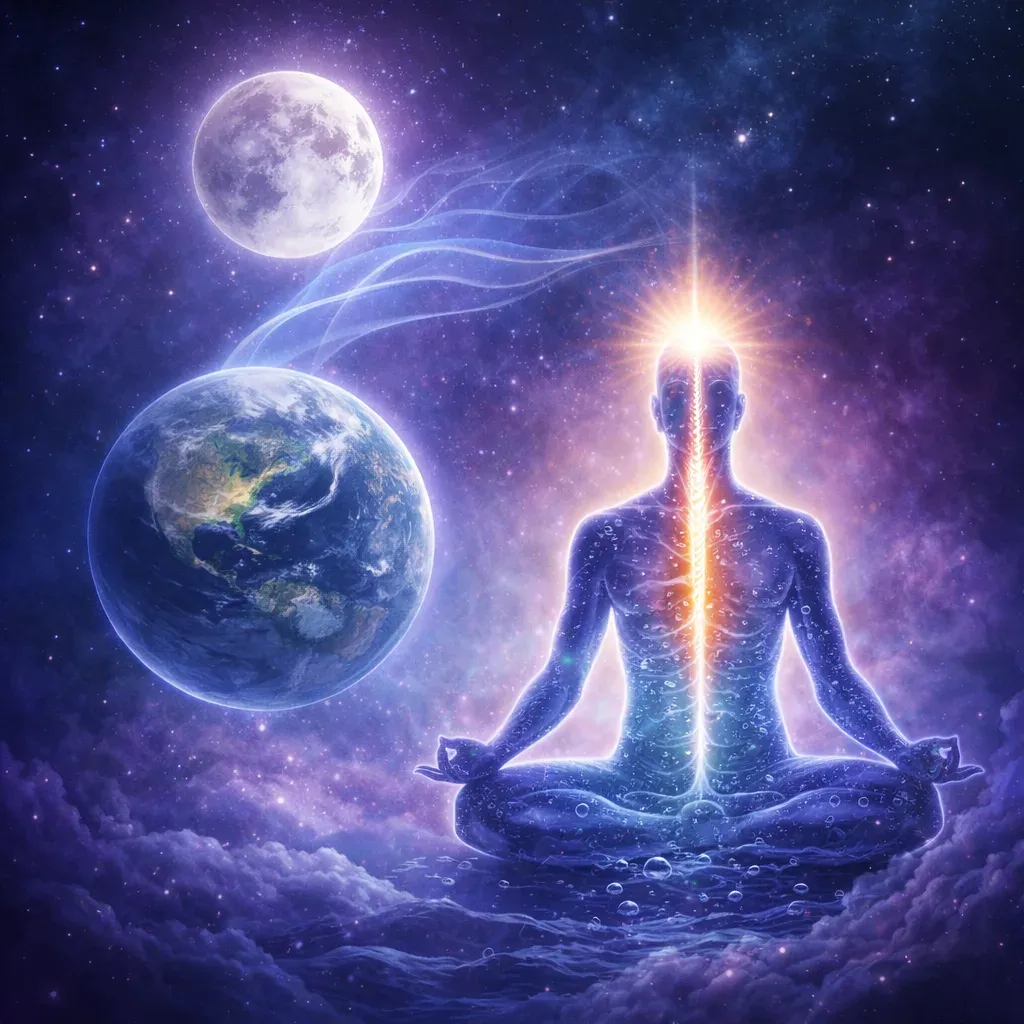
The timing of Maha Shivratri is closely connected to planetary and lunar alignment. The position of the moon relative to the earth affects human physiology and psychology.
The human body is largely composed of water. Just as the moon influences ocean tides, it also influences internal systems.
On Maha Shivratri, the lunar position creates conditions that support upward energy movement. This upward movement supports awareness and meditation.
Ancient yogis understood this connection. They aligned spiritual practices with natural cycles to maximize effectiveness.
This alignment is not mystical but natural. It reflects the interconnectedness of the human body and the cosmos.
By remaining awake, meditating, and maintaining awareness, individuals can make use of this natural support.
How Maha Shivratri is Celebrated Around the World
Maha Shivratri is celebrated with devotion and spiritual focus by millions of people across India and around the world. While traditions may vary, the essence of the festival remains the same, which is connecting with Lord Shiva through awareness, prayer, and inner stillness.
Temple Celebrations and Abhishekam
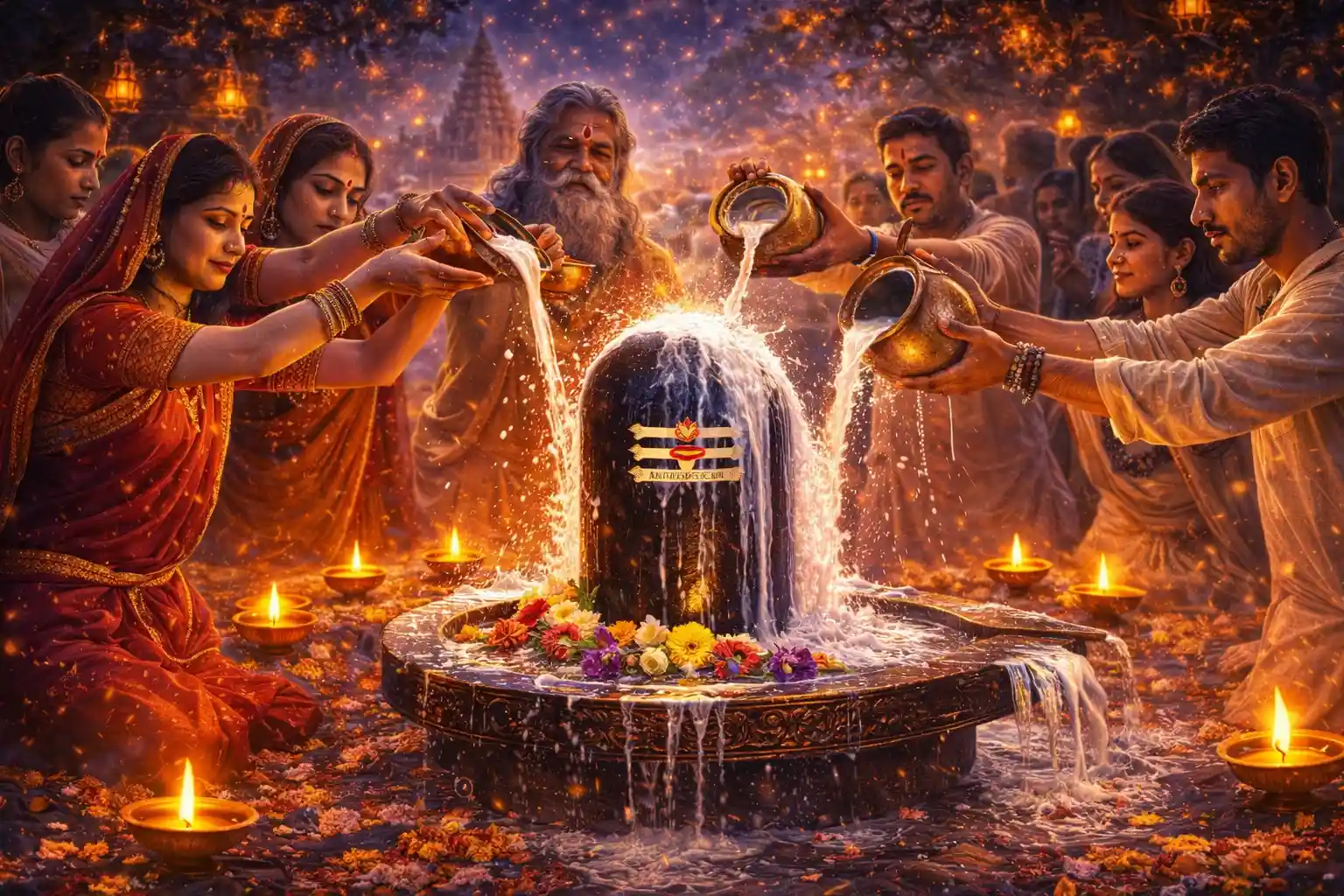
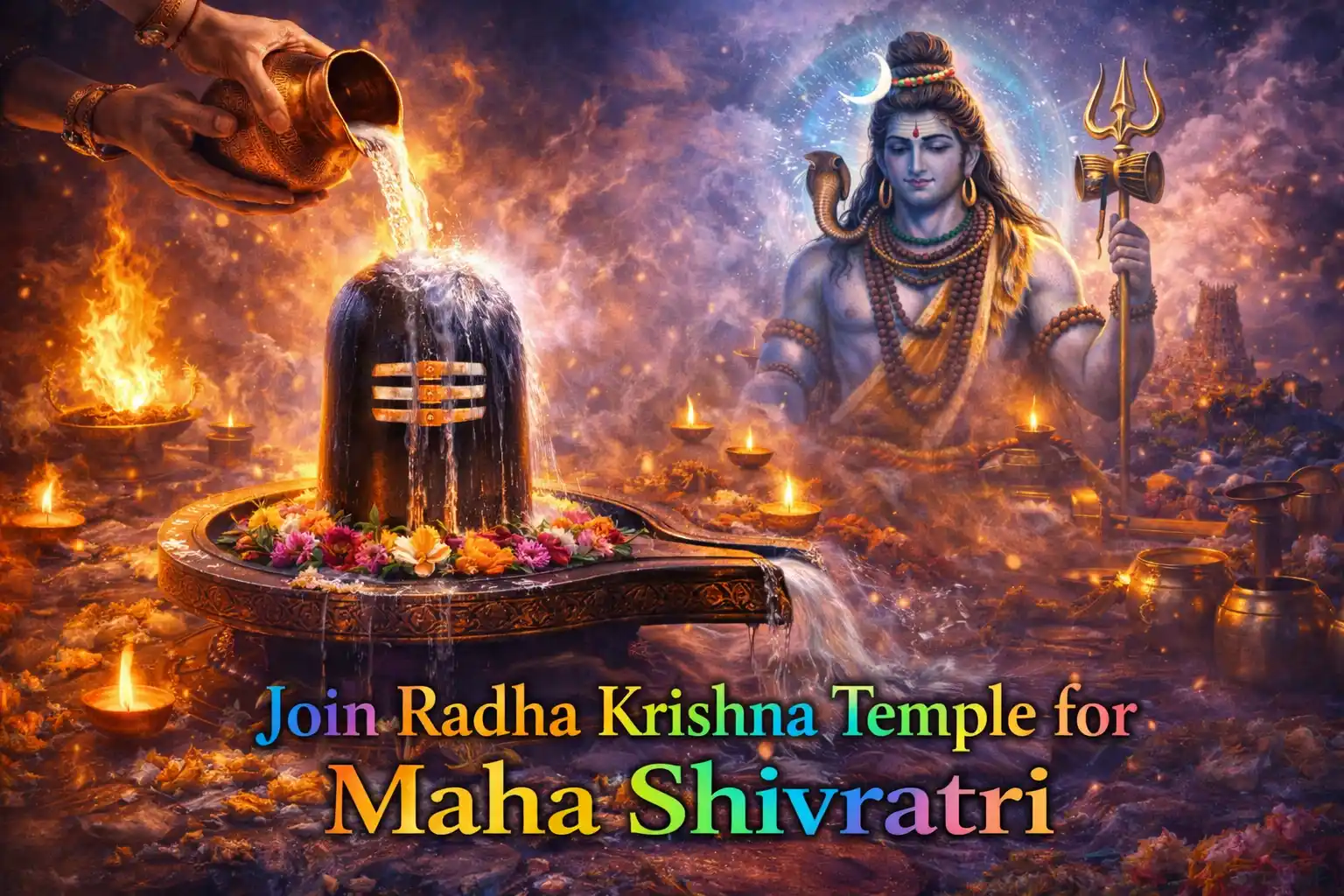
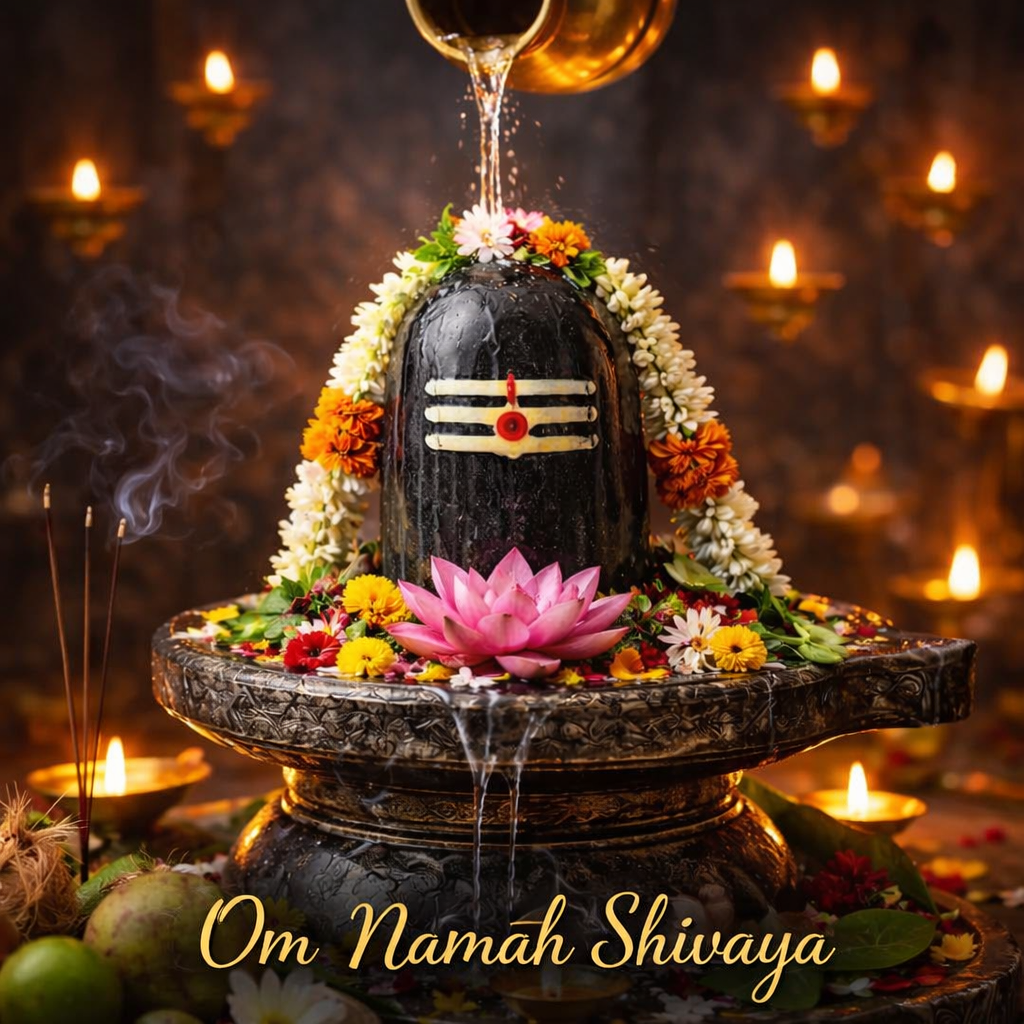
Shiva temples become vibrant centers of worship during Maha Shivratri. Devotees visit temples to offer prayers and perform abhishekam, the ceremonial bathing of the Shiva lingam with water, milk, honey, and other sacred offerings. Temples remain open throughout the night, filled with chanting, lamps, and devotional energy that creates a peaceful and spiritual atmosphere.
Night Vigils, Chanting, and Meditation
Staying awake during the night, known as jagaran, is an important part of the celebration. Devotees chant sacred mantras like "Om Namah Shivaya," sing devotional songs, and meditate. This practice symbolizes awareness and helps individuals turn inward. Many families also observe the night at home by lighting lamps, praying, and spending time in silence or reflection.
Fasting and Self Discipline
Fasting is commonly observed to purify the body and mind. Some devotees fast completely, while others consume light foods like fruits and milk. Fasting helps reduce distractions and supports meditation and spiritual focus.
Global Celebrations
Maha Shivratri is celebrated not only in India but also in countries like Nepal, the United States, the United Kingdom, Canada, Australia, and Singapore. Temples and spiritual centers organize special prayers, meditation sessions, and night long programs. For many, it is both a spiritual and cultural celebration.
No matter where it is observed, Maha Shivratri remains a universal night of awareness, devotion, and inner transformation.
Swami Mukundananda’s Teachings and Insights on Maha Shivratri
Swami Mukundananda explains that festivals like Maha Shivratri are not merely cultural observances but powerful opportunities for spiritual elevation. He teaches that such sacred nights are meant to help individuals purify the mind, deepen devotion, and strengthen their connection with God.
1. Maha Shivratri as a Night for Inner Purification
According to Swami Mukundananda, the mind accumulates impurities in the form of negative thoughts, desires, and attachments. Spiritual practices such as meditation, fasting, and chanting on Maha Shivratri help cleanse these impurities.
He emphasizes that true purification happens not through external rituals alone, but through inner effort, devotion, and sincere remembrance of the divine.
2. The Importance of Chanting and Remembrance of God
Swami Mukundananda teaches that chanting divine names, such as "Om Namah Shivaya," helps focus the mind and awaken devotion. Repeating God's name gradually removes distractions and brings mental peace.
He explains that when the mind becomes absorbed in divine remembrance, it naturally rises above worldly stress and experiences inner joy.
3. Fasting as a Tool for Self Discipline
Swami Mukundananda explains that fasting is not just about avoiding food but about controlling the senses and strengthening willpower. By reducing bodily distractions, fasting allows the mind to focus more deeply on spiritual practices.
This discipline helps individuals gain mastery over their habits and move closer to spiritual growth.
4. Awakening Through Awareness and Stillness
One of Swami Mukundananda’s key teachings is that spiritual awakening begins when individuals learn to withdraw the mind from external distractions and turn inward. Maha Shivratri provides a favorable environment for this inward journey.
He teaches that meditation, silence, and stillness help individuals experience their true spiritual nature beyond the restless mind.
5. Lord Shiva as a Symbol of Detachment and Supreme Consciousness
Swami Mukundananda explains that Lord Shiva represents perfect detachment, inner mastery, and divine awareness. By reflecting on Shiva’s qualities, devotees can learn to remain calm, balanced, and unaffected by external circumstances.
He encourages seekers to use Maha Shivratri as a reminder to develop these qualities in their own lives.
6. True Celebration Happens Within
Swami Mukundananda emphasizes that the true celebration of Maha Shivratri is not external but internal. The real purpose is to awaken devotion, purify the mind, and strengthen one's connection with God.
He teaches that when devotion becomes sincere and consistent, individuals experience lasting peace, clarity, and spiritual fulfillment.
In essence, Swami Mukundananda teaches that Maha Shivratri is a sacred opportunity to purify the mind, deepen devotion, practice self discipline, and awaken inner consciousness through meditation, chanting, and stillness. Har Har Mahadev.
Conclusion
The True Meaning of Mahashivratri
Maha Shivratri is not merely a festival. It is an opportunity. It is an opportunity to pause, to observe, and to awaken.
It reminds individuals that peace and clarity are not found outside but within.
It is a night for being rather than doing.
By embracing stillness and awareness, individuals can experience inner transformation.
Maha Shivratri 2026 on Sunday, February 15, 2026, offers this opportunity to everyone.
Har Har Mahadev: Embracing the Divine Energy
The chant "Har Har Mahadev" means that the divine exists in everyone. It reminds individuals of their true nature.
Maha Shivratri invites everyone to experience this truth.
Whether through meditation, chanting, silence, or reflection, this night offers a doorway to awareness.
By embracing this opportunity, individuals can move closer to clarity, peace, and freedom.
Key Takeaways
- Maha Shivratri 2026 falls on Sunday, February 15, 2026, making it an ideal opportunity for people to participate fully in spiritual practices without weekday distractions.
- It is known as the "Great Night of Shiva," symbolizing inner transformation, self awareness, and the destruction of ignorance rather than just ritualistic celebration.
- The true purpose of Maha Shivratri is spiritual awakening, encouraging individuals to shift from constant doing to simply being, observing, and experiencing inner stillness.
- It occurs on the darkest night of the lunar cycle, representing silence, emptiness, and the potential for personal growth and transformation.
- Staying awake during the night symbolizes conscious awareness, helping individuals move from unconscious living toward mindful presence.
- Yogic science suggests that energy naturally moves upward on Maha Shivratri, making it easier to meditate, gain clarity, and experience heightened awareness.
- Planetary and lunar alignment on this night supports spiritual practices, as the moon's influence affects the human body and mind, enhancing receptivity and focus.
- Meditation, chanting, fasting, and maintaining an upright posture help maximize the benefits of this powerful night.
- The deeper message of Maha Shivratri is self realization, recognizing that divine energy exists within every individual.
- The chant "Har Har Mahadev" reflects the belief that everyone has the potential to experience the divine, not just externally but within themselves.
- Ultimately, Maha Shivratri is a night for awakening, stillness, and embracing higher consciousness, offering a powerful chance for personal and spiritual growth.
Call To Action
🌟 Embrace the Divine Wisdom of Lord Shiva! 🌟
🕉️ Join us in celebrating the power of Maha Shivratri by deepening your connection with Lord Shiva through meditation, devotion, and reflection. ✨
🔔 Subscribe now for more spiritual insights and stories of divine transformation. 🙏
💬 Share your thoughts on Shiva’s divine leelas in the comments below – let’s grow together on this sacred journey. 💖
📅 Don't miss out on the Maha Shivratri celebrations at Radha Krishna Temple of Dallas in Allen, Texas!
👉 Click here for event details ✨
FAQs on Maha Shivratri 2026
1. When is Maha Shivratri in 2026?
Maha Shivratri will be observed on Sunday, February 15, 2026.
2. Why is Maha Shivratri celebrated at night?
It is the darkest night of the lunar cycle, which supports stillness, meditation, and inner awareness.
3. What is the main spiritual meaning of Maha Shivratri?
It symbolizes inner awakening, self awareness, and the transformation of consciousness.
4. Do beginners need to perform rituals?
No. Beginners can simply meditate, chant, or sit quietly in awareness.
5. Why do people stay awake on Maha Shivratri?
Staying awake represents conscious awareness and helps deepen spiritual connection.
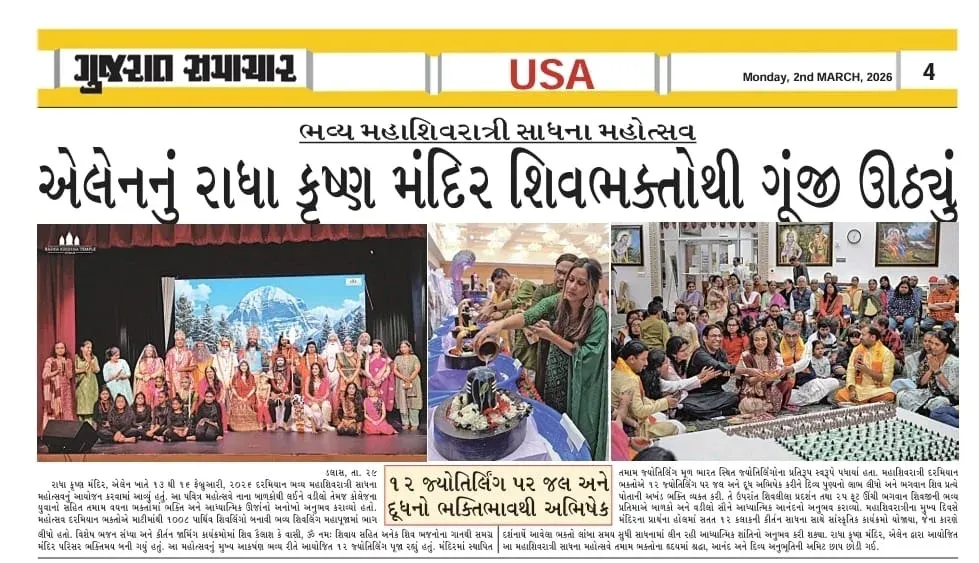
RKT Shivratri celebrations 2026 have been featured in the Sacharachar News!
 Chief Editor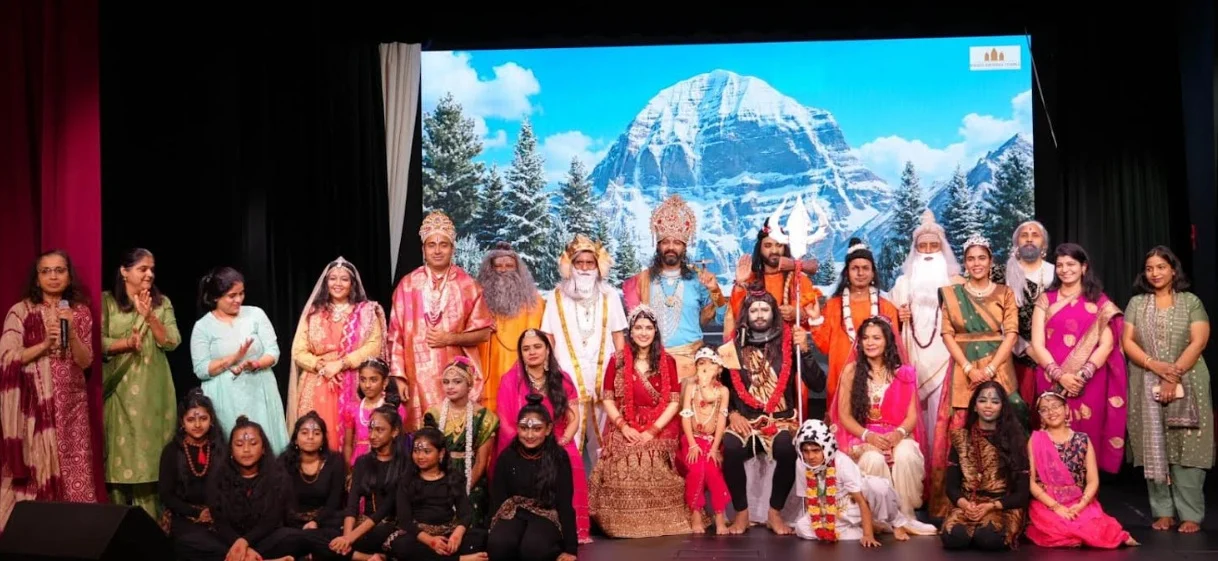
Related Blogs you might be interested in
 RKT Blog Team
 RKT Blog Team