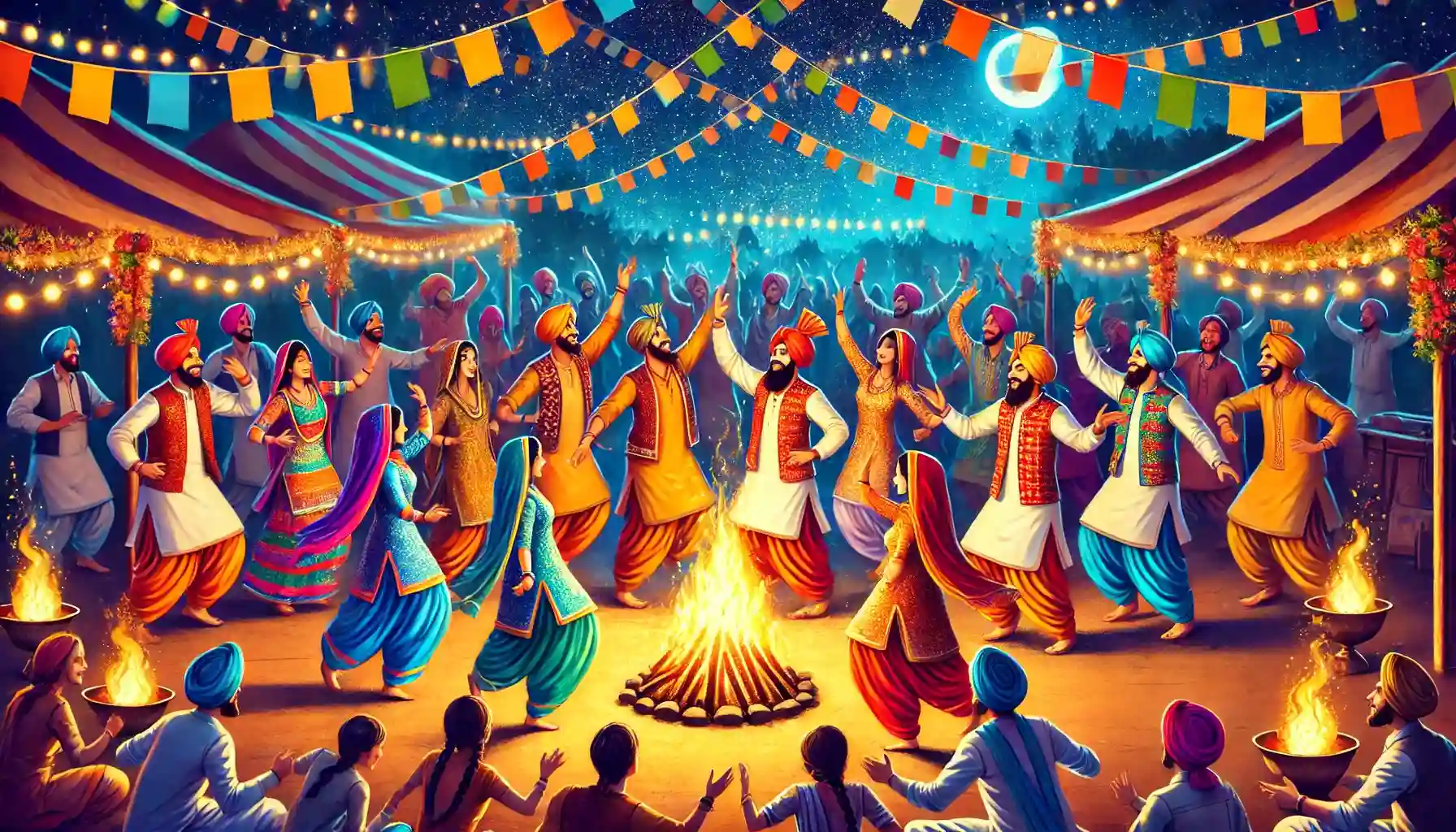
Lohri, a vibrant festival celebrated primarily in Punjab and northern India, marks the end of winter and the beginning of the harvest season. It is a festival of warmth, light, and gratitude, where people gather around a bonfire, sing traditional folk songs, and dance to the beat of the dhol. This year, Lohri 2026 promises to be even more special, as we infuse the wisdom of Swami Mukundananda into the celebrations, intertwining spiritual teachings with age-old customs.
In this Lohri 2026 celebration guide, we will take you through the rituals, timings, and some delicious recipes you can try out. We will also connect these customs with Swami Mukundananda's teachings, especially those from his teachings on Diwali, which provide a spiritual framework that enhances the joy and meaning of such festivals. Let’s dive into the celebration, and discover how you can make the most out of this festival with a deeper understanding of its significance.
Understanding Lohri: A Celebration of Light and Harvest
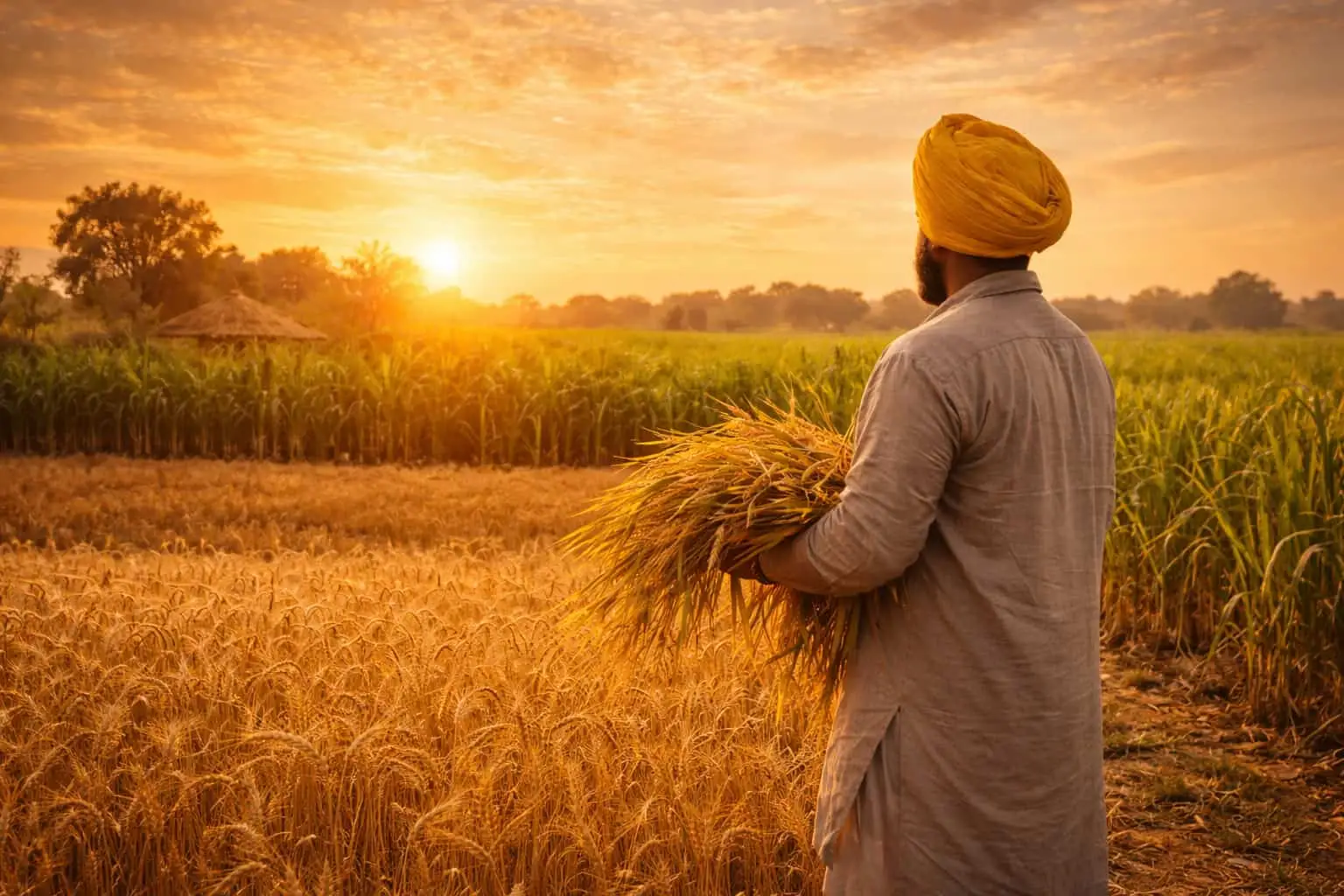
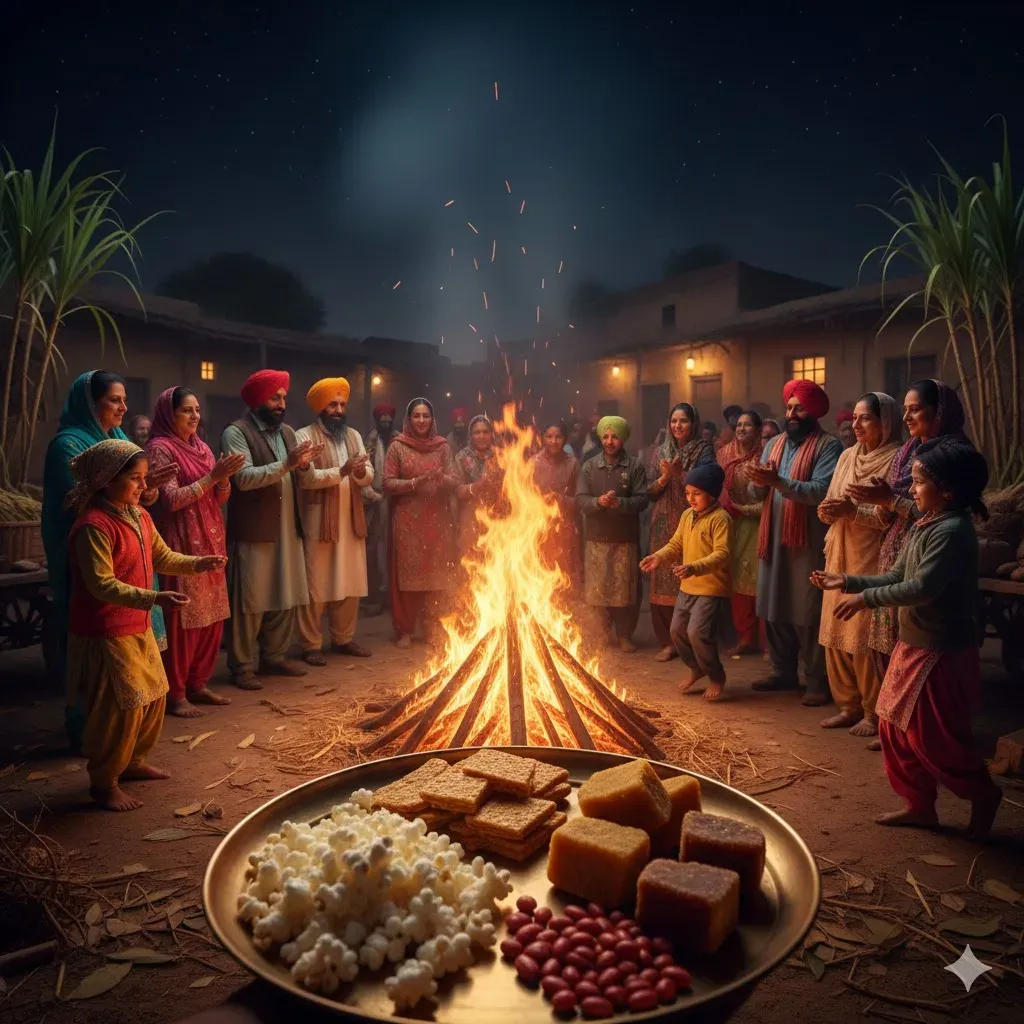
Lohri is a festival rooted in the celebration of the harvest season, particularly in the Punjab region. It is a time to express gratitude for the bountiful crops, especially the Rabi crops like sugarcane, wheat, and barley. Traditionally, the festival is celebrated with a large bonfire, around which families and friends gather to offer prayers for prosperity, health, and good harvests.
The significance of the bonfire is profound – it symbolizes the triumph of light over darkness and the renewal of life. The flames represent the destruction of negativity and the ushering in of positive energy. As the fire crackles, people dance, sing folk songs like "Sunder Mundriye" and offer sweets made from sesame seeds, jaggery, and sugarcane.
Bonfire Rituals: A Spiritual Connection
Swami Mukundananda often speaks about the importance of spiritual practices during festivals like Diwali, and the teachings can be beautifully applied to Lohri as well. He emphasizes that every festival has a deeper, spiritual significance, and it’s a chance for individuals to reconnect with their inner self, and with divine energy.
The Rituals of Lohri Bonfire
- Preparing the Bonfire: A key aspect of the Lohri celebration is the preparation of the bonfire. People gather wood, sugarcane stalks, and other dry materials. The fire is set ablaze in the evening, and everyone gathers around it. Swami Mukundananda teaches that light represents the divine consciousness and that the act of lighting the bonfire can be seen as an offering to the supreme.
- Offering Prayers: As the fire burns, people offer grains like sesame seeds and popcorn to the fire, along with sweets such as jaggery and sugarcane. This offering symbolizes the surrender of one’s desires and worldly attachments to the divine. The bonfire is a metaphor for the burning away of all negativity, and Swami Mukundananda reminds us that during such moments, we should reflect on our inner journey, purifying our thoughts and actions.
- Chanting Mantras: Many people chant traditional Lohri mantras and songs around the bonfire. The song "Sunder Mundriye" is one such popular Lohri song, symbolizing joy and gratitude. Swami Mukundananda encourages repeating mantras and affirmations to connect with the divine during such times. As you sing, remember that the vibrations of the words help in harmonizing the environment and uplifting your spirit.
The Significance of the Bonfire
In line with Swami Mukundananda’s teachings on festivals, the Lohri bonfire represents the "burning" of our past karmas and sins. Just as fire destroys impurities, it symbolizes the spiritual cleansing that takes place during this festival. As you offer sweets and grains, think of the offerings as a symbol of your gratitude for the blessings in your life, just as Swami Mukundananda suggests doing in all festivals.
Lohri 2026: The Timings
The timing of the Lohri celebration is essential, as it usually takes place on the evening of January 13th or 14th. The best time to perform the bonfire ritual is after sunset. This timing ensures that the energy of the day is being transformed into the energy of the night – a beautiful transition between the day and the night.
For Lohri 2026, ensure that you:
- Begin preparations in the late afternoon.
- Gather around the bonfire after sunset.
- Offer your prayers and enjoy the warmth of the fire in the evening.
- Share traditional foods with your loved ones late into the night.
Lohri Recipes: Delicious Dishes to Celebrate the Festival
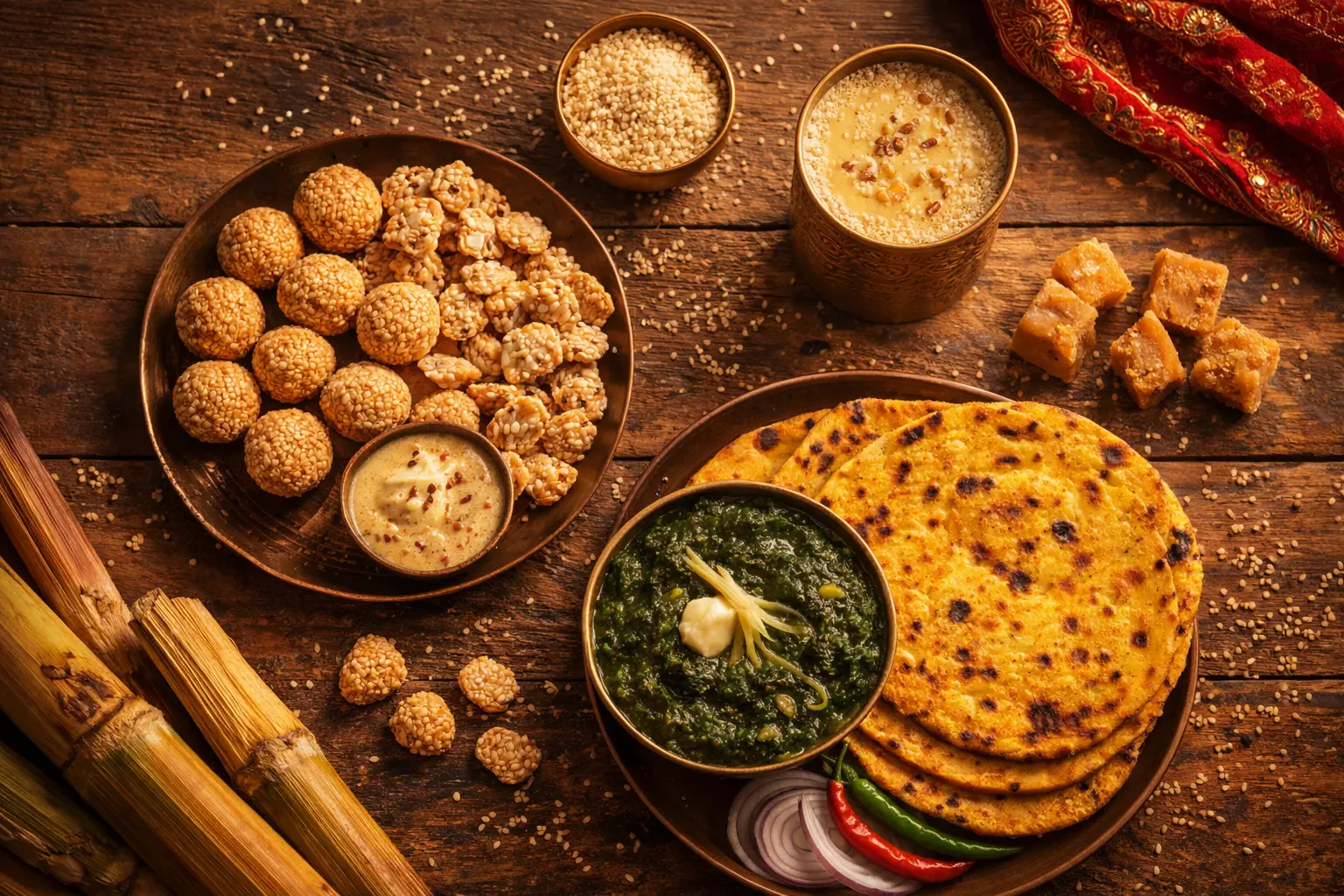
Food is a major part of any festival, and Lohri is no exception. From roasted sesame seeds to sweet jaggery treats, the recipes of Lohri are warm, rich, and full of love. Here are some traditional Lohri recipes to enhance your celebration this year.
1. Rewari (Sesame and Jaggery Sweets)
These crunchy, sweet treats are a staple of Lohri celebrations. They are made with roasted sesame seeds and jaggery, symbolizing sweetness and the triumph of good over evil.
Ingredients:
- 1 cup sesame seeds
- 1 cup jaggery (grated)
- 1 tablespoon ghee
Instructions:
- Dry roast the sesame seeds in a pan until they become aromatic and slightly golden.
- In another pan, melt jaggery with a little ghee.
- Once the jaggery melts, add the roasted sesame seeds and mix well.
- Pour the mixture into a greased plate and allow it to cool.
- Once set, cut into pieces and serve.
2. Makki Di Roti and Sarson Da Saag
This traditional Punjabi dish is a perfect addition to your Lohri feast. The combination of corn flour roti with mustard greens creates a wholesome, warming meal perfect for the chilly weather.
Ingredients:
- 2 cups maize flour (makki atta)
- 1 bunch mustard greens (sarson)
- 1 tablespoon ginger-garlic paste
- 1 green chili
- 1 tablespoon mustard oil
Instructions:
- Knead the maize flour with water and roll it into flat, round rotis.
- Roast the rotis on a tawa until they are golden brown.
- For the saag, boil the mustard greens with water and blend them into a smooth paste.
- Heat mustard oil in a pan and sauté ginger-garlic paste, followed by the blended greens.
- Serve the hot makki di roti with sarson da saag and a dollop of ghee.
3. Til (Sesame) Ladoo
This is another traditional dish made using sesame seeds, perfect for offering at the bonfire.
Ingredients:
- 1 cup sesame seeds
- 1 cup jaggery
- 1 tablespoon ghee
Instructions:
- Heat ghee in a pan and add jaggery. Stir it until it melts and begins to thicken.
- Add the roasted sesame seeds and mix well.
- Roll into small balls once the mixture cools slightly.
- Allow the ladoos to cool completely before serving.
These recipes are not just treats for the stomach, but also symbolic of prosperity and the bounty of nature – themes central to both the harvest and the teachings of Swami Mukundananda.
Teachings of Swami Mukundananda
Swami Mukundananda often emphasizes the importance of connecting spiritually during festivals. Lohri is not just about enjoying the fire and the food; it is also a time for reflection and gratitude. Just as he teaches about the deeper significance of Diwali – a festival of light – Lohri, too, is a festival where you can spiritually ignite your inner light.
Spiritual Significance of Bonfires
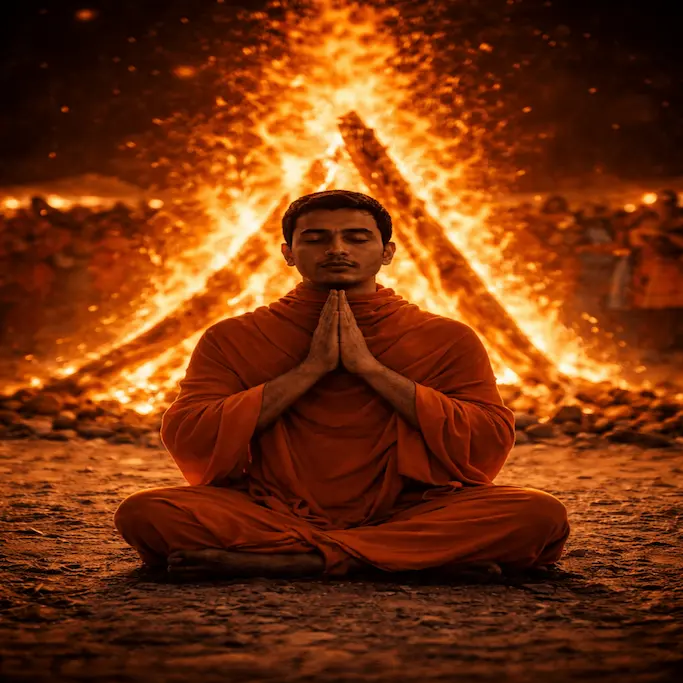
The Lohri bonfire symbolizes the triumph of light over darkness, both literally and metaphorically. Swami Mukundananda links this idea with the concept of the eternal soul’s journey toward liberation. The fire, in this sense, represents the flame of divine knowledge that can purify our hearts and minds. This reflects the wisdom shared in the Bhagavad Gita, especially in Chapter 4, Verse 7, where Lord Krishna speaks about the importance of divine intervention in times of darkness. You can read it here: Bhagavad Gita 4.7.
Gratitude and Detachment
In the teachings of Swami Mukundananda, gratitude is a key element of spiritual practice. During Lohri, as you thank the divine for the harvest, remember to cultivate gratitude in all aspects of your life. Detach yourself from material possessions and worldly concerns, and connect with the divine energy that pervades all things.
Frequently Asked Questions (FAQs)
1. What is the significance of Lohri?
Lohri marks the end of winter and the arrival of the harvest season. It is celebrated with bonfires, singing, dancing, and offering prayers for prosperity.
2. Why do we light a bonfire during Lohri?
The bonfire represents the triumph of light over darkness and the destruction of negativity. It symbolizes the burning of past karmas and purification of the mind.
3. What are traditional foods for Lohri?
Traditional foods include Rewari, Makki Di Roti with Sarson Da Saag, and Til Ladoo. These foods are made with seasonal ingredients like sesame seeds, jaggery, and corn flour.
4. How can I incorporate spirituality into Lohri celebrations?
You can meditate, offer prayers, chant mantras, and reflect on the teachings of Swami Mukundananda to deepen the spiritual significance of the festival.
5. What is the spiritual meaning of Lohri?
Lohri is a time to purify yourself, connect with divine energy, and express gratitude for the blessings in your life. It is a reminder to burn away negative thoughts and focus on spiritual growth.
Conclusion
Lohri 2026 is an excellent opportunity to celebrate not only the harvest but also the light within you. By embracing Swami Mukundananda's teachings, you can make this festival more meaningful and spiritually enriching. Let this Lohri be a time for introspection, gratitude, and a deeper connection with the divine.
May the warmth of the bonfire ignite the light of wisdom in your heart!
🙏 CALL TO ACTION
Continue your journey beyond the festival!
👉 Subscribe to the official YouTube channels for uplifting content, powerful discourses, and spiritual inspiration:
🔹 Bhagavad Gita Krishna Bhakti
https://www.youtube.com/@bhagavadgita4life
🔹 Radha Krishna Temple of Dallas
https://www.youtube.com/@RadhaKrishnaTempleDallasTX
🔹 Swami Mukundananda
https://www.youtube.com/@swamimukundananda
Related Blogs
 RKT Blog Team