
Introduction
Lalita Sahasranama, a revered hymn from the Brahmanda Puran, beautifully enumerates the thousand names of the Divine Mother, Sri Lalita Tripurasundari. Each name is a radiant bead in the garland of devotion, symbolizing her cosmic powers, boundless compassion, and supreme consciousness. This timeless stotra is not just a chant—it is a meditative journey into the heart of the Goddess.
Lalitha Sahasranamam Lyrics
Nyāsaḥ (Invocation & Setup)
अस्य श्रीललितासहस्रनामस्तोत्रमाला मन्त्रस्य ।
वशिन्यादिवाग्देवता ऋषयः ।
अनुष्टुप् छन्दः ।
श्रीललितापरमेश्वरी देवता ।
श्रीमद्वाग्भवकूटेति बीजम् ।
मध्यकूटेति शक्तिः ।
शक्तिकूटेति कीलकम् ।
श्रीललितामहात्रिपुरसुन्दरी-प्रसादसिद्धिद्वारा
चिन्तितफलावाप्त्यर्थे जपे विनियोगः ॥
asya śrīlalitāsahasranāmastotramālā mantrasya ।
vaśinyādivāgdevatā ṛṣayaḥ ।
anuṣṭup chandaḥ ।
śrīlalitāparameśvarī devatā ।
śrīmadvāgbhavakūṭeti bījam ।
madhyakūṭeti śaktiḥ ।
śaktikūṭeti kīlakam ।
śrīlalitāmahātripurasundarī-prasādasiddhidvārā
cintitaphalāvāptyarthe jape viniyogaḥ ॥
Meaning:
This is the ritual declaration (Nyasa) that identifies the spiritual and structural components of the stotra before beginning the actual recitation. Here's what each part means:
- Mantra: The chant is a garland of the 1000 names of Lalita Devi.
- Ṛṣayaḥ (Seers): The Rishis (sages) who revealed this stotra are the Vashinyadi Vagdevatas (divine speech goddesses).
- Chandaḥ (Meter): The verse meter used here is Anushtubh, a common Sanskrit poetic meter.
- Devatā (Deity): The deity praised here is Sri Lalita Parameshwari, the Supreme Divine Mother.
- Bīja (Seed): The bija mantra (seed syllable) is "Vagbhava-kuta", the essence of divine speech.
- Śakti (Power): "Madhya-kut" represents the energy aspect.
- Kīlaka (Key): "Shakti-kut" serves as the spiritual lock that must be unlocked through devotion.
- Viniyogaḥ (Purpose): This stotra is recited for attaining the blessings of Sri Lalita Maha Tripura Sundari, and to fulfill one’s noble desires or spiritual goals.
Dhyān (Meditation Verses)

सिन्दूरारुण विग्रहां त्रिनयनां माणिक्यमौलि स्फुरत्
तारा नायक शेखरां स्मितमुखी मापीन वक्षोरुहाम् ।
पाणिभ्यामलिपूर्ण रत्न चषकं रक्तोत्पलं बिभ्रतीं
सौम्यां रत्न घटस्थ रक्तचरणां ध्यायेत् परामम्बिकाम् ॥
sindūrāruṇa vigrahāṃ trinayanāṃ māṇikyamauli sphurat
tārā nāyaka śekharāṃ smitamukhī māpīna vakṣoruhām ।
pāṇibhyām alipūrṇa ratna caṣakaṃ raktotpalaṃ bibhratīṃ
saumyāṃ ratna ghaṭastha raktacaraṇāṃ dhyāyet parāmambikām ॥
Meaning:
Meditate on Parāmbikā (Supreme Mother), who:
- Has a complexion red like vermilion (sindoor)
- Possesses three eyes, symbolizing sun, moon, and fire
- Wears a crown adorned with rubies and the moon (Tārā-nāyaka)
- Smiles gently, radiating compassion
- Has full and beautiful breasts, symbolizing nurturing
- Holds in her hands a jeweled wine-cup and a red lotus
- Appears gentle, seated upon a gem-studded seat, with red-colored feet
अरुणां करुणा तरङ्गिताक्षीं
धृत पाशाङ्कुश पुष्प बाणचापाम् ।
अणिमादिभि रावृतां मयूखै-
रहमित्येव विभावये भवानीम् ॥
aruṇāṃ karuṇā taraṅgitākṣīṃ
dhṛta pāśāṅkuśa puṣpa bāṇacāpām ।
aṇimādibhi rāvṛtāṃ mayūkhai-
rahamityeva vibhāvaye bhavānīm ॥
Meaning:
I visualize Bhavani as:
- Crimson-hued, with eyes flowing with waves of compassion
- Holding a noose (pāśa), goad (aṅkuśa), floral arrows, and a sugarcane bow
- Surrounded by the radiant glow of eight siddhis (spiritual powers like aṇimā, etc.)
- Residing in the innermost self as pure consciousness (aham iti eva) — “She is Me”
ध्यायेत् पद्मासनस्थां विकसितवदनां पद्मपत्रायताक्षीं
हेमाभां पीतवस्त्रां करकलितलसद्धेमपद्मां वराङ्गीम् ।
सर्वालङ्कार युक्तां सतत मभयदां भक्तनम्रां भवानीं
श्रीविद्यां शान्त मूर्तिं सकल सुरनुतां सर्व सम्पत्प्रदात्रीम् ॥
dhyāyet padmāsanasthāṃ vikasitavadanāṃ padmapatrāyatākṣīṃ
hemābhāṃ pītavastrāṃ karakalitalasaddhemapadmāṃ varāṅgīm ।
sarvālaṅkāra yuktāṃ satata mabhayadāṃ bhaktanamrāṃ bhavānīṃ
śrīvidyāṃ śānta mūrtiṃ sakala suranutāṃ sarva sampatpradātrīm ॥
Meaning:
Meditate upon Bhavani as:
- Seated on a lotus seat in a calm, poised posture
- Her face blooming like a lotus, with eyes shaped like lotus petals
- Golden-hued, clad in yellow garments, holding a shining golden lotus
- Adorned with all kinds of divine ornaments
- Always offering fearlessness and protection
- Revered by devotees who bow with humility
- She is Sri Vidya, the personification of sacred wisdom
- The peaceful embodiment, worshipped by all gods, bestowing all forms of wealth and prosperity
सकुङ्कुम विलेपनामलिकचुम्बि कस्तूरिकां
समन्द हसितेक्षणां सशर चाप पाशाङ्कुशाम् ।
अशेषजन मोहिनीं अरुण माल्य भूषाम्बरां
जपाकुसुम भासुरां जपविधौ स्मरे दम्बिकाम् ॥
sakuṅkuma vilepanāmalikacumbi kastūrikāṃ
samanda hasitekṣaṇāṃ saśara cāpa pāśāṅkuśām ।
aśeṣajana mohinīṃ aruṇa mālya bhūṣāmbarāṃ
japākusuma bhāsurāṃ japavidhau smare dambikām ॥
Meaning:
During jap (mantra recitation), one should meditate on Ambika (Lalita Devi) as:
- Adorned with sandals and saffron paste, with hair kissed by musk-scented flowers
- Wearing a gentle smile, with enchanting eyes
- Holding a flower-arrow, sugarcane bow, noose, and goad
- The great enchanter of all beings, clad in crimson clothes and garlands
- Radiating a glow like a hibiscus flower, symbolizing passion and purity.
Atha śrīlalitāsahasranāmastotram
Verse 1
ॐ श्रीमाता श्रीमहाराज्ञी श्रीमत्-सिंहासनेश्वरी ।
चिदग्नि-कुण्ड-सम्भूता देवकार्य-समुद्यता ॥
oṃ śrīmātā śrīmahārājñī śrīmat-siṃhāsaneśvarī .
cidagni-kuṇḍa-sambhūtā devakārya-samudyatā .
Meaning:
She is the auspicious mother, the great empress, and the sovereign enthroned on the lion-seat.
She was born from the fire of pure consciousness and is ever engaged in the fulfillment of divine work.
Verse 2
उद्यद्भानु-सहस्राभा चतुर्बाहु-समन्विता ।
रागस्वरूप-पाशाढ्या क्रोधाकाराङ्कुशोज्ज्वला ॥
udyadbhānu-sahasrābhā caturbāhu-samanvitā .
rāgasvarūpa-pāśāḍhyā krodhākārāṅkuśojjvalā .
Meaning:
She shines with the brilliance of a thousand rising suns and is endowed with four arms.
She carries the noose, symbolizing attachment, and the goad, symbolizing the power to direct.
Verse 3
मनोरूपेक्षु-कोदण्डा पञ्चतन्मात्र-सायका ।
निजारुण-प्रभापूर-मज्जद्ब्रह्माण्ड-मण्डला ॥
manorūpekṣu-kodaṇḍā pañcatanmātra-sāyakā .
nijāruṇa-prabhāpūra-majjadbrahmāṇḍa-maṇḍalā .
Meaning:
She holds a sugarcane bow representing the mind and five arrows representing the five subtle elements.
The universe is immersed in the flood of Her reddish radiance.
Verse 4
चम्पकाशोक-पुन्नाग-सौगन्धिक-लसत्कचा ।
कुरुविन्दमणि-श्रेणी-कनत्कोटीर-मण्डिता ॥
campakāśoka-punnāga-saugandhika-lasatkacā .
kuruvindamaṇi-śreṇī-kanatkoṭīra-maṇḍitā .
Meaning:
Her hair shines with the fragrance of champaka, ashoka, punnaga, and other divine flowers.
She is adorned with a resplendent crown studded with rubies and precious stones.
Verse 5
अष्टमीचन्द्र-विभ्राज-दलिकस्थल-शोभिता ।
मुखचन्द्र-कलङ्काभ-मृगनाभि-विशेषका ॥
aṣṭamīcandra-vibhrāja-dalikasthala-śobhitā .
mukhacandra-kalaṅkābha-mṛganābhi-viśeṣakā .
Meaning:
Her forehead shines like the eighth-day crescent moon.
A beauty mark on her face resembles the shadow on the full moon and is scented like musk.
Verse 6
वदनस्मर-माङ्गल्य-गृहतोरण-चिल्लिका ।
वक्त्रलक्ष्मी-परीवाह-चलन्मीनाभ-लोचना ॥
vadanasmara-māṅgalya-gṛhatoraṇa-cillikā .
vaktralakṣmī-parīvāha-calanmīnābha-locanā .
Meaning:
Her face resembles the auspicious archway of Cupid’s palace.
Her eyes are like darting fish, flowing with the beauty of goddess Lakshmi.
Verse 7
नवचम्पक-पुष्पाभ-नासादण्ड-विराजिता ।
ताराकान्ति-तिरस्कारि-नासाभरण-भासुरा ॥
navacampaka-puṣpābha-nāsādaṇḍa-virājitā .
tārākānti-tiraskāri-nāsābharaṇa-bhāsurā .
Meaning:
Her nose is as beautiful as a freshly blossomed champaka flower.
The radiance of her nose ornament outshines the brilliance of stars.
Verse 8
कदम्बमञ्जरी-कॢप्त-कर्णपूर-मनोहरा ।
ताटङ्क-युगली-भूत-तपनोडुप-मण्डला ॥
kadambamañjarī-kḷpta-karṇapūra-manoharā .
tāṭaṅka-yugalī-bhūta-tapanoḍupa-maṇḍalā .
Meaning:
Her earrings, shaped like kadamba flower clusters, enhance the beauty of her ears.
Her two earrings resemble the sun and moon, worn as ornaments.
Verse 9
पद्मराग-शिलादर्श-परिभावि-कपोलभूः ।
नवविद्रुम-बिम्बश्री-न्यक्कारि-रदनच्छदा ॥
padmarāga-śilādarśa-paribhāvi-kapolabhūḥ .
navavidruma-bimbaśrī-nyakkāri-radanacchadā .
Meaning:
Her cheeks surpass the radiance of ruby mirrors.
Her lips defeat the luster of fresh coral and the brilliance of red bimba fruits.
Verse 10
शुद्ध-विद्याङ्कुराकार-द्विजपङ्क्ति-द्वयोज्ज्वला ।
कर्पूर-वीटिकामोद-समाकर्षि-दिगन्तरा ॥
śuddha-vidyāṅkurākāra-dvijapaṅkti-dvayojjvalā .
karpūra-vīṭikāmoda-samākarṣi-digantarā .
Meaning:
Her two rows of teeth shine like sprouting buds of pure wisdom.
The fragrance of camphor and betel leaves from her mouth spreads in all directions.
Verse 11
निज-सल्लाप-माधुर्य-विनिर्भर्त्सित-कच्छपी ।
मन्दस्मित-प्रभापूर-मज्जत्कामेश-मानसा ॥
nija-sallāpa-mādhurya-vinirbhartsita-kacchapī .
mandasmita-prabhāpūra-majjatkāmeśa-mānasā .
Meaning:
The sweetness of her voice humbles even the veena of Saraswati.
Her gentle smile's radiance engulfs the mind of Kamesha in bliss.
Verse 12
अनाकलित-सादृश्य-चिबुकश्री-विराजिता ।
कामेश-बद्ध-माङ्गल्य-सूत्र-शोभित-कन्धरा ॥
anākalita-sādṛśya-cibukaśrī-virājitā .
kāmeśa-baddha-māṅgalya-sūtra-śobhita-kandharā .
Meaning:
Her chin is so beautiful that nothing can be compared to it.
Her neck shines with the sacred wedding thread tied by Kamesha.
Verse 13
कनकाङ्गद-केयूर-कमनीय-भुजान्विता ।
रत्नग्रैवेय-चिन्ताक-लोल-मुक्ता-फलान्विता ॥
kanakāṅgada-keyūra-kamanīya-bhujānvitā .
ratnagraiveya-cintāka-lola-muktā-phalānvitā .
Meaning:
Her arms are adorned with beautiful golden armlets and bracelets.
A gem-studded necklace with a pendant swings gently, adorned with lustrous pearls.
Verse 14
कामेश्वर-प्रेमरत्न-मणि-प्रतिपण-स्तनी ।
नाभ्यालवाल-रोमालि-लता-फल-कुचद्वयी ॥
kāmeśvara-premaratna-maṇi-pratipaṇa-stanī .
nābhyālavāla-romāli-latā-phala-kucadvayī .
Meaning:
Her breasts are the price paid by Kameshwara in exchange for the gem of his love.
They are like the fruits on the vine of the creeper formed by the fine hair rising from her navel.
Verse 15
लक्ष्यरोम-लताधारता-समुन्नेय-मध्यमा ।
स्तनभार-दलन्मध्य-पट्टबन्ध-वलित्रया ॥
lakṣyaroma-latādhāratā-samunneya-madhyamā .
stanabhāra-dalanmadhya-paṭṭabandha-valitrayā .
Meaning:
Her slender waist supports the creeper-like line of fine hair.
Due to the weight of her bosom, three folds are formed on her middle, adorned with a girdle.
Verse 16
अरुणारुण-कौसुम्भ-वस्त्र-भास्वत्-कटीतटी ।
रत्न-किङ्किणिका-रम्य-रशना-दाम-भूषिता ॥
aruṇāruṇa-kausumbha-vastra-bhāsvat-kaṭītaṭī .
ratna-kiṅkiṇikā-ramya-raśanā-dāma-bhūṣitā .
Meaning:
Her hips shine with a glowing red garment resembling the hues of dawn and saffron.
She is adorned with a belt studded with gems and charming tiny bells.
Verse 17
कामेश-ज्ञात-सौभाग्य-मार्दवोरु-द्वयान्विता ।
माणिक्य-मुकुटाकार-जानुद्वय-विराजिता ॥
kāmeśa-jñāta-saubhāgya-mārdavoru-dvayānvitā .
māṇikya-mukuṭākāra-jānudvaya-virājitā .
Meaning:
Her thighs, known only to Kamesha, are the very embodiment of beauty and softness.
Her two knees shine like crowns made of rubies.
Verse 18
इन्द्रगोप-परिक्षिप्त-स्मरतूणाभ-जङ्घिका ।
गूढगुल्फा कूर्मपृष्ठ-जयिष्णु-प्रपदान्विता ॥
indragopa-parikṣipta-smaratūṇābha-jaṅghikā ।
gūḍhagulphā kūrmapṛṣṭha-jayiṣṇu-prapadānvitā ॥
Meaning:
Her shins are like Cupid’s quiver and are dotted with the red hue of Indragopa insects.
Her ankles are well-concealed, and her feet resemble the back of a tortoise, graceful and firm in posture.
Verse 19
नख-दीधिति-संछन्न-नमज्जन-तमोगुणा ।
पदद्वय-प्रभाजाल-पराकृत-सरोरुहा ॥
nakha-dīdhiti-saṃchanna-namajjana-tamoguṇā ।
padadvaya-prabhājāla-parākṛta-saroruhā ॥
Meaning:
The brilliance of her toenails dispels all darkness for those who surrender at her feet.
The radiance of her two feet outshines the lotus flowers, making even divine lotuses pale in comparison.
Verse 20
सिञ्जान-मणिमञ्जीर-मण्डित-श्री-पदाम्बुजा ।
मराली-मन्दगमना महालावण्य-शेवधिः ॥
siñjāna-maṇimañjīra-maṇḍita-śrī-padāmbujā ।
marālī-mandagamanā mahālāvaṇya-śevadhiḥ ॥
Meaning:
Her sacred lotus feet are adorned with tinkling anklets made of precious gems.
She walks gracefully like a royal swan, and is the abode of supreme beauty and charm.
Verse 21
सर्वारुणाऽनवद्याङ्गी सर्वाभरण-भूषिता ।
शिव-कामेश्वराङ्कस्था शिवा स्वाधीन-वल्लभा ॥
sarvāruṇā'navadyāṅgī sarvābharaṇa-bhūṣitā ।
śiva-kāmeśvarāṅkasthā śivā svādhīna-vallabhā ॥
Meaning:
Her entire form is suffused with the glow of crimson red, symbolizing energy and grace.
She is flawless in every limb and adorned with all divine ornaments.
She is seated on the lap of Shiv as Kameshwar, signifying their inseparable unity.
She is Shiv's beloved, and he is completely under her spell of divine love.
Verse 22
सुमेरु-मध्य-शृङ्गस्था श्रीमन्नगर-नायिका ।
चिन्तामणि-गृहान्तस्था पञ्च-ब्रह्मासन-स्थिता ॥
sumeru-madhya-śṛṅgasthā śrīmannagara-nāyikā ।
cintāmaṇi-gṛhāntasthā pañca-brahmāsana-sthitā ॥
Meaning:
She resides at the central peak of Mount Meru, the axis of the spiritual universe.
She is the queen of the divine city of Śrīpura, the supreme celestial abode.
She dwells in the Cintāmaṇi Palace, a home of wish-fulfilling gems.
She sits upon the throne of five Brahmas, symbolizing her supremacy over creation, preservation, destruction, veiling, and grace.
Verse 23
महापद्माटवी-संस्था कदम्बवन-वासिनी ।
सुधासागर-मध्यस्था कामाक्षी कामदायिनी ॥
mahāpadmāṭavī-saṃsthā kadambavana-vāsinī ।
sudhāsāgara-madhyasthā kāmākṣī kāmadāyinī ॥
Meaning:
She resides in a great forest of divine lotuses (Mahāpadmāṭavī).
She dwells in the Kadamba grove, a sacred place of spiritual bliss.
She is situated at the center of the nectar ocean, embodying immortality and bliss.
She is Kāmākṣī, one whose glance fulfills all desires, and who grants divine boons.
Verse 24
देवर्षि-गण-संघात-स्तूयमानात्म-वैभवा ।
भण्डासुर-वधोद्युक्त-शक्तिसेना-समन्विता ॥
devarṣi-gaṇa-saṃghāta-stūyamānātma-vaibhavā ।
bhaṇḍāsura-vadhodyukta-śaktisenā-samanvitā ॥
Meaning:
Her divine glory is praised by assemblies of sages and celestial beings.
She is accompanied by a celestial army of Shaktis, ready to defeat the demon Bhaṇḍāsur.
Verse 25
सम्पत्करी-समारूढ-सिन्धुर-व्रज-सेविता ।
अश्वारूढाधिष्ठिताश्व-कोटि-कोटिभिरावृता ॥
sampatkarī-samārūḍha-sindhura-vraja-sevitā ।
aśvārūḍhādhiṣṭhitāśva-koṭi-koṭibhirāvṛtā ॥
Meaning:
She is served by an elephant battalion led by Sampatkari Devi.
She rides upon a chariot drawn by countless horses, commanded by Ashwarudha Devi, leading an army of millions of horses.
Verse 26
चक्रराज-रथारूढ-सर्वायुध-परिष्कृता ।
गेयचक्र-रथारूढ-मन्त्रिणी-परिसेविता ॥
cakrarāja-rathārūḍha-sarvāyudha-pariṣkṛtā ।
geyacakra-rathārūḍha-mantriṇī-parisevitā ॥
Meaning:
She rides the royal chariot called Chakra Raja, and is equipped with all divine weapons.
She is attended by her minister, Mantrini Devi, who rides the Geya Chakra chariot.
Verse 27
किरिचक्र-रथारूढ-दण्डनाथा-पुरस्कृता ।
ज्वाला-मालिनिकाक्षिप्त-वह्निप्राकार-मध्यगा ॥
kiricakra-rathārūḍha-daṇḍanāthā-puraskṛtā ।
jvālā-mālinikākṣipta-vahniprākāra-madhyagā ॥
Meaning:
She is accompanied by Dandanath Devi, who rides the Kiri Chakra chariot and leads the forces of discipline and command.
She resides within a fortified palace surrounded by blazing walls of fire, created by the fiery goddess Jwalamalini.
Verse 28
भण्डसैन्य-वधोद्युक्त-शक्ति-विक्रम-हर्षिता ।
नित्या-पराक्रमाटोप-निरीक्षण-समुत्सुका ॥
bhaṇḍasainya-vadhodyukta-śakti-vikrama-harṣitā ।
nityā-parākramāṭopa-nirīkṣaṇa-samutsukā ॥
Meaning:
She is delighted by the valor of her divine Shaktis as they prepare to destroy the army of Bhaṇḍāsur.
She watches the bold and glorious might of the Nitya goddesses with joyful eagerness.
Verse 29
भण्डपुत्र-वधोद्युक्त-बाला-विक्रम-नन्दिता ।
मन्त्रिण्यम्बा-विरचित-विषङ्ग-वध-तोषिता ॥
bhaṇḍaputra-vadhodyukta-bālā-vikrama-nanditā ।
mantriṇyambā-viracita-viṣaṅga-vadha-toṣitā ॥
Meaning:
She rejoices in the heroic energy of Bālā Devi as she sets out to destroy Bhaṇḍāsur’s sons.
She is pleased by the slaying of Viṣaṅg, carried out by her minister Mantriṇī Devi.
Verse 30
विशुक्र-प्राणहरण-वाराही-वीर्य-नन्दिता ।
कामेश्वर-मुखालोक-कल्पित-श्रीगणेश्वरा ॥
viśukra-prāṇaharaṇa-vārāhī-vīrya-nanditā ।
kāmeśvara-mukhālokakalpita-śrīgaṇeśvarā ॥
Meaning:
She delights in the valiant act of Vārāhī Devi, who destroyed the life-force of Viśukra.
From a mere glance at Kāmeśvar’s face, she manifested the divine form of Śhrī Gaṇeśha, the remover of obstacles.
Verse 31
महागणेश-निर्भिन्न-विघ्नयन्त्र-प्रहर्षिता ।
भण्डासुरेन्द्र-निर्मुक्त-शस्त्र-प्रत्यस्त्र-वर्षिणी ॥ ३१॥
mahāgaṇeśa-nirbhinna-vighnayantra-praharṣitā .
bhaṇḍāsurendra-nirmukta-śastra-pratyastra-varṣiṇī
Meaning:
She rejoices when the obstacle-creating devices of Bhanda are destroyed by the mighty Ganesha. She showers counter-weapons in response to the weapons released by Bhanda, the king of demons.
Verse 36
मूल-मन्त्रात्मिका मूलकूटत्रय-कलेबरा ।
कुलामृतैक-रसिका कुलसंकेत-पालिनी ॥ ३६॥
mūla-mantrātmikā mūlakūṭatraya-kalebarā .
kulāmṛtaika-rasikā kulasaṃketa-pālinī
Meaning:
She is the soul of the Mūla mantra, whose entire body is composed of its three kūṭas. She delights in the nectar of the Kaula tradition and protects its sacred signs and symbols.
Verse 37
कुलाङ्गना कुलान्तस्था कौलिनी कुलयोगिनी ।
अकुला समयान्तस्था समयाचार-तत्परा ॥ ३७॥
kulāṅganā kulāntasthā kaulinī kulayoginī .
akulā samayāntasthā samayācāra-tatparā
Meaning:
She is the noble woman of the Kaul lineage, established at its highest level. She is Kaulinī, the yoginī of the Kaul path. Though beyond all groups (A-kulā), she abides in the essence of sacred tradition and is devoted to its observances.
Verse 38
मूलाधारैक-निलया ब्रह्मग्रन्थि-विभेदिनी ।
मणि-पूरान्तरुदिता विष्णुग्रन्थि-विभेदिनी ॥ ३८॥
mūlādhāraika-nilayā brahmagranthi-vibhedinī .
maṇi-pūrāntaruditā viṣṇugranthi-vibhedinī
Meaning:
She resides in the Mūlādhār chakra and breaks through the Brahm granthi (knot). She rises and becomes active in the Maṇipūr chakra, piercing through the Viṣhṇu granthi.
Verse 39
आज्ञा-चक्रान्तरालस्था रुद्रग्रन्थि-विभेदिनी ।
सहस्राराम्बुजारूढा सुधा-साराभिवर्षिणी ॥ ३९॥
ājñā-cakrāntarālasthā rudragranthi-vibhedinī .
sahasrārāmbujārūḍhā sudhā-sārābhivarṣiṇī
Meaning:
She stays in the inner space of the Ājñā chakra and pierces the Rudra granthi. She ascends and resides in the thousand-petaled lotus (Sahasrāra), from where she showers the essence of divine nectar.
Verse 40
तडिल्लता-समरुचिः षट्चक्रोपरि-संस्थिता ।
महासक्तिः कुण्डलिनी बिसतन्तु-तनीयसी ॥ ४०॥
taḍillatā-samaruciḥ ṣaṭcakropari-saṃsthitā .
mahāsaktiḥ kuṇḍalinī bisatantu-tanīyasī
Meaning:
She shines like a streak of lightning and is established above the six chakras. She is the great energy known as Kuṇḍalinī, subtler than the filament of a lotus stalk.
Verse 41
भवानी भावनागम्या भवारण्य-कुठारिका ।
भद्रप्रिया भद्रमूर्तिर् भक्त-सौभाग्यदायिनी ॥ ४१॥
bhavānī bhāvanāgamyā bhavāraṇya-kuṭhārikā .
bhadrapriyā bhadramūrtir bhakta-saubhāgyadāyinī
Meaning:
She is Bhavānī, approachable through contemplation. She is the axe that cuts down the forest of worldly existence. She loves auspiciousness, is the very form of auspiciousness, and bestows fortune upon her devotees.
Verse 42
भक्तिप्रिया भक्तिगम्या भक्तिवश्या भयापहा ।
शाम्भवी शारदाराध्या शर्वाणी शर्मदायिनी ॥ ४२॥
bhaktipriyā bhaktigamyā bhaktivaśyā bhayāpahā .
śāmbhavī śāradārādhyā śarvāṇī śarmadāyinī
Meaning:
She delights in devotion, is reached through devotion, and becomes bound by the love of devotees. She removes fear. She is Śāmbhavī, adored by Śāradā, and as Śarvāṇī, she grants supreme happiness.
Verse 43
शाङ्करी श्रीकरी साध्वी शरच्चन्द्र-निभानना ।
शातोदरी शान्तिमती निराधारा निरञ्जना ॥ ४३॥
śāṅkarī śrīkarī sādhvī śaraccandra-nibhānanā .
śātodarī śāntimatī nirādhārā nirañjanā
Meaning:
She is Śāṅkarī, consort of Śaṅkar, and the giver of prosperity. She is virtuous, with a face like the autumn moon. She is slender-waisted, full of peace, supportless, and stainless.
Verse 44
निर्लेपा निर्मला नित्या निराकारा निराकुला ।
निर्गुणा निष्कला शान्ता निष्कामा निरुपप्लवा ॥ ४४॥
nirlepā nirmalā nityā nirākārā nirākulā .
nirguṇā niṣkalā śāntā niṣkāmā nirupaplavā
Meaning:
She is free from all attachments, pure, eternal, and formless. She is undisturbed, beyond all qualities and parts. She is peaceful, desireless, and unshaken by disturbances.
Verse 45
नित्यमुक्ता निर्विकारा निष्प्रपञ्चा निराश्रया ।
नित्यशुद्धा नित्यबुद्धा निरवद्या निरन्तरा ॥ ४५॥
nityamuktā nirvikārā niṣprapañcā nirāśrayā .
nityaśuddhā nityabuddhā niravadyā nirantarā
Meaning:
She is eternally liberated, changeless, beyond the created world, and without dependence. She is ever pure, ever wise, flawless, and uninterrupted in her being.
Verse 46
निष्कारणा निष्कलङ्का निरुपाधिर् निरीश्वरा ।
नीरागा रागमथनी निर्मदा मदनाशिनी ॥ ४६॥
niṣkāraṇā niṣkalaṅkā nirupādhir nirīśvarā .
nīrāgā rāgamathanī nirmadā madanāśinī
Meaning:
She acts without cause, is spotless, and beyond all limiting conditions. Though supreme, she is beyond even rulership. She is free of attachment, destroys passions, is without pride, and ends desire itself.
Verse 47
निश्चिन्ता निरहंकारा निर्मोहा मोहनाशिनी ।
निर्ममा ममताहन्त्री निष्पापा पापनाशिनी ॥ ४७॥
niścintā nirahaṃkārā nirmohā mohanāśinī .
nirmamā mamatāhantrī niṣpāpā pāpanāśinī
Meaning:
She is free from worry and ego. She is free from delusion and destroys delusion. She is without possessiveness, destroys attachment, is sinless, and removes all sins.
Verse 48
निष्क्रोधा क्रोधशमनी निर्लोभा लोभनाशिनी ।
निःसंशया संशयघ्नी निर्भवा भवनाशिनी ॥ ४८॥
niṣkrodhā krodhaśamanī nirlobhā lobhanāśinī .
niḥsaṃśayā saṃśayaghnī nirbhavā bhavanāśinī
Meaning:
She is free from anger, the pacifier of wrath. She is without greed and destroys greed. She is doubtless, destroys doubt, is unborn, and ends the cycle of birth.
Verse 49
निर्विकल्पा निराबाधा निर्भेदा भेदनाशिनी ।
निर्नाशा मृत्युमथनी निष्क्रिया निष्परिग्रहा ॥ ४९॥
nirvikalpā nirābādhā nirbhedā bhedanāśinī .
nirnāśā mṛtyumathanī niṣkriyā niṣparigrahā
Meaning:
She is beyond all alternatives, undisturbed, and free of divisions. She removes all divisions. She is without destruction, destroys death, is actionless, and without possessions.
Verse 50
निस्तुला नीलचिकुरा निरपाया निरत्यया ।
दुर्लभा दुर्गमा दुर्गा दुःखहन्त्री सुखप्रदा ॥ ५०॥
nistulā nīlacikurā nirapāyā niratyayā .
durlabhā durgamā durgā duḥkhahantrī sukhapradā
Meaning:
She is incomparable, with dark-blue locks of hair. She is free from decay and imperishability. She is hard to attain, difficult to comprehend, the goddess Durgā, who destroys sorrow and grants bliss.
Verse 51
दुष्टदूरा दुराचार-शमनी दोषवर्जिता ।
सर्वज्ञा सान्द्रकरुणा समानाधिक-वर्जिता ॥ ५१॥
duṣṭadūrā durācāra-śamanī doṣavarjitā .
sarvajñā sāndrakaruṇā samānādhika-varjitā
Meaning:
She is far removed from the wicked and puts an end to immoral conduct. She is free from all faults, all-knowing, filled with deep compassion, and has neither equal nor superior.
Verse 52
सर्वशक्तिमयी सर्व-मङ्गला सद्गतिप्रदा ।
सर्वेश्वरी सर्वमयी सर्वमन्त्र-स्वरूपिणी ॥ ५२॥
sarvaśaktimayī sarva-maṅgalā sadgatipradā .
sarveśvarī sarvamayī sarvamantra-svarūpiṇī
Meaning:
She is composed of all powers, the source of all auspiciousness, and the giver of liberation. She is the ruler of all, present in all things, and the very embodiment of all mantras.
Verse 53
सर्व-यन्त्रात्मिका सर्व-तन्त्ररूपा मनोन्मनी ।
माहेश्वरी महादेवी महालक्ष्मीर् मृडप्रिया ॥ ५३॥
sarva-yantrātmikā sarva-tantrarūpā manonmanī .
māheśvarī mahādevī mahālakṣmīr mṛḍapriyā
Meaning:
She is the soul of all yantras, the form of all tantras, and beyond the mind. She is the power of Śhiva, the great goddess, Mahālakṣhmī, and beloved of Mṛḍa (Śiva).
Verse 54
महारूपा महापूज्या महापातक-नाशिनी ।
महामाया महासत्त्वा महाशक्तिर् महारतिः ॥ ५४॥
mahārūpā mahāpūjyā mahāpātaka-nāśinī .
mahāmāyā mahāsattvā mahāśaktir mahāratiḥ
Meaning:
She possesses the greatest form, is worthy of the highest worship, and destroys the gravest sins. She is the supreme illusion (Mahāmāyā), the embodiment of supreme essence, power, and divine love.
Verse 55
महाभोगा महैश्वर्या महावीर्या महाबला ।
महाबुद्धिर् महासिद्धिर् महायोगेश्वरेश्वरी ॥ ५५॥
mahābhogā mahaiśvaryā mahāvīryā mahābalā .
mahābuddhir mahāsiddhir mahāyogeśvareśvarī
Meaning:
She enjoys supreme pleasures, possesses supreme sovereignty, strength, and power. She is of great intellect, bestows supreme siddhis, and is the ruler of the great lords of yog.
Verse 56
महातन्त्रा महामन्त्रा महायन्त्रा महासना ।
महायाग-क्रमाराध्या महाभैरव-पूजिता ॥ ५६॥
mahātantrā mahāmantrā mahāyantrā mahāsanā .
mahāyāga-kramārādhyā mahābhairava-pūjitā
Meaning:
She is the essence of great tantras, mantras, and yantras, and resides on the supreme seat. She is worshipped through the sequence of grand sacrificial rites and adored by Mahābhairav.
Verse 57
महेश्वर-महाकल्प-महाताण्डव-साक्षिणी ।
महाकामेश-महिषी महात्रिपुर-सुन्दरी ॥ ५७॥
maheśvara-mahākalpa-mahātāṇḍava-sākṣiṇī .
mahākāmeśa-mahiṣī mahātripura-sundarī
Meaning:
She witnesses the cosmic dance of destruction performed by Maheśhvar at the end of a great cycle. She is the consort of Mahākāmeśvar and the great beauty of the three cities — Mahātripurasundarī.
Verse 58
चतुःषष्ट्युपचाराढ्या चतुःषष्टिकलामयी ।
महाचतुः-षष्टिकोटि-योगिनी-गणसेविता ॥ ५८॥
catuḥṣaṣṭyupacārāḍhyā catuḥṣaṣṭikalāmayī .
mahācatuḥ-ṣaṣṭikoṭi-yoginī-gaṇasevitā
Meaning:
She is adored with sixty-four kinds of offerings and is formed of sixty-four divine arts. She is served by the great host of sixty-four crore yoginīs.
Verse 59
मनुविद्या चन्द्रविद्या चन्द्रमण्डल-मध्यगा ।
चारुरूपा चारुहासा चारुचन्द्र-कलाधरा ॥ ५९॥
manuvidyā candravidyā candramaṇḍala-madhyagā .
cārurūpā cāruhāsā cārucandra-kalādharā
Meaning:
She is the essence of Manu-vidyā and Candra-vidyā and resides at the center of the lunar disc. Her form is beautiful, her smile is enchanting, and she wears a charming crescent moon on her head.
Verse 60
चराचर-जगन्नाथा चक्रराज-निकेतना ।
पार्वती पद्मनयना पद्मराग-समप्रभा ॥ ६०॥
carācara-jagannāthā cakrarāja-niketanā .
pārvatī padmanayanā padmarāga-samaprabhā
Meaning:
She is the ruler of all moving and unmoving worlds and dwells in the supreme Śhrī Chakra. She is Pārvatī, lotus-eyed, and radiates brilliance like the ruby gemstone.
Verse 61
पञ्च-प्रेतासनासीना पञ्चब्रह्म-स्वरूपिणी ।
चिन्मयी परमानन्दा विज्ञान-घनरूपिणी ॥ ६१॥
pañca-pretāsanāsīnā pañcabrahma-svarūpiṇī .
cinmayī paramānandā vijñāna-ghanarūpiṇī
Meaning:
She is seated on a throne formed by five corpses (pañca-pretās), symbolizing five inert elements without consciousness. She embodies the five aspects of Brahman, is pure consciousness, supreme bliss, and the solid mass of divine knowledge.
Verse 62
ध्यान-ध्यातृ-ध्येयरूपा धर्माधर्म-विवर्जिता ।
विश्वरूपा जागरिणी स्वपन्ती तैजसात्मिका ॥ ६२॥
dhyāna-dhyātṛ-dhyeyarūpā dharmādharma-vivarjitā .
viśvarūpā jāgariṇī svapantī taijasātmikā
Meaning:
She is the essence of meditation, the meditator, and the object of meditation. She transcends both righteousness and unrighteousness. She manifests as the cosmic form, exists in the waking state, and takes the form of Taijasa in the dream state.
Verse 63
सुप्ता प्राज्ञात्मिका तुर्या सर्वावस्था-विवर्जिता ।
सृष्टिकर्त्री ब्रह्मरूपा गोप्त्री गोविन्दरूपिणी ॥ ६३॥
suptā prājñātmikā turyā sarvāvasthā-vivarjitā .
sṛṣṭikartrī brahmarūpā goptrī govindarūpiṇī
Meaning:
She abides in deep sleep as Prājñā, transcends into the fourth state (Turya), and is beyond all states of consciousness. She is the creator as Brahmā, the protector as Govinda.
Verse 64
संहारिणी रुद्ररूपा तिरोधान-करीश्वरी ।
सदाशिवाऽनुग्रहदा पञ्चकृत्य-परायणा ॥ ६४॥
saṃhāriṇī rudrarūpā tirodhāna-karīśvarī .
sadāśivā’nugrahadā pañcakṛtya-parāyaṇā
Meaning:
She dissolves creation in the form of Rudra, conceals herself through divine illusion, and grants grace as Sadāśhiv. She is devoted to the five-fold acts of creation, preservation, destruction, concealment, and grace.
Verse 65
भानुमण्डल-मध्यस्था भैरवी भगमालिनी ।
पद्मासना भगवती पद्मनाभ-सहोदरी ॥ ६५॥
bhānumaṇḍala-madhyasthā bhairavī bhagamālinī .
padmāsanā bhagavatī padmanābha-sahodarī
Meaning:
She resides at the center of the sun's disc, is Bhairavī and Bhagamālinī. She sits on a lotus throne, is the Supreme Goddess, and is the sister of Padmanābha (Viṣhṇu).
Verse 66
उन्मेष-निमिषोत्पन्न-विपन्न-भुवनावली ।
सहस्र-शीर्षवदना सहस्राक्षी सहस्रपात् ॥ ६६॥
unmeṣa-nimiṣotpanna-vipanna-bhuvanāvalī .
sahasra-śīrṣavadanā sahasrākṣī sahasrapāt
Meaning:
With just an opening or closing of her eyes, countless worlds arise and dissolve. She has a thousand heads and faces, a thousand eyes, and a thousand feet — pervading all existence.
Verse 67
आब्रह्म-कीट-जननी वर्णाश्रम-विधायिनी ।
निजाज्ञारूप-निगमा पुण्यापुण्य-फलप्रदा ॥ ६७॥
ābrahma-kīṭa-jananī varṇāśrama-vidhāyinī .
nijājñārūpa-nigamā puṇyāpuṇya-phalapradā
Meaning:
She is the mother of all beings — from Brahmā down to an insect. She ordains the duties of the castes and life stages. The scriptures are the embodiment of her command, and she grants results of both virtue and vice.
Verse 68
श्रुति-सीमन्त-सिन्दूरी-कृत-पादाब्ज-धूलिका ।
सकलागम-सन्दोह-शुक्ति-सम्पुट-मौक्तिका ॥ ६८॥
śruti-sīmanta-sindūrī-kṛta-pādābja-dhūlikā .
sakalāgama-sandoha-śukti-sampuṭa-mauktikā
Meaning:
The dust of her lotus feet is like vermilion adorning the parting of the Vedas. She is the pearl enclosed in the shell of all scriptural knowledge and tradition.
Verse 69
पुरुषार्थप्रदा पूर्णा भोगिनी भुवनेश्वरी ।
अम्बिकाऽनादि-निधना हरिब्रह्मेन्द्र-सेविता ॥ ६९॥
puruṣārthapradā pūrṇā bhoginī bhuvaneśvarī .
ambikā’nādi-nidhanā haribrahmendra-sevitā
Meaning:
She grants the fourfold aims of life, is complete, the enjoyer, and sovereign of the universe. She is Ambikā — without beginning or end — worshipped by Hari (Viṣhṇu), Brahmā, and Indra.
Verse 70
नारायणी नादरूपा नामरूप-विवर्जिता ।
ह्रींकारी ह्रीमती हृद्या हेयोपादेय-वर्जिता ॥ ७०॥
nārāyaṇī nādarūpā nāmarūpa-vivarjitā .
hrīṃkārī hrīmatī hṛdyā heyopādeya-varjitā
Meaning:
She is Nārāyaṇī, the essence of divine sound, beyond name and form. She is the utterance of the sacred syllable “Hrīṃ,” filled with radiance and delightfully resides in the heart. She is beyond both acceptance and rejection.
Verse 71
राजराजार्चिता राज्ञी रम्या राजीवलोचना ।
रञ्जनी रमणी रस्या रणत्किङ्किणि-मेखला ॥ ७१॥
rājarājārcitā rājñī ramyā rājīvalocanā .
rañjanī ramaṇī rasyā raṇatkiṅkiṇi-mekhalā
Meaning:
She is worshipped by the king of kings, is the supreme queen, and possesses enchanting beauty with lotus-like eyes. She delights and is delightful, filled with sweetness, and wears a girdle that jingles with tiny bells.
Verse 72
रमा राकेन्दुवदना रतिरूपा रतिप्रिया ।
रक्षाकरी राक्षसघ्नी रामा रमणलम्पटा ॥ ७२॥
ramā rākenduvadanā ratirūpā ratipriyā .
rakṣākarī rākṣasaghnī rāmā ramaṇalampaṭā
Meaning:
She is Ram, with a face like the full moon. She takes the form of love, loves divine passion, and offers protection. She destroys demons and enjoys a deep union with her beloved.
Verse 73
काम्या कामकलारूपा कदम्ब-कुसुम-प्रिया ।
कल्याणी जगतीकन्दा करुणा-रस-सागरा ॥ ७३॥
kāmyā kāmakalārūpā kadamba-kusuma-priyā .
kalyāṇī jagatīkandā karuṇā-rasa-sāgarā
Meaning:
She is desirable, the very embodiment of the creative power of desire, and loves kadamba flowers. She is auspicious, the root of the universe, and an ocean of compassion.
Verse 74
कलावती कलालापा कान्ता कादम्बरीप्रिया ।
वरदा वामनयना वारुणी-मद-विह्वला ॥ ७४॥
kalāvatī kalālāpā kāntā kādambarīpriyā .
varadā vāmanayanā vāruṇī-mada-vihvalā
Meaning:
She is skilled in fine arts and sweet in speech. She is beautiful, loves the drink kādambarī, and grants boons. Her eyes are graceful and slightly intoxicated like one under the influence of divine nectar.
Verse 75
विश्वाधिका वेदवेद्या विन्ध्याचल-निवासिनी ।
विधात्री वेदजननी विष्णुमाया विलासिनी ॥ ७५॥
viśvādhikā vedavedyā vindhyācala-nivāsinī .
vidhātrī vedajananī viṣṇumāyā vilāsinī
Meaning:
She surpasses the entire cosmos, is known through the Vedas, and resides in the Vindhya mountains. She is the creatrix, mother of the Vedas, the illusory power of Viṣṇu, and full of graceful play.
Verse 76
क्षेत्रस्वरूपा क्षेत्रेशी क्षेत्र-क्षेत्रज्ञ-पालिनी ।
क्षयवृद्धि-विनिर्मुक्ता क्षेत्रपाल-समर्चिता ॥ ७६॥
kṣetrasvarūpā kṣetreśī kṣetra-kṣetrajña-pālinī .
kṣayavṛddhi-vinirmuktā kṣetrapāla-samarcitā
Meaning:
She is the essence of the sacred field (body), the sovereign of that field, and protects both body and soul. She is free from growth and decay and is worshipped by the guardians of the sacred space.
Verse 77
विजया विमला वन्द्या वन्दारु-जन-वत्सला ।
वाग्वादिनी वामकेशी वह्निमण्डल-वासिनी ॥ ७७॥
vijayā vimalā vandyā vandāru-jana-vatsalā .
vāgvādinī vāmakeśī vahnimaṇḍala-vāsinī
Meaning:
She is victorious, pure, and worthy of worship, deeply loving toward those who bow to her. She is eloquent, has beautiful left-tressed hair, and dwells in the fire circle (symbolizing purity and energy).
Verse 78
भक्तिमत्-कल्पलतिका पशुपाश-विमोचिनी ।
संहृताशेष-पाषण्डा सदाचार-प्रवर्तिका ॥ ७८॥
bhaktimat-kalpalatikā paśupāśa-vimocinī .
saṃhṛtāśeṣa-pāṣaṇḍā sadācāra-pravartikā
Meaning:
She is the wish-fulfilling creeper for her devotees, liberating them from the bonds of ignorance and karm. She annihilates all heretics and establishes the path of virtuous conduct.
Verse 79
तापत्रयाग्नि-सन्तप्त-समाह्लादन-चन्द्रिका ।
तरुणी तापसाराध्या तनुमध्या तमोऽपहा ॥ ७९॥
tāpatrayāgni-santapta-samāhlādana-candrikā .
taruṇī tāpasārādhyā tanumadhyā tamo’pahā
Meaning:
She is like moonlight that brings soothing joy to those scorched by the triple fires of suffering. She is youthful, worshipped by sages, slender-waisted, and removes the darkness of ignorance.
Verse 80
चितिस्तत्पद-लक्ष्यार्था चिदेकरस-रूपिणी ।
स्वात्मानन्द-लवीभूत-ब्रह्माद्यानन्द-सन्ततिः ॥ ८०॥
citistatpada-lakṣyārthā cidekarasa-rūpiṇī .
svātmānanda-lavībhūta-brahmādyānanda-santatiḥ
Meaning:
She is pure consciousness and the ultimate meaning of the word “Tat” (That) from the mahāvākya “Tat Tvam Asi.” She is the uniform essence of consciousness and the stream of bliss wherein the joys of Brahmā and others dissolve like mere drops.
Verse 81
परा प्रत्यक्चितीरूपा पश्यन्ती परदेवता ।
मध्यमा वैखरीरूपा भक्त-मानस-हंसिका ॥ ८१॥
parā pratyakcitīrūpā paśyantī paradevatā .
madhyamā vaikharīrūpā bhakta-mānasa-haṃsikā
Meaning:
She is Parā, the innermost form of consciousness, and also manifests as Paśyantī, the subtle form of speech. She is the supreme deity who takes the forms of Madhyamā and Vaikharī, and is the divine swan dwelling in the minds of devotees.
Verse 82
कामेश्वर-प्राणनाडी कृतज्ञा कामपूजिता ।
शृङ्गार-रस-सम्पूर्णा जया जालन्धर-स्थिता ॥ ८२॥
kāmeśvara-prāṇanāḍī kṛtajñā kāmapūjitā .
śṛṅgāra-rasa-sampūrṇā jayā jālandhara-sthitā
Meaning:
She is the vital channel (nāḍī) of Kāmeśhvar, is full of gratitude, and is worshipped through the path of love. Overflowing with the essence of divine passion, she is victorious and resides in the sacred region of Jālandhar.
Verse 83
ओड्याणपीठ-निलया बिन्दु-मण्डलवासिनी ।
रहोयाग-क्रमाराध्या रहस्तर्पण-तर्पिता ॥ ८३॥
oḍyāṇapīṭha-nilayā bindu-maṇḍalavāsinī .
rahoyāga-kramārādhyā rahastarpaṇa-tarpitā
Meaning:
She resides in the Oḍyāṇa sacred seat and abides in the Bindu circle (center of the Śrī Chakra). She is worshipped through secret rites and pleased with esoteric offerings.
Verse 84
सद्यःप्रसादिनी विश्व-साक्षिणी साक्षिवर्जिता ।
षडङ्गदेवता-युक्ता षाड्गुण्य-परिपूरिता ॥ ८४॥
sadyaḥprasādinī viśva-sākṣiṇī sākṣivarjitā .
ṣaḍaṅgadevatā-yuktā ṣāḍguṇya-paripūritā
Meaning:
She grants instant grace, witnesses the entire universe, and is herself beyond all witnessing. Surrounded by six divine aspects, she is complete with the six divine perfections.
Verse 85
नित्यक्लिन्ना निरुपमा निर्वाण-सुख-दायिनी ।
नित्या-षोडशिका-रूपा श्रीकण्ठार्ध-शरीरिणी ॥ ८५॥
nityaklinnā nirupamā nirvāṇa-sukha-dāyinī .
nityā-ṣoḍaśikā-rūpā śrīkaṇṭhārdha-śarīriṇī
Meaning:
She is ever melting with compassion, incomparable, and the giver of liberation and supreme bliss. She manifests as the sixteen Nityās and shares half the body of Śrīkaṇṭh (Śiva).
Verse 86
प्रभावती प्रभारूपा प्रसिद्धा परमेश्वरी ।
मूलप्रकृतिर् अव्यक्ता व्यक्ताव्यक्त-स्वरूपिणी ॥ ८६॥
prabhāvatī prabhārūpā prasiddhā parameśvarī .
mūlaprakṛtir avyaktā vyaktāvyakta-svarūpiṇī
Meaning:
She is radiant and the embodiment of brilliance, well-known and supreme. She is the root nature (Mūlaprakṛti), unmanifest, and both manifest and unmanifest in form.
Verse 87
व्यापिनी विविधाकारा विद्याविद्या-स्वरूपिणी ।
महाकामेश-नयन-कुमुदाह्लाद-कौमुदी ॥ ८७॥
vyāpinī vividhākārā vidyāvidyā-svarūpiṇī .
mahākāmeśa-nayana-kumudāhlāda-kaumudī
Meaning:
She pervades all, takes many forms, and embodies both knowledge and ignorance. She is like the moonlight that delights the lotus-like eyes of Mahākāmeśha.
Verse 88
भक्त-हार्द-तमोभेद-भानुमद्भानु-सन्ततिः ।
शिवदूती शिवाराध्या शिवमूर्तिः शिवङ्करी ॥ ८८॥
bhakta-hārda-tamobheda-bhānumadbhānu-santatiḥ .
śivadūtī śivārādhyā śivamūrtiḥ śivaṅkarī
Meaning:
She is the sunbeam that dispels the darkness within the hearts of devotees, shining like countless suns. She is Śhiva’s messenger, worshipped by Śhiva, is the very form of Śhiva, and bestows auspiciousness.
Verse 89
शिवप्रिया शिवपरा शिष्टेष्टा शिष्टपूजिता ।
अप्रमेया स्वप्रकाशा मनोवाचामगोचरा ॥ ८९॥
śivapriyā śivaparā śiṣṭeṣṭā śiṣṭapūjitā .
aprameyā svaprakāśā manovācāmagocarā
Meaning:
She is beloved of Śhiva, devoted solely to Śhiva, cherished by the wise, and worshipped by the noble. She is immeasurable, self-luminous, and beyond the reach of mind and speech.
Verse 90
चिच्छक्तिश् चेतनारूपा जडशक्तिर् जडात्मिका ।
गायत्री व्याहृतिः सन्ध्या द्विजबृन्द-निषेविता ॥ ९०॥
cicchaktiś cetanārūpā jaḍaśaktir jaḍātmikā .
gāyatrī vyāhṛtiḥ sandhyā dvijabṛnda-niṣevitā
Meaning:
She is the power of pure consciousness, the embodiment of awareness, and also the energy behind inert matter. She is Gāyatrī, the sacred utterance, the twilight worship (Sandhyā), and is served by the assembly of twice-born (dvijas).
Verse 91
तत्त्वासना तत्त्वमयी पञ्च-कोशान्तर-स्थिता ।
निःसीम-महिमा नित्य-यौवना मदशालिनी ॥ ९१॥
tattvāsanā tattvamayī pañca-kośāntara-sthitā .
niḥsīma-mahimā nitya-yauvanā madaśālinī
Meaning:
She is seated in the essence of truth, embodies all that is real, and resides within the five sheaths (kośas) of existence. Her glory is boundless, she remains ever-youthful, and is intoxicated with divine bliss.
Verse 92
मदघूर्णित-रक्ताक्षी मदपाटल-गण्डभूः ।
चन्दन-द्रव-दिग्धाङ्गी चाम्पेय-कुसुम-प्रिया ॥ ९२॥
madaghūrṇita-raktākṣī madapāṭala-gaṇḍabhūḥ .
candana-drava-digdhāṅgī cāmpeya-kusuma-priyā
Meaning:
Her red eyes roll with the intoxication of divine love, and her cheeks glow with rosy color. Her limbs are anointed with sandalwood paste, and she is fond of champaka flowers.
Verse 93
कुशला कोमलाकारा कुरुकुल्ला कुलेश्वरी ।
कुलकुण्डालया कौल-मार्ग-तत्पर-सेविता ॥ ९३॥
kuśalā komalākārā kurukullā kuleśvarī .
kulakuṇḍālayā kaula-mārga-tatpara-sevitā
Meaning:
She is skillful, soft in form, known as Kurukullā, and the sovereign of the Kula tradition. She dwells in the kula-kuṇḍa (sacred seat) and is devotedly worshipped through the Kaula path.
Verse 94
कुमार-गणनाथाम्बा तुष्टिः पुष्टिर् मतिर् धृतिः ।
शान्तिः स्वस्तिमती कान्तिर् नन्दिनी विघ्ननाशिनी ॥ ९४॥
kumāra-gaṇanāthāmbā tuṣṭiḥ puṣṭir matir dhṛtiḥ .
śāntiḥ svastimatī kāntir nandinī vighnanāśinī
Meaning:
She is the mother of Kumāra and Gaṇanātha, and personifies satisfaction, nourishment, wisdom, and courage. She is peace itself, auspiciousness, beauty, joy, and the remover of obstacles.
Verse 95
तेजोवती त्रिनयना लोलाक्षी-कामरूपिणी ।
मालिनी हंसिनी माता मलयाचल-वासिनी ॥ ९५॥
tejovatī trinayanā lolākṣī-kāmarūpiṇī .
mālinī haṃsinī mātā malayācala-vāsinī
Meaning:
She is radiant, three-eyed, with playful eyes, and assumes forms of desire at will. Adorned with garlands, swan-like in grace, and motherly in nature, she resides in the Malay mountains.
Verse 96
सुमुखी नलिनी सुभ्रूः शोभना सुरनायिका ।
कालकण्ठी कान्तिमती क्षोभिणी सूक्ष्मरूपिणी ॥ ९६॥
sumukhī nalinī subhrūḥ śobhanā suranāyikā .
kālakaṇṭhī kāntimatī kṣobhiṇī sūkṣmarūpiṇī
Meaning:
She has a lovely face, lotus-like qualities, and beautiful eyebrows. Radiant and graceful, she is the leader of celestial beings. With a deep voice, glowing complexion, she stirs creation while remaining subtle in form.
Verse 97
वज्रेश्वरी वामदेवी वयोऽवस्था-विवर्जिता ।
सिद्धेश्वरी सिद्धविद्या सिद्धमाता यशस्विनी ॥ ९७॥
vajreśvarī vāmadevī vayo’vasthā-vivarjitā .
siddheśvarī siddhavidyā siddhamātā yaśasvinī
Meaning:
She is the goddess of strength (Vajreśvarī), consort of Vāmadev, and transcends all stages of age. She is the goddess of siddhas, the essence of spiritual knowledge, mother of the accomplished, and ever glorious.
Verse 98
विशुद्धिचक्र-निलयाऽऽरक्तवर्णा त्रिलोचना ।
खट्वाङ्गादि-प्रहरणा वदनैक-समन्विता ॥ ९८॥
viśuddhicakra-nilayā”raktavarṇā trilocanā .
khaṭvāṅgādi-praharaṇā vadanaika-samanvitā
Meaning:
She resides in the Viśuddhi Chakra, has a slightly red hue, and three eyes. Armed with weapons like the khaṭvāṅg, she manifests with a single face.
Verse 99
पायसान्नप्रिया त्वक्स्था पशुलोक-भयङ्करी ।
अमृतादि-महाशक्ति-संवृता डाकिनीश्वरी ॥ ९९॥
pāyasānnapriyā tvaksthā paśuloka-bhayaṅkarī .
amṛtādi-mahāśakti-saṃvṛtā ḍākinīśvarī
Meaning:
She is fond of offerings of sweet rice (pāyasānna), dwells in the skin, and terrifies the lower worlds. Surrounded by great powers like Amṛtā, she is the queen of the Ḍākinīs.
Verse 100
अनाहताब्ज-निलया श्यामाभा वदनद्वया ।
दंष्ट्रोज्ज्वलाऽक्ष-मालादि-धरा रुधिरसंस्थिता ॥ १००॥
anāhatābja-nilayā śyāmābhā vadanadvayā .
daṃṣṭrojjvalā’kṣa-mālādi-dharā rudhirasaṃsthitā
Meaning:
She resides in the Anāhata lotus, shines with a dark glow, and has two faces. With fierce, shining fangs, she holds a rosary and other symbols, and abides in the element of blood.
Verse 101
कालरात्र्यादि-शक्त्यौघ-वृता स्निग्धौदनप्रिया ।
महावीरेन्द्र-वरदा राकिण्यम्बा-स्वरूपिणी ॥ १०१॥
kālarātryādi-śaktyaugha-vṛtā snigdhaudanapriyā .
mahāvīrendra-varadā rākiṇyambā-svarūpiṇī
Meaning:
She is surrounded by the energies beginning with Kālarātri and delights in soft rice offerings. She grants boons to great heroes and manifests in the form of Mother Rākiṇī.
Verse 102
मणिपूराब्ज-निलया वदनत्रय-संयुता ।
वज्रादिकायुधोपेता डामर्यादिभिरावृता ॥ १०२॥
maṇipūrābja-nilayā vadanatraya-saṃyutā .
vajrādikāyudhopetā ḍāmaryādibhirāvṛtā
Meaning:
She dwells in the Maṇipūra lotus and possesses three faces. Equipped with thunderbolt-like weapons, she is surrounded by fierce śaktis like Ḍāmarī.
Verse 103
रक्तवर्णा मांसनिष्ठा गुडान्न-प्रीत-मानसा ।
समस्तभक्त-सुखदा लाकिन्यम्बा-स्वरूपिणी ॥ १०३॥
raktavarṇā māṃsaniṣṭhā guḍānna-prīta-mānasā .
samastabhakta-sukhadā lākinyambā-svarūpiṇī
Meaning:
She is red in complexion, established in the element of flesh, and delights in offerings of jaggery rice. She brings joy to all devotees and appears as Mother Lākiṇī.
Verse 104
स्वाधिष्ठानाम्बुज-गता चतुर्वक्त्र-मनोहरा ।
शूलाद्यायुध-सम्पन्ना पीतवर्णाऽतिगर्विता ॥ १०४॥
svādhiṣṭhānāmbuja-gatā caturvaktra-manoharā .
śūlādyāyudha-sampannā pītavarṇā’tigarvitā
Meaning:
She resides in the Svādhiṣṭhāna lotus, is charming with four faces, and is adorned with trident and other weapons. Her color is yellow, and she radiates supreme pride.
Verse 105
मेदोनिष्ठा मधुप्रीता बन्धिन्यादि-समन्विता ।
दध्यन्नासक्त-हृदया काकिनी-रूप-धारिणी ॥ १०५॥
medoniṣṭhā madhuprītā bandhinyādi-samanvitā .
dadhyannāsakta-hṛdayā kākinī-rūpa-dhāriṇī
Meaning:
She is rooted in the fat element, loves honey, and is accompanied by goddesses like Bandhinī. Her heart delights in curd-rice, and she assumes the form of Kākīni.
Verse 106
मूलाधाराम्बुजारूढा पञ्च-वक्त्राऽस्थि-संस्थिता ।
अङ्कुशादि-प्रहरणा वरदादि-निषेविता ॥ १०६॥
mūlādhārāmbujārūḍhā pañca-vaktrā’sthi-saṃsthitā .
aṅkuśādi-praharaṇā varadādi-niṣevitā
Meaning:
She ascends the Mūlādhāra lotus, possesses five faces, and governs the skeletal system. Holding weapons like the goad, she is served by boons and blessings.
Verse 107
मुद्गौदनासक्त-चित्ता साकिन्यम्बा-स्वरूपिणी ।
आज्ञा-चक्राब्ज-निलया शुक्लवर्णा षडानना ॥ १०७॥
mudgaudanāsakta-cittā sākinyambā-svarūpiṇī .
ājñā-cakrābja-nilayā śuklavarṇā ṣaḍānanā
Meaning:
She enjoys offerings of mung-bean rice and takes the form of Mother Sākiṇī. She resides in the Ājñā chakra, is white in color, and has six faces.
Verse 108
मज्जासंस्था हंसवती-मुख्य-शक्ति-समन्विता ।
हरिद्रान्नैक-रसिका हाकिनी-रूप-धारिणी ॥ १०८॥
majjāsaṃsthā haṃsavatī-mukhya-śakti-samanvitā .
haridrānnaika-rasikā hākinī-rūpa-dhāriṇī
Meaning:
She is established in the marrow, accompanied by chief powers like Haṃsavatī, and delights in turmeric-flavored rice. She assumes the form of Hākiṇī.
Verse 109
सहस्रदल-पद्मस्था सर्व-वर्णोप-शोभिता ।
सर्वायुधधरा शुक्ल-संस्थिता सर्वतोमुखी ॥ १०९॥
sahasradala-padmasthā sarva-varṇopa-śobhitā .
sarvāyudhadharā śukla-saṃsthitā sarvatomukhī
Meaning:
She sits upon the thousand-petaled lotus, radiant with all colors. She holds all weapons, resides in the śukla (essence), and faces all directions.
Verse 110
सर्वौदन-प्रीतचित्ता याकिन्यम्बा-स्वरूपिणी ।
स्वाहा स्वधाऽमतिर् मेधा श्रुतिः स्मृतिर् अनुत्तमा ॥ ११०॥
sarvaudana-prītacittā yākinyambā-svarūpiṇī .
svāhā svadhā’matir medhā śrutiḥ smṛtir anuttamā
Meaning:
She delights in all varieties of cooked rice and appears as Mother Yākiṇī. She is Svāhā and Svadhā (sacred oblations), intelligence, wisdom, the Vedas and their memory, and is unsurpassed in excellence.
Verse 111
पुण्यकीर्तिः पुण्यलभ्या पुण्यश्रवण-कीर्तना ।
पुलोमजार्चिता बन्ध-मोचनी बन्धुरालका ॥ १११॥
puṇyakīrtiḥ puṇyalabhyā puṇyaśravaṇa-kīrtanā .
pulomajārcitā bandha-mocanī bandhurālakā
Meaning:
She is known for her auspicious fame, attained through virtuous deeds, and praised by hearing sacred stories. She is worshipped by the daughter of Puloman, the liberator from bondage, with beautifully curled hair.
Verse 112
विमर्शरूपिणी विद्या वियदादि-जगत्प्रसूः ।
सर्वव्याधि-प्रशमनी सर्वमृत्यु-निवारिणी ॥ ११२॥
vimarśarūpiṇī vidyā viyadādi-jagatprasūḥ .
sarvavyādhi-praśamanī sarvamṛtyu-nivāriṇī
Meaning:
She embodies self-reflection and true knowledge. She gives rise to the universe beginning with space. She pacifies all diseases and prevents all forms of death.
Verse 113
अग्रगण्याऽचिन्त्यरूपा कलिकल्मष-नाशिनी ।
कात्यायनी कालहन्त्री कमलाक्ष-निषेविता ॥ ११३॥
agragaṇyā’cintyarūpā kalikalmaṣa-nāśinī .
kātyāyanī kālahantrī kamalākṣa-niṣevitā
Meaning:
She is the foremost among the revered, whose form is beyond thought. She destroys the sins of Kali Yug. She is known as Kātyāyanī, the destroyer of time, worshipped by lotus-eyed deities.
Verse 114
ताम्बूल-पूरित-मुखी दाडिमी-कुसुम-प्रभा ।
मृगाक्षी मोहिनी मुख्या मृडानी मित्ररूपिणी ॥ ११४॥
tāmbūla-pūrita-mukhī dāḍimī-kusuma-prabhā .
mṛgākṣī mohinī mukhyā mṛḍānī mitrarūpiṇī
Meaning:
Her mouth is reddened with betel leaf, and her complexion shines like a pomegranate blossom. She has deer-like eyes, enchants all beings, leads all divine activities, and appears as a friend and consort of Śhiv.
Verse 115
नित्यतृप्ता भक्तनिधिर् नियन्त्री निखिलेश्वरी ।
मैत्र्यादि-वासनालभ्या महाप्रलय-साक्षिणी ॥ ११५॥
nityatṛptā bhaktanidhir niyantrī nikhileśvarī .
maitryādi-vāsanālabhyā mahāpralaya-sākṣiṇī
Meaning:
She is ever content, the treasure of devotion, the controller of all, and sovereign of the entire cosmos. She is attained through qualities like compassion and witnesses the great dissolution of creation.
Verse 116
परा शक्तिः परा निष्ठा प्रज्ञानघन-रूपिणी ।
माध्वीपानालसा मत्ता मातृका-वर्ण-रूपिणी ॥ ११६॥
parā śaktiḥ parā niṣṭhā prajñānaghana-rūpiṇī .
mādhvīpānālasā mattā mātṛkā-varṇa-rūpiṇī
Meaning:
She is the supreme power and the highest goal, dense with spiritual wisdom. Intoxicated by divine nectar, she moves in bliss and manifests through the syllables of the Mātṛkā (alphabet).
Verse 117
महाकैलास-निलया मृणाल-मृदु-दोर्लता ।
महनीया दयामूर्तिर् महासाम्राज्य-शालिनी ॥ ११७॥
mahākailāsa-nilayā mṛṇāla-mṛdu-dorlatā .
mahanīyā dayāmūrtir mahāsāmrājya-śālinī
Meaning:
She resides in the great Mount Kailāsh, with arms soft like lotus stalks. She is worthy of reverence, the embodiment of compassion, and rules over a vast spiritual empire.
Verse 118
आत्मविद्या महाविद्या श्रीविद्या कामसेविता ।
श्री-षोडशाक्षरी-विद्या त्रिकूटा कामकोटिका ॥ ११८॥
ātmavidyā mahāvidyā śrīvidyā kāmasevitā .
śrī-ṣoḍaśākṣarī-vidyā trikūṭā kāmakoṭikā
Meaning:
She is the knowledge of the Self, the greatest wisdom, and the glorious Śhrīvidyā worshipped by Kāmadev. She is the Śhrī-ṣoḍaśākṣarī mantra in three parts and presides over the sacred Kāmakotī.
Verse 119
कटाक्ष-किङ्करी-भूत-कमला-कोटि-सेविता ।
शिरःस्थिता चन्द्रनिभा भालस्थेन्द्र-धनुःप्रभा ॥ ११९॥
kaṭākṣa-kiṅkarī-bhūta-kamalā-koṭi-sevitā .
śiraḥsthitā candranibhā bhālasthendra-dhanuḥprabhā
Meaning:
She is served by millions of Lakṣhmīs who act as her attendants, responding to her glances. She shines like the moon upon her head, and her forehead radiates like a crescent moon.
Verse 120
हृदयस्था रविप्रख्या त्रिकोणान्तर-दीपिका ।
दाक्षायणी दैत्यहन्त्री दक्षयज्ञ-विनाशिनी ॥ १२०॥
hṛdayasthā raviprakhyā trikoṇāntara-dīpikā .
dākṣāyaṇī daityahantrī dakṣayajña-vināśinī
Meaning:
She resides in the heart, shining like the sun, and illuminates the triangle within. She is Dākṣhāyaṇī, the destroyer of demons and the one who ended Dakṣha's sacrificial ritual.
Verse 121
दरान्दोलित-दीर्घाक्षी दर-हासोज्ज्वलन्-मुखी ।
गुरुमूर्तिर् गुणनिधिर् गोमाता गुहजन्मभूः ॥ १२१॥
darāndolita-dīrghākṣī dara-hāsojjvalan-mukhī .
gurumūrtir guṇanidhir gomātā guhajanmabhūḥ
Meaning:
Her long, gentle eyes sway, and her face glows with a soft, graceful smile. She embodies the form of the guru, is a treasure-house of virtues, is the cosmic mother (Gomatā), and is the birthplace of Lord Guha (Kārttikeya).
Verse 122
देवेशी दण्डनीतिस्था दहराकाश-रूपिणी ।
प्रतिपन्मुख्य-राकान्त-तिथि-मण्डल-पूजिता ॥ १२२॥
deveśī daṇḍanītisthā daharākāśa-rūpiṇī .
pratipanmukhya-rākānta-tithi-maṇḍala-pūjitā
Meaning:
She is the Goddess of all gods, established in divine justice and discipline. She manifests as the space within the heart and is worshipped during all lunar phases—from Pratipad to the full moon night.
Verse 123
कलात्मिका कलानाथा काव्यालाप-विनोदिनी ।
सचामर-रमा-वाणी-सव्य-दक्षिण-सेविता ॥ १२३॥
kalātmikā kalānāthā kāvyālāpa-vinodinī .
sacāmara-ramā-vāṇī-savya-dakṣiṇa-sevitā
Meaning:
She is the essence of all arts, the Lord of all creative expressions, and delights in poetic speech. She is served on either side by Lakṣhmī and Sarasvatī, who fan her with royal chowries.
Verse 124
आदिशक्तिर् अमेयाऽऽत्मा परमा पावनाकृतिः ।
अनेककोटि-ब्रह्माण्ड-जननी दिव्यविग्रहा ॥ १२४॥
ādiśaktir ameyā”tmā paramā pāvanākṛtiḥ .
anekakoṭi-brahmāṇḍa-jananī divyavigrahā
Meaning:
She is the primal energy, the immeasurable Self, the supreme, and the embodiment of purity. She is the mother of countless universes and possesses a divine and luminous form.
Verse 125
क्लींकारी केवला गुह्या कैवल्य-पददायिनी ।
त्रिपुरा त्रिजगद्वन्द्या त्रिमूर्तिस् त्रिदशेश्वरी ॥ १२५॥
klīṃkārī kevalā guhyā kaivalya-padadāyinī .
tripurā trijagadvandyā trimūrtis tridaśeśvarī
Meaning:
She is the bearer of the seed mantra "klīṃ", the absolute, and the supreme secret. She grants liberation, is Tripura worshipped in all three worlds, and appears as the Trinity and the goddess of the celestials.
Verse 126
त्र्यक्षरी दिव्य-गन्धाढ्या सिन्दूर-तिलकाञ्चिता ।
उमा शैलेन्द्रतनया गौरी गन्धर्व-सेविता ॥ १२६॥
tryakṣarī divya-gandhāḍhyā sindūra-tilakāñcitā .
umā śailendratanayā gaurī gandharva-sevitā
Meaning:
She is the three-lettered (mantra) goddess, fragrant with divine aromas, and adorned with vermilion on her forehead. She is Umā, daughter of the mountain king, Gaurī, and is served by celestial musicians.
Verse 127
विश्वगर्भा स्वर्णगर्भाऽवरदा वागधीश्वरी ।
ध्यानगम्याऽपरिच्छेद्या ज्ञानदा ज्ञानविग्रहा ॥ १२७॥
viśvagarbhā svarṇagarbhā’varadā vāgadhīśvarī .
dhyānagamyā’paricchedyā jñānadā jñānavigrahā
Meaning:
She carries the universe in her womb, holds the golden essence, and grants all boons. She is the supreme goddess of speech, attainable through meditation, boundless, and the giver and embodiment of true knowledge.
Verse 128
सर्ववेदान्त-संवेद्या सत्यानन्द-स्वरूपिणी ।
लोपामुद्रार्चिता लीला-कॢप्त-ब्रह्माण्ड-मण्डला ॥ १२८॥
sarvavedānta-saṃvedyā satyānanda-svarūpiṇī .
lopāmudrārcitā līlā-kḷpta-brahmāṇḍa-maṇḍalā
Meaning:
She is known through the teachings of Vedānt, the embodiment of truth and bliss. She is worshipped by Lopāmudrā and creates the entire universe as a playful manifestation.
Verse 129
अदृश्या दृश्यरहिता विज्ञात्री वेद्यवर्जिता ।
योगिनी योगदा योग्या योगानन्दा युगन्धरा ॥ १२९॥
adṛśyā dṛśyarahitā vijñātrī vedyavarjitā .
yoginī yogadā yogyā yogānandā yugandharā
Meaning:
She is invisible and beyond all visible forms, the ultimate knower and not an object of knowledge. She is the supreme Yoginī, the giver and object of yog, the bliss of union, and the support of all ages.
Verse 130
इच्छाशक्ति-ज्ञानशक्ति-क्रियाशक्ति-स्वरूपिणी ।
सर्वाधारा सुप्रतिष्ठा सदसद्रूप-धारिणी ॥ १३०॥
icchāśakti-jñānaśakti-kriyāśakti-svarūpiṇī .
sarvādhārā supratiṣṭhā sadasadrūpa-dhāriṇī
Meaning:
She is the embodiment of will (icchā), knowledge (jñāna), and action (kriyā) powers. She is the foundation of everything, well-established, and holds both the manifest and unmanifest within her being.
Verse 131
अष्टमूर्तिर् अजाजैत्री लोकयात्रा-विधायिनी ।
एकाकिनी भूमरूपा निर्द्वैता द्वैतवर्जिता ॥ १३१॥
aṣṭamūrtir ajājaitrī lokayātrā-vidhāyinī .
ekākinī bhūmarūpā nirdvaitā dvaitavarjitā
Meaning:
She is the embodiment of the eight forms of nature (aṣṭamūrti), unconquered even by the unborn (ajās). She directs the cosmic flow of existence. Though alone, she manifests as the infinite universe. She is beyond duality and untouched by distinctions.
Verse 132
अन्नदा वसुदा वृद्धा ब्रह्मात्मैक्य-स्वरूपिणी ।
बृहती ब्राह्मणी ब्राह्मी ब्रह्मानन्दा बलिप्रिया ॥ १३२॥
annadā vasudā vṛddhā brahmātmaikya-svarūpiṇī .
bṛhatī brāhmaṇī brāhmī brahmānandā balipriyā
Meaning:
She is the giver of food and wealth, ancient and wise. She reveals the oneness of the individual self with Brahman. She is vast, divine, the power of Brahmā, the embodiment of Brahman’s bliss, and fond of ritual offerings.
Verse 133
भाषारूपा बृहत्सेना भावाभाव-विवर्जिता ।
सुखाराध्या शुभकरी शोभना सुलभा गतिः ॥ १३३॥
bhāṣārūpā bṛhatsenā bhāvābhāva-vivarjitā .
sukhārādhyā śubhakarī śobhanā sulabhā gatiḥ
Meaning:
She is the form of all speech, the leader of vast forces, and beyond being and non-being. She is easily worshipped, the giver of good fortune, radiant in beauty, and the most accessible path for spiritual attainment.
Verse 134
राज-राजेश्वरी राज्य-दायिनी राज्य-वल्लभा ।
राजत्कृपा राजपीठ-निवेशित-निजाश्रिता ॥ १३४॥
rāja-rājeśvarī rājya-dāyinī rājya-vallabhā .
rājatkṛpā rājapīṭha-niveśita-nijāśritā
Meaning:
She is the queen of kings, the giver of kingdoms, and beloved by sovereigns. Her grace is regal, and she installs her devoted followers upon royal thrones.
Verse 135
राज्यलक्ष्मीः कोशनाथा चतुरङ्ग-बलेश्वरी ।
साम्राज्य-दायिनी सत्यसन्धा सागरमेखला ॥ १३५॥
rājyalakṣmīḥ kośanāthā caturaṅga-baleśvarī .
sāmrājya-dāyinī satyasandhā sāgaramekhalā
Meaning:
She is the wealth of kingdoms, guardian of treasures, and ruler of fourfold armies. She bestows empire, is steadfast in truth, and wears the oceans as her girdle (symbol of Earth’s boundary).
Verse 136
दीक्षिता दैत्यशमनी सर्वलोक-वशङ्करी ।
सर्वार्थदात्री सावित्री सच्चिदानन्द-रूपिणी ॥ १३६॥
dīkṣitā daityaśamanī sarvaloka-vaśaṅkarī .
sarvārthadātrī sāvitrī saccidānanda-rūpiṇī
Meaning:
She is initiated into the highest knowledge, the destroyer of demons, and she subjugates all worlds. She grants all desires, is the divine Savitrī, and is the embodiment of existence, consciousness, and bliss.
Verse 137
देश-कालापरिच्छिन्ना सर्वगा सर्वमोहिनी ।
सरस्वती शास्त्रमयी गुहाम्बा गुह्यरूपिणी ॥ १३७॥
deśa-kālāparicchinnā sarvagā sarvamohinī .
sarasvatī śāstramayī guhāmbā guhyarūpiṇī
Meaning:
She is beyond limitations of space and time, pervading all, and the enchanter of everything. She is Sarasvatī, the essence of all scriptures, the mother of Guha (Skanda), and the embodiment of mystical secrets.
Verse 138
सर्वोपाधि-विनिर्मुक्ता सदाशिव-पतिव्रता ।
सम्प्रदायेश्वरी साध्वी गुरुमण्डल-रूपिणी ॥ १३८॥
sarvopādhi-vinirmuktā sadāśiva-pativratā .
sampradāyeśvarī sādhvī gurumaṇḍala-rūpiṇī
Meaning:
She is free from all limiting adjuncts, the devoted consort of Sadāśhiv. She is the sovereign of all traditions, virtuous and pure, and the essence of the guru’s lineage.
Verse 139
कुलोत्तीर्णा भगाराध्या माया मधुमती मही ।
गणाम्बा गुह्यकाराध्या कोमलाङ्गी गुरुप्रिया ॥ १३९॥
kulottīrṇā bhagārādhyā māyā madhumatī mahī .
gaṇāmbā guhyakārādhyā komalāṅgī gurupriyā
Meaning:
She transcends all family lineages (kulās), is worshipped by the god Bhag, and is the source of illusion. She is sweet like honey, the Earth herself, the mother of divine hosts, worshipped in secret forms, tender-limbed, and beloved by the gurus.
Verse 140
स्वतन्त्रा सर्वतन्त्रेशी दक्षिणामूर्ति-रूपिणी ।
सनकादि-समाराध्या शिवज्ञान-प्रदायिनी ॥ १४०॥
svatantrā sarvatantreśī dakṣiṇāmūrti-rūpiṇī .
sanakādi-samārādhyā śivajñāna-pradāyinī
Meaning:
She is completely independent, sovereign over all scriptures and systems. She assumes the form of Dakṣiṇāmūrti (the divine teacher) and is worshipped by sages like Sanak. She bestows the supreme knowledge of Śhiv.
Verse 141
चित्कलाऽऽनन्द-कलिका प्रेमरूपा प्रियङ्करी ।
नामपारायण-प्रीता नन्दिविद्या नटेश्वरी ॥ १४१॥
citkalā”nanda-kalikā premarūpā priyaṅkarī .
nāmapārāyaṇa-prītā nandividyā naṭeśvarī
Meaning:
She is the spark of consciousness (citkalā), the bud of bliss, the embodiment of divine love, and the bestower of affection. She delights in the repetition of Her names and is known as the wisdom of Nandin and the goddess of dance.
Verse 142
मिथ्या-जगदधिष्ठाना मुक्तिदा मुक्तिरूपिणी ।
लास्यप्रिया लयकरी लज्जा रम्भादिवन्दिता ॥ १४२॥
mithyā-jagadadhiṣṭhānā muktidā muktirūpiṇī .
lāsyapriyā layakarī lajjā rambhādivanditā
Meaning:
She is the foundation of the illusory world, the giver and embodiment of liberation. She delights in the graceful dance (lāsya), brings dissolution, is modesty personified, and is worshipped by celestial dancers like Rambhā.
Verse 143
भवदाव-सुधावृष्टिः पापारण्य-दवानला ।
दौर्भाग्य-तूलवातूला जराध्वान्त-रविप्रभा ॥ १४३॥
bhavadāva-sudhāvṛṣṭiḥ pāpāraṇya-davānalā .
daurbhāgya-tūlavātūlā jarādhvānta-raviprabhā
Meaning:
She is the cooling rain upon the blazing forest of worldly existence, the wildfire that burns the forest of sins. She scatters misfortune like cotton in the wind and shines like the sun in the darkness of old age.
Verse 144
भाग्याब्धि-चन्द्रिका भक्त-चित्तकेकि-घनाघना ।
रोगपर्वत-दम्भोलिर् मृत्युदारु-कुठारिका ॥ १४४॥
bhāgyābdhi-candrikā bhakta-cittakeki-ghanāghanā .
rogaparvata-dambholir mṛtyudāru-kuṭhārikā
Meaning:
She is the moonlight upon the ocean of fortune, the thundercloud that stirs the peacock hearts of devotees. She is the thunder that breaks mountains of disease and the axe that falls the tree of death.
Verse 145
महेश्वरी महाकाली महाग्रासा महाशना ।
अपर्णा चण्डिका चण्डमुण्डासुर-निषूदिनी ॥ १४५॥
maheśvarī mahākālī mahāgrāsā mahāśanā .
aparṇā caṇḍikā caṇḍamuṇḍāsura-niṣūdinī
Meaning:
She is the great goddess of Śhiv, the fierce Mahākālī, the great consumer and devourer. She is Aparṇā, the relentless Caṇḍikā, and the destroyer of the demons Caṇḍa and Muṇḍa.
Verse 146
क्षराक्षरात्मिका सर्व-लोकेशी विश्वधारिणी ।
त्रिवर्गदात्री सुभगा त्र्यम्बका त्रिगुणात्मिका ॥ १४६॥
kṣarākṣarātmikā sarva-lokeśī viśvadhāriṇī .
trivargadātrī subhagā tryambakā triguṇātmikā
Meaning:
She embodies both the perishable and the imperishable. She is the ruler of all worlds and the sustainer of the universe. She bestows the three goals of life (dharm, arth kām), is auspicious, has three eyes, and is the essence of the three guṇas.
Verse 147
स्वर्गापवर्गदा शुद्धा जपापुष्प-निभाकृतिः ।
ओजोवती द्युतिधरा यज्ञरूपा प्रियव्रता ॥ १४७॥
svargāpavargadā śuddhā japāpuṣpa-nibhākṛtiḥ .
ojovatī dyutidharā yajñarūpā priyavratā
Meaning:
She grants both worldly pleasures and ultimate liberation. She is pure and radiant like the hibiscus flower. Full of vigor and splendor, she is the very form of sacrifice and is devoted to sacred vows.
Verse 148
दुराराध्या दुराधर्षा पाटली-कुसुम-प्रिया ।
महती मेरुनिलया मन्दार-कुसुम-प्रिया ॥ १४८॥
durārādhyā durādharṣā pāṭalī-kusuma-priyā .
mahatī merunilayā mandāra-kusuma-priyā
Meaning:
She is difficult to worship and impossible to conquer. She delights in pāṭalī and mandāra flowers. She is great, dwelling upon Mount Meru.
Verse 149
वीराराध्या विराड्रूपा विरजा विश्वतोमुखी ।
प्रत्यग्रूपा पराकाशा प्राणदा प्राणरूपिणी ॥ १४९॥
vīrārādhyā virāḍrūpā virajā viśvatomukhī .
pratyagrūpā parākāśā prāṇadā prāṇarūpiṇī
Meaning:
She is worshipped by the heroic (vīras), is of cosmic form, pure, and faces all directions. She is ever-new, the supreme space, the giver and essence of life itself.
Verse 150
मार्ताण्ड-भैरवाराध्या मन्त्रिणीन्यस्त-राज्यधूः ।
त्रिपुरेशी जयत्सेना निस्त्रैगुण्या परापरा ॥ १५०॥
mārtāṇḍa-bhairavārādhyā mantriṇīnyasta-rājyadhūḥ .
tripureśī jayatsenā nistraiguṇyā parāparā
Meaning:
She is worshipped by Mārtāṇḍa Bhairav, governs through her minister (Mantriṇī), and reigns as queen of Tripura. She commands victorious armies, transcends the three guṇas, and embodies both the absolute and the relative.
Verse 151
सत्य-ज्ञानानन्द-रूपा सामरस्य-परायणा ।
कपर्दिनी कलामाला कामधुक् कामरूपिणी ॥ १५१॥
satya-jñānānanda-rūpā sāmarasya-parāyaṇā .
kapardinī kalāmālā kāmadhuk kāmarūpiṇī .. 151..
Meaning:
She embodies truth, knowledge, and bliss. She is devoted to the harmony of all. With matted locks, She is the garland of arts, the wish-fulfilling cow, and the very form of desire.
Verse 152
कलानिधिः काव्यकला रसज्ञा रसशेवधिः ।
पुष्टा पुरातना पूज्या पुष्करा पुष्करेक्षणा ॥ १५२॥
kalānidhiḥ kāvyakalā rasajñā rasaśevadhiḥ .
puṣṭā purātanā pūjyā puṣkarā puṣkarekṣaṇā .. 152..
Meaning:
She is the treasure of all arts, the art of poetry, the knower and storehouse of rasa (essence or flavor). She is nourished, ancient, venerable, and lotus-like, with lotus eyes.
Verse 153
परंज्योतिः परंधाम परमाणुः परात्परा ।
पाशहस्ता पाशहन्त्री परमन्त्र-विभेदिनी ॥ १५३॥
paraṃjyotiḥ paraṃdhāma paramāṇuḥ parātparā .
pāśahastā pāśahantrī paramantra-vibhedinī .. 153..
Meaning:
She is the supreme light, the ultimate abode, the minutest particle, and beyond even the beyond. She holds the noose and cuts it, transcending all mantras.
Verse 154
मूर्ताऽमूर्ताऽनित्यतृप्ता मुनिमानस-हंसिका ।
सत्यव्रता सत्यरूपा सर्वान्तर्यामिनी सती ॥ १५४॥
mūrtā’mūrtā’nityatṛptā munimānasa-haṃsikā .
satyavratā satyarūpā sarvāntaryāminī satī .. 154..
Meaning:
She is both form and formless, always content, and the swan gliding in the minds of sages. She upholds truth in vow and form and dwells within all as the inner self.
Verse 155
ब्रह्माणी ब्रह्मजननी बहुरूपा बुधार्चिता ।
प्रसवित्री प्रचण्डाऽऽज्ञा प्रतिष्ठा प्रकटाकृतिः ॥ १५५॥
brahmāṇī brahmajananī bahurūpā budhārcitā .
prasavitrī pracaṇḍā”jñā pratiṣṭhā prakaṭākṛtiḥ .. 155..
Meaning:
She is the consort of Brahmā, the mother of Brahmā, manifesting in many forms and worshipped by the wise. She is the universal mother, fierce command, foundation, and manifest form.
Verse 156
प्राणेश्वरी प्राणदात्री पञ्चाशत्पीठ-रूपिणी ।
विशृङ्खला विविक्तस्था वीरमाता वियत्प्रसूः ॥ १५६॥
prāṇeśvarī prāṇadātrī pañcāśatpīṭha-rūpiṇī .
viśṛṅkhalā viviktasthā vīramātā viyatprasūḥ .. 156..
Meaning:
She is the ruler and giver of life force, residing in fifty sacred seats. She is unbounded, abides in solitude, the mother of heroes, and the source of ether.
Verse 157
मुकुन्दा मुक्तिनिलया मूलविग्रह-रूपिणी ।
भावज्ञा भवरोगघ्नी भवचक्र-प्रवर्तिनी ॥ १५७॥
mukundā muktinilayā mūlavigraha-rūpiṇī .
bhāvajñā bhavarogaghnī bhavacakra-pravartinī .. 157..
Meaning:
She is the giver of liberation, the abode of freedom, and the original embodiment. She knows all emotions, destroys the disease of worldly existence, and turns the wheel of life.
Verse 158
छन्दःसारा शास्त्रसारा मन्त्रसारा तलोदरी ।
उदारकीर्तिर् उद्दामवैभवा वर्णरूपिणी ॥ १५८॥
chandaḥsārā śāstrasārā mantrasārā talodarī .
udārakīrtir uddāmavaibhavā varṇarūpiṇī .. 158..
Meaning:
She is the essence of meter, scripture, and mantra. Slender-waisted, Her glory is noble, Her splendor is immense, and She embodies all letters.
Verse 159
जन्ममृत्यु-जरातप्त-जनविश्रान्ति-दायिनी ।
सर्वोपनिष-दुद्-घुष्टा शान्त्यतीत-कलात्मिका ॥ १५९॥
janmamṛtyu-jarātapta-janaviśrānti-dāyinī .
sarvopaniṣa-dud-ghuṣṭā śāntyatīta-kalātmikā .. 159..
Meaning:
She grants peace to those scorched by birth, death, and decay. She is extolled by all the Upaniṣhads and transcends even the subtlest states of peace.
Verse 160
गम्भीरा गगनान्तस्था गर्विता गानलोलुपा ।
कल्पना-रहिता काष्ठाऽकान्ता कान्तार्ध-विग्रहा ॥ १६०॥
gambhīrā gaganāntasthā garvitā gānalolupā .
kalpanā-rahitā kāṣṭhā’kāntā kāntārdha-vigrahā .. 160..
Meaning:
She is deep and subtle, residing at the edge of the cosmos. Proud and fond of music, She is beyond all mental constructs, the ultimate state, and shares Her form with Her beloved.
Verse 161
कार्यकारण-निर्मुक्ता कामकेलि-तरङ्गिता ।
कनत्कनकता-टङ्का लीला-विग्रह-धारिणी ॥ १६१॥
kāryakāraṇa-nirmuktā kāmakeli-taraṅgitā .
kanatkanakatā-ṭaṅkā līlā-vigraha-dhāriṇī .. 161..
Meaning:
She is beyond cause and effect, delighted by the waves of amorous play, adorned with tinkling golden ornaments, and bears a playful divine form.
Verse 162
अजा क्षयविनिर्मुक्ता मुग्धा क्षिप्र-प्रसादिनी ।
अन्तर्मुख-समाराध्या बहिर्मुख-सुदुर्लभा ॥ १६२॥
ajā kṣayavinirmuktā mugdhā kṣipra-prasādinī .
antarmukha-samārādhyā bahirmukha-sudurlabhā .. 162..
Meaning:
Unborn and free from decay, She is innocent and quickly pleased. She is worshipped by inward-turned minds and is hard to attain for those turned outward.
Verse 163
त्रयी त्रिवर्गनिलया त्रिस्था त्रिपुरमालिनी ।
निरामया निरालम्बा स्वात्मारामा सुधासृतिः ॥ १६३॥
trayī trivarganilayā tristhā tripuramālinī .
nirāmayā nirālambā svātmārāmā sudhāsṛtiḥ .. 163..
Meaning:
She is the essence of the three Vedas and the support of dharma, wealth, and pleasure. She dwells in three states, is adorned with the Tripura garland, is free from disease and dependency, delights in Her own Self, and flows as nectar.
Verse 164
संसारपङ्क-निर्मग्न-समुद्धरण-पण्डिता ।
यज्ञप्रिया यज्ञकर्त्री यजमान-स्वरूपिणी ॥ १६४॥
saṃsārapaṅka-nirmagna-samuddharaṇa-paṇḍitā .
yajñapriyā yajñakartrī yajamāna-svarūpiṇī .. 164..
Meaning:
She is skilled in rescuing those immersed in the mire of worldly existence. She loves sacrifice, performs the sacrifice, and is the very form of the sacrificer.
Verse 165
धर्माधारा धनाध्यक्षा धनधान्य-विवर्धिनी ।
विप्रप्रिया विप्ररूपा विश्वभ्रमण-कारिणी ॥ १६५॥
dharmādhārā dhanādhyakṣā dhanadhānya-vivardhinī .
viprapriyā viprarūpā viśvabhramaṇa-kāriṇī .. 165..
Meaning:
She is the support of dharma, controller of wealth, increaser of riches and grain. She loves the wise and appears in their form. She causes the movement of the universe.
Verse 166
विश्वग्रासा विद्रुमाभा वैष्णवी विष्णुरूपिणी ।
अयोनिर् योनिनिलया कूटस्था कुलरूपिणी ॥ १६६॥
viśvagrāsā vidrumābhā vaiṣṇavī viṣṇurūpiṇī .
ayonir yoninilayā kūṭasthā kularūpiṇī .. 166..
Meaning:
She devours the universe, shines like coral, and is Vaishnavi and the very form of Vishnu. Though without a womb, She resides in the womb; She is the immutable and essence of the family (kula).
Verse 167
वीरगोष्ठीप्रिया वीरा नैष्कर्म्या नादरूपिणी ।
विज्ञानकलना कल्या विदग्धा बैन्दवासना ॥ १६७॥
vīragoṣṭhīpriyā vīrā naiṣkarmyā nādarūpiṇī .
vijñānakalanā kalyā vidagdhā baindavāsanā .. 167..
Meaning:
She delights in the company of heroes, is Herself heroic, transcends action, and is the essence of sound. Skilled in realization and subtle knowledge, She is graceful, wise, and dwells in the bindu (causal point).
Verse 168
तत्त्वाधिका तत्त्वमयी तत्त्वमर्थ-स्वरूपिणी ।
सामगानप्रिया सौम्या सदाशिव-कुटुम्बिनी ॥ १६८॥
tattvādhikā tattvamayī tattvamartha-svarūpiṇī .
sāmagānapriyā saumyā sadāśiva-kuṭumbinī .. 168..
Meaning:
She transcends all principles, is made of tattva (truth), and is the essence of tattva's meaning. She loves the songs of the Sāma Ved, is gentle, and is the consort of Sadāśiva.
Verse 169
सव्यापसव्य-मार्गस्था सर्वापद्विनिवारिणी ।
स्वस्था स्वभावमधुरा धीरा धीरसमर्चिता ॥ १६९॥
savyāpasavya-mārgasthā sarvāpadvinivāriṇī .
svasthā svabhāvamadhurā dhīrā dhīrasamarcitā .. 169..
Meaning:
She is accessible through both right-hand and left-hand paths, removes all dangers, abides in Herself, is naturally sweet, courageous, and worshipped by the wise.
Verse 170
चैतन्यार्घ्य-समाराध्या चैतन्य-कुसुमप्रिया ।
सदोदिता सदातुष्टा तरुणादित्य-पाटला ॥ १७०॥
caitanyārghya-samārādhyā caitanya-kusumapriyā .
sadoditā sadātuṣṭā taruṇāditya-pāṭalā .. 170..
Meaning:
She is worshipped with the libation of pure consciousness and loves the flowers of consciousness. Always radiant and ever content, She glows with the hue of the rising sun.
Verse 171
दक्षिणा-दक्षिणाराध्या दरस्मेर-मुखाम्बुजा ।
कौलिनी-केवलाऽनर्घ्य-कैवल्य-पददायिनी ॥ १७१॥
dakṣiṇā-dakṣiṇārādhyā darasmera-mukhāmbujā .
kaulinī-kevalā’narghya-kaivalya-padadāyinī .. 171..
Meaning:
She is Dakṣiṇā, worshipped through the Dakṣiṇa path, with a gentle, smiling lotus-like face. A pure Kaula practitioner, She grants the invaluable state of liberation (Kaivalya).
Verse 172
स्तोत्रप्रिया स्तुतिमती श्रुति-संस्तुत-वैभवा ।
मनस्विनी मानवती महेशी मङ्गलाकृतिः ॥ १७२॥
stotrapriyā stutimatī śruti-saṃstuta-vaibhavā .
manasvinī mānavatī maheśī maṅgalākṛtiḥ .. 172..
Meaning:
Lover of hymns, full of praises, Her glory is extolled in the Vedas. She is intelligent, noble, the consort of Śhiva, and the embodiment of auspiciousness.
Verse 173
विश्वमाता जगद्धात्री विशालाक्षी विरागिणी ।
प्रगल्भा परमोदारा परामोदा मनोमयी ॥ १७३॥
viśvamātā jagaddhātrī viśālākṣī virāgiṇī .
pragalbhā paramodārā parāmodā manomayī .. 173..
Meaning:
Mother of the universe, supporter of all, She has large eyes and is detached. Confident and supremely generous, She is full of supreme joy and manifests the mind.
Verse 174
व्योमकेशी विमानस्था वज्रिणी वामकेश्वरी ।
पञ्चयज्ञ-प्रिया पञ्च-प्रेत-मञ्चाधिशायिनी ॥ १७४॥
vyomakeśī vimānasthā vajriṇī vāmakeśvarī .
pañcayajña-priyā pañca-preta-mañcādhiśāyinī .. 174..
Meaning:
With the sky as her hair, residing in the celestial chariot, she is armed with a thunderbolt and is Vāmakeśvarī. Fond of the five yajñas, She reclines on a throne of five corpses.
Verse 175
पञ्चमी पञ्चभूतेशी पञ्च-संख्योपचारिणी ।
शाश्वती शाश्वतैश्वर्या शर्मदा शम्भुमोहिनी ॥ १७५॥
pañcamī pañcabhūteśī pañca-saṃkhyopacāriṇī .
śāśvatī śāśvataiśvaryā śarmadā śambhumohinī .. 175..
Meaning:
She is the fifth (tithi), ruler of the five elements, and worshipped with five-fold offerings. Eternal, with eternal sovereignty, She grants happiness and enchants even Śhiva.
Verse 176
धरा धरसुता धन्या धर्मिणी धर्मवर्धिनी ।
लोकातीता गुणातीता सर्वातीता शमात्मिका ॥ १७६॥
dharā dharasutā dhanyā dharmiṇī dharmavardhinī .
lokātītā guṇātītā sarvātītā śamātmikā .. 176..
Meaning:
She is Earth, daughter of the mountain, blessed, righteous, and promoter of dharma. Transcending world, qualities, and all else, She is the very essence of peace.
Verse 177
बन्धूक-कुसुमप्रख्या बाला लीलाविनोदिनी ।
सुमङ्गली सुखकरी सुवेषाढ्या सुवासिनी ॥ १७७॥
bandhūka-kusumaprakhyā bālā līlāvinodinī .
sumaṅgalī sukhakarī suveṣāḍhyā suvāsinī .. 177..
Meaning:
Resplendent like the bandhūka flower, She is ever young and playful. Bestower of auspiciousness and joy, richly adorned, and pleasing in appearance.
Verse 178
सुवासिन्यर्चन-प्रीताऽऽशोभना शुद्धमानसा ।
बिन्दु-तर्पण-सन्तुष्टा पूर्वजा त्रिपुराम्बिका ॥ १७८॥
suvāsinyarcana-prītā”śobhanā śuddhamānasā .
bindu-tarpaṇa-santuṣṭā pūrvajā tripurāmbikā .. 178..
Meaning:
Delighted by worship from married women, She is radiant and pure-minded. Pleased by offerings to the Bindu, She is the primal mother, Tripurāmbikā.
Verse 179
दशमुद्रा-समाराध्या त्रिपुराश्री-वशङ्करी ।
ज्ञानमुद्रा ज्ञानगम्या ज्ञानज्ञेय-स्वरूपिणी ॥ १७९॥
daśamudrā-samārādhyā tripurāśrī-vaśaṅkarī .
jñānamudrā jñānagamyā jñānajñeya-svarūpiṇī .. 179..
Meaning:
Worshipped with the ten Mudrās, She controls the glory of Tripurā. The gesture and path of wisdom, She is both knowledge and the known.
Verse 180
योनिमुद्रा त्रिखण्डेशी त्रिगुणाम्बा त्रिकोणगा ।
अनघाऽद्भुत-चारित्रा वाञ्छितार्थ-प्रदायिनी ॥ १८०॥
yonimudrā trikhaṇḍeśī triguṇāmbā trikoṇagā .
anaghā’dbhuta-cāritrā vāñchitārtha-pradāyinī .. 180..
Meaning:
She is the Yoni Mudrā, goddess of the three divisions, mother of the three Guṇas, residing in the triangle. Pure, with wondrous conduct, She grants all desired fruits.
Verse 181
अभ्यासातिशय-ज्ञाता षडध्वातीत-रूपिणी ।
अव्याज-करुणा-मूर्तिर् अज्ञान-ध्वान्त-दीपिका ॥ १८१॥
abhyāsātiśaya-jñātā ṣaḍadhvātīta-rūpiṇī .
avyāja-karuṇā-mūrtir ajñāna-dhvānta-dīpikā .. 181..
Meaning:
Mastered through intense practice, transcending the six paths, She is the embodiment of unconditional compassion and the light that dispels the darkness of ignorance.
Verse 182
आबाल-गोप-विदिता सर्वानुल्लङ्घ्य-शासना ।
श्रीचक्रराज-निलया श्रीमत्-त्रिपुरसुन्दरी ॥ १८२॥
ābāla-gopa-viditā sarvānullaṅghya-śāsanā .
śrīcakrarāja-nilayā śrīmat-tripurasundarī .. 182..
Meaning:
She is known and accessible even to the youngest — from infants to cowherd boys. Her command is supreme and cannot be transgressed by anyone. She resides in the majestic Śrīcakra and is revered as Śrīmat Tripurasundarī, the auspicious and beautiful goddess of the three cities.
Concluding Verses
श्रीशिवा शिव-शक्त्यैक्य-रूपिणी ललिताम्बिका ।
एवं श्रीललिता देव्या नाम्नां साहस्रकं जगुः ॥
śrīśivā śiva-śaktyaikya-rūpiṇī lalitāmbikā .
evaṃ śrīlalitā devyā nāmnāṃ sāhasrakaṃ jaguḥ ..
Meaning:
She is Śhrīśhiv — the auspicious one — the embodiment of the unity of Śhiva and Śhakti, and is known as Lalitāmbikā. Thus was sung (revealed) this thousand names (sahasranāma) of the goddess Śhrī Lalitā.
॥ इति श्रीब्रह्माण्डपुराणे उत्तरखण्डे श्रीहयग्रीवागस्त्यसंवादे
श्रीललिता सहस्रनाम स्तोत्र कथनं सम्पूर्णम् ॥
.. iti śrībrahmāṇḍapurāṇe uttarakhaṇḍe śrīhayagrīvāgastyasaṃvāde
śrīlalitā sahasranāma stotra kathanaṃ sampūrṇam ..
Meaning:
Thus ends the narration of the Śhrī Lalitā Sahasranāma Stotram, as part of the dialogue between Śhrī Hayagrīva and Sage Agastya, recorded in the Uttara-khaṇḍa of the Brahmāṇḍa Purāṇa.
Significance of Lalita Sahasranama Stotram
1. A Path to Inner Purity and Peace
Reciting or listening to Lalita Sahasranama is said to purify the mind and soul. The vibrations of each name resonate with the subtle energies within us, promoting tranquility, emotional healing, and inner strength.
2. Unlocking Divine Grace
The thousand names are not mere descriptions—they are potent mantras. Devotees believe that regular recitation invokes the divine presence of Lalita Devi, bestowing blessings, protection from negative influences, and fulfillment of righteous desires.
3. Spiritual Evolution through Devotion
Lalita Sahasranama is a tool for self-realization. It unveils the mystical aspects of Shaktism, guiding the seeker through layers of divine consciousness, ultimately dissolving ego and connecting one to the Supreme.
Conclusion
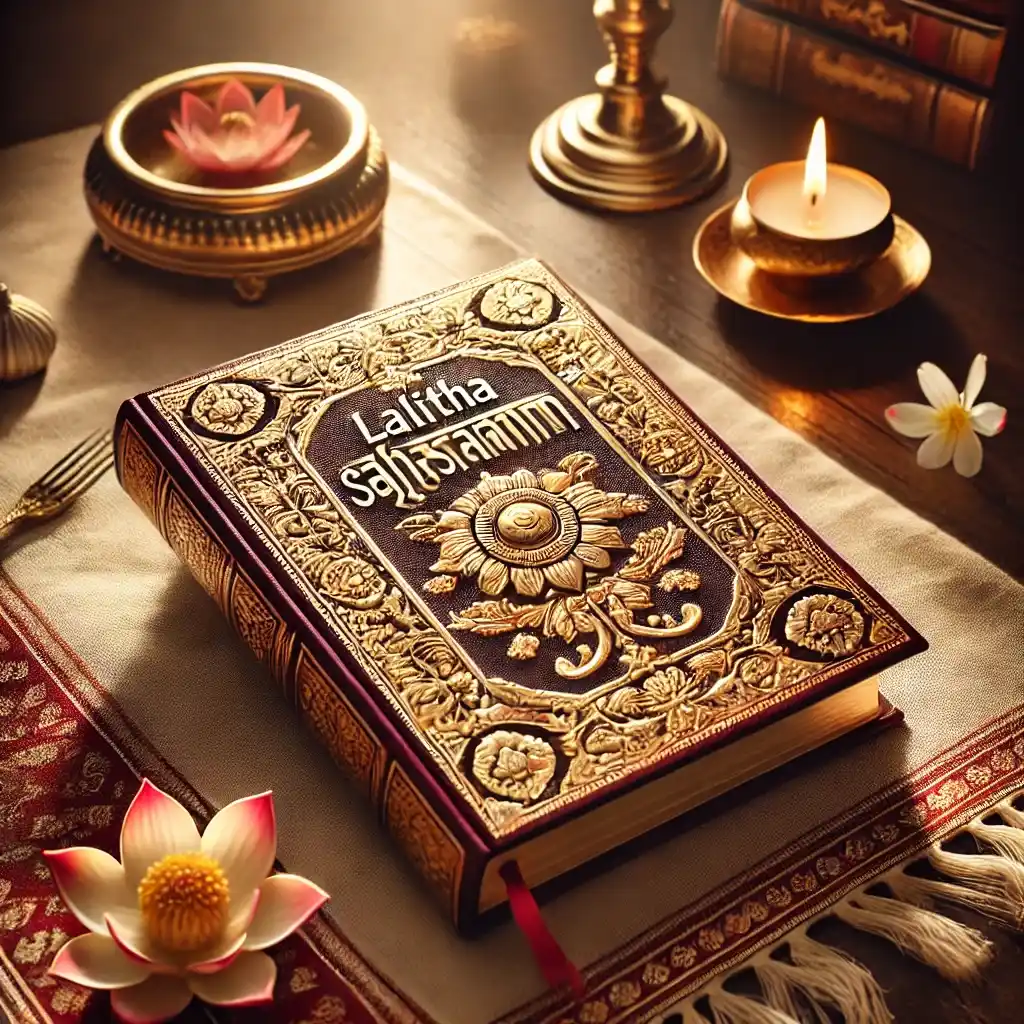
Lalita Sahasranama is more than a sacred hymn—it's a spiritual companion, an ever-giving spring of divine wisdom and love. Whether chanted for devotion, healing, or self-transformation, its essence uplifts and unites the devotee with the universal mother, Sri Lalita Tripurasundari. In her thousand names, we discover the infinite.
If you enjoyed exploring the divine rhythm of the Lalita Sahasranam Stotram, you may also appreciate other sacred hymns that deepen your spiritual connection and devotion. Discover the divine power and meaning behind these timeless chants:
- Shree Ram Raksha Stotra – Click Here
- Vishnu Sahasranamam – Click Here
- Mahamrityunjay Mantra – Click Here
- Sundarkand Path – Click Here
- Shiv Tandav Stotram – Click Here
Each link opens a beautifully detailed blog with lyrics, meanings, and devotional insights to elevate your spiritual journey.
Call to Action
Let the divine energy of the Lalita Sahasranama inspire a deeper spiritual journey. Join the Radha Krishna Temple of Dallas community to stay connected with like-minded seekers and grow in devotion.
✨ Attend In-Person or Online Sunday Satsangs to immerse yourself in divine kirtans, discourses, and meditations.
👉 Join Weekly Satsang
📘 Explore Online Classes on Bhagavad Gita, Sanskrit, Yoga, and more — guided by experienced teachers.
👉 View Online Classes
📱 Download the Bhagavad Gita Krishna Bhakti App for daily inspiration, guided chanting, and access to sacred texts.
👉 Get the App Now
Make your spiritual practice consistent, meaningful, and community-driven. Begin today — Shiv’s grace awaits.
FAQs
Q1. Can anyone chant Lalita Sahasranama?
Yes, anyone with devotion and sincerity can chant it. There are no restrictions based on age or gender.
Q2. Do I need to know Sanskrit to chant it?
Not necessarily. You can learn using transliteration and focus on correct pronunciation and devotion.
Q3. Is it okay to chant only a few verses?
Yes, even a few verses recited with love and concentration are powerful.
Q4. Is it better to chant or listen?
Both are effective. Chanting provides a deeper level of involvement, but regular listening also brings spiritual benefits.