(Ninth Part of the 19-Part Blog Series on the Ishavasya Upanishad)
Introduction
The Ishavasya Upanishad is one of the smallest yet most profound Upanishads. It reveals the essential nature of the Supreme Being and the ultimate purpose of human life. Among its verses, Mantra 8 stands out as a jewel because it offers one of the clearest Vedic descriptions of God’s attributes (gunas), form (svarūpa), and actions (kriyā).
This mantra refutes misconceptions and presents a complete, holistic portrayal of the Divine as:
- all-powerful,
- all-pure,
- omnipresent,
- self-existent, and
- the dispenser of karmic results.
In this blog, we explore the mantra in depth, expanding each idea for clarity and relevance. This blog also includes summary tables, applications for daily life, key philosophical insights, and FAQs.
Mantra: Verse in Sanskrit, Transliteration & Translation
Sanskrit
स पय्णग्णच्छुक्रमक्णयमव्रर् मस््णववरं िुद्धमप्णपववद्धम् ।
कववम्णनजीषजी पररभःू वियम्यू ्ण्णथ्णतथ्यतो ऽथ्ण्णन् व्यदध्णच्छ्णश्तजीभ्ः सम्णभ्ः ॥ ८॥
Transliteration
sa paryagāchchhukramakāyamavrana masnāviram śhuddhamapāpaviddham
kavirmanīṣhī paribhūḥ svayambhū ryāthātathyato ’rthān vyadadhāchchhāśhvatībhyaḥ samābhyaḥ
Translation
Such a saintly person truly attains the supremely resplendent and omnipotent God, Who is without a body of veins and blood vessels. His form is beyond material defects and is ever untouched by sin. That Supreme Personality is all-knowing, full of wisdom, all-pervading, and self-manifest. Since time immemorial, He has been bestowing desirable objects to embodied beings based on their karmas.

1. Guna-Vāchak: The Divine Attributes of God
The first category of names in the mantra, Guna-vāchak, describe God by His attributes. These qualities are not material or limited; they express His eternal and transcendental nature.
Śhukram: The All-Powerful and Resplendent One
Śhukram denotes brilliance, purity, and complete spiritual vitality. It implies that God is the inexhaustible source of power, untouched by decay or impurity. The Mundaka Upanishad uses the same term to express the idea of the Supreme being beyond worldly limitations.
Śhuddham: The Pure One
Śhuddham conveys “absolute purity.” Since defects arise only within the material world, and God exists beyond maya, He remains eternally flawless. Like the sun that never becomes tainted by dirty water, God remains untouched by anything impure.
Apāpaviddhaḥ: Untouched by Karma
All embodied souls face the consequences of their actions. But the Supreme has no personal desire, no sense of lack, and no motive for action. Thus:
- He is immune to karmic reaction.
- His actions are always for the welfare of beings.
- His divine play (leela) is never binding.
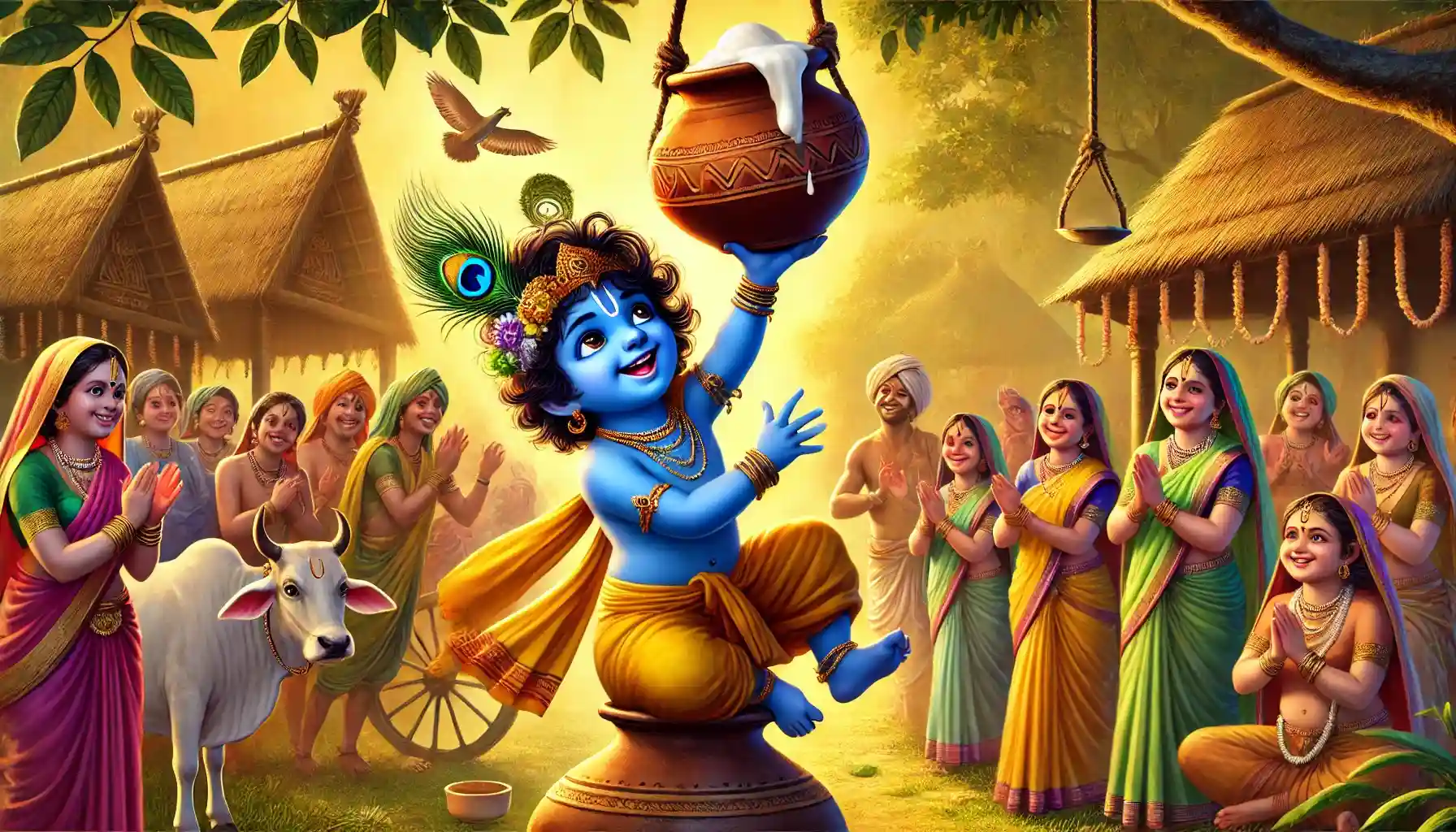
Even His seemingly human actions, such as Krishna stealing butter, were purely for the joy of devotees, never for self-gain.
| Name | Meaning | Key Insight |
|---|---|---|
| Śhukram | Brilliant, omnipotent | God is unlimited power |
| Śhuddham | The Pure One | Beyond maya and defects |
| Apāpaviddhaḥ | Untouched by sin | No karmic bondage |
2. Understanding “Nirgun”: What God Is Not
Many philosophers claim that “nirgun Brahman” means God has no qualities. But the mantra clarifies that nirgun means:
- not having material qualities,
- not being touched by modes of nature,
- not possessing a material body.
However, God undeniably possesses infinite divine qualities such as love, compassion, bliss, knowledge, omnipotence, etc.
The Padma Purana clarifies:
“When the scriptures call God nirgun, it means He is free from material gunas, not devoid of qualities.”
Thus:
- Nirgun = no material qualities
- Sagun = full of divine qualities
This mantra, by listing divine attributes, refutes the misconception that God is a blank, formless void.
| Term | Misinterpretation | Correct Meaning |
|---|---|---|
| Nirgun | Without qualities | Without material qualities |
| Sagun | Having material attributes | Possessing divine qualities |
| God | Impersonal void | Personal, eternal, all-blissful |
3. Svarūpa-Vāchak: Describing God’s Divine Form
The mantra next lists attributes describing the nature of God’s form. These teachings eliminate the misconception that God is formless in the sense of having no form at all.
Akāyam: Not a Material Body
God does have a form, but it is:
- spiritual,
- self-effulgent,
- unaffected by space, time, or matter.
This is why Shree Krishna states in the Bhagavad Gita:
BG 7.25: I am not manifest to everyone, being veiled by My divine Yogmaya energy. Hence, those without knowledge do not know that I am without birth and changeless.
His divine form is visible only to purified consciousness.
Avraṇam: Without Wounds or Imperfection
If Akāyam meant “God has no body,” saying “He has no wounds” would be redundant. Instead, Akāyam means “no material body,” while Avraṇam clarifies that His spiritual form is flawless.
Asnāviram: Without Veins or Arteries
This further confirms that God’s body is not like ours—made of flesh, blood, or bones. His form is pure consciousness.
| Name | Literal Meaning | Insight About God's Form |
|---|---|---|
| Akāyam | Without a physical body | Spiritual form beyond matter |
| Avraṇam | Without wounds | No defects or vulnerabilities |
| Asnāviram | Without veins | Not biological or material |
4. Kriyā-Vāchak: The Divine Activities of God
The mantra beautifully shifts from God’s inner nature to His cosmic functioning.
Kaviḥ: The All-Knowing One
God is the original knower, the revealer of truth. He manifested the Vedas from His breath. Though saints like Valmiki or Vyasa are called “adi kavi,” God is the ultimate Kavi.
Manīṣhī: The Master Thinker
This title means both:
- the one who possesses supreme wisdom,
- the one who controls all minds.
The Kenopanishad explains that even our power to think comes from Him.
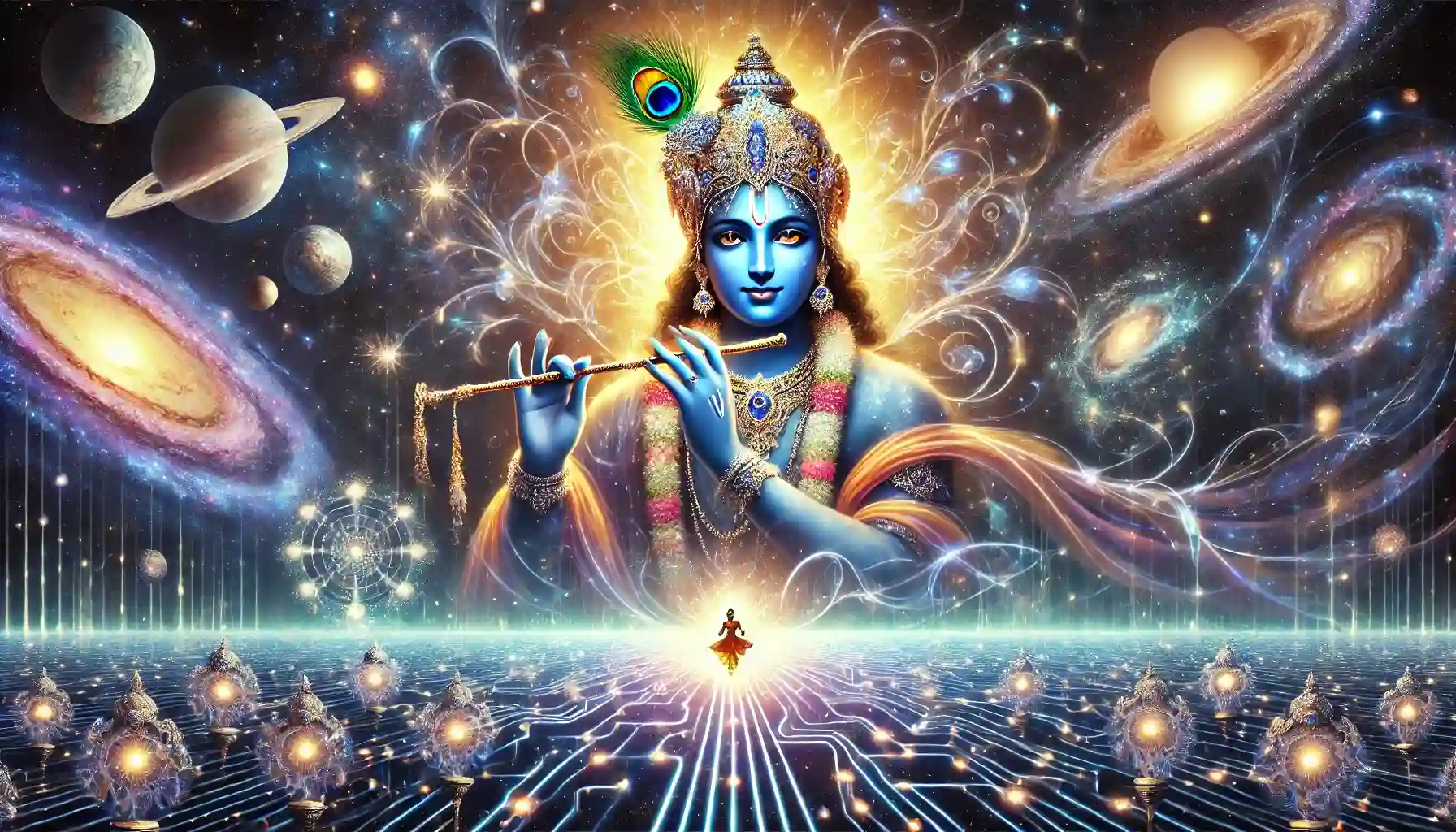
Paribhūḥ: The All-Pervading One
Like electricity in a device, God’s presence sustains existence. Without Him, the universe would collapse instantly.
Svayambhūḥ: Self-Manifest, Without Origin
Everything in creation has a cause except God. He is the cause of:
- space,
- time,
- the elements,
- and all beings.
Yet He Himself is uncaused.
Yathātathyato ’rthān Vyadadhāta: The Karma Dispenser
Only an omniscient being can:
- witness every thought,
- record every deed,
- and deliver perfect karmic results.
This confirms that divine justice is perfect and personalized.
| Name | Meaning | Divine Activity |
|---|---|---|
| Kaviḥ | All-knowing | Reveals truth, Vedas |
| Manīṣhī | Master thinker | Source of intelligence |
| Paribhūḥ | Omnipresent | Sustains creation |
| Svayambhūḥ | Self-existent | Cause of all causes |
| Vyadadhāta | Karma dispenser | Administers justice |
5. Difference Between Jiva and Brahman (Soul and God)
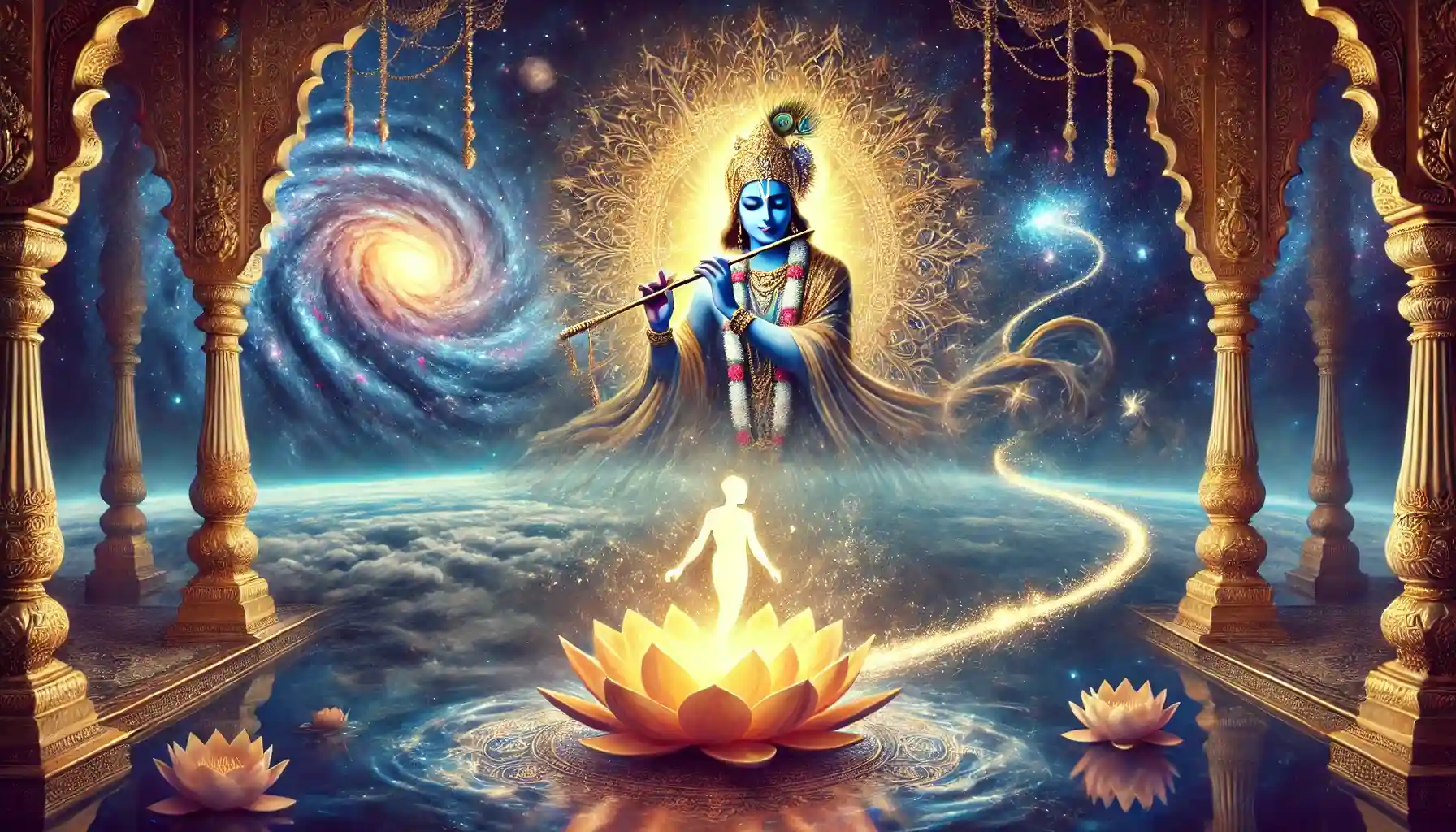
Although both the soul and God are spiritual in nature, the Upanishads and Brahma Sutras clearly state that they are not identical.
Key Differences
- God is infinite; the soul is finite.
- God controls; the soul is controlled.
- God is independent; the soul is dependent.
- God is omnipresent; the soul is limited to one body.
- God has unlimited power; the soul has limited power.
Even upon attaining liberation, the soul does not gain:
- the power of creation,
- maintenance,
- or dissolution.
The liberated soul experiences God’s bliss, but does not become God.
| Aspect | God (Brahman) | Soul (Jiva) |
|---|---|---|
| Nature | Infinite consciousness | Tiny consciousness |
| Power | All-powerful | Limited |
| Presence | Omnipresent | Body-bound |
| Independence | Self-dependent | Dependent on God |
| Role | Controller | Controlled |
Applications of the Verse in Daily Life
Though deeply philosophical, Mantra 8 offers powerful guidance for everyday living:
1. Cultivate Purity of Thought
If God is śhuddham, the purest, then aligning with Him purifies the mind. Regular remembrance of the Divine cleanses negativity.
2. Reduce Ego by Understanding Dependence on God
Recognizing God as svayambhūḥ (self-existent) and ourselves as dependent souls naturally dissolves ego-driven behavior.
3. Strengthen Trust in Divine Justice
Belief that God dispenses karmic results perfectly helps:
- reduce anxiety,
- accept life events with grace,
- and dissolve resentment.
4. Realize God’s Constant Presence
Paribhūḥ (omnipresent) inspires mindfulness. One behaves ethically when aware of God’s presence at every moment.
5. Seek Wisdom from the Supreme Manīṣhī
By connecting to the Source of intelligence, our decisions become clearer, wiser, and more compassionate.
Deepen Your Learning and Spiritual Practice
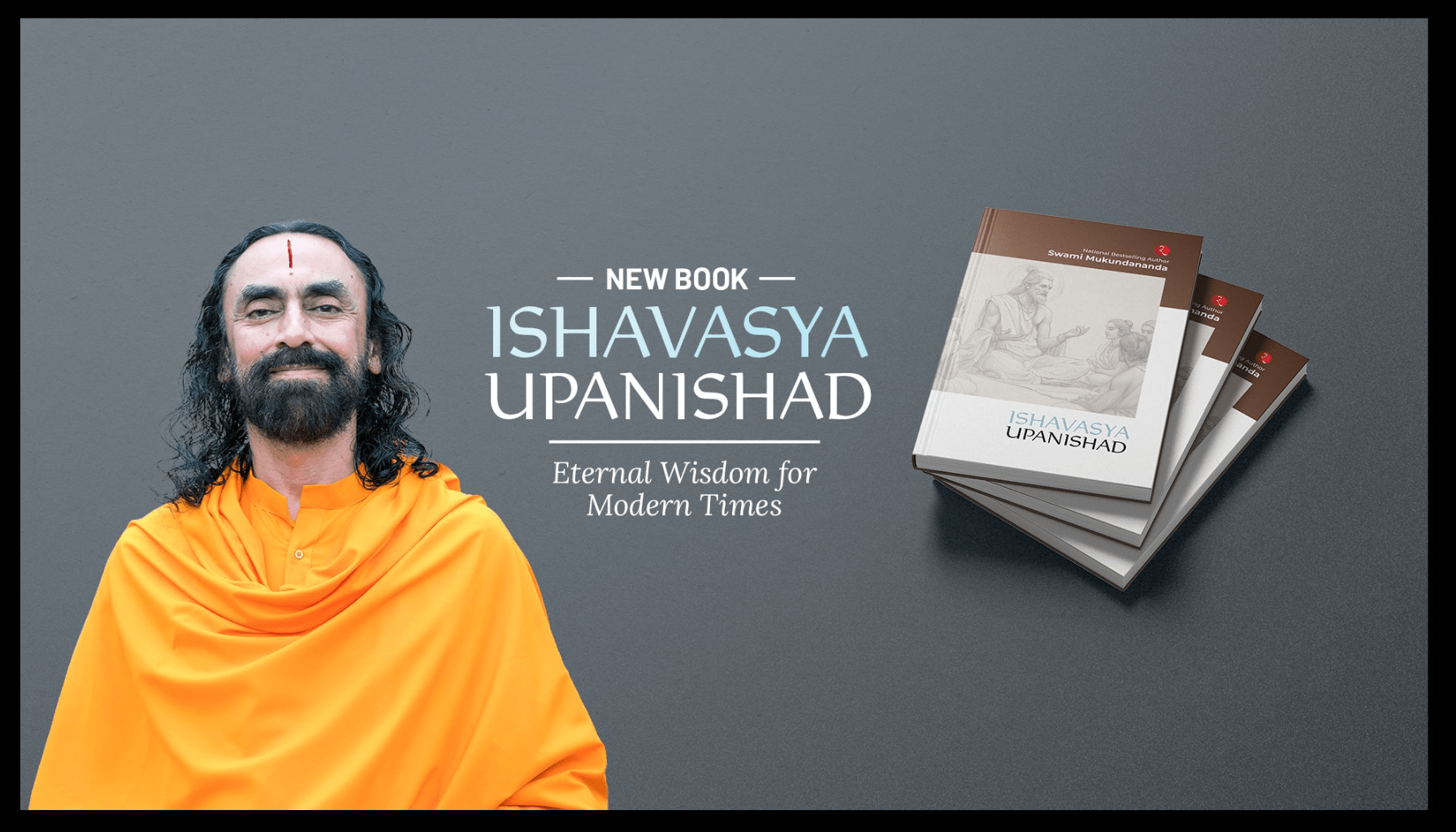
Now that we’ve explored the divine wisdom of the Shanti Path Mantra, it’s time to take the next step on your spiritual journey. To deepen your understanding of the Ishavasya Upanishad, we highly recommend Swami Mukundananda’s commentary, which beautifully unpacks each mantra, including the Shanti Path, providing a clear and practical guide for modern seekers.
Order the Book: Swami Mukundananda’s Commentary
Unlock the deeper wisdom of the Ishavasya Upanishad with this insightful commentary by Swami Mukundananda. Perfect for modern seekers who wish to explore the divine teachings in greater depth.
Final Reflections
Ishavasya Upanishad Mantra 8 is a profound window into the nature of the Divine. It reconciles the apparent contradictions in Indian philosophy: form vs. formlessness, nirgun vs. sagun, personal vs. impersonal.
It shows:
- God has form, yet is not limited by matter.
- God has qualities, yet is beyond material attributes.
- God acts, yet is untouched by karma.
This mantra provides not just theological clarity but also a practical worldview that nurtures purity, humility, and spiritual confidence.
Key Philosophical Insights
1. God Is Transcendental Yet Personal
Mantra 8 harmonizes two major streams of Indian philosophical thought: the transcendental (nirguna) and the personal (saguna) conceptions of God.
It reveals that God is:
- beyond the limitations of matter (akāyam, asnāviram),
- free from all impurities (śuddham, apāpaviddham), and
- beyond the three modes of nature (sattva, rajas, tamas).
Yet in the same breath, the mantra describes Him as:
- omniscient (kaviḥ),
- full of wisdom (manīṣī),
- omnipresent (paribhūḥ),
- self-manifest (svayambhūḥ),
- and actively engaged in the moral administration of the world (yathātathyato ’rthān vyadadhāta).
These are not attributes of an impersonal force. They are qualities of a fully conscious and personal Supreme Being. Thus, the mantra shows that the highest reality is not an inert void, but an intelligent, compassionate, infinitely capable Personality of Godhead.
This reconciles centuries of debate between schools that claim God is “formless” and those that insist He is “with form”: revealing that His form exists, but is not material.
2. Nirgun Does Not Mean Without Qualities: It Means Without Material Qualities
One of the most misunderstood terms in Vedantic literature is nirguna. Many interpret it to mean that God is devoid of attributes or qualities. However, Mantra 8 shows that this is incorrect.
The Upanishad lists eleven divine qualities of God, which would contradict a truly quality-less entity. The Padma Purana clarifies:
“Nirgun means free from material qualities.”
Thus, God is:
- nirgun with respect to material nature,
- saguna with respect to divine nature.
He possesses infinite divine attributes: bliss, knowledge, compassion, beauty, power, yet none of these are ever touched by the limitations of matter.
This insight protects Indian philosophy from slipping into nihilism, emphasizing that the Absolute Truth is not emptiness but fullness.
3. The Soul Never Becomes God, Even in Liberation
A profound misconception in some philosophical circles is the belief that the jiva (soul) eventually “merges into” or “becomes” Brahman upon liberation.
Mantra 8, along with the Brahma Sutras, refutes this clearly:
- God is svayambhūḥ—self-originated.
- Souls are dependent beings, eternally distinct.
- Even liberated souls do not gain powers of creation, maintenance, or dissolution.
Thus, differences between God and the soul persist eternally:
- God is infinite; the soul is finite.
- God controls; the soul is controlled.
- God is omnipresent; the soul is localized.
Liberation elevates the soul to its highest potential, but does not erase the eternal hierarchy between Creator and creation.
4. Karma Is Not an Automatic Mechanism: It Is Administered by a Conscious Supreme Being
The mantra states that God dispenses results:
yathātathyato ’rthān vyadadhāta
“He awards experiences based on the true nature of one’s karmas.”
This means:
- Karma is not a blind law.
- It is not a mechanical cosmic ledger.
- It is administered personally by an omniscient Being.
Only an all-knowing God can:
- perceive every thought, word, and deed of every being across countless lifetimes,
- judge each act appropriately,
- dispense results that are perfectly timed and perfectly tailored.
This gives a deeply comforting perspective:
- Life is not random.
- Justice is never bypassed.
- No sincere effort is ever lost.
- No injustice is permanent.
A conscious, compassionate Supreme orchestrates the moral order of the universe.
5. God’s Divine Form Is Not Material and Therefore Eternal, Flawless, and Unlimited
The mantra meticulously negates all characteristics associated with biological bodies:
- no veins (asnāviram),
- no wounds (avraṇam),
- not made of flesh and bone (akāyam),
- not subject to decay or impurity (śuddham).
This shows that God’s form is:
- Chinmaya: made of pure consciousness
- Nitya: eternal
- Aparichhinna: unlimited
- Ananta: infinite
- Divya: divine
Thus, God’s form is not:
- imagined,
- symbolic,
- mythological,
- borrowed from human features, or
- composed of matter.
It is real, eternal, and self-luminous, not dependent on external elements.
This insight elevates the understanding of God’s form from anthropomorphic projection to transcendent, metaphysical reality.
6. God Actively Engages With the World Without Being Affected by It
A key philosophical question is:
If God interacts with the world, does He become bound by it?
Mantra 8 answers decisively:
God performs actions without karma binding Him.
Why?
Because:
- He is apāpaviddhaḥ: untouched by sin.
- He has no selfish motive.
- He acts only out of compassion and divine play.
This insight resolves a long-standing debate:
- If God creates the world, why is He not bound by His actions?
- If He incarnates, why does He not accrue karma?
Because His actions are not driven by desire, and only desire-borne actions create karmic bondage. Therefore:
- Krishna lifting Govardhan has no karmic imprint.
- Rama slaying Ravana carries no violence-born reaction.
- God’s actions are leelas: expressions of divinity, not attempts to fulfil personal needs.
7. The Universe Is Dependent on God’s Constant Presence
The word paribhūḥ (all-pervading) signifies that the entire universe is sustained by God’s conscious presence. Just as:
- electricity sustains a device,
- the soul sustains the body,
- light enables sight
God sustains existence itself.
If God were to withdraw His presence even for a moment, the universe would collapse into non-being. This insight reveals that:
- Reality is not independent.
- Matter has no autonomous existence.
- The ultimate “substratum” of the cosmos is divine consciousness.
This counters materialistic worldviews that see the universe as self-existing or accidental.
FAQs
1. Does this mantra say God has no form?
No. It says God has no material body. His form is spiritual, divine, and flawless.
2. What does “Apāpaviddhaḥ” mean?
It means God is untouched by sin or karmic reactions because He acts without selfish motive.
3. Why does the soul not become God after liberation?
Because their essential natures are eternally different: one is infinite, the other finite.
4. Is God nirgun or sagun according to this mantra?
Both: nirgun with respect to material qualities, sagun with respect to divine qualities.
5. How can one perceive God’s divine form?
Through purification of mind and devotion. Yogmaya reveals what the material senses cannot see.