
(Eighteenth Part of the 19-Part Blog Series on the Ishavasya Upanishad)
Ishavasya Upanishad Mantra 17: When the Soul Learns How to Leave
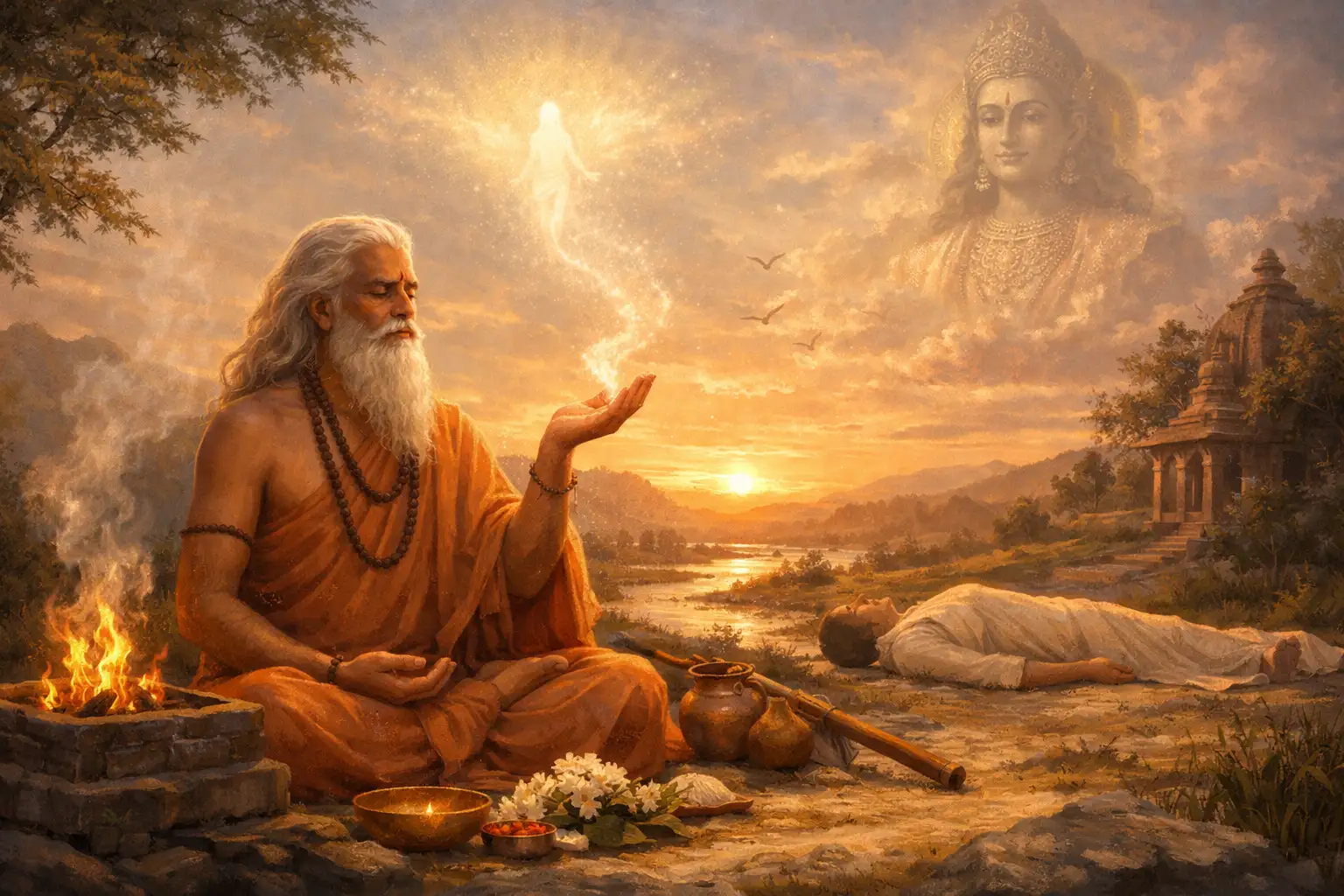
There comes a moment in every spiritual journey when seeking ends, not because everything has been found, but because the heart has learned how to trust.
Mantra 17 of the Ishavasya Upanishad speaks from that moment.
This is not the voice of a beginner asking questions, nor of a philosopher refining concepts. It is the voice of a soul standing quietly at life’s threshold, aware that nothing truly belongs to it: not the body, not the breath, not even its achievements.
What remains is not fear, but offering.
In this mantra, the seeker does something extraordinary in its simplicity. He returns the breath to its source, releases the body to nature, and places his entire life into divine remembrance. There is no demand for reward, no bargaining for liberation, only a gentle confidence that what has been sincerely offered will be lovingly received.
Mantra 17 transforms death from an ending into a completion, and surrender from weakness into wisdom. It teaches us not merely how to depart from the world, but how to live in such a way that leaving becomes natural.
This is not a mantra about dying.
It is a mantra about belonging.
1. The Sacred Verse: Mantra 17 of the Ishavasya Upanishad
Sanskrit
वायुरनिलममृतमथेदं भस्मान्तं शरीरम् ।
ॐ क्रतो स्मर कृतं स्मर क्रतो स्मर कृतं स्मर ॥१७॥
Transliteration
vāyur anilam amṛtam athedaṁ bhasmāntaṁ śharīram |
om krato smara kritaṁ smara krato smara kṛitaṁ smara ||
Translation
May my prana now merge into my Pranadhar, Who is the Bestower of nectar-like sweetness. May this body burn in the fire of devotion and become holy ash. Om! O Enjoyer of my bhakti yajna! To You, I dedicate all my devotional efforts. Please remember me (grace me), Your devotee. I offer my all to You. Please remember to consummate my deepest aspiration.
Key Sanskrit Terms of Ishavasya Upanishad Mantra 17
|
Sanskrit Term |
Literal Meaning |
Simple Spiritual Insight |
| vāyuḥ | Life air | Individual life force sustaining the body |
| anilam | Universal air | Cosmic life force; God as source of vitality |
| amṛtam | Immortal, nectar-like | God as deathless and blissful |
| atha | Now | Moment of readiness |
| idam | This | Body acknowledged without attachment |
| bhasmāntam | Ending in ashes | Acceptance of impermanence |
| śarīram | Body | Instrument of the soul |
| kratuḥ | Enjoyer of sacrifice | Receiver of all offerings |
| smara | Remember | Prayer of loving trust |
| kṛtam | What has been done | All acts offered to God |
| om | Sacred sound | Sign of surrender and readiness |
2. The Mood of Mantra 17: Readiness, Not Escape
Unlike earlier mantras that teach right living or devotion, Mantra 17 speaks from the moment of transition.
The devotee is not choosing his next destination.
He is placing himself entirely in God’s remembrance.
Table 1: Emotional Progression in the Ishavasya Upanishad
|
Stage |
Dominant Mood |
Focus |
| Early mantras | Understanding | Right action |
| Middle mantras | Renunciation | Detachment |
| Mantra 15–16 | Longing | Vision of God |
| Mantra 17 | Surrender | Offering the self |
Spiritual maturity is marked not by control, but by trust.
3. “Vāyuḥ Anilam”: The Surrender of the Life Force
The mantra begins with a striking request:
“May my prāṇa merge into the eternal prāṇa.”
This is not a desire for annihilation.
It is a desire for union at the source.
Swami Mukundananda explains that the devotee recognizes God as Prāṇadhār, the sustainer of all life
Table 2: Understanding Prāṇa in Simple Terms
Life is not owned—it is entrusted.
4. “Amṛtam”: God as the Nectar of Immortality
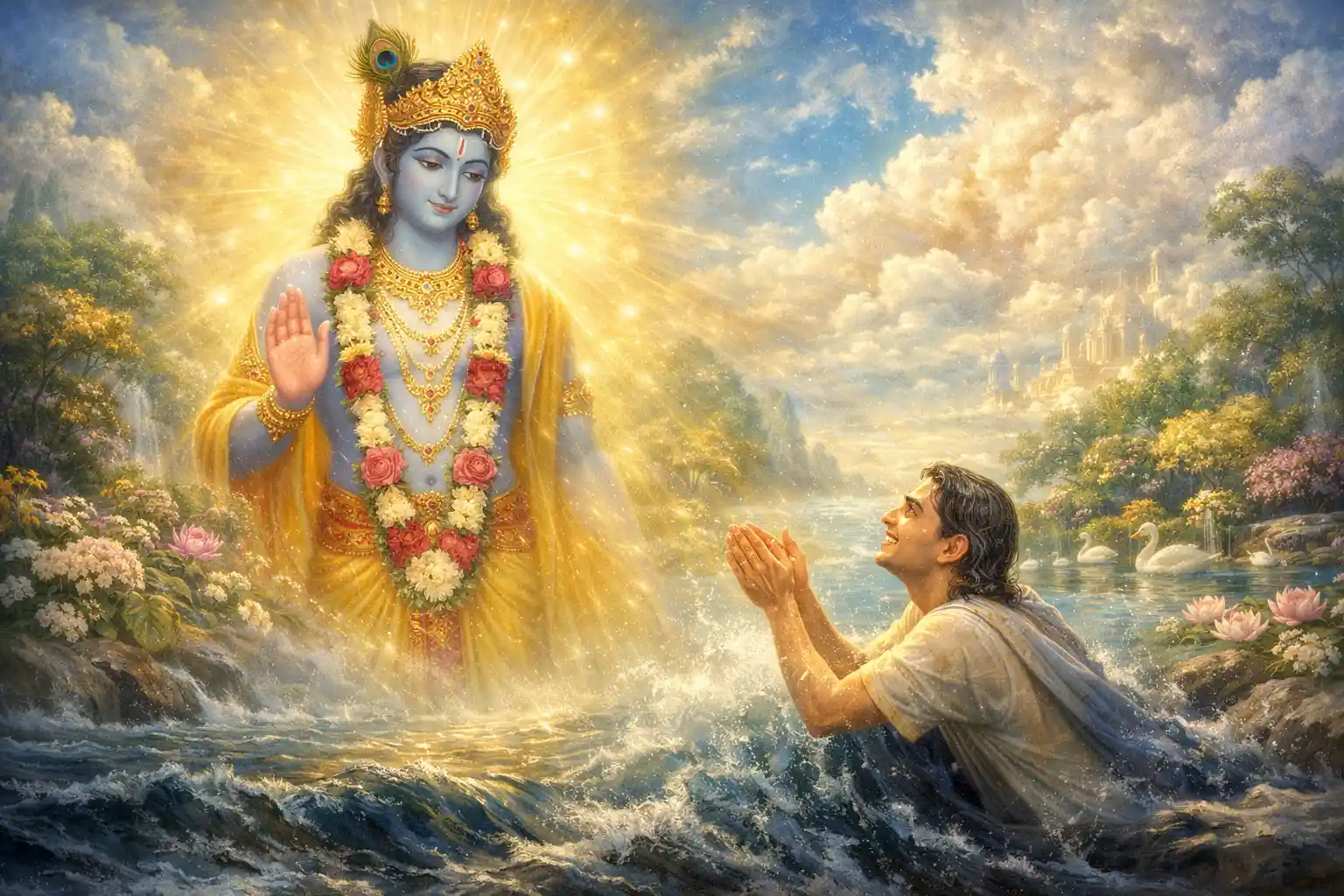
The word amṛtam in Mantra 17 carries two complementary meanings. First, it signifies immortality, which is freedom from decay, time, and death. The soul does not perish with the body; it continues in the eternal reality of God.
Second, amṛtam also means nectar: blissful, sweet, and fulfilling. This reveals that eternity is not a state of mere survival, but one of divine joy and loving fulfillment.
The Bhagavad Gita affirms both meanings together when Shree Krishna declares:
BG 12.6-7: But those who dedicate all their actions to Me, regarding Me as the Supreme goal, worshiping Me and meditating on Me with exclusive devotion, O Parth, I swiftly deliver them from the ocean of birth and death, for their consciousness is united with Me.
5. “Idaṁ Bhasmāntaṁ Śarīram”: The Body as Sacred Ash
The devotee calmly acknowledges:
“Let this body return to ashes.”
There is no rejection of the body, only clarity.
The body is honored as a temporary instrument, not mistaken as the self.
Table 3: Body, Soul, and Perspective
|
Aspect |
Worldly View |
Mantra 17 View |
| Body | Identity | Instrument |
| Death | Loss | Transition |
| Ashes | End | Completion |
| Soul | Fearful | Free |
Detachment here is not cold, rather it is peaceful.
6. “Krato Smara Kṛtaṁ Smara”: Remember My Offering
The mantra’s most intimate plea is repeated twice:
“O Lord, remember what I have offered.”
This is not because God forgets.
It is because the devotee wishes to remember himself rightly.
Prayer refines intention.
Swami Mukundananda explains that remembrance here reflects loving confidence, not insecurity.
Table 4: Why the Devotee Asks God to Remember
|
Question |
Insight |
| Does God forget? | No |
| Why pray then? | To crystallize devotion |
| What is remembered? | Surrendered effort |
| Result | Grace-filled transition |
Love speaks even when logic is unnecessary.
Why the Devotee Asks God to “Remember”
At first glance, the devotee’s request, “O Lord, remember what I have offered”, may seem puzzling. After all, the Supreme Being is omniscient. Why would God need to be reminded of anything?
The Upanishad answers this implicitly. The prayer is not meant to inform God, but to shape the devotee’s own inner state. By voicing this request, the devotee affirms that every sincere effort, every act of devotion, and every moment of surrender has been consciously offered. The act of praying itself becomes a means of crystallizing intention.
This remembrance is also an expression of trust. The devotee does not fear that God will forget; rather, he places his faith in divine grace. By asking God to “remember,” the soul is, in truth, reminding itself of what truly matters at life’s most critical moment.
Finally, this prayer reflects love. Lovers speak even when words are unnecessary. The devotee’s repetition of this request arises not from doubt, but from devotion. It is a spontaneous outpouring of the heart, one that pleases the Divine because it carries sincerity rather than calculation.
Thus, the plea for remembrance becomes a sacred exchange: not a demand for recognition, but a declaration of belonging.
7. The Sacred Role of “Om” in Mantra 17
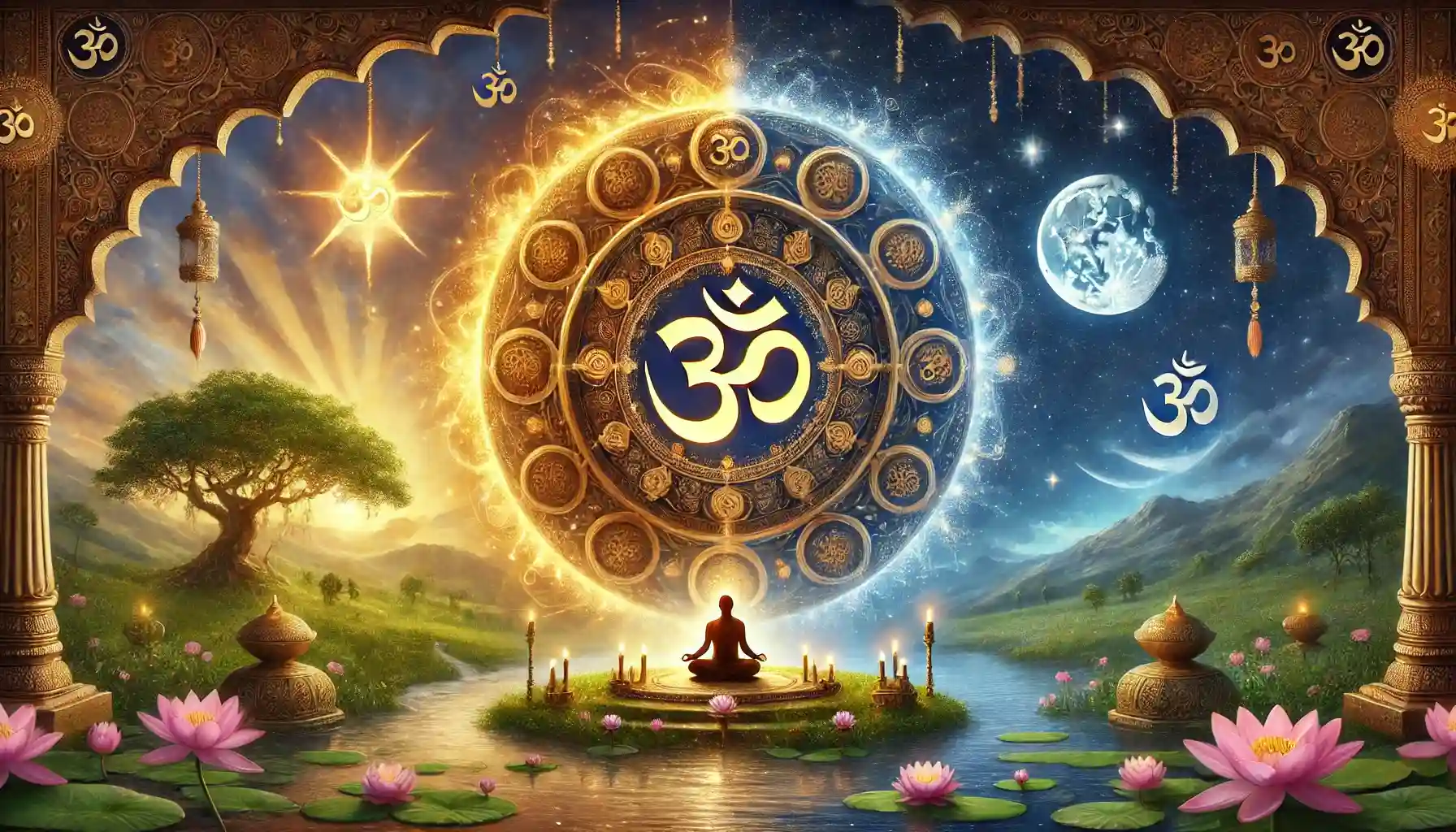
The mantra begins with Om, as a sign of readiness.
Om signifies auspicious beginning, but here it also marks the soul’s final offering.
Just as Om precedes sacred rituals, it also sanctifies departure.
Death, in this mantra, becomes a sacrament.
Living Mantra 17: Bringing the Final Offering into Daily Life
Mantra 17 speaks of the soul’s final offering, but its wisdom is not meant only for life’s last moment.
In truth, death reveals how we have lived.
The mantra therefore invites us to practice surrender while we are alive, conscious, and active in the world.
To live Mantra 17 daily is to gradually loosen the grip of ownership and strengthen the habit of offering.
This is not withdrawal from life.
It is participation without possession.
1. Live Each Day as a Sacred Offering, Not a Possession
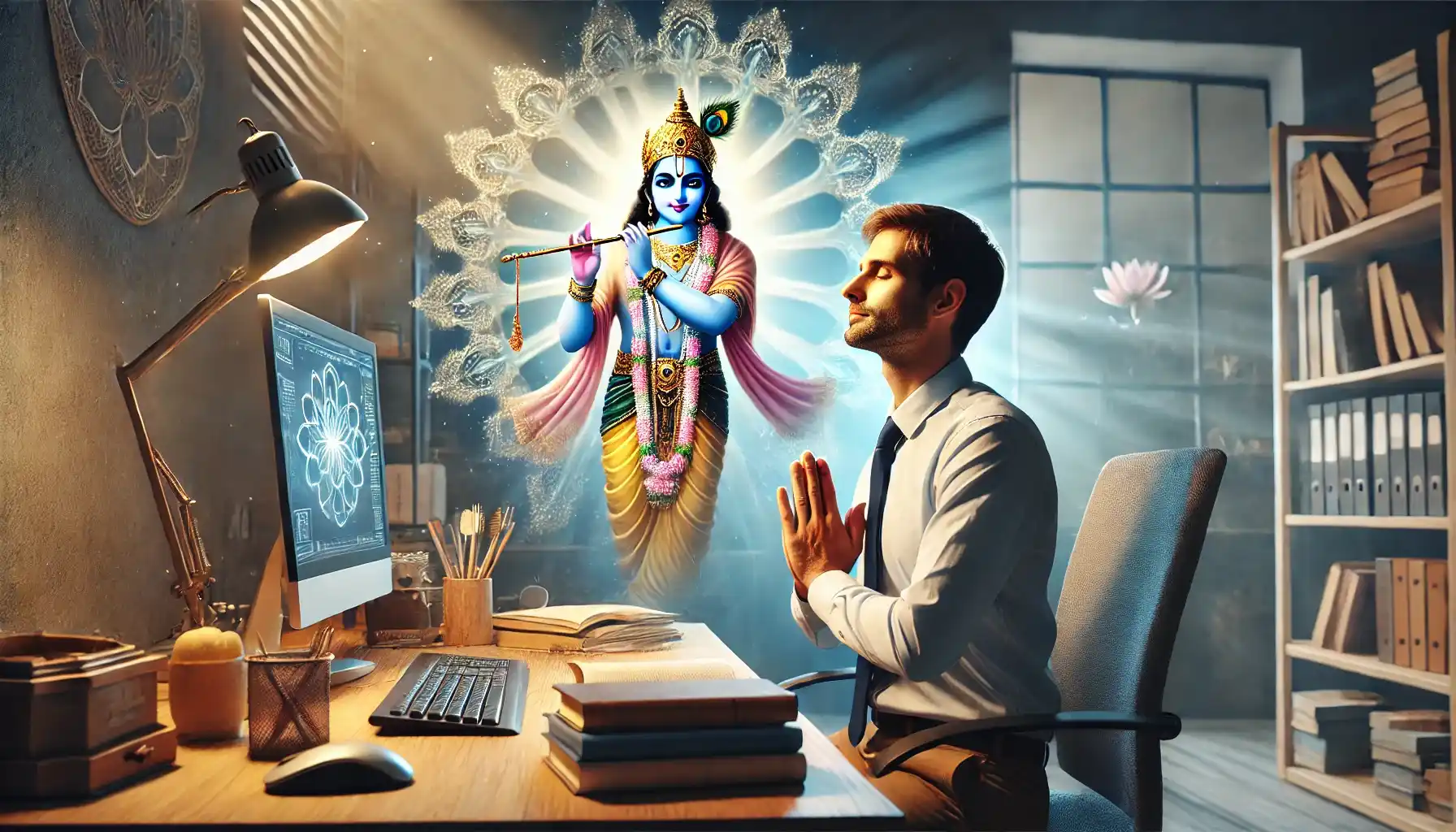
The central spirit of Mantra 17 is offering: kṛtaṁ smara “remember what I have offered.”
In daily life, this means shifting from the mindset of:
“This is my life, my effort, my achievement”
to:
“This is what I offer today.”
Work, family responsibilities, creativity, service, and even rest can become offerings when done with remembrance of God.
This inner shift reduces anxiety because the burden of outcome is no longer carried alone.
When life is offered, effort remains sincere—but fear dissolves.
2. Relate to the Body as an Instrument, Not an Identity
Mantra 17 calmly acknowledges:
“Let this body return to ashes.”
This teaches a healthy, balanced relationship with the body, not neglect or obsession.
Living this mantra means:
- Caring for the body as a sacred vehicle
- Not defining self-worth through appearance, strength, or health alone
- Accepting change and aging without panic
The body is respected, but the soul is remembered.
This perspective brings dignity, simplicity, and peace.
3. Practice Small Acts of Inner Surrender Throughout the Day
Surrender does not arrive suddenly at life’s end.
It is built quietly through daily inner gestures.
Examples include:
- Letting go of the need to be right
- Accepting delays or disappointments without bitterness
- Offering results, whether success or failure, back to God
- Pausing briefly before reactions and remembering the Divine presence
These small surrenders train the heart to release control gently, not forcefully.
By the time the final surrender arrives, it feels familiar rather than frightening.
4. Transform Prayer from Request to Dedication
Mantra 17 is striking because it does not ask for comfort, safety, or even liberation.
It says:
“Remember what I have offered.”
In daily prayer, this inspires a shift:
- From asking God to change circumstances
- To asking God to accept our offering
This does not mean stopping prayers for help.
It means anchoring prayer in relationship rather than negotiation.
Prayer becomes an act of trust:
“Whatever comes, let it be received as Yours.”
5. Reduce Fear of Death by Deepening Trust in Life
Fear of death often arises from unfinished attachment, not from death itself.
Living Mantra 17 daily reduces fear by:
- Loosening excessive attachment to roles and identities
- Offering relationships with love, not control
- Letting life flow without constant resistance
When life is lived as an offering, death feels less like theft and more like completion.
The mantra teaches that peace at death is not achieved suddenly, it is practiced daily.
6. End Each Day with Conscious Inner Offering
A simple, powerful way to live Mantra 17 is through a short evening reflection.
Before sleep, gently ask:
- What did I offer today?
- Where did I cling unnecessarily?
- Where did trust replace fear?
- What can I place at God’s feet now?
No judgment. No guilt. Only honesty.
This daily “mini-offering” gradually prepares the heart for life’s ultimate offering.
Living Mantra 17: A Practical Daily Guide
|
Aspect of Life |
Common Habit |
Living Mantra 17 Approach |
Inner Effect |
| Work | Ownership of results | Offering of effort | Reduced anxiety |
| Body | Identity & control | Respectful instrument | Calm acceptance |
| Prayer | Asking for outcomes | Dedication & trust | Inner steadiness |
| Challenges | Resistance | Surrender with awareness | Emotional maturity |
| Relationships | Possessiveness | Loving detachment | Deeper harmony |
| End of day | Distraction or regret | Conscious offering | Peaceful rest |
Essence of Living Mantra 17
To live Mantra 17 is to quietly say each day:
“What I have received, I offer back.
What I cannot control, I entrust.
What I am, I dedicate.”
When this becomes natural, life itself becomes preparation, not for death, but for belonging.
Then, whenever the final moment arrives, it is not a rupture.
It is simply the soul completing a life already offered.
Deepen Your Learning and Spiritual Practice
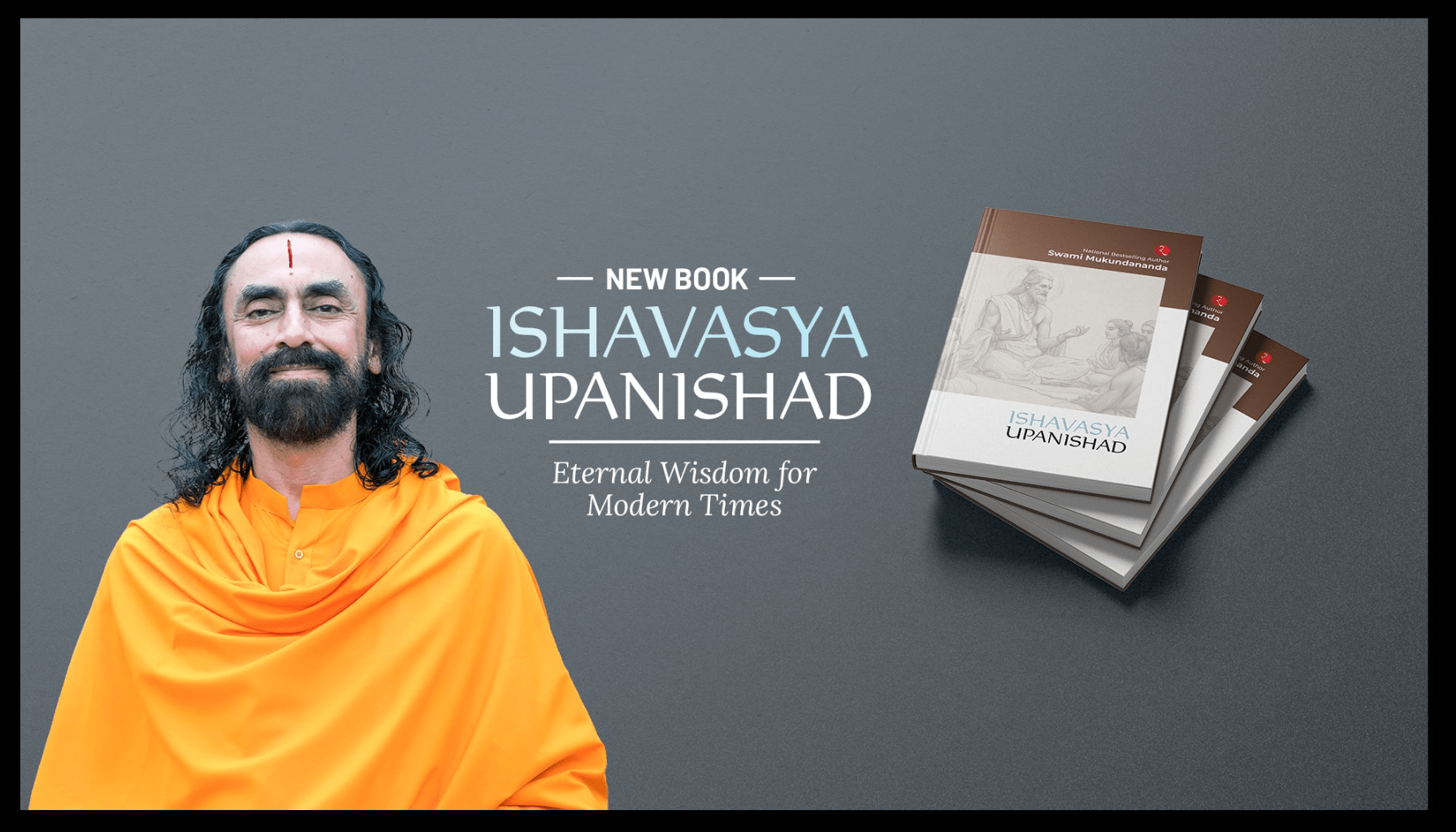
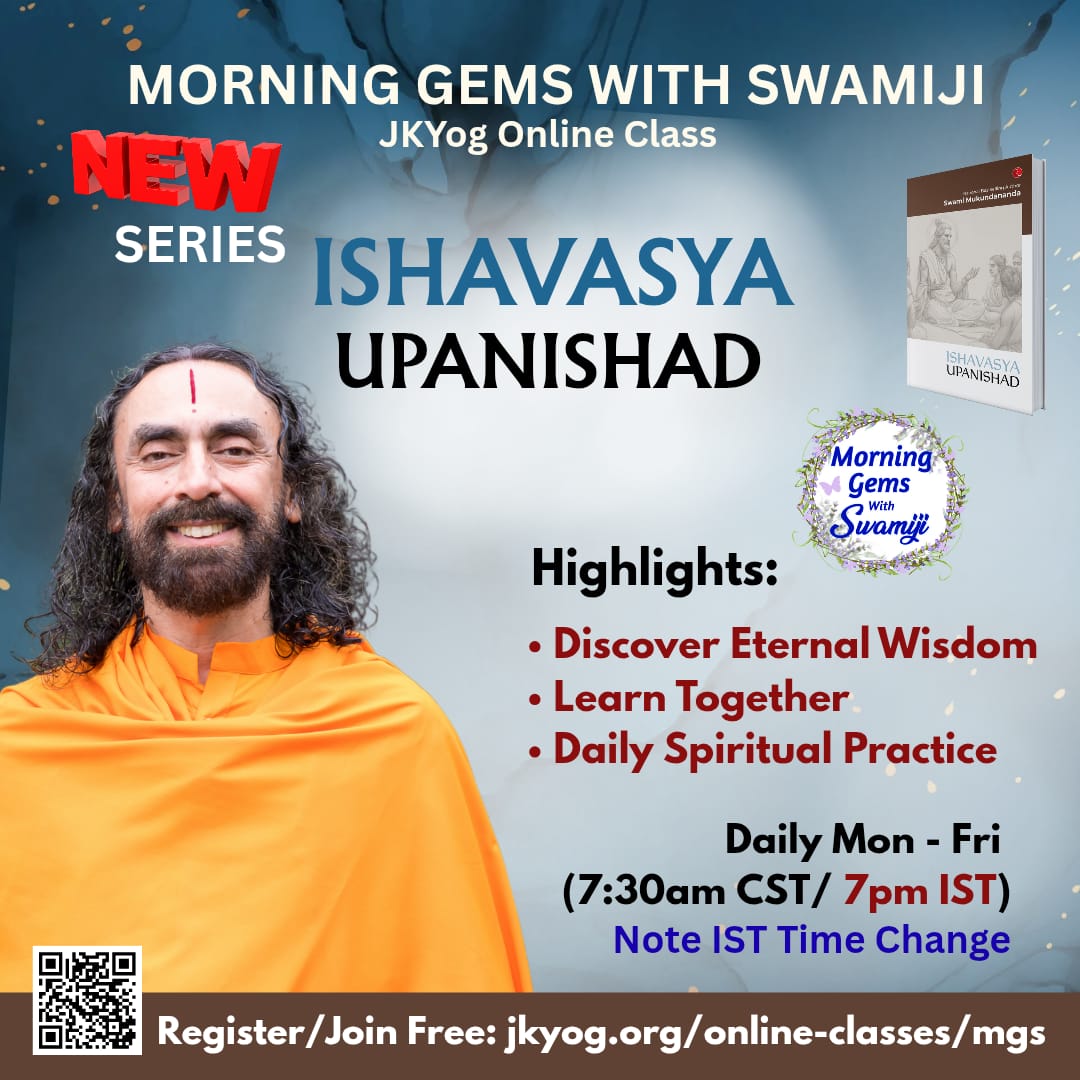
To deepen your understanding of the Ishavasya Upanishad, we highly recommend Swami Mukundananda’s commentary, which beautifully unpacks each mantra, including the Shanti Path, providing a clear and practical guide for modern seekers.
Order the Book: Swami Mukundananda’s Commentary
Unlock the deeper wisdom of the Ishavasya Upanishad with this insightful commentary by Swami Mukundananda. Perfect for modern seekers who wish to explore the divine teachings in greater depth.
Final Reflection: The Courage to Belong
Ishavasya Upanishad Mantra 17 teaches us that the highest spiritual courage is not conquest, but offering.
The devotee does not demand liberation.
He entrusts himself completely.
Life is offered.
Body is released.
Devotion is remembered.
And in that remembrance, the soul is received.
Mantra 17 reminds us:
The most beautiful ending is a life already given.
Key Philosophical Insights from Ishavasya Upanishad Mantra 17
1. Liberation Is an Offering, Not an Escape
Mantra 17 reframes liberation in a profound way. The soul does not seek release by fleeing the world or rejecting life. Instead, liberation arises through offering life back to its source. Freedom is not achieved by withdrawal, but by surrender.
This insight dissolves the idea that spirituality is about running away from existence. True liberation is participation without attachment.
2. Life Force Belongs to the Divine, Not the Individual
By praying for the prāṇa to merge into the eternal life force, the seeker acknowledges a fundamental truth: life is borrowed, not owned. The soul does not generate vitality independently, it receives it continuously from God.
This realization fosters humility and gratitude, replacing entitlement with reverence.
3. Death Is Completion, Not Negation
The mantra’s calm reference to the body returning to ashes teaches that death is not destruction, but completion of a phase. The body fulfills its role and gracefully dissolves, while the soul continues its journey.
Fear arises when death is seen as loss. Peace arises when it is understood as transition.
4. The Body Is Sacred, Yet Temporary
Mantra 17 offers a balanced philosophy of embodiment. The body is neither denied nor idolized. It is respected as a sacred instrument of service, but not mistaken for the self.
This insight encourages care without obsession and detachment without neglect, which is an essential equilibrium for spiritual maturity.
5. God Is the Ultimate Enjoyer of All Sacrifice
By addressing the Supreme as Kratu (the enjoyer of sacrifice—the mantra clarifies that all offerings ultimately culminate in God. Whether through ritual, work, service, or devotion, the fruit of effort belongs to the Divine.
This removes pride from spiritual practice and replaces it with devotion.
6. Prayer Is for Alignment, Not Information
When the devotee asks God to “remember” his offerings, it is not because God forgets. The prayer serves to align the devotee’s own consciousness with surrender.
This insight teaches that prayer refines the heart more than it informs God. Prayer is a means of inner clarity.
7. Devotion Prepares the Soul for Transition
Mantra 17 reveals that readiness for death is not cultivated at the end of life, but throughout life. A soul that has practiced offering daily experiences death as a natural extension of devotion.
Thus, devotion is not merely a path to God—it is preparation for eternity.
8. The Highest Aspiration Is Service, Not Mere Vision
Unlike earlier mantras that seek divine vision, Mantra 17 emphasizes selfless service in God’s eternal realm. The devotee does not ask only to see God, but to belong to Him completely.
This establishes that the highest goal of spirituality is not experience alone, but loving participation.
9. Om Represents Readiness and Trust
The invocation of Om signifies auspiciousness, but here it also represents the soul’s readiness to proceed without fear. Om sanctifies not only beginnings, but endings as well.
This insight elevates the mantra from philosophy to lived faith.
10. Spiritual Maturity Culminates in Trust
The defining philosophical note of Mantra 17 is trust. The devotee does not negotiate, calculate, or demand. He entrusts himself fully.
The Upanishad teaches that true spiritual maturity is not marked by certainty or control, but by the courage to belong completely to God.
Essence of the Philosophy of Mantra 17
Mantra 17 reveals that the soul’s highest wisdom is not found in holding on but in offering back.
When life becomes an offering,
death becomes peaceful,
and surrender becomes freedom.
FAQs
1. What is the central message of Ishavasya Upanishad Mantra 17?
Mantra 17 teaches that the highest spiritual act is complete surrender. The soul offers its life force, body, and actions back to God, expressing trust rather than fear. Liberation is shown as dedication, not escape.
2. Does Mantra 17 encourage renunciation of life?
No. Mantra 17 does not reject life or action. Instead, it teaches how to live fully while offering everything to the Divine. It promotes inner renunciation, not withdrawal from responsibilities.
3. Why does the mantra ask God to “remember” the devotee’s actions?
The request is not because God forgets, but because prayer refines the devotee’s intention. By asking God to remember, the soul affirms that all efforts were offered in devotion and trust.
4. What does the return of the body to ashes signify?
It signifies acceptance of impermanence. The body is honored as a temporary instrument of the soul, not rejected or feared. This understanding brings peace rather than anxiety.
5. How can Mantra 17 be practiced in daily life?
Mantra 17 can be lived by offering daily actions to God, reducing attachment to outcomes, practicing surrender during challenges, and ending each day with conscious inner offering and trust.