(Sixteenth Part of the 19-Part Blog Series on the Ishavasya Upanishad)
Ishavasya Upanishad Mantra 15 with Reflections Inspired by Swami Mukundananda
With Mantra 15, the Ishavasya Upanishad enters one of its most tender and devotional moments.
The seeker has already learned:

- how to live in the world without bondage,
- how worship shapes the mind,
- and why devotion to the Eternal alone purifies.
Now, knowledge gives way to longing.
This mantra is no longer a teaching spoken to the seeker, it is now a prayer spoken by the seeker.
1. The Sacred Verse: Mantra 15 of the Ishavasya Upanishad
Sanskrit
हिरण्मयेन पात्रेण सत्यस्यापिहितं मुखम् ।
तत्त्वं पूषन्नपावृणु सत्यधर्माय दृष्टये ॥१५॥
Transliteration
hirāṇmayena pātreṇa satyasyāpihitaṁ mukham |
tat tvaṁ pushann apāvṛṇu satya-dharmāya dṛṣṭaye ||
Translation
O Nourisher of devotional sentiments! O Supreme Knower of the Vedas! O Regulator of all! O Inspirer of the souls! O Giver of joy to Brahma! Please remove these brilliant rays and withdraw this divine effulgence, so that I may behold the vision of Your most auspicious Form. Being a fragmental part of the Supreme, I am one with You.
Key Sanskrit Terms of Ishavasya Upanishad Mantra 15
|
Sanskrit Term |
Literal Meaning |
Simple Spiritual Insight |
|
hiraṇmayena |
golden, radiant |
Refers to the divine effulgence or spiritual brilliance |
|
pātreṇa |
by a covering or vessel |
That which veils deeper Truth |
|
satyasya |
of the Truth |
The eternal, absolute Reality |
|
āpihitam |
covered, concealed |
Hidden from direct perception |
|
mukham |
face |
The personal form of the Supreme |
|
Pushan (पूषन्) |
the Nourisher |
God as the sustainer of life and devotion |
|
apāvṛṇu |
please remove (uncover) |
A prayer for divine grace to lift the veil |
|
satya-dharmāya |
for eternal dharma |
For the sake of true spiritual duty (life aligned to Truth) |
|
dṛṣṭaye |
for seeing (beholding) |
Longing for direct realization (not just belief) |
Why These Terms Matter
Mantra 15 is not philosophical argument, it is devotional prayer.
Each Sanskrit word reflects a shift from:
- knowing → seeing
- effort → grace
- light → relationship
Understanding these terms reveals that the seeker is not asking for more knowledge, but for the removal of the final veil that hides the personal presence of God.
2. A Turning Point: From Philosophy to Prayer
Until this point, the Upanishad has guided the seeker through understanding.
In Mantra 15, the seeker stands at the threshold of direct realization.
The intellect has reached clarity.
Only grace remains.
Table 1: The Inner Shift in Mantra 15
|
Earlier Mantras |
Mantra 15 |
|
Instruction |
Supplication |
|
Understanding
Truth |
Longing to
see Truth |
|
Self-effort |
Surrender |
|
Knowledge |
Devotion |
True wisdom culminates not in certainty, but in humble longing for God.
3. The Golden Veil: Why Light Can Still Conceal Truth
The mantra speaks of a golden covering (hirāṇmayena pātreṇa).
This veil is not ignorance, nor is it material illusion.
It is divine brilliance itself: the radiant spiritual effulgence that emanates from the Supreme.
Swami Mukundananda explains that this refers to the Brahmajyoti, which is spiritual yet still conceals the personal form of God. The devotee longs to see the Source, not merely the glow.
Shree Krishna, in the Bhagavad Gita (14.27) confirms this hierarchy:
BG 14.27: I am the basis of the formless Brahman, the immortal and imperishable, of eternal dharma, and of unending divine bliss.
Table 2: Levels of Spiritual Realization

|
Level |
What Is Perceived |
Limitation |
|
Material vision |
World of change |
Illusion |
|
Intellectual knowledge |
Concepts of Truth |
Indirect |
|
Divine effulgence (Brahman) |
Spiritual light |
No relationship |
|
Personal God (Bhagavan) |
Divine face |
Complete fulfillment |
The soul longs not for brilliance, but for belonging.
4. “Mukham” : The Face of God

The mantra uses the word mukham (face).
This single word affirms a profound truth:
The Supreme Reality is personal.
If God were only formless, the Upanishad would not pray for a face to behold.
The seeker desires darśan, which is direct vision of the Divine Person.
Shree Krishna, in the Bhagavad Gita (11.54) makes this unmistakably clear:
BG 11.54: O Arjun, by unalloyed devotion alone can I be known as I am, standing before you. Thereby, on receiving My divine vision, O scorcher of foes, one can enter into union with Me.
Knowledge may reveal God’s existence.
Devotion reveals God Himself.
5. Why the Seeker Addresses God as Pushan
The name Pushan means the Nourisher.
God nourishes:
- the body through food,
- the mind through meaning,
- the soul through divine joy (rasa).
The Vedic tradition describes God not merely as possessing bliss, but being bliss itself. The Taittiriya Upanishad declares:
“Raso vai sah” — The Supreme Being is rasa.
Thus, the devotee prays to Pushan not only for truth, but for sweetness in truth.
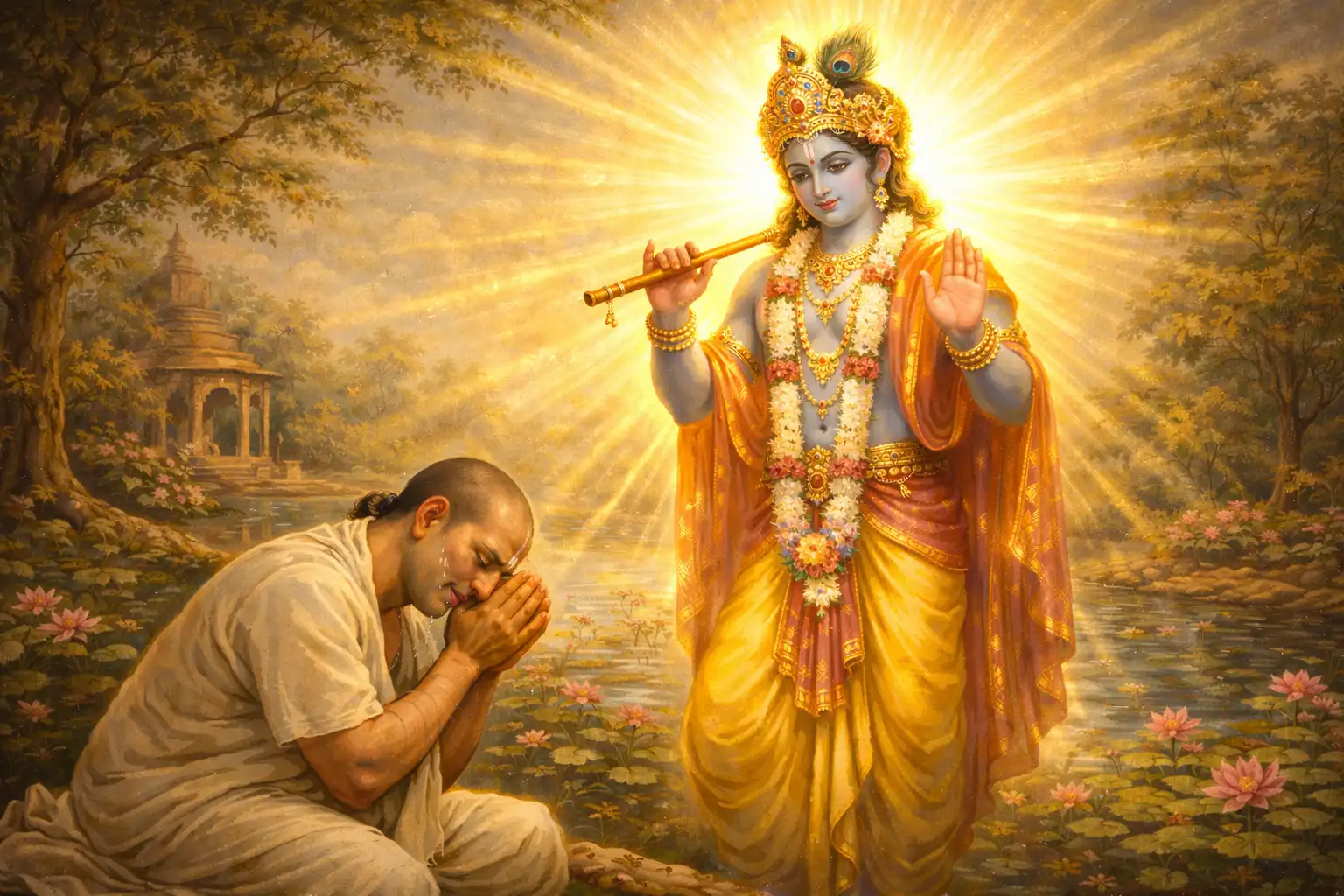
Table 3: Significance of the Name Pushan
|
Aspect |
Meaning |
|
Nourisher |
Sustainer of all life |
|
Giver of rasa |
Source of divine sweetness |
|
Personal Lord |
Responds to love |
|
Object of devotion |
Fulfills the soul |
Liberation without love is incomplete.
The soul seeks joyful union, not mere freedom.
6. Satya Dharma: The Highest Duty of the Soul
The seeker prays for this vision “satya-dharmāya”- for the sake of true dharma.
This clarifies a central Upanishadic truth:
The highest dharma is bhakti (loving devotion).
Material duties organize society.
Moral conduct purifies behavior.
But only devotion reveals God.
Shree Krishna, in the Bhagavad Gita (12.2) confirms:
BG 12.2: The Lord said: Those who fix their minds on Me and always engage in My devotion with steadfast faith, I consider them to be the best yogis.
Table 4: Understanding Dharma
|
Type of Dharma |
Purpose |
Result |
|
Social duty |
Order |
Stability |
|
Moral conduct |
Purity |
Character |
|
Ritual &
austerity |
Discipline |
Merit |
|
Bhakti
(satya dharma) |
Love of God |
God-realization |
Dharma reaches its fulfillment only when it leads to loving surrender.
7. Why Knowledge and Austerity Are Not Enough
Mantra 15 quietly dismantles spiritual pride.
Even refined knowledge, severe austerity, and flawless discipline cannot remove the final veil.
Shree Krishna, in the Bhagavad Gita (18.55) states:
BG 18.55: Only by loving devotion to Me does one come to know who I am in Truth. Then, having come to know Me, My devotee enters into full consciousness of Me.
Table 5: Means vs Revelation
|
Practice |
Role |
Can Grant Vision? |
|
Knowledge |
Clarifies
intellect |
❌ |
|
Austerity |
Strengthens
will |
❌ |
|
Ritual |
Refines
conduct |
❌ |
|
Bhakti |
Softens heart |
✅ |
Grace flows where love replaces entitlement.
Living Mantra 15: Bringing It into into Daily Life
Mantra 15 is not meant to remain confined to sacred text or formal prayer.
It is a living posture of the heart, a way of relating to God, knowledge, success, and even spirituality itself.
This mantra teaches us how to seek, not merely what to seek.
1. Shift from Wanting Answers to Wanting Presence
Much of modern spiritual life is driven by the desire to understand, to collect insights, interpretations, and explanations. Mantra 15 gently redirects this tendency. It invites us to move beyond asking “Why?” or “How?” and instead ask, “May I be close to You?”
In daily life, this means allowing prayer and remembrance to be about connection, not problem-solving alone. Even moments of silence, gratitude, or surrender become expressions of this longing.
2. Recognize Subtle Veils in Everyday Life
The “golden veil” does not appear only in mystical philosophy, but shows up in ordinary life as well. Success, recognition, comfort, knowledge, and even spiritual accomplishments can quietly become substitutes for God Himself.
Living Mantra 15 means learning to notice when we are drawn more to brightness than to truth, more to outcomes than to inner alignment. Awareness of these subtle veils is itself a form of grace.
3. Transform Prayer from Request to Relationship
The seeker in Mantra 15 does not ask God to change circumstances. The prayer is inward: “Remove what prevents me from seeing You.”
In daily practice, this inspires a deeper form of prayer, one that focuses less on controlling life and more on purifying perception. When prayer becomes relational rather than transactional, it naturally softens the heart.
4. Let Devotion Mature Beyond Ritual
Rituals, disciplines, and practices are valuable, but Mantra 15 reminds us that they are means, not the goal. The goal is love: simple, sincere, and personal.
Living this mantra means letting devotion express itself through humility, patience, service, and trust, not merely through formal observances. It is measured not by intensity, but by consistency and sincerity.
5. Cultivate Longing Without Impatience
The seeker’s prayer is filled with yearning, but not demand. This balance is essential. Spiritual growth deepens when longing is combined with patience and faith.
In everyday life, this means continuing to serve, act rightly, and remember God, even when spiritual experiences are absent. The mantra teaches us to trust that vision arises when the heart is ready, not when the ego insists.
6. End the Day with Gentle Inner Review
A practical way to live Mantra 15 is through quiet self-reflection at day’s end. Without judgment or guilt, one can ask:
- What did I rely on today for peace?
- Where did brightness replace depth?
- Where did remembrance soften my reactions?
This gentle review gradually trains the mind to turn away from outer glitter and toward inner truth.
Living Mantra 15: A Practical Guide
Table: Applying Mantra 15 in Daily Life
|
Aspect of Life |
Common Habit |
Living Mantra 15 Approach |
Inner Effect |
| Prayer | Asking for outcomes | Asking for closeness | Deepened trust |
| Knowledge | Seeking explanations | Seeking realization | Humility |
| Success & comfort | Becoming attached | Seeing them as veils | Detachment |
| Spiritual practice | Mechanical routine | Loving offering | Warmth of heart |
| Challenges | Asking “Why me?” | Asking “What can this teach me?” | Maturity |
| End of day | Distraction or regret | Gentle self-reflection | Inner clarity |
Essence of Living Mantra 15
To live Mantra 15 is to quietly say, every day:
“Let nothing—even light, success, or knowledge—
come between my heart and You.”
When this prayer becomes natural, life itself turns into devotion,
and the golden veil slowly lifts—not by force, but by grace.
Deepen Your Learning and Spiritual Practice
To deepen your understanding of the Ishavasya Upanishad, we highly recommend Swami Mukundananda’s commentary, which beautifully unpacks each mantra, including the Shanti Path, providing a clear and practical guide for modern seekers.
Order the Book: Swami Mukundananda’s Commentary
Unlock the deeper wisdom of the Ishavasya Upanishad with this insightful commentary by Swami Mukundananda. Perfect for modern seekers who wish to explore the divine teachings in greater depth.
Final Reflection
Ishavasya Upanishad Mantra 15 is not philosophical—it is personal.
It teaches us that Truth is not fully known until it is seen,
and not fully seen until it is loved.
The seeker realizes that even divine light can become a veil if it replaces relationship. Thus, the prayer rises from the heart:
“Remove the covering, O Pushan,
so I may behold You.”
This mantra reminds us that liberation is not merely freedom from suffering, but union through love. When devotion ripens, God is no longer an idea to contemplate—but a Presence to behold.
Key Philosophical Insights from Ishavasya Upanishad Mantra 15
1. Truth Is Ultimately Revealed, Not Merely Understood
Mantra 15 clarifies that intellectual knowledge, while valuable, is incomplete without direct realization. The seeker does not ask for explanation or conceptual clarity, but for vision. This establishes a fundamental Upanishadic principle: Absolute Truth is not an object of thought alone, it must be experienced through grace.
2. Divine Effulgence Is Not the Final Goal
The mantra’s reference to the “golden veil” teaches that even spiritual brilliance can obscure deeper truth. The radiant Brahman effulgence is divine, yet it still conceals the personal form of God. Thus, the Upanishad subtly distinguishes between realization of impersonal light and realization of the Supreme Person, affirming that the latter is more complete and fulfilling.
3. The Supreme Reality Is Personal
By praying to behold God’s mukham (face), Mantra 15 asserts that the highest truth is not abstract or impersonal. The Absolute is a conscious, responsive Being who can be seen, loved, and related to. This insight aligns the Upanishad with the bhakti tradition, where relationship with God is central.
4. True Dharma Culminates in Bhakti
The phrase satya-dharmāya dṛṣṭaye reveals that the highest and eternal dharma (satya dharma) is loving devotion to God. Moral conduct, social duty, austerity, and ritual observances are meaningful, but they reach completion only when they lead to bhakti, which alone grants divine vision.
5. Grace Surpasses Self-Effort
Mantra 15 represents the moment where spiritual effort bows before surrender. The seeker acknowledges that no amount of discipline, learning, or renunciation can remove the final veil. Only God can reveal Himself. Liberation, therefore, is not seized by effort but is bestowed through grace.
6. God Is Both the Seeker’s Goal and Nourisher
By addressing the Supreme as Pushan, the mantra reveals God as the one who nourishes not only physical life but spiritual longing itself. God sustains the devotee’s journey and also fulfills it, becoming both the path and the destination.
7. Devotion Is the Bridge Between Knowledge and Vision
Mantra 15 shows that devotion is not opposed to knowledge, it actually completes it. Knowledge prepares the seeker; devotion invites revelation. Where knowledge ends, devotion begins, transforming understanding into living realization.
8. Liberation Is Union, Not Isolation
The prayer of Mantra 15 reveals that the soul does not seek mere release from suffering or dissolution into light. It seeks loving union. True freedom is not absence of form or identity, but eternal relationship with the Divine.
9. Spiritual Maturity Is Marked by Longing
The philosophical maturity expressed in this mantra lies in its humility. The seeker does not claim attainment; instead, they express yearning. The Upanishad teaches that genuine progress is marked not by certainty or pride, but by deepening longing for God.
10. Mantra 15 Is the Heart of the Ishavasya Upanishad
While earlier mantras establish right living and right understanding, Mantra 15 reveals the ultimate aim, which is direct vision of the Supreme through devotion. It transforms the Upanishad from philosophy into prayer, from doctrine into devotion, and from knowledge into love.
FAQs
Ishavasya Upanishad Mantra 15
1. What is the central message of Ishavasya Upanishad Mantra 15?
Mantra 15 teaches that the highest spiritual goal is not merely understanding Truth but directly beholding the Supreme Reality. The mantra is a prayer asking God to remove the subtle veil that hides His personal form. It emphasizes that ultimate realization comes through devotion and divine grace, not through intellect or effort alone.
2. What does the “golden veil” mentioned in the mantra represent?
The “golden veil” symbolizes the divine effulgence or spiritual brilliance that emanates from the Supreme. While this light is spiritual and pure, it still conceals the personal presence of God. The mantra teaches that even elevated spiritual experiences can become obstacles if they replace a personal relationship with the Divine.
3. Why does the mantra address God as Pushan?
The name Pushan means the Nourisher. It highlights God’s role as the sustainer of life, consciousness, and spiritual longing. By using this name, the seeker acknowledges that God not only maintains the universe but also nourishes the soul’s journey toward Truth and fulfillment.
4. Does Mantra 15 suggest that knowledge and rituals are unimportant?
No. Mantra 15 does not reject knowledge or spiritual practices. Instead, it clarifies their proper role. Knowledge, rituals, and discipline prepare the seeker, but they cannot by themselves grant divine vision. The mantra teaches that these practices must ultimately mature into loving devotion, which alone invites direct realization.
5. How can Mantra 15 be practiced in everyday life?
Mantra 15 can be lived by shifting prayer from asking for outcomes to seeking closeness with God, by reducing attachment to success and recognition, and by practicing gentle self-reflection. It encourages cultivating humility, patience, and sincere longing for the Divine while fulfilling daily responsibilities with awareness and trust.