
With Meaning, Spiritual Significance, Reflection, Daily Application & Teachings Inspired by Swami Mukundananda
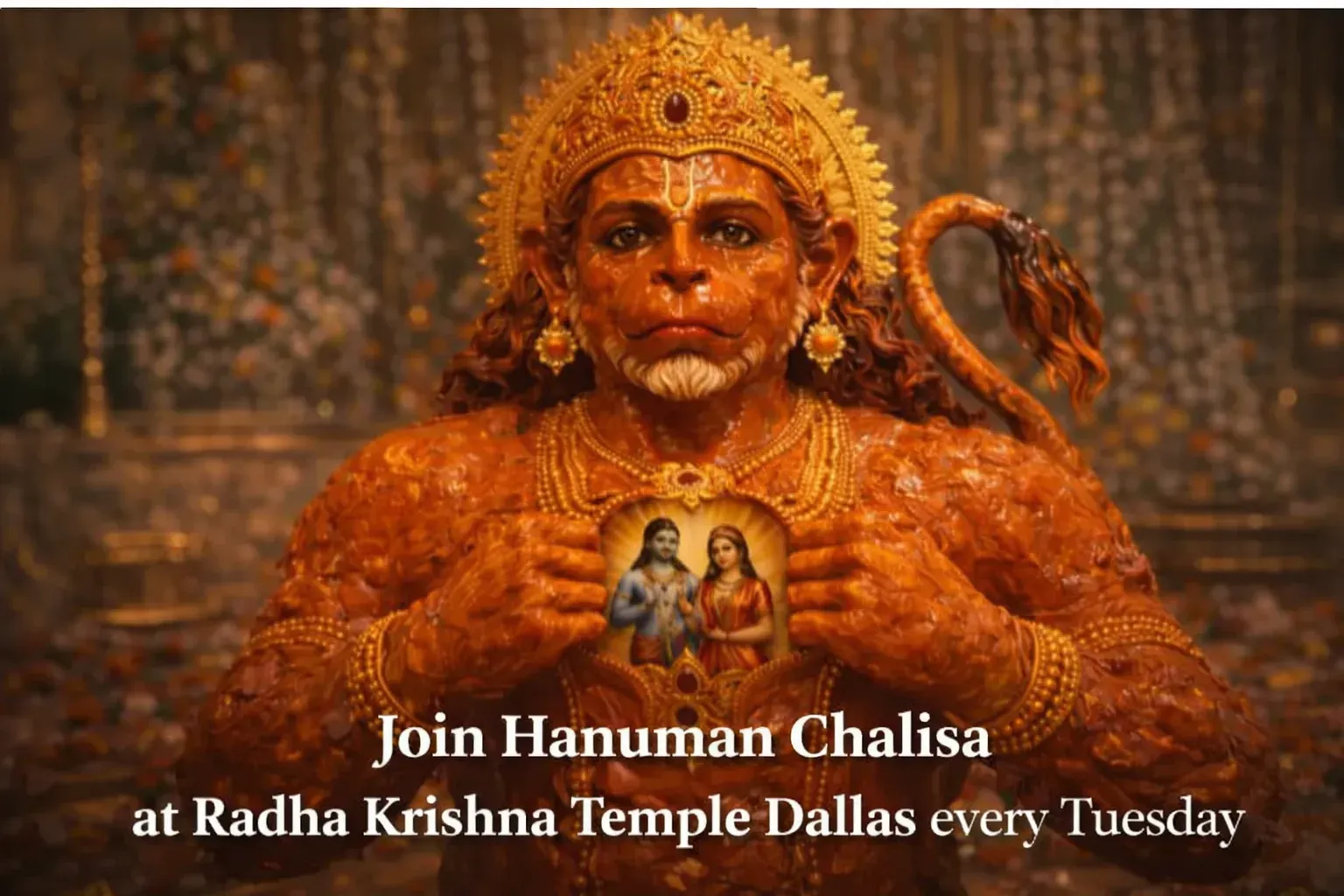
In this post, we dive into the heart of one of the most sacred hymns in the Hindu tradition: the Hanuman Chalisa, a devotional prayer written by Tulsidas to honor the epitome of fortitude and selfless service, Lord Hanuman. Daily recitation of this hymn is known to ward off negative energy, reduce anxiety, and strengthen one's inner resolve. Specifically, we will explore the philosophical depth and daily application of Verses 21 through 30. These verses describe Hanuman’s role as the divine gatekeeper to the kingdom of Ram—a role likened to a trusted guardian of a magical secret garden who ensures only loving hearts may enter. As we journey through these verses, we will reflect on how taking refuge in Hanuman provides a "giant magical umbrella" of protection against the storms of fear and suffering. By aligning our thoughts, deeds, and words through these teachings, we aim to provide content that resonates with the heart and soul, offering high value and spiritual integrity for your own journey.
In his discourses, Swami Mukundananda frequently explains that Hanuman represents devotion, strength, humility, and total surrender. According to his teachings, chanting the Hanuman Chalisa transforms the mind, removes fear, and fills the heart with divine courage.
Below, each verse includes meaning, spiritual significance, reflection, daily application, and examples inspired by Swami Mukundananda’s teachings.
Chaupai # 21
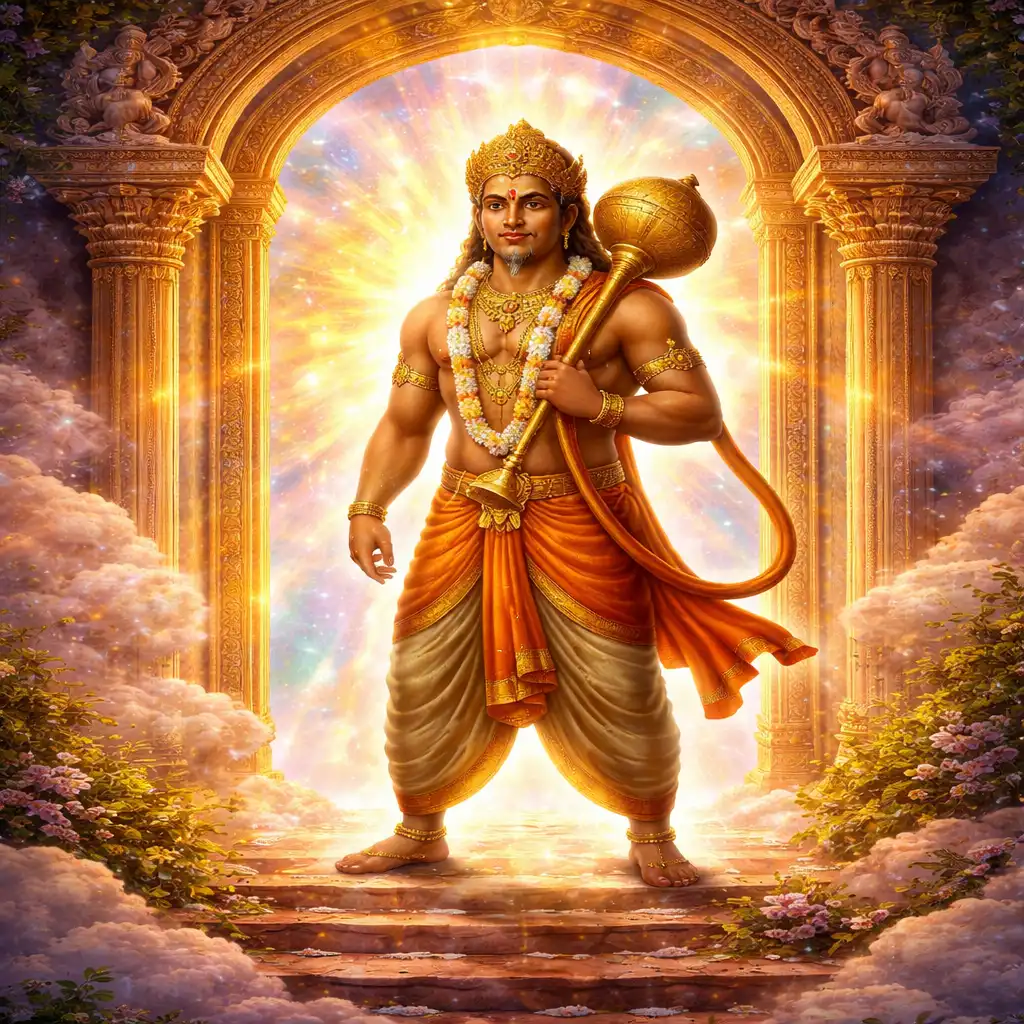
राम दुआरे तुम रखवारे, होत ना आज्ञा बिनु पैसारे॥२१॥
Ram duaare tum rakhvare, hota na aagya binu paisare (21).
Meaning: You are the guardian at the door of Lord Ram. No one can move forward without your permission, which means that only with your blessing can one have the darshan of Lord Ram.
Spiritual Significance
Swami Mukundananda explains that Hanuman represents the purified intellect that guards the heart. Lord Ram symbolizes divine consciousness, peace, and spiritual realization. Hanuman standing at the doorway means that humility, devotion, and surrender are required before divine grace enters our life. Ego, pride, anger, and selfishness block divine experience. Hanuman removes suffering by removing these inner obstacles. When the mind becomes humble, divine peace naturally flows. Hanuman therefore acts as the inner guardian who filters negative thoughts and emotions before they enter consciousness.
This verse teaches that suffering does not come from outside alone — it enters through uncontrolled thoughts. Hanuman protects the mind from insecurity, comparison, jealousy, and fear. When these are blocked, inner peace emerges.
Reflection
Ask yourself: what thoughts dominate my mind? Are they fearful, negative, and reactive? Or calm, surrendered, and trusting? This verse encourages developing an inner Hanuman — a guardian of thoughts. Before reacting emotionally, pause and ask whether the thought is aligned with devotion and humility.
Daily Application
- Begin the day by mentally offering your mind to Hanuman
- Pause before reacting to stressful situations
- Replace ego-driven responses with humility
- Practice gratitude to reduce negativity
- Chant Hanuman Chalisa to calm mental turbulence
Chaupai # 22
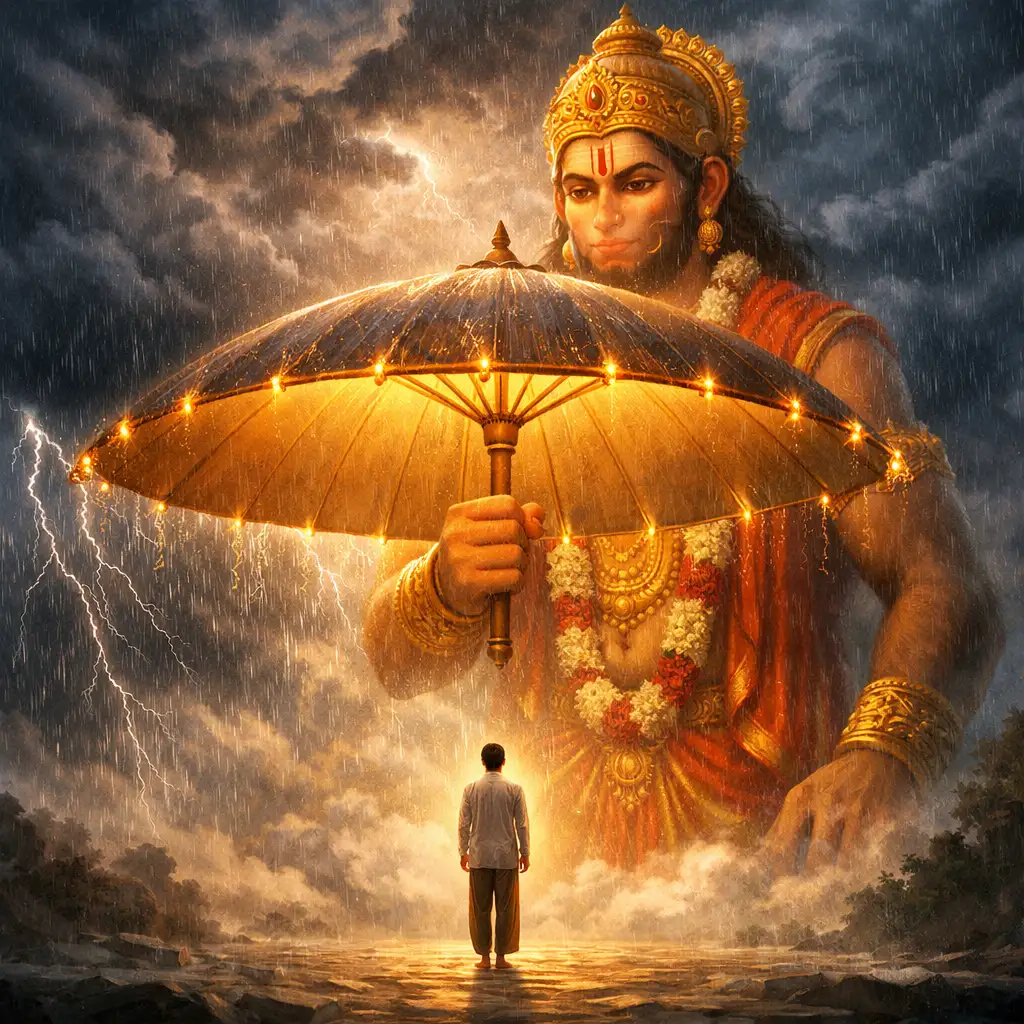
सब सुख लहैं तुम्हारी सरना, तुम रक्षक काहु को डरना॥२२॥
Sab sukh lahe tumhari sarna, tum rakshak kahu ko dar na (22).
Meaning: Those who take refuge in you find all the comfort and happiness. When we have a protector like you, we do not need to be scared of anyone or anything.
Spiritual Significance
Swami Mukundananda teaches that fear arises from attachment — attachment to outcomes, relationships, success, and security. When we take refuge in Hanuman, we surrender control to divine will. This surrender dissolves anxiety. Hanuman represents total faith in God. He crossed the ocean, faced demons, and entered Lanka fearlessly because he relied completely on Lord Ram. Similarly, when devotees rely on divine protection, fear loses its hold.
This verse emphasizes that happiness comes not from external success but from inner security. When the mind feels protected, it relaxes. Anxiety disappears. Faith replaces worry. Hanuman removes suffering by replacing fear with trust.
Reflection
What am I afraid of right now? Failure? Loss? Future uncertainty? Offer that fear to Hanuman. Visualize placing the burden at his feet. Notice how the mind becomes lighter when responsibility is surrendered.
Chaupai # 23
आपन तेज सम्हारो आपै, तीनों लोक हाँक तै कापै॥२३॥
Aapan tej samharo aape, teeno lok haank te kaampe (23).
Meaning: You alone can withstand your magnificence. All three worlds start trembling at when they hear your growl.
Spiritual Significance
Swami Mukundananda explains that Hanuman symbolizes controlled power. True strength is not aggression but mastery over oneself. Hanuman possessed immense power but used it only for dharma. This teaches that suffering arises when emotions control us. Anger, fear, insecurity, and impatience create mental disturbance. Hanuman removes suffering by teaching emotional discipline.
When inner strength awakens, external problems appear smaller. Courage dissolves fear. Confidence replaces helplessness. Hanuman’s roar symbolizes awakening of inner courage.
Reflection
Do I react impulsively? Or remain calm under pressure? This verse encourages developing inner strength. Calmness in difficulty is true power.
Daily Application
- Control emotional reactions
- Respond calmly during conflict
- Practice patience in stressful moments
- Use strength to help others
- Maintain composure under pressure
Chaupai # 24
भूत पिशाच निकट नहि आवै, महावीर जब नाम सुनावै॥२४॥
Bhoot pishaach nikat nahi aavein, Mahaveer jab naam sunaave (24).
Meaning: No ghosts or evil spirits come near the ones who remember your immense courage and chant your name, O Mahaveer! Thus, just remembering your name is enough!
Spiritual Significance
Swami Mukundananda teaches that “ghosts and demons” symbolize negative mental states — anxiety, depression, fear, overthinking, and insecurity. Chanting Hanuman’s name changes the vibration of the mind. Devotion replaces negativity with courage. This verse shows the psychological power of mantra. When attention shifts to divine remembrance, fearful thoughts lose strength.
Hanuman represents positivity and divine protection. Remembering him removes inner darkness.
Reflection
Observe how negative thoughts create imaginary suffering. Chanting shifts attention away from fear. The mind becomes stable.
Daily Application
- Chant Hanuman Chalisa before sleep
- Use mantra during panic
- Replace negative thoughts with remembrance
- Practice slow breathing while chanting
- Keep Hanuman image nearby
Chaupai # 25
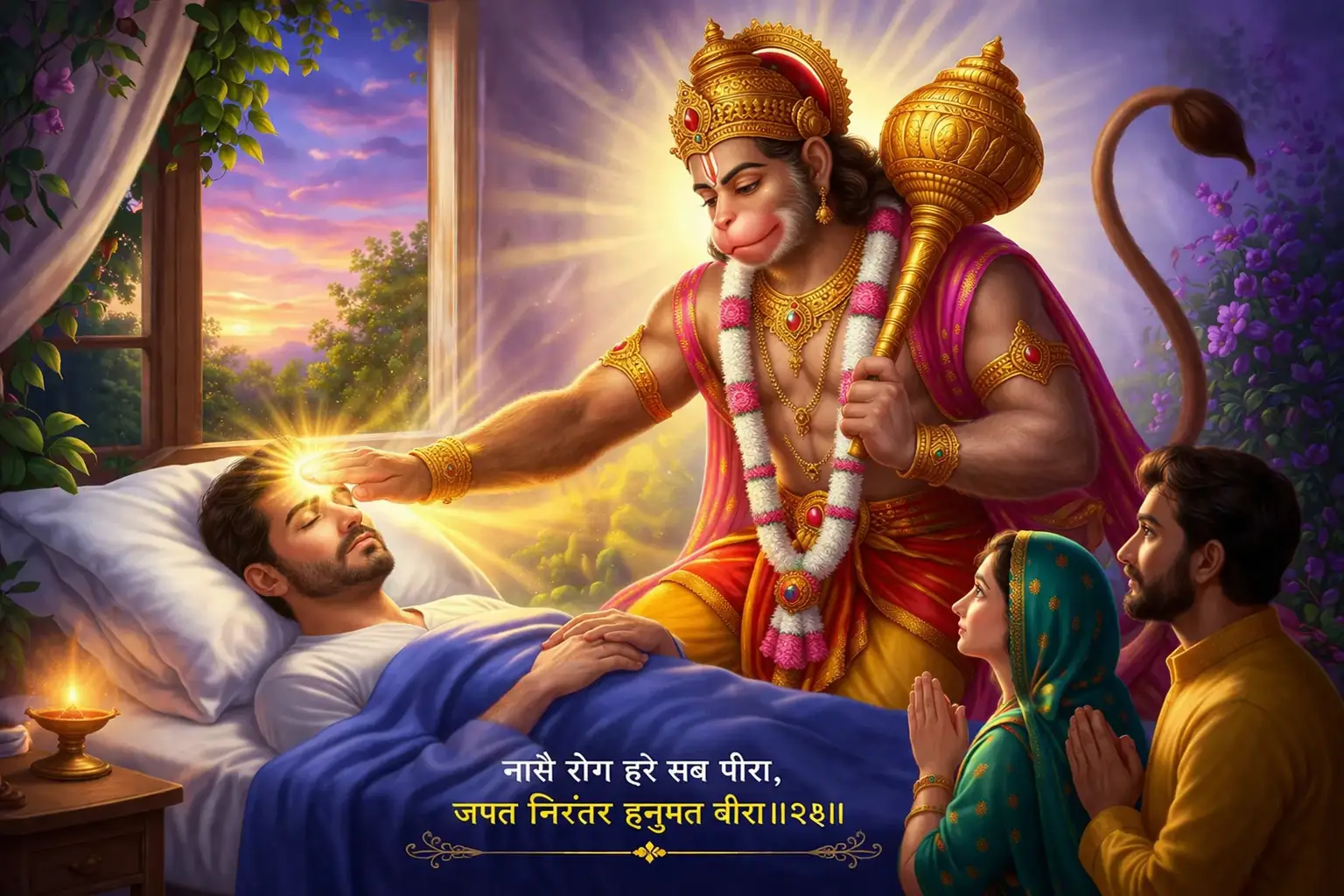
नासै रोग हरे सब पीरा, जपत निरंतर हनुमत वीरा॥२५॥
Naase rog hare sab peera, japat nirantar hanumat veera (25).
Meaning: O Hanuman! All kinds of diseases and pain are eradicated when one chants your name. Therefore, chanting your name regularly is considered to be very auspicious.
Spiritual Significance
Swami Mukundananda explains that devotion strengthens the mind. A strong mind reduces suffering even during illness. Stress increases pain, while calmness reduces it. Hanuman represents vitality, courage, and life-force. Remembering him increases emotional resilience. Healing begins with mental strength.
This verse does not promise instant miracle healing but emphasizes inner healing. When the mind becomes peaceful, suffering reduces.
Reflection
Even during difficulty, faith provides strength. Devotion transforms pain into endurance.
Daily Application
- Chant during illness
- Stay positive during difficulty
- Practice gratitude
- Maintain hope
- Support others emotionally
Chaupai # 26
संकट तै हनुमान छुडावै, मन क्रम वचन ध्यान जो लावै॥२६॥
Sankat te hanuman chudave, mann kram vachan dhyaan jo laave (26).
Meaning: Whoever meditates upon or worships you with thought, word, and deed, becomes free from all kinds of crisis and affliction.
Spiritual Significance
Swami Mukundananda teaches that suffering arises from inner conflict. When thoughts, words, and actions are misaligned, stress increases. Hanuman represents total alignment. Thinking of God, speaking positively, and acting with devotion create harmony. Harmony removes suffering.
Reflection
Am I thinking one thing and doing another? Inner contradiction creates tension. Devotion creates integrity.
Daily Application
- Think positively
- Speak kindly
- Act sincerely
- Maintain consistency
- Practice daily devotion
Chaupai # 27
सब पर राम तपस्वी राजा, तिनके काज सकल तुम साजा॥२७॥
Sab par Ram tapasvi raja tin ke kaaj sakal tum saaja.
Meaning: Lord Ram is the greatest ascetic amongst all the kings, however, it was you who carried out all the tasks on behalf of Lord Ram.
Spiritual Significance
Swami Mukundananda explains that Hanuman represents selfless service. When actions are selfish, anxiety about results increases. Selfless service removes attachment and reduces suffering. Hanuman worked only for Ram, not personal gain. This attitude brings peace.
Reflection
When we work only for results, stress increases. When we work as service, peace increases.
Daily Application
- Serve others selflessly
- Focus on effort not results
- Reduce ego in work
- Practice gratitude
- Work with sincerity
- Verse 28
Aur manorath jo koi lavai
Soi amit jeevan phal pavai
Meaning
Whoever brings wishes to you receives abundant results.
Spiritual Significance
Swami Mukundananda teaches surrender of desires. Attachment creates anxiety. When desires are offered to God, peace emerges. Hanuman fulfills desires aligned with spiritual growth.
Reflection
Let go of obsessive thinking about outcomes. Trust divine wisdom.
Chaupai # 28
और मनोरथ जो कोई लावै, सोई अमित जीवन फल पावै॥२८॥
Aur manorath jo koi laave, soi amit jivan phal paave.
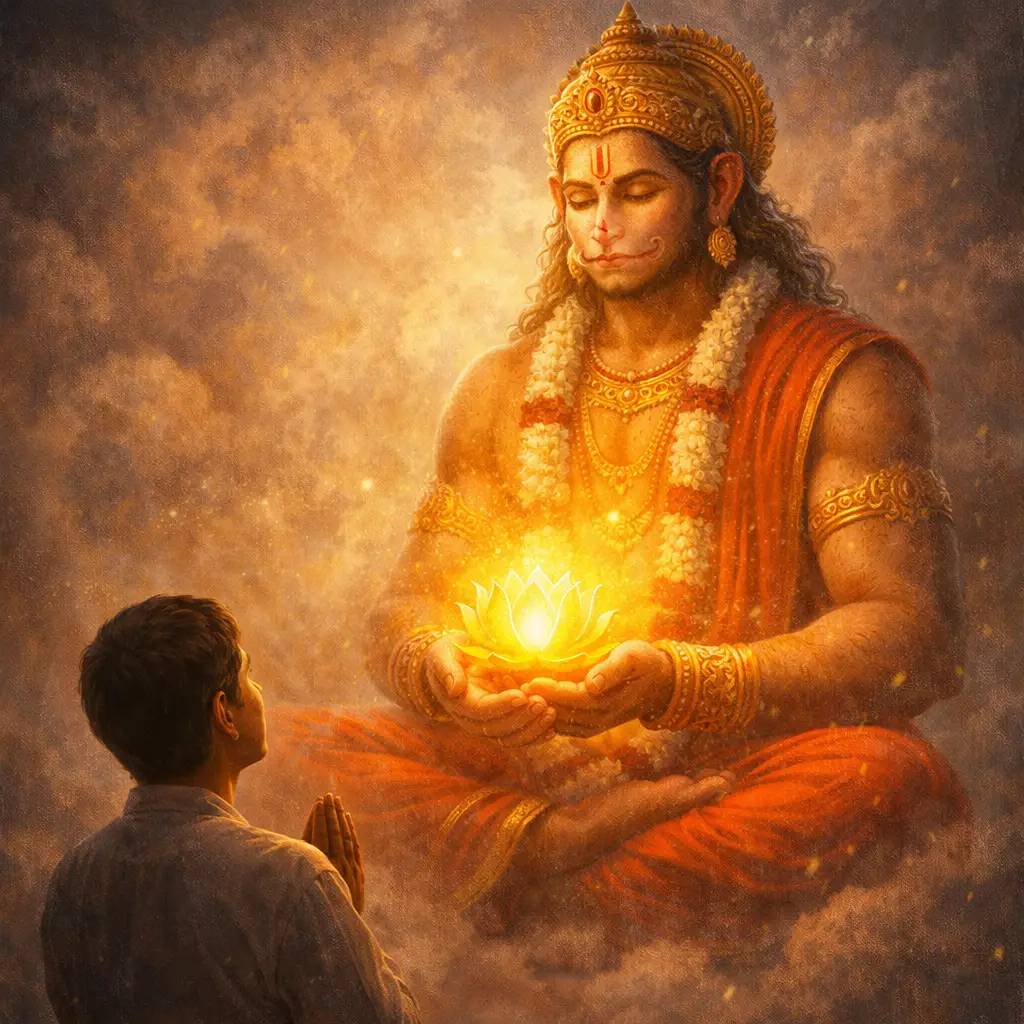
Meaning: One who comes to you with any longing or a sincere desire, obtains the abundance of the manifested fruit, which remains bestowed throughout life.
Spiritual Significance
Swami Mukundananda explains that human suffering often arises from unfulfilled desires. The mind constantly creates expectations — about career, relationships, success, recognition, and security. When these expectations are not fulfilled, frustration, anxiety, and disappointment arise. This verse teaches that surrendering desires to Hanuman transforms the nature of desire itself.
Hanuman does not merely fulfill desires — he purifies them. When a devotee places desires before Hanuman, attachment reduces. The mind moves from restless wanting to peaceful trust. This shift removes suffering. Instead of obsessing over outcomes, the devotee learns to focus on effort and surrender results to divine wisdom.
This verse also teaches that not all desires lead to happiness. Some desires increase attachment and therefore increase suffering. Hanuman, being the embodiment of devotion and wisdom, grants what is spiritually beneficial. Sometimes this means fulfilling desires; other times it means transforming them. In both cases, suffering decreases because the devotee learns acceptance.
Hanuman himself had no personal desires. His only wish was to serve Lord Rama. This state of desireless devotion brought him complete peace. When devotees emulate this attitude, their desires become aligned with higher purpose. Such purified desires bring lasting happiness instead of temporary satisfaction.
Reflection
Reflect on the desires currently occupying your mind. Are they creating peace or anxiety? Do they generate impatience, comparison, or fear of failure? This verse invites us to examine whether our desires are rooted in ego or devotion.
When we cling tightly to outcomes, the mind becomes restless. When we surrender desires to Hanuman, the emotional burden reduces. We still pursue goals, but without anxiety. This creates a state of calm effort.
Ask yourself:
- Am I attached to a specific outcome?
- Am I worried about when my desire will be fulfilled?
- Is my happiness dependent on one result?
This verse teaches releasing emotional dependence on outcomes. Hanuman replaces restless desire with peaceful aspiration.
Daily Life Application
- Before pursuing a goal, offer it mentally to Hanuman
- Pray: “Grant me what is best, not what I demand”
- Focus on effort rather than results
- Reduce overthinking about future outcomes
- Practice patience when desires are delayed
- Accept unexpected outcomes calmly
- Replace comparison with gratitude
- Trust that divine timing is perfect
- Chant Hanuman Chalisa when feeling impatient
- Keep a journal of desires and surrender them daily
Chaupai # 29
चारों जुग परताप तुम्हारा, है परसिद्ध जगत उजियारा॥२९॥
Chaaron yug partap tumhara, hai parsidh jagat ujiyara.
Meaning: Your splendor fills all the four ages and, your glory is renowned throughout the world.
Spiritual Significance
Swami Mukundananda explains that this verse highlights the timeless and eternal presence of Hanuman. Unlike worldly power, which fades with time, Hanuman’s strength, compassion, and protection remain constant across all ages. This symbolizes that divine support is not limited to a particular era — it is always available to sincere devotees.
Suffering often increases when a person feels alone, unsupported, or uncertain about the future. This verse reassures devotees that Hanuman’s presence is universal and eternal. His light represents divine awareness that removes darkness from the mind. Darkness symbolizes confusion, fear, doubt, and ignorance. When Hanuman’s remembrance enters the heart, clarity replaces confusion and courage replaces fear.
Hanuman’s glory “illuminating the world” also signifies inner awakening. The world here represents our inner consciousness. When the light of devotion arises, negative thinking fades naturally. Just as darkness cannot remain in the presence of light, suffering cannot remain in a mind filled with faith.
This verse also teaches constancy. The world changes constantly — relationships change, circumstances shift, success comes and goes. But divine support remains steady. Remembering Hanuman gives emotional stability amidst change. This stability removes fear of uncertainty.
Reflection
Think about moments when you felt alone or unsupported. Often, suffering increases when we believe we must face life entirely on our own. This verse reminds us that divine presence accompanies us always.
Reflect on how fear reduces when you remember Hanuman. Even silently repeating his name can create a sense of companionship. This inner companionship removes loneliness and emotional insecurity.
Ask yourself:
- Do I feel anxious about the future?
- Do I feel unsupported in difficult times?
- Do I forget divine presence during stress?
This verse teaches cultivating constant remembrance. When awareness of Hanuman becomes steady, fear of uncertainty disappears.
Daily Life Application
- Remember Hanuman during difficult moments
- Chant Hanuman Chalisa when feeling lonely
- Keep faith during uncertain situations
- Visualize Hanuman’s light protecting you
- Practice silent prayer throughout the day
- Maintain hope during setbacks
- Trust divine guidance in decisions
- Reduce fear of future outcomes
Chaupai # 30
साधु संत के तुम रखवारे, असुर निकंदन राम दुलारे॥३०॥
Saadhu-sant ke tum rakhvare, asur nikandan ram dulaare.
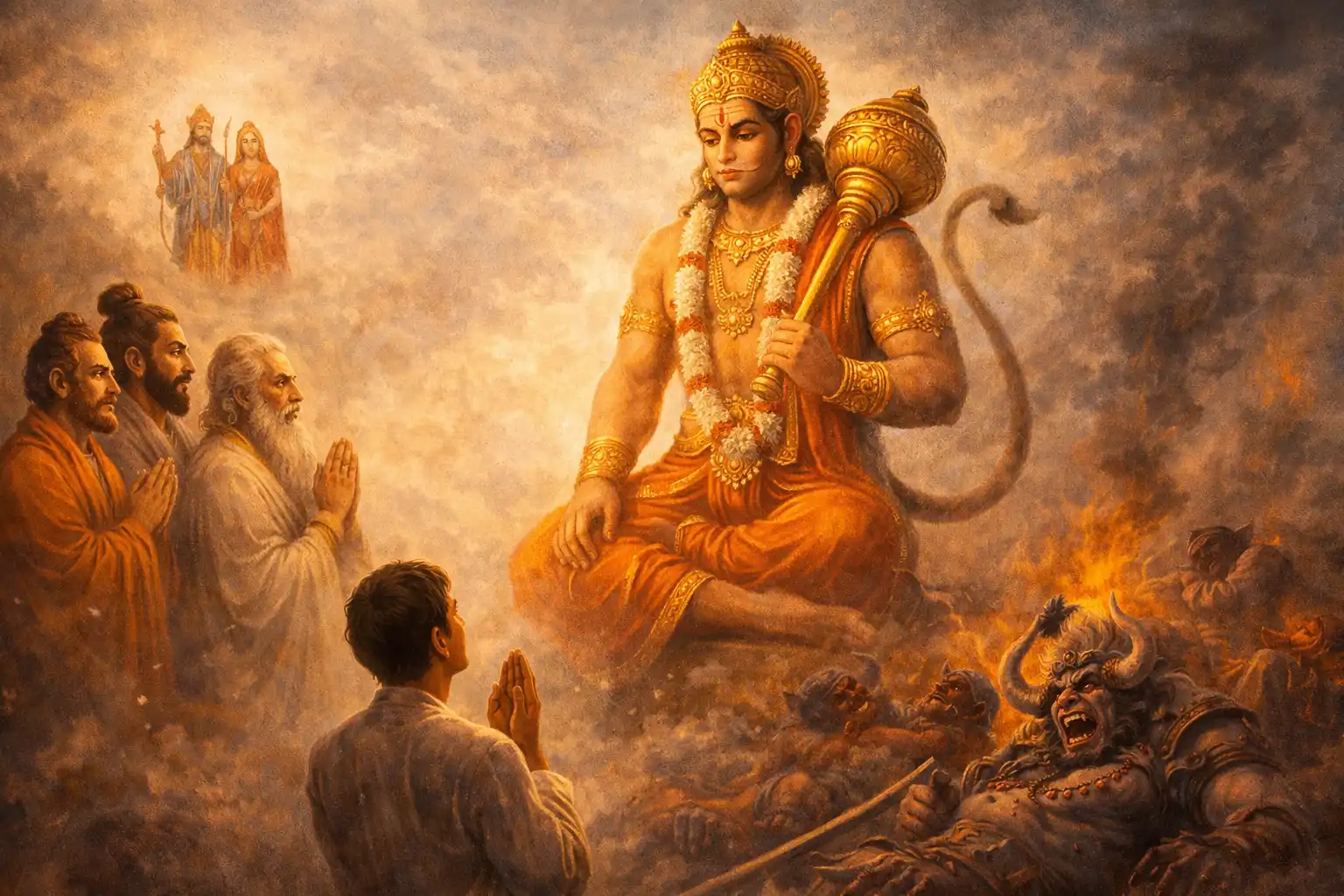
Meaning: You are the guardian of saints and sages, destroyer of demons, and one who is adored by Lord Ram.
Spiritual Significance
Swami Mukundananda explains that saints symbolize purity, goodness, and devotion within us. Demons represent inner negativity — ego, anger, greed, jealousy, fear, and attachment. This verse teaches that Hanuman protects the higher tendencies of the mind and destroys the lower tendencies.
Suffering arises when negative qualities dominate consciousness. Anger creates regret, jealousy creates insecurity, ego creates conflict, and attachment creates anxiety. Hanuman removes suffering by gradually weakening these inner demons.
Hanuman being “beloved of Rama” also symbolizes that those who cultivate devotion, humility, and service become close to divine grace. When the heart becomes pure, peace naturally arises. Hanuman protects this purity.
This verse also teaches inner transformation. Instead of trying to control external situations, Hanuman helps transform the inner personality. Once the inner nature changes, suffering decreases automatically. A calm mind experiences peace even in challenging circumstances.
Hanuman’s protection of saints also symbolizes protection of good intentions. When we try to grow spiritually, distractions and doubts arise. Hanuman provides strength to continue on the path. He removes obstacles to spiritual progress.
Reflection
Reflect on the inner qualities creating suffering. Is it anger? Fear? Comparison? Ego? This verse invites identifying inner demons.
When these tendencies arise, remembering Hanuman helps create distance from them. Instead of reacting impulsively, we respond with calmness. Gradually, negative habits weaken.
Ask yourself:
- What inner tendency causes most suffering?
- Do I react with anger or patience?
- Do I hold onto ego or practice humility?
This verse encourages cultivating saint-like qualities — compassion, patience, humility, and devotion.
Daily Life Application
- Practice humility
- Forgive others
- Stay calm
- Choose kindness
Final Message
Hanuman removes suffering by transforming the mind. Through devotion, surrender, courage, humility, and selfless service, fear dissolves and peace emerges. When devotees chant the Hanuman Chalisa with faith, Hanuman protects the mind, purifies desires, removes negativity, and guides life toward inner stability. This transformation gradually dissolves suffering and fills the heart with courage and divine peace.
Hanuman removes suffering by transforming the mind. Through devotion, surrender, courage, and humility, fear dissolves and peace emerges.
Conclusion: How Hanuman Removes Suffering
Verses 21–30 reveal ten ways Hanuman removes suffering:
- Guards the mind from negativity
- Removes fear through protection
- Uses divine power to destroy obstacles
- Protects from mental disturbances
- Heals disease and pain
- Frees from difficulties through devotion
- Aligns life with divine purpose
- Fulfills beneficial desires
- Brings eternal light and guidance
- Destroys inner negativity
Hanuman represents strength, devotion, humility, and courage. When a devotee connects with these qualities, suffering gradually dissolves.
The Hanuman Chalisa teaches that suffering is not only external — it is internal. Hanuman removes both. He protects, heals, guides, and transforms.
By chanting these verses with faith, one invites Hanuman’s presence into life. That presence brings courage in fear, hope in darkness, and peace in chaos.
Ultimately, Hanuman removes suffering not by changing the world — but by strengthening the devotee.
And once the devotee becomes strong, suffering loses its power.
Call To Action
🙏 Strengthen Your Faith with Hanuman’s Protection
Feeling fear, stress, or uncertainty? Chant the Hanuman Chalisa and invite courage, healing, and divine protection into your life. Reflect on verses 21–30 and experience how Lord Hanuman removes suffering and fills the heart with peace.
👉 Visit
https://www.radhakrishnatemple.net/hanuman-chalisa-abhishek
Let Hanuman guide your mind, remove ignorance, and fill your life with courage and devotion. 🕉️🔥
✨ Frequently Asked Questions ✨
❓ What is the spiritual meaning of Hanuman Chalisa verses 21–30?
These verses describe how Lord Hanuman protects devotees, removes fear, heals suffering, fulfills desires, and destroys inner negativity through devotion and surrender.
❓ How does Hanuman remove fear and suffering?
Lord Hanuman removes suffering by giving courage, calming the mind, protecting from negativity, and strengthening faith through remembrance and chanting.
❓ Which Hanuman Chalisa verse helps with illness and pain?
Verse 25 states that chanting Hanuman’s name removes diseases and pain, bringing healing, strength, and emotional resilience.
❓ When is the best time to chant Hanuman Chalisa?
You can chant daily, especially on Tuesdays, during stress, illness, fear, or uncertainty to receive protection and peace.
❓ Can Hanuman Chalisa help with mental stress and anxiety?
Yes. Regular chanting calms the mind, reduces overthinking, builds confidence, and creates a sense of divine protection and inner peace.