A Living Story of Sacred Time
In Hindu tradition, time is not linear—it is cyclical and divine. Ancient sages believed that time itself is a manifestation of Brahman, unfolding through cosmic rhythms. That is why festivals are not random celebrations, and fasting is not mere abstinence. Every date in the Hindu Calendar 2026 carries spiritual energy shaped by planetary movements, lunar phases, and seasonal transitions.
When families plan weddings, when farmers begin sowing, when devotees fast or travel to temples, they consult the Panchang—not just for dates, but for cosmic approval. In 2026, this sacred calendar once again guides millions in aligning worldly life with spiritual wisdom.
This comprehensive guide to the Hindu Calendar 2026 explains not just what happens on each date, but why it matters.
Understanding the Hindu Calendar System in Depth
The Hindu calendar is a lunisolar system, balancing the Moon’s phases with the Sun’s annual cycle. This harmony ensures that festivals remain seasonally aligned while retaining lunar precision.
Why the Panchang Is Spiritually Important
Each Panchang element influences human activity:
- Tithi governs emotions and mental energy
- Nakshatra affects destiny and karmic tendencies
- Yoga reflects overall auspiciousness
- Karana determines success of actions
Because of this, Hindus traditionally avoid important activities during Rahu Kaal, Yamaganda, and eclipses.
The year 2026 follows:
- Vikram Samvat 2082–2083
- Shaka Samvat 1947–1948
Most online calendars follow the North Indian Purnimant system, which this article uses.
Major Hindu Festivals 2026 – Meaning, Traditions & Spiritual Importance
Hindu festivals are not merely cultural events; they are spiritual milestones that connect human life with cosmic forces. Each festival is aligned with specific planetary movements, seasons, and mythological events, making them deeply symbolic and purposeful. In the Hindu Calendar 2026, these festivals guide devotees toward joy, discipline, gratitude, and self-realization.
Below is an expanded explanation of the most important Hindu festivals celebrated throughout the year.
Makar Sankranti – Festival of the Sun and New Beginnings
Month: January
Makar Sankranti marks the Sun’s transition into the zodiac sign Capricorn (Makara), beginning the auspicious phase of Uttarayan. It symbolizes the movement from darkness to light and from ignorance to wisdom. Unlike most Hindu festivals, it follows the solar calendar, making its date relatively fixed.
Devotees take holy dips in sacred rivers, perform Surya Puja, donate food and clothes, and prepare traditional dishes made of sesame and jaggery. Spiritually, Makar Sankranti encourages charity, self-purification, and positive transformation.
Vasant Panchami – Celebration of Knowledge and Creativity
Month: February
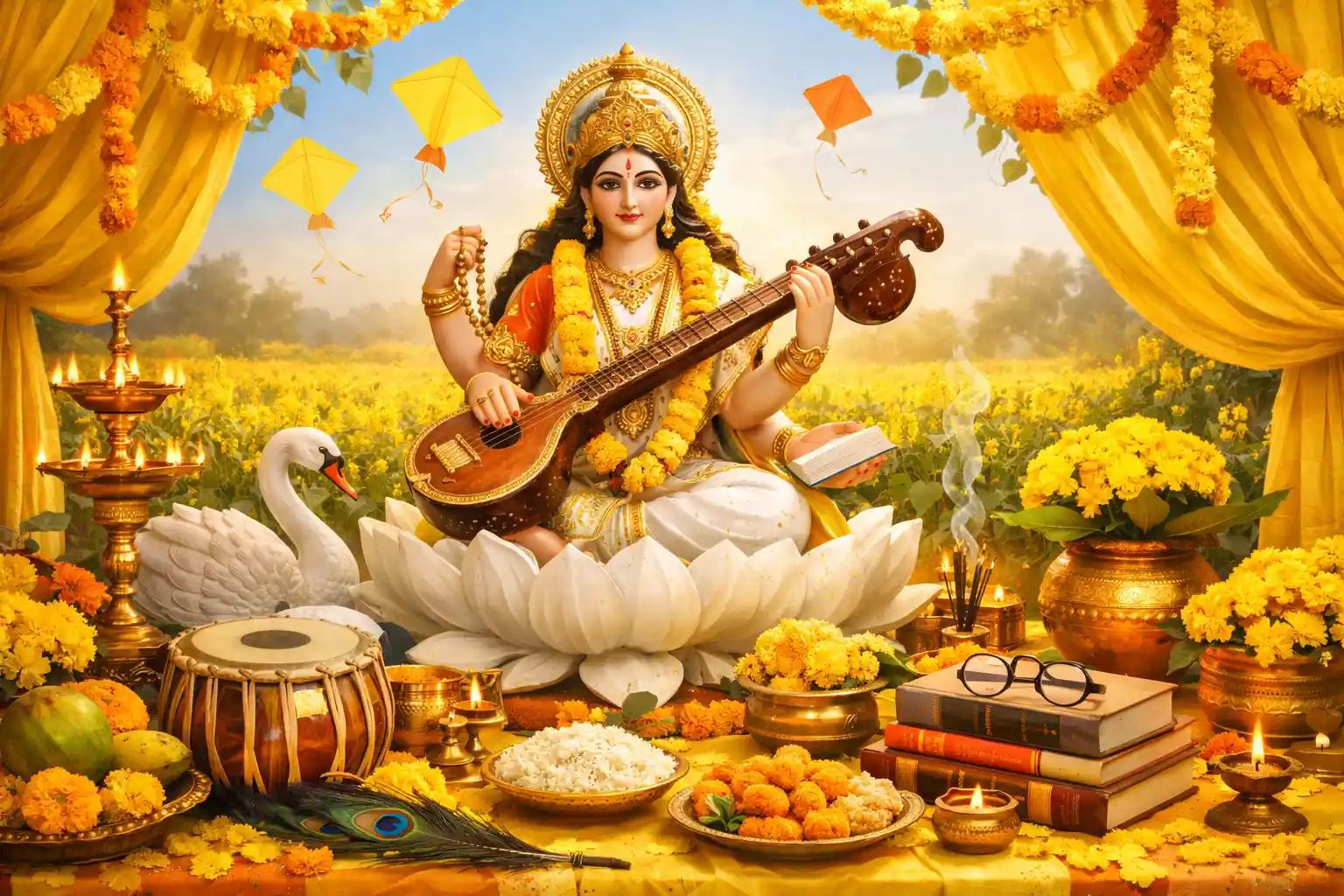
Vasant Panchami heralds the arrival of spring and is dedicated to Goddess Saraswati, the deity of wisdom, learning, music, and speech. The color yellow dominates the festival, symbolizing energy, clarity, and prosperity.
It is considered one of the most auspicious days to begin education, music lessons, writing, and creative pursuits. Students, artists, and scholars seek divine blessings for intellectual growth and clarity of thought.
Maha Shivratri – The Night of Divine Consciousness
Month: February
Maha Shivratri is one of the most sacred nights dedicated to Lord Shiva. It represents the union of Shiva and Shakti and the transcendence of material existence. Devotees observe fasting, chant mantras, and remain awake all night in meditation and prayer.
Spiritually, Maha Shivratri signifies overcoming ego, ignorance, and attachment. Worshipping Shiva on this night is believed to grant inner peace, spiritual awakening, and liberation from past karmas.
Holi – Festival of Colors and Divine Love
Month: March
Holi celebrates the victory of good over evil and the arrival of spring. The festival begins with Holika Dahan, symbolizing the burning of negativity, arrogance, and evil intentions.
The following day, people celebrate Holi with colors, music, and joy. Spiritually, Holi represents unity, forgiveness, and divine love, especially associated with the playful leelas of Lord Krishna and Radha.
Chaitra Navratri & Ram Navami – Birth of Dharma
Month: March–April
Chaitra Navratri marks the beginning of the Hindu lunar year and honors the nine forms of Goddess Durga. Each day is dedicated to a different manifestation of Shakti, symbolizing strength, wisdom, and protection.
Ram Navami, celebrated on the ninth day, commemorates the birth of Lord Rama, the embodiment of righteousness and moral values. Together, these festivals inspire devotion, discipline, and renewal of spiritual resolve.
Hanuman Jayanti – Power of Devotion and Strength
Month: April
Hanuman Jayanti celebrates the birth of Lord Hanuman, the symbol of devotion, courage, and selfless service. Devotees recite Hanuman Chalisa, observe fasting, and seek protection from negative energies.
The festival teaches humility, loyalty, and unwavering faith. Hanuman Jayanti is especially significant for those seeking inner strength and freedom from fear.
Akshaya Tritiya – Day of Eternal Prosperity
Month: April–May
Akshaya Tritiya is considered one of the most auspicious days in the Hindu calendar. The word Akshaya means “never diminishing,” signifying eternal growth and success.
Any good deed performed on this day—charity, marriage, investments, or spiritual practices—is believed to bring lasting benefits. It is widely chosen for weddings, property purchases, and new ventures.
Guru Purnima – Honoring the Spiritual Guide
Month: July
Guru Purnima is dedicated to honoring spiritual teachers (Gurus) who guide disciples from ignorance to enlightenment. The festival emphasizes gratitude, humility, and reverence for knowledge.
Devotees worship their teachers, study scriptures, and renew their commitment to spiritual learning. Guru Purnima highlights the importance of guidance in one’s spiritual journey.
Jagannath Rath Yatra symbolizes devotion and inclusiveness through public worship.
Raksha Bandhan – Sacred Bond of Protection
Month: August
Raksha Bandhan celebrates the bond between brothers and sisters. Sisters tie a sacred thread (rakhi) on their brothers’ wrists, praying for their well-being, while brothers vow to protect them.
Beyond family ties, Raksha Bandhan symbolizes duty, trust, and mutual respect, reflecting the broader Hindu value of responsibility toward loved ones.
Krishna Janmashtami – Birth of Divine Love
Month: August
Krishna Janmashtami marks the birth of Lord Krishna, the embodiment of love, wisdom, and divine play. Devotees fast until midnight, sing bhajans, and reenact Krishna’s childhood stories.
The festival teaches detachment, devotion, and the importance of righteous action without attachment to results, as described in the Bhagavad Gita.
Ganesh Chaturthi – Removal of Obstacles
Month: September
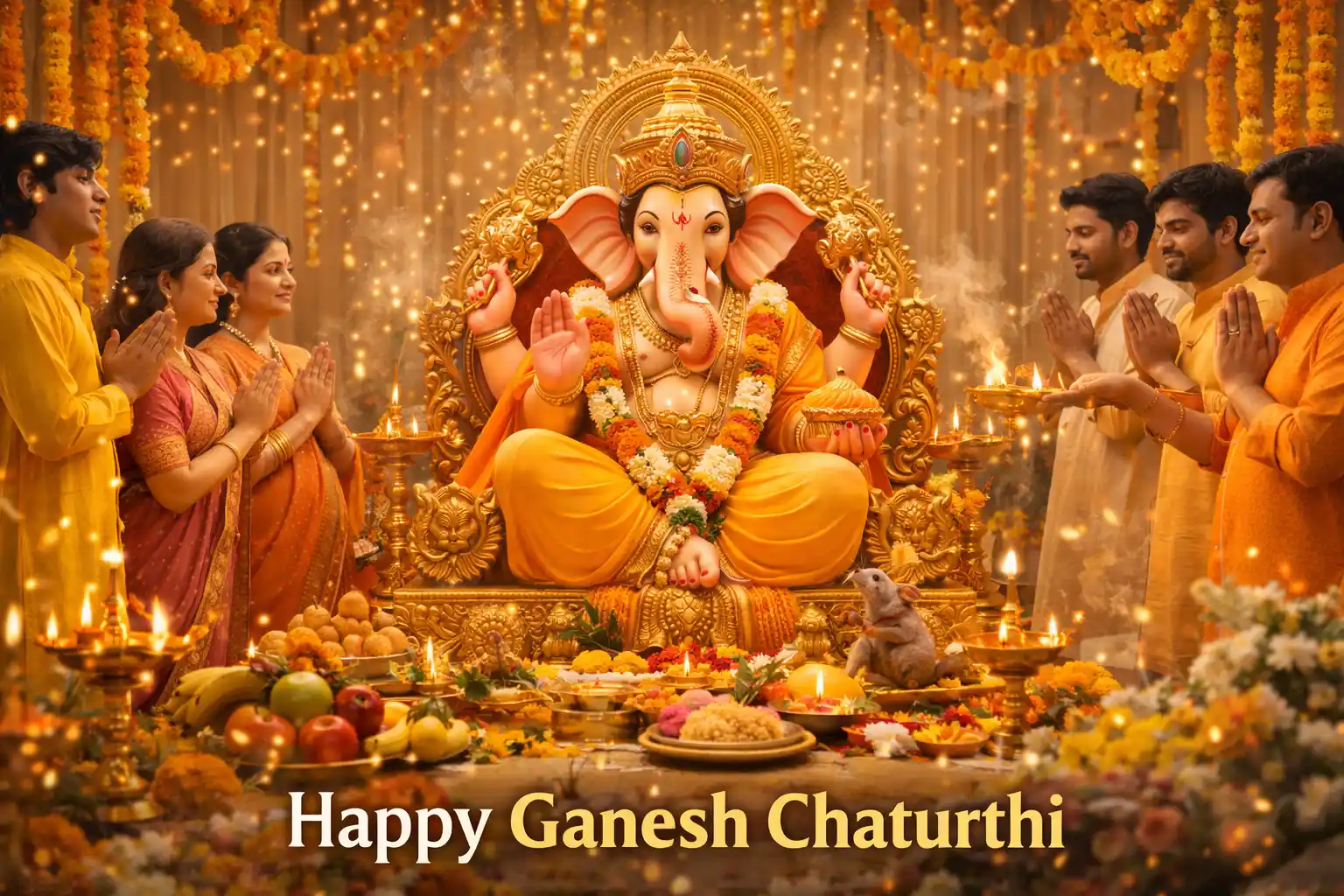
Ganesh Chaturthi celebrates the arrival of Lord Ganesha, the remover of obstacles and the god of wisdom and beginnings. Homes and public spaces install Ganesha idols, followed by prayers and cultural celebrations.
The festival emphasizes humility, wisdom, and the removal of internal obstacles like ego and ignorance.
Sharad Navratri & Dussehra – Victory of Righteousness
Month: September–October
Sharad Navratri honors the divine feminine power through nine nights of worship, fasting, and devotion. It culminates in Dussehra, which celebrates the victory of good over evil, symbolized by Lord Rama’s triumph over Ravana.
These festivals reinforce moral values, courage, and the destruction of negative traits.
Diwali – Festival of Lights and Inner Awakening
Month: November
Diwali symbolizes the victory of light over darkness and knowledge over ignorance. Homes are illuminated, prayers are offered to Goddess Lakshmi, and families come together in joy.
Spiritually, Diwali represents inner cleansing, renewal of intentions, and awakening of divine consciousness within.
Gita Jayanti – Birth of Eternal Wisdom
Month: December
Gita Jayanti commemorates the day when Lord Krishna revealed the Bhagavad Gita to Arjuna. It celebrates timeless wisdom, duty, devotion, and self-realization.
Devotees read and reflect on the Gita’s teachings, applying its principle
Shubh Muhurat 2026 – Why Timing Shapes Destiny
In Hindu belief, even the best effort fails if timing is wrong. Shubh Muhurat ensures planetary harmony for success.
Marriage Muhurat 2026 (Expanded Insight)
Marriage aligns two destinies; hence Jupiter (wisdom) and Venus (love) must be favorable. Avoidance of Chaturmas is rooted in tradition, as Vishnu is believed to be in cosmic rest.
Auspicious months:
- January
- February
- April
- May
- November
- December
Avoid weddings during:
- Chaturmas (July–October)
- Adhik Maas
- Solar and lunar eclipses
Griha Pravesh Muhurat – Energetic Foundation
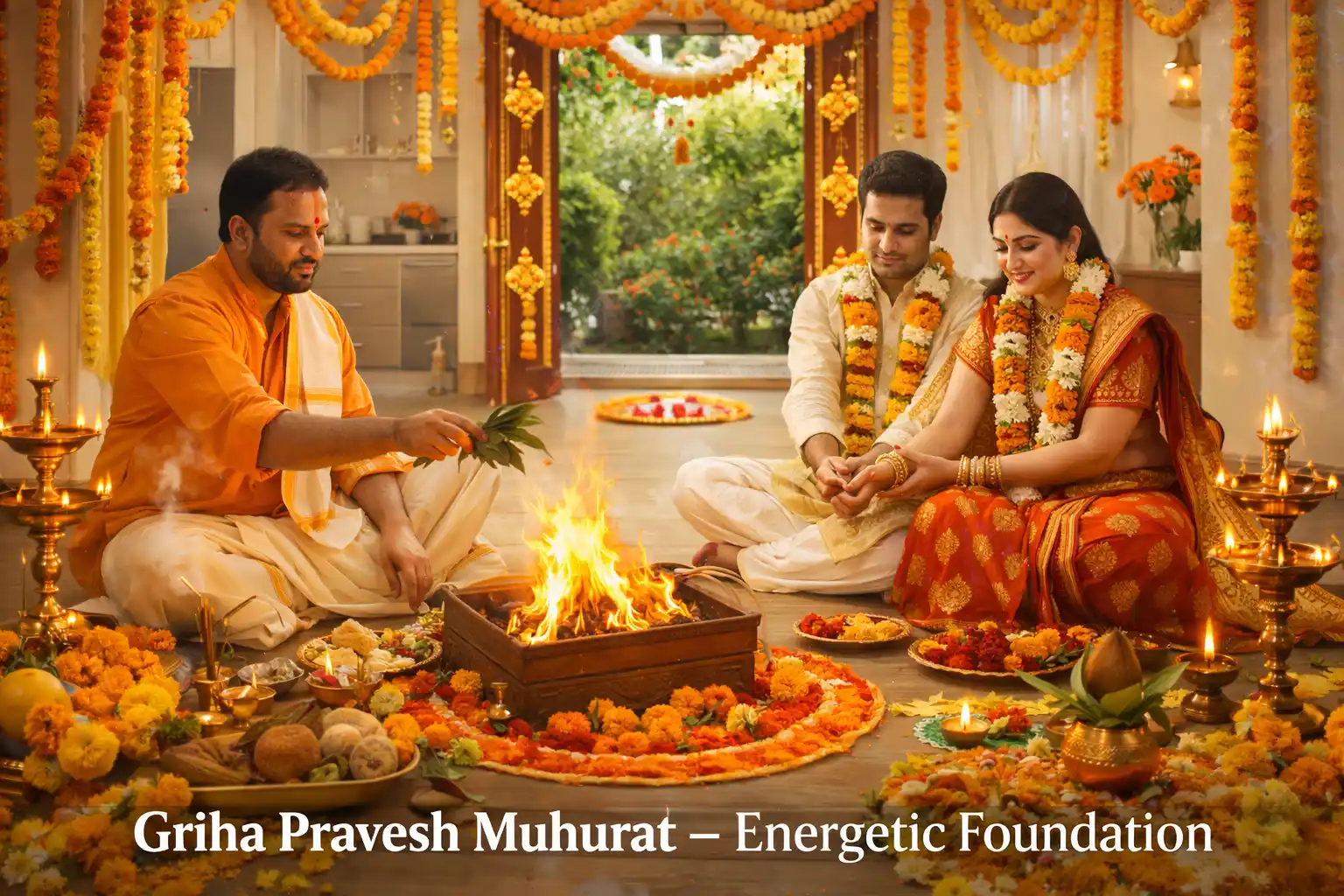
A properly timed Griha Pravesh invites Lakshmi (prosperity) and Vastu harmony, ensuring peace and stability in the household.
Best months for house-warming ceremonies:
- February
- April
- May
- November
A proper Griha Pravesh is believed to bring prosperity, peace, and protection to the household.
Business & Wealth Muhurat
Initiating ventures during auspicious planetary combinations is believed to remove unseen obstacles and attract sustainable success.
Highly auspicious days include:
- Akshaya Tritiya
- Dhanteras
- Pushya Nakshatra days
- Wednesdays and Fridays
Important Hindu Vrat Dates 2026 (Month-Wise)
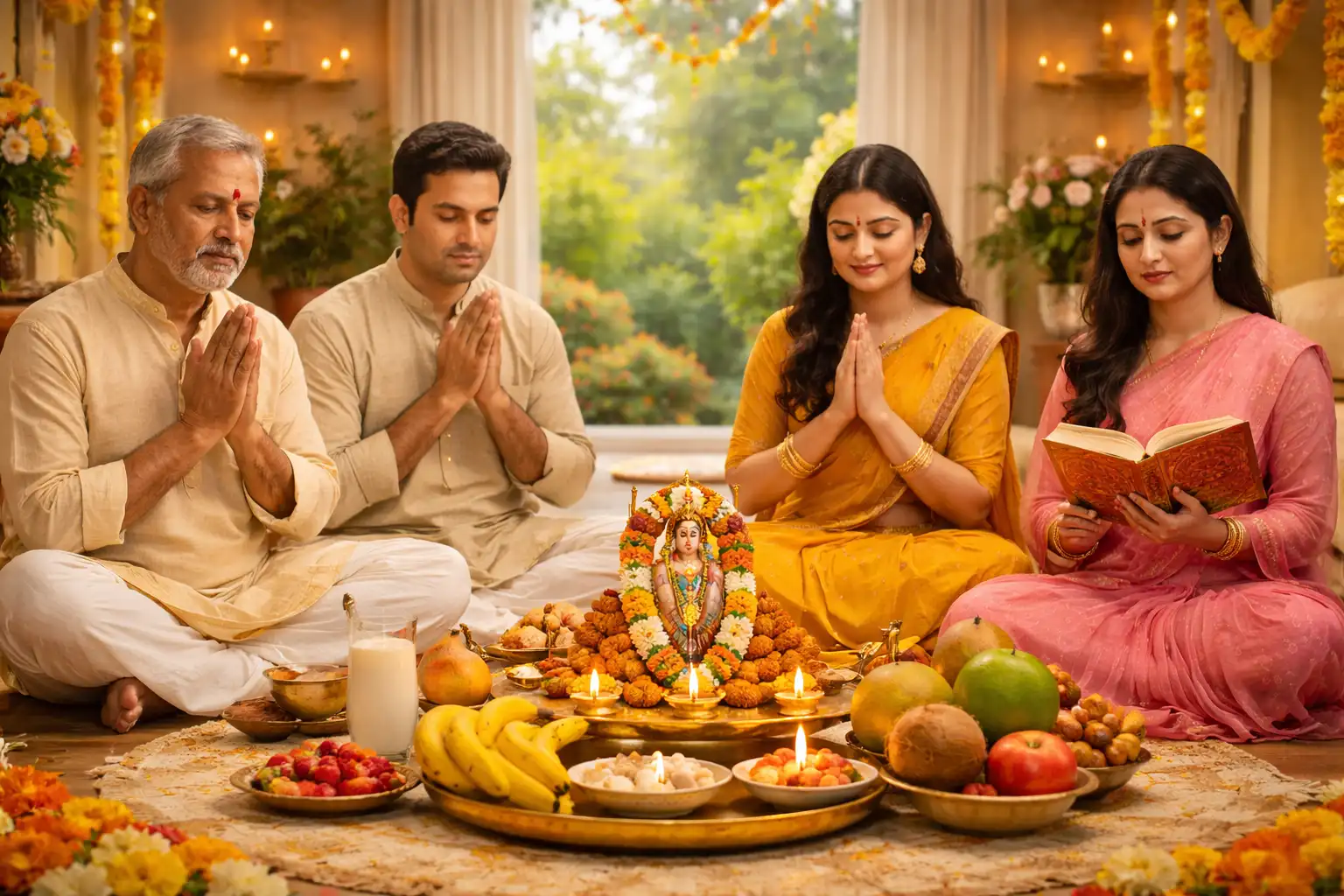
January 2026 – Auspicious Beginnings
- Saphala Ekadashi – 10 January
- Putrada Ekadashi – 25 January
- Pradosh Vrat – 12 January & 27 January
February 2026 – Devotion and Discipline
- Jaya Ekadashi – 8 February
- Pradosh Vrat – 11 February & 25 February
- Maha Shivratri Vrat – 15 February
March 2026 – Spiritual Renewal
- Amalaki Ekadashi – 10 March
- Papmochani Ekadashi – 25 March
- Pradosh Vrat – 11 March & 27 March
- Chaitra Navratri Vrat Begins – 19 March
April 2026 – Strength and Purity
- Kamada Ekadashi – 8 April
- Varuthini Ekadashi – 23 April
- Pradosh Vrat – 9 April & 24 April
- Hanuman Jayanti Vrat – 4 Apri
May 2026 – Prosperity and Faith
- Mohini Ekadashi – 7 May
- Apara Ekadashi – 22 May
- Pradosh Vrat – 8 May & 23 May
- Vat Savitri Vrat – 15 May
June 2026 – Austerity and Control
- Nirjala Ekadashi – 25 June (most powerful Ekadashi)
- Yogini Ekadashi – 10 June
- Pradosh Vrat – 11 June & 26 June
July 2026 – Guru and Vishnu Devotion
- Devshayani Ekadashi – 10 July
- Kamika Ekadashi – 24 July
- Pradosh Vrat – 12 July & 27 July
- Guru Purnima Vrat – 1 July
August 2026 – Sacred Bonds
- Shravana Putrada Ekadashi – 8 August
- Aja Ekadashi – 22 August
- Pradosh Vrat – 9 August & 23 August
- Krishna Janmashtami Vrat – 11 August
September 2026 – Obstacle Removal
- Parsva Ekadashi – 6 September
- Indira Ekadashi – 21 September
- Pradosh Vrat – 7 September & 22 September
- Ganesh Sankashti Chaturthi – Monthly (date varies)
October 2026 – Power and Protection
- Papankusha Ekadashi – 6 October
- Rama Ekadashi – 20 October
- Pradosh Vrat – 7 October & 22 October
- Karva Chauth Vrat – 28 October
November 2026 – Awakening and Prosperity
- Prabodhini Ekadashi – 24 November
- Utpanna Ekadashi – 9 November
- Pradosh Vrat – 10 November & 25 November
- Ahoi Ashtami Vrat – 15 November
December 2026 – Liberation and Wisdom
- Mokshada Ekadashi – 24 December
- Saphala Ekadashi – 9 December
- Pradosh Vrat – 10 December & 26 December
- Gita Jayanti (Mokshada Ekadashi) – 25 Decembe
Commonly Observed Monthly Vrats (All Year)
- Ekadashi Vrat – Twice every lunar month (Lord Vishnu)
- Pradosh Vrat – Twice every month (Lord Shiva)
- Sankashti Chaturthi – Monthly (Lord Ganesha)
- Amavasya & Purnima Vrat – Monthly
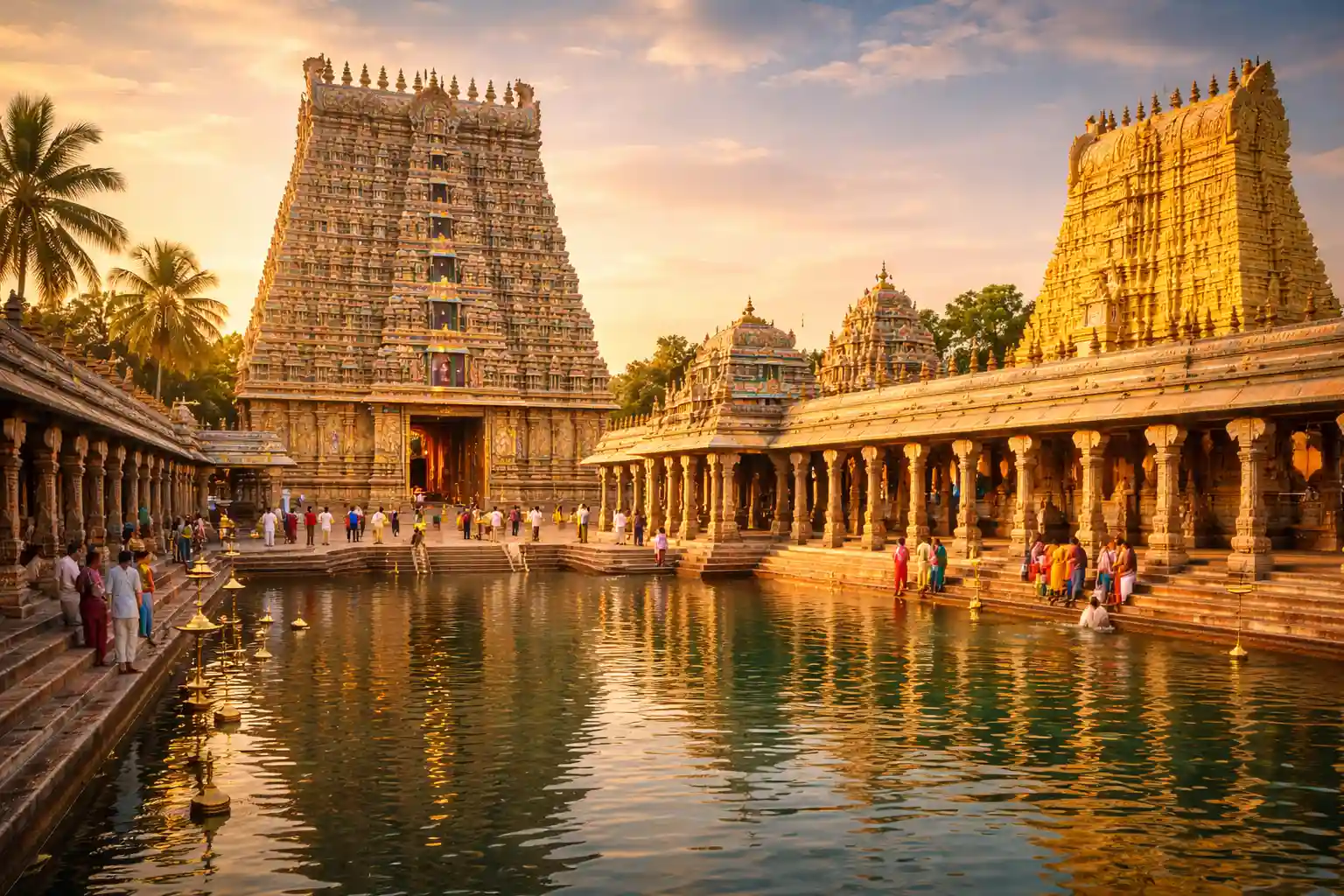
Sacred Hindu temples to Visit in 2026
|
Temple |
Location |
Deity |
Best Time to Visit |
|
Kashi Vishwanath Temple |
Varanasi |
Lord Shiva |
Maha Shivratri |
|
Tirupati Balaji Temple |
Tirumala |
Lord Venkateswara |
Brahmotsavam |
|
Vaishno Devi Temple |
Katra |
Goddess Durga |
Navratri |
|
Somnath Temple |
Gujarat |
Lord Shiva |
Shravan Month |
|
Rameshwaram Temple |
Tamil Nadu |
Lord Shiva |
Maha Shivratri |
|
Jagannath Temple |
Odisha |
Lord Jagannath |
Rath Yatra |
Why Follow the Hindu Calendar in 2026?
- Aligns life with cosmic rhythms
- Helps choose auspicious timings
- Preserves cultural heritage
- Enhances spiritual discipline
- Strengthens family and community bonds
The Hindu calendar is not restrictive—it is liberating, reminding us when to act, when to pause, and when to celebrate.
Conclusion: Living 2026 the Dharmic Way
The Hindu Calendar 2026 is more than a list of dates—it is a sacred roadmap for conscious living. From festivals that ignite joy, vrats that build discipline, Shubh Muhurats that invite prosperity, to temples that awaken devotion, each moment holds divine significance.
As you step into 2026, may your days be aligned with dharma, your actions blessed by time, and your journey illuminated by faith.
Call To Action
Start 2026 with Shubh Muhurat, Vrat & Festival Planning
Welcome the new year with mindful beginnings. Track major Hindu festivals, plan vrat dates, and choose the right shubh muhurat for puja, travel, and family milestones—so your 2026 feels aligned, calm, and purposeful.
- ✔ Festival calendar by month (simple & descriptive)
- ✔ Vrat dates (Ekadashi, Pradosh, Purnima/Amavasya, Sankashti)
- ✔ Shubh Muhurat checklist for new starts
- ✔ Temple visits mapped to peak spiritual seasons
Frequently Asked Questions (FAQs)
1. What is the Hindu Calendar?
The Hindu Calendar is a lunisolar system used to determine festivals, vrats, and auspicious timings based on planetary and lunar movements.
2. Which are the major Hindu festivals in 2026?
Major festivals in 2026 include Makar Sankranti, Maha Shivratri, Holi, Ram Navami, Janmashtami, Ganesh Chaturthi, Navratri, Diwali, and Gita Jayanti.
3. What is Shubh Muhurat?
Shubh Muhurat refers to auspicious timings chosen for important events like marriage, Griha Pravesh, and new beginnings.
4. Which vrats are most important in 2026?
Important vrats include Ekadashi, Pradosh Vrat, Maha Shivratri, Navratri fasting, Karva Chauth, and Nirjala Ekadashi.
5. Can festival and vrat dates vary by location?
Yes, dates may vary by one day depending on regional Panchang systems and local sunrise timings
References
- Drik Panchang – Hindu Panchang, festival dates, vrat details, and Shubh Muhurat calculations based on Vedic astrology and astronomical data.
- Astrology Texts – Brihat Parashara Hora Shastra and traditional Jyotish manuals for Muhurat and planetary interpretations.
Festival dates and vrat observances are based on the North Indian Panchang. Dates may vary slightly depending on location, regional calendar system, and local sunrise timings.