Ganesh Chaturthi is one of the most beloved and widely celebrated Hindu festivals across India and the world. It marks the birth of Lord Ganesha, the elephant-headed remover of obstacles, the harbinger of wisdom, and the giver of prosperity. Among the many rituals performed during this auspicious festival, one of the most significant is the Ganesh Aarti.
This article will take you on a deep dive into Ganesh Chaturthi Aarti — its lyrics in English, their meaning, the significance of performing Aarti, rituals associated with it, and best practices to follow to maximize your devotion and spiritual benefit.
By the end, you’ll not only understand the beauty of the Aarti but also learn how to perform it in your own home with devotion and reverence.
Introduction to Ganesh Chaturthi Aarti
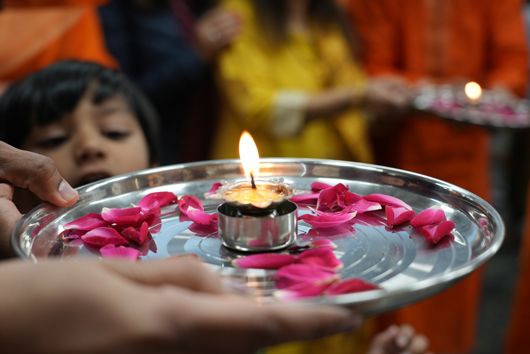
The word Aarti comes from the Sanskrit term Aratrika, which means “to remove darkness.” It is a devotional song sung in praise of a deity, accompanied by the waving of a lamp (deepam) in front of the idol. The flame symbolizes the removal of ignorance (darkness) and the illumination of wisdom (light).
During Ganesh Chaturthi, families and communities across India gather to perform the Ganesh Aarti daily, often twice a day — once in the morning and once in the evening. The rhythmic clapping, chanting, and offering of light create an atmosphere of pure devotion and joy.
Ganesh Aarti is not just ritualistic; it is also deeply symbolic, bringing together family, community, and the individual soul in communion with the Divine.
The Importance of Ganesh Aarti
Why is the Aarti such a central part of Ganesh Chaturthi celebrations?
- Expression of Gratitude: Aarti is an act of offering thanks to Lord Ganesha for his blessings of wisdom, success, and protection from obstacles.
- Purification of Environment: The fire, camphor, and incense used in the ritual purify the atmosphere and uplift spiritual energy.
- Collective Devotion: When sung in a group, the vibrations of the Aarti create a powerful, collective spiritual experience.
- Spiritual Symbolism: The circular waving of the lamp represents the cyclical nature of life — birth, sustenance, and dissolution. It acknowledges the eternal presence of God in all.
Popular Ganesh Chaturthi Aartis
There are multiple Aartis dedicated to Lord Ganesha, but two are particularly popular during Ganesh Chaturthi:
- Sukhkarta Dukhharta – This is the most widely sung Aarti in Maharashtra and across India during Ganesh Chaturthi.
- Jai Ganesh Deva – Another very popular Aarti, often sung in North India.
Let us now explore these in detail.
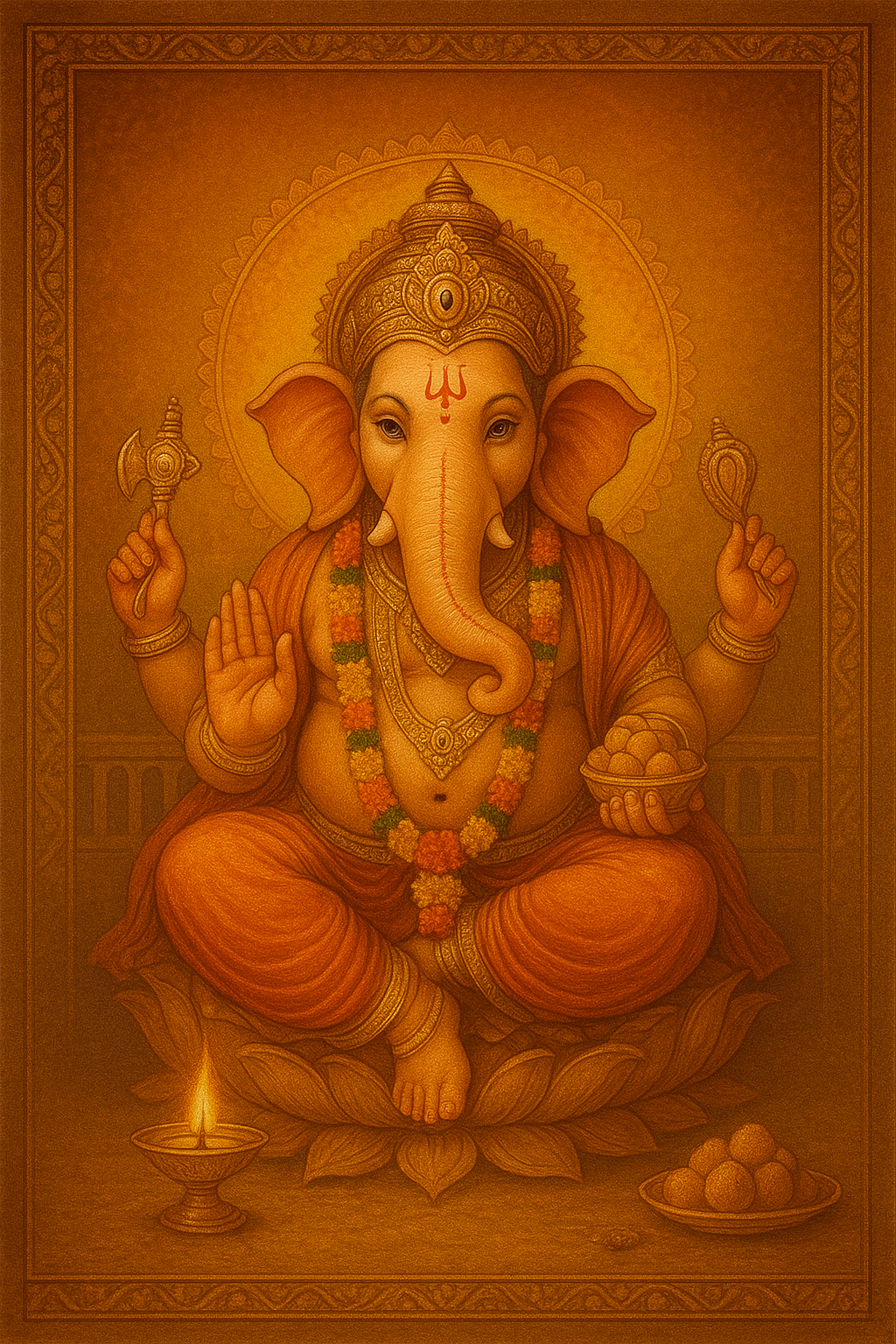
Ganesh Aarti Lyrics in English
1. Sukhkarta Dukhharta Aarti
This Marathi Aarti is one of the most iconic devotional hymns dedicated to Lord Ganesha. Below is the English transliteration of the lyrics:
Sukhkarta Dukhharta Varta Vighnachi
Nurvi Purvi Prem Krupa Jayachi
Sarvangi Sundar Uti Shendurachi
Kanti Jhalke Mal Mukta Phalachi
Jai Deva Jai Deva
Jai Mangalmurti
Darshanamatre Manakamana Purti ||
Ratnakhachit Phara Tuj Gaurikumra
Chandanachi Uti Kumkumkeshara
Hi Phal Paane Rishi Muni Dolyara
Runadheen Atrisa Bhaktichya Para
Jai Deva Jai Deva
Jai Mangalmurti
Darshanamatre Manakamana Purti ||
Andan Udan Mardan Tunuk Tunuk Vaaje
Santh Sahit Baaje Vardana Naache
Tuj Magne Sarvakaari Bhavibhave
Asta Siddhi Hota Purti Sarvahi ||
Jai Deva Jai Deva
Jai Mangalmurti
Darshanamatre Manakamana Purti ||
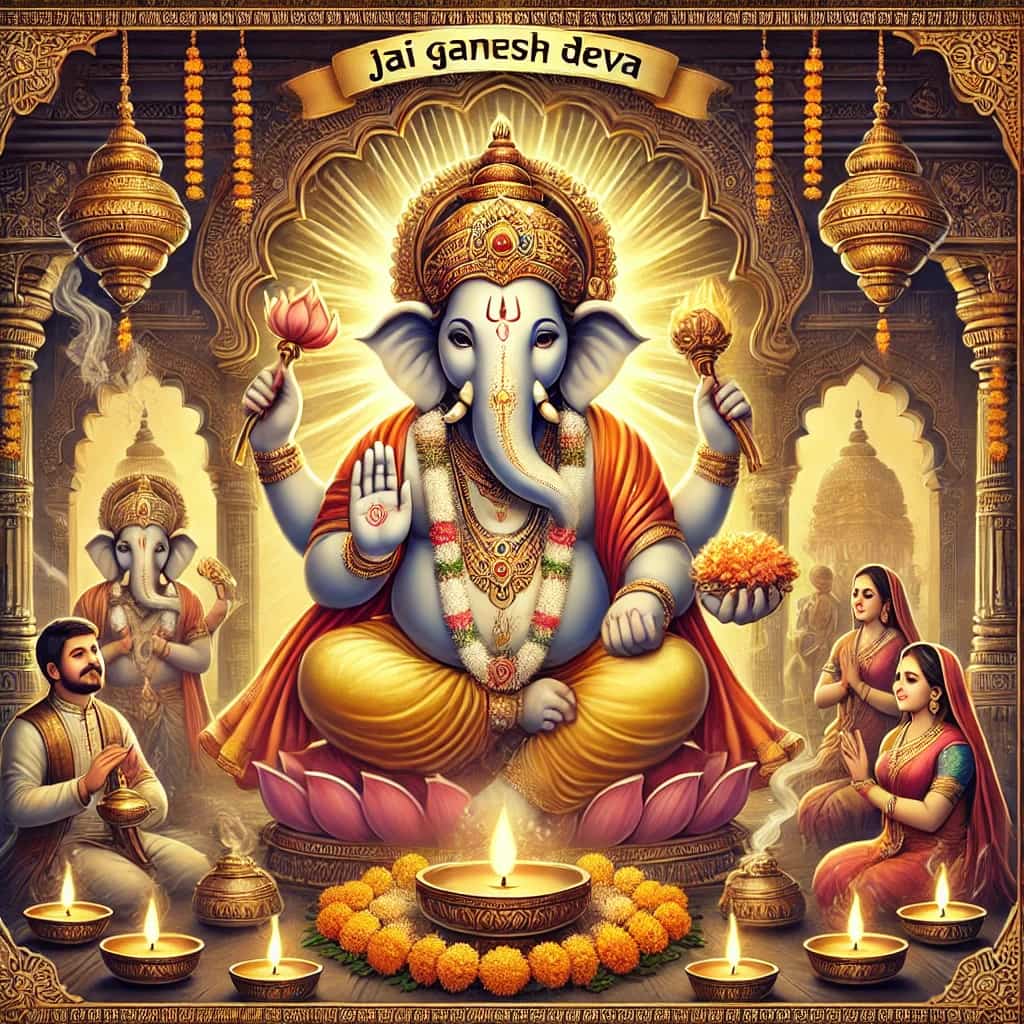
2. Jai Ganesh Deva Aarti
This Aarti is equally popular and is sung in Hindi. Below is the English transliteration of the lyrics:
Jai Ganesh, Jai Ganesh, Jai Ganesh Deva
Mata Jaki Parvati, Pita Mahadeva ||
Ek Dant Dayavant, Char Bhujadhari
Mathe Par Tilak Sohe, Muse Ki Sawari ||
Jai Ganesh, Jai Ganesh, Jai Ganesh Deva
Mata Jaki Parvati, Pita Mahadeva ||
Andan Ko Bhojan, Durva Ko Mala
Sankat Harata Mite, Sab Jiwala ||
Jai Ganesh, Jai Ganesh, Jai Ganesh Deva
Mata Jaki Parvati, Pita Mahadeva ||
Meaning of Ganesh Aarti Lyrics
The lyrics of Ganesh Aartis are filled with symbolic and devotional meaning. Let us break them down:
Meaning of Sukhkarta Dukhharta
- Sukhkarta Dukhharta Varta Vighnachi – Lord Ganesha is described as the remover of sorrows and obstacles, and the bringer of happiness.
- Sarvangi Sundar Uti Shendurachi – His entire form is adorned with bright red vermillion, symbolizing purity and auspiciousness.
- Jai Mangalmurti – He is the embodiment of all that is auspicious. By merely beholding Him, one’s wishes are fulfilled.
Meaning of Jai Ganesh Deva
- Mata Jaki Parvati, Pita Mahadeva – Lord Ganesha is the son of Mother Parvati and Lord Shiva.
- Ek Dant Dayavant, Char Bhujadhari – He is the compassionate one-tusked God with four arms.
- Muse Ki Sawari – His vehicle is the humble mouse, symbolizing humility and wisdom.
- Sankat Harata Mite Sab Jiwala – He removes obstacles and grants relief from difficulties to all devotees.
Rituals of Ganesh Chaturthi Aarti
The Aarti is not just about singing hymns. It is accompanied by sacred rituals that enhance the devotional experience.
Preparations Before Aarti
- Cleanse the Space: Ensure that the space where Lord Ganesha’s idol is placed is clean and pure.
- Decorate the Idol: Use flowers, garlands, and fresh clothes for the idol.
- Light Diyas and Incense: Diyas (lamps) with ghee or oil and incense sticks are lit to purify the environment.
- Offer Naivedya: Prepare offerings such as modaks, fruits, and sweets before starting the Aarti.
Performing the Aarti
- Begin by folding your hands in front of the idol.
- Ring a bell to mark the start of the ritual.
- Light the Aarti lamp (usually with five wicks).
- Sing the chosen Ganesh Aarti while rotating the lamp in a circular motion in front of the deity.
- Accompany with clapping, cymbals, or a small drum (tabla/dholak) to create rhythm.
- End by bowing to Lord Ganesha and distributing prasad to everyone present.
Best Practices for Ganesh Chaturthi Aarti
While devotion is the heart of the ritual, there are some best practices that make the experience more spiritually fulfilling:
- Chant With Bhava (Emotion): Aarti is not a performance. Sing with love and sincerity, even if you don’t know the tune well.
- Consistency: Try to perform Aarti daily during the festival, ideally both morning and evening.
- Family Participation: Encourage all family members, especially children, to participate. It strengthens family bonding.
- Use Natural Offerings: Offer fresh flowers, fruits, and homemade sweets rather than artificial items.
- Avoid Distractions: Switch off phones and create a peaceful atmosphere during the Aarti.
- Eco-friendly Celebrations: If using idols, prefer clay idols that dissolve easily in water to avoid harming the environment.
- Cleanliness and Purity: Keep your altar clean and maintain a pure state of mind and body before the ritual.
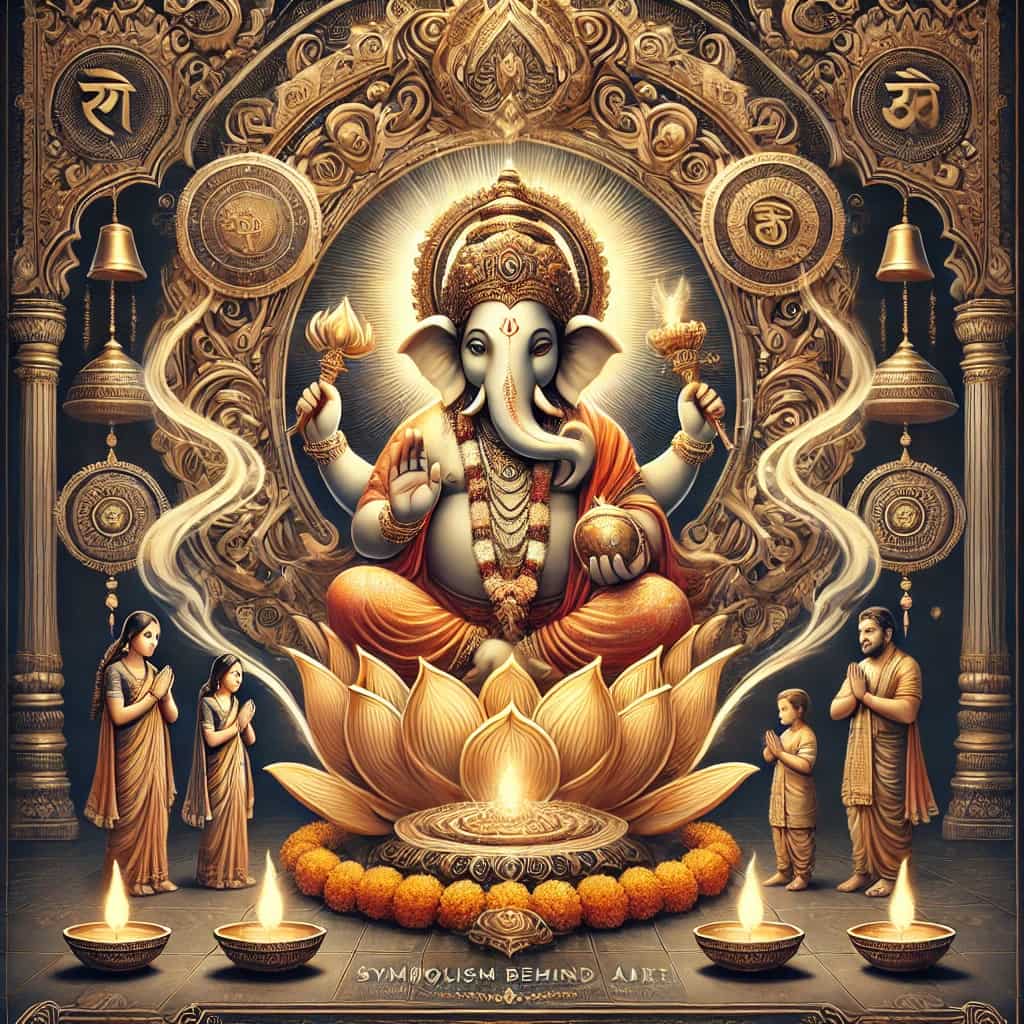
Symbolism Behind Ganesh Aarti
Every element of the Ganesh Aarti carries deep symbolic meaning:
- Lamp (Deepam): Symbol of divine knowledge and illumination of the soul.
- Clapping: Represents surrendering ego and creating energy vibrations.
- Circular Motion of Aarti: Represents the endless cycle of birth and rebirth, with God at the center.
- Camphor Flame: Symbolizes the burning of ego and material desires, leaving behind only purity.
- Prasad Distribution: Symbol of equality and sharing of divine blessings with all.
Psychological and Spiritual Benefits
Performing Ganesh Aarti is not only a religious act but also has profound psychological benefits:
- Reduces Stress: The rhythmic singing, clapping, and use of music have a calming effect on the mind.
- Increases Focus: Chanting devotional songs improves concentration and mindfulness.
- Creates Positivity: The atmosphere during Aarti is charged with positive vibrations that uplift mood and energy.
- Strengthens Faith: Regular rituals deepen one’s spiritual connection and bring inner peace.
Ganesh Aarti in Different Regions of India
While the essence of Ganesh Aarti remains the same, different regions have unique cultural flavors:
- Maharashtra: Sukhkarta Dukhharta is the most beloved Aarti, sung in nearly every household and pandal.
- North India: Jai Ganesh Deva is the most popular choice, often accompanied by devotional dances.
- South India: Devotees chant Vedic mantras and sing Tamil and Kannada hymns like “Gajananam Bhoota Ganadi Sevitam.”
- West Bengal: Though primarily associated with Durga Puja, many Bengali households perform Ganesh Aarti as well.
Tips for Singing Aarti if You’re a Beginner
- Start with Simple Aartis: Begin with “Jai Ganesh Deva” as its tune is easier to learn.
- Use Audio/Video Aids: Listen to recordings to get the rhythm before attempting it live.
- Practice with Lyrics: Keep printed lyrics in front of you to avoid stumbling.
- Sing Slowly: Focus on the devotion rather than speed or volume.
- Join Group Aartis: Participating in a group will help you gain confidence.
Ganesh Aarti and Modern Celebrations
With changing lifestyles, many devotees also perform Aarti virtually, joining online sessions or family video calls. Digital platforms stream Ganesh Aarti live from temples, enabling devotees around the world to participate.
Modern adaptations include eco-friendly idols, digital Aarti books, and even LED lamps instead of traditional oil diyas (though purists prefer the traditional approach). The essence, however, remains the same — devotion to Lord Ganesha.
Conclusion
The Ganesh Chaturthi Aarti is not merely a ritual but a heartfelt offering to Lord Ganesha — the remover of obstacles and the giver of joy. Singing the Aarti connects devotees to divine energy, unites families, and fills homes with positivity.
By understanding the lyrics in English, their meanings, the rituals, and best practices, we can perform this sacred act with deeper awareness and devotion. Whether you are a lifelong devotee or a beginner looking to participate in this beautiful tradition, the Ganesh Aarti offers a spiritual experience that brings light, peace, and prosperity into your life.
🌸 Call to Action
As you celebrate Ganesh Chaturthi, make the Aarti a centerpiece of your devotion. Whether you chant Sukhkarta Dukhharta or Jai Ganesh Deva, let each word carry your love for Lord Ganesha. Share this Aarti with your family and friends and let the divine vibrations spread far and wide.
🛕 Celebrate Ganesh Chaturthi Mahotsav 2025 at Radha Krishna Temple of Dallas
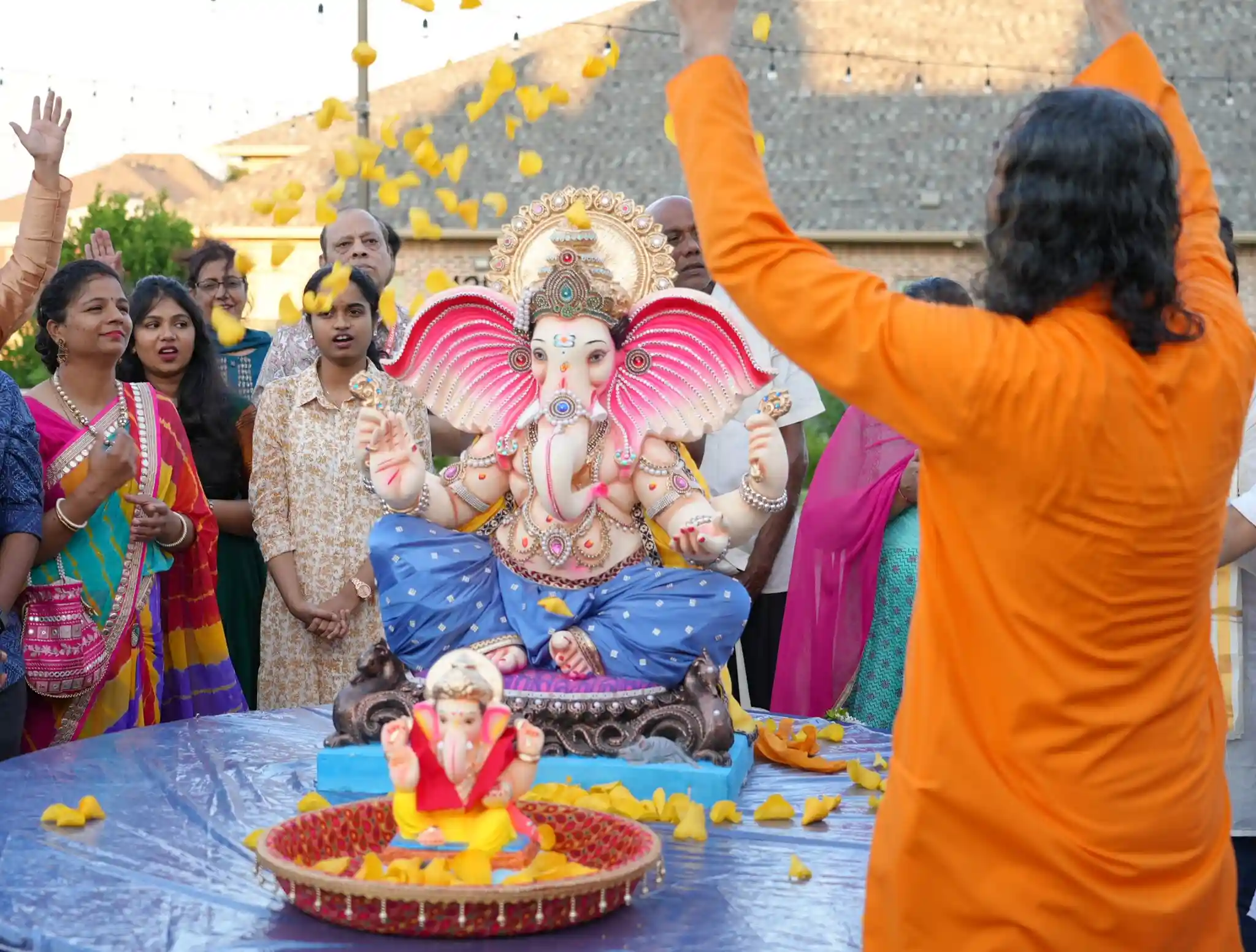
Ganesh Chaturthi Mahotsav 2025
Radha Krishna Temple of Dallas
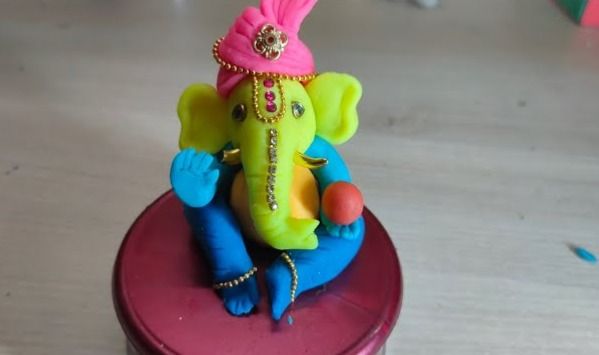
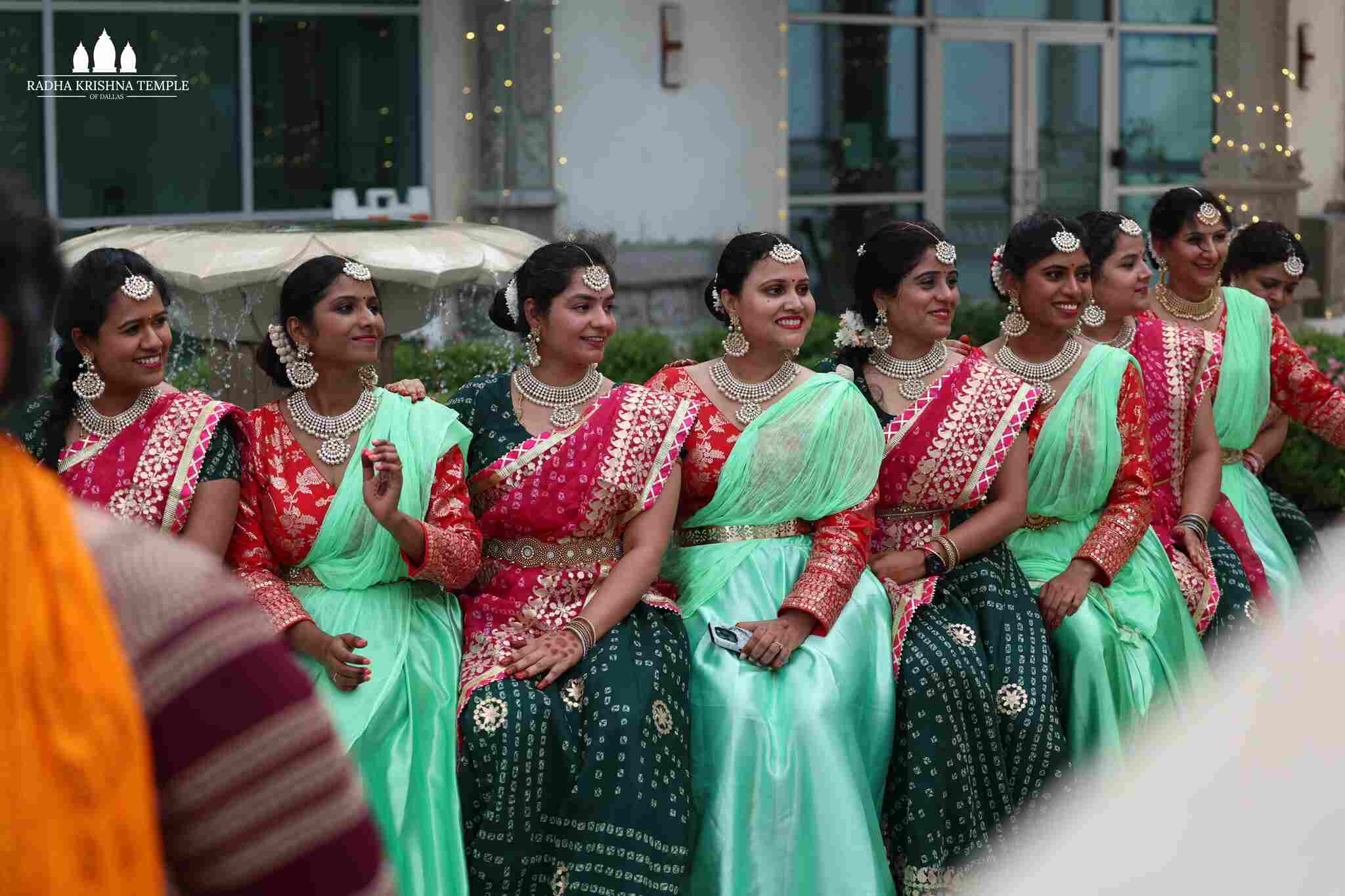
Celebrate the divine presence of Lord Ganesha at the Radha Krishna Temple of Dallas (Allen)! Join us for Ganesh Chaturthi, soul-enriching Kirtans, Aarti, Modak Making, and more!
✨ Event Highlights ✨
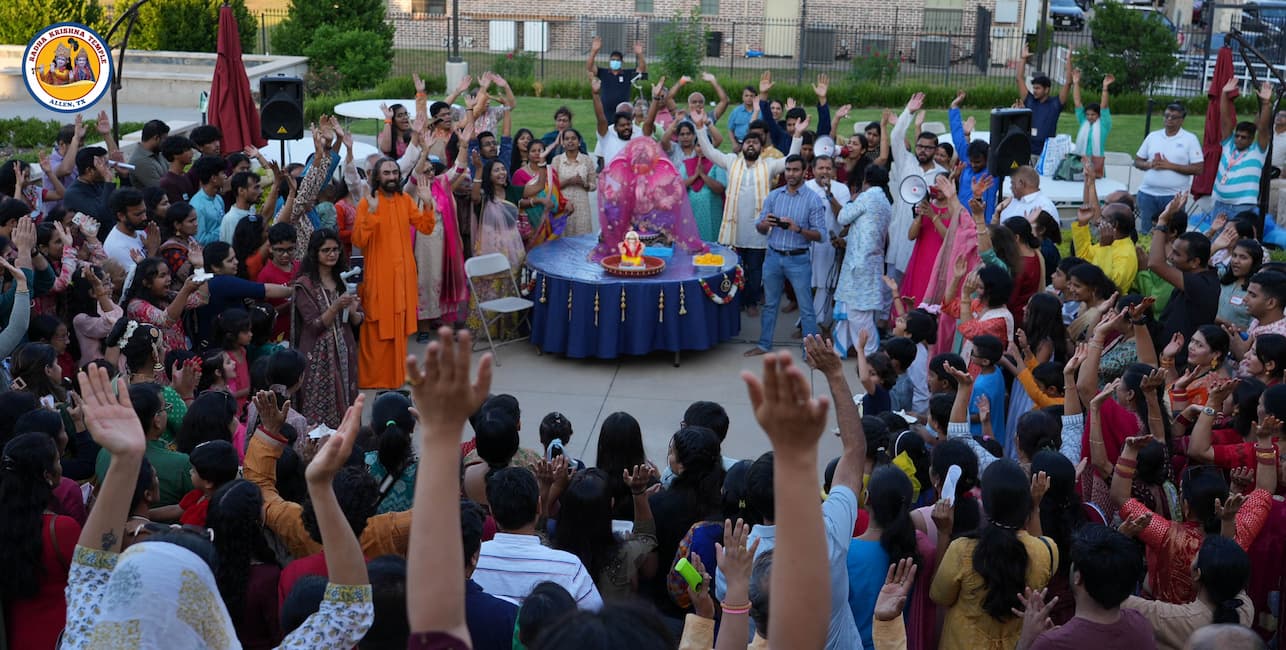
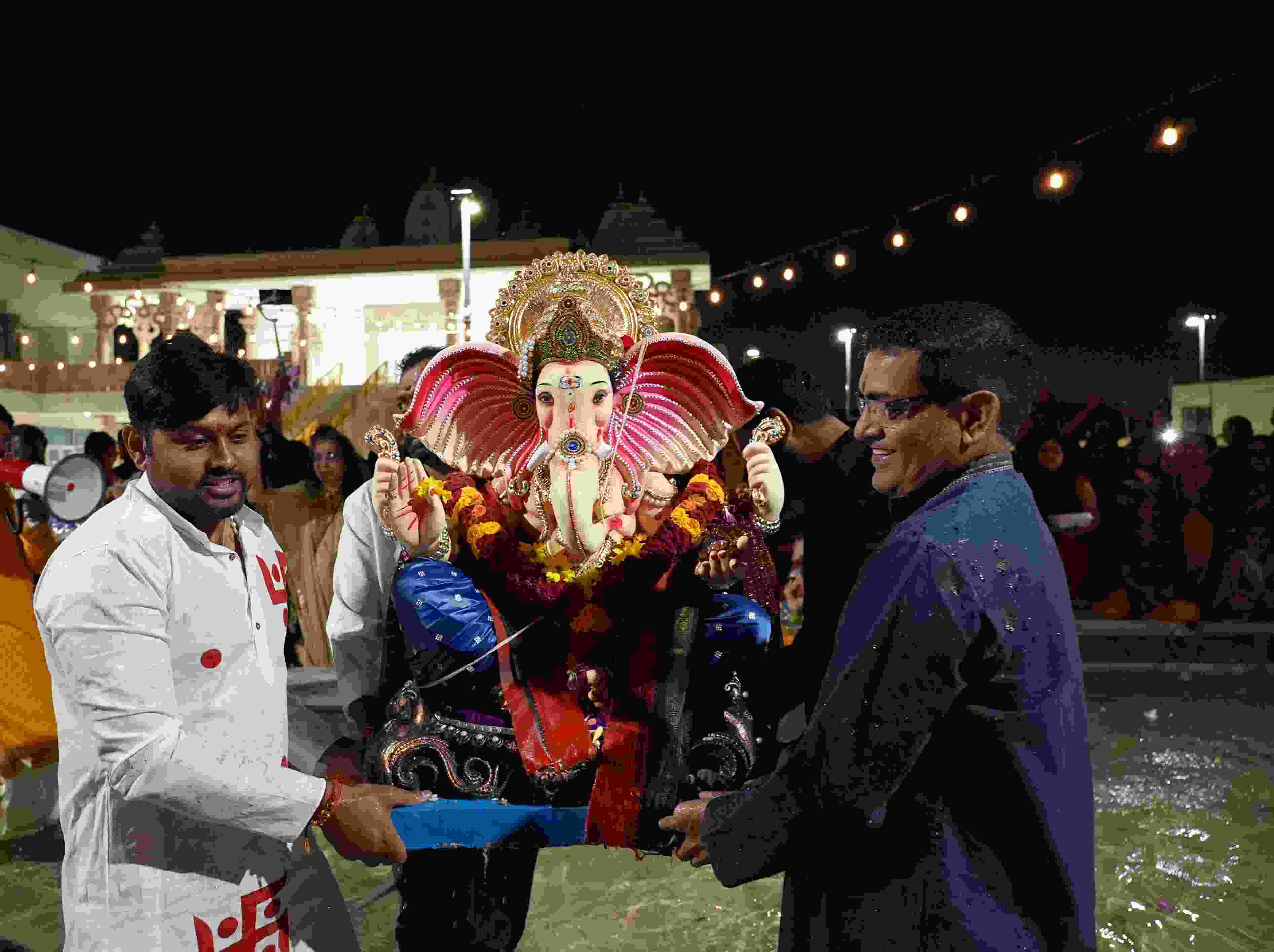
Ganesh Sthaapana & Pooja
Sacred installation and collective worship with powerful Vedic mantras.
Join Us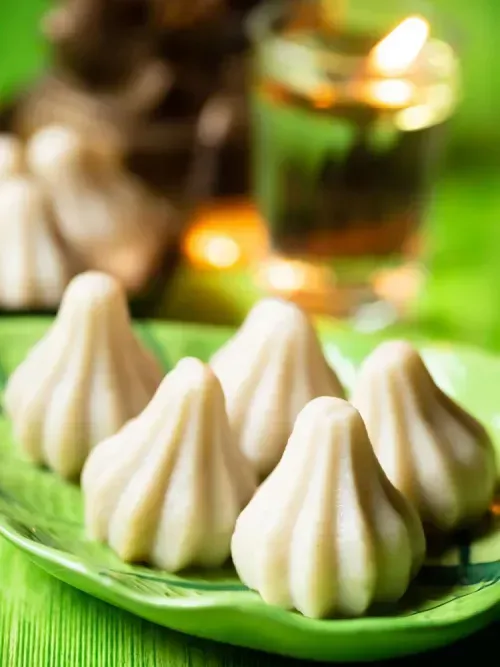
🎁 Sponsorship Opportunities
Support the event by sponsoring Pooja, Mahaprasad, or Grand Offerings. Your contribution helps keep this divine tradition alive!
🪔 Bring flowers, fruits, and prasad • 🙏 Become a Yajman • 🎁 Sponsor a Seva
📚 References
- Bhagavad Gita and Hindu scriptures on symbolism of rituals
- Sri Ganesha: The Auspicious, the Beginning – Swami Sivananda, Divine Life Society
- Ganapati Upanishad (Rigveda) – traditional verses glorifying Lord Ganesha
- Chinmaya Mission: Resources on Ganesh Aarti and festival practices
- ISKCON and BAPS Swaminarayan Mandir publications on Ganesh devotion
- Local traditions and cultural practices from Maharashtra, North India, and South India
❓ FAQs
Q1. When is Ganesh Chaturthi celebrated in 2025?
Ganesh Chaturthi in 2025 will begin on Saturday, August 23, 2025, and end with Ganesh Visarjan on Monday, September 1, 2025.
Q2. Which Aarti is most popular during Ganesh Chaturthi?
The most beloved Aarti is Sukhkarta Dukhharta, widely sung in Maharashtra, while Jai Ganesh Deva is popular in North India.
Q3. Can I perform Ganesh Aarti at home without knowing the tune?
Yes! Devotion matters more than perfection. You can sing slowly with printed lyrics or follow along with recordings.
Q4. What offerings are best for Ganesh Aarti?
Modaks (sweet dumplings), fresh fruits, durva grass, and flowers are considered especially dear to Lord Ganesha.
Q5. Can Ganesh Aarti be performed virtually?
Absolutely. Many devotees join online group Aartis or stream live temple Aartis, especially when distance prevents in-person gatherings.
Q6. Why is camphor used in Aarti?
Camphor symbolizes burning away the ego and material desires, leaving behind only purity and devotion to God.