Here’s a table summarizing the festivals in February 2026, their dates, and significance:
|
Date |
Festival |
Significance |
|
February 1 |
Magha Purnima |
Full moon day of Magha month. Devotees take sacred baths in holy rivers, perform charity, and seek purification and spiritual blessings. |
|
February 5 |
Sankashti Chaturthi |
Dedicated to Lord Ganesha. Devotees fast and pray for removal of obstacles and prosperity. |
|
February 13 |
Vijaya Ekadashi |
An Ekadashi dedicated to Lord Vishnu, observed with fasting and devotion to attain spiritual merit and victory over inner vices. |
|
February 15 |
Maha Shivaratri |
One of the most significant festivals dedicated to Lord Shiva. Devotees observe fasts, night-long vigils, offer prayers and seek spiritual awakening. |
|
February 27 |
Amalaki Ekadashi |
Observed with fasting and worship of the sacred amla tree, symbolizing purity and divine blessings from Lord Vishnu. Devotees seek spiritual merit and health. |
|
March 3 |
Holika Dahan |
Ceremony of burning the demoness Holika’s effigy, symbolizing the victory of good over evil and the beginning of the Holi festival. |
|
March 4 |
Holi (Main Celebration) |
The Festival of Colors, celebrating the arrival of spring with joyous gatherings, music, and the throwing of colorful powders. |
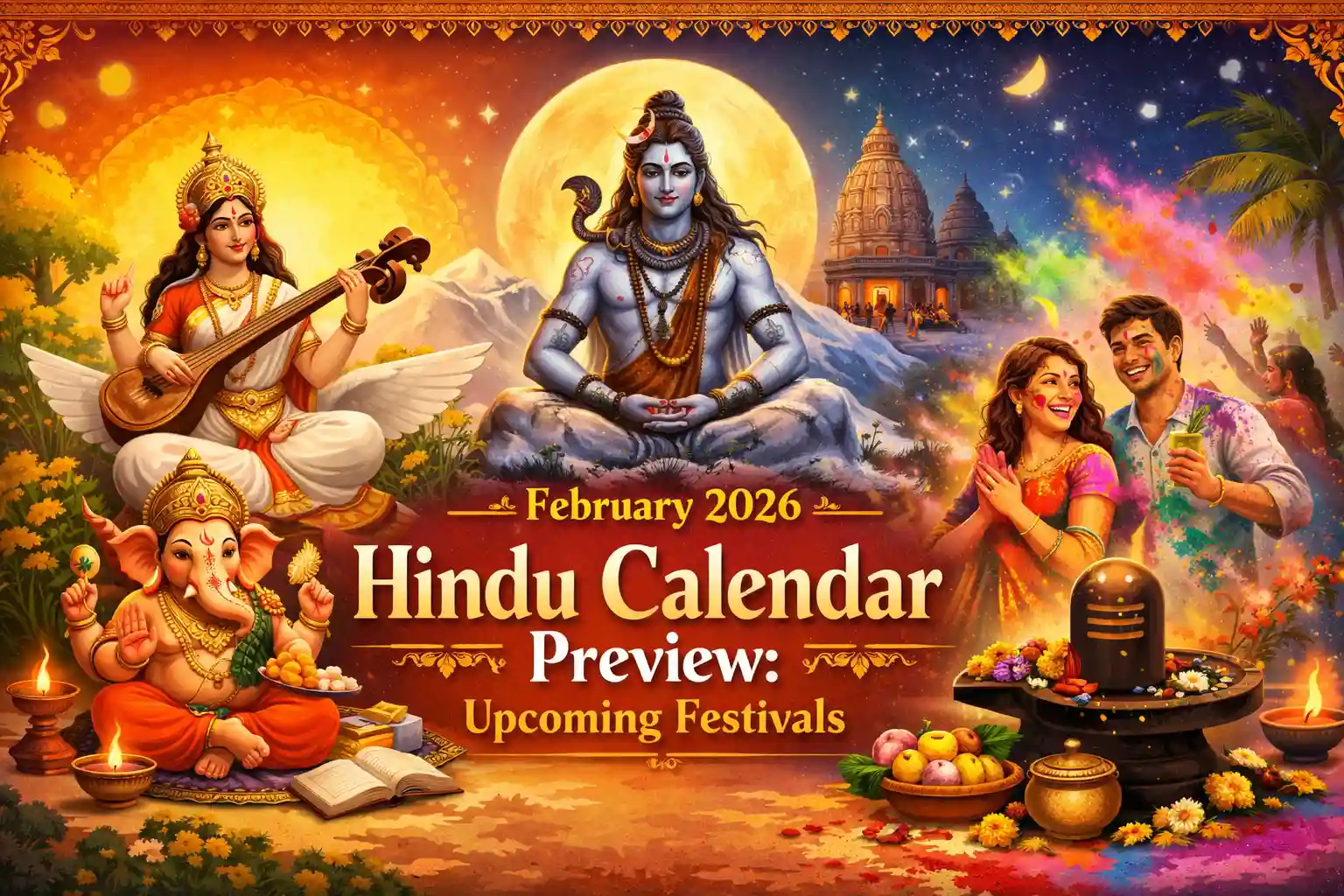
February 2026 is a month that holds immense spiritual significance for Hindus around the world, as it is filled with a diverse array of festivals that offer unique opportunities for personal reflection, devotion, and communal celebration. These festivals are more than just cultural observances; they are moments to reconnect with the divine, rejuvenate one's spirit, and reaffirm the core values of Hinduism. The month begins with the sacred Magha Purnima, a day dedicated to ritualistic baths in holy rivers, especially the Ganges, that purify the soul and body. It sets the tone for the month, as it marks an important time for cleansing, reflection, and renewal.
As we move through the month, we enter the much-awaited Maha Shivaratri, a night of deep spiritual devotion dedicated to Lord Shiva. Known as the "Great Night of Shiva," Maha Shivaratri offers an opportunity for night-long vigils, prayer, fasting, and meditation. It is a time when devotees gather to honor Lord Shiva’s role in the cosmic dance of creation, preservation, and destruction. The festival serves as a reminder of the power of introspection and the journey toward spiritual awakening.
One of the most vibrant and universally anticipated festivals of February is Holi, the Festival of Colors, which symbolizes the arrival of spring and the triumph of good over evil. Celebrated with joyful abandon, Holi is a time for families, friends, and communities to come together and celebrate life, love, and unity. The festival’s playful throwing of colored powders represents not just the colors of spring but also the joy that comes from the defeat of darkness and negativity.
As February continues, Amalaki Ekadashi takes place on February 27th, aday when devotees fast and worship the sacred amla tree (Indian gooseberry), which is believed to be the home of Lord Vishnu. It is a day of spiritual merit, where prayers are offered for health, longevity, and prosperity. The tree itself is seen as a symbol of purity, and its worship is said to bring blessings of wealth and wisdom.
In addition to these well-known festivals, Jaya and Vijaya Ekadashi on February 13th offers another day of spiritual reflection. Ekadashi is always an important day for devotees of Lord Vishnu, as it is a time to fast, chant, and meditate on Vishnu's divine qualities, seeking his blessings for victory over life's challenges and obstacles. Magha Purnima, too, plays an important role in helping individuals cleanse themselves and align with the divine through charitable acts, purification rituals, and reflection.
In this blog, we will delve deeper into each of these festivals, examining their dates, timings, spiritual significance, and how they are celebrated across different regions.
Jaya and Vijaya Ekadashi: A Day of Devotion
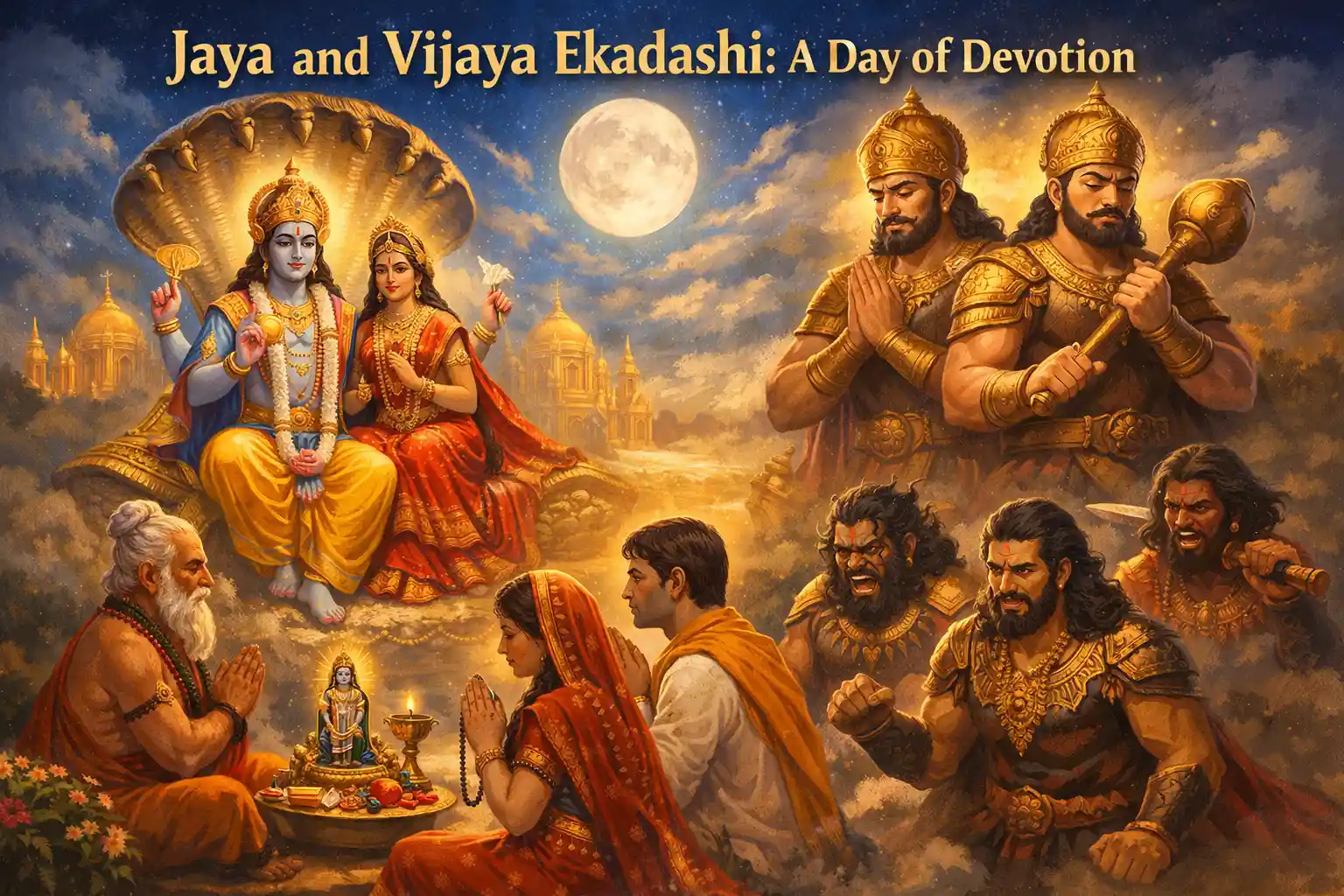
Jaya and Vijaya Ekadashi, which falls on February 13th, is an important fasting day observed by devotees of Lord Vishnu. Ekadashi, which occurs on the eleventh day of the waxing moon in every month, holds special significance as a day to honor Lord Vishnu and his divine presence.
The Ekadashi that falls in February is particularly called Jaya and Vijaya Ekadashi, commemorating the story of the two gatekeepers of Lord Vishnu's heavenly abode, Jaya and Vijaya, who were cursed to be born as demons after blocking the entry of great sages. The day involves fasting, chanting Vishnu's name, and engaging in prayers to earn the divine blessings of Lord Vishnu.
Magha Purnima: A Sacred Bath for Purification
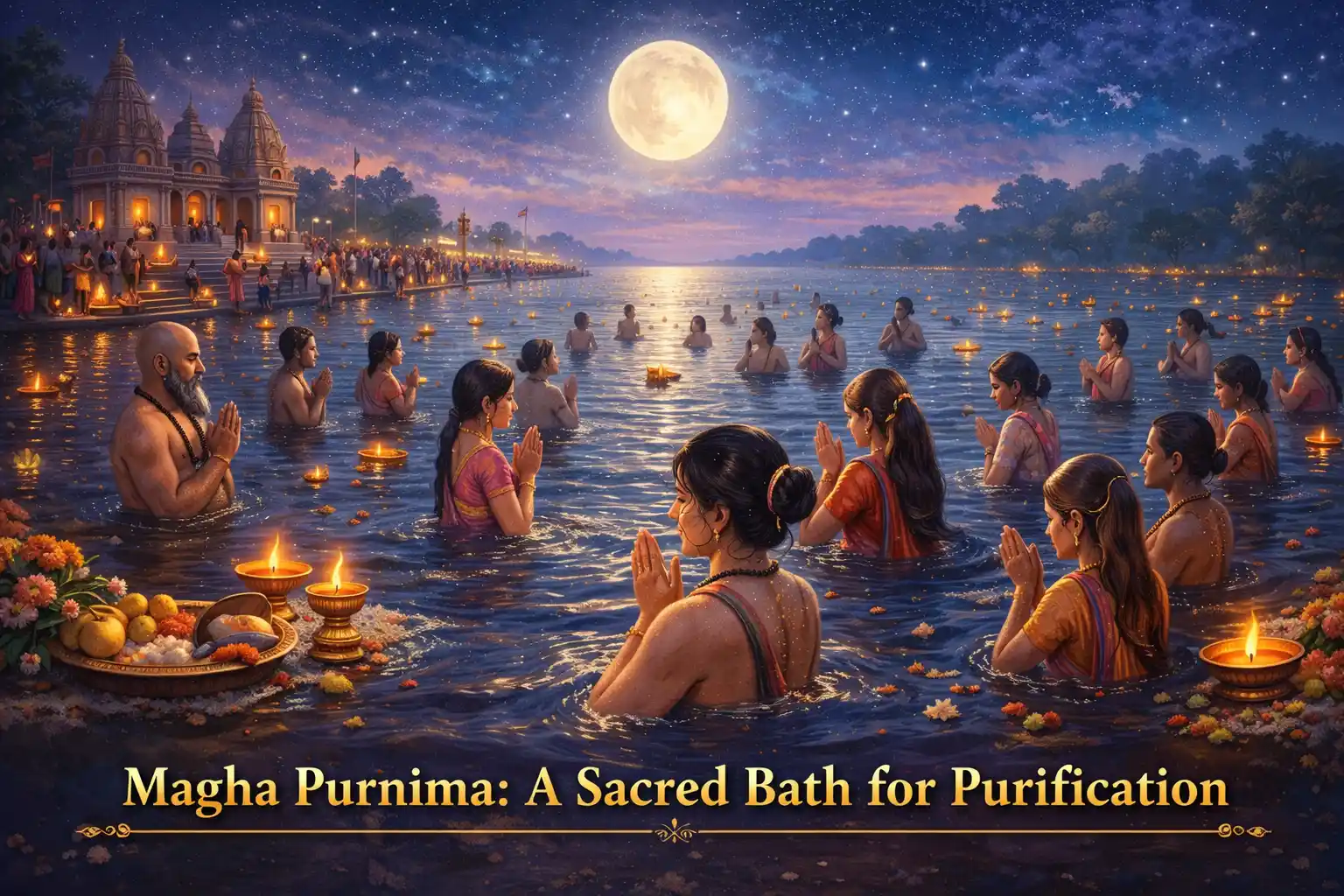
Magha Purnima, which takes place on February 7th, is a significant day in the Hindu calendar when devotees take ritualistic baths in holy rivers, especially the Ganges, to purify themselves of sins. The festival falls on the full moon day of the Magha month, marking the completion of a sacred month of devotion. Many Hindus believe that a dip in the river on this day cleanses the body and soul, and it is a great time to perform charitable acts, seek blessings, and meditate on spiritual matters.
Maha Shivaratri: A Night of Worship and Awakening
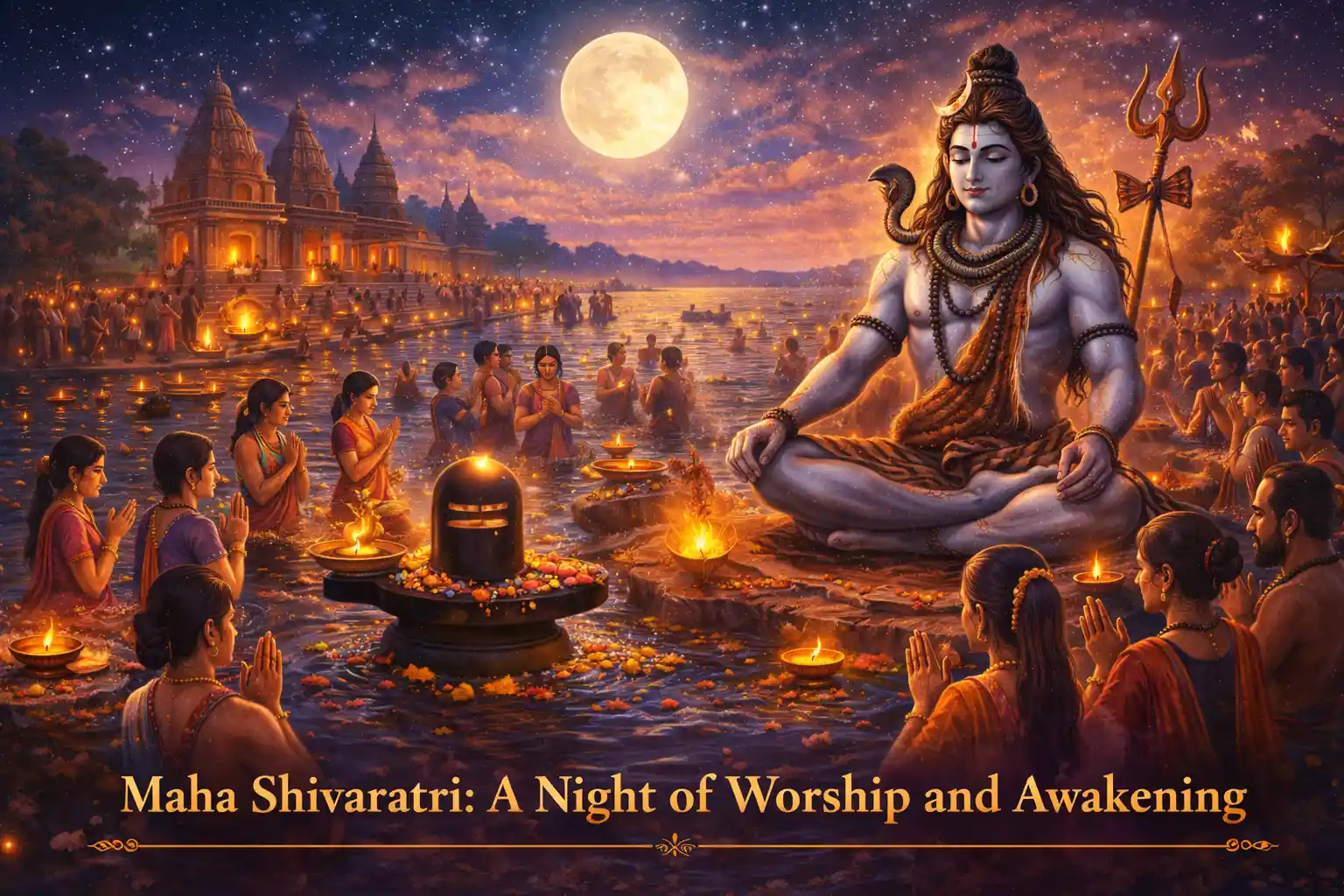
Undoubtedly, one of the most significant events in the Hindu calendar is Maha Shivaratri, which falls on February 17th in 2026. Maha Shivaratri, meaning “the Great Night of Shiva,” is dedicated to Lord Shiva, one of the principal deities of Hinduism. It is a day of fasting, prayer, and night-long vigils, as devotees celebrate and honor Lord Shiva's cosmic dance of creation, preservation, and destruction.
Undoubtedly, one of the most significant events in the Hindu calendar is Maha Shivaratri, which falls on February 17th in 2026. Maha Shivaratri, meaning “the Great Night of Shiva,” is dedicated to Lord Shiva, one of the principal deities of Hinduism. It is a day of fasting, prayer, and night-long vigils, as devotees celebrate and honor Lord Shiva's cosmic dance of creation, preservation, and destruction.
Significance of Maha Shivaratri
Maha Shivaratri is considered a day to seek spiritual awakening and purification. Devotees of Lord Shiva observe a fast and refrain from eating or drinking throughout the day and night. They believe that staying awake and meditating on Shiva’s form, often through chanting mantras like "Om Namah Shivaya," helps cleanse their souls and brings them closer to spiritual enlightenment.
The festival is also associated with the story of Lord Shiva’s marriage to Goddess Parvati, symbolizing the union of the divine masculine and feminine energies. On this day, Shiva is worshiped through offerings of milk, honey, and water poured over the Shiva Lingam, along with prayers for personal and collective well-being.
How Maha Shivaratri is Celebrated
Temples dedicated to Lord Shiva are decorated with flowers and lights, and special prayers and rituals are conducted throughout the night. Many temples also offer special aarti (rituals with lighted lamps) and recitations of sacred texts. Devotees often stay awake throughout the night, chanting mantras and performing religious rituals. It is believed that worshiping Shiva on Maha Shivaratri helps one attain moksha (liberation) and purifies the soul.
Amalaki Ekadashi
Amalaki Ekadashi is a significant fasting day observed by Hindus, typically falling in the months of February or March. Dedicated to Lord Vishnu, this day celebrates the worship of the Amalaki tree, believed to be the earthly manifestation of Lord Vishnu. Devotees fast, offer prayers, and seek blessings for spiritual progress, good health, and prosperity. It is a day of devotion and spiritual reflection, marked by chanting and reciting sacred mantras.
Holika Dahan: The Victory of Good Over Evil
Holika Dahan is a significant ritual that takes place on the eve of Holi, the Festival of Colors. It is a symbolic event that represents the triumph of good over evil. The ritual is rooted in the ancient mythological story of Prahlad and Holika, which carries deep spiritual and moral lessons.
According to the legend, Prahlad, a young devotee of Lord Vishnu, was subjected to severe persecution by his father, the demon king Hiranyakashipu, who forbade him from worshipping Vishnu. Holika, the king’s sister, had a special boon that made her immune to fire. In an attempt to kill Prahlad, Holika tricked him into sitting on her lap while she entered a blazing fire. However, due to Prahlad's unwavering devotion to Vishnu, the flames did not harm him, while Holika, who misused her boon, perished in the fire. This story symbolizes the victory of faith, righteousness, and devotion over the forces of evil.
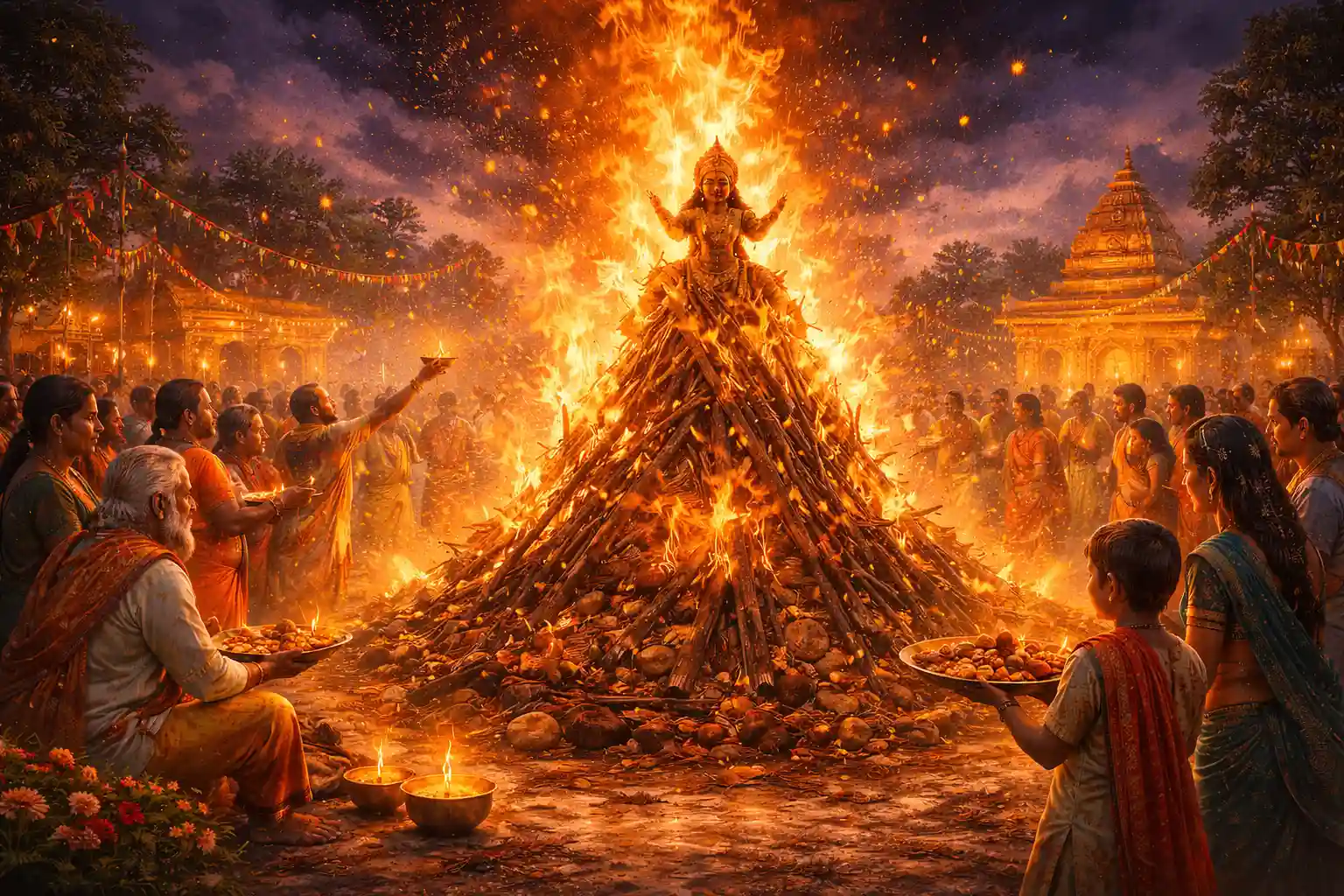
Holika Dahan is celebrated by lighting a bonfire, which is often made from wood, dried leaves, and other flammable materials. As the fire burns, people gather around, sing devotional songs, and offer prayers to seek blessings for a prosperous and virtuous life. The act of lighting the fire symbolizes the destruction of evil and impurities, while the warmth and light represent the arrival of good, renewal, and positivity.
Holi: The Festival of Colors
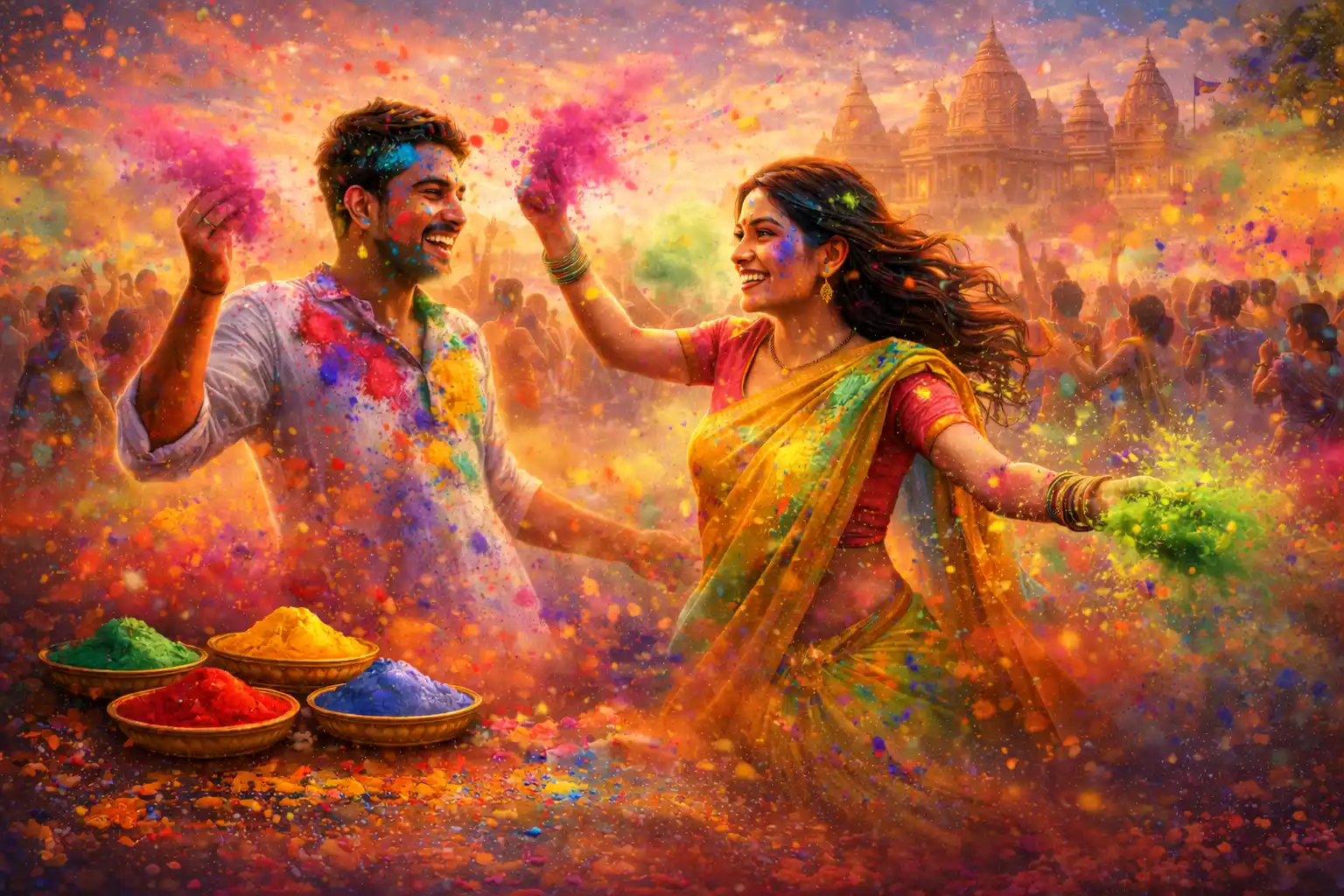
Holi, the much-awaited festival of colors, will be celebrated on March 6th in 2026. Though this falls just outside February, it is closely tied to the spiritual and cultural rhythms of the month, and its arrival is eagerly anticipated.
Significance of Holi
Holi is a vibrant celebration of the arrival of spring and the triumph of good over evil. The festival is rooted in the legend of Holika, the demoness, who tried to burn Prahlad, a devotee of Lord Vishnu. Instead of Prahlad, Holika perished, symbolizing the destruction of evil. Holi, therefore, celebrates the victory of virtue and purity.
The festival is also seen as a time for social unity, where people from all walks of life come together to throw colored powders (gulal), dance, sing, and indulge in festive food and drinks. It is a day to let go of grudges, embrace joy, and celebrate life.
How Holi is Celebrated
Holi is celebrated with much enthusiasm across India and by Hindu communities worldwide. The night before Holi, known as Holika Dahan, bonfires are lit to symbolize the destruction of evil. The following day is marked by the playful throwing of colored powders, water balloons, and the sound of music and laughter filling the streets. In some regions, traditional sweets like gujiya (a stuffed pastry) and thandai (a refreshing drink made with milk and spices) are prepared and shared among friends and family.
Insights from Swami Mukundananda
Swami Mukundananda, a prominent spiritual leader, has always emphasized the deeper, philosophical meanings behind Hindu festivals. According to him, each festival holds a profound spiritual message beyond the celebrations and festivities.
Swami Mukundananda explains that festivals like Holi and Maha Shivaratri are not just about external displays of joy or worship but also serve as tools for inner transformation. Holi, for instance, is a celebration of the victory of good over evil, but it also symbolizes the inner purification of the mind. Just as the colors of Holi can be washed off after the celebration, so too can the stains of negativity and impurities be cleansed through devotion and self-reflection.
Similarly, Maha Shivaratri represents the night of spiritual awakening. Swami Mukundananda teaches that the observance of this night should not just be seen as a ritualistic practice but as a time to cultivate inner peace and connection with the divine. It’s a moment to look within, silence the distractions of the world, and connect deeply with the higher self through prayer, fasting, and meditation.
In his teachings, Swami Mukundananda also stresses the importance of humility, love, and compassion, values that are embodied during Hindu festivals. He believes that by participating in these festivals with an open heart and a sense of gratitude, individuals can experience true transformation and spiritual growth.
Conclusion
February 2026 offers a rich array of festivals that cater to spiritual, intellectual, and cultural growth. From the reverence of Saraswati Puja and Vinayak Chaturthi to the joyous celebrations of Maha Shivaratri, Holi, and Vasant Panchami, it’s a month full of opportunities to engage with divine energies and reflect on the teachings of Hindu tradition.
As you celebrate these festivals, whether through fasting, chanting, dancing, or sharing sweets, let each one serve as a reminder of your connection to the divine and the transformative power of devotion. Through the wisdom of Swami Mukundananda, we are reminded that these festivals are not just outward celebrations but inward journeys toward enlightenment and self-realization. Let us embrace the spiritual lessons they bring, cultivating peace, knowledge, and compassion in our hearts.
Call To Action
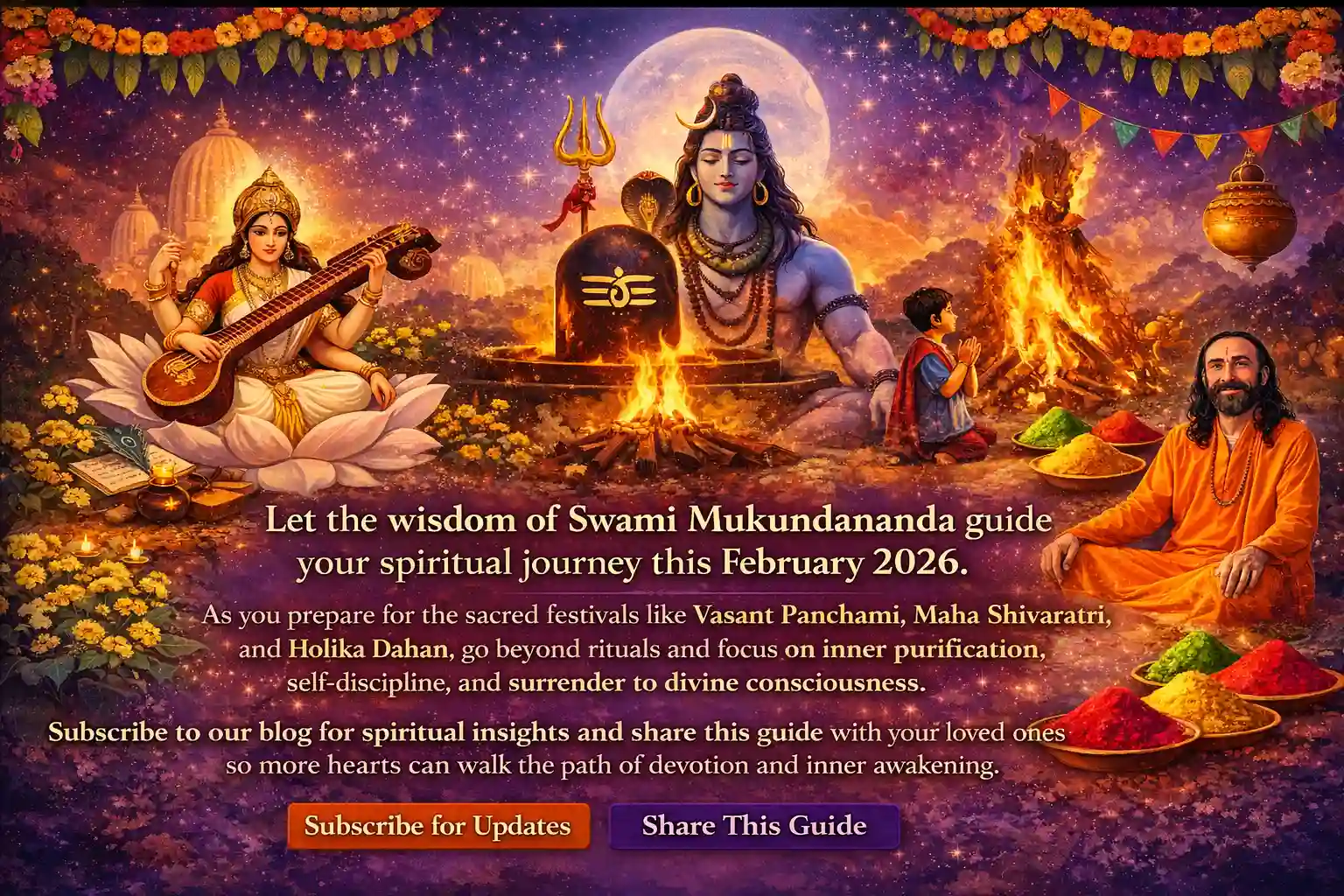
Glimpses of Past Celebrations
FAQs
1. What is the significance of Holika Dahan?
Answer: Holika Dahan is a ritual performed on the eve of Holi. It symbolizes the victory of good over evil, commemorating the story of Prahlad’s devotion to Lord Vishnu. The burning of Holika's effigy represents the destruction of negative forces and impurities, allowing for spiritual renewal.
2. What is the significance of Maha Shivaratri?
Answer: Maha Shivaratri is dedicated to Lord Shiva and is considered one of the most important spiritual nights in Hinduism. It is a day of fasting, prayer, and night-long vigils to honor Lord Shiva’s cosmic role in creation, preservation, and destruction. It’s also believed that worshiping Shiva on this night can lead to spiritual awakening and liberation.
3. Why is Amalaki Ekadashi important?
Answer: Amalaki Ekadashi, observed on February 27, 2026, is a day when devotees fast and worship the amla tree (Indian gooseberry), which is believed to be a manifestation of Lord Vishnu. The ritual is said to purify the body and mind, promote health, and bring divine blessings for prosperity and longevity.
4. What is the story behind Holi?
Answer: Holi, the Festival of Colors, celebrates the arrival of spring and the triumph of good over evil. The festival is rooted in the legend of Prahlad and Holika. Holika, a demoness, attempted to kill Prahlad, but instead perished in the fire while Prahlad, due to his devotion to Lord Vishnu, remained unharmed. Holi marks the celebration of this victory.
5. How is Jaya and Vijaya Ekadashi celebrated?
Answer: Jaya and Vijaya Ekadashi is observed on February 13, 2026. It is dedicated to Lord Vishnu and commemorates the story of Vishnu's gatekeepers, Jaya and Vijaya, who were cursed to be born as demons. Devotees fast, chant Vishnu's name, and engage in prayer to seek spiritual merit, victory over obstacles, and divine blessings.
Reference
Radha Krishna Temple Calendar
https://d11n2py6p6cfxh.cloudfront.net/2026_RKT_Calendar_fe7bae1910.pdf