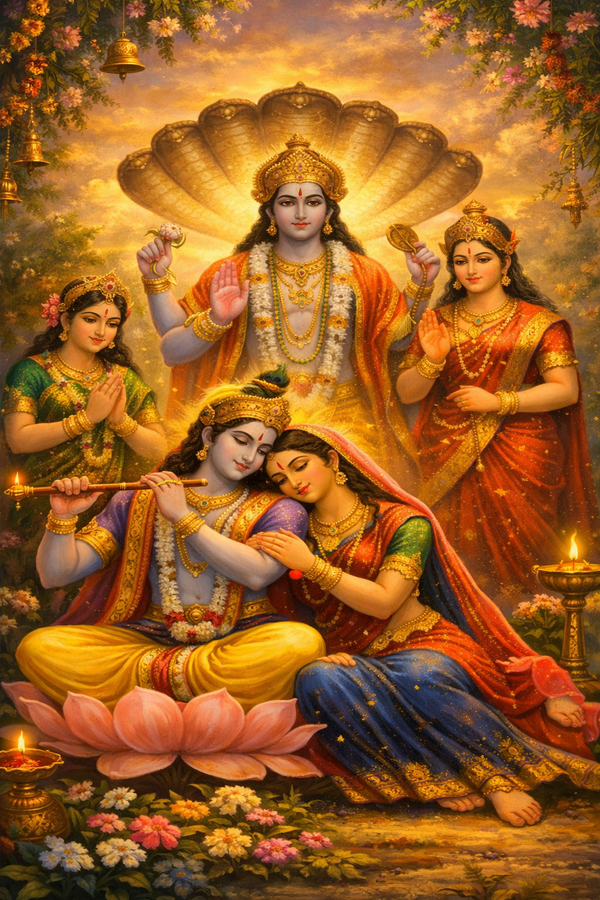
A Tale of Faith and Tradition
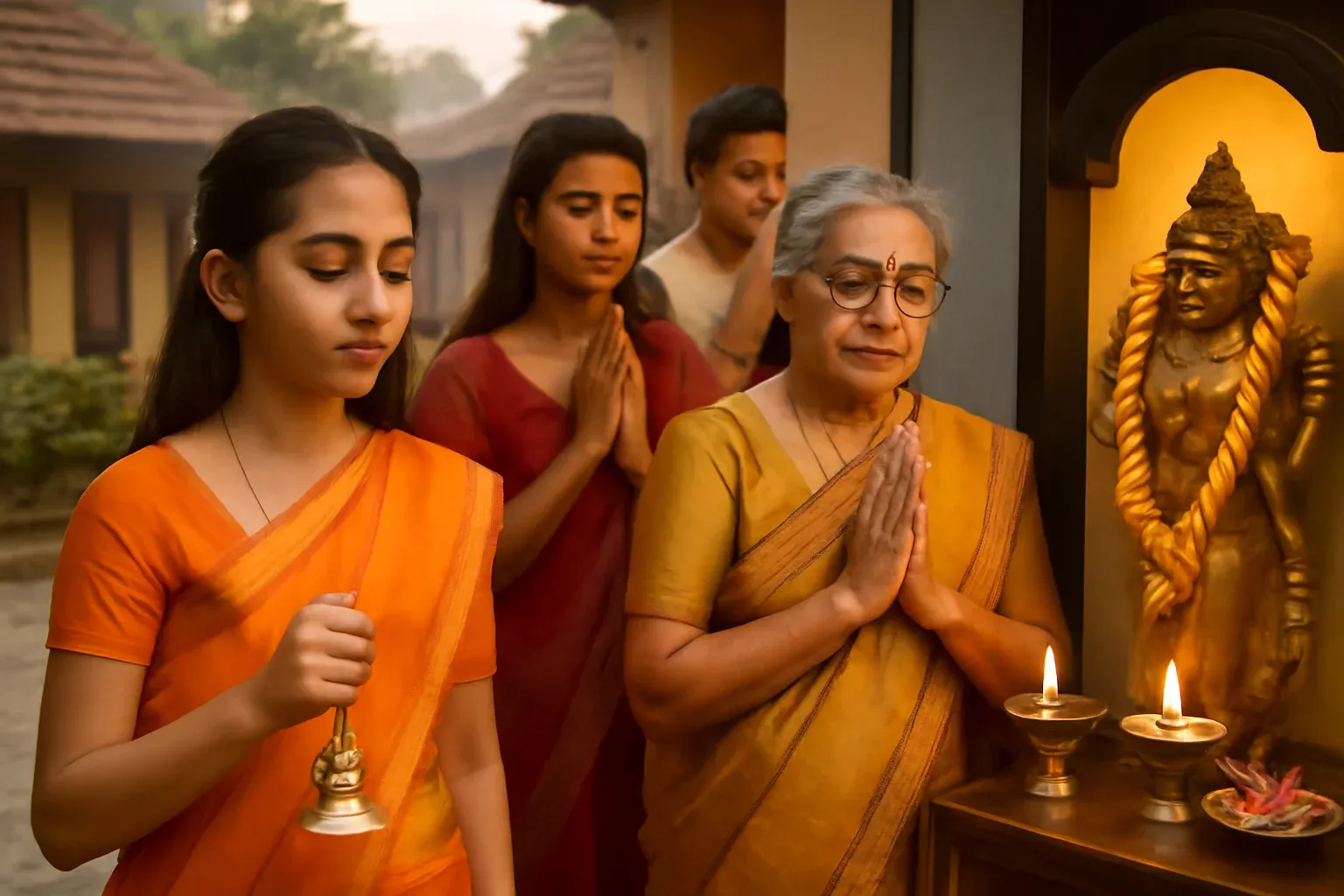
As dawn broke over the village of Muthukur, the crisp winter air carried the soft scent of incense and the sound of chanting from the nearby temple. It was the first day of Dhanurmas, a sacred month full of spiritual significance. Priya, a young girl eager for the ritual, had been waiting for this day. Her grandmother, always the guide in their family’s spiritual practices, handed her a brass bell with a warm smile. "It’s time, Priya," she said.
Together, they joined the family in front of their home’s small temple space, lighting lamps and offering prayers. As Priya chanted, she felt a deep connection to the divine, realizing that Dhanurmas was more than rituals—it was a journey of devotion, discipline, and divine blessings.
This story of devotion brings us to the heart of the Dhanurmas Pooja Vidhi: the step-by-step morning rituals that devotees follow during this sacred month for maximum spiritual merit. Whether you are new to the practice or have been performing these rituals for years, it is important to understand the proper sequence of steps to ensure that the Pooja is done with utmost reverence and devotion.
What is Dhanurmas?
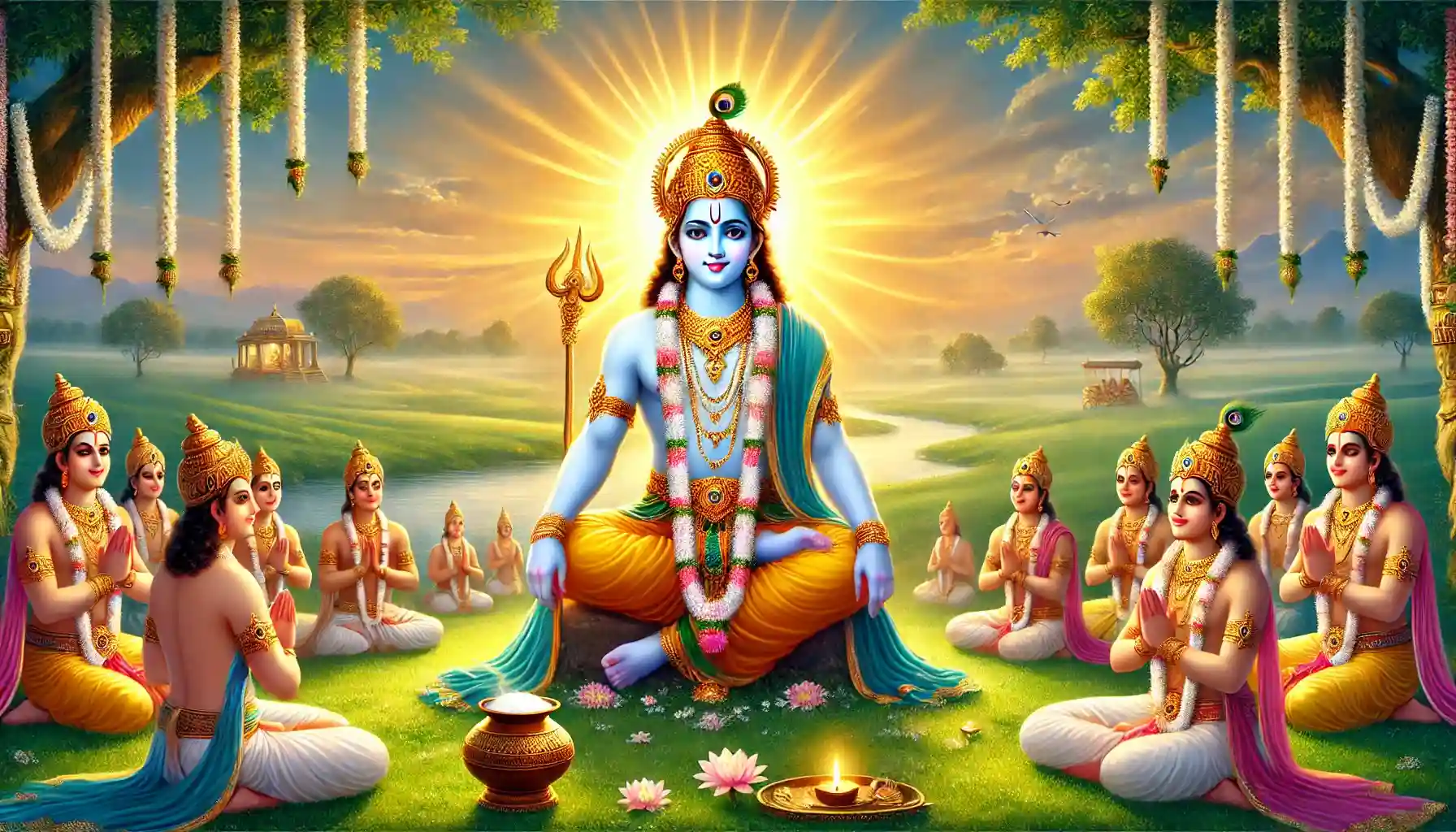
Dhanurmas is the month of the Hindu calendar that falls during the winter solstice, typically between mid-December and mid-January. In this month, the Sun enters the zodiac sign of Sagittarius (Dhanus), and it is believed that the Sun's rays are at their most beneficial for spiritual practices. The early morning hours during Dhanurmas are considered to be especially auspicious for prayers, meditation, and other devotional activities.
The significance of Dhanurmas lies in the spiritual benefits one can gain by observing the rituals and offering sincere worship to Lord Vishnu. It is said that devotees who follow the Pooja with faith and dedication during this time can cleanse their sins, achieve peace of mind, and acquire blessings for prosperity, wealth, and good health
Table for the Dhanurmas Pooja Vidhi, outlining the step-by-step process of the morning rituals:
| Step | Action | Details |
|---|---|---|
| 1 | Wake Up Early | Wake up during Brahma Muhurta (around 4:30 AM to 5:00 AM) for optimal spiritual energy. |
| 2 | Clean the Pooja Space | Clean the area where the Pooja will be performed. Arrange a small altar or platform for the deity. |
| 3 | Light the Diya (Lamp) | Light a lamp using oil or ghee to symbolize the removal of darkness and the presence of the divine. |
| 4 | Offer Water to Lord Vishnu | Offer clean water to Lord Vishnu, symbolizing purity and devotion. Recite Vishnu Stotra or Shanti Mantras. |
| 5 | Chant Mantras and Recite Prayers | Chant the Dhanurmasya Stotra or Om Namo Bhagavate Vasudevaya mantra to invoke Lord Vishnu's blessings. |
| 6 | Offer Tulsi Leaves and Flowers | Place Tulsi leaves and fresh flowers (such as marigolds or jasmine) near the deity as an offering. |
| 7 | Offer Fruits and Sweets | Offer fruits like bananas, pomegranates, or apples, and sweets such as laddus or kheer to Lord Vishnu. |
| 8 | Perform the Arati | Wave a lamp or wicks in a circular motion while singing Arati songs to honor the deity. |
| 9 | Offer Prasadam (Sacred Offering) | Share the blessed offerings (fruits, sweets, water) with family members or devotees present. |
| 10 | Conclude with Peace Prayers | Recite peace mantras such as Om Shanti, Shanti, Shanti or Sarve Bhavantu Sukhinah to invoke peace. |
Step-by-Step Dhanurmas Pooja Vidhi
1. Wake Up Early (Brahma Muhurta)
The first step of the Dhanurmas Pooja begins well before the dawn. Devotees must wake up early, ideally around 4:30 AM to 5:00 AM, when the atmosphere is calm and pure. This is the time of Brahma Muhurta, a period believed to be most conducive to spiritual practice. It is important to bathe before beginning the rituals, as physical cleanliness is believed to enhance the spiritual purity needed for the Pooja.
2. Clean the Pooja Space
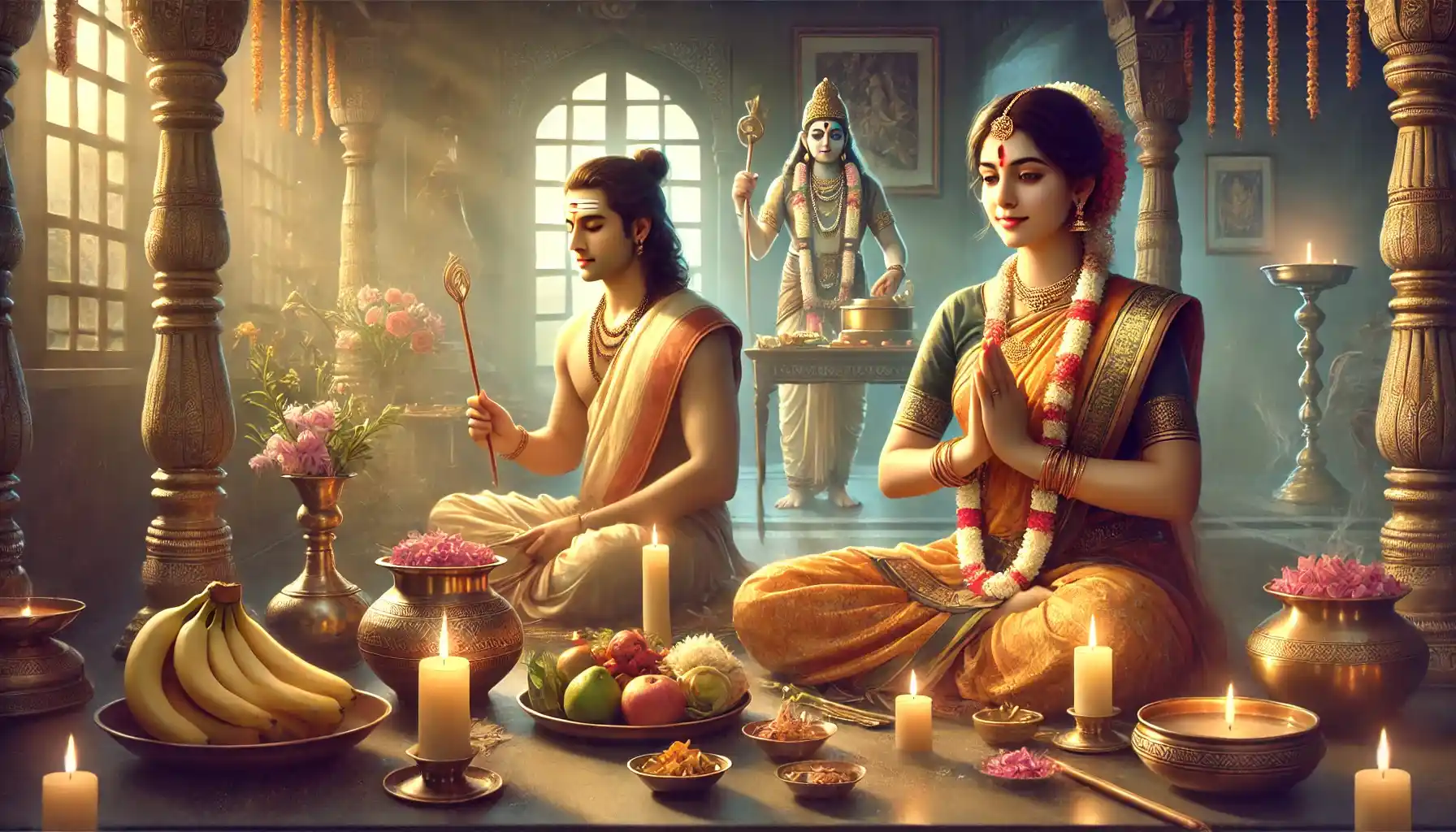
Once you are awake and refreshed, the next step is to clean the area where you will perform the Pooja. This space must be free from distractions and clutter. You can set up a small altar or Pooja platform (Chowki) and place idols or pictures of Lord Vishnu, who is worshipped during this period. Fresh flowers, a lamp (Diya), incense, and offerings such as fruits or sweets are placed around the altar.
3. Light the Diya (Lamp)
The Diya, or lamp, is an essential part of the Dhanurmas Pooja. Lighting a lamp symbolizes the removal of darkness (ignorance) and the invocation of divine light (knowledge). The light represents the presence of the divine and the purification of the environment. It is customary to use oil or ghee in the lamp and light it before beginning any prayers or mantras.
4. Offer Water to Lord Vishnu
Water holds great significance in Hindu rituals, and offering water to Lord Vishnu is considered a way to seek divine blessings for prosperity and peace. Take a small copper or silver vessel filled with clean water and offer it to the deity while chanting mantras. You can recite the Vishnu Stotra or Shanti Mantras during this step. It is believed that offering water with devotion brings peace and protection to your home.
5. Chant Mantras and Recite Prayers
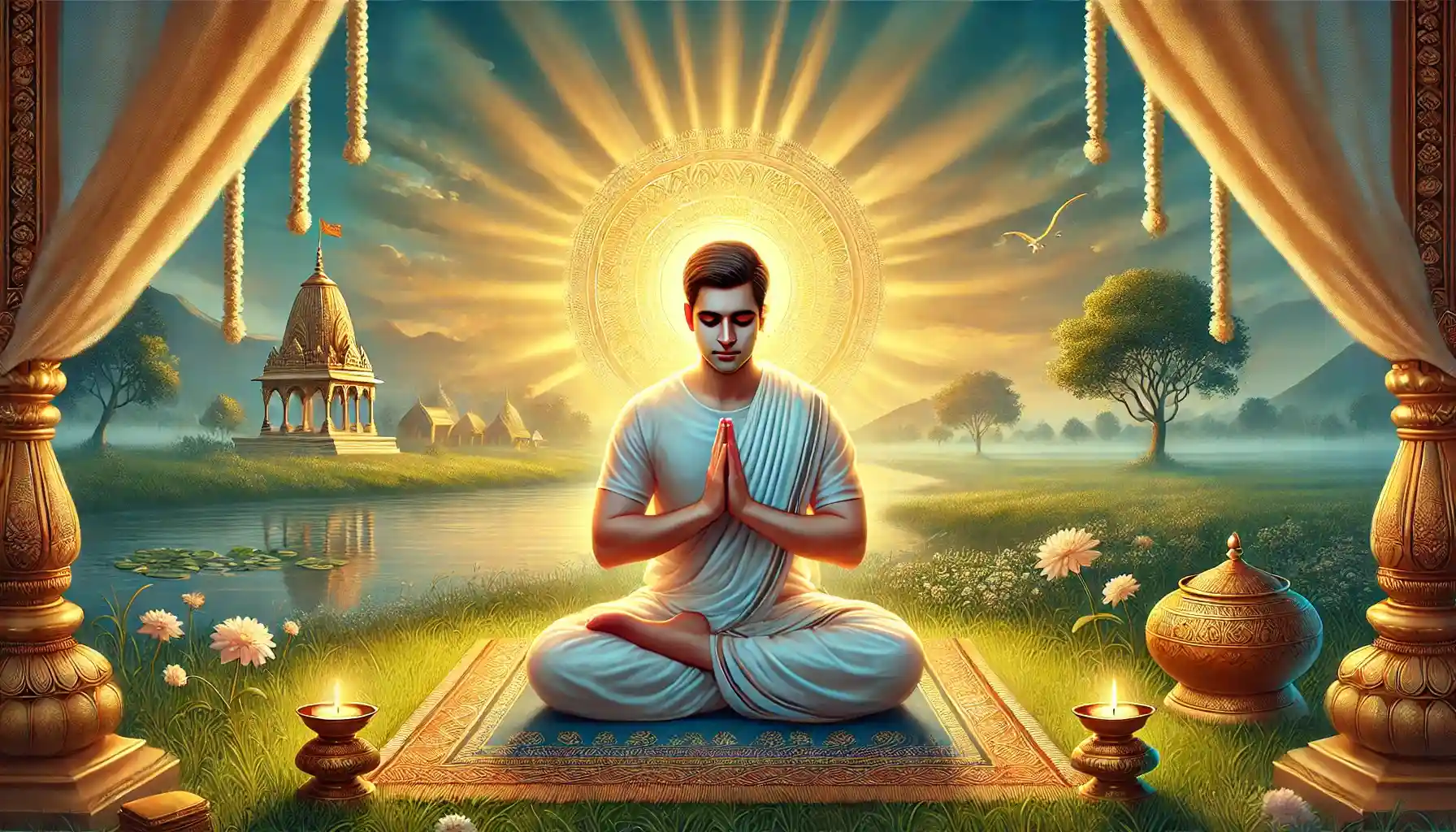
Chanting the right mantras is the essence of any Hindu ritual. For Dhanurmas, the most important mantra to chant is the Dhanurmasya Stotra, which praises Lord Vishnu and seeks his blessings for peace, prosperity, and spiritual upliftment. It is best to recite this mantra at least 108 times, either aloud or in your mind, to invoke the blessings of the divine.
Here is a popular prayer for Dhanurmas:
"Om Namo Bhagavate Vasudevaya"
This chant is a powerful invocation of Lord Vishnu, who is considered the supreme god in the Vaishnavite tradition. As you chant, focus your mind on the divine form of Lord Vishnu and offer all your thoughts, words, and actions to him.
6. Offer Tulsi Leaves and Flowers
Lord Vishnu is associated with the sacred Tulsi plant (Holy Basil), and it is customary to offer Tulsi leaves along with other flowers during the Pooja. Tulsi is believed to be very dear to Lord Vishnu and offering it with love and reverence brings purity to the mind and body. Place the Tulsi leaves near the deity’s idol or picture, along with fresh flowers like marigolds, roses, or jasmine.
7. Offer Fruits and Sweets
Offerings of fruits and sweets represent gratitude and devotion. Common offerings include banana, pomegranate, apple, or grapes. Sweets such as laddu, kheer, or halwa can also be prepared and offered to the deity. These offerings symbolize the gratitude of the devotee and the desire to share the abundance of nature with the divine.
While offering these items, recite a prayer asking for the blessings of prosperity, health, and spiritual growth. You can say:
"May Lord Vishnu bless me with peace, good health, and wisdom."
8. Perform the Arati
Once the prayers and offerings are complete, it’s time for the Arati (a prayer with light). During the Arati, you wave a lamp or a set of wicks in a circular motion in front of the deity. This is done to show reverence and to signify the removal of darkness. The devotees sing the Arati songs while the lamp is being waved.
This is a very auspicious moment during the Pooja, as the energy of the divine is believed to be present. While performing the Arati, feel the connection with the divine and express your gratitude for the blessings you have received.
9. Offer Prasadam (Sacred Offering)
After the Arati, the offerings made to the deity are considered blessed and are called Prasadam. This can include fruits, sweets, and the sacred water used during the Pooja. The Prasadam is shared among family members or devotees present during the Pooja. Partaking of the Prasadam is considered an act of receiving divine grace.
10. Conclude with Peace Prayers
Finally, after completing the main ritual, you can offer prayers for peace and well-being. Recite the Shanti Mantras, which invoke peace for the individual, the family, and the world. Some popular peace prayers include:
"Om Shanti, Shanti, Shanti" (Peace, peace, peace)
"Sarve Bhavantu Sukhinah Sarve Santu Niramayah" (May all beings be happy and healthy
The Benefits of Dhanurmas Pooja
Performing the Dhanurmas Pooja with sincerity and devotion offers a multitude of spiritual benefits. Some of the key benefits include:
- Spiritual Upliftment: By worshipping Lord Vishnu, devotees attain inner peace and spiritual growth.
- Wealth and Prosperity: Dhanurmas is considered the month for material and spiritual abundance, with blessings flowing for those who perform the Pooja.
- Health and Well-being: The ritual helps cleanse the mind, body, and soul, leading to better physical and mental health.
- Protection from Negative Influences: The power of chanting mantras and performing the ritual provides divine protection from evil influences and obstacles.
The Importance of Morning Rituals in Dhanurmas Pooja
Morning rituals are crucial in Hindu spiritual practices, especially during Dhanurmas. The early morning period, particularly Brahma Muhurta (around 4:00 AM to 6:00 AM), is considered the most auspicious time for spiritual activities, offering unique benefits for those who practice with devotion.
1. The Sacredness of Brahma Muhurta
Brahma Muhurta is a time when the atmosphere is calm, free from distractions, and most receptive to divine energy. The mind, still fresh from rest, is more focused on spiritual practices like meditation, mantra chanting, and prayer, making the rituals more effective and meaningful.
2. The Power of Sunlight and Spiritual Energy
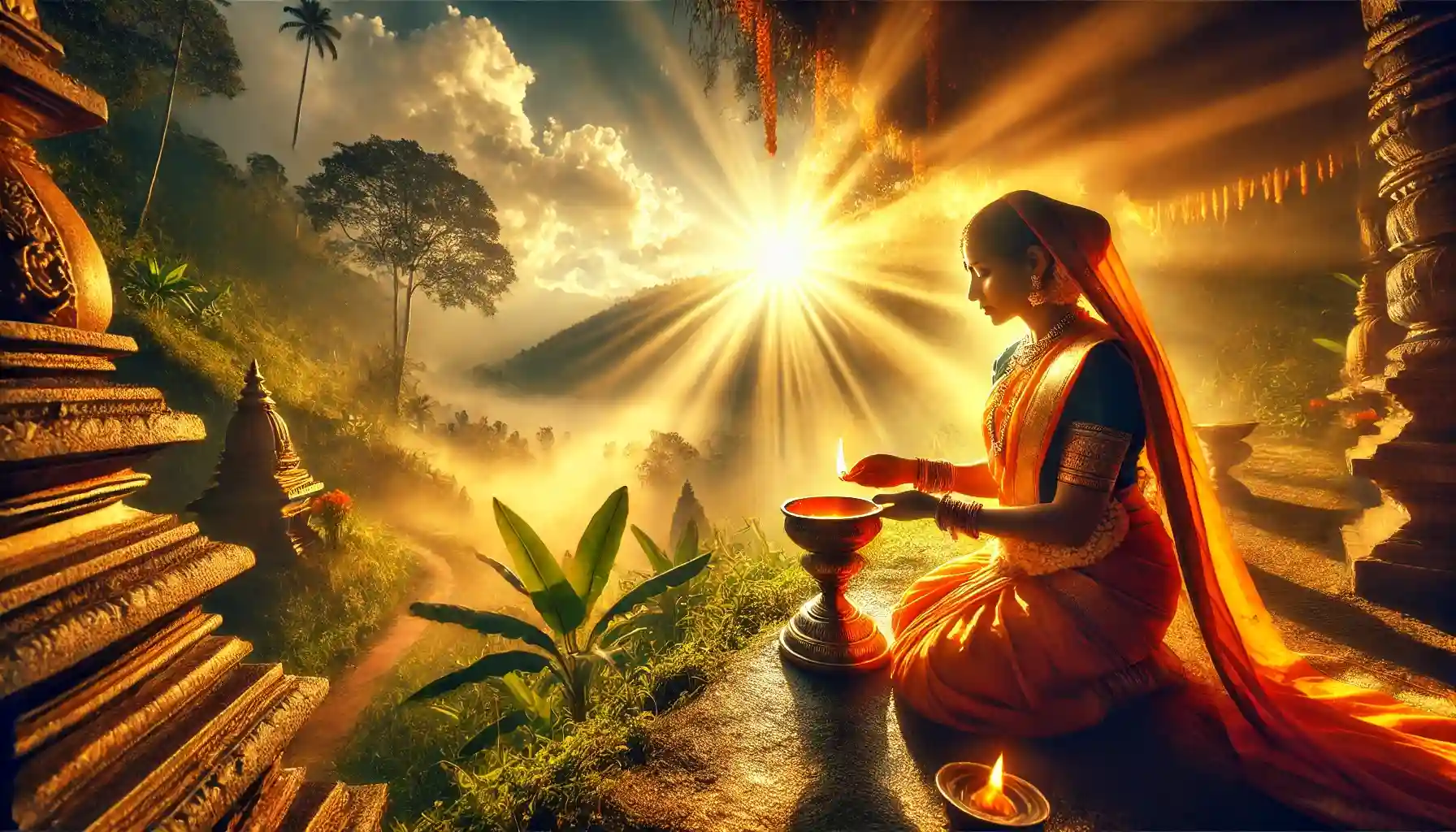
Early morning sunlight during Dhanurmas is considered purifying. The Sun’s rays are believed to dispel negative energies, bring clarity, and awaken spiritual consciousness. Lighting a Diya (lamp) during this time symbolizes inviting divine light, dispelling ignorance, and aligning with cosmic energy.
3. Establishing Discipline and Devotion
Morning rituals create a routine that fosters discipline and devotion. Waking up early and dedicating time to the divine helps devotees establish a strong spiritual practice. This daily devotion becomes a practice of mindfulness, strengthening the connection with Lord Vishnu or the deity of worship.
4. The Role of Mantras in Morning Rituals
Chanting mantras during Brahma Muhurta, such as the Dhanurmasya Stotra, creates powerful vibrations that influence the mind, body, and spirit. These mantras, when chanted at this time, resonate deeply, bringing inner peace, clarity, and divine blessings while purifying the mind and increasing receptivity to spiritual knowledge.
5. Spiritual Growth Through Reflection and Meditation
The early hours, being quiet and undisturbed, provide an ideal setting for meditation and self-reflection. During Dhanurmas, these practices help devotees align with divine will, gain clarity, and reduce stress. Morning rituals, especially during Brahma Muhurta, enhance spiritual growth, preparing devotees for the day ahead.
6. Strengthening the Connection with Lord Vishnu
For many, morning rituals during Dhanurmas aim to strengthen their connection with Lord Vishnu. Offering prayers and mantras with devotion is believed to invoke Vishnu's protection and blessings. These rituals deepen the relationship with the divine, helping to cultivate faith and devotion.
7. Aligning with Nature’s Rhythms
Hinduism teaches that aligning with natural rhythms fosters spiritual harmony. Waking up early to perform rituals connects devotees with the natural cycles, symbolizing unity with the universe’s order. This practice fosters peace, gratitude, and a sense of interconnectedness with life and nature.
8. Purification and Blessings
Morning rituals during Dhanurmas purify the body and mind, attracting divine blessings for the day. By rising early, cleansing oneself, and offering prayers, devotees purify their soul and invite positive energy. These rituals are believed to clear negative karma and pave the way for spiritual progress.
Connection to the Story of Lord Krishna
In many parts of India, Dhanurmas also holds particular significance due to its association with Lord Krishna. According to legend, during his childhood in Gokul, Lord Krishna would wake up early in the morning during Dhanurmas, along with his friends, to worship Lord Vishnu. In some traditions, it is said that Krishna himself observed the Dhanurmas Pooja by offering prayers to Vishnu and performing morning rituals, thus setting an example for his devotees.
This connection adds an extra layer of devotion to the month, with many devotees specifically invoking Lord Krishna’s blessings during this period, hoping to follow his path of righteousness and devotion.
Conclusion: The Transformative Power of Dhanurmas
Dhanurmas is not just another month in the Hindu calendar; it is a time of spiritual renewal, reflection, and dedication. Whether it is through the early morning rituals, the offering of sacred items, or the worship of Lord Vishnu, the month offers countless opportunities to strengthen one’s spiritual practice and connect deeply with the divine. It is a sacred period that guides the devotee toward a path of love, devotion, and deep spiritual connection with the Divine.
By observing Dhanurmas with sincerity and devotion, devotees can purify their hearts, transform their lives, and receive the divine blessings of Lord Vishnu. The importance of this month, therefore, goes beyond ritualistic practices; it is a gateway to divine grace, spiritual elevation, and inner peace.
Call To Action
Join the Divine Celebration of Goda Devi Kalyanam at Radha Krishna Temple, Dallas!
Experience the sacred union of Sri Goda Devi (Andal) and Lord Ranganatha with traditional Vedic chants, processions, and spiritual rituals. Don’t miss this opportunity to receive divine blessings and deepen your connection with Lord Vishnu.
📅 Date: January 18, 2026
📍 Location: Radha Krishna Temple, Dallas
✨ Reserve your spot today and be part of this once-a-year spiritual celebration!
FAQS
1. Why is Dhanurmas considered an auspicious month for worship?
Answer:
Dhanurmas is believed to be an especially sacred month because the Sun enters the zodiac sign of Sagittarius, and the early morning hours (Brahma Muhurta) are considered the most spiritually beneficial. Performing rituals during this time helps purify the mind and body, bringing divine blessings.
2. Can the Dhanurmas Pooja be performed at home?
Answer:
Yes, the Dhanurmas Pooja can easily be performed at home. All you need is a clean space, an altar for Lord Vishnu, and the necessary offerings like flowers, fruits, water, and sweets. The Pooja can be done individually or with family members, and it is believed that doing it at home brings peace and prosperity to the household.
3. What are the benefits of chanting mantras during Dhanurmas Pooja?
Answer:
Chanting mantras during Dhanurmas Pooja helps in invoking Lord Vishnu’s blessings. It is believed that regular chanting during this sacred month can purify the mind, enhance spiritual growth, and bring peace, prosperity, and protection from negative influences.
4. How does lighting a Diya (lamp) contribute to the Dhanurmas Pooja?
Answer:
Lighting a Diya symbolizes the removal of darkness (ignorance) and the invocation of divine light (knowledge). The light represents the presence of Lord Vishnu and is an important part of the ritual to purify the surroundings and invite spiritual energy into the home.
5. Is it necessary to offer Tulsi leaves during the Dhanurmas Pooja?
Answer:
Yes, offering Tulsi leaves is an important part of the Dhanurmas Pooja. Tulsi is considered sacred and dear to Lord Vishnu. Offering it during the Pooja helps purify the devotee’s heart and mind, and it is believed to attract divine blessings and protection.
References
📖 Read or Study Bhagavad Gita with Swami Mukundananda
👉 Read the Bhagavad Gita online with Swami Mukundananda’s commentary – This site provides verses, translations, and insights based on his teachings. Bhagavad Gita, The Song of God – Online Commentary (Holy‑Bhagavad‑Gita.org)
📘 Books & Commentaries
👉 Bhagavad Gita for Everyday Living – A modern commentary by Swami Mukundananda that presents Gita teachings with practical applications. JKYog: Bhagavad Gita for Everyday Living (official book page)
(Also available through Swami Mukundananda’s official site)