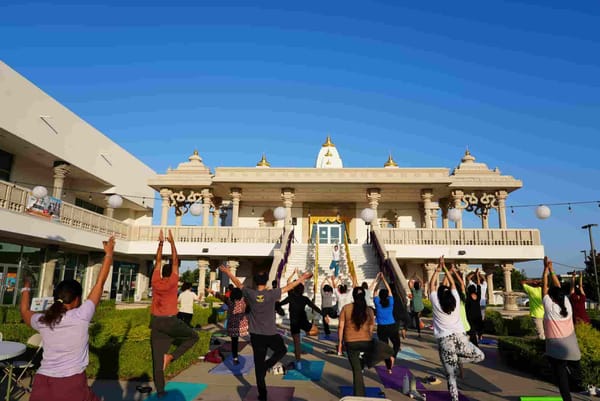
Every year on June 21st, people worldwide celebrate International Yoga Day — a global recognition of yoga’s transformative power for the body, mind, and spirit. First proposed by India and adopted by the United Nations in 2014, this day highlights yoga’s universal appeal and its ancient roots in Indian tradition.
Yoga is more than just physical postures; it’s a lifestyle that promotes balance, peace, and mindfulness. From beginners to advanced practitioners, millions find healing and strength in its practices, whether through stretching, breathing techniques, or meditation.
This year's theme, "Yoga for One Earth, One Health," emphasizes how individual well-being contributes to collective harmony. In today’s fast-paced world filled with stress and distractions, yoga is a grounding force that reconnects us to ourselves and the present moment.
On International Yoga Day, communities host free yoga sessions, workshops, and online classes, inviting everyone to explore the benefits of yoga regardless of age or ability. It’s a chance to slow down, breathe deeply, and reflect on the power of inner calm.
The Origins of International Yoga Day
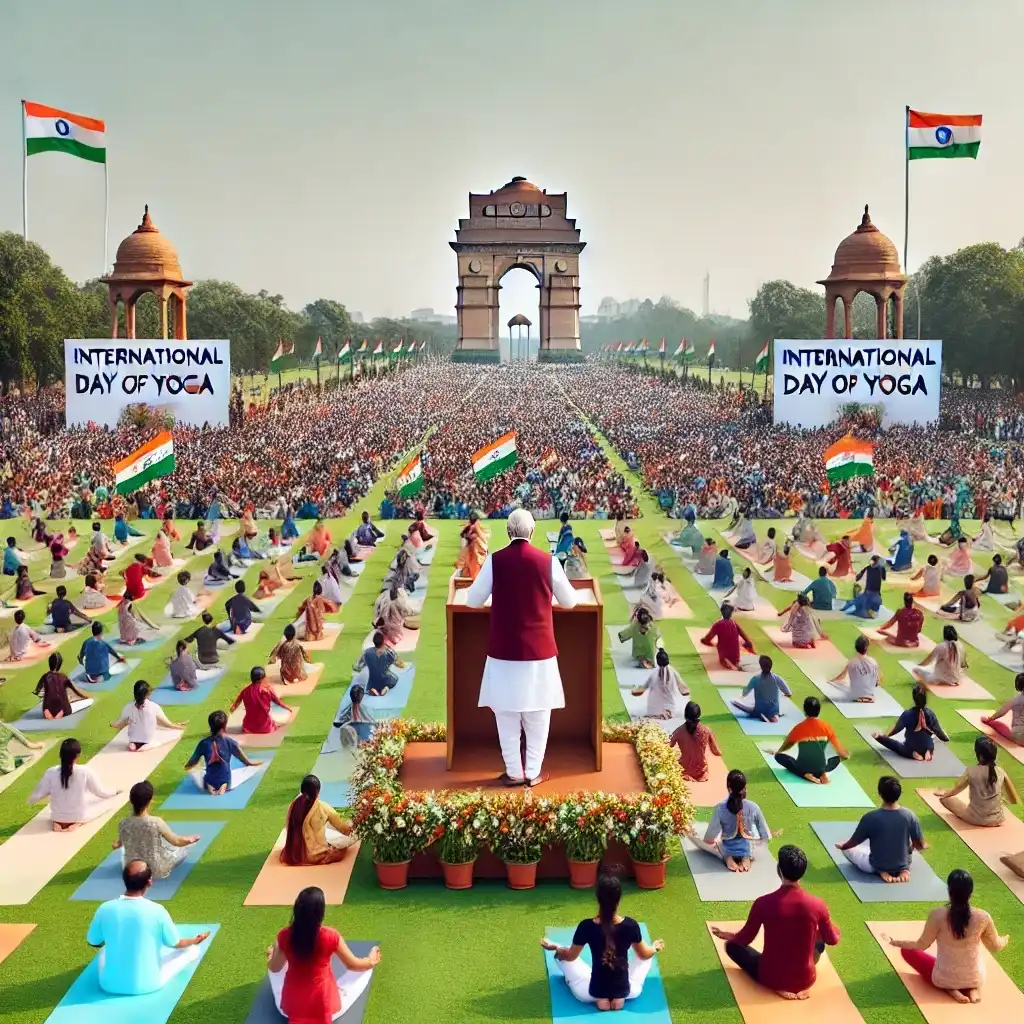
The idea of dedicating a day to yoga was first proposed by Indian Prime Minister Narendra Modi during his address to the United Nations General Assembly on September 27, 2014. He said:
“Yoga is an invaluable gift of India’s ancient tradition... It is a holistic approach to health and well-being.”
The proposal received overwhelming support, with 177 nations co-sponsoring the resolution — a record in UN history. The UN officially declared June 21st as the International Day of Yoga, aligning it with the summer solstice, the longest day of the year in the Northern Hemisphere, symbolizing light, energy, and renewal.
Why Yoga? The Deeper Meaning
The word “yoga” comes from the Sanskrit root “yuj”, which means “to join” or “to unite.” At its core, yoga is about union — of mind and body, self and universe, effort and surrender.
Though often associated with physical poses (asanas), yoga encompasses much more. It includes:
- Pranayama (breath control)
- Dhyana (meditation)
- Yamas and Niyamas (ethical and spiritual disciplines)
- Mindfulness and self-inquiry
This holistic system offers tools for physical fitness, emotional resilience, mental clarity, and spiritual awakening. As such, yoga is profoundly relevant in a world facing rising stress, anxiety, and disconnection.

Themes of International Yoga Day
International Yoga Day is celebrated yearly with a new theme to guide focus and reflection. Past themes have included:
- 2015: Yoga for Harmony and Peace
- 2016: Connect the Youth
- 2020: Yoga at Home, Yoga with Family
- 2022: Yoga for Humanity
- 2024: Yoga for Self and Society
The 2025 theme, "Yoga for One Earth, One Health," echoes the vital truth that personal wellness and planetary health are inseparably linked. Yoga strengthens the body, calms the mind, and fosters a heightened awareness and responsibility in daily life.
The Global Celebration
International Yoga Day is marked by diverse celebrations worldwide — from majestic mass yoga sessions in India to rooftop practices in New York and beachside sun salutations in Bali. Some highlights include:
1. India: The Epicenter
- Massive outdoor sessions in places like New Delhi, Rishikesh, and Mysuru.
- Government and educational institutions organize week-long yoga awareness programs.
- The prime minister often leads a large national yoga demonstration broadcast worldwide.
2. United Nations Headquarters
- In New York City, yoga events are often hosted near the UN HQ.
- Diplomats, yoga teachers, and global citizens join, promoting peace through practice.
3. Global Cities
- Parks, schools, sports clubs, and prisons organize free yoga sessions.
- Airports, malls, and workplaces offer quick yoga breaks.
- Online platforms stream live classes in multiple languages.
The day has become a global mosaic of cultures practicing together, proving that wellness is a universal language.
Health Benefits of Yoga: Backed by Science
Yoga isn’t just ancient wisdom; modern science has validated its benefits. Here’s what research shows:
1. Physical Health
- Improves flexibility, posture, and balance
- Builds core strength and muscle tone
- Aids in digestion, metabolism, and circulation
- Supports cardiovascular and respiratory function
- Helps alleviate chronic pain conditions
2. Mental and Emotional Health
- Reduces stress and anxiety by lowering cortisol levels
- Improves sleep quality and reduces insomnia
- Enhances mood and emotional regulation
- Increases self-awareness and cognitive focus
- Boosts overall quality of life and well-being
3. Disease Management
- Supports management of diabetes, hypertension, and arthritis
- Reduces symptoms of depression and PTSD
- Aids in addiction recovery and trauma healing
- Enhances immunity and cellular regeneration
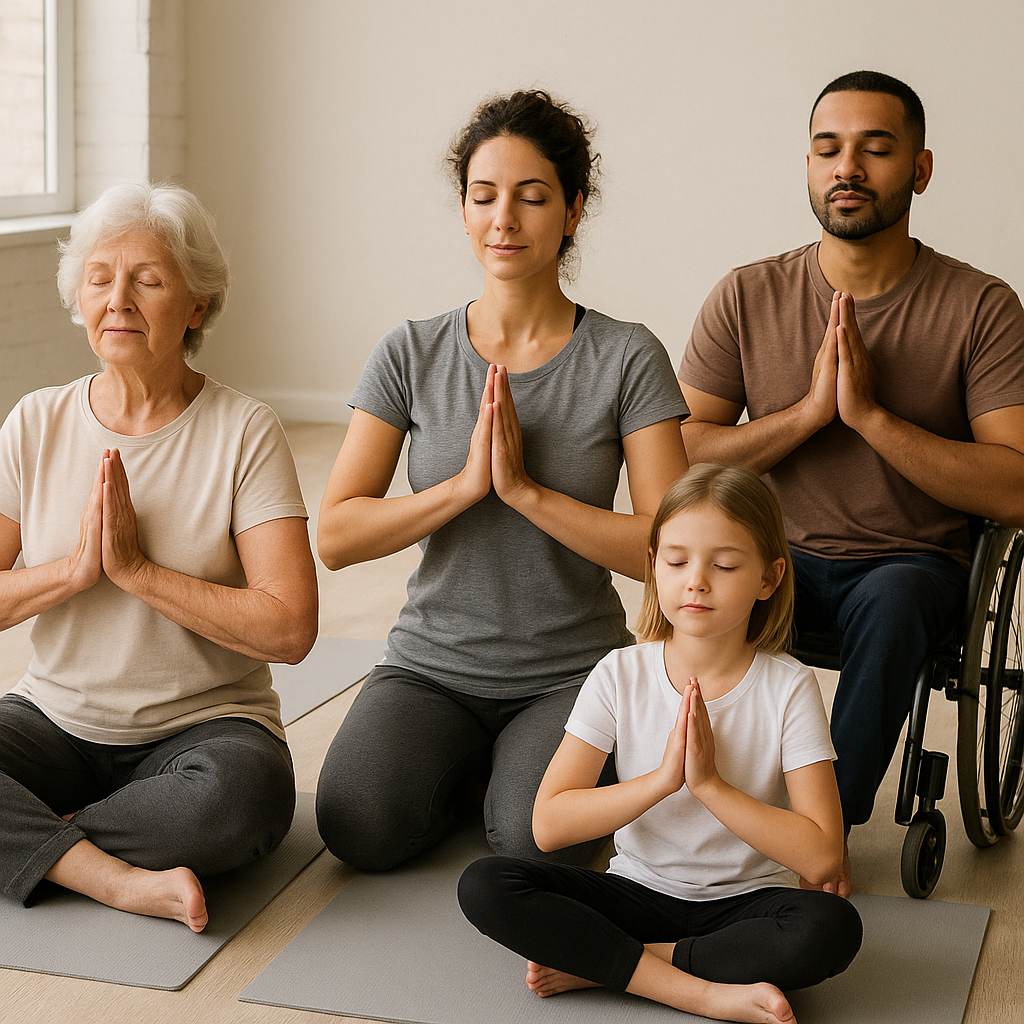
Yoga for All Ages and Abilities
One of yoga’s greatest strengths is its accessibility. Whether you’re a child, an elder, an athlete, or someone with mobility challenges, there’s a style of yoga suited to your needs:
- Children learn focus and discipline through playful yoga.
- Teens benefit from emotional regulation during developmental years.
- Adults use yoga to manage stress and maintain fitness.
- Seniors embrace gentle stretches and chair yoga for mobility and balance.
- People with disabilities adapt yoga poses to enhance comfort and functionality.
No matter where you start, yoga meets you there.
How to Celebrate International Yoga Day
Celebrate any way that fits your needs. Here are personal and communal ways to honor the spirit of the day:
1. Practice Yoga at Home
- Roll out your mat and do a simple 30-minute routine.
- Try a guided session on YouTube or an app like Yoga with Adriene or Daily Yoga.
2. Join a Community Class
- Look for free local classes in parks, community centers, or studios.
- Invite friends or family to join you.
3. Learn Yoga Philosophy
- Read about the Yoga Sutras of Patanjali or the Bhagavad Gita.
- Reflect on yogic values like compassion, truthfulness, and non-attachment.
4. Meditate and Breathe
- Even 10 minutes of pranayama or dhyana can shift your mindset.
- Try techniques like alternate nostril breathing or body scan meditation.
5. Eat Mindfully
- Prepare a healthy, plant-based meal in silence and gratitude.
- Practice eating slowly, paying attention to each bite.
6. Share Yoga
- Teach a child or a friend a few poses.
- Post a photo or a reflection online using the hashtag #InternationalYogaDay.
Common Misconceptions About Yoga
Despite its popularity, some myths still surround yoga. Let’s clear them up:
Myth 1: You need to be flexible.
Truth: Flexibility is a result, not a requirement. Yoga is for everybody.
Myth 2: Yoga is a religion.
Truth: Yoga is a spiritual practice not tied to one faith. People of all beliefs practice it.
Myth 3: It’s only for women.
Truth: Yoga is gender-neutral. Historically, many Indian yogis were men.
Myth 4: It’s just exercise.
Truth: Yoga encompasses ethics, mindfulness, and inner transformation.

Yoga in Schools, Workplaces, and Healthcare
As the world recognizes yoga’s potential, it’s being integrated into various sectors:
- Schools: Help students improve attention, reduce anxiety, and increase emotional intelligence.
- Corporations: Offer yoga breaks to improve productivity and employee well-being.
- Hospitals and Clinics: Use yoga therapy for managing chronic illnesses, pain, and mental health.
Countries like the U.S., the UK, Japan, and Australia have funded public institutions' yoga research and wellness programs.

Environmental and Ethical Dimensions
Yoga teaches interconnectedness between breath and body, humans and nature. Practicing yoga with awareness often leads to:
- Mindful consumption
- Eco-conscious living
- Ethical choices in food, products, and community behavior
Many practitioners adopt vegetarian or sustainable lifestyles as an extension of ahimsa (non-violence).
Looking Ahead: The Future of Yoga
Yoga offers a unifying solution to global crises — from climate change to mental health epidemics. Its adaptability means it can be:
- Taught in virtual classrooms
- Used in trauma relief for war-torn or disaster-affected areas
- Offered as preventive healthcare in low-resource settings
The future lies in making yoga inclusive, accessible, and relevant to the challenges of our times.
Conclusion: A Call to Stillness and Action
Whether you’re stepping onto the mat for the first time or have practiced for years, International Yoga Day invites you to reflect on:
- How do you care for your body
- How do you quiet your mind
- How do you connect with others
Please join the celebration at Radha Krishna Temple of Dallas.
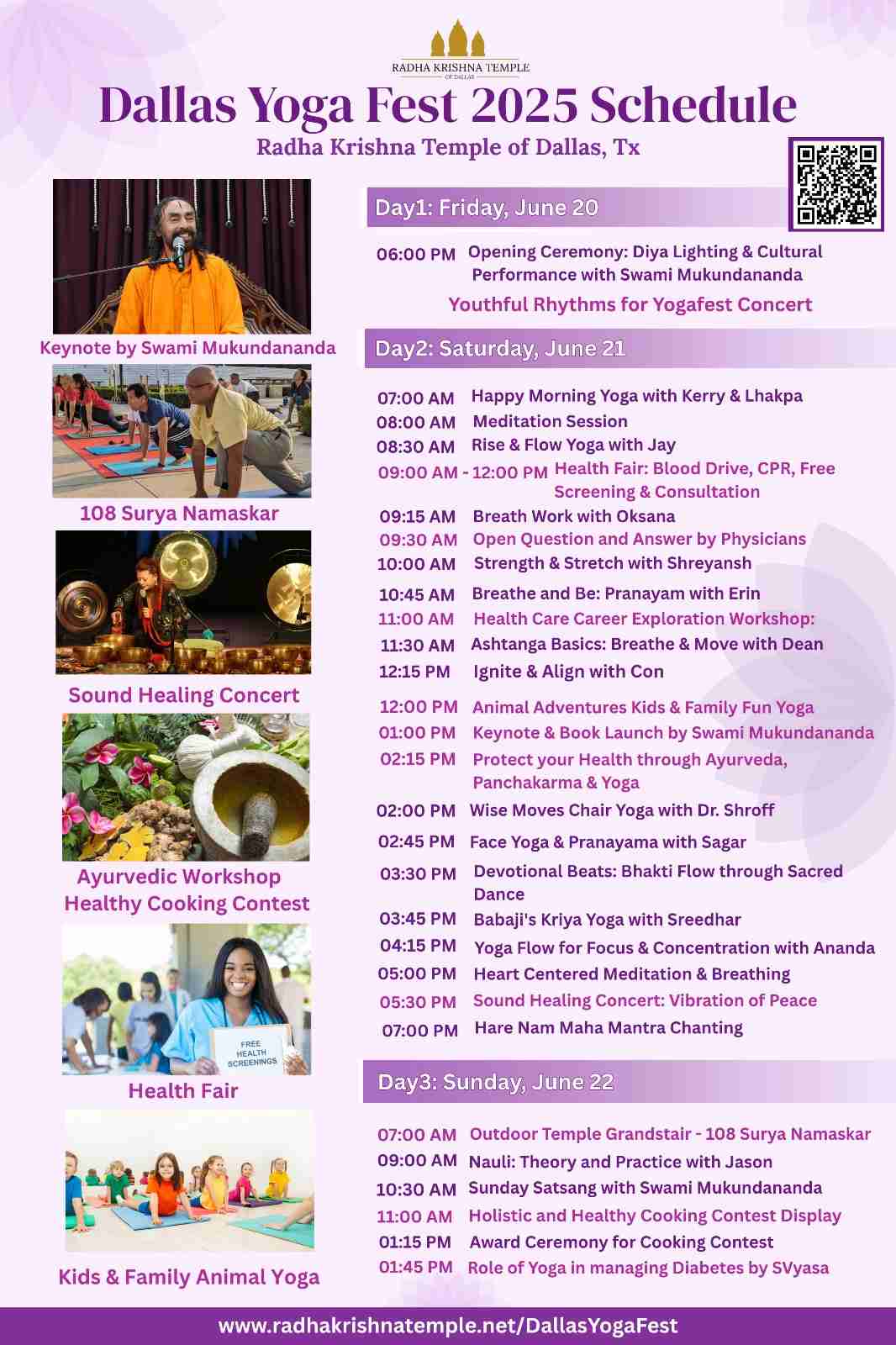
Registration Details
🎟️ Free Entry | Registration Required
📍 Event Location:
Radha Krishna Temple of Dallas
1450 N Watters Rd, Allen, TX 75013
🌐 Register Now:
👉 www.radhakrishnatemple.net/dallas-yoga-fest
Spots are filling fast—register early to reserve your space, especially for specialty sessions and health screenings.
Bonus: How You Can Help
Are you inspired to make a difference?
🔹 Volunteer: Help organize, host, or support event logistics
🔹 Sponsor: Promote your wellness brand or service
🔹 Donate: Support temple initiatives and help keep the event free for all
Details are available on the official site.